Serralves Museum of Contemporary Art: Porto's Architecture and Art Combined
The Serralves Museum of Contemporary Art is a major cultural institution in Porto, housed in a landmark building designed by Pritzker Prize-winning architect Álvaro Siza Vieira. Set within an 18-hectare estate in the Boavista district, the complex pairs rotating contemporary art exhibitions with a restored Art Deco villa and a designed park.
Quick Facts
- Location
- Rua D. João de Castro 210, Boavista, Porto
- Getting There
- Bus from city centre; no direct metro stop — use bus routes or taxi/rideshare
- Time Needed
- 2.5 to 4 hours for the full estate (museum + villa + park)
- Cost
- Approx. €15 (park only) to €24 (full estate) — verify current prices at serralves.pt
- Best for
- Architecture enthusiasts, contemporary art lovers, slow afternoon walks
- Official website
- www.serralves.pt/en
What Serralves Actually Is
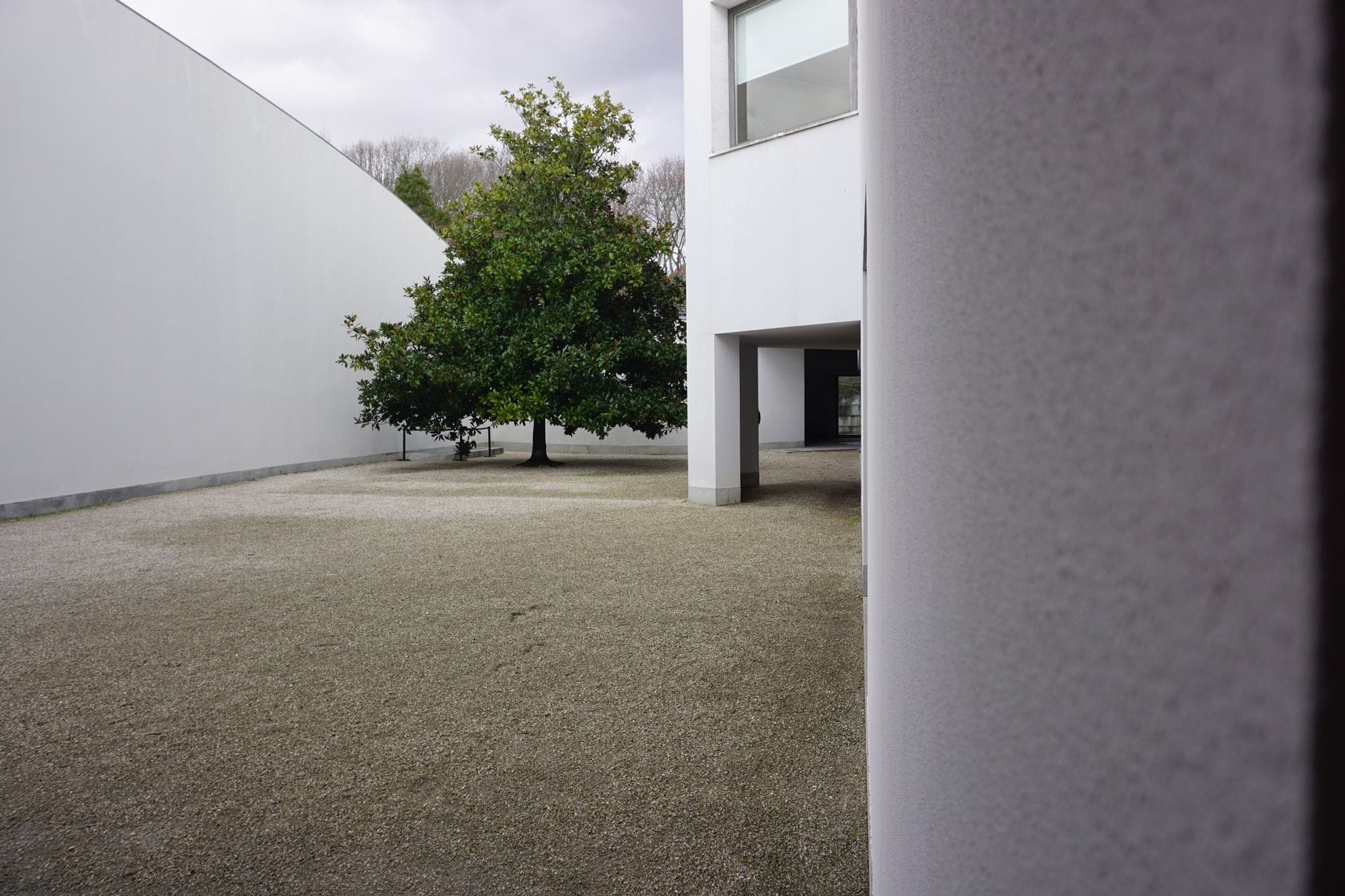
The Serralves Museum of Contemporary Art, known in Portuguese as the Museu de Arte Contemporânea de Serralves, is not just a gallery. It is an 18-hectare cultural estate that combines a modernist building with a restored 1930s Art Deco villa, formal gardens, woodland paths, and rotating contemporary art exhibitions. The museum building alone draws architects from across Europe. But visitors who skip the park and villa are missing half the experience.
The Serralves Foundation, which runs the complex, operates the museum as part of a broader cultural mission that includes architecture, design, and the environment. That mission is legible in every corner of the estate: the building, the grounds, and the programming all speak to each other in a way that is relatively rare for a city institution of this size.
💡 Local tip
Buy a combined ticket that includes the park and villa, not just the museum. The Serralves Park alone is worth the visit on a dry afternoon, and the villa interior offers a striking contrast to the museum's white minimalism.
The Building: Álvaro Siza's White Geometry
The museum was inaugurated in June 1999, after Álvaro Siza Vieira — Portugal's Pritzker Prize laureate — began designing it in 1991. The building is a study in controlled white volume: low, horizontal, and deliberate. From the outside, it reads more like a series of interlocking walls and rooflines than a conventional museum block. There are few ornamental gestures. The architecture works through proportion, shadow, and the quality of natural light entering the galleries.
Inside, the galleries are clean and tall, with north-facing skylights that flood the spaces with even, diffused light. The white plaster walls and polished stone floors are genuinely neutral: the art fills the room without competing against decorative architecture. Inside, the galleries are clean and tall, with north-facing skylights that flood the spaces with even, diffused light. The white plaster walls and polished stone floors are genuinely neutral: the art fills the room without competing against decorative architecture. A later expansion, the Álvaro Siza Wing, added additional gallery and public space, allowing the museum to host large-scale international exhibitions that it previously could not accommodate.
For visitors with an interest in architecture, walking the building slowly is itself worthwhile. The transitions between gallery rooms, the handling of outdoor terraces that frame views of the park, and the relationship between the main entrance and the surrounding landscape are all carefully resolved. Siza's hand is visible not in dramatic statement moments but in the cumulative feeling of rightness as you move through the space.
Tickets & tours
Hand-picked options from our booking partner. Prices are indicative; availability and final rates are confirmed when you complete your booking.
Serralves All-Access Pass
From 24 €Instant confirmationFree cancellationEntrance tickets to Serralves Park in Porto
From 15 €Instant confirmationFree cancellationSantiago de Compostela Full-Day Tour
From 79 €Instant confirmationFree cancellationPeneda Geres park full-day tour from Porto
From 100 €Instant confirmationFree cancellation
The Art: What to Expect from the Exhibitions
Serralves holds a permanent collection focused on art from the late 1960s to the present. The permanent collection is displayed selectively and rotates regularly, so repeat visits often reveal different aspects of what the Foundation owns.
The programming leans toward installation, video, sculpture, and conceptual work rather than painting-heavy surveys. If you are expecting a traditional fine-art museum in the mode of a national gallery, adjust your expectations. Serralves is intellectually rigorous and sometimes deliberately challenging. The reward for engaging with it is proportional to the effort. Families with children should know that some installations use sound, darkness, or unusual sensory conditions: younger children may find parts of the exhibition unsettling, while curious older children often respond well.
ℹ️ Good to know
Exhibition content changes throughout the year. Check the Serralves website before visiting to see what is currently showing — the experience varies considerably depending on the exhibition cycle.
The Park and Villa: The Other Half of the Estate
The Serralves Park is a designed landscape in Porto. Laid out across 18 hectares, it moves between formal terraced gardens near the villa, a working organic farm, a rose garden, a small lake, and sections of native woodland. The transitions are well-handled: you pass from manicured geometry to something that feels almost wild within a few hundred metres.
The Casa de Serralves, the Art Deco villa at the heart of the estate, dates from the 1930s and was the private residence of Count Carlos Alberto Cabral. The villa contrasts sharply with the adjacent Siza museum, and that contrast is part of what makes the estate interesting as a cultural object.
The park is among the serralves-park — but more usefully, it is one of the few large green spaces in Porto where you can spend an extended time without feeling rushed. Bring a book. There are benches, shade, and a café on site. On weekday mornings, the park is nearly empty. On weekend afternoons, particularly in spring, it fills with Porto families and visitors on slow loops around the garden paths.
When to Visit and How the Experience Changes
The museum is open daily from 10:00 to 19:00 in winter and from 10:00 to 20:00 on weekends in summer, with shorter weekday hours in the colder months. Arriving at opening time on a weekday gives you the galleries almost entirely to yourself. Arriving at opening time on a weekday gives you the galleries almost entirely to yourself. The white rooms and natural light are at their best on overcast mornings, when the north-facing skylights produce a soft, even illumination across the gallery floors. On bright sunny days, the quality of light is still good, but the contrast between outdoor and indoor brightness is more pronounced.
The park is better visited in the afternoon on a fine day, when the formal gardens catch direct light and the colours of the planting are fully visible. Late afternoon in September or October is particularly good: the light is warm and angled, the crowds thin out after about 17:00, and the estate has a particular quietness. The park is better visited in the afternoon on a fine day, when the formal gardens catch direct light and the colours of the planting are fully visible. Late afternoon in September or October is particularly good: the light is warm and angled, the crowds thin out after about 17:00, and the estate has a particular quietness. Winter visits are entirely viable for the museum itself, but the park loses some of its appeal in heavy rain.
If you are building a wider Porto itinerary, Serralves pairs well with Casa da Música, also in Boavista, which is roughly 15 minutes by taxi from the estate. The two buildings together offer a good introduction to contemporary Portuguese architecture over the course of a single afternoon.
Getting There and Practical Details
Serralves is in the Boavista district, west of Porto's historic centre. There is no direct metro stop adjacent to the estate. Serralves is in the Boavista district, west of Porto's historic centre. There is no direct metro stop adjacent to the estate. The most practical options are a taxi, Uber, or Bolt from the centre, or one of several bus routes that stop on the surrounding roads.
For visitors trying to manage time across Porto, the getting around Porto guide has current information on bus routes and app-based transport options. If you are building a multi-day visit, the 3-day Porto itinerary positions Serralves as a half-day slot that can be combined with Foz do Douro or the Parque da Cidade on the same day.
Admission pricing at time of writing is approximately €15 for the park and €24 for the full Serralves estate, though these figures are subject to change. Always check current prices at the official website before visiting. The estate has a café and a well-stocked museum shop. Photography is generally permitted in the park and villa exterior; rules within specific exhibition galleries vary and are posted at room entrances.
⚠️ What to skip
Do not try to fit Serralves into a 45-minute slot. The museum alone takes 90 minutes if you engage with the exhibitions. Add the park and villa, and you need at least half a day. Rushing through it misses the point entirely.
Who This Attraction Is Not For
Serralves is not for visitors seeking a quick cultural checkbox. The museum's programming is demanding and sometimes opaque. If your interest in contemporary art is limited, the building and park can carry the visit on their own merits, but the full experience rewards people who are genuinely curious about the work on display. Visitors looking for Porto's postcard highlights, the azulejo-covered churches, the Douro riverfront, or the port wine lodges across the river, are better served starting elsewhere.
Those who come to Porto primarily for history and atmosphere will find more to occupy them in the Ribeira quarter or around Palácio da Bolsa. Serralves is a destination for people who want to spend time with art and landscape, not a stop on a walking tour.
Insider Tips
- The Serralves park is free to enter on Sunday mornings before 13:00, though the museum building itself still requires a ticket. If budget is a concern, this is the time to see the gardens and villa exterior at no cost.
- The café inside the estate is a genuine sit-down space with decent food, not just a coffee kiosk. Arriving at the museum when it opens, spending the morning in the galleries, and then eating lunch in the café before heading into the park makes for a well-structured half-day.
- If you are specifically interested in the architecture, walk the exterior perimeter of the museum building before going inside. The relationship between the building and the landscape is best understood from outside, particularly from the lower garden terraces where you can see the volume of the structure against the sky.
- The Serralves Foundation hosts an annual Serralves em Festa festival, typically in late May or early June. For one weekend, admission to the entire estate is free for 40 consecutive hours, and the grounds fill with performances and events. It is an exceptional time to visit if your dates align.
- Taxis and ride-hailing apps occasionally have difficulty with the main entrance address on GPS. Tell drivers the estate is on Rua D. João de Castro and to aim for the main museum gate rather than the park side entrance.
Who Is Serralves Museum of Contemporary Art For?
- Architecture enthusiasts wanting to study Álvaro Siza's work in situ
- Contemporary art followers with an interest in international exhibition programming
- Visitors who want a full half-day experience combining indoor galleries and outdoor landscape
- Photographers seeking clean modernist geometry and well-kept garden compositions
- Couples or solo travellers who prefer slower, reflective sightseeing over rapid highlight-ticking
Nearby Attractions
Other things to see while in Boavista:
- Casa da Música
Casa da Música is Porto's most architecturally striking building and one of Europe's most respected concert halls. Designed by Dutch architect Rem Koolhaas and completed in 2005, it anchors the Boavista district with a jagged white concrete form that looks as radical today as it did on opening day. Whether you come for a guided tour or a live performance, the building rewards close attention.
- Mercado Bom Sucesso
Mercado Bom Sucesso is a renovated early-1950s market hall in Porto's Boavista district, now operating as a gourmet food court alongside a traditional fresh produce market. Entry is free, hours run late into the evening, and the mix of Portuguese food stalls and design-conscious interior makes it a useful stop for both eating and exploring the western side of the city.
- Parque da Cidade
Covering 83 hectares on Porto's Atlantic edge, Parque da Cidade do Porto is Portugal's largest urban park. Designed by landscape architect Sidónio Pardal and inaugurated in 1993, it offers approximately 9.5 kilometres of walking paths, open meadows, lakes, and quiet woodland — all free to enter and largely unknown to visitors staying in the historic centre.
- Serralves Park
Parque de Serralves is an 18-hectare estate in western Porto combining formal Art Deco gardens, ancient woodland, a traditional farm, and a canopy walkway. Part of the broader Serralves Foundation complex, the park rewards slow walkers who take time to move through its shifting landscapes rather than rush to a single highlight.