3 Days in Porto: The Perfect Itinerary
Three days is the sweet spot for Porto. This itinerary covers the UNESCO-listed historic centre, the port wine lodges of Vila Nova de Gaia, a Douro Valley excursion, and optional coastal time at Foz, with practical tips on where to eat, what to skip, and how to get around without wasting time.
Plan and book this trip
Tools from our partner Travelpayouts help you compare flights and hotels. If you book through them, we may earn a commission at no extra cost to you.
Flights
Hotels map
TL;DR
- Three days is enough to cover Porto's historic centre, Vila Nova de Gaia wine lodges, and a Douro Valley day trip without rushing.
- Book Livraria Lello vouchers (€8) and Clérigos Tower tickets (€10 adults) in advance, especially from June to September when queues are long. See the full best time to visit Porto breakdown for seasonal advice.
- Ribeira waterfront restaurants are tourist-priced. Walk one street back for better value without sacrificing atmosphere.
- Get around using the Porto Metro, Andante transport cards, and ride-hailing apps (Uber, Bolt). The historic tram to Foz costs €5 and is scenic but slow. Check the full guide to getting around Porto for route details.
- May, June, and September offer the best combination of dry weather and manageable crowds.
Before You Arrive: Logistics Worth Sorting in Advance
Porto is compact, at just 41.42 km², and most sights in the historic centre are walkable from one another. But the city is genuinely hilly, and underestimating the gradients is a common mistake. The metro, buses, and ride-hailing apps (Uber and Bolt both operate here) are genuinely useful for reaching Foz do Douro, Matosinhos, and Vila Nova de Gaia without wearing yourself out before noon.
Francisco Sá Carneiro Airport (OPO) sits about 11 km from the city centre. Metro Line E (purple) runs directly from Aeroporto station to Trindade, taking around 30 minutes and requiring an Andante Z4 ticket (approximately €2.25–€2.30 plus a one-time card fee of €0.60). It runs every 20 to 30 minutes and is by far the most cost-effective airport option. For more transfer options, the Porto airport guide covers taxis, private transfers, and what to expect on arrival.
💡 Local tip
Buy an Andante card at the airport metro station on arrival. Load it with a 24-hour pass for unlimited travel across selected zones — useful if you plan to cross between Porto and Gaia on the metro on the same day. The historic tram (Line 1) and some tourist services are NOT included in standard Andante passes.
Two things worth booking before you land: a Livraria Lello entry voucher (€8, redeemable against book purchases) and tickets for Clérigos Tower. Both sell out in peak season and neither requires being there early if you have a timed slot. For Douro Valley day trips, booking at least 48 hours ahead is sensible from June through August.
Day 1: The Historic Centre and Ribeira
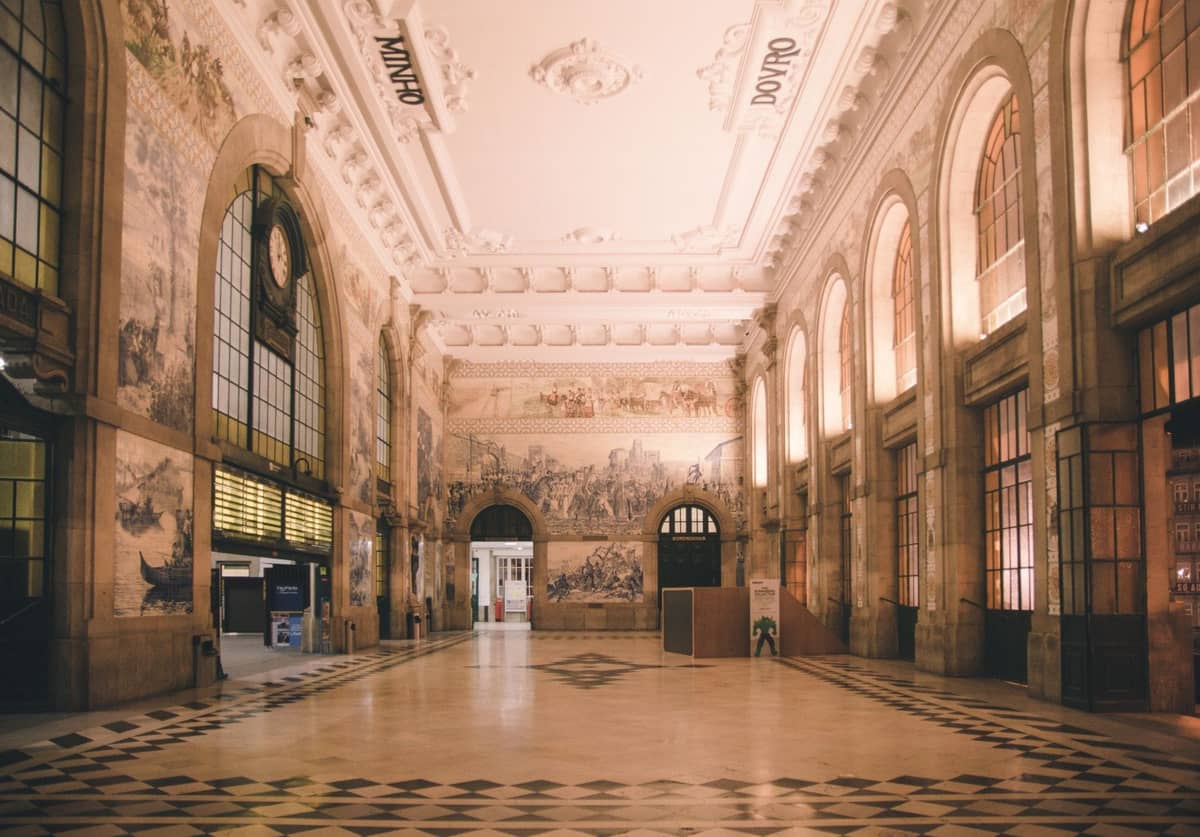
Start at São Bento Railway Station, whose entrance hall is covered in over 20,000 hand-painted azulejo tiles depicting scenes from Portuguese history. Entry is free and it is an active regional rail hub, so you will see commuters alongside tourists. It is also a good orientation point: the Cathedral hill is a five-minute walk uphill, and Rua das Flores leads south toward Ribeira.
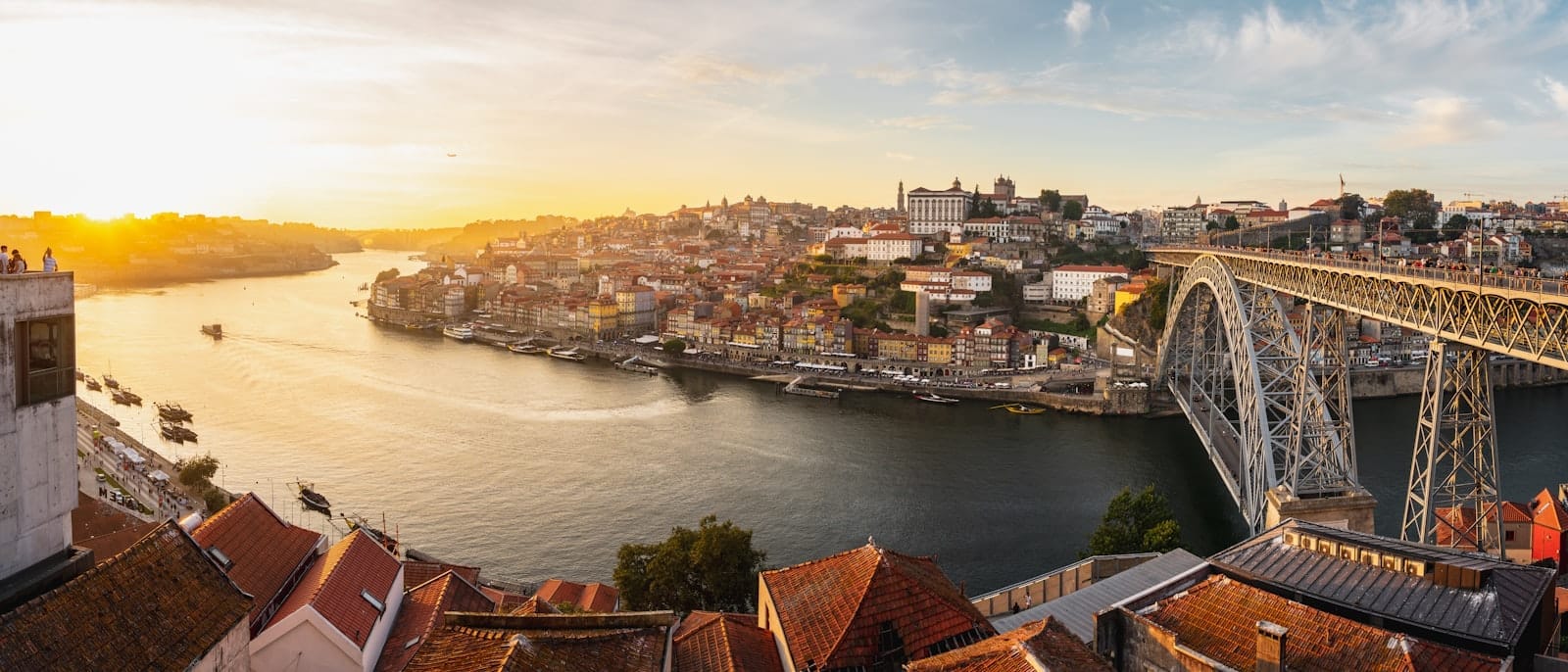
From São Bento, walk up to the Porto Cathedral (Sé), then continue to Clérigos Church and its tower. The tower climb gives you the best elevated view of the city's terracotta rooftops and the Douro below. After that, loop down through Rua das Flores toward the Ribeira waterfront. This street has some of the best azulejo-decorated building facades in the centre, and it connects naturally to Cais da Ribeira.
- Clérigos Tower €10 adults / €7 students, combined tower, church, and museum ticket. Book online to avoid queues. Opens daily, hours vary seasonally.
- Livraria Lello €8 voucher, deductible from book purchases. Timed entry — book the first slot of the day (usually 9am) to avoid the mid-morning rush.
- São Bento Station Free entry. An active train station, not a museum, so it is open during rail operating hours without needing a ticket.
- Porto Cathedral (Sé) Free to enter the exterior courtyard and main nave; the cloister carries a small admission fee.
- Igreja de São Francisco One of the most ornate baroque interiors in Portugal, covered in gilded woodwork. Small admission fee; check current hours.
Lunch in the Ribeira is an option for the views, but you will pay a premium for the location. The restaurants lining Cais da Ribeira are almost entirely tourist-facing. A better approach: walk one or two streets back into the lower Baixa or toward Batalha, where local workers eat and portions are larger for the price. Afternoon: cross the lower deck of Dom Luís I Bridge on foot into Vila Nova de Gaia for port wine tasting, which flows naturally into Day 1's evening or becomes the anchor of Day 2.
⚠️ What to skip
Ribeira waterfront restaurants are priced for tourists, not locals. The views are genuinely good, but the food quality rarely matches the cost. If you want to eat well with river views, a wine lodge restaurant in Gaia often delivers better value for a similar setting.
Day 2: Vila Nova de Gaia and the Port Wine Lodges
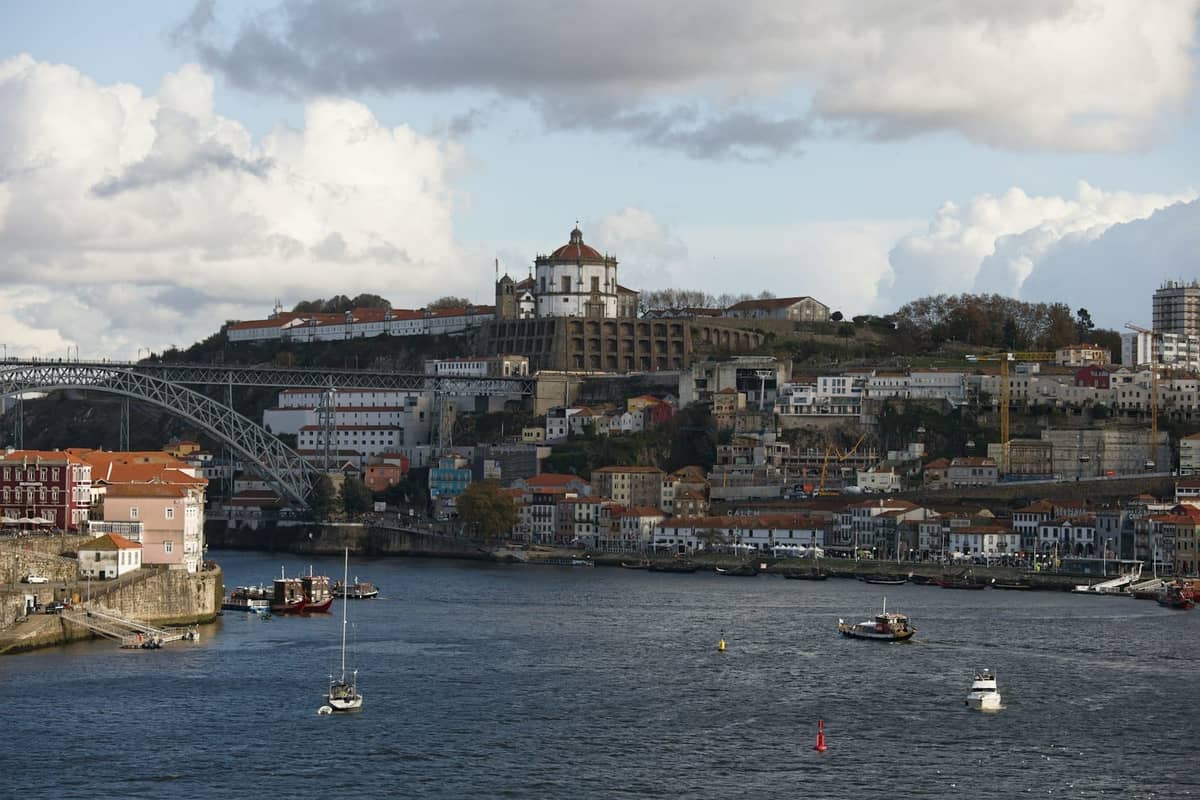
Vila Nova de Gaia is a separate municipality across the Douro, not a district of Porto proper, but it functions as the practical home of port wine and offers some of the best views of Porto's skyline. The upper deck of the Dom Luís I Bridge is free to cross on foot and connects directly to the monastery hill above Gaia. The lower deck carries pedestrians and the metro.
The major lodges along Vila Nova de Gaia's waterfront include Graham's, Sandeman, and Cálem, all offering paid guided tours with tastings. Graham's sits higher up the hillside and has a more considered tasting experience; Cálem is the most visitor-volume operation and includes a fado show option. Sandeman's tours are well-structured and the guides are knowledgeable. Book any of these in advance from June through September — walk-in availability is unpredictable on busy days.
After tasting, take the Gaia cable car down to the riverfront for a walk along Cais de Gaia. The cable car gives a good aerial perspective of both banks for a few euros and saves a steep descent. From the waterfront, the traditional rabelo boats — the wooden flat-bottomed vessels once used to transport wine barrels downriver from the Douro Valley vineyards — are moored along the quay as a photographic constant. A Douro river cruise from this point takes you under all six Porto bridges in around an hour, which is a reasonable way to see the city from the water.
✨ Pro tip
For a deeper dive into what you are drinking during lodge tours, read up on the different port wine styles — tawny, ruby, LBV, vintage — before you go. The difference between a 10-year and 20-year tawny is more than age, and knowing what to ask makes tastings far more informative.
Day 3: Douro Valley Day Trip
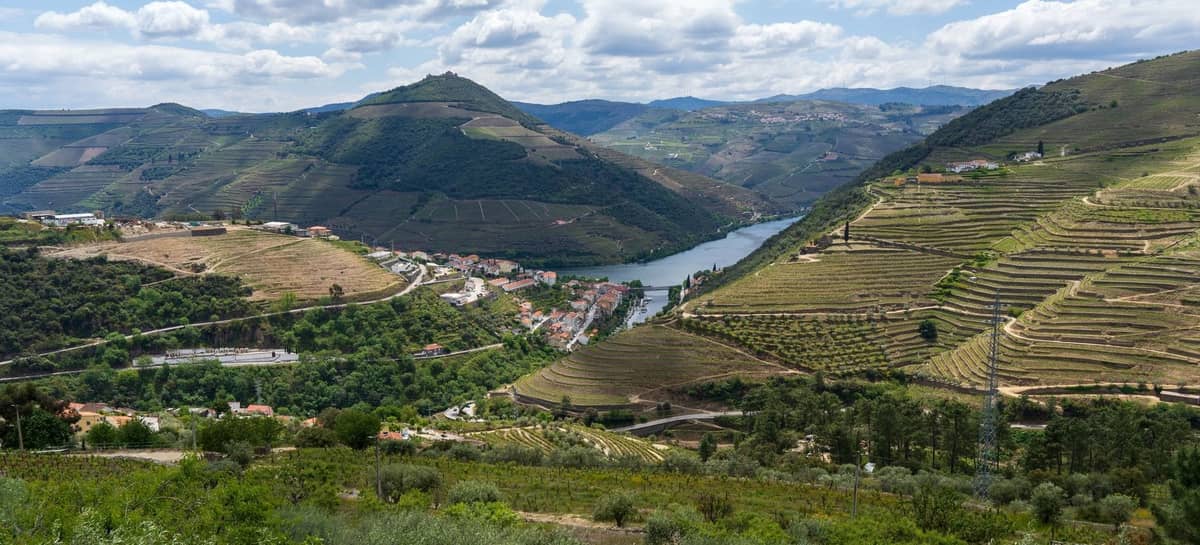
The third day works best as a Douro Valley excursion. This is one of the world's great river landscapes: terraced vineyards cut into steep schist hillsides above a winding river, mostly without crowds once you leave the main village of Pinhão. See the detailed Douro Valley day trip from Porto guide for full logistics, but the two main options are the regional train and an organised tour.
- By train (independent) Regional trains run from Porto Campanhã to Pinhão along Linha do Douro. Journey time is around 2.5 to 3 hours each way. Fares are approximately €11 to €15 each way depending on train type and availability. The views from the train are exceptional — sit on the right side heading east. Book in advance via CP (Comboios de Portugal).
- Organised full-day tour Bus/van plus river cruise plus vineyard lunch and tastings. These run from Porto daily in season and typically cost €60 to €90 per person depending on inclusions. Convenient if you want everything handled; less flexible than going independently.
- Douro cruise from Porto Multi-day boat cruises depart from Porto and travel upriver. Not practical for a day trip but worth knowing if you have more time.
Pinhão is the usual destination for day-trippers: the station itself has azulejo panels depicting Douro wine scenes, and several quintas (wine estates) offer tastings within walking distance. If you are going independently by train, the earliest morning departure allows enough time in the valley before returning in the evening. Verify boat and vineyard schedules before travelling.
What Else Fits Into 3 Days
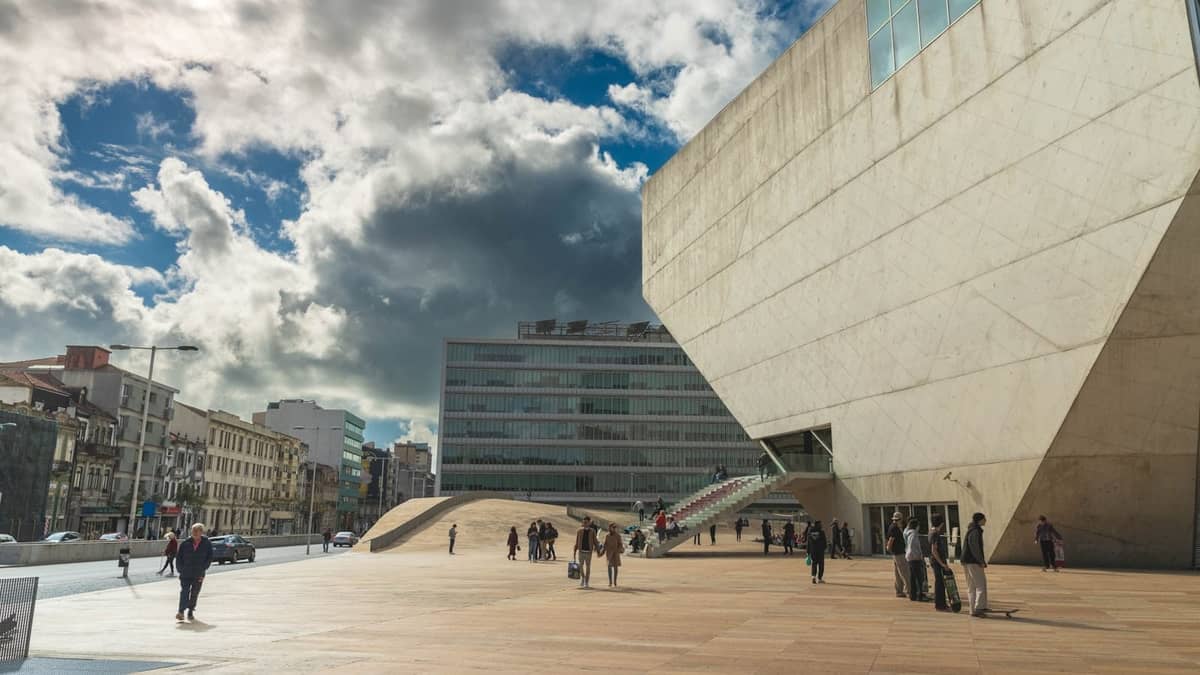
Porto rewards those who leave room in the schedule. The Serralves Museum in Boavista is Portugal's leading contemporary art institution, set in a 1930s Art Deco villa with extensive grounds. It requires at least two hours and is worth the trip if modern art is a priority. The Palácio da Bolsa (Stock Exchange Palace) near Ribeira has a guided tour of its rooms including the extraordinary Moorish-inspired Arab Room — tours run throughout the day and take around 45 minutes.
For a quieter afternoon, take tram Line 1 from the Infante stop to Foz do Douro, where the Douro meets the Atlantic. The tram is slow (around 40 minutes end to end) and costs €5 on board — it is an experience as much as transport. Foz has promenades, gardens at Passeio Alegre, and a distinctly calmer atmosphere than the tourist centre. From Foz, Matosinhos is a short taxi or bus ride and worth visiting specifically for its seafood restaurants, which are consistently ranked among the best in the Porto metropolitan area.
ℹ️ Good to know
If you are visiting in June, Porto's São João festival (June 23-24) is one of the largest street parties in Europe. The entire city celebrates overnight with grilled sardines, plastic hammer-tapping, and lantern releases. It transforms the itinerary entirely — plan around it rather than trying to fit in sightseeing on that night.
FC Porto supporters should add the FC Porto Museum at Estádio do Dragão to their list. The museum is open on non-match days and covers the club's history with a level of detail that works even for casual football fans. Stadium tours run alongside it. It sits northeast of the centre, a short metro ride from Trindade.
Practical Notes for 3 Days in Porto
- Currency: Euro (EUR). Cards are widely accepted in central Porto, but carry some cash for markets, trams, and smaller local restaurants.
- Porto uses Type C and F plugs at 230V / 50Hz. UK and US visitors need adaptors.
- Emergency services: dial 112. Country code for Portugal is +351.
- Tipping is not obligatory. Rounding up or leaving a few euros in restaurants is appreciated but not expected the way it is in the US or UK.
- Porto is on WET (UTC+0) in winter and WEST (UTC+1) in summer, meaning it can be an hour behind much of Western Europe.
- Tap water is treated as safe to drink in Porto. Many travellers with sensitive stomachs prefer bottled water as a precaution.
- Porto is a Schengen Area city. Entry rules depend on your nationality — check current Schengen visa requirements before travel.
FAQ
Is 3 days in Porto enough?
Three days covers the main historic sights, a full afternoon in Vila Nova de Gaia for port wine tasting, and a Douro Valley day trip. It is genuinely enough for a well-rounded first visit, not a rushed one. Those who want to include beaches at Matosinhos or Foz, deeper museum visits, or multiple Douro excursions would benefit from a fourth day.
What is the best area to stay in Porto for a 3-day trip?
For a three-day itinerary focused on walking the historic centre, Baixa and Cedofeita are the most practical bases. Baixa puts you within walking distance of São Bento, Livraria Lello, and the Ribeira. Cedofeita is slightly removed but has good local restaurants and independent shops. Ribeira itself is atmospheric but can be noisy at night.
How do I get from Porto airport to the city centre?
Metro Line E (purple) runs from Aeroporto station directly to Trindade in the city centre, taking around 30 minutes. You need an Andante Z4 ticket, which costs approximately €2.25–€2.30 plus a one-time card fee. Taxis and ride-hailing apps (Uber, Bolt) are also available from the airport for a faster but more expensive journey.
Do I need to book attractions in advance in Porto?
Livraria Lello and Clérigos Tower both benefit significantly from advance booking during peak season (June to September). Port wine lodge tours in Gaia also sell out, especially Graham's and Sandeman. São Bento Station and Dom Luís I Bridge are free and require no booking. Douro Valley organised tours should be booked 48 hours ahead in summer.
Is Porto safe for tourists?
Porto is generally considered safe for tourists. The usual urban precautions apply in crowded areas like Ribeira and around São Bento station: be aware of pickpockets in busy tourist spots, especially in summer. The emergency number in Portugal is 112.