Porto Airport: Complete Arrival & Transfer Guide (OPO)
Francisco Sá Carneiro Airport is your gateway to one of Europe's most rewarding cities. This guide covers every transfer option from the airport to central Porto, seasonal crowd patterns, ticketing details, and the trade-offs between metro, taxi, and private transfer so you can arrive without stress.
Plan and book this trip
Tools from our partner Travelpayouts help you compare flights and hotels. If you book through them, we may earn a commission at no extra cost to you.
Flights
Hotels map
TL;DR
- Porto Airport (IATA: OPO) is 11 km northwest of central Porto and is Portugal's second-busiest airport.
- Metro Line E (violet) is the cheapest and most reliable transfer option, taking around 25-30 minutes to the city centre. See our getting around Porto guide for the full public transport picture.
- Taxis cost around €25-30 and take 25 minutes without traffic. Uber and Bolt are both available and can be cheaper than metered taxis.
- The metro does not run 24 hours. Last services are around 01:00, so late or early arrivals must use taxis or pre-booked transfers.
- Summer can bring peak crowds at immigration, baggage reclaim, the metro station, and taxi queues. Budget extra time.
Airport Basics: What You Need to Know Before Landing
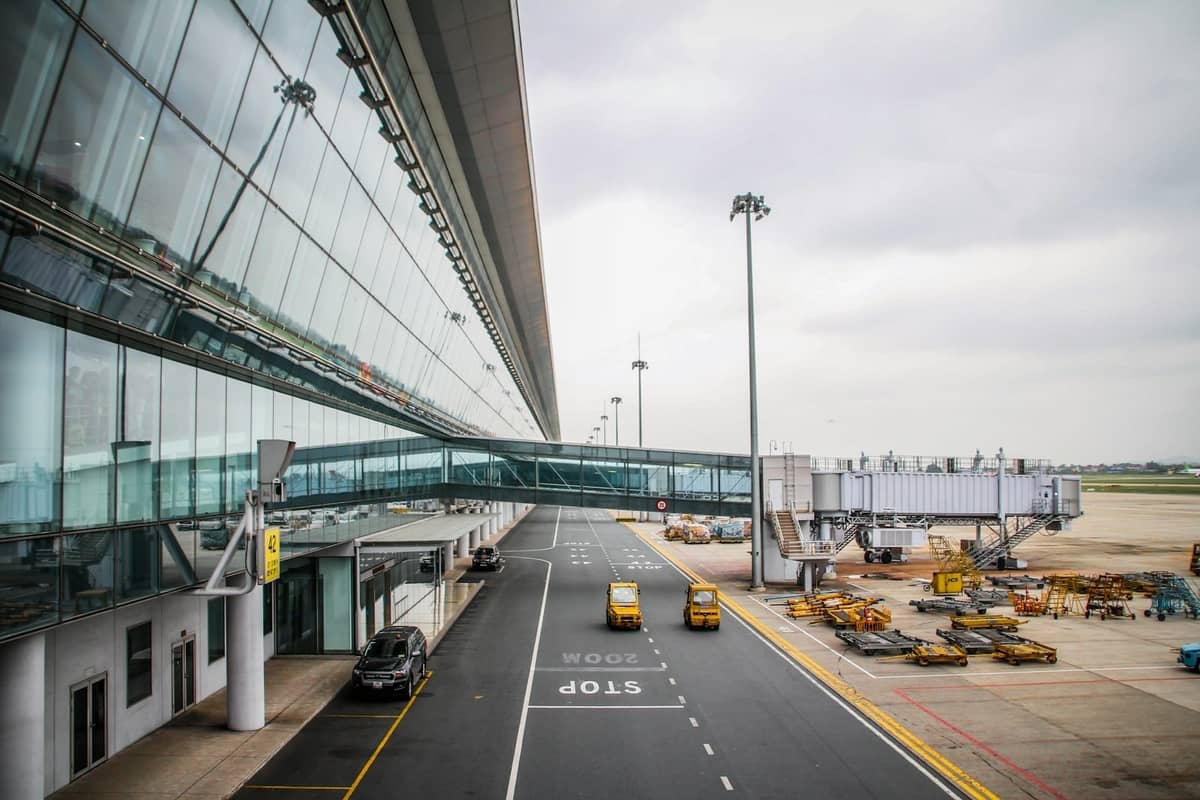
Francisco Sá Carneiro Airport, officially coded OPO (ICAO: LPPR), sits northwest of Porto's historic centre in the Maia/Matosinhos area. It is operated by ANA – Aeroportos de Portugal, a subsidiary of the Vinci Group, and ranks as Portugal's second-busiest airport by passenger volume, after Lisbon's Humberto Delgado Airport and ahead of Faro. For live arrivals, departures, parking, and service updates, the official source is aeroportoporto.pt. It is operated by ANA – Aeroportos de Portugal, a subsidiary of the Vinci Group, and ranks as Portugal's second-busiest airport by passenger volume, after Lisbon's Humberto Delgado Airport and ahead of Faro. For live arrivals, departures, parking, and service updates, the official source is aeroportoporto.pt.
The airport has a single integrated terminal building with clearly signed Arrivals and Departures halls. After clearing immigration and collecting bags, the Metro Line E station entrance is a short, signposted walk from the terminal, making it genuinely straightforward for first-time visitors. Taxi and ride-hailing pickup zones are just outside the Arrivals exit. Car rental desks are located within the terminal, and there are ATMs, currency exchange counters, and a left-luggage facility.
ℹ️ Good to know
Porto Airport is NOT in the city of Porto itself. Porto Airport is NOT in the city of Porto itself. The address is in the Maia area. GPS navigation and ride-hailing apps handle this correctly, but do not assume the airport is walkable from any Porto neighbourhood. GPS navigation and ride-hailing apps handle this correctly, but do not assume the airport is walkable from any Porto neighbourhood.
Metro Line E: The Smartest Way Into the City
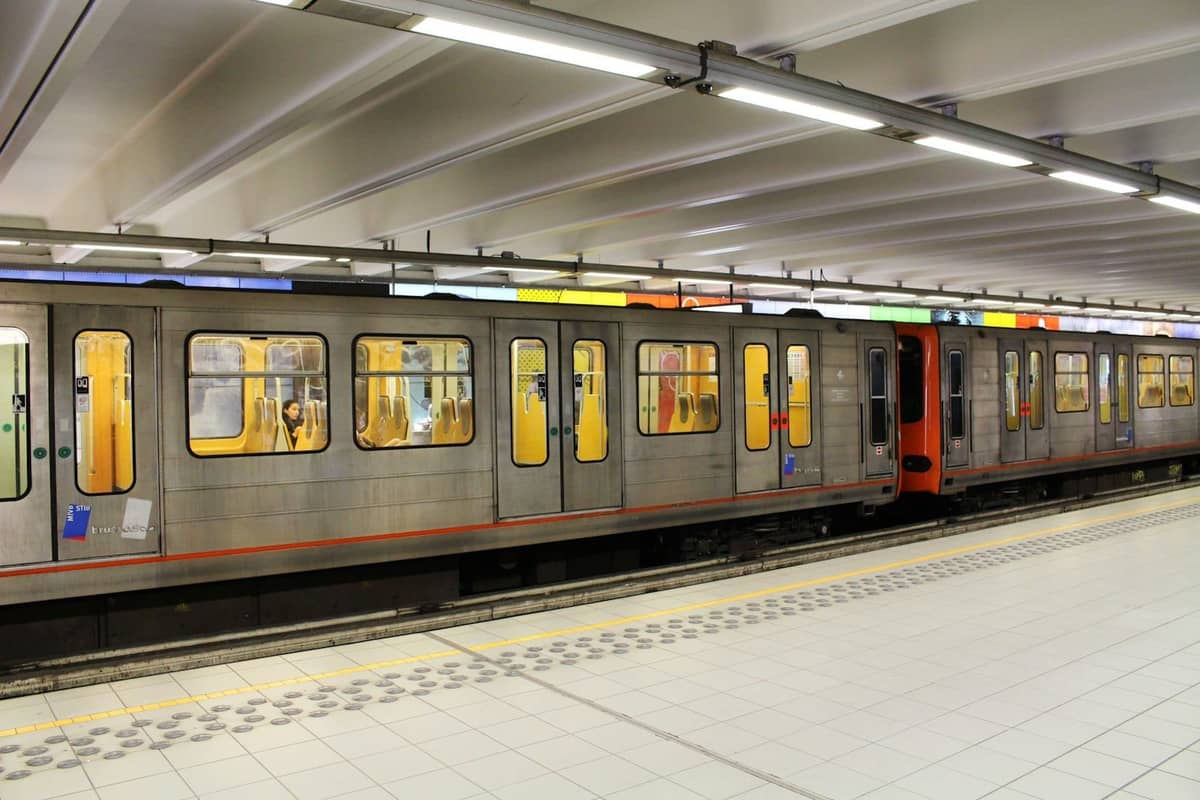
Metro Line E (violet line) is the single most practical transfer option for the majority of arrivals. The dedicated line runs directly from the airport station to Trindade, which is one of Porto's main metro interchange hubs, in the city centre. From Trindade you can connect to other metro lines to reach Bolhão, Aliados, São Bento, and beyond.
- Operating hours Approximately 06:00 to 01:00. Services run roughly every 20 minutes. The first and last train times shift slightly by season, so verify on the Metro do Porto website before an early or late flight.
- Journey time Around 25-30 minutes to Trindade (central Porto), non-stop on a dedicated line with no need to change.
- Ticketing You need an Andante card (a reusable contactless card) loaded with a Z4 zone ticket. Machines at the airport station sell both the card and the fare credit. The Z4 ticket covers the airport-to-city journey. Keep the card for your entire stay in Porto as the same system covers buses and trams.
- Cost The Andante card itself carries a small deposit fee; the Z4 fare is a few euros each way. Check current prices on the Metro do Porto website as fares are updated periodically.
- Luggage Trains have designated luggage space and are wide enough for standard rolling cases. No luggage surcharge applies.
⚠️ What to skip
The metro is NOT 24-hour on the airport line. If your flight lands after midnight or before 06:00, the airport metro service will not be running. Do not rely on it for red-eye or first-morning arrivals. Plan for a taxi, Bolt, or pre-booked private transfer instead.
Once in the city, the metro network covers most of the tourist-heavy neighbourhoods. If you are staying in Ribeira or Baixa, the metro gets you within comfortable walking distance. For the Foz do Douro area near the Atlantic coast, a bus or taxi from a central metro stop will add 10-15 minutes to your journey.
Taxis, Uber, and Bolt: Your Options for a Door-to-Door Transfer
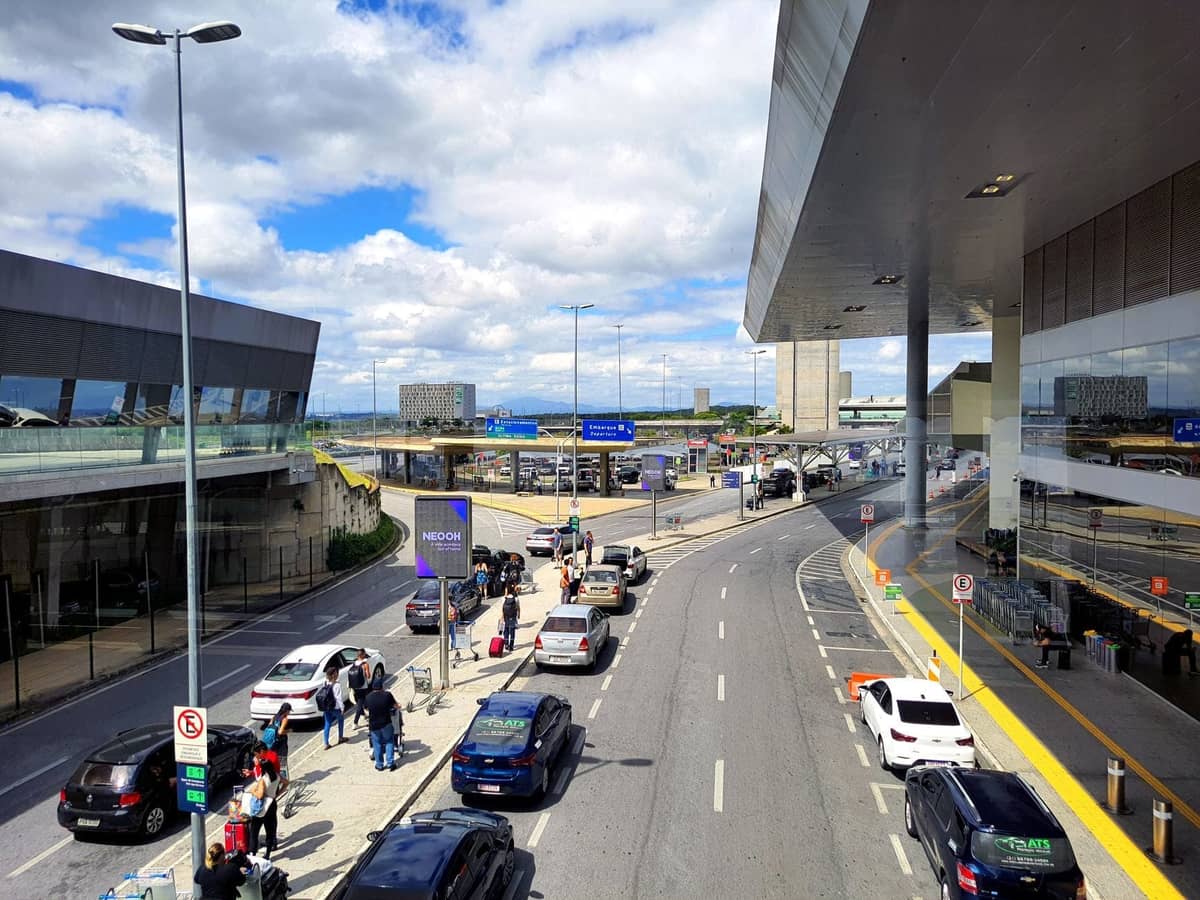
A licensed metered taxi from the airport to central Porto takes roughly 25 minutes in normal traffic and A licensed metered taxi from the airport to central Porto takes roughly 25 minutes in normal traffic and costs in the region of €25-30. Taxis queue in a designated stand directly outside Arrivals. All licensed taxis are metered, so there is no need to negotiate a fare in advance. The meter rate increases at night, on weekends, and for journeys that cross certain zone thresholds, so your actual cost may vary. Taxis queue in a designated stand directly outside Arrivals. All licensed taxis are metered, so there is no need to negotiate a fare in advance. The meter rate increases at night, on weekends, and for journeys that cross certain zone thresholds, so your actual cost may vary.
Uber and Bolt both operate in Porto and can be cheaper than metered taxis for airport runs, though pricing varies by demand. App-based pickups use the designated ride-hailing area outside Arrivals, which is separate from the taxi stand. In practice, peak summer arrivals on busy afternoons can see surge pricing on both apps, occasionally pushing costs above the standard taxi rate. The advantage of apps is the fixed upfront price quote and the paper trail, which some travelers prefer.
✨ Pro tip
If you arrive with heavy luggage and are staying anywhere other than the city centre, a taxi or ride-hailing app is worth the extra cost over the metro. Porto's steep streets and historic cobblestones make dragging large suitcases from metro stations genuinely difficult, especially in Ribeira and the older upper-city neighbourhoods.
Private transfer services are also available and can be pre-booked before you travel. These are worth considering if you are arriving as a group, travelling with children, or landing outside metro hours. A confirmed vehicle waiting in Arrivals removes all the guesswork from an unfamiliar airport. Prices for private transfers vary by operator and vehicle type, typically starting higher than a standard taxi but offering fixed rates regardless of traffic.
Buses, Shuttles, and Other Transfer Options
STCP (Sociedade de Transportes Colectivos do Porto) operates bus routes that connect the airport area with Porto and surrounding municipalities. These are slower than the metro and less direct for most city-centre destinations, but can be useful if you are heading somewhere off the metro network or want to avoid the Andante ticketing system. Check the STCP website for current routes and timetables before travel.
Independent airport shuttle services also operate between OPO and central Porto, as well as some northern Portugal destinations like Braga, Guimarães, and Viana do Castelo. These shared shuttles are typically pre-booked online, priced between a metro ticket and a private taxi, and work well for travelers heading directly to a hotel or wanting a hassle-free option without navigating ticketing machines.
- Metro Line E: cheapest, fastest, best for solo and couple travellers staying centrally
- Taxi: reliable, no booking needed, good for groups of 2-4 with luggage
- Uber / Bolt: price transparency upfront, good for late-night arrivals when metro is off
- Private transfer: best for families, groups, or early/late arrivals wanting guaranteed service
- STCP bus: slowest option, use only if your destination is not on the metro network
- Shuttle services: useful for regional destinations beyond Porto city proper
Seasonal Patterns and Timing Your Arrival
Porto Airport often sees heavier passenger volumes in summer, when the city draws tourism from across Europe. During this window, expect longer queues at passport control for non-EU arrivals, slower baggage reclaim, and competition for taxis at the stand. The metro station itself can feel crowded with luggage-laden passengers on peak afternoons. None of this is unmanageable, but budget an extra 20-30 minutes into your transfer planning during July and August specifically.
The shoulder months of May, June (before mid-July), and September offer a noticeably calmer airport experience alongside some of Porto's best weather for sightseeing. If you have flexibility, these months are worth prioritising. For a detailed breakdown of when to visit, see our best time to visit Porto guide.
During the São João festival (23-24 June), Porto's streets are at maximum capacity and road traffic can be significantly disrupted. If you arrive around that date, the metro is strongly preferable to a taxi or ride-hailing car, which may face unusual delays due to road closures.
💡 Local tip
For early morning departures from Porto, check the first metro timetable the evening before. If your flight departs before the metro starts, book a taxi or Bolt the night before to guarantee a vehicle. Relying on spontaneous ride-hailing at 04:00 is a gamble, especially outside summer when demand is low and driver availability can be patchy.
Practical Arrival Information: Currency, Connectivity, and First Steps
Portugal uses the Euro (EUR). ATMs are available inside the terminal at the Arrivals level. Airport exchange counters typically offer less favourable rates than city-centre banks or ATM withdrawals using a fee-free card, so only convert what you need for immediate transport if you must exchange at the airport. A taxi or metro fare can be paid in cash; Bolt and Uber are card-charged through the app.
Portugal uses Type C and F electrical plugs at 230V/50Hz. If you are arriving from the UK, US, or Australia, bring an appropriate adaptor. Portugal uses Type C and F electrical plugs at 230V/50Hz. If you are arriving from the UK, US, or Australia, bring an appropriate adaptor. The airport has charging points in the waiting areas.
Porto follows Western European Time: UTC+0 in winter and UTC+1 during summer (WEST). The country is on the same time zone as the UK, which sometimes surprises visitors from mainland Europe who expect Portugal to match Spain. For information on getting around the city once you have arrived, the Porto transport guide covers the full metro, bus, tram, and taxi network in detail. If you plan to explore neighbourhoods like Vila Nova de Gaia or Matosinhos, both are well-served by public transport from the city centre.
If this is your first visit and you want to hit the ground running, a two-day Porto itinerary can help you sequence the city's major sights logically from your hotel. For a broader orientation of what Porto offers, the things to do in Porto guide is a solid starting point.
FAQ
How far is Porto Airport from the city centre?
Francisco Sá Carneiro Airport (OPO) is approximately 11 km northwest of Porto's city centre. By metro it takes around 25-30 minutes to reach Trindade station in central Porto. By taxi or ride-hailing, expect 20-30 minutes depending on traffic.
What is the cheapest way to get from Porto Airport to the city?
Metro Line E (violet line) is the cheapest option. You need an Andante card loaded with a Z4 zone ticket, available from machines at the airport metro station. The total cost is a few euros each way. Check the current fare on the Metro do Porto website before travel as prices change.
Is there a metro from Porto Airport and does it run all night?
Yes, Metro Line E connects the airport directly to Porto's city centre via Trindade. However, it does NOT run 24 hours. Services typically operate from around 06:00 to 01:00. If your flight lands outside those hours, take a taxi, Bolt, or Uber instead.
How much does a taxi from Porto Airport to the city centre cost?
A metered taxi from OPO to central Porto costs in the region of €25, with a journey time of roughly 25 minutes in normal traffic. Night rates, weekend rates, and heavy traffic can push the price higher. Bolt and Uber often offer similar or slightly lower prices with upfront quotes visible in the app.
Which Porto neighbourhoods are easiest to reach from the airport?
Baixa (downtown) and the Bolhão and Aliados areas are the most straightforward metro destinations, requiring no transfers beyond Trindade. Ribeira (the historic waterfront) is a short walk or taxi ride from central metro stops. Foz do Douro and Matosinhos require a bus or taxi connection from the metro, adding 10-20 minutes.