Foz do Douro sits at the far western edge of Porto, where the Douro River opens into the Atlantic Ocean. This upscale coastal district combines grand 19th-century villas, historic forts, sandy beaches, and a long seafront promenade with a relaxed pace that feels far removed from the tourist-heavy historic centre.
Foz do Douro is Porto's coastal exhale: a wealthy, residential district at the mouth of the Douro River where Atlantic waves crash against old fortress walls and locals spend Sunday mornings walking the promenade. It is one of the city's most expensive addresses, and it shows in the wide avenues, well-maintained gardens, and quality of the restaurants lining the seafront.
Orientation
Foz do Douro occupies Porto's western coastal fringe, roughly 6 kilometres from the city's historic centre. The district sits where the Douro River completes its 897-kilometre journey from the Spanish interior and spreads into the Atlantic, creating a dramatic natural boundary on its southern edge and an open ocean coastline to the west. Administratively, Foz do Douro is now part of the combined parish of Aldoar, Foz do Douro e Nevogilde, which covers about 7.4 km² and has roughly 29,000 residents.
The neighbourhood's core is framed by three main seafront axes. Avenida de Montevideo runs closest to the river mouth, transitioning into Avenida do Brasil as the coast swings north along the Atlantic. Rua do Senhor da Boa Morte connects these coastal arteries with the quieter inland streets. At the southern end of the neighbourhood, where the Douro meets the sea, sits Passeio Alegre: a riverside garden that marks the terminus of the historic tram line from central Porto and functions as an informal gateway into Foz.
To the east, Foz do Douro transitions gradually into Boavista, Porto's modern business and cultural district. To the north, the neighbourhood blends into Nevogilde, an even quieter residential enclave. Further along the coast to the north lies the separate municipality of Matosinhos, known for its seafood restaurants and wider beaches. Understanding this west-to-east corridor helps visitors plan the day: you can take the tram or bus from central Porto in the morning, walk the coast, and return via bus through Boavista in the afternoon.
Character & Atmosphere
Foz do Douro operates at a different tempo from the rest of Porto. The streets don't have the steep, stone-paved drama of Ribeira or the creative energy of Cedofeita. Instead, the neighbourhood offers wide promenades, sea air, and an understated affluence that is visible in everything from the well-trimmed gardens to the menu prices. This is where Porto's professional class lives, and the neighbourhood reflects their tastes: good coffee, quality seafood, weekend farmers markets, and space to walk.
Early mornings at Foz are particularly rewarding. By 8am, joggers are moving along Avenida do Brasil, older residents are doing their rounds at the Mercado da Foz on Rua de Diu, and the light coming off the Atlantic has a clarity that the inland city rarely gets. The Pérgola da Foz, the 1930s neo-classical colonnade on Praia do Molhe, catches the morning sun and is almost empty at this hour. It's one of those Porto details that rewards early risers.
By midday in summer, the beaches fill with a mix of local families, Porto university students, and a smaller number of tourists who have made the effort to reach the coast. The scene is more relaxed and local than anything you'd find at a purpose-built resort beach. Afternoons bring a gentle lull: the restaurants along Avenida do Brasil ease into long lunch services, and the coastal forts cast long shadows across the promenade. After sunset, the waterfront bars pick up a slow, sophisticated pace rather than a raucous one. Foz at night is good for dinner and drinks, not clubs.
ℹ️ Good to know
Foz do Douro is notably less tourist-heavy than Porto's historic centre. You will hear more Portuguese spoken here, menus are sometimes less translated, and the service culture is oriented toward regular customers rather than one-time visitors. This is, for many travellers, exactly the point.
The inland quarter of Foz Velha, the old village core predating the neighbourhood's 19th-century expansion, adds another texture. Its cobbled streets and older fishermen's houses sit in quiet contrast to the grand villas along the seafront avenues. Walking through Foz Velha, the scale shrinks, the streets narrow, and you get a sense of what this part of the coast looked like before wealth and development arrived.
What to See & Do
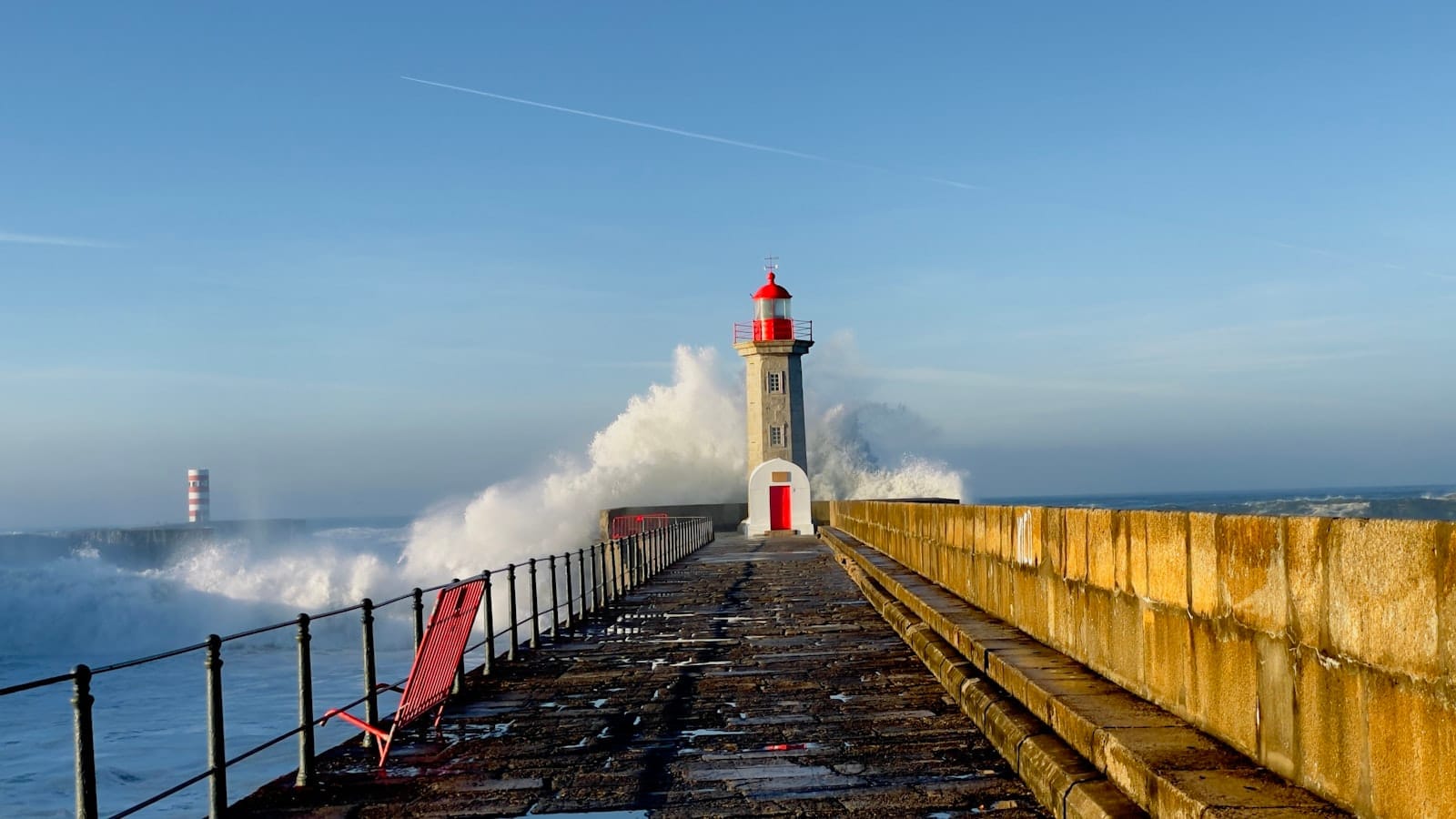
The neighbourhood's most immediately striking landmarks are its two coastal fortifications. The Forte de São João Baptista da Foz, a 17th-century fortress positioned directly at the mouth of the Douro, was built to guard against Atlantic incursions and remains one of the most atmospheric spots in Porto. You can walk around its exterior and watch the river current collide with the incoming Atlantic swells. A few kilometres north along the coast, the Forte de São Francisco do Queijo, commonly known as the Castle of the Cheese, dates to the 17th century and sits right at the waterline. Its nickname is thought to derive from the round cheeses once stored in the area, though the origin is debated.
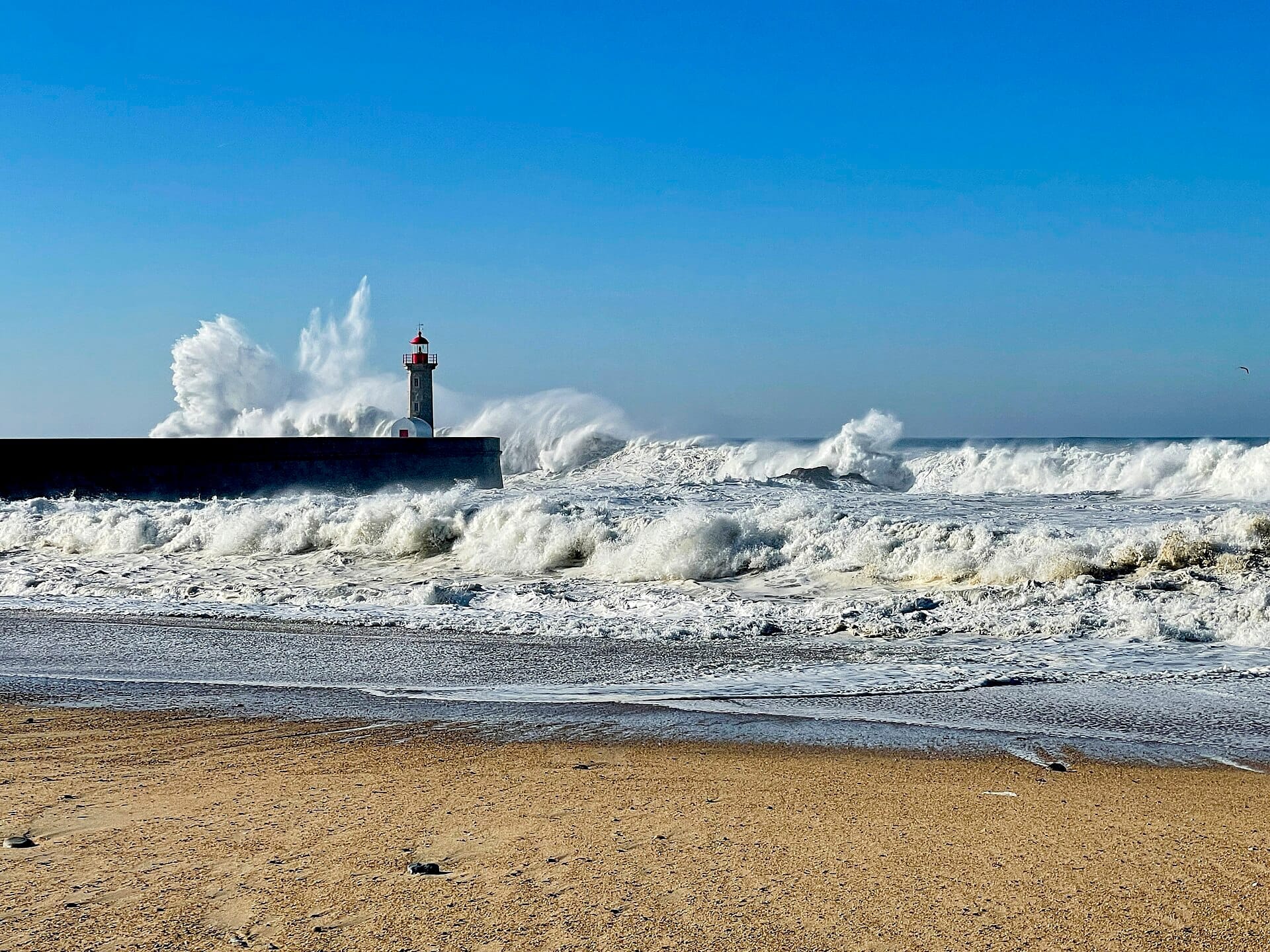
The beaches of Foz do Douro offer a genuinely different experience from the city beaches further north. Praia do Carneiro, Praia dos Ingleses, and Praia de Gondarém are compact Atlantic beaches with strong wave action. They are not sheltered coves: the water is cool and the surf can be powerful, which makes them popular with bodyboarders and surfers but occasionally too rough for casual swimmers. For more beach options and a wider sandy stretch, Matosinhos Beach is a short bus ride north and far more extensive.
⚠️ What to skip
Atlantic waves at Foz do Douro's beaches can be deceptively powerful. Even on calm days, undertow and shore breaks occur. Check local surf reports and posted warning flags before swimming, particularly with children.
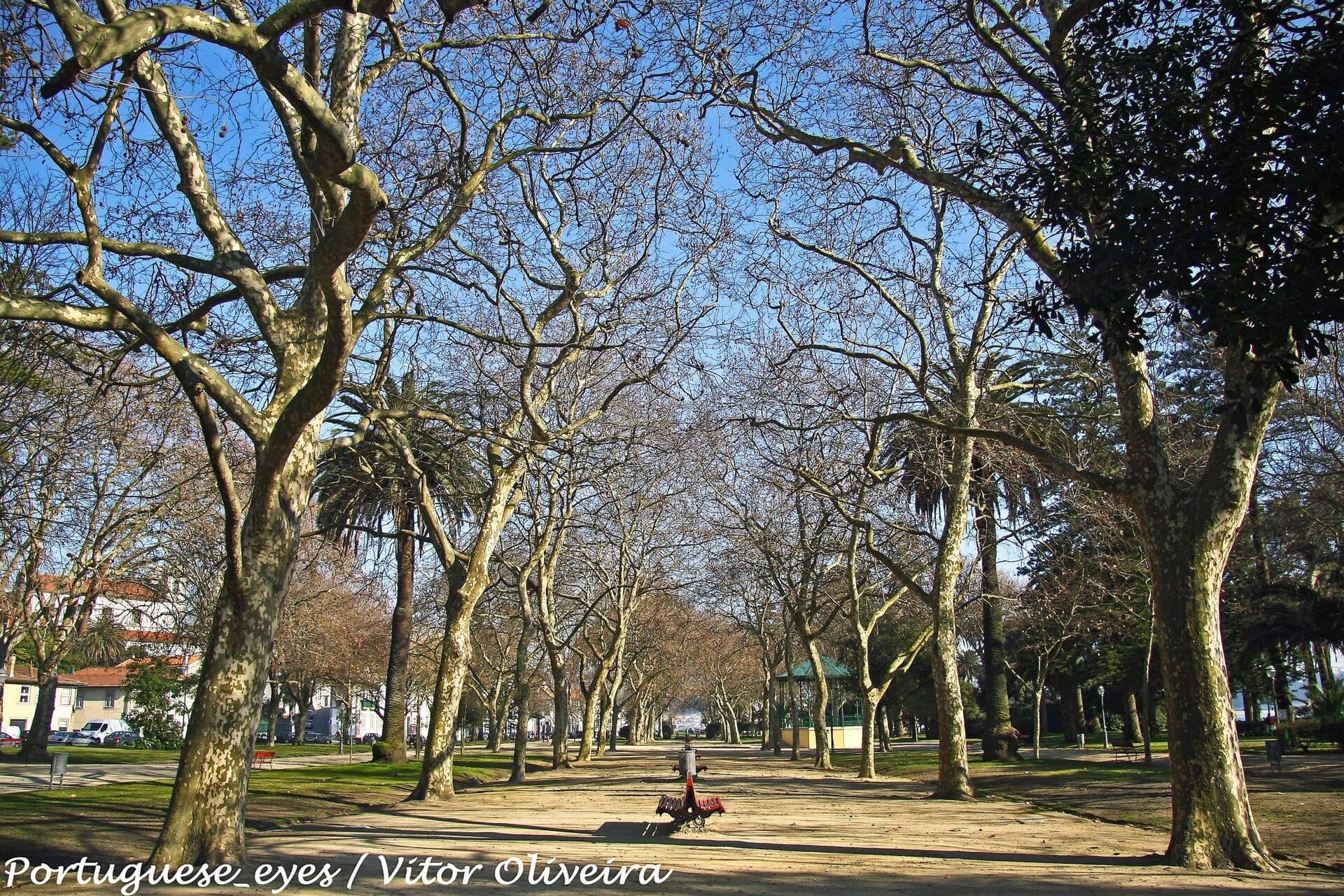
The Pérgola da Foz, constructed in the 1930s in a neo-classical style along Praia do Molhe, is one of Porto's most photographed coastal structures. It's a covered walkway of arched columns that runs along the beach, offering shade and a frame for watching the sea. The Jardim do Passeio Alegre, the riverside garden at the southern end of the neighbourhood, is worth a slow walk: its shaded paths, old plane trees, and position at the river's mouth make it an exceptionally pleasant spot on a warm afternoon.
Forte de São João Baptista da Foz: 16th-century fort at the Douro's mouth, walkable exterior
Forte de São Francisco do Queijo: 15th-century coastal fort, also known as the Castle of the Cheese
Pérgola da Foz: 1930s neo-classical colonnade on Praia do Molhe
Jardim do Passeio Alegre: riverside garden at the southern gateway to the neighbourhood
Foz Velha: the old village quarter with cobbled streets and pre-19th-century character
Mercado da Foz: small neighbourhood market on Rua de Diu, busy on weekend mornings
Praia do Carneiro, Praia dos Ingleses, Praia de Gondarém: the main Atlantic beaches
If you are building a wider itinerary along Porto's coast, consider reading the Porto beaches guide which covers the full stretch from Foz north to Matosinhos and beyond.
Eating & Drinking
The eating and drinking scene in Foz do Douro skews upscale and seafood-forward. Avenida do Brasil and its immediate side streets carry the highest concentration of restaurants, ranging from proper sit-down fish restaurants to more casual terrace cafés. Prices here are noticeably higher than in the city centre, and portions tend to match the quality expectations of a wealthy local clientele. That said, the seafood is genuinely excellent: fresh Atlantic catch, grilled simply with good olive oil, is a standard you can rely on.
Coffee culture is strong in Foz, and the neighbourhood's café scene has a neighbourhood-regular quality: the same faces turn up at the same tables, newspapers are read at length, and there is no particular pressure to move on. Weekend brunch has become increasingly prominent in recent years, with a number of spots along the promenade catering to the younger professional crowd that has moved into the area.
For a broader overview of what Porto's food culture offers, the guide to what to eat in Porto covers the essential dishes and specialities you should be looking for across the city, from the iconic francesinha to the coastal fish and seafood traditions that Foz does particularly well.
The bar scene along the seafront picks up after dinner, particularly on warm evenings when the outdoor terraces fill with people watching the last of the Atlantic light. It is not a late-night neighbourhood by Porto standards: by midnight, most of the action has moved. If you are looking for live music or club culture, the city centre and areas around the university quarter serve that better. Foz is where you eat well, drink slowly, and walk home along the promenade.
💡 Local tip
The Mercado da Foz on Rua de Diu is worth visiting on a weekend morning for fresh produce, local cheeses, and pastries at neighbourhood prices, before the seafront restaurants open for lunch. It gives an accurate sense of how the locals actually shop and eat.
Getting There & Around
Foz do Douro has no metro station, which is the single most practical fact to understand before deciding to stay here. The nearest metro connections are in Boavista to the east. This means getting to and from the city centre requires a bus or the historic tram. The historic tram Line 1 runs from central Porto (departing near the Palácio da Bolsa area) along the Douro riverfront to Passeio Alegre at the entrance to Foz. The tram is slow, single-track, and often crowded in summer, but it is a genuinely enjoyable way to approach the neighbourhood, particularly on the outward journey when the river views are on your right.
STCP bus routes are the practical daily option. Bus 500 connects central Porto to Foz along the riverside route and is the most direct link. Buses 203, 204, and 207 serve different parts of the neighbourhood including stops near Praça do Império, the main beachfront area, and Crasto. Bus frequency is reasonable during the day but drops in the evenings, so check STCP timetables if you are planning a late dinner. Taxis, Uber, and Bolt are all available and the journey from central Porto takes roughly 15 to 20 minutes depending on traffic, which can be heavy on weekend afternoons during summer.
Walking from the city centre to Foz is possible but long: roughly 6 kilometres along the riverside, or around 75 minutes at a comfortable pace. The route along the Douro riverbank is pleasant and largely flat, and many visitors make it a one-way walk, taking the tram or bus back. For a full understanding of how to get around Porto more broadly, the guide to getting around Porto covers the metro, bus, tram, and ride-hailing options across the city.
Where to Stay
Foz do Douro is primarily a residential neighbourhood with limited hotel stock compared to the city centre. Accommodation here tends toward smaller boutique hotels, guesthouses, and apartment rentals rather than large hotel chains. The seafront strip along Avenida do Brasil and the streets immediately behind it are the best addresses for visitors: you get the beach and promenade on your doorstep and the neighbourhood restaurants within walking distance.
The trade-off for staying in Foz is distance from Porto's main tourist attractions. The historic centre, São Bento station, Ribeira, and the main museum belt are all 30 to 45 minutes away by public transit. This is a real consideration: if your primary interest is Porto's azulejo churches, the wine lodges across the river in Gaia, or the intense urban energy of the Baixa, you will spend a lot of time on buses. Foz makes most sense for travellers who prioritise coastal access, quiet streets, and a more local neighbourhood experience over proximity to the highlights.
For travellers who want to compare options across Porto's different neighbourhoods before deciding, the guide to where to stay in Porto gives a clear overview of the tradeoffs between Ribeira, Baixa, Boavista, and the coastal districts.
ℹ️ Good to know
Foz do Douro is one of Porto's most expensive neighbourhoods for short-term rentals. Demand in summer is significant, so if you are targeting July or August, book accommodation early. Shoulder season, particularly May, June, and September, offers better availability and more reasonable pricing.
Practical Notes
Foz do Douro fits naturally into a longer Porto itinerary rather than standing alone as a destination. A good approach is to pair it with a morning at the Jardim do Passeio Alegre and a tram ride back toward the centre, stopping at the riverside for views of the Dom Luís I Bridge before crossing into Gaia. Alternatively, combine a morning in Foz with an afternoon at Matosinhos Beach and a seafood dinner at the port area before returning by bus.
For travellers with a full day or more to explore beyond the city limits, the Porto beaches guide and the guide to things to do in Porto offer useful context for planning how much time the coastal areas deserve relative to the city's interior attractions.
TL;DR
Foz do Douro is Porto's upscale coastal district at the mouth of the Douro River, offering beaches, historic forts, and seafront promenades with a markedly local, residential atmosphere.
Best for: travellers who want Atlantic beaches within Porto, a quieter pace, and quality seafood restaurants away from the tourist centre.
Key drawback: no metro station means reliance on buses and the historic tram, making it less convenient for visitors with a packed city sightseeing agenda.
The neighbourhood rewards early morning visits: the Pérgola da Foz, Jardim do Passeio Alegre, and the Mercado da Foz are all at their best before the midday crowds.
Atlantic swimming conditions can be rough; check beach flags and local surf conditions before entering the water, particularly with children or inexperienced swimmers.
Porto has over 40 museums covering everything from contemporary art and Port wine to football trophies and Age of Discovery history. This guide picks the best across every category, with tips on when to go, what to book ahead, and how to get the most from each visit.
Porto rewards visitors differently depending on the season. This guide breaks down every month of the year, covering weather patterns, crowd levels, festivals, and practical advice so you can pick the window that matches your priorities.
Porto sits at the center of one of northern Portugal's richest travel regions. Within two hours by train or car, you can reach terraced vineyards, medieval birthplace cities, canal towns, and wild national park landscapes. This guide covers the best day trips from Porto, with practical advice on how to get there and what to do.
The Douro Valley is one of the most rewarding day trips you can make from Porto. Terraced vineyards, river cruises, winery lunches, and hilltop villages await, but you have to plan carefully to avoid cramming too much into one day. This guide tells you exactly how.
Porto rewards slow, curious walkers more than almost any city in Europe. From UNESCO-listed riverfront promenades and azulejo-covered church facades to sweeping hilltop viewpoints and ancient market halls, the city's best experiences are largely free. This guide covers 23 genuinely no-cost attractions across Porto and Vila Nova de Gaia.
Porto's public transport network is more straightforward than it looks, but a few missteps — buying the wrong ticket, boarding a tram without cash, or missing a zone validation — can cost you time and money. This guide covers every option: the metro, STCP buses, historic trams, funiculars, taxis, ride-hailing apps, and how to get from Francisco Sá Carneiro Airport to the city centre without overpaying.
Port wine is Porto's most famous export, but most visitors don't realize the lodges are actually across the river in Vila Nova de Gaia. This guide covers the top cellars, what tastings cost, how to book, and the differences between port styles so you get the most from your visit.
Two days in Porto is enough to cover the city's most iconic sights — if you sequence them well. This itinerary moves logically through the historic centre, the Douro riverfront, Vila Nova de Gaia's port wine lodges, and a few stops most weekend guides skip entirely.
Francisco Sá Carneiro Airport is your gateway to one of Europe's most rewarding cities. This guide covers every transfer option from the airport to central Porto, seasonal crowd patterns, ticketing details, and the trade-offs between metro, taxi, and private transfer so you can arrive without stress.
Porto's azulejo tiles are one of the city's most distinctive and photographed features, covering church facades, railway stations, and entire building exteriors in intricate ceramic panels. This guide covers the best sites, historical context, practical visiting tips, and where to buy or create your own tiles.
Porto sits minutes from a long stretch of Atlantic coastline, with beaches ranging from wide urban surf breaks to quiet southern coves backed by pine forests. This guide covers the best beaches near Porto, how to get there, and what to do along the way.
Porto's six bridges across the Douro are more than infrastructure: they are the city's most dramatic landmarks, connecting historic quarters, framing postcard views, and offering walks you will remember long after leaving. This guide covers every bridge, how to experience each one, and the best spots to see them all.
Porto's churches are among the most architecturally diverse in Europe, layering Romanesque foundations, Gothic cloisters, Baroque gilded interiors, and hand-painted azulejo facades within a walkable historic centre. This guide covers the essential religious monuments, from the cathedral on its granite hilltop to the tile-wrapped chapels of Baixa.
Porto has a dedicated fado scene that goes well beyond tourist packages. This guide breaks down the best venues, real price ranges, how to book, and what separates a genuine fado experience from a commercial one.
Porto rewards those who wander past the obvious. This guide takes you beyond the postcard stops to the viewpoints, green spaces, architectural surprises, and local haunts that most visitors walk straight past. From a free rooftop terrace above the Douro to a modernist swimming pool carved into the Atlantic coastline, Porto's best-kept secrets are hiding in plain sight.
Three days is the sweet spot for Porto. This itinerary covers the UNESCO-listed historic centre, the port wine lodges of Vila Nova de Gaia, a Douro Valley excursion, and optional coastal time at Foz, with practical tips on where to eat, what to skip, and how to get around without wasting time.
Porto's luxury scene is more intimate than many visitors expect: think palace hotels in azulejo-clad historic buildings, Michelin-starred dining with panoramic Douro views, and private rabelo boat charters rather than sprawling resort complexes. This guide covers the best 5-star hotels, fine dining, and premium experiences in Porto Portugal, with clear notes on what's worth the premium and what isn't.
Porto's nightlife runs late, starts later, and surprises almost every visitor. This guide breaks down the best neighbourhoods, bars, clubs, and after-dark experiences in Porto, Portugal, with practical tips on timing, pricing, and what to skip.
Porto is one of Western Europe's most affordable city-break destinations, but only if you know where to spend and where to save. This guide covers free sights, budget transport, cheap local food, and the common mistakes that quietly drain your wallet.
Porto, Portugal ranks among Europe's lowest-crime destinations, but that doesn't mean risk-free. This guide breaks down exactly what threats exist, which neighborhoods and situations to watch, and the practical steps that make a real difference.
From the historic Mercado do Bolhão to the independent boutiques of Cedofeita, Porto rewards shoppers who plan ahead. This guide covers every major market, the best shopping streets by neighborhood, what to actually buy, and the practical details most guides leave out.
Porto and Lisbon are Portugal's two great cities, separated by 310 km and distinct in character. This guide breaks down the real differences in cost, atmosphere, sightseeing, food, and logistics so you can decide which to visit — or plan both into one trip.
Porto is one of Europe's most walkable historic cities, and you do not need a paid tour to see the best of it. This guide covers the classic one-day route through the UNESCO-listed old town, Ribeira waterfront, and Vila Nova de Gaia, with timing advice, entry costs, and practical tips for every stage.
Porto is a great destination for families, with interactive museums, free parks, river cruises, and cable cars all within easy reach of the historic centre. This guide covers the best activities for children of all ages, what to skip, and practical logistics for navigating Porto with kids in tow.
Porto, Portugal's second-largest city, has earned its reputation as one of Europe's most compelling destinations. But is it right for your trip? This guide looks at costs, crowds, highlights, and drawbacks to help you decide.
Porto rewards couples with a rare combination of scenic riverbanks, centuries-old wine culture, Fado music, and walkable historic streets. This guide covers the most romantic experiences in the city, from sunset cruises on the Douro to garden strolls at the Crystal Palace, with practical notes on what is worth your time and money.
The Festa de São João do Porto is Porto's biggest annual celebration, held every year on the night of 23–24 June. This guide covers the history, traditions, schedule, best viewing spots, food, transport, and practical tips to help you plan around one of Portugal's most spectacular street festivals.
Porto is one of Europe's most rewarding cities for curious travelers. This guide covers the best things to do in Porto, Portugal, from crossing the Dom Luís I Bridge to exploring baroque churches, tasting port wine, and eating seafood in Matosinhos, with real logistics and no filler.
Porto's food culture runs deep, shaped by northern Portuguese cooking traditions that prize hearty ingredients, salt cod, and rich slow-cooked stews. This guide covers the essential dishes, where to find them, what they actually cost, and a few things worth skipping.
Choosing where to stay in Porto shapes your entire trip. This guide breaks down every major neighborhood, from the historic riverfront of Ribeira to the relaxed beachside calm of Foz do Douro, with clear notes on who each area suits, typical price ranges, and practical transport details.