Best Things to Do in Porto, Portugal: Complete Guide
Porto is one of Europe's most rewarding cities for curious travelers. This guide covers the best things to do in Porto, Portugal, from crossing the Dom Luís I Bridge to exploring baroque churches, tasting port wine, and eating seafood in Matosinhos, with real logistics and no filler.
Plan and book this trip
Tools from our partner Travelpayouts help you compare flights and hotels. If you book through them, we may earn a commission at no extra cost to you.
Flights
Hotels map
TL;DR
- Porto's historic centre, including Ribeira and the Sé, is a UNESCO World Heritage Site. Start there, then cross the river into Vila Nova de Gaia for port wine lodge tours (€15–€30).
- Book Livraria Lello (€8 voucher) and popular port wine cellars in advance during high season (May–September) — both sell out regularly.
- A Douro river cruise takes about 50–60 minutes and costs €15–€20. It's a practical way to see the bridges, not just a tourist gimmick.
- May, June, and September offer the best combination of dry weather and manageable crowds. August is the busiest and most expensive month.
- For full logistics on getting around, see our guide to getting around Porto.
The UNESCO Historic Centre: Where to Start
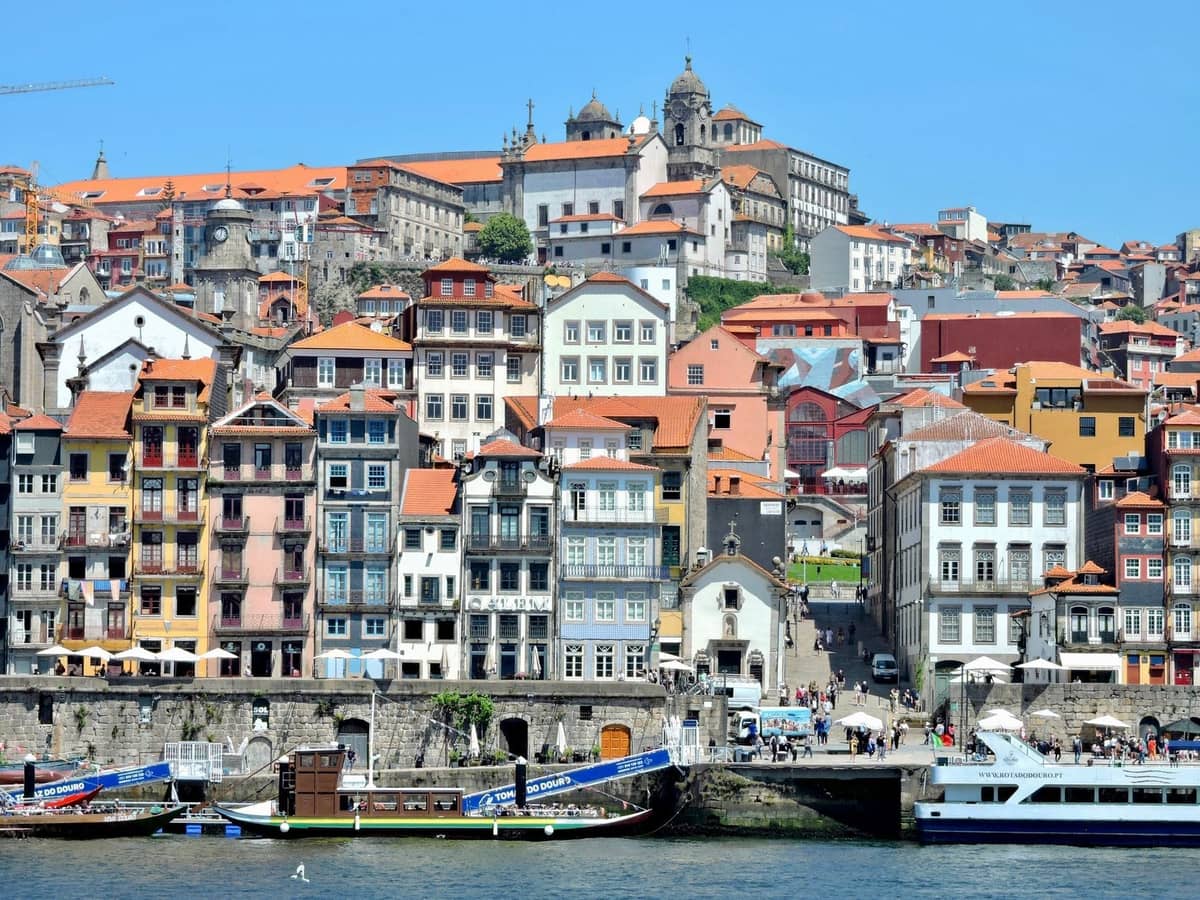
Porto's historic core, encompassing Ribeira, the upper Baixa, and the cathedral district, was inscribed as a UNESCO World Heritage Site in 1996. The recognition covers not just individual monuments but the entire urban landscape shaped by centuries of Atlantic trade and port wine commerce. Walking these streets is genuinely different from most European cities: the tiles, the granite, the steep alleyways dropping to the Douro, all of it forms a coherent whole.
The Ribeira waterfront along Cais da Ribeira is the natural starting point. It's photogenic, yes, but also the most tourist-saturated part of the city. Restaurants on the waterfront tend to be overpriced relative to quality. Walk two or three streets back uphill and prices drop significantly, quality often improves, and the crowds thin out.
The Porto Cathedral (Sé do Porto) sits at the highest point of the historic centre and is free to enter the main nave. The Gothic cloister requires a ticket (around €3). From the cathedral's terrace, you get one of the cleanest views over the Douro without paying for a tower or cable car. Directly below, São Bento railway station houses one of the most remarkable interiors in Portugal: around 20,000 azulejo tiles depicting scenes of Portuguese history, completed in 1930. Entry is free, and it's open during station opening hours.
💡 Local tip
Visit São Bento station early in the morning before the tour groups arrive. By 10am it can be elbow-to-elbow. At 8am you may have the tile panels nearly to yourself.
Port Wine Lodges in Vila Nova de Gaia
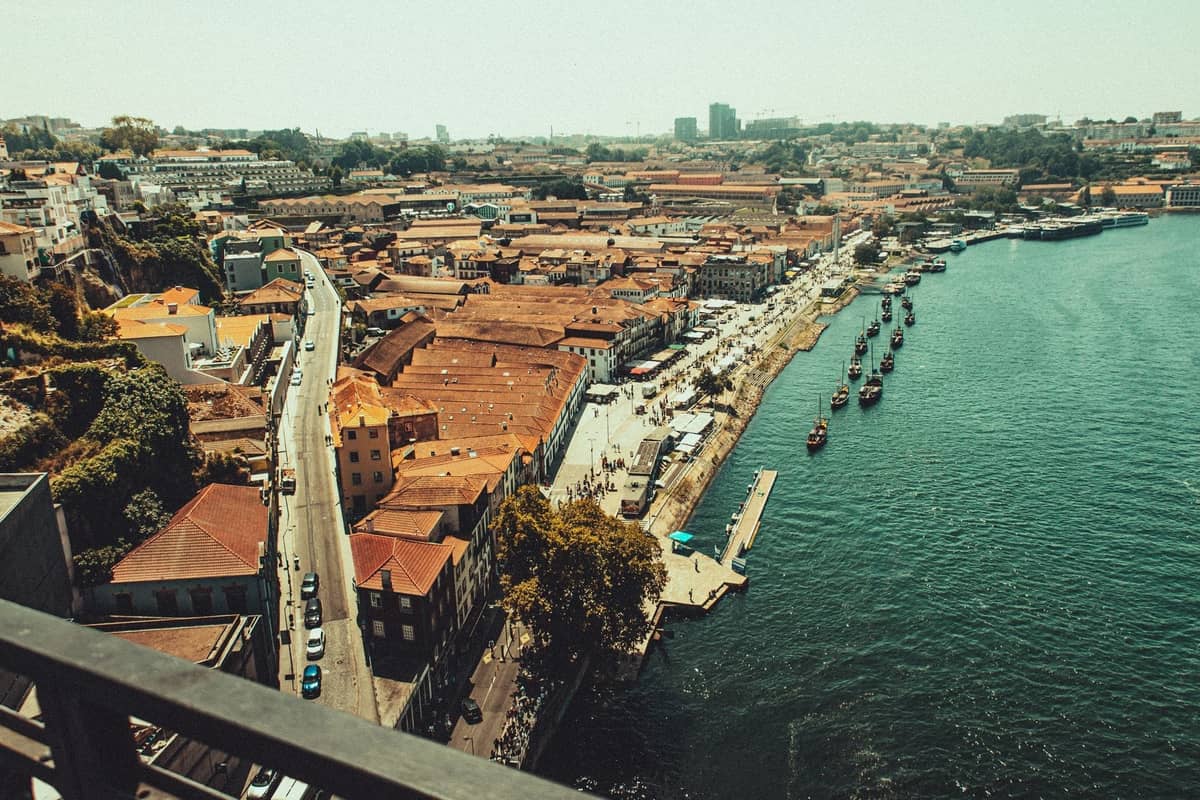
Here is a common misconception worth addressing upfront: the port wine lodges are not in Porto. They are in Vila Nova de Gaia, a separate municipality on the south bank of the Douro. You cross the Dom Luís I Bridge to reach them. This distinction matters because some visitors assume they can visit the lodges as a quick detour from Ribeira. In reality, you want to dedicate at least a half-day to Gaia.
Major houses like Sandeman, Graham's, and Cálem all offer guided cellar tours with tastings, typically priced between €15 and €30 depending on the tier. Most include two to three pours. Taylor's Lodge, on the hill above central Gaia, is particularly worth considering for its terraced gardens and views over Porto. Advance booking is strongly recommended from May through September — popular English-language tours at the top lodges sell out days ahead.
⚠️ What to skip
Not every lodge on the Gaia waterfront offers the same quality experience. Several kiosks along Cais de Gaia sell 'port tasting' packages that amount to a plastic cup of mediocre wine with no context. If you want to understand what you're drinking, book a proper guided tour at one of the established houses.
- Cálem Cellars Popular with first-time visitors; includes a fado performance option. Good intro-level tour.
- Graham's Lodge Excellent cellar infrastructure and premium tasting options. Slightly uphill from the main strip, less crowded.
- Sandeman Iconic branding, centrally located on the Gaia waterfront. Book early for the guided tour, not just the bar.
- Taylor's Best views from the terrace gardens. Their 'Chip Dry' white port is a good order if you've never tried white port.
Crossing the Dom Luís I Bridge and the Gaia Viewpoints
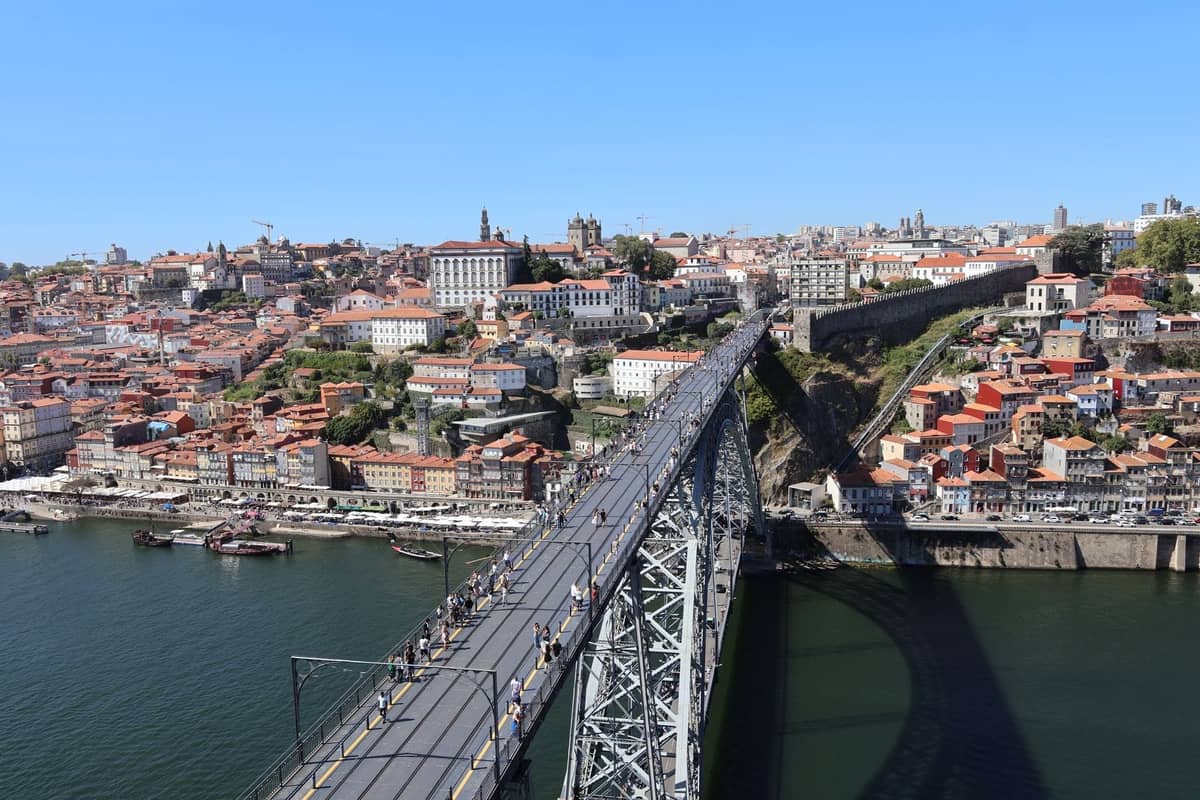
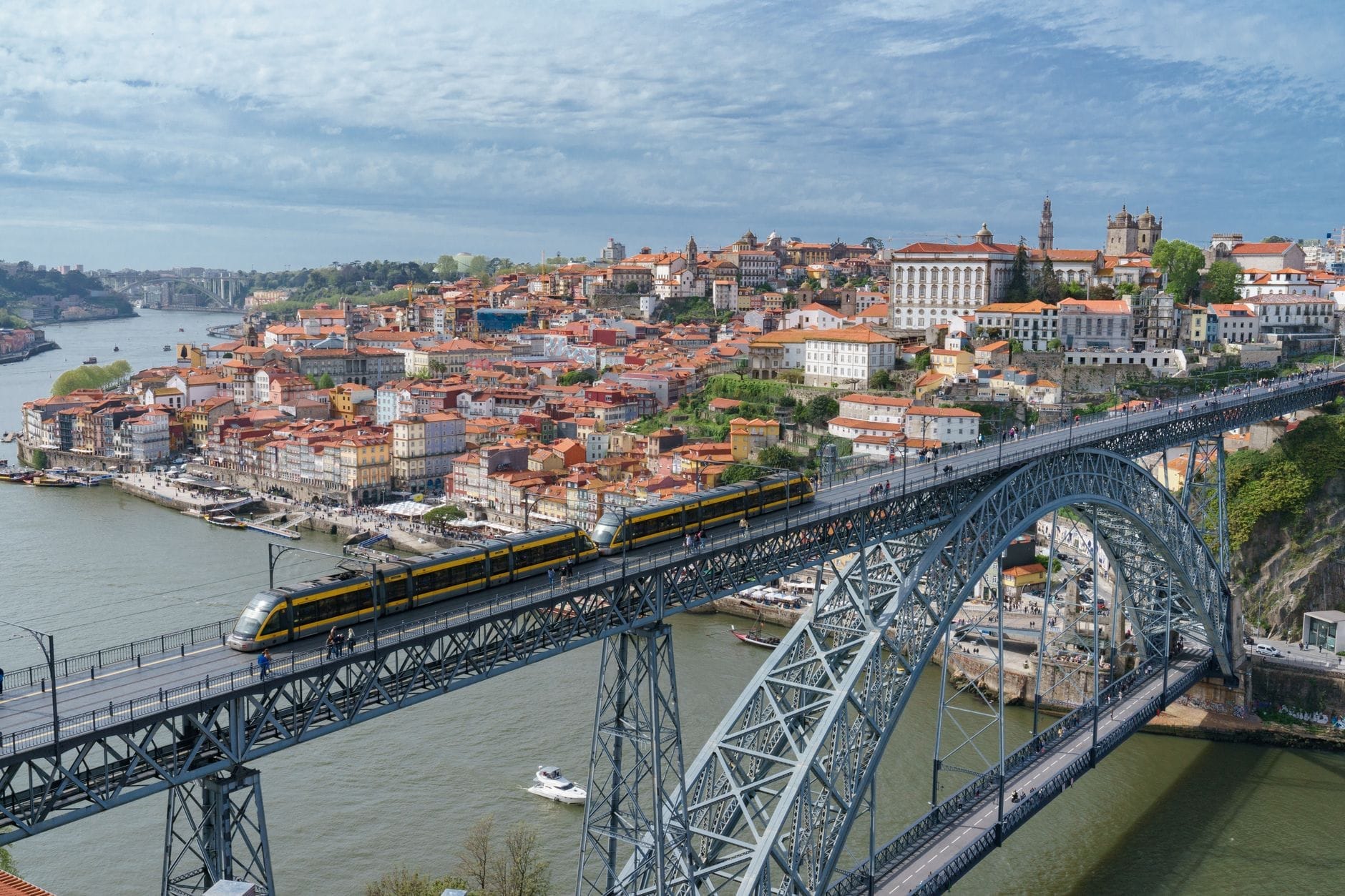
The Dom Luís I Bridge is Porto's most recognisable structure, a two-level iron arch bridge completed in 1886. The lower deck handles vehicle and pedestrian traffic between Ribeira and Gaia. The upper deck, at 60 metres above the river, carries Metro Line D and a pedestrian walkway with unobstructed views in both directions. Walk the upper deck if you have a reasonable tolerance for heights; the views are significantly better than the lower deck.
On the Gaia side of the upper deck, the Jardim do Morro is a small public garden with one of the best free viewpoints in the city. The Monastery of Serra do Pilar, a UNESCO-listed circular church just above the garden, is worth the short uphill walk. The Gaia cable car connects the upper terrace down to the waterfront and costs around €7 one-way. It's a short ride but the views during descent are genuinely good. Skip it if the queue is long — the walk down is only a few minutes.
Baroque Churches, Towers, and Bookshops
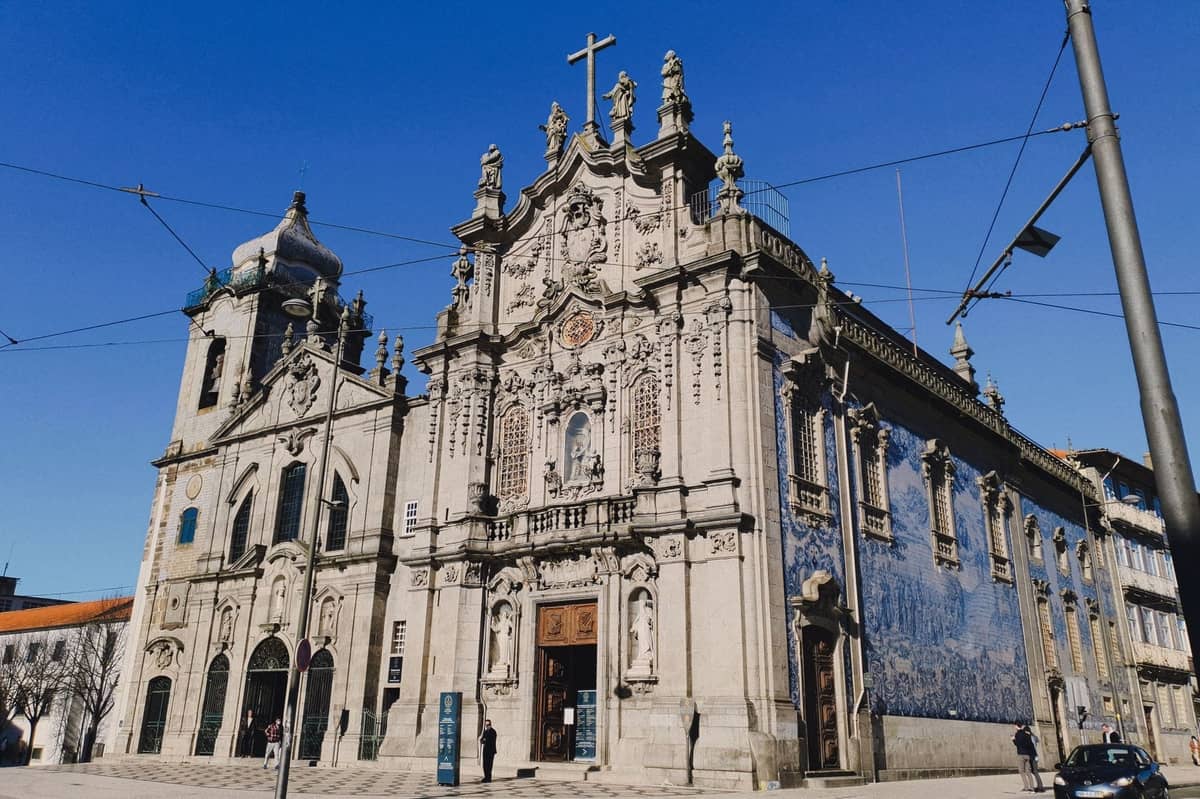
Porto has an extraordinary concentration of baroque and gilded church interiors per square kilometre. The Igreja de São Francisco contains one of the most ornate gilded interiors in Portugal, carved from an estimated 400kg of gold leaf. It's attached to a Gothic church exterior, which makes the contrast inside genuinely surprising. Entry costs around €5 and includes the catacombs beneath the floor.
The Torre dos Clérigos is Porto's most famous tower, a 75-metre baroque bell tower designed by Nicolau Nasoni in the 18th century. The combined ticket for tower and museum costs €8, with timed entry slots. The 240 steps are narrow and the top platform is small, so it can feel crowded. For a less visited but similarly excellent viewpoint, try the Miradouro da Vitória, a free terrace a short walk away.
Livraria Lello is frequently described as one of the world's most beautiful bookshops, and the neo-Gothic interior with its sinuous red staircase does deserve the reputation. The entrance voucher costs €8, which is deductible from any book purchase. Buy tickets online in advance and arrive as close to opening time as possible. By midday in summer, the queue stretches onto Rua das Flores and the interior becomes genuinely uncomfortable. If you're not interested in books and just want to see the staircase, be honest with yourself about whether €8 is worth a 10-minute visit.
✨ Pro tip
The Igreja do Carmo and the adjacent Igreja dos Carmelitas share a wall and are separated only by a narrow house. The exterior azulejo panel on do Carmo is one of Porto's finest tile facades and is entirely free to view from the street. This is the kind of detail that makes Porto rewarding for people who look up from their maps.
Douro River Cruises, Markets, and Eating Well
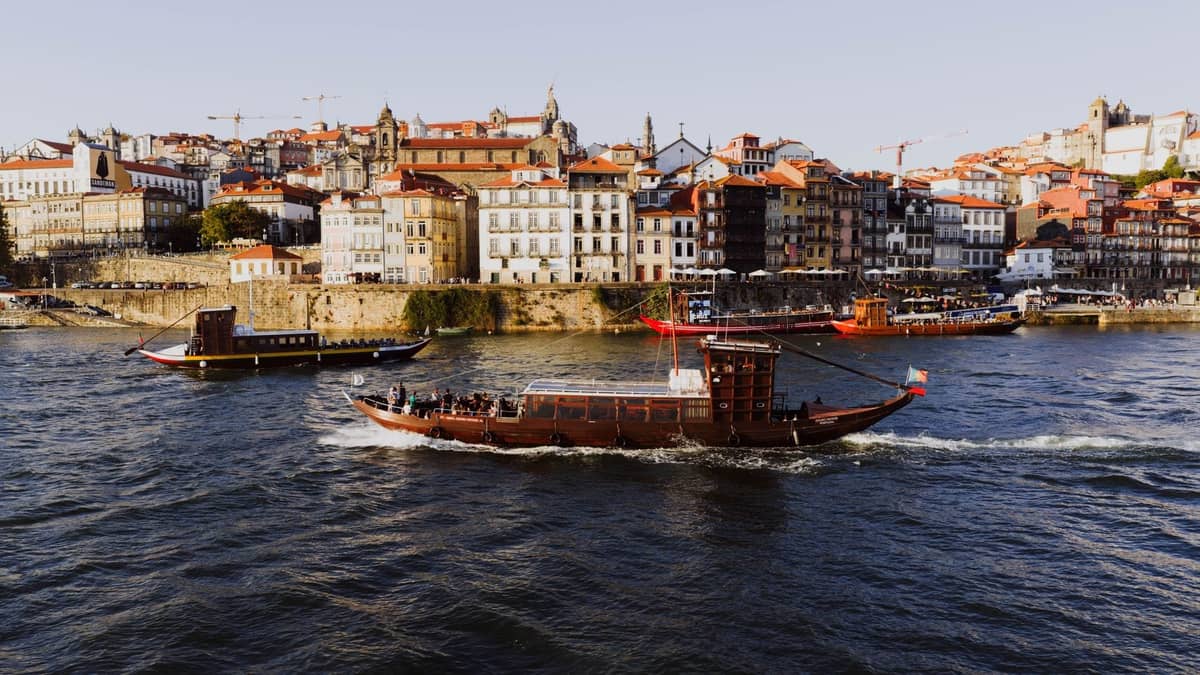
A standard 'Six Bridges' cruise on the Douro lasts around 50 to 60 minutes and costs €15–€20 per adult. Tickets can be purchased at the quayside on Cais da Ribeira or booked online through operators like Douro Azul. The cruise passes under all six bridges between Porto and the sea, giving a perspective on the city that's impossible from land. It is not a deep cultural experience, but it's a genuinely useful orientation. Winter note: river cruises may be suspended or rescheduled during heavy rain or high water levels.
For food, the Mercado do Bolhão is Porto's main covered market, recently renovated and now home to 79 stalls and 10 eateries. It's open Monday to Saturday. For a broader experience combining food, design, and contemporary vendors, the Mercado Bom Sucesso in Boavista offers a more polished food hall atmosphere. Neither is cheap by Porto standards, but both are legitimate. For honest local eating, look for tascas in Bonfim or Cedofeita, where a full lunch with wine rarely exceeds €12–€15.
Porto's most famous dishes include the francesinha (a layered meat sandwich in a spiced beer and tomato sauce, priced around €10–€14), bacalhau in dozens of preparations, and the simple but excellent grilled fish available in Matosinhos, the coastal municipality 10 minutes north of the centre by metro. Matosinhos is not Porto proper, but any guide that ignores it is doing you a disservice. The grilled sardines and sea bass at the restaurants on Rua Heróis de França are among the best value seafood in the greater Porto area.
Beyond the Centre: Parks, Beaches, and FC Porto
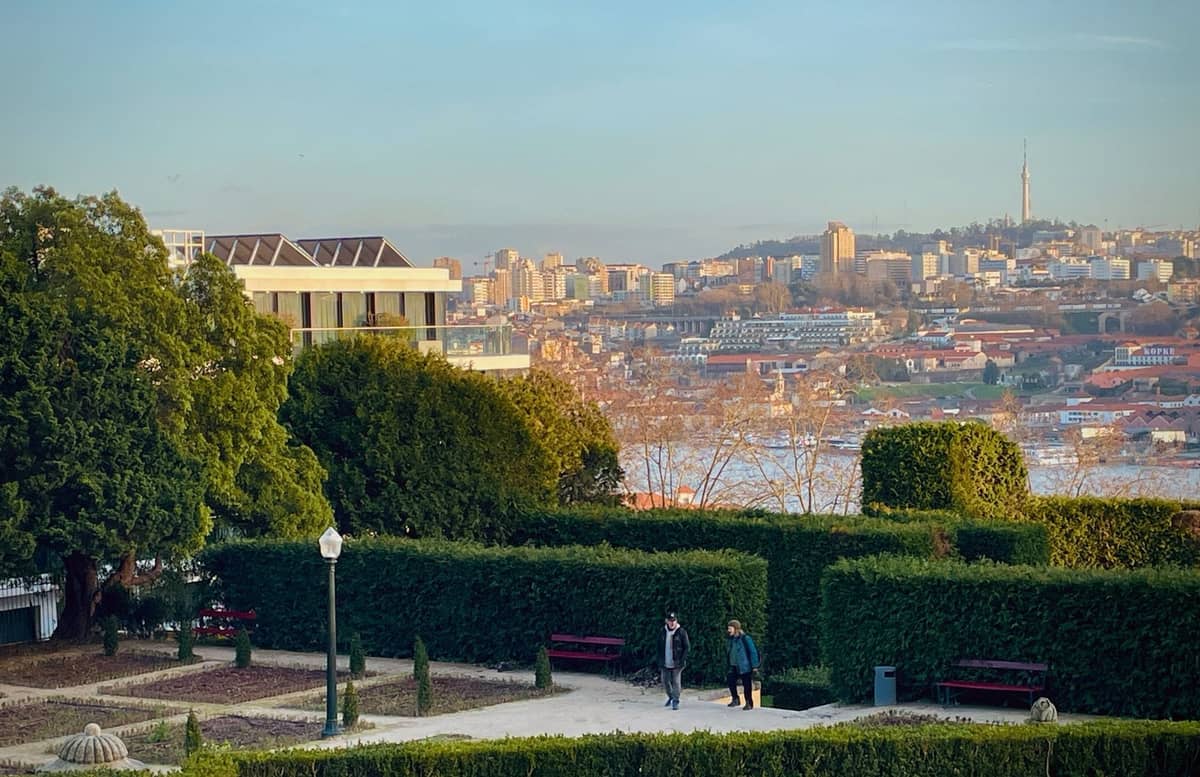
The Jardins do Palácio de Cristal are worth clarifying upfront: the original Crystal Palace was demolished in 1951 and replaced with a domed sports pavilion. What remains are the extensive landscaped gardens, which are free to enter and offer some of the best Douro views in the city from their western terraces. Peacocks wander the grounds. It's a legitimate place to spend an afternoon, especially in spring when the gardens are in bloom.
For a full coastal escape, Porto's beach options range from Foz do Douro's rocky promenade to the wide sandy beaches at Matosinhos. The Atlantic here is cold even in summer (typically 17–19°C), so swimming is for the hardy. The Serralves Museum of Contemporary Art in the Boavista area is arguably Portugal's finest contemporary art institution. The building by Álvaro Siza Vieira and the surrounding Serralves Park justify a half-day visit even if you have limited interest in the exhibitions.
- FC Porto's Estádio do Dragão hosts matches from August to May. The stadium tour and FC Porto Museum are open on non-match days and attract serious football fans.
- Casa da Música in Boavista is Porto's main concert venue, designed by Rem Koolhaas. Tours run on weekdays; check the schedule for evening performances.
- The Palácio da Bolsa (Stock Exchange Palace) contains the Arab Room, an extraordinary Moorish-revival interior that took 18 years to complete. Guided tour only, lasting around 30 minutes.
- Parque da Cidade is Porto's largest urban park, stretching to the Atlantic coast. It's free, quiet on weekday mornings, and a good option for families or anyone needing a break from granite and cobblestones.
ℹ️ Good to know
The Porto Card provides unlimited travel on Metro, bus, and tram lines plus discounts at major attractions. For visitors spending 2–3 days who plan to use public transport regularly and visit multiple paid attractions, it can offer genuine savings. Check the current price and included attractions on the official Visit Porto website before buying, as the card's value depends heavily on your specific itinerary.
FAQ
How many days do you need in Porto?
Two full days covers the main highlights: the historic centre, one or two port wine lodges in Gaia, and a river cruise. Three days allows you to add Serralves, Matosinhos, and the Foz do Douro waterfront without feeling rushed. A single day is technically possible but you'll be skimming the surface.
Is Porto walkable, or do you need public transport?
The central districts (Ribeira, Baixa, Clérigos, Batalha) are walkable but involve significant hills and uneven cobblestones. Vila Nova de Gaia is a short walk across the bridge. For Serralves, Boavista, Foz do Douro, or Matosinhos, the metro or bus is practical. Porto's metro system is efficient and a Z4 airport ticket costs a few euros. Tuk-tuks and hop-on-hop-off buses are available but rarely the best value option.
Are the port wine cellars worth visiting if you don't drink much?
The cellar architecture, barrel rooms, and history of the port wine trade are genuinely interesting even for non-drinkers. Most lodges have non-drinking members in tour groups. Some lodges offer non-alcoholic alternatives or allow you to participate in the tour without the tasting. That said, if you have no curiosity about the history of port, a 45-minute guided tour may feel long. The Gaia waterfront views alone are worth the walk across the bridge.
What is the best time of year to visit Porto?
May, June, and September are consistently recommended. Weather is warm enough for walking and outdoor dining, rain is less frequent than winter, and the city is busy but not overwhelmed. August is the peak of summer tourism: accommodation prices peak, queues at Livraria Lello and the wine lodges are longest, and the city feels congested. November through February is quieter and cheaper but rainfall is higher and some river-based activities may be limited.
What should I avoid in Porto?
Avoid eating on the Ribeira waterfront itself unless you've specifically checked reviews — many restaurants there trade on location rather than food quality. Skip the tuk-tuk tours if budget is a concern; they cover the same ground as walking at considerably higher cost. Don't confuse the Palácio de Cristal with the Crystal Palace gardens — the palace no longer exists. And book Livraria Lello tickets online rather than joining the queue on the day, especially between June and September.