Matosinhos is a coastal city and municipality immediately northwest of Porto, known for its wide Atlantic beach, the industrial-scale Port of Leixões, and a seafood dining scene that draws visitors from across the region. It sits close enough to Porto's centre to visit in an afternoon, yet feels distinctly different in character: more maritime, more working-class, and noticeably less touristic than the historic core.
Matosinhos is where Porto comes to eat fish and watch the Atlantic. A working fishing port meets a wide urban beach, and the streets between them are lined with some of the most serious seafood restaurants in northern Portugal. It is not a neighbourhood in the strict sense but a separate municipality, and that independence is exactly what gives it its character.
Orientation: Where Matosinhos Fits
Matosinhos is a coastal municipality of roughly 62.4 square kilometres sitting immediately northwest of Porto city proper. The city of Matosinhos itself sits at the mouth of the Leça River, approximately 8 kilometres from Porto's centre. To the south lies Foz do Douro and Porto's urban edge; to the east, the inland parishes of São Mamede de Infesta and Senhora da Hora; to the north, Leça da Palmeira and eventually Vila do Conde; and to the west, the open Atlantic.
The green boundary between Matosinhos and Porto is not invisible on the ground. The vast Parque da Cidade do Porto forms a natural buffer zone between Foz do Douro and the Matosinhos seafront. Walking north along the coastal promenade from Foz, you cross from Porto into Matosinhos almost without noticing, until the beach widens and the smell of the fishing port becomes more pronounced.
One important distinction for travellers: Matosinhos is not a district or neighbourhood of Porto city. It is a separate municipality within the greater Porto metropolitan area. That means it has its own local government, its own identity, and a daily rhythm shaped more by the port and the sea than by tourism or the historic city centre. Visitors who expect the same energy as Ribeira or Baixa will find something quite different here.
ℹ️ Good to know
Matosinhos covers two coastal parishes: Matosinhos (the city itself, centred near the fishing port) and Leça da Palmeira to the north. Most visitors spend their time in the southern part of the municipality, close to Praia de Matosinhos and the Rua Heróis de França restaurant strip.
Character & Atmosphere
Matosinhos has the atmosphere of a city that never set out to impress visitors. The port has been operating here since 1884, enlarged in 1932, and the working infrastructure of the Port of Leixões is visible and audible: container ships, fishing trawlers, and the occasional blast of a foghorn. The streets around the port smell of brine and diesel at low tide. This is not a sanitised waterfront redevelopment. It is still, fundamentally, a fishing town.
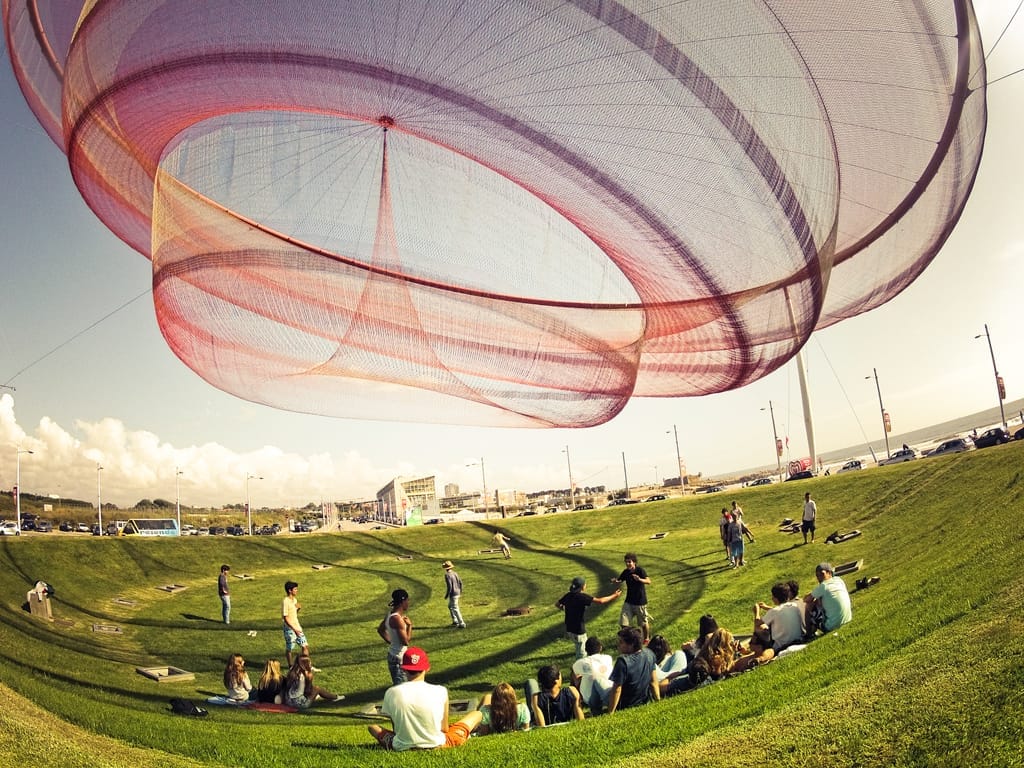
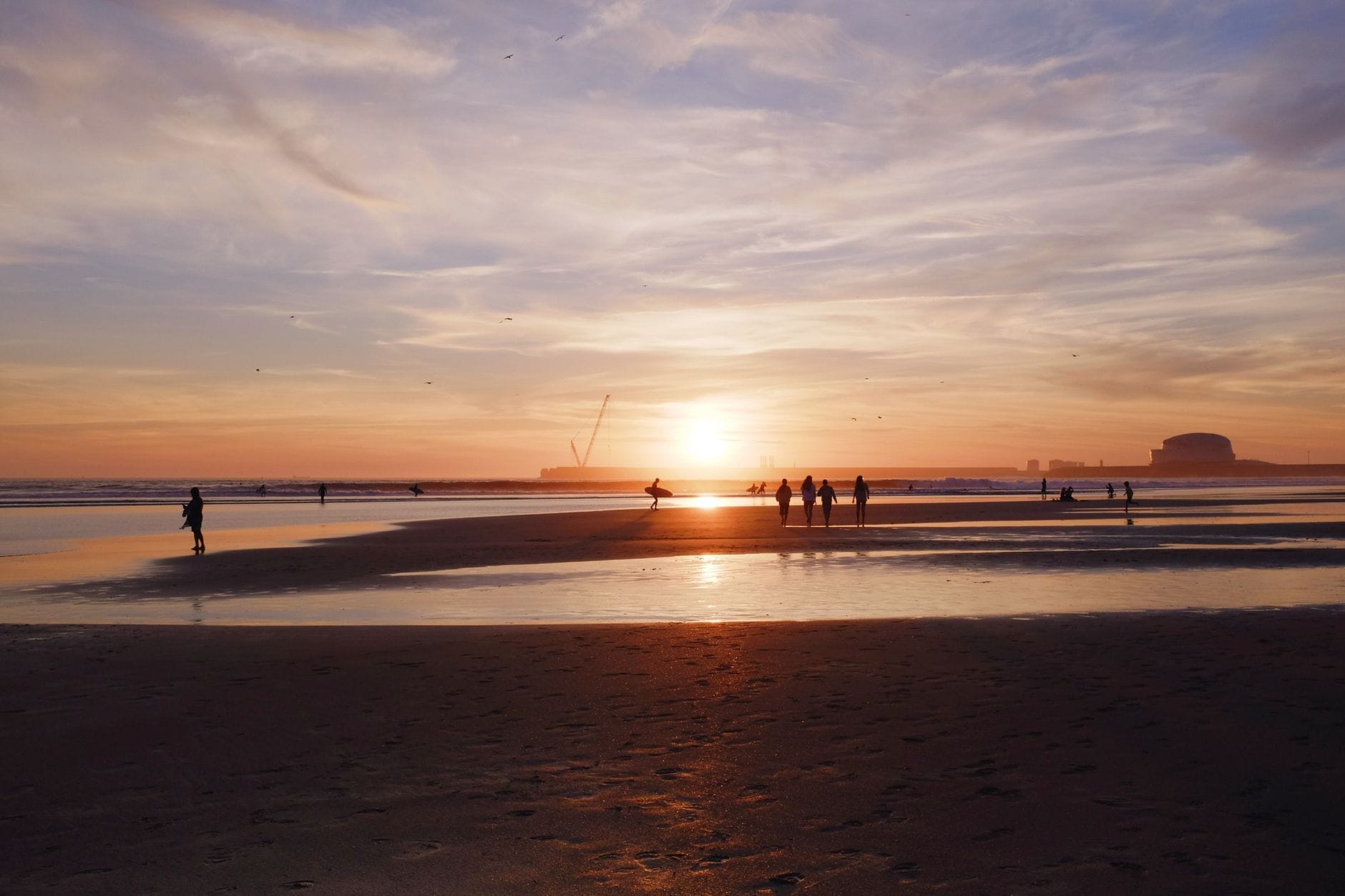
That said, the seafront south of the port has been well developed for leisure. Praia de Matosinhos is a wide, exposed Atlantic beach backed by a broad promenade and cycle path. On a summer morning, the light comes in low and silver from the east behind the city, and the beach fills steadily through the day. Families set up for the whole afternoon; surfers work the better swells near the northern end; and as the sun drops toward the horizon in the early evening, the promenade takes on a different quality entirely. Joggers, cyclists, and couples take over from the sun-bathers.
The streets running east from the beach, especially around Rua Heróis de França and the adjacent blocks, are where Matosinhos comes into its own as a food destination. At lunchtime on a weekend, this is one of the most animated street-level scenes in the entire Porto area. Tables spill onto pavements, chefs carry fish from the ice displays inside restaurants to grills out front, and the smoke from charcoal grills rises above the rooftops. The crowd is a mix of Portuguese families from across greater Porto, a smattering of in-the-know tourists, and locals who have been eating here their whole lives.
In the evenings during winter, Matosinhos is far quieter than in summer. The beach empties, many of the casual seafood spots reduce their hours, and the streets take on a more local, neighbourhood feel. It is not unsafe or unwelcoming, just calm in the way that working port towns get when the season turns.
What to See & Do
The primary draw is Praia de Matosinhos itself. It is one of the most accessible Atlantic beaches from Porto city centre, reachable by metro in about 30 minutes. The beach is large enough to absorb summer crowds without feeling suffocating, and the water, while genuinely cold by Mediterranean standards, is swimmable in summer. Always follow the lifeguard flag system: the Atlantic here has real currents and surf. For more context on Porto's coastal options, the Matosinhos Beach page covers conditions, facilities, and what to expect across the seasons.
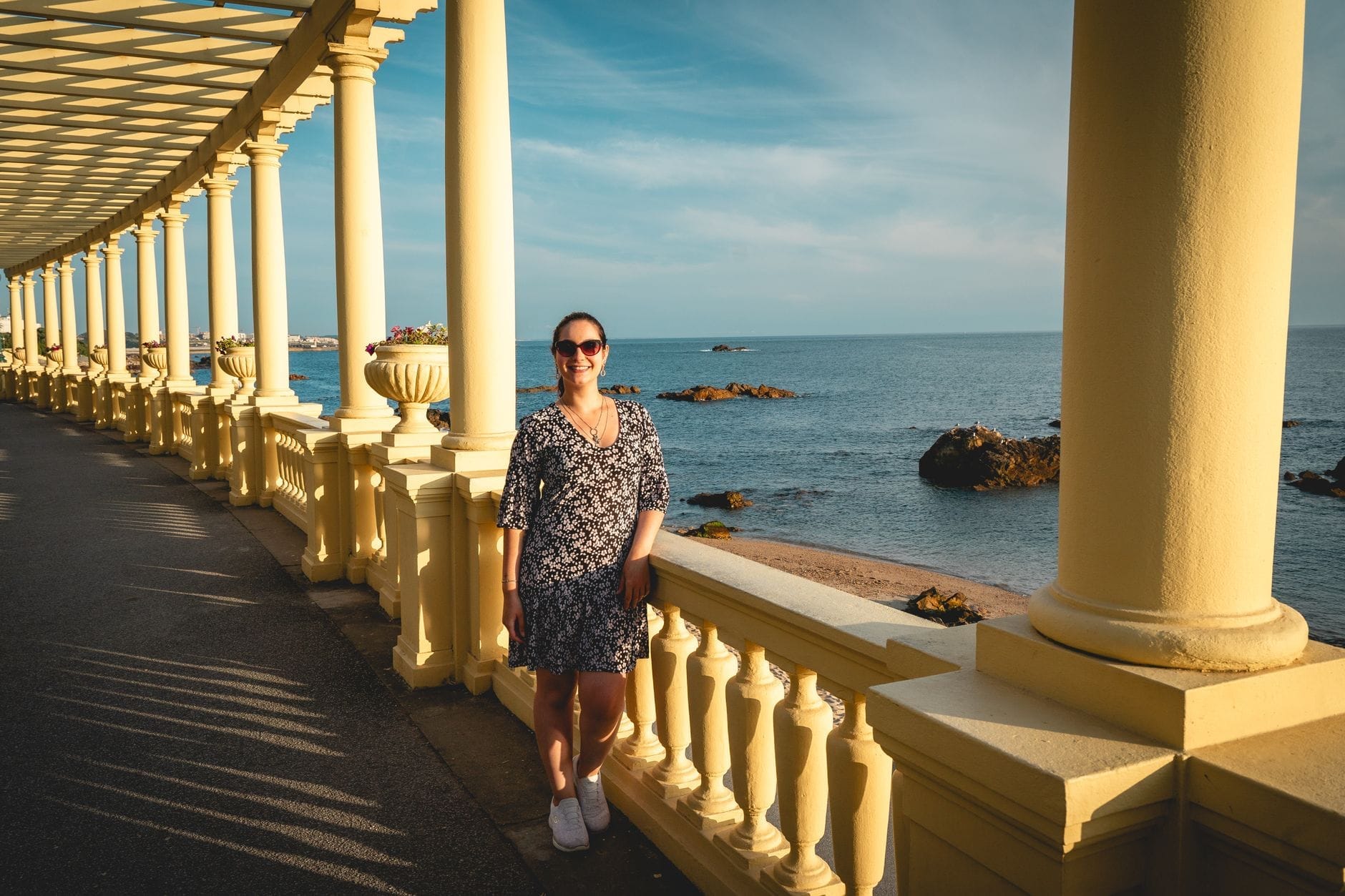
Just south of the main beach, the coastal promenade connects toward Foz do Douro and the mouth of the Douro River. Walking or cycling this route on a clear day is one of the better coastal experiences in the Porto area. The path passes through the northern edge of Parque da Cidade and eventually reaches the seafront at Foz, where you can continue to the beaches at Foz do Douro or cut back toward the city.
The Igreja do Senhor de Matosinhos, known locally as the Bom Jesus church, is worth seeing if you have any interest in Portuguese religious heritage. The church holds a carved wooden Christ figure that local tradition dates to the 10th century, said to have arrived by sea. Whether or not you accept the legend, the church is a genuine pilgrimage site and still draws worshippers for the annual Festa do Senhor de Matosinhos. The interior is worth a few minutes of your time.
The Port of Leixões dominates the northern edge of Matosinhos and is one of Portugal's busiest commercial ports. There are no routine public tours of the working port itself, but the seawall and the approach to Leça da Palmeira offer good views of the port infrastructure. Forte de Nossa Senhora das Neves de Leça, a coastal fortification north of the main port, adds some historical texture to a walk in that direction.
Praia de Matosinhos: swim, surf, or walk the promenade
Coastal cycle route south toward Foz do Douro
Igreja do Senhor de Matosinhos (Bom Jesus church)
Leça da Palmeira: calmer beach and coastal walks north of the port
Port of Leixões seawall viewpoint
💡 Local tip
If you are combining Matosinhos with a day at the beach, plan your seafood lunch first and then hit the beach in the afternoon. The restaurants are at their best around midday when the fish is freshest, and the beach stays busy until early evening in summer.
Eating & Drinking
This is the main reason most people come to Matosinhos, and it justifies the journey entirely. The concentration of seafood restaurants on and around Rua Heróis de França is remarkable. These are not casual beach shacks. Several establishments here have been operating for decades, building reputations on the quality of their fish sourced directly from the Leixões port. The standard format is simple: fresh whole fish, grilled over charcoal, served with potatoes and salad. The quality of the fish is what separates Matosinhos from anywhere else.
Grilled sea bass, dourada (gilt-head bream), and robalo are common orders. Prawns and percebes (barnacles) are popular starters. The real test of any restaurant here is the simplest dish: plain grilled fish with olive oil and lemon. When the fish has come in that morning, it needs nothing else. Prices at the mid-range restaurants typically run from around 15 to 30 euros per person for a full meal with wine, though the best-known spots charge more. Always check what is fresh that day rather than defaulting to the menu.
Matosinhos is a useful companion guide to the broader Porto food context. The Porto food guide covers regional dishes and local specialties across the city, but Matosinhos earns a separate mention for the quality and consistency of its fish grills specifically.
Drinking options are more limited than in central Porto. There are neighbourhood bars, particularly around the older streets east of the beach, that open into the late evening and serve a local crowd. These are not places built for tourism. If you want a cocktail bar or a craft beer selection, you will find more of it back in Cedofeita or Baixa. Matosinhos at night, for most visitors, means dinner and a walk along the promenade, rather than a bar crawl.
⚠️ What to skip
The most popular seafood restaurants on Rua Heróis de França fill up fast on weekends, especially at lunch. Arriving after 1:30 pm without a reservation in summer often means a significant wait. Either book ahead or arrive by noon.
Getting There & Around
Metro Line A (Blue) is the easiest connection between central Porto and Matosinhos. From Trindade station in central Porto, the journey to Matosinhos Sul takes approximately 30–31 minutes. Matosinhos Sul is the closest metro stop to the beach and the main restaurant strip, placing you within a short walk of both. The Porto Metro runs on the Andante fare system; check current zone pricing before you travel. For a broader overview of moving around the city, the Porto transport guide covers metro, bus, and other options in detail.
Bus routes also connect Matosinhos to central Porto. Bus 500 runs from the Ribeira area via Foz do Douro to Matosinhos, while Bus 501 connects Aliados and Casa da Música to Matosinhos. The bus journey is longer than the metro but useful if you are already on the western side of Porto near Foz.
By taxi or ride-hailing (Uber and Bolt both operate in the Porto metro area), the journey from central Porto takes around 20 to 30 minutes depending on traffic. The coastal road through Foz can be slow on summer weekends, particularly in the late afternoon when beach traffic is returning to the city. If you are planning to arrive before lunch and leave by mid-afternoon, the metro is almost always faster and more predictable.
Within Matosinhos, the relevant area for most visitors is compact and easily walkable. From Matosinhos Sul metro station to the beach is under five minutes on foot. The main restaurant strip is within the same walk. If you are combining a beach day with a visit to the Bom Jesus church or the port area, you will cover the ground comfortably on foot.
Where to Stay
Matosinhos is not a primary base for most visitors to Porto. The accommodation options are thinner here than in the historic centre, and the trade-off is that you are further from most of Porto's major sights. That said, staying in Matosinhos makes genuine sense for a specific type of traveller: someone who prioritises beach access, quiet evenings, and the rhythms of a working coastal town over nightlife and concentrated historic tourism.
For those choosing between Porto's neighbourhoods as a base, the where to stay in Porto guide covers the full range of options across the city and surrounding municipalities. If you want to be close to both the beach and central Porto attractions, staying near Foz do Douro is often a better compromise than Matosinhos itself, as Foz is still within Porto proper and has better access to the Douro riverfront.
Accommodation in Matosinhos ranges from small guesthouses in the residential streets behind the beach to a handful of larger hotels closer to the seafront. Prices tend to be lower than comparable accommodation in central Porto or Ribeira. In summer, the beach proximity pushes rates up, particularly at weekends. The area around Matosinhos Sul station and the blocks between the station and the beach offer the most convenient location for those who want to use the metro regularly.
Is Matosinhos Worth the Trip?
For most visitors to Porto, Matosinhos is worth exactly one visit, probably a half-day or full day trip that combines a beach afternoon with lunch or dinner at one of the seafood restaurants. It is not a place to come for museums, architecture, or nightlife. The Bom Jesus church is interesting but not a headline attraction. The port is photogenic but not accessible. What Matosinhos does better than anywhere else in the Porto area is fresh fish, grilled simply, on the coast.
If you are building a Porto itinerary, Matosinhos pairs well with a visit to Foz do Douro on the same day, walking or cycling the coastal promenade between them. It also works as a standalone beach day if the weather is right. For the seafood alone, it is worth crossing the municipal boundary. Few other places in northern Portugal offer the same combination of quality, quantity, and atmosphere at the grill.
Travellers who want to explore further afield along the coast should note that Matosinhos also serves as a useful stepping stone northward, with buses and road access toward Leça da Palmeira and eventually the beaches around Vila do Conde. And if a Porto beach visit is on your agenda more broadly, the Porto beaches guide covers all the main coastal options from Foz down to Matosinhos and beyond.
TL;DR
Matosinhos is a separate coastal municipality, not a Porto neighbourhood, located about 8 km northwest of Porto city centre and easily reached by Metro Line A (Blue) in around 27 minutes from Trindade.
The main draws are Praia de Matosinhos (a wide Atlantic beach with real surf and cold water) and a dense concentration of high-quality seafood restaurants, particularly on and around Rua Heróis de França.
Best visited as a half-day or full-day trip, ideally combining a grilled fish lunch with an afternoon on the beach or a coastal walk toward Foz do Douro.
Not recommended as a base for first-time visitors to Porto who want access to the historic centre, but makes sense for travellers prioritising beach access and a quieter, less touristic atmosphere.
Avoid the main restaurants without a reservation on summer weekends; the beach itself requires standard Atlantic ocean caution and attention to lifeguard flags.
Porto has over 40 museums covering everything from contemporary art and Port wine to football trophies and Age of Discovery history. This guide picks the best across every category, with tips on when to go, what to book ahead, and how to get the most from each visit.
Porto rewards visitors differently depending on the season. This guide breaks down every month of the year, covering weather patterns, crowd levels, festivals, and practical advice so you can pick the window that matches your priorities.
Porto sits at the center of one of northern Portugal's richest travel regions. Within two hours by train or car, you can reach terraced vineyards, medieval birthplace cities, canal towns, and wild national park landscapes. This guide covers the best day trips from Porto, with practical advice on how to get there and what to do.
The Douro Valley is one of the most rewarding day trips you can make from Porto. Terraced vineyards, river cruises, winery lunches, and hilltop villages await, but you have to plan carefully to avoid cramming too much into one day. This guide tells you exactly how.
Porto rewards slow, curious walkers more than almost any city in Europe. From UNESCO-listed riverfront promenades and azulejo-covered church facades to sweeping hilltop viewpoints and ancient market halls, the city's best experiences are largely free. This guide covers 23 genuinely no-cost attractions across Porto and Vila Nova de Gaia.
Porto's public transport network is more straightforward than it looks, but a few missteps — buying the wrong ticket, boarding a tram without cash, or missing a zone validation — can cost you time and money. This guide covers every option: the metro, STCP buses, historic trams, funiculars, taxis, ride-hailing apps, and how to get from Francisco Sá Carneiro Airport to the city centre without overpaying.
Port wine is Porto's most famous export, but most visitors don't realize the lodges are actually across the river in Vila Nova de Gaia. This guide covers the top cellars, what tastings cost, how to book, and the differences between port styles so you get the most from your visit.
Two days in Porto is enough to cover the city's most iconic sights — if you sequence them well. This itinerary moves logically through the historic centre, the Douro riverfront, Vila Nova de Gaia's port wine lodges, and a few stops most weekend guides skip entirely.
Francisco Sá Carneiro Airport is your gateway to one of Europe's most rewarding cities. This guide covers every transfer option from the airport to central Porto, seasonal crowd patterns, ticketing details, and the trade-offs between metro, taxi, and private transfer so you can arrive without stress.
Porto's azulejo tiles are one of the city's most distinctive and photographed features, covering church facades, railway stations, and entire building exteriors in intricate ceramic panels. This guide covers the best sites, historical context, practical visiting tips, and where to buy or create your own tiles.
Porto sits minutes from a long stretch of Atlantic coastline, with beaches ranging from wide urban surf breaks to quiet southern coves backed by pine forests. This guide covers the best beaches near Porto, how to get there, and what to do along the way.
Porto's six bridges across the Douro are more than infrastructure: they are the city's most dramatic landmarks, connecting historic quarters, framing postcard views, and offering walks you will remember long after leaving. This guide covers every bridge, how to experience each one, and the best spots to see them all.
Porto's churches are among the most architecturally diverse in Europe, layering Romanesque foundations, Gothic cloisters, Baroque gilded interiors, and hand-painted azulejo facades within a walkable historic centre. This guide covers the essential religious monuments, from the cathedral on its granite hilltop to the tile-wrapped chapels of Baixa.
Porto has a dedicated fado scene that goes well beyond tourist packages. This guide breaks down the best venues, real price ranges, how to book, and what separates a genuine fado experience from a commercial one.
Porto rewards those who wander past the obvious. This guide takes you beyond the postcard stops to the viewpoints, green spaces, architectural surprises, and local haunts that most visitors walk straight past. From a free rooftop terrace above the Douro to a modernist swimming pool carved into the Atlantic coastline, Porto's best-kept secrets are hiding in plain sight.
Three days is the sweet spot for Porto. This itinerary covers the UNESCO-listed historic centre, the port wine lodges of Vila Nova de Gaia, a Douro Valley excursion, and optional coastal time at Foz, with practical tips on where to eat, what to skip, and how to get around without wasting time.
Porto's luxury scene is more intimate than many visitors expect: think palace hotels in azulejo-clad historic buildings, Michelin-starred dining with panoramic Douro views, and private rabelo boat charters rather than sprawling resort complexes. This guide covers the best 5-star hotels, fine dining, and premium experiences in Porto Portugal, with clear notes on what's worth the premium and what isn't.
Porto's nightlife runs late, starts later, and surprises almost every visitor. This guide breaks down the best neighbourhoods, bars, clubs, and after-dark experiences in Porto, Portugal, with practical tips on timing, pricing, and what to skip.
Porto is one of Western Europe's most affordable city-break destinations, but only if you know where to spend and where to save. This guide covers free sights, budget transport, cheap local food, and the common mistakes that quietly drain your wallet.
Porto, Portugal ranks among Europe's lowest-crime destinations, but that doesn't mean risk-free. This guide breaks down exactly what threats exist, which neighborhoods and situations to watch, and the practical steps that make a real difference.
From the historic Mercado do Bolhão to the independent boutiques of Cedofeita, Porto rewards shoppers who plan ahead. This guide covers every major market, the best shopping streets by neighborhood, what to actually buy, and the practical details most guides leave out.
Porto and Lisbon are Portugal's two great cities, separated by 310 km and distinct in character. This guide breaks down the real differences in cost, atmosphere, sightseeing, food, and logistics so you can decide which to visit — or plan both into one trip.
Porto is one of Europe's most walkable historic cities, and you do not need a paid tour to see the best of it. This guide covers the classic one-day route through the UNESCO-listed old town, Ribeira waterfront, and Vila Nova de Gaia, with timing advice, entry costs, and practical tips for every stage.
Porto is a great destination for families, with interactive museums, free parks, river cruises, and cable cars all within easy reach of the historic centre. This guide covers the best activities for children of all ages, what to skip, and practical logistics for navigating Porto with kids in tow.
Porto, Portugal's second-largest city, has earned its reputation as one of Europe's most compelling destinations. But is it right for your trip? This guide looks at costs, crowds, highlights, and drawbacks to help you decide.
Porto rewards couples with a rare combination of scenic riverbanks, centuries-old wine culture, Fado music, and walkable historic streets. This guide covers the most romantic experiences in the city, from sunset cruises on the Douro to garden strolls at the Crystal Palace, with practical notes on what is worth your time and money.
The Festa de São João do Porto is Porto's biggest annual celebration, held every year on the night of 23–24 June. This guide covers the history, traditions, schedule, best viewing spots, food, transport, and practical tips to help you plan around one of Portugal's most spectacular street festivals.
Porto is one of Europe's most rewarding cities for curious travelers. This guide covers the best things to do in Porto, Portugal, from crossing the Dom Luís I Bridge to exploring baroque churches, tasting port wine, and eating seafood in Matosinhos, with real logistics and no filler.
Porto's food culture runs deep, shaped by northern Portuguese cooking traditions that prize hearty ingredients, salt cod, and rich slow-cooked stews. This guide covers the essential dishes, where to find them, what they actually cost, and a few things worth skipping.
Choosing where to stay in Porto shapes your entire trip. This guide breaks down every major neighborhood, from the historic riverfront of Ribeira to the relaxed beachside calm of Foz do Douro, with clear notes on who each area suits, typical price ranges, and practical transport details.