Hidden Gems in Porto: Off the Beaten Path Guide
Porto rewards those who wander past the obvious. This guide takes you beyond the postcard stops to the viewpoints, green spaces, architectural surprises, and local haunts that most visitors walk straight past. From a free rooftop terrace above the Douro to a modernist swimming pool carved into the Atlantic coastline, Porto's best-kept secrets are hiding in plain sight.
Plan and book this trip
Tools from our partner Travelpayouts help you compare flights and hotels. If you book through them, we may earn a commission at no extra cost to you.
Flights
Hotels map
Porto is one of Europe's most photographed cities, and for good reason. But the crowds concentrated around Ribeira and Livraria Lello mean that genuinely rewarding experiences are quietly waiting elsewhere. This guide focuses on attractions that locals actually use, viewpoints that rarely appear on tour bus itineraries, and cultural spaces that deserve more attention than they get. Whether you have a full day to explore or a spare afternoon, these are the spots worth seeking out. For those planning multiple days, the 3-day Porto itinerary has space built in for detours like these. And if budget matters, many of the entries below are completely free, which fits well with the free things to do in Porto approach.
Viewpoints the Crowds Miss
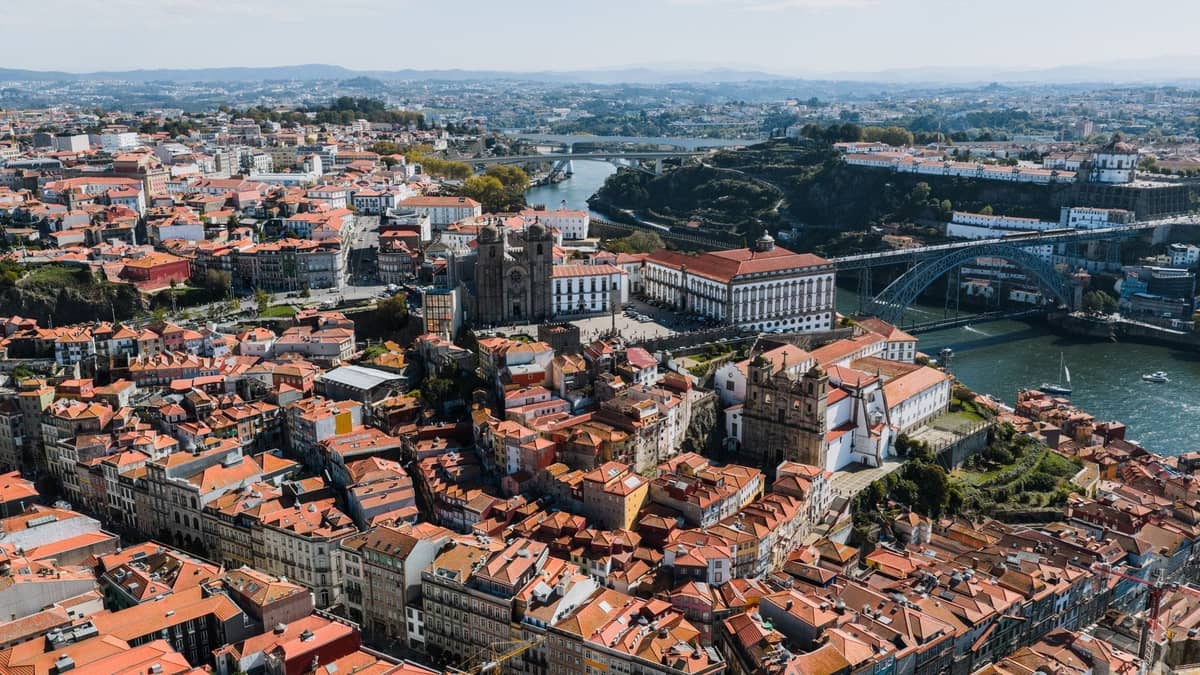
Porto is a city of hills and river views, but most tourists default to the same two or three terraces. The viewpoints below offer equally dramatic panoramas with a fraction of the foot traffic. The Vila Nova de Gaia hillside alone holds two of the finest perspectives in the entire region, both free and often quiet even in high summer.
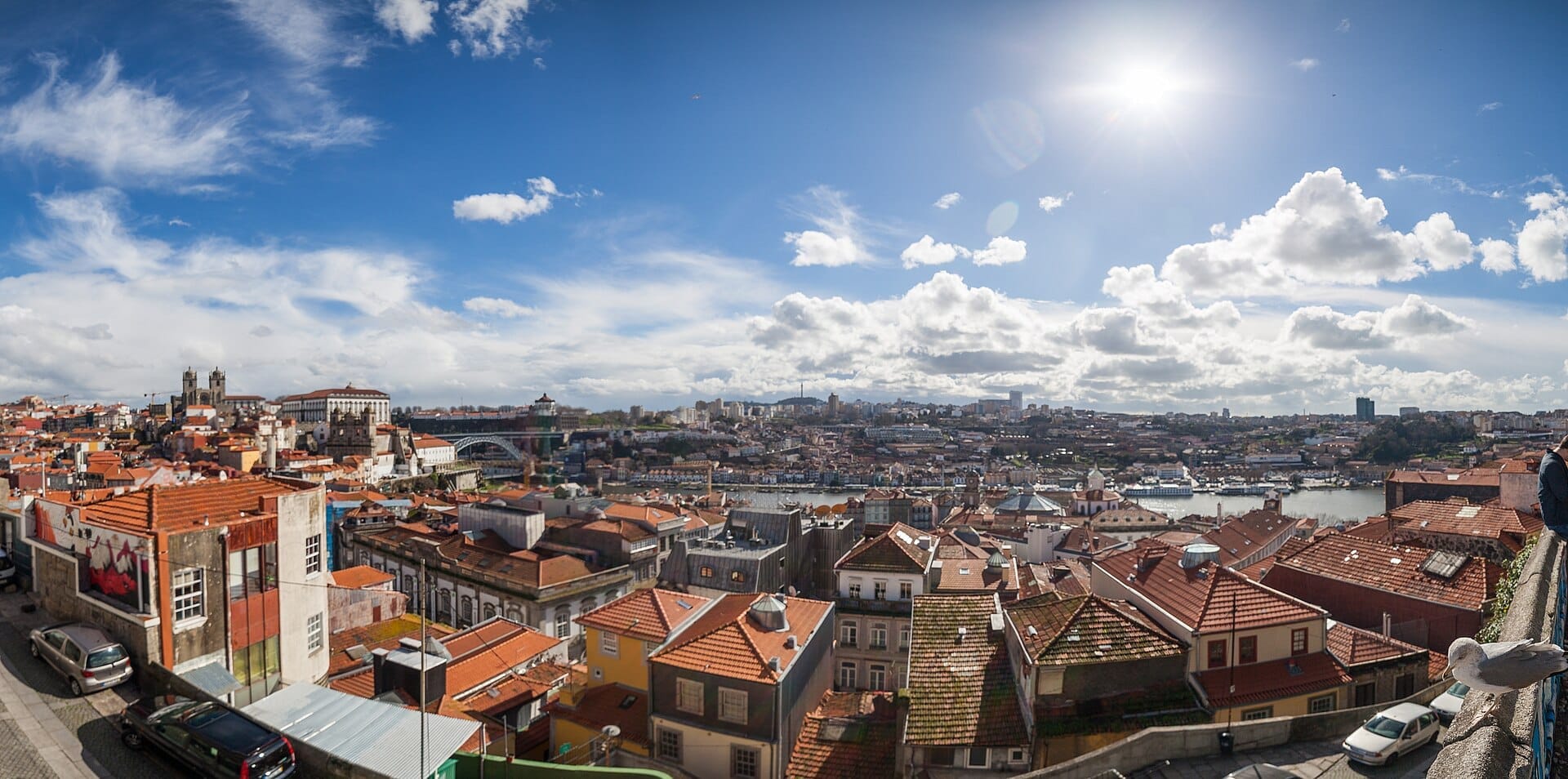
1. Watch the Sun Set Over the Douro from Miradouro da Vitória
This unfenced hilltop terrace in the historic center frames the Dom Luís I Bridge and Gaia wine lodges perfectly. It's free, open 24 hours, and draws a fraction of the crowd found at the busier viewpoints along the riverfront. Come at golden hour.
Explore1. Watch the Sun Set Over the Douro from Miradouro da Vitória
This unfenced hilltop terrace in the historic center frames the Dom Luís I Bridge and Gaia wine lodges perfectly. It's free, open 24 hours, and draws a fraction of the crowd found at the busier viewpoints along the riverfront. Come at golden hour.
Explore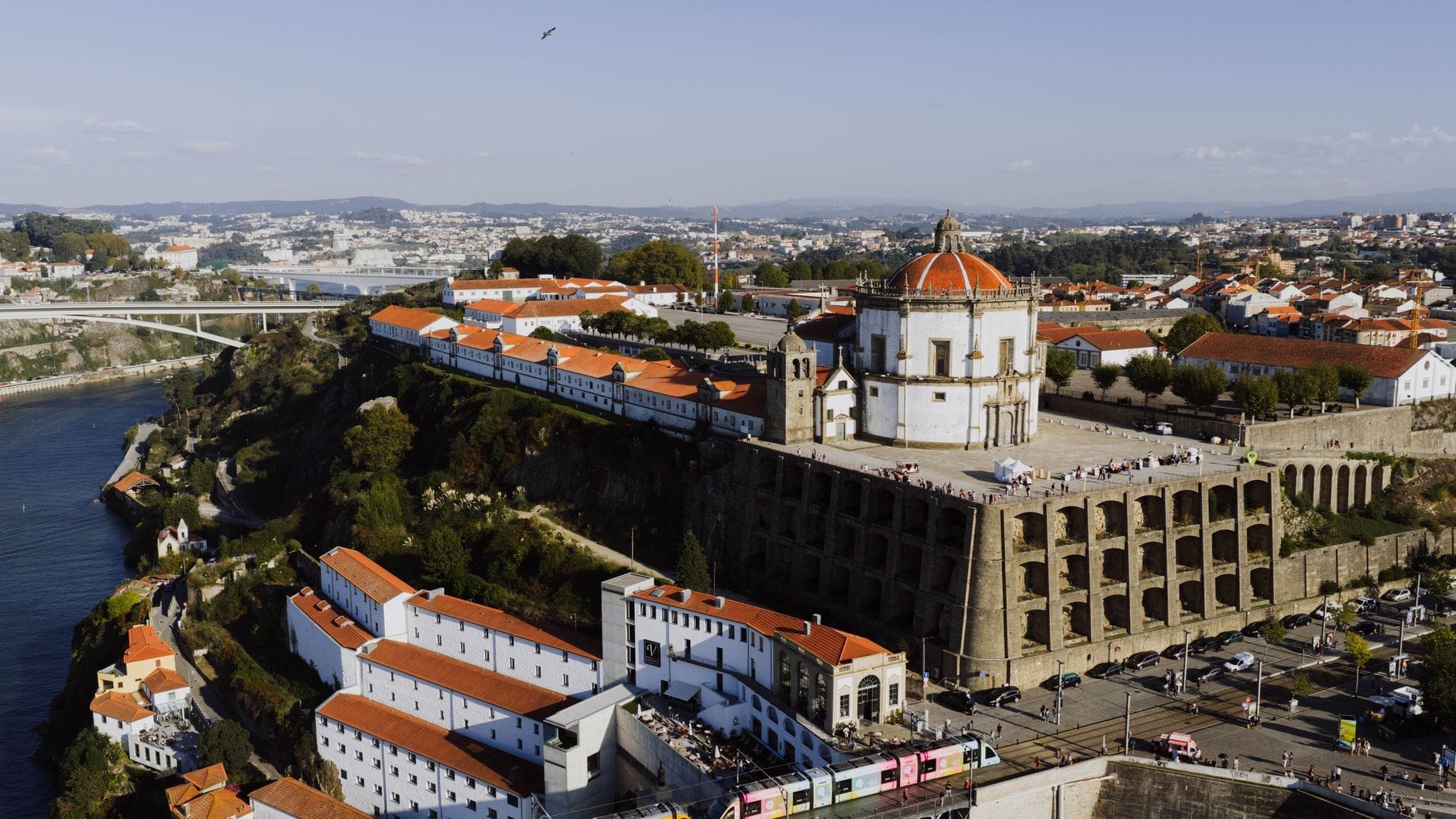
2. Find Porto's Best Panorama at Serra do Pilar Monastery
This circular Renaissance monastery on the Gaia hillside is a UNESCO site, yet its terrace is consistently quieter than Porto-side viewpoints. The 180-degree sweep takes in the old city, the Douro bridges, and the Atlantic horizon. Worth the uphill walk.
Explore2. Find Porto's Best Panorama at Serra do Pilar Monastery
This circular Renaissance monastery on the Gaia hillside is a UNESCO site, yet its terrace is consistently quieter than Porto-side viewpoints. The 180-degree sweep takes in the old city, the Douro bridges, and the Atlantic horizon. Worth the uphill walk.
Explore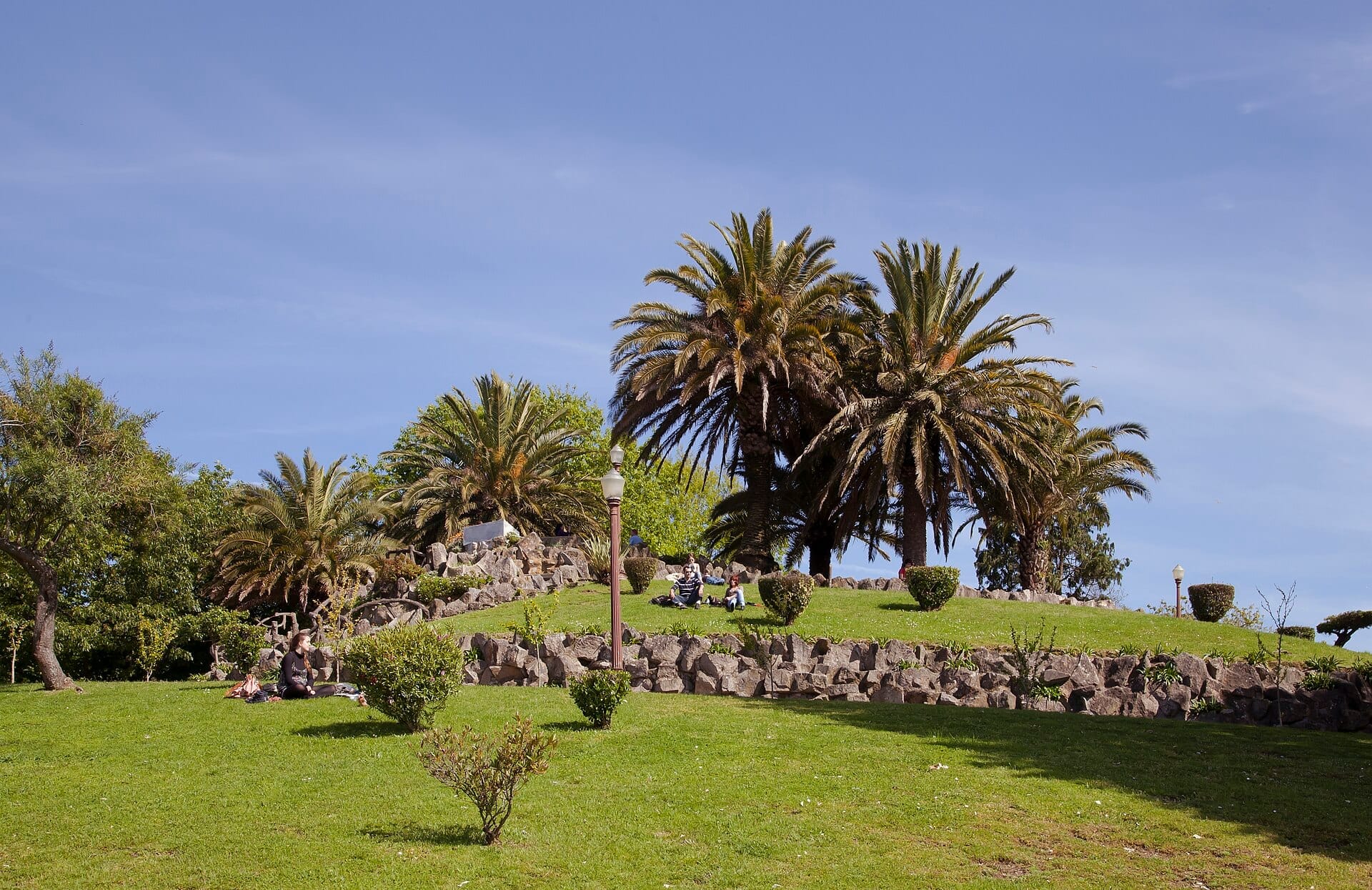
3. Linger at Jardim do Morro for Unhurried Douro Views
Directly above the Gaia metro station, this free hilltop garden offers clean sightlines to Porto's UNESCO waterfront without crowds. Mornings are almost empty. It connects to the Serra do Pilar terrace, so both can be done in a single 45-minute loop.
Explore3. Linger at Jardim do Morro for Unhurried Douro Views
Directly above the Gaia metro station, this free hilltop garden offers clean sightlines to Porto's UNESCO waterfront without crowds. Mornings are almost empty. It connects to the Serra do Pilar terrace, so both can be done in a single 45-minute loop.
Explore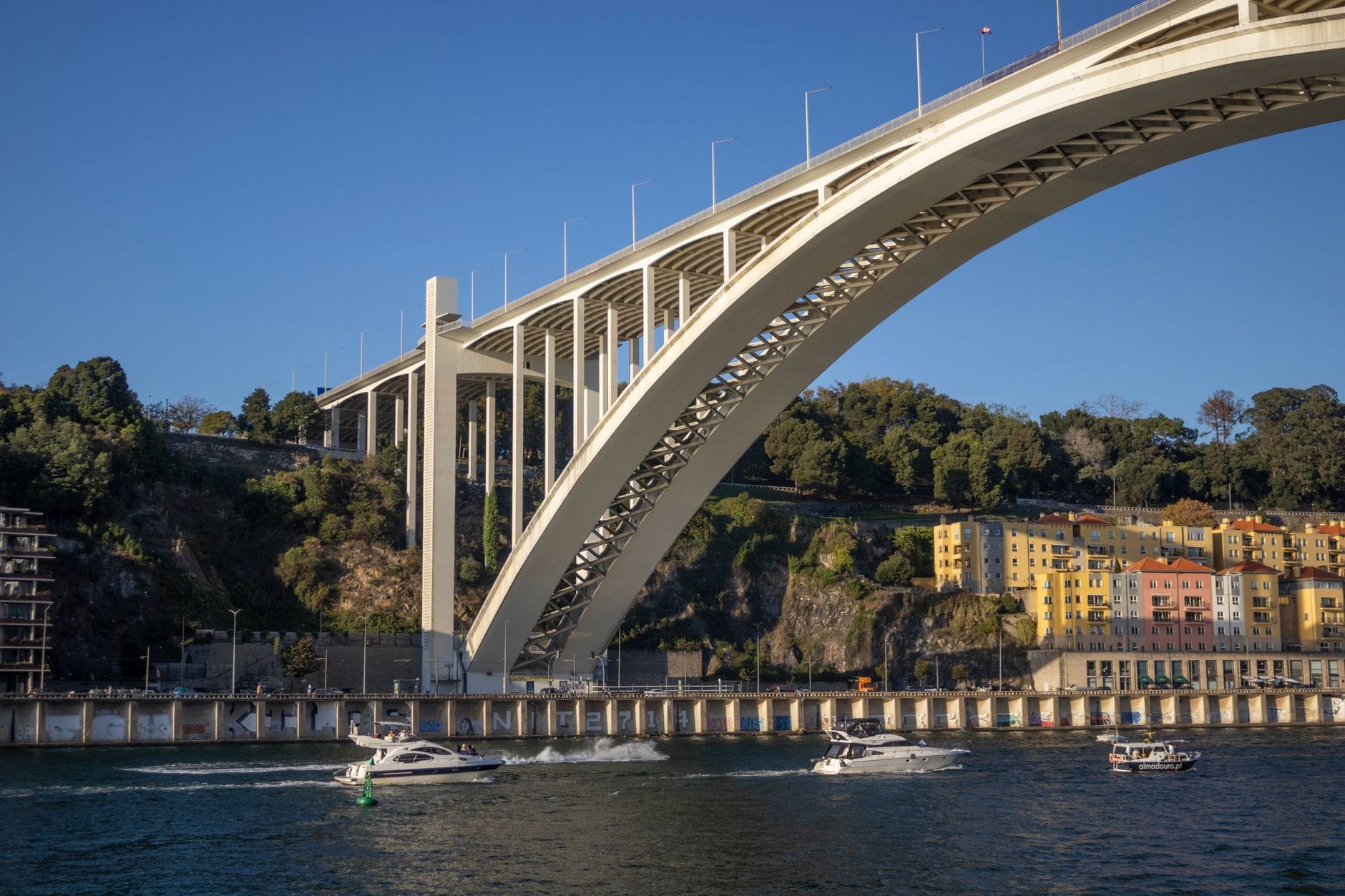
4. Climb the Arch of the Dom Luís I Bridge for a Unique Perspective
A guided arch climb puts you 60 metres above the Douro with an unobstructed view that no static viewpoint can match. The experience runs about 30 minutes and costs roughly €40 per person. It's Porto's most unusual outdoor activity and rarely feels overcrowded.
Explore4. Climb the Arch of the Dom Luís I Bridge for a Unique Perspective
A guided arch climb puts you 60 metres above the Douro with an unobstructed view that no static viewpoint can match. The experience runs about 30 minutes and costs roughly €40 per person. It's Porto's most unusual outdoor activity and rarely feels overcrowded.
ExploreGardens & Green Spaces Locals Actually Use
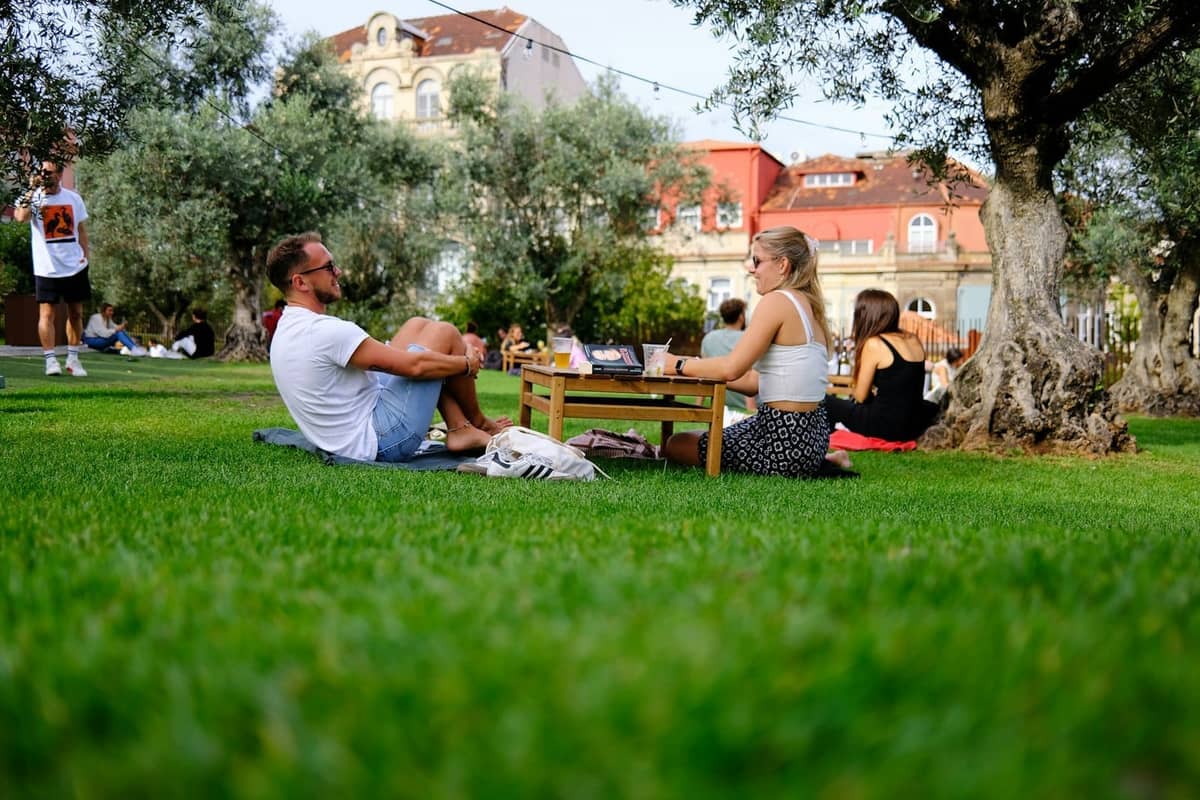
Porto's parks are significantly underused by visitors who spend all their time in the historic center. The Cedofeita and Boavista districts in particular hold green spaces that most tourists never reach, even though they're easily accessible by metro or tram.
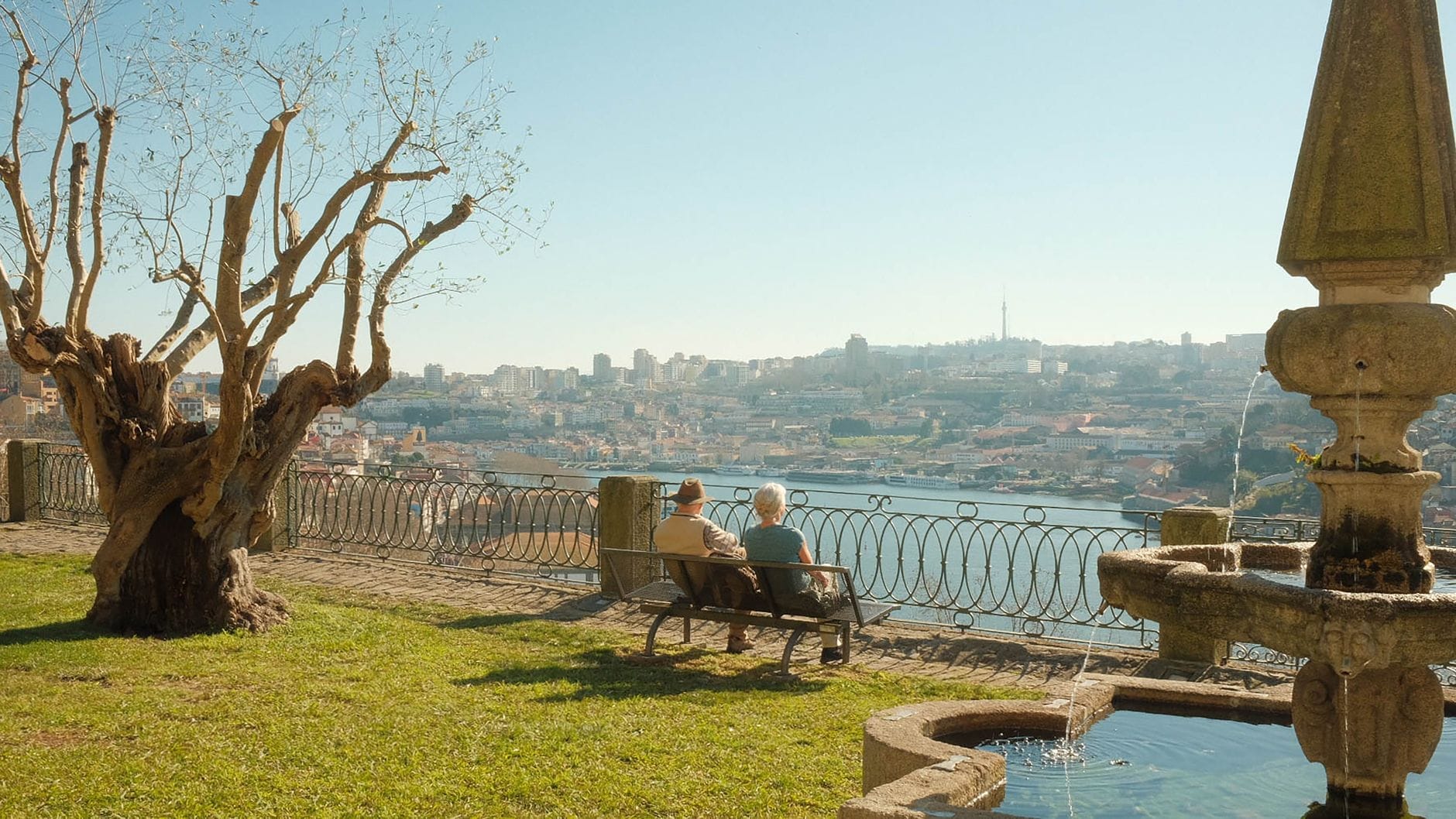
5. Walk with Peacocks Through the Palácio de Cristal Gardens
Free to enter, these romantic terraced gardens above the Douro are one of Porto's best-kept open secrets. Peacocks roam the lawns, benches face the river, and the crowds are minimal. Hours shift seasonally: 08:00–21:00 in summer, 08:00–19:00 in winter.
Explore5. Walk with Peacocks Through the Palácio de Cristal Gardens
Free to enter, these romantic terraced gardens above the Douro are one of Porto's best-kept open secrets. Peacocks roam the lawns, benches face the river, and the crowds are minimal. Hours shift seasonally: 08:00–21:00 in summer, 08:00–19:00 in winter.
Explore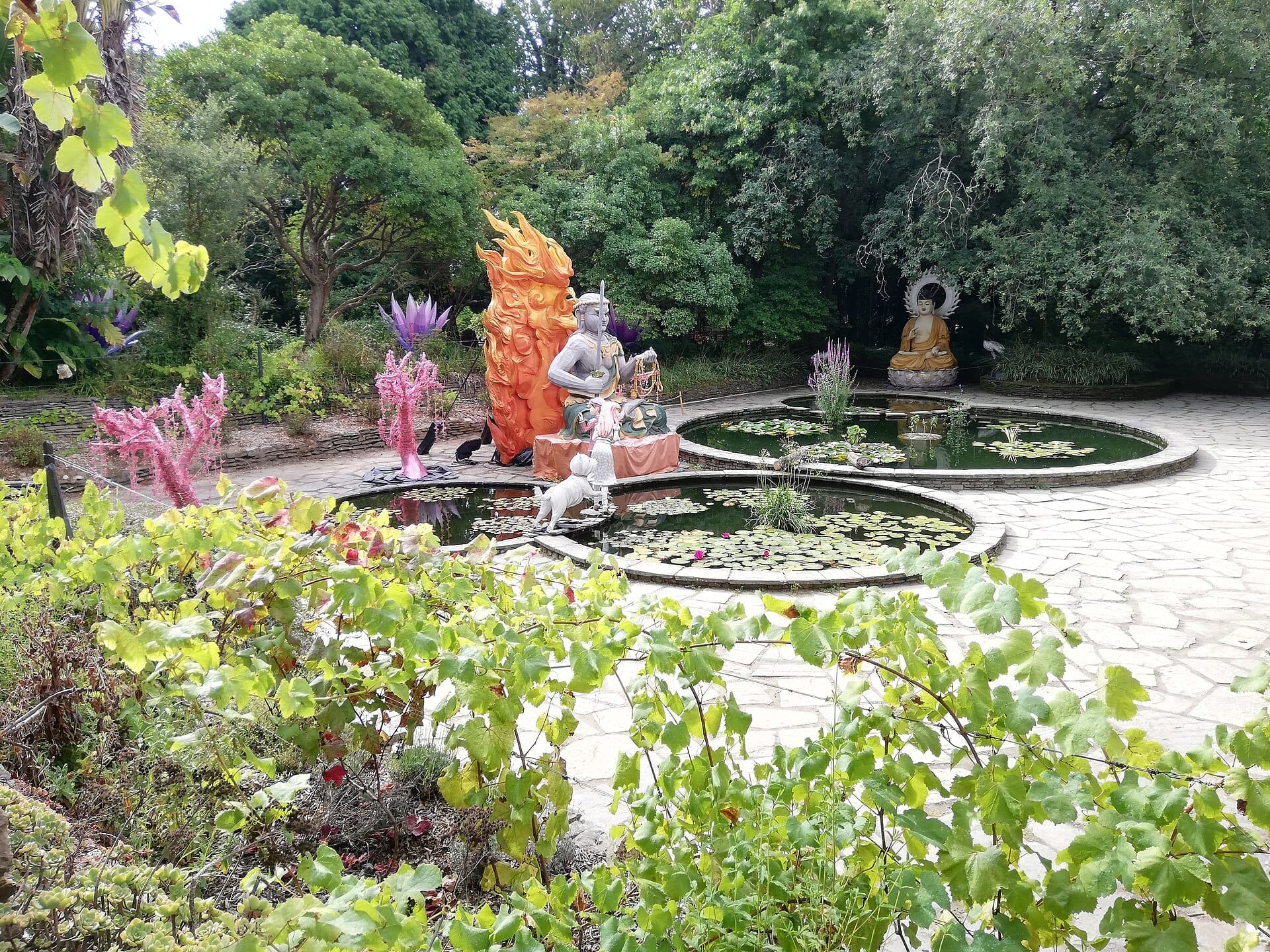
6. Explore the Botanic Garden in Cedofeita, Free and Rarely Crowded
Four hectares of curated botanical collections on the historic Campo Alegre estate, free to enter and almost always quiet. The layout is genuinely beautiful, with greenhouses, themed garden sections, and shaded paths that reward an hour of slow walking.
Explore6. Explore the Botanic Garden in Cedofeita, Free and Rarely Crowded
Four hectares of curated botanical collections on the historic Campo Alegre estate, free to enter and almost always quiet. The layout is genuinely beautiful, with greenhouses, themed garden sections, and shaded paths that reward an hour of slow walking.
Explore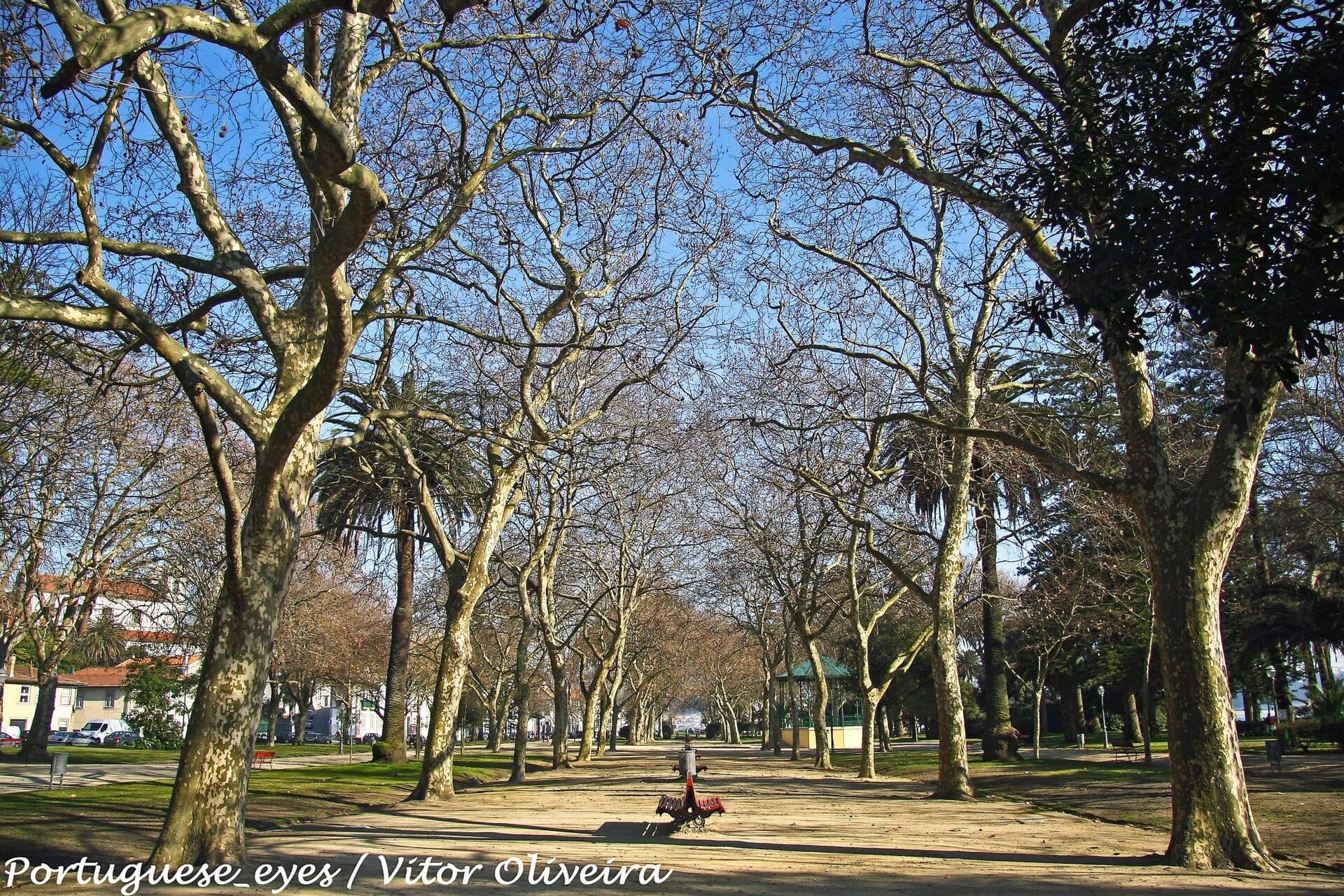
7. Discover Hidden Monuments at Jardim do Passeio Alegre in Foz
This 19th-century garden at the Douro's mouth holds two obelisks by Nasoni and a fountain from the Convent of São Francisco, yet most visitors walk straight to the beach. It's free, served by the historic tram, and far less visited than its architectural significance deserves.
Explore7. Discover Hidden Monuments at Jardim do Passeio Alegre in Foz
This 19th-century garden at the Douro's mouth holds two obelisks by Nasoni and a fountain from the Convent of São Francisco, yet most visitors walk straight to the beach. It's free, served by the historic tram, and far less visited than its architectural significance deserves.
Explore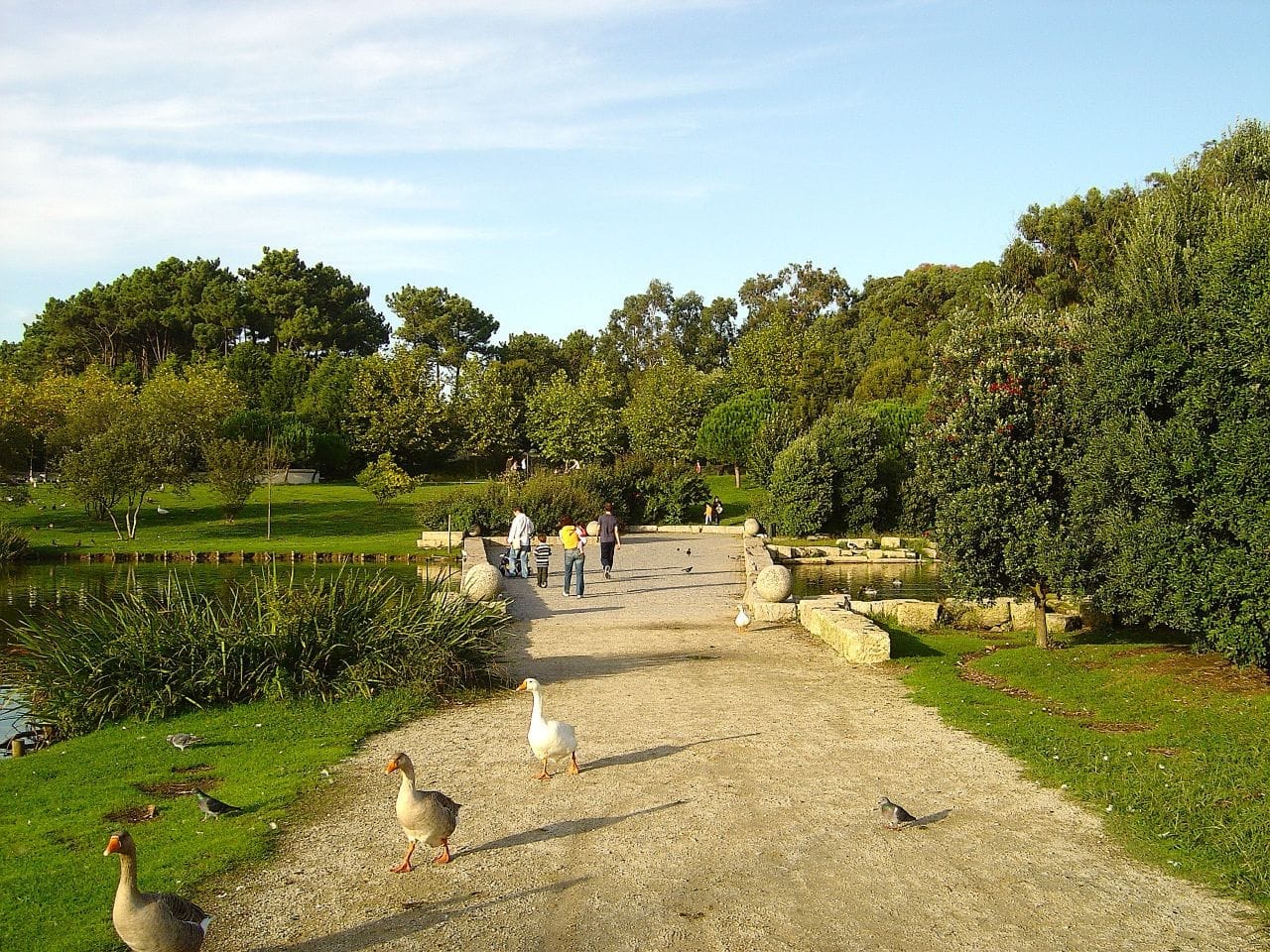
8. Escape into Portugal's Largest Urban Park at Parque da Cidade
83 hectares of lakes, woodland, and meadows stretching from Boavista to the Atlantic coast. Porto residents come here to cycle, run, and sit beside the water. There are no ticket booths, no queues, and no audio guides. Just space, which is rare in this city.
Explore8. Escape into Portugal's Largest Urban Park at Parque da Cidade
83 hectares of lakes, woodland, and meadows stretching from Boavista to the Atlantic coast. Porto residents come here to cycle, run, and sit beside the water. There are no ticket booths, no queues, and no audio guides. Just space, which is rare in this city.
ExploreOverlooked Architecture & Tile Art
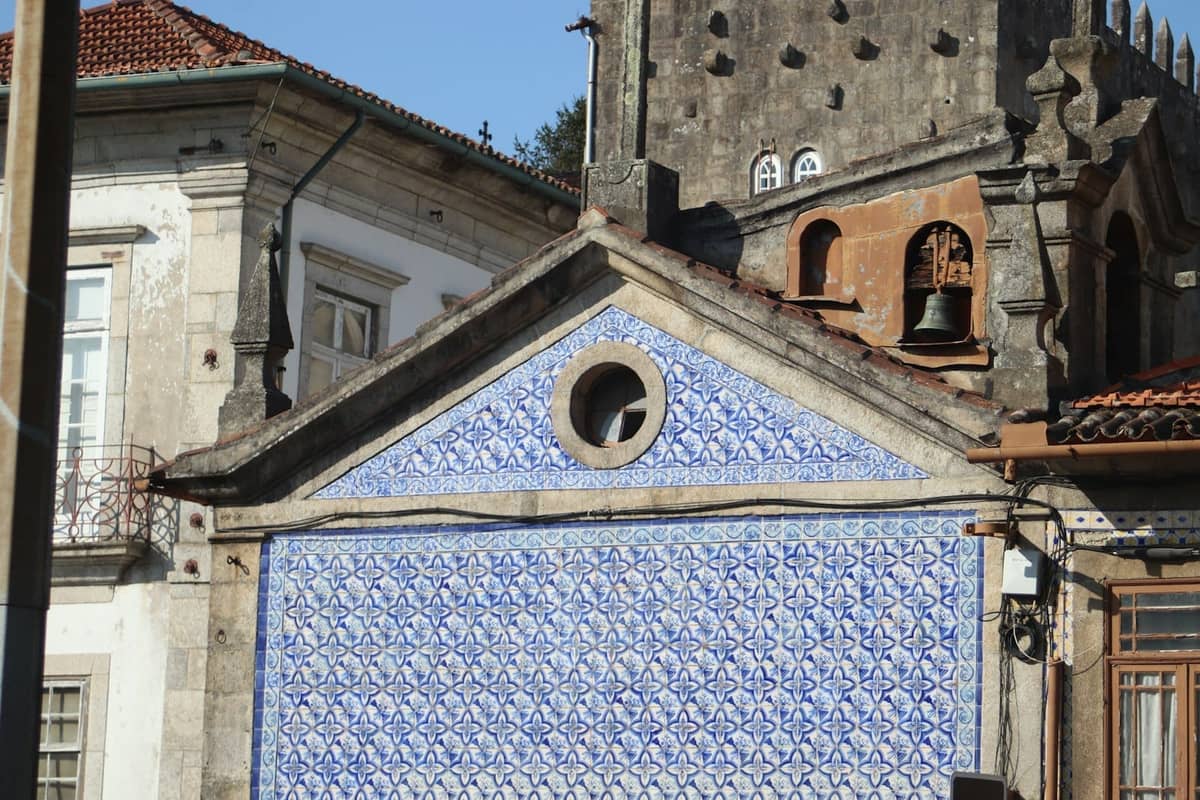
Porto's azulejo tile facades are everywhere, but most visitors photograph the same three buildings. The city's lesser-known decorative interiors and architectural curiosities reward those who look past the highlights. The Porto azulejo tiles guide covers the full picture, including several of the stops below.
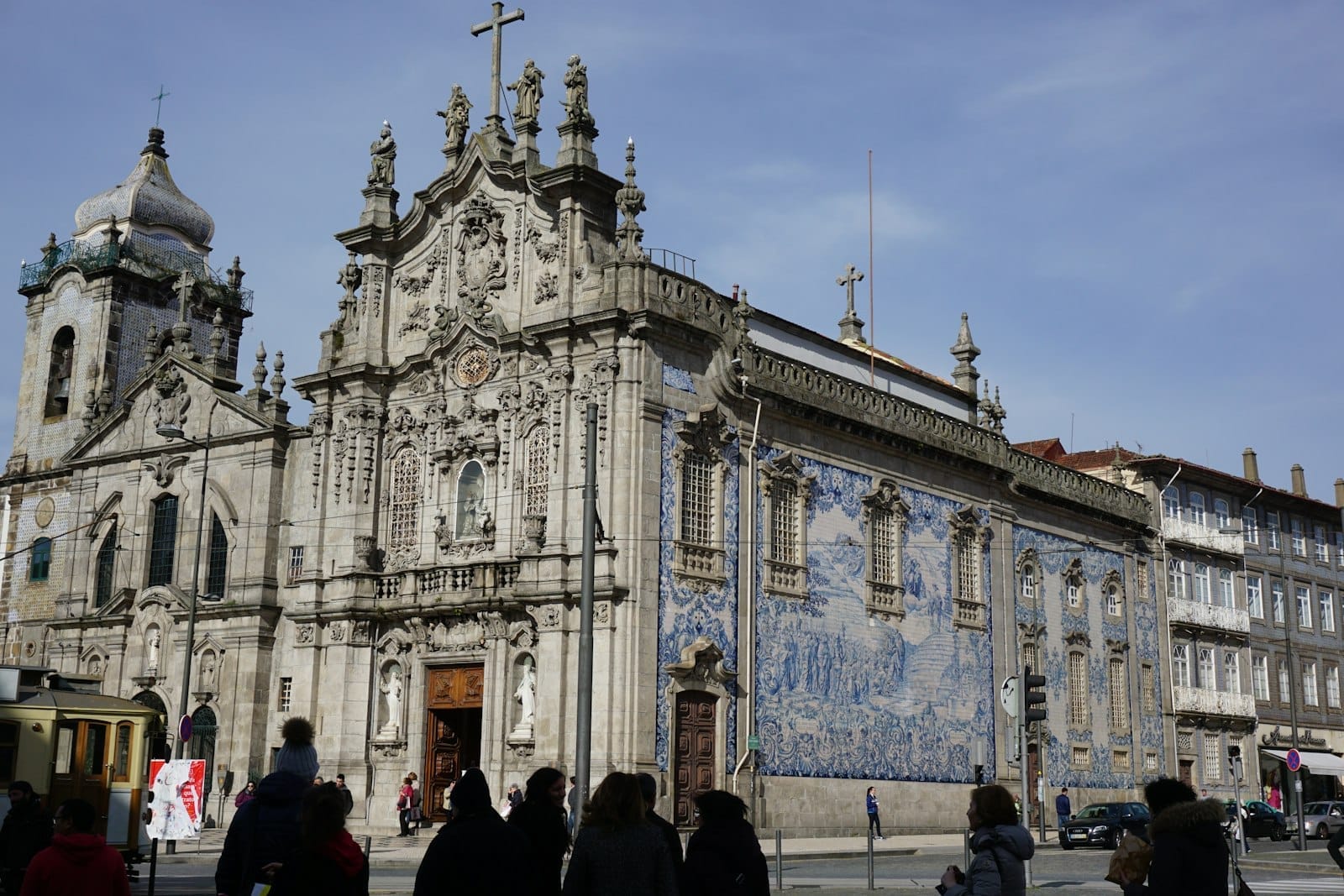
9. Find the 'Hidden House' Between Two Churches at Igreja do Carmo
The sweeping 1912 azulejo panel on the side wall is well known, but most visitors miss the Hidden House, a narrow dwelling tucked between two churches, and the seven gilded altars inside. Entry is cheap and the building holds real surprises beyond its famous exterior.
Explore9. Find the 'Hidden House' Between Two Churches at Igreja do Carmo
The sweeping 1912 azulejo panel on the side wall is well known, but most visitors miss the Hidden House, a narrow dwelling tucked between two churches, and the seven gilded altars inside. Entry is cheap and the building holds real surprises beyond its famous exterior.
Explore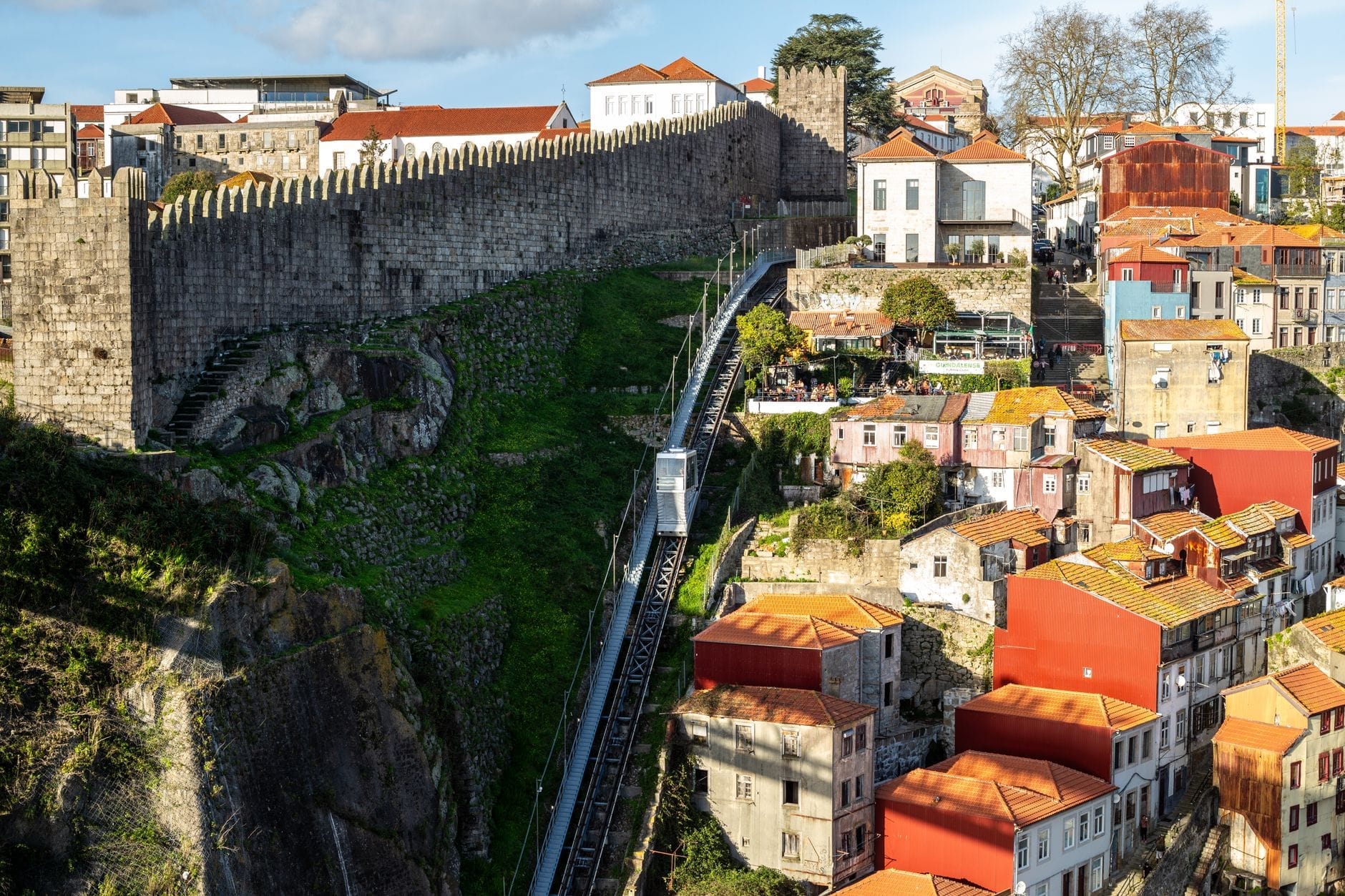
10. Walk Porto's 14th-Century Medieval Walls in the Ribeira
The Fernandine walls are among Portugal's best-preserved medieval fortifications, with walkable stretches near the Ribeira that most tourists stroll past without realizing what they're looking at. Free to access, they offer river views and genuine medieval scale.
Explore10. Walk Porto's 14th-Century Medieval Walls in the Ribeira
The Fernandine walls are among Portugal's best-preserved medieval fortifications, with walkable stretches near the Ribeira that most tourists stroll past without realizing what they're looking at. Free to access, they offer river views and genuine medieval scale.
Explore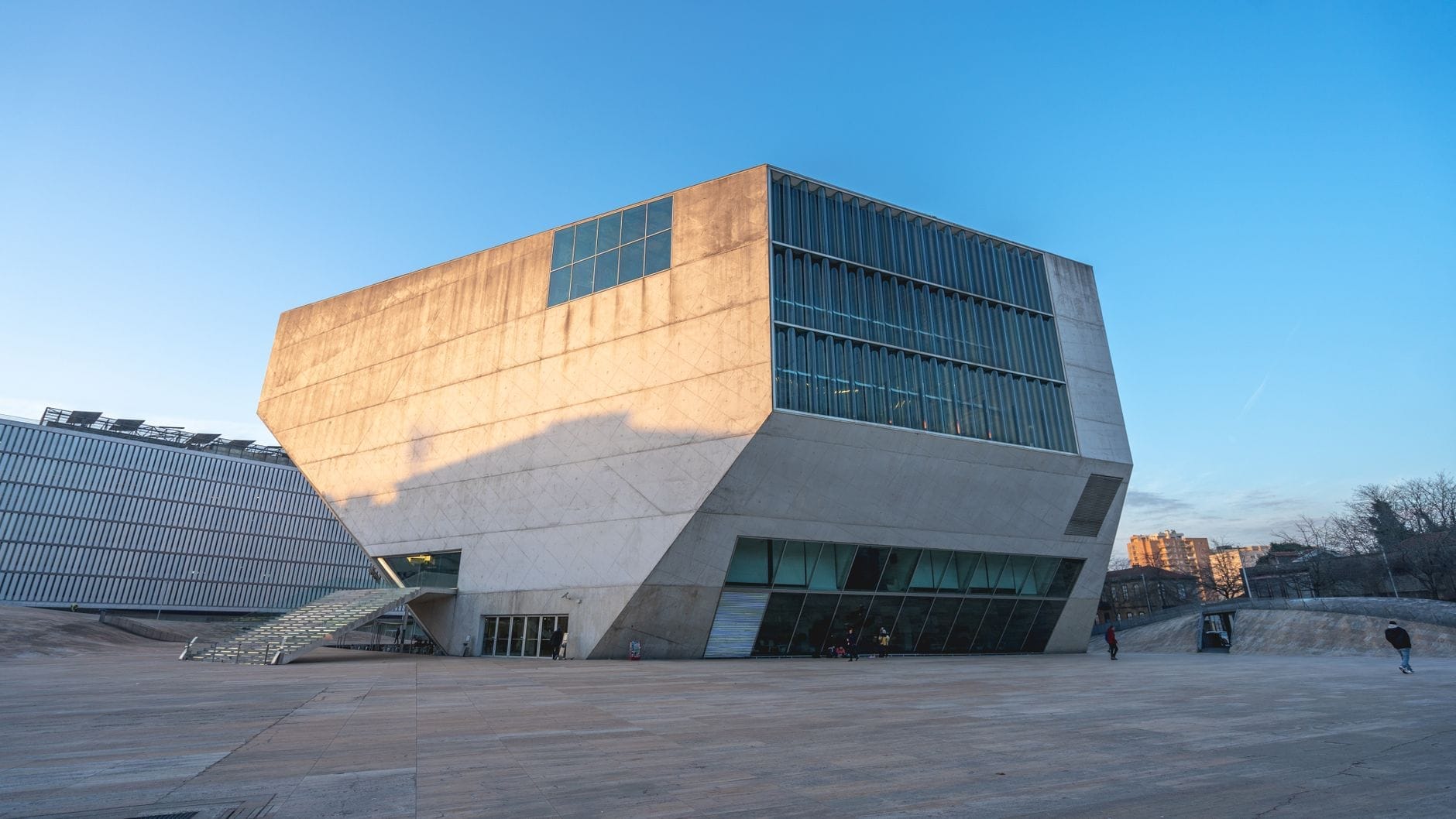
11. Tour Rem Koolhaas's Radical Concert Hall at Casa da Música
This jagged white concrete building in Boavista is Porto's most architecturally ambitious structure, yet many visitors never make it this far west. Guided tours reveal the interior logic of the building. A concert visit, even for a small event, is the most immersive option.
Explore11. Tour Rem Koolhaas's Radical Concert Hall at Casa da Música
This jagged white concrete building in Boavista is Porto's most architecturally ambitious structure, yet many visitors never make it this far west. Guided tours reveal the interior logic of the building. A concert visit, even for a small event, is the most immersive option.
Explore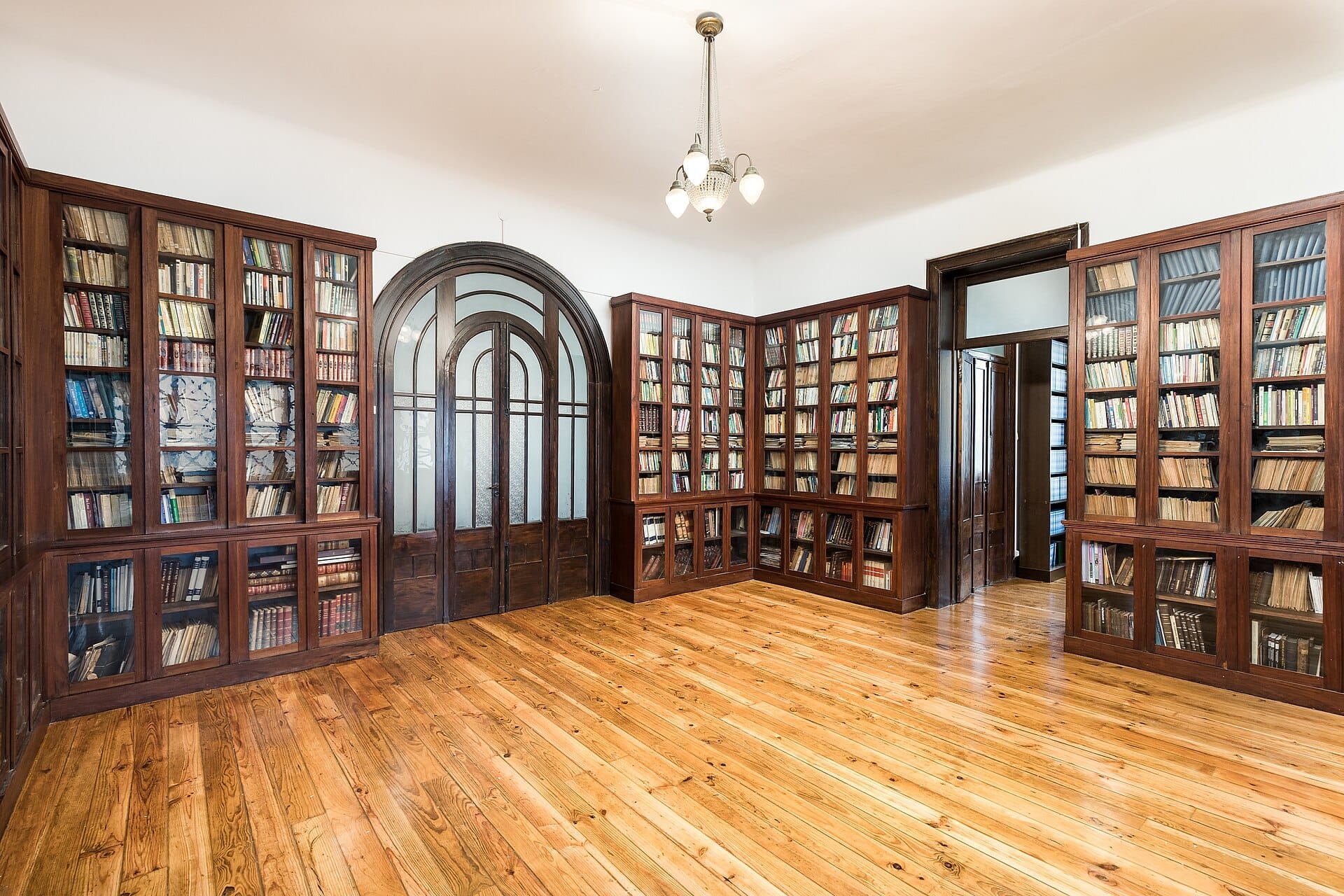
12. Visit the Iberian Peninsula's Largest Synagogue in Cedofeita
The Kadoorie Synagogue houses Porto's Jewish Museum and tells the story of Aristides de Sousa Mendes, who saved thousands of Jews during WWII. Most visitors have no idea this building exists. The scale of the interior alone justifies the trip from the city center.
Explore12. Visit the Iberian Peninsula's Largest Synagogue in Cedofeita
The Kadoorie Synagogue houses Porto's Jewish Museum and tells the story of Aristides de Sousa Mendes, who saved thousands of Jews during WWII. Most visitors have no idea this building exists. The scale of the interior alone justifies the trip from the city center.
Explore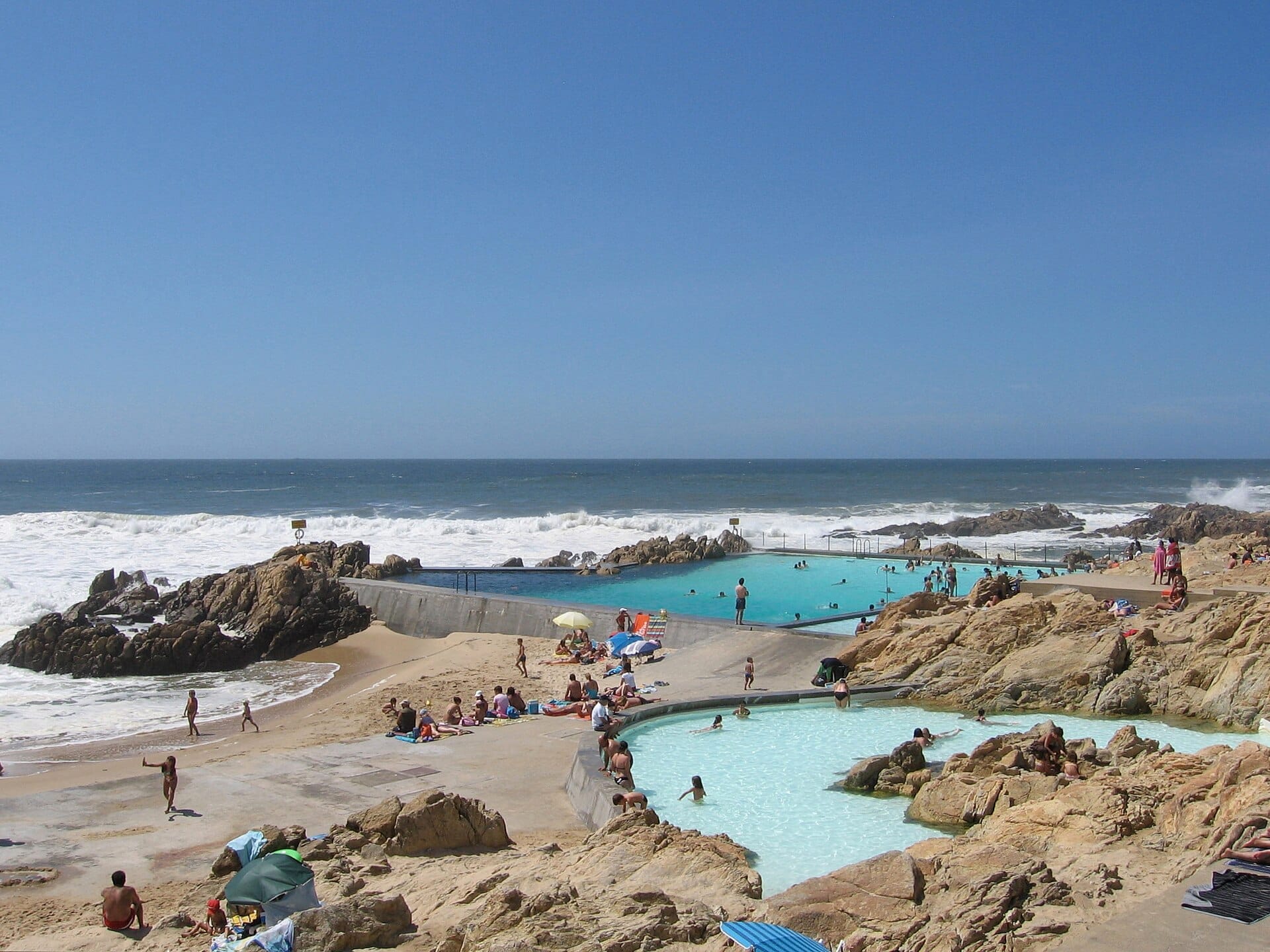
13. Swim Inside a Masterpiece of Modernism at Leça's Sea Pools
Álvaro Siza Vieira carved these seawater pools directly into the Atlantic rock at Leça da Palmeira in 1966. They're widely considered one of the finest works of 20th-century architecture in Portugal, yet most Porto visitors never see them. Take the metro to Matosinhos and walk north.
Explore13. Swim Inside a Masterpiece of Modernism at Leça's Sea Pools
Álvaro Siza Vieira carved these seawater pools directly into the Atlantic rock at Leça da Palmeira in 1966. They're widely considered one of the finest works of 20th-century architecture in Portugal, yet most Porto visitors never see them. Take the metro to Matosinhos and walk north.
ExploreLocal Markets & Neighborhood Squares
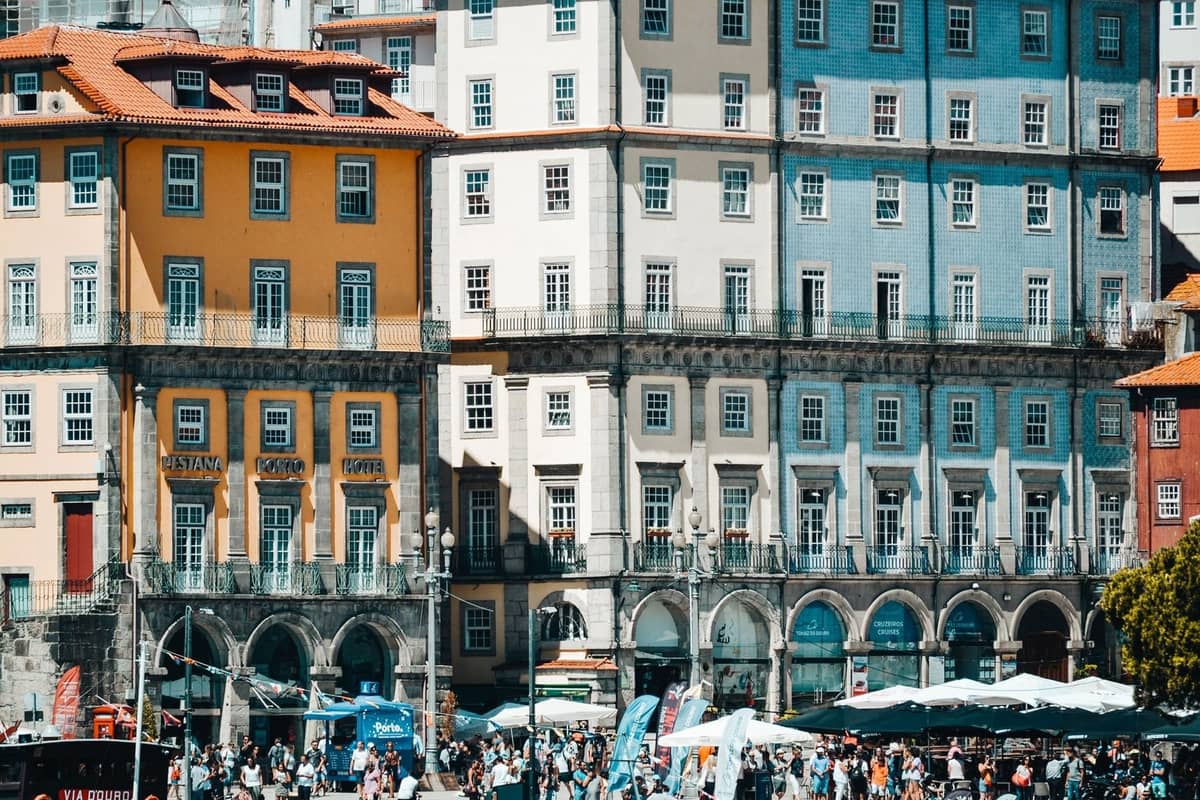
Porto's daily life plays out in its markets and squares, but only one or two tend to appear in mainstream travel guides. The neighborhoods of Batalha and Bonfim in particular offer a grounded, local experience that contrasts sharply with the heavily visited Ribeira.
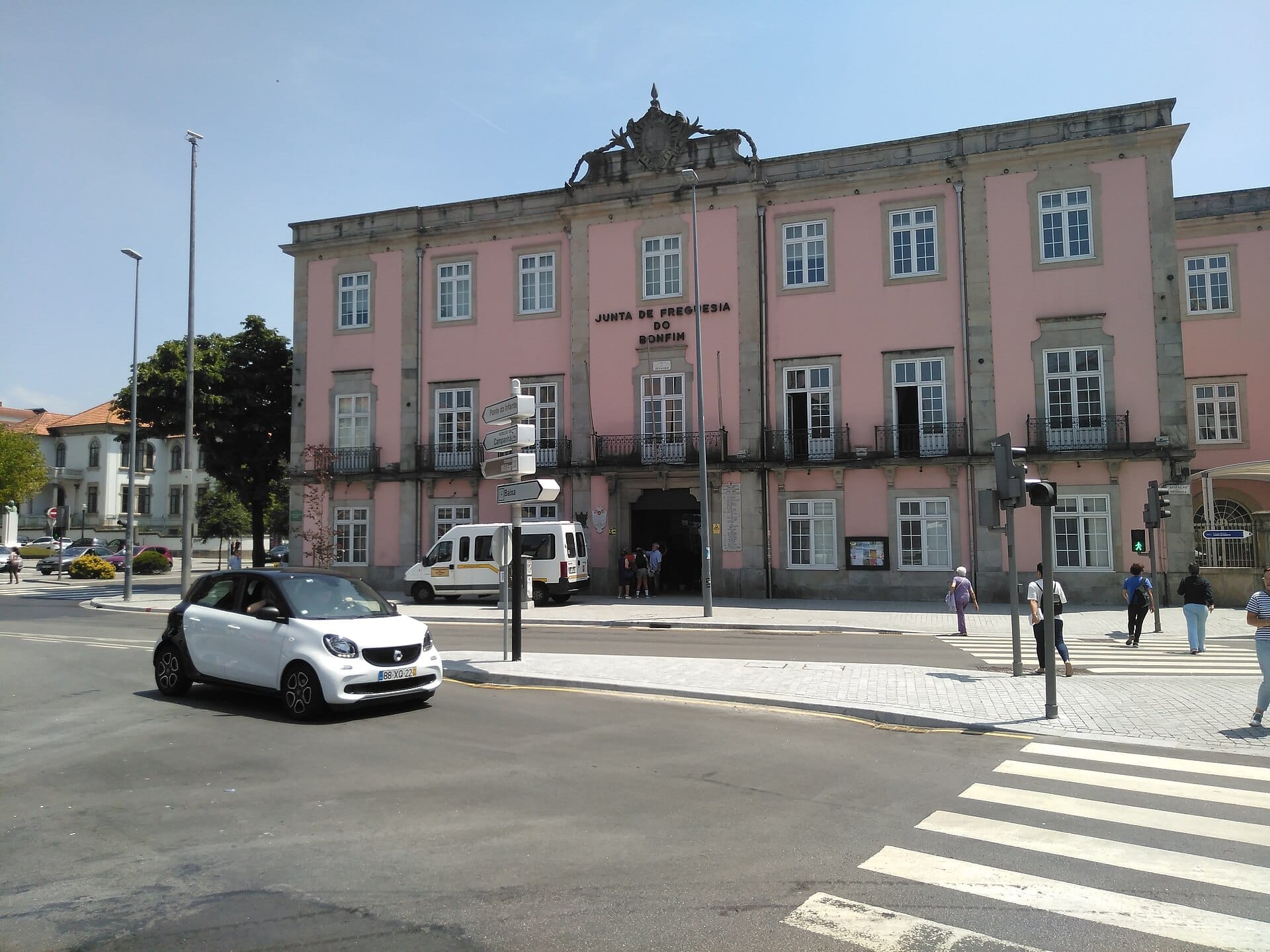
14. Sit in the Shade at Campo 24 de Agosto in Bonfim
A relaxed square in Porto's Bonfim neighborhood with benches, a small market presence, and local bars that don't charge tourist prices. It's above a major metro hub, so getting there is easy. The backstory connects to the Liberal Revolution of 1820, if you want depth.
Explore14. Sit in the Shade at Campo 24 de Agosto in Bonfim
A relaxed square in Porto's Bonfim neighborhood with benches, a small market presence, and local bars that don't charge tourist prices. It's above a major metro hub, so getting there is easy. The backstory connects to the Liberal Revolution of 1820, if you want depth.
Explore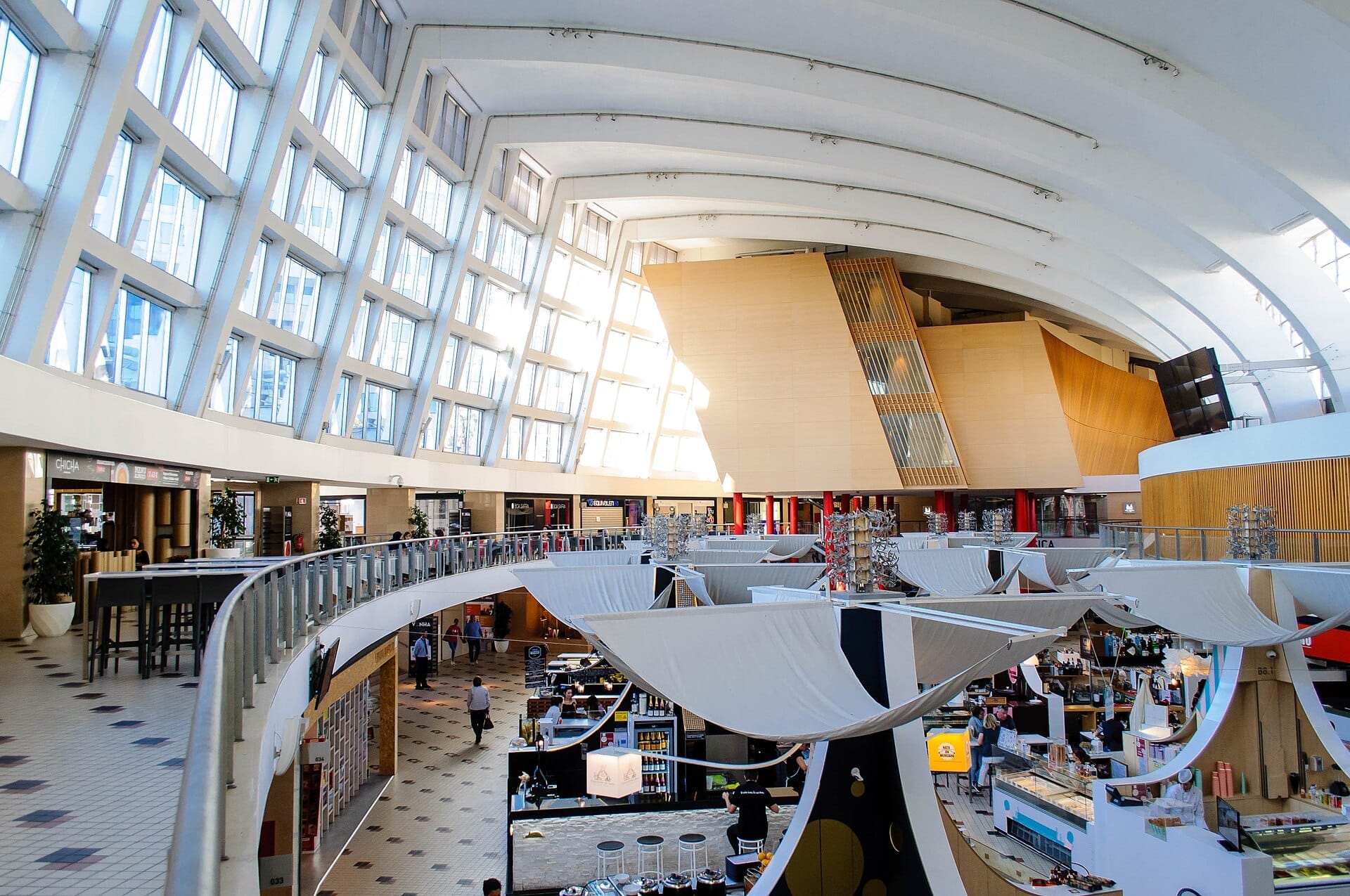
15. Eat at Mercado Bom Sucesso, the Local Alternative to Time Out
A beautifully restored 1950s market in Boavista, converted into a food hall with artisan stalls, a craft beer bar, and a design hotel above. It draws a notably local crowd, prices are more reasonable than the tourist-facing markets, and the building itself is worth seeing.
Explore15. Eat at Mercado Bom Sucesso, the Local Alternative to Time Out
A beautifully restored 1950s market in Boavista, converted into a food hall with artisan stalls, a craft beer bar, and a design hotel above. It draws a notably local crowd, prices are more reasonable than the tourist-facing markets, and the building itself is worth seeing.
Explore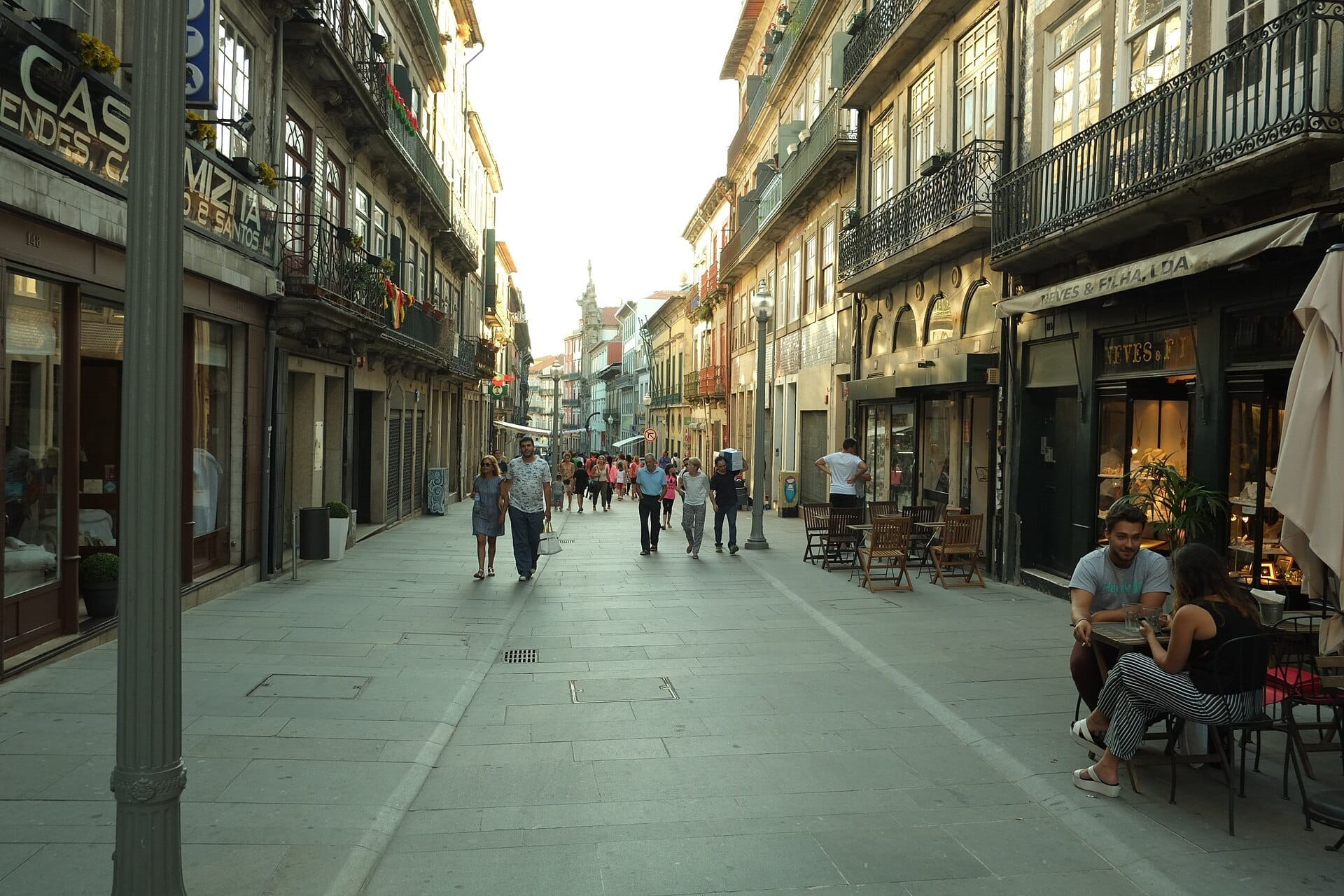
16. Eat and Browse Along Rua das Flores Without the Main Tourist Crowds
Prettier than Rua de Santa Catarina and lined with 18th-century townhouses, wine bars, and small restaurants, this pedestrian lane connects Ribeira to Baixa. It appears on maps but rarely on generic tour itineraries. Go mid-morning before the lunch crowd arrives.
Explore16. Eat and Browse Along Rua das Flores Without the Main Tourist Crowds
Prettier than Rua de Santa Catarina and lined with 18th-century townhouses, wine bars, and small restaurants, this pedestrian lane connects Ribeira to Baixa. It appears on maps but rarely on generic tour itineraries. Go mid-morning before the lunch crowd arrives.
ExploreCoastal & Waterfront Escapes Beyond the Ribeira
The Ribeira gets most of the attention, but Porto's Atlantic and Douro waterfront extends for kilometres in both directions. The Foz do Douro and Matosinhos areas to the west and north are where Porto residents actually spend their weekends, and both are easily reached by tram or metro.
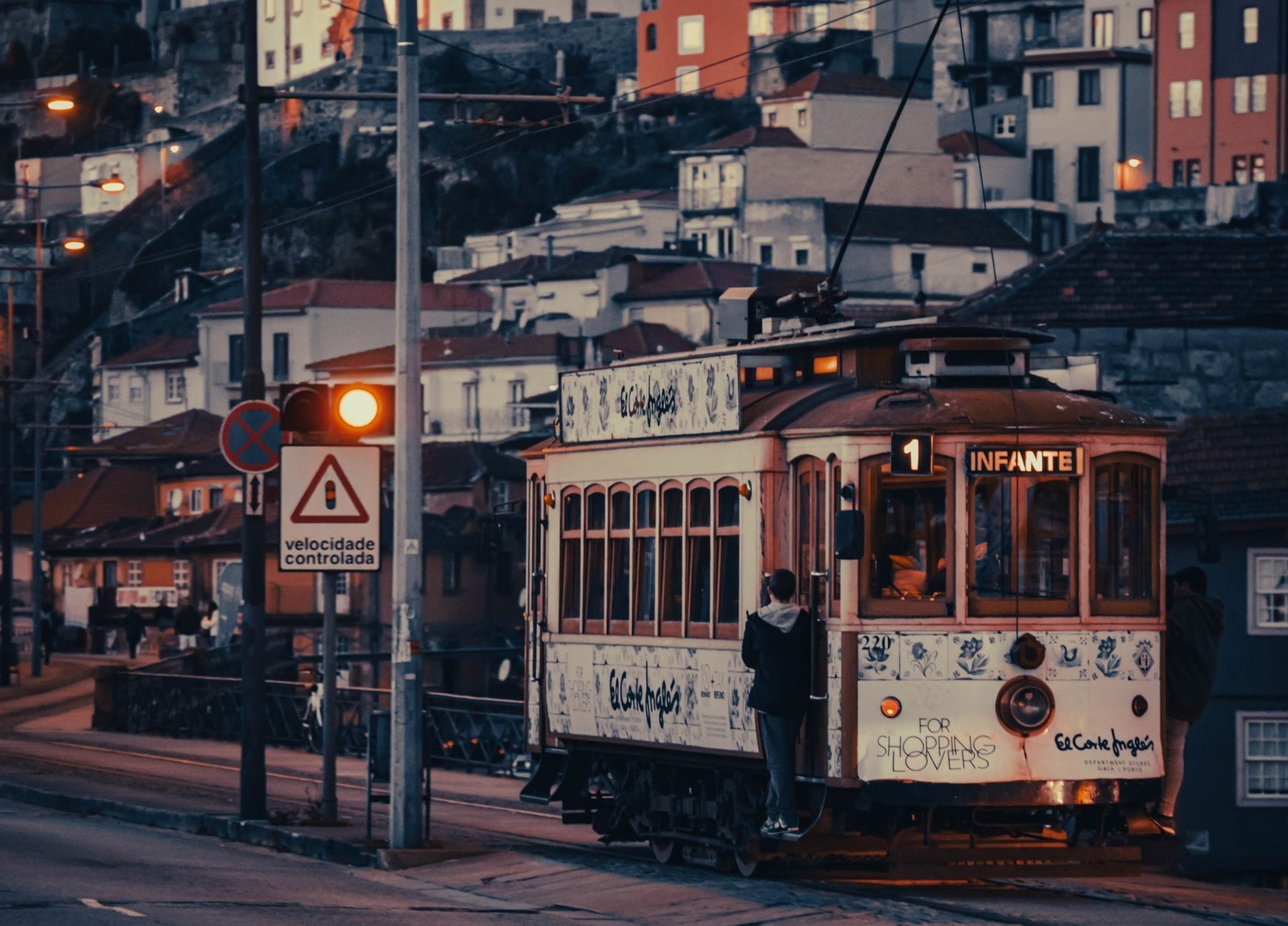
17. Ride Historic Tram Line 1 Along the Douro to Foz do Douro
Porto's surviving vintage tram runs along the riverfront from Infante to Foz do Douro, passing through scenery that tour buses never reach. Ride it all the way to the end, then walk the seafront. It's both a practical journey and a slow, scenic experience on original rolling stock.
Explore17. Ride Historic Tram Line 1 Along the Douro to Foz do Douro
Porto's surviving vintage tram runs along the riverfront from Infante to Foz do Douro, passing through scenery that tour buses never reach. Ride it all the way to the end, then walk the seafront. It's both a practical journey and a slow, scenic experience on original rolling stock.
Explore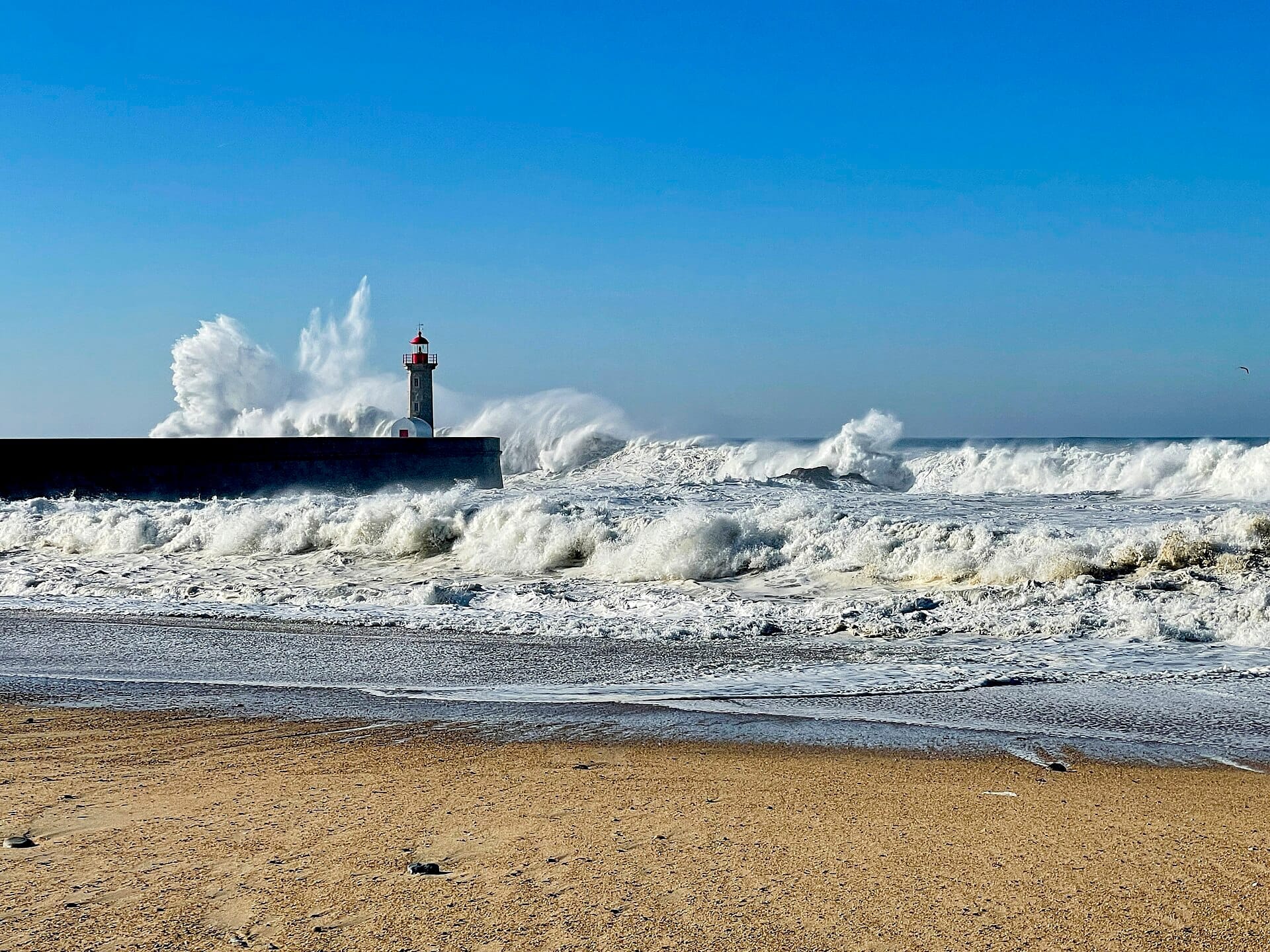
18. Discover Porto's Own Beaches Where the Douro Meets the Atlantic
Sandy beaches within Porto's city limits, backed by a neo-classical promenade and served by the historic tram. These are real local beaches, not day-trip destinations. The contrast between the Douro estuary and the open Atlantic surf is striking in one short walk.
Explore18. Discover Porto's Own Beaches Where the Douro Meets the Atlantic
Sandy beaches within Porto's city limits, backed by a neo-classical promenade and served by the historic tram. These are real local beaches, not day-trip destinations. The contrast between the Douro estuary and the open Atlantic surf is striking in one short walk.
Explore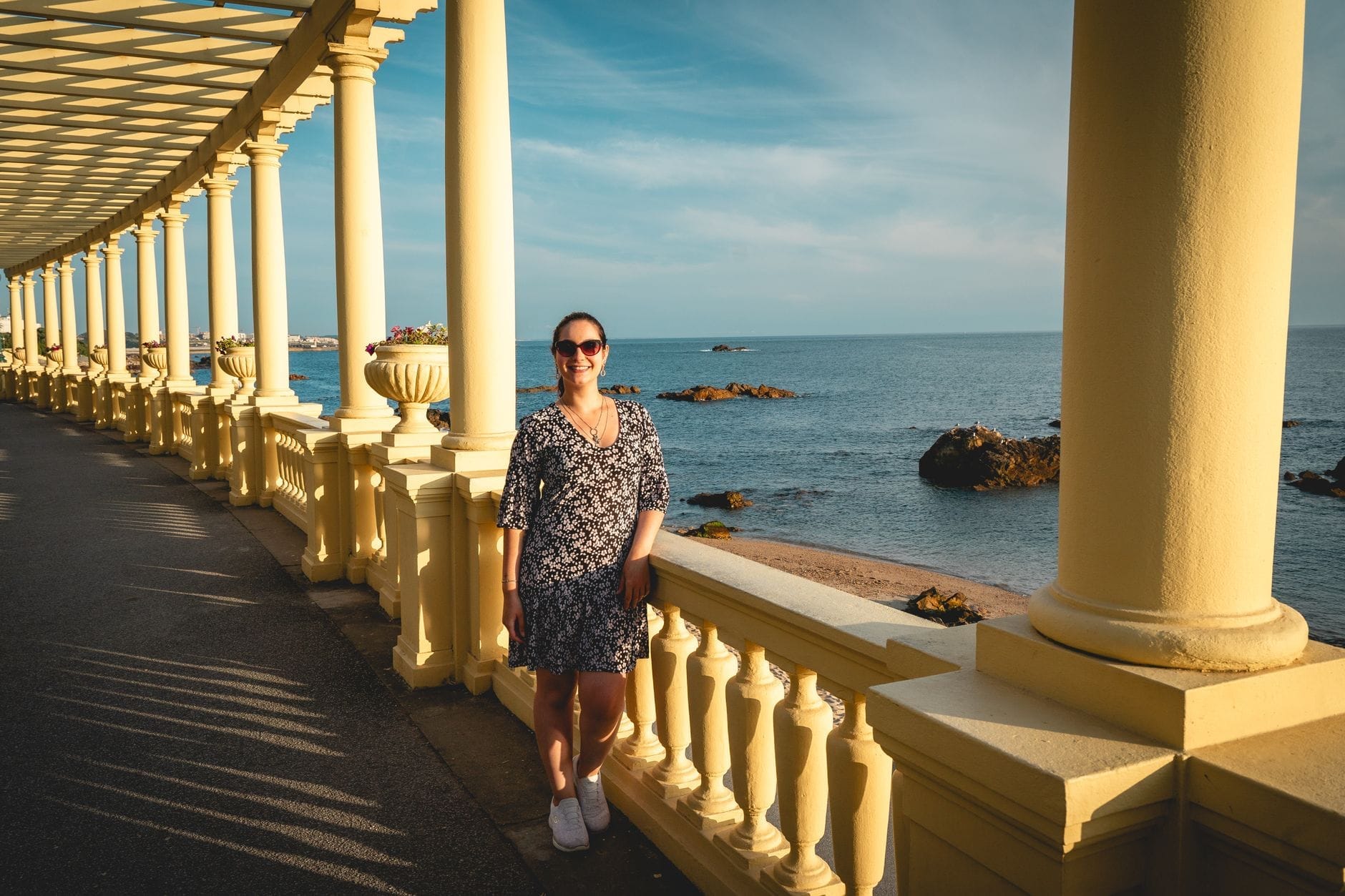
19. Walk the Full 4km Matosinhos Promenade with Almost No Tourists
Porto's largest beach has a 4-kilometre promenade that surfers, runners, and local families use daily. Free, open 24 hours, and a short metro ride from the center. Walk it at sunset past the fishing port end for the least-touristed stretch of Atlantic coastline near Porto.
Explore19. Walk the Full 4km Matosinhos Promenade with Almost No Tourists
Porto's largest beach has a 4-kilometre promenade that surfers, runners, and local families use daily. Free, open 24 hours, and a short metro ride from the center. Walk it at sunset past the fishing port end for the least-touristed stretch of Atlantic coastline near Porto.
Explore✨ Pro tip
The tram to Foz and a walk to Passeio Alegre garden pairs well with Piscina das Marés in Leça. Both are on the same coastal axis and can be done in a single half-day without a car.
Underrated Museums Worth Your Time
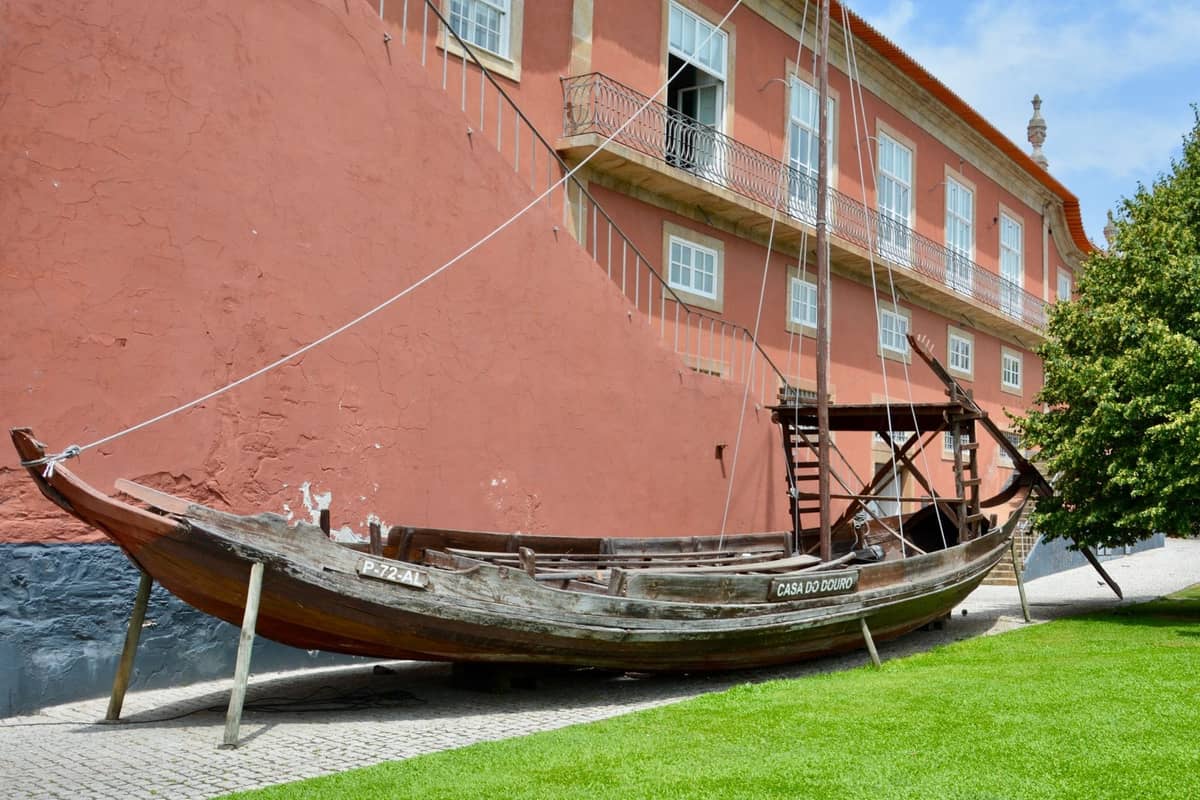
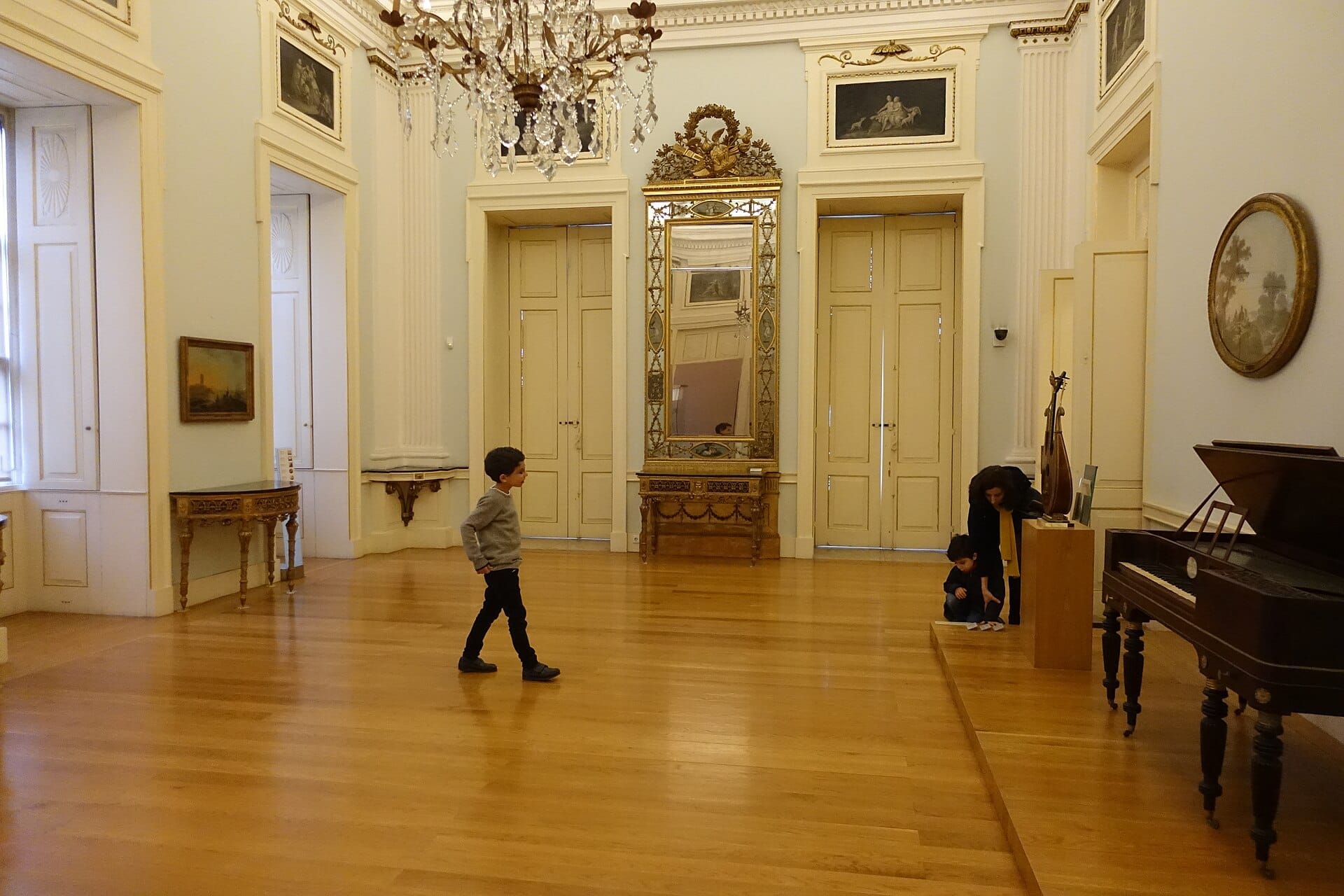
20. Visit Portugal's Oldest National Museum, Quietly Magnificent
Housed in the elegant Carrancas Palace, this museum holds exceptional Portuguese art from the 16th to 20th centuries. It draws a fraction of the visitors that Serralves receives, yet the collection, including Soares dos Reis's sculpture, is among the finest in the country.
Explore20. Visit Portugal's Oldest National Museum, Quietly Magnificent
Housed in the elegant Carrancas Palace, this museum holds exceptional Portuguese art from the 16th to 20th centuries. It draws a fraction of the visitors that Serralves receives, yet the collection, including Soares dos Reis's sculpture, is among the finest in the country.
Explore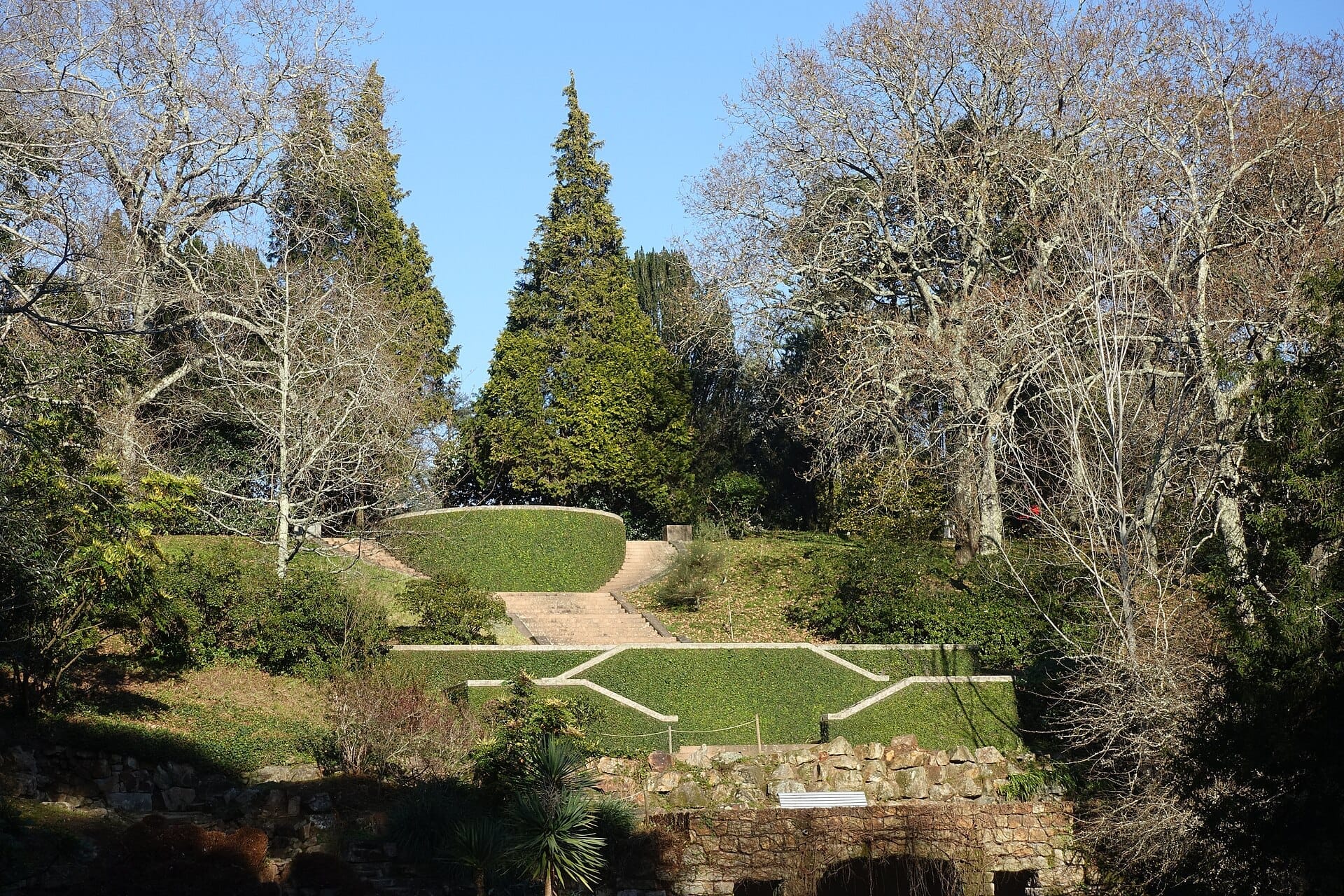
21. Walk Serralves Park Without Paying Museum Entry
The 18-hectare Art Deco estate surrounding the Serralves Museum can be visited independently on certain days. Formal gardens, woodland paths, a farm, and the elegant Casa de Serralves villa make it a destination on its own. Locals use it as their most beautiful weekend park.
Explore21. Walk Serralves Park Without Paying Museum Entry
The 18-hectare Art Deco estate surrounding the Serralves Museum can be visited independently on certain days. Formal gardens, woodland paths, a farm, and the elegant Casa de Serralves villa make it a destination on its own. Locals use it as their most beautiful weekend park.
Explore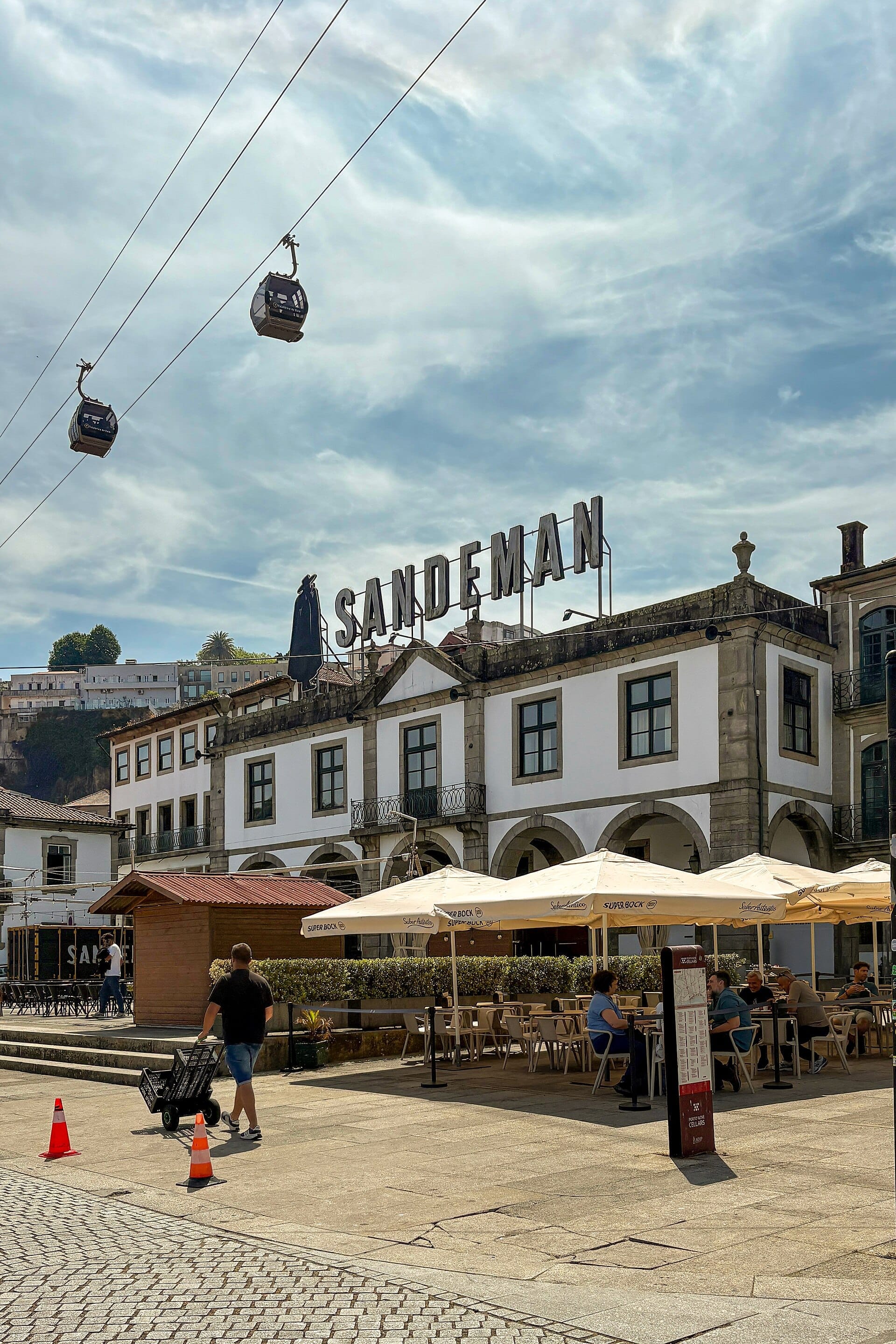
22. Explore WOW Porto, Gaia's Ambitious and Often Overlooked Cultural Complex
Opened in 2020 on the Gaia hillside, WOW holds seven museums covering wine, cork, chocolate, fashion, and Portuguese culture. Most day-trippers stick to the port cellars below and miss this entirely. Pick one or two museums rather than rushing all seven for a better experience.
Explore22. Explore WOW Porto, Gaia's Ambitious and Often Overlooked Cultural Complex
Opened in 2020 on the Gaia hillside, WOW holds seven museums covering wine, cork, chocolate, fashion, and Portuguese culture. Most day-trippers stick to the port cellars below and miss this entirely. Pick one or two museums rather than rushing all seven for a better experience.
Explore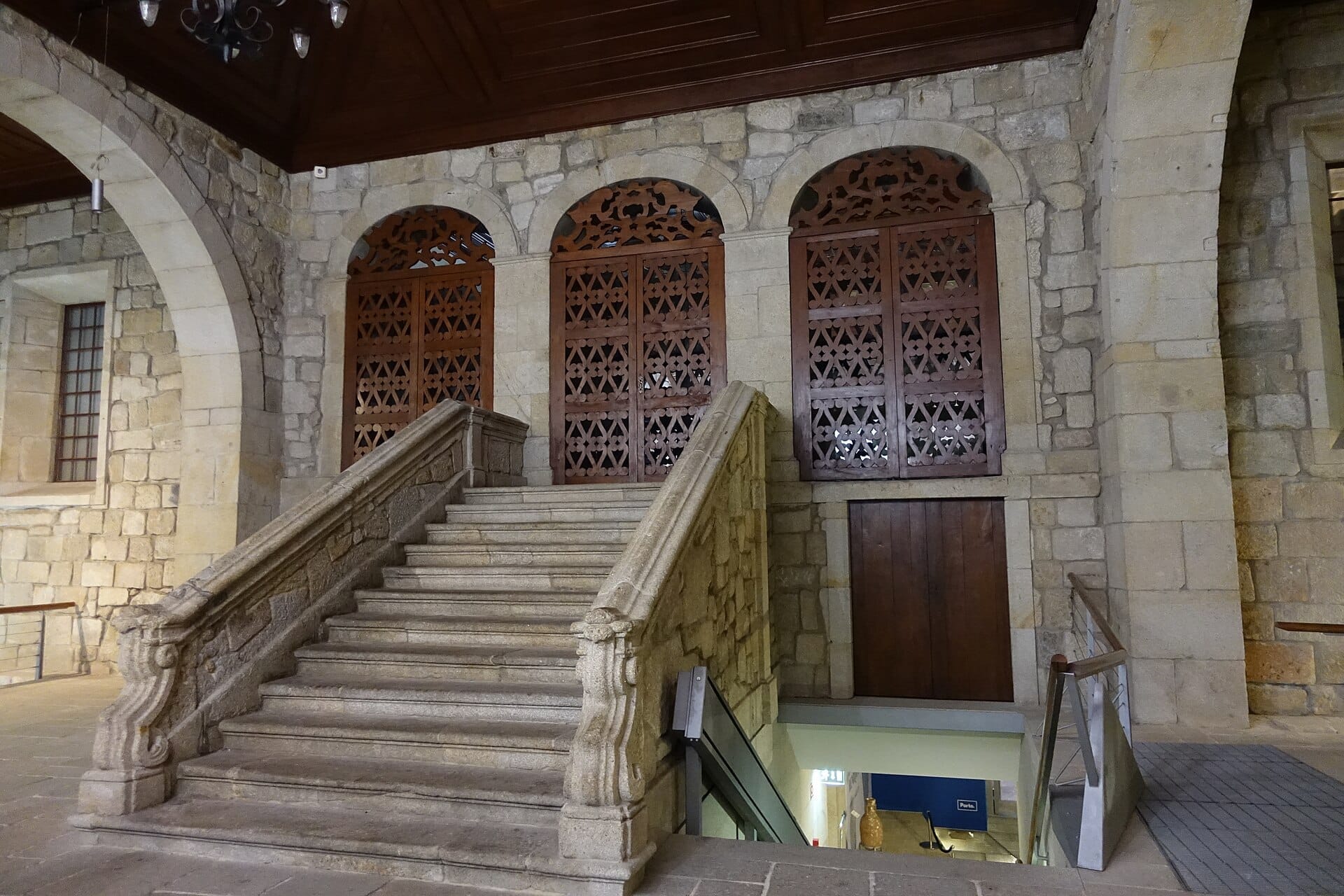
23. Go Underground at Casa do Infante for Roman Remains Beneath Porto
Built in 1325 on a Roman-era site in the Ribeira, this museum exposes archaeological layers beneath the city's feet, from Roman foundations to medieval customs records. Most visitors walk past the entrance entirely. Entry is cheap and the underground section is genuinely unusual.
Explore23. Go Underground at Casa do Infante for Roman Remains Beneath Porto
Built in 1325 on a Roman-era site in the Ribeira, this museum exposes archaeological layers beneath the city's feet, from Roman foundations to medieval customs records. Most visitors walk past the entrance entirely. Entry is cheap and the underground section is genuinely unusual.
ExploreFAQ
What are the best free hidden gems in Porto?
Miradouro da Vitória, Jardim do Morro, the Palácio de Cristal Gardens, Jardim do Passeio Alegre, Parque da Cidade, and several other viewpoints are all free and significantly less crowded than Porto's headline attractions. The Jardim Botânico do Porto in Cedofeita is also free and almost always quiet.
Which Porto neighborhoods are best for off the beaten path exploration?
Bonfim has a genuine local character with Campo 24 de Agosto as its main square. Cedofeita has the Botanic Garden and the Kadoorie Synagogue. Foz do Douro offers beaches and the Passeio Alegre garden that most visitors never reach. All three are accessible by metro or tram.
Is the Porto Bridge Climb worth doing?
For those comfortable with heights, yes. The guided climb up the arch of the Dom Luís I Bridge puts you 60 metres above the Douro with a perspective unavailable from any viewpoint. It takes around 45 minutes in total, costs roughly €20 per person, and the experience is significantly quieter than the big commercial attractions.
How do I get to Foz do Douro and Matosinhos from central Porto?
The historic Tram Line 1 runs along the Douro riverfront from Infante to Passeio Alegre near Foz do Douro and is the most scenic option. For Matosinhos, the metro Line A runs directly from central Porto to Matosinhos Sul in around 35–40 minutes. Both are cheap, reliable, and avoid parking difficulties.
When is the best time to visit Porto's less-known attractions?
May, June, and September offer the best combination of good weather and manageable crowds. Free viewpoints and gardens are quiet almost year-round, but seasonal hours apply: the Palácio de Cristal Gardens, for example, usually close around 19:00 in winter and 21:00 in summer. Outdoor experiences like the bridge climb and sea pools are most reliable from April through October.