Boavista stretches west from Porto's centre along its long namesake avenue, trading the city's medieval lanes for wide boulevards, bold architecture, and two of its most important cultural institutions. It is where Porto does business by day and contemporary culture by night.
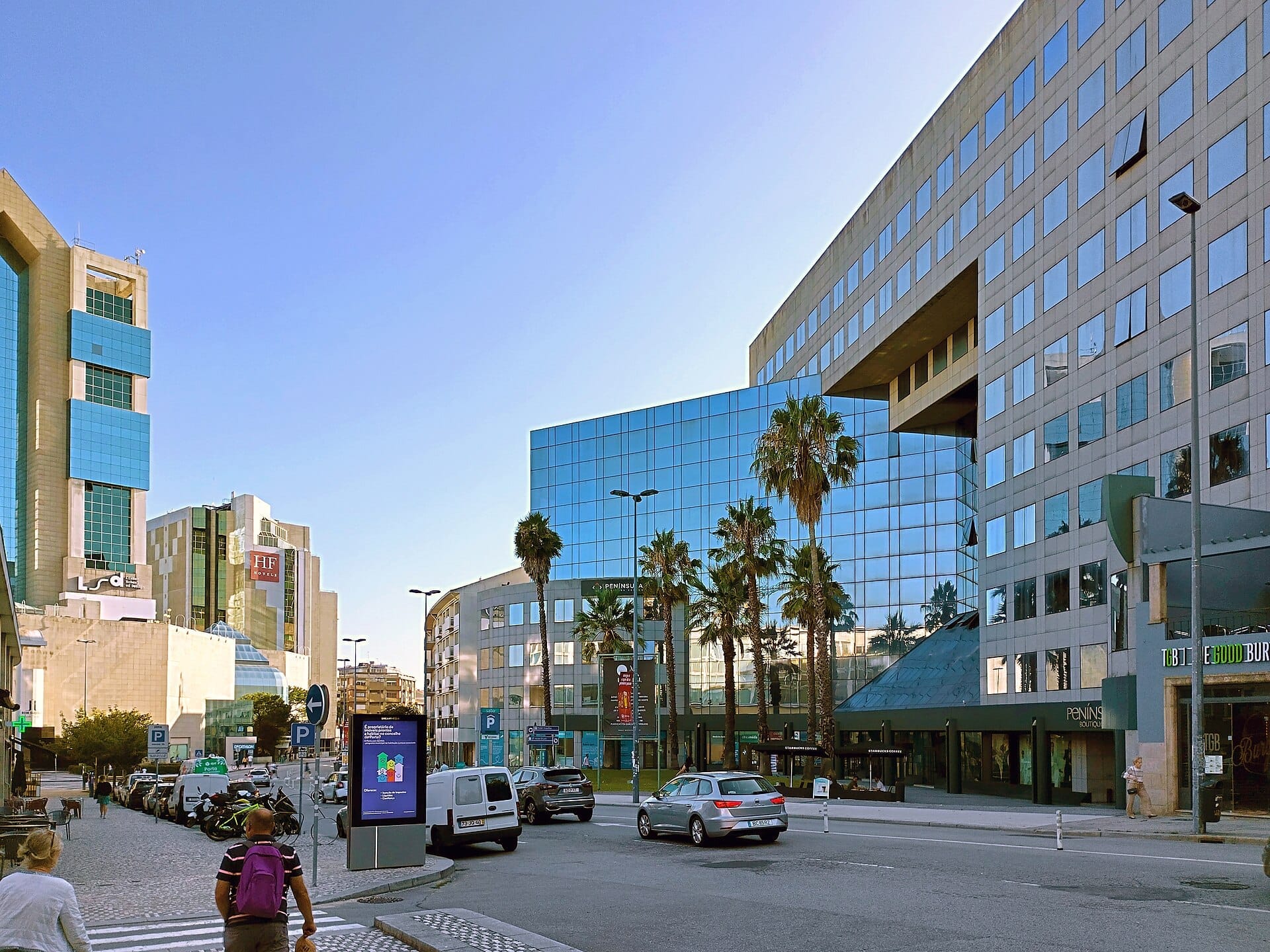
Boavista is Porto's modern counterweight to the historic centre: a long, westward-running district organised around Avenida da Boavista, with Casa da Música at one end and the Atlantic-facing Parque da Cidade at the other. Where Ribeira has azulejo-tiled facades and Roman foundations, Boavista has glass office towers, international hotels, and some of the city's most architecturally significant contemporary buildings.
Orientation
Boavista runs west from the inner city along Avenida da Boavista, one of Porto's longest and most commercially important streets. The district is best understood as having two focal points: the Praça de Mouzinho de Albuquerque, the large circular roundabout commonly called the Boavista roundabout, and the far western end of the avenue where it meets Parque da Cidade and the approaches to Foz do Douro.
The administrative area loosely encompasses Campo Alegre to the south and the Marginal do Douro riverfront running toward Foz. Its northern boundary merges into Cedofeita and Bonfim, while to the south the terrain drops toward the Douro. Walking from the Boavista roundabout to the Serralves Foundation takes roughly 20 to 25 minutes at a comfortable pace, and continuing to Parque da Cidade adds another 10 minutes.
Travelers staying here are well positioned to reach both the historic centre, about 2 kilometres east, and the seaside neighbourhood of Foz do Douro, roughly 4 kilometres to the west. Boavista sits between Porto's past and its coastline, which suits a certain type of itinerary perfectly.
Character & Atmosphere
The first thing you notice on Avenida da Boavista is the scale. This is not a street of narrow granite cobbles and overhanging balconies: it is a multi-lane avenue lined with banks, law firms, international hotel chains, and the kind of glass-fronted offices that signal a district with corporate ambitions. During weekday mornings, the pavements carry a purposeful crowd of commuters in business attire, and the café terraces fill quickly with laptop workers and professionals taking a short coffee break.
By midday the neighbourhood takes on a slightly different rhythm. The side streets around Bom Sucesso Market draw a more varied crowd: neighbourhood residents running errands, tourists in search of lunch, and design-conscious shoppers drawn to the boutiques that have grown up around the market's renovation. The area around Casa da Música sees students from the attached music school and visitors waiting for guided tours.
After dark, Boavista is quieter than Cedofeita or Baixa. It is not a nightlife district in the traditional sense. The restaurants along the avenue and in Campo Alegre fill up for dinner, and Casa da Música draws evening concert audiences, but the streets do not throng late into the night the way Porto's older neighbourhoods do. For those who prefer a quiet hotel room to the noise of Rua Galeria de Paris, that is a feature rather than a flaw.
ℹ️ Good to know
The Praça de Mouzinho de Albuquerque roundabout has a central garden, but it is surrounded by fast-moving traffic. The park space is pleasant to look at but not particularly comfortable for lingering — keep that in mind if you are travelling with children or hoping for a quiet outdoor break.
What to See & Do
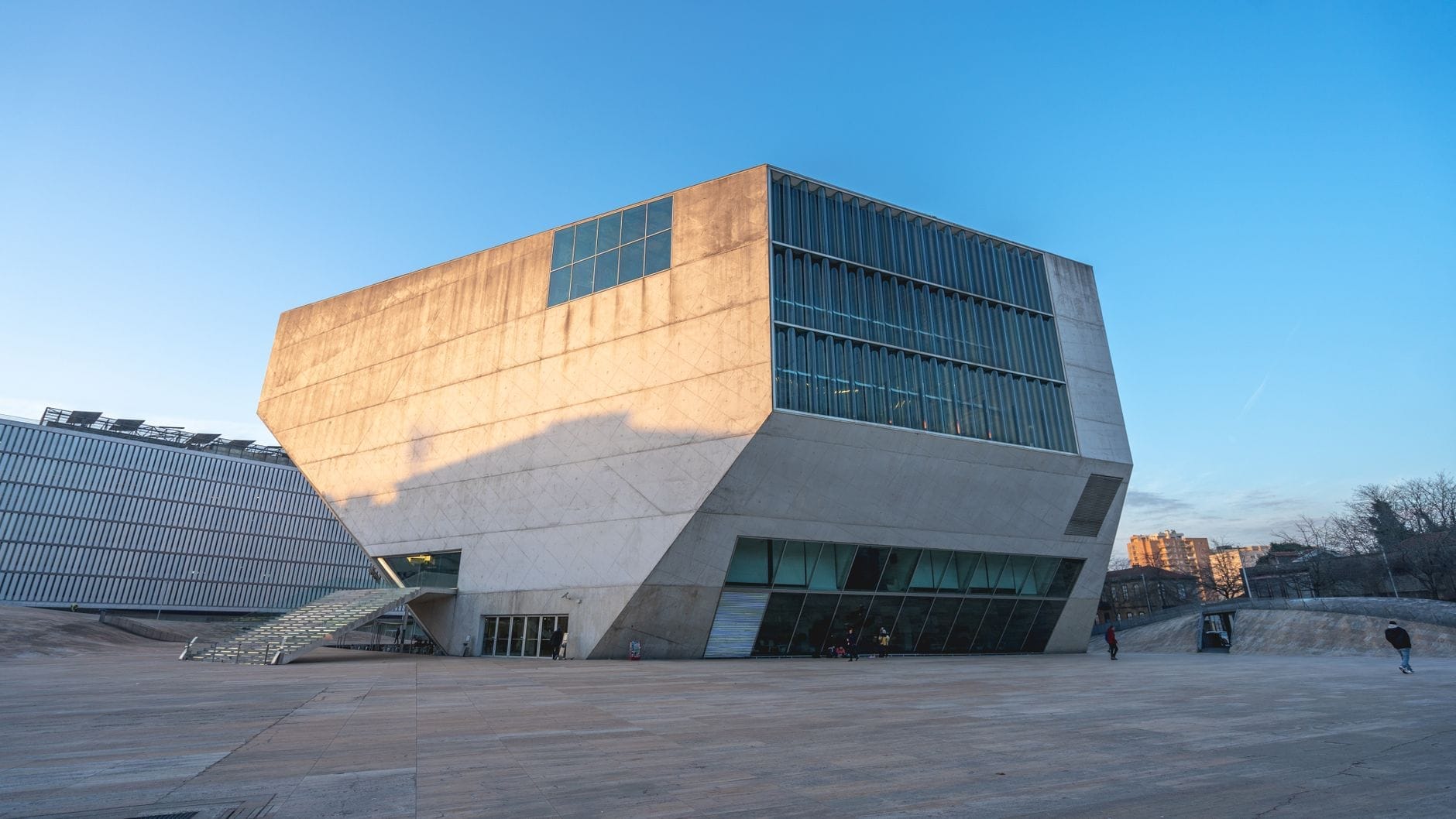
The neighbourhood's cultural centrepiece is Casa da Música, the concert hall designed by Rem Koolhaas and completed in 2005. Its angular white form sits slightly raised above the roundabout, visible from a considerable distance and intentionally disorienting from up close — its facets shift as you walk around it. The building hosts the Porto Symphony Orchestra and a full calendar of concerts across classical, jazz, and contemporary music. Guided architectural tours run regularly and are worth taking even if you have no interest in attending a performance.
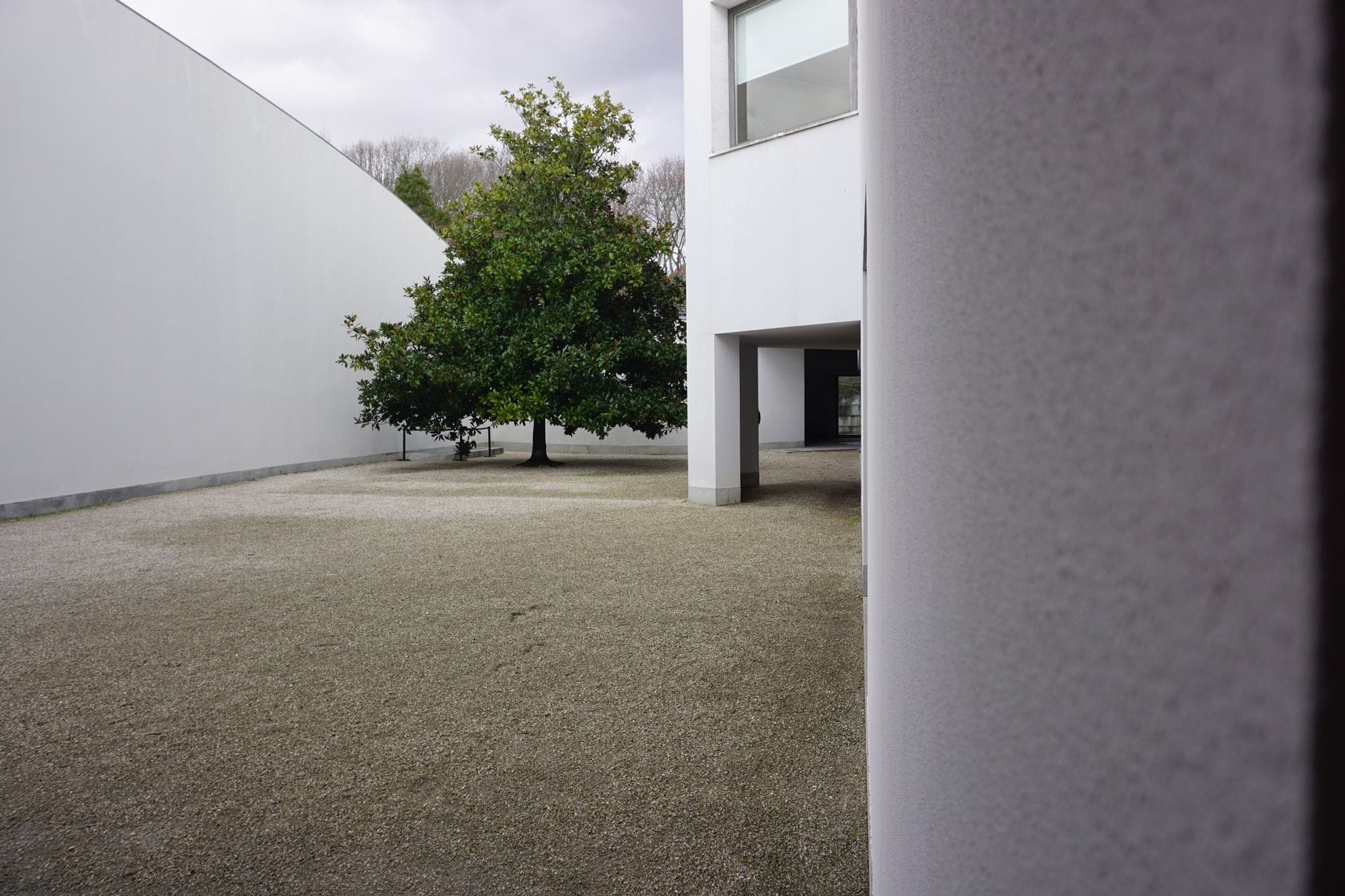
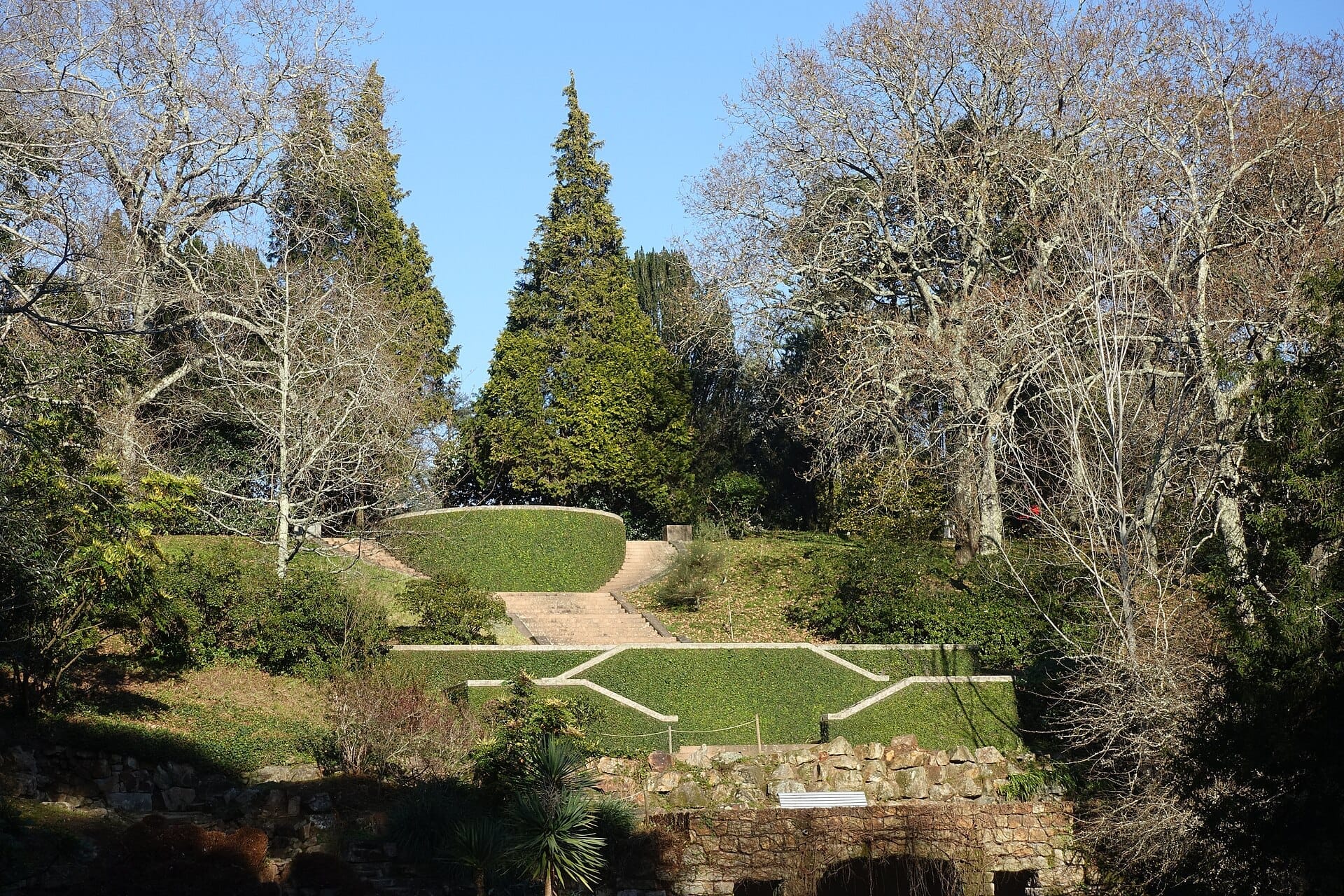
To the west, the Serralves Museum is one of Portugal's leading contemporary art institutions. Álvaro Siza Vieira's white building sits within the Serralves Park, an 18-hectare estate that combines formal gardens, woodland paths, and a 1930s Art Deco manor house. The park alone is worth the visit even on days when the museum's exhibitions are not to your taste, and it functions as one of Porto's best green spaces.
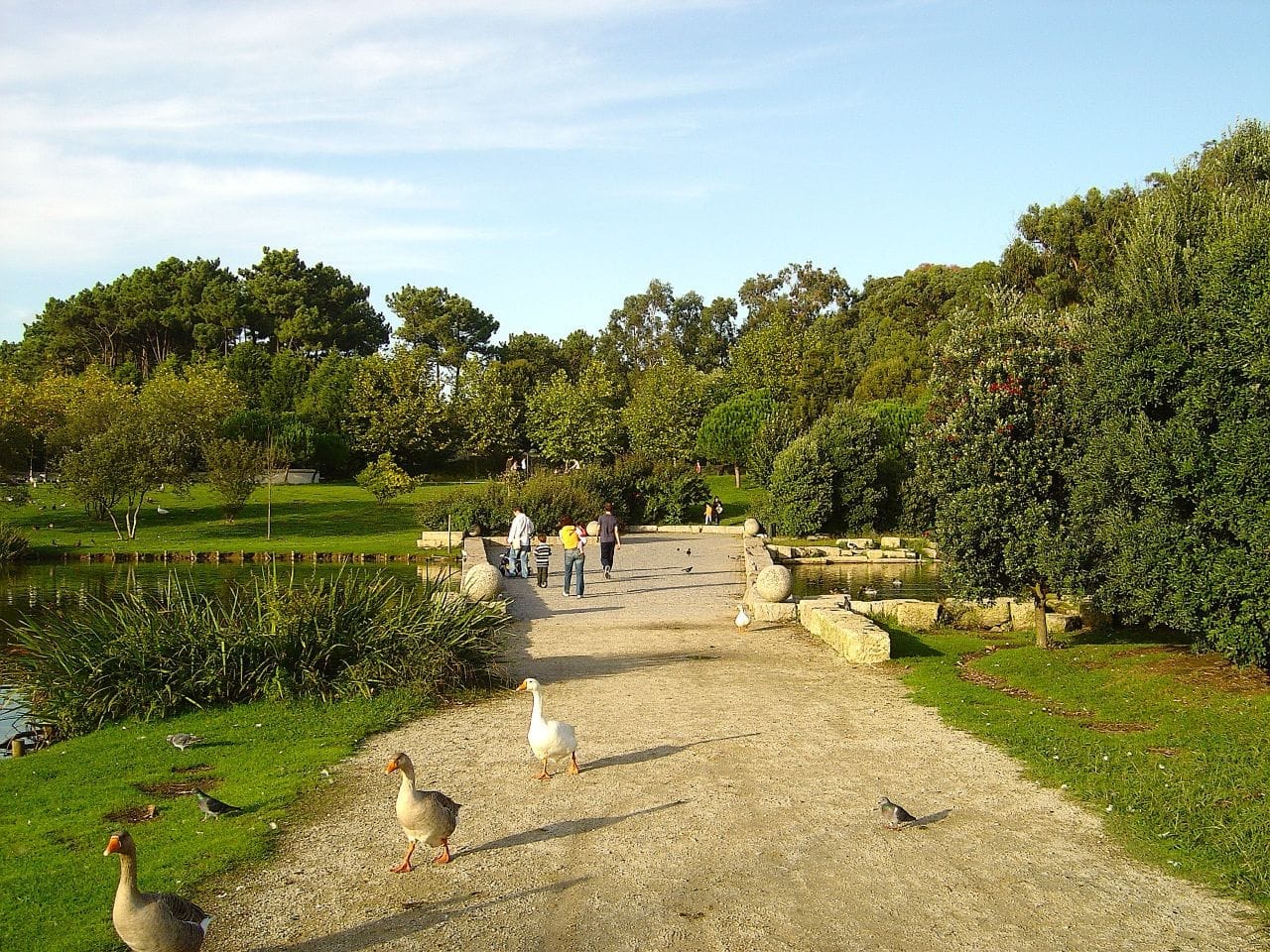
Further west still, Parque da Cidade is the largest urban park in Portugal, covering roughly 83 hectares and stretching to the Atlantic coast. It is where Porto residents walk dogs, cycle, and escape the city without leaving it. The park connects visually and physically to the beaches at Foz, and walking through it on a clear afternoon, with the smell of Atlantic salt air coming in, is one of the more understated pleasures in the city.
Casa da Música: world-class concert hall and architectural landmark at the Boavista roundabout
Serralves Museum and Park: contemporary art, Álvaro Siza architecture, and a beautiful estate garden
Parque da Cidade: the city's largest park, reaching the Atlantic coast
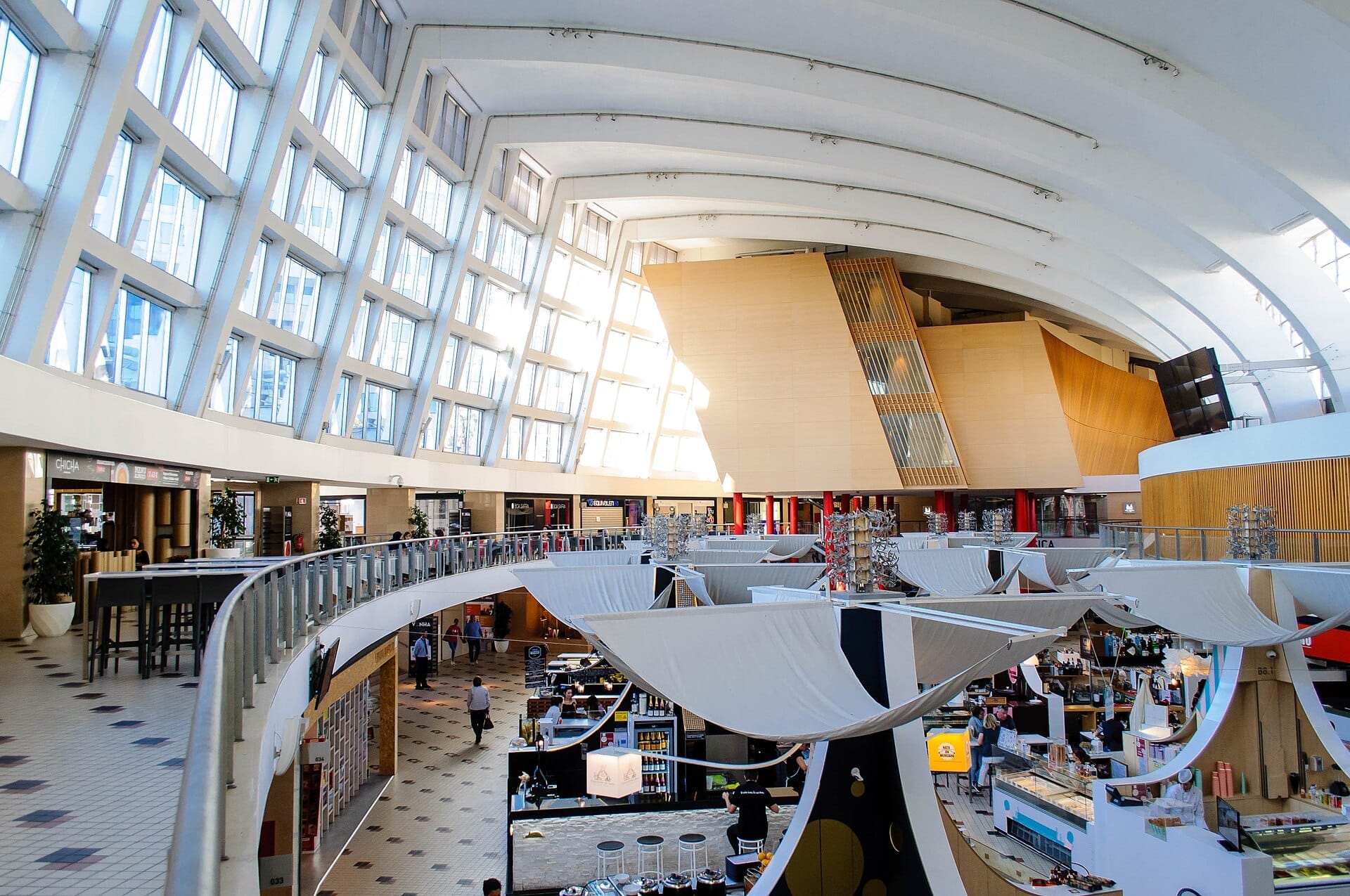
Bom Sucesso Market: a renovated market hall with a food court, boutiques, and a small hotel
Porto Synagogue (Mekor Haim): one of Iberia's larger Sephardic synagogues, a reminder of the city's Jewish history
💡 Local tip
Serralves offers a combined ticket covering the museum, the manor house, and park entry. If you plan to visit all three sections, buying the combined ticket at the entrance saves money and time. Check current prices on the Serralves Foundation website before visiting, as they are updated periodically.
Eating & Drinking
Boavista's food scene reflects its dual identity: there are upscale restaurants catering to business lunches and hotel guests, and there are more casual neighbourhood spots where locals eat without thinking twice about the bill. The two poles exist within a few streets of each other, which makes it easy to eat well at any budget.
The Mercado Bom Sucesso is the district's most accessible eating destination. The renovated market hall near the roundabout houses a food court with counters serving everything from grilled fish to artisan cheese boards and craft beer. It operates as a social space as much as a market, with communal tables and a relaxed tempo that is easy to fall into for a long lunch. It is popular with both locals and visitors, which keeps quality reasonably high across most counters.
Along Avenida da Boavista and in the Campo Alegre streets to the south, you find a range of sit-down restaurants covering Portuguese cuisine, international options, and a few Japanese and sushi restaurants that reflect the neighbourhood's contemporary character. Coffee culture is well represented: the cafés around the roundabout and near Casa da Música are proper coffee stops, not tourist traps, and the pastelaria tradition of a strong bica with a pastel de nata remains intact even in this modernised part of the city.
Boavista is not where you come for late-night bar culture. Drinks are available at hotel bars and in the restaurants, but if you want to experience Porto's nightlife properly, you will find far more life in Cedofeita or the streets around Batalha. Boavista winds down earlier and wakes up later than those neighbourhoods.
Getting There & Around
The most direct transit connection is the Porto Metro's Line A (blue line), with Casa da Música station sitting directly below the concert hall at the Boavista roundabout. From Trindade station (the main downtown interchange), the journey takes about five minutes. From São Bento, allow around eight to ten minutes. Line A also connects to the airport via a transfer at Trindade to Line E (violet line), making Boavista reasonably convenient as an arrival and departure base.
Several bus routes serve different parts of the district. Routes 200, 203, 205, 500, and 502 stop at or near the Boavista roundabout, while routes 203 and 207 stop in front of Serralves, connecting it to the city centre without requiring a walk or taxi. Buses in Porto are operated by STCP and use the same Andante card system as the metro, so a single loaded card covers your whole visit.
Uber and Bolt operate reliably in Boavista and are often faster than waiting for a bus when travelling between Serralves and the historic centre. The district is also increasingly cycle-friendly: Porto's bike-share scheme, Bicicleta do Porto, has stations along Avenida da Boavista, and the terrain in this part of the city is relatively flat compared to the steep hills around Ribeira and Miragaia.
💡 Local tip
If you are walking from Casa da Música to Serralves, take the side streets south of Avenida da Boavista rather than the pavement along the avenue itself. The residential streets through Campo Alegre are quieter, greener, and more interesting than the commercial main road.
Where to Stay
Boavista is Porto's primary zone for international mid-range and upper-range hotel chains. Several four and five-star properties are concentrated along Avenida da Boavista and near the roundabout, designed primarily for business travellers but increasingly attractive to leisure visitors who want space, facilities, and calm. Rooms here tend to be larger and quieter than equivalently priced hotels in Ribeira or Baixa.
The Bom Sucesso Market building also contains a design hotel, which makes it one of the more unusual places to stay in the district. For travellers who want a base close to Serralves and Parque da Cidade while remaining connected to the centre via metro, the area around Casa da Música station is the most practical choice. Those wanting to explore both the city and the coast should consider whether Foz do Douro might suit them better, as it sits at the western end of the same corridor with direct access to the beach.
Boavista is not the best base if the historic centre is your primary focus. Ribeira and Baixa put you on the doorstep of the cathedral quarter, Livraria Lello, and the waterfront. From Boavista, those walks take 25 to 35 minutes, or a short metro ride. That distance is manageable but worth factoring into your decision.
⚠️ What to skip
Hotels near the Boavista roundabout can be affected by traffic noise, particularly from rooms facing the avenue. If you are a light sleeper, confirm room orientation when booking or request an interior-facing room.
Boavista in Context: How It Fits Porto's Wider Map
Porto is a city of distinct layers, and Boavista represents its 20th and 21st-century ambitions rather than its medieval core. Understanding that distinction helps set expectations. The neighbourhood does not have the photogenic density of Ribeira or the creative energy of Cedofeita, but it has space, infrastructure, and two genuinely world-class cultural institutions.
The corridor from Casa da Música westward to Parque da Cidade and onward to the beaches at Foz is one of Porto's most satisfying half-day routes. It passes from contemporary architecture through parkland to the Atlantic without requiring a car or more than a comfortable pair of shoes. Pair it with an evening concert at Casa da Música and a meal in Campo Alegre, and Boavista justifies itself as more than a business district. For a broader sense of how the neighbourhood fits into Porto's full range of options, the where to stay in Porto guide lays out all the main areas side by side.
First-time visitors covering Porto in two or three days will likely spend most of their time in the historic centre and along the Douro, which is the right instinct. But if you are returning to Porto, extending a stay, or simply want a quieter and more contemporary base than the tourist core, Boavista earns its place. Check the full Porto things to do guide to see how Boavista's attractions compare to what the rest of the city offers.
TL;DR
Boavista is Porto's modern business and cultural corridor, running west from the city centre along Avenida da Boavista to Parque da Cidade and the edge of Foz do Douro.
Casa da Música and the Serralves Museum and Park are among Porto's most important cultural institutions and both sit within the district.
The neighbourhood is quieter at night than the historic centre, making it a good choice for travellers who want calm accommodation with metro access to the city's livelier areas.
International and upscale hotels are concentrated here, but the food scene spans budget-friendly market stalls at Bom Sucesso to full-service restaurants catering to business travellers.
Best suited to: architecture and contemporary art enthusiasts, business travellers, repeat Porto visitors, and anyone who wants a quieter base while still being connected to the centre by metro.
Porto has over 40 museums covering everything from contemporary art and Port wine to football trophies and Age of Discovery history. This guide picks the best across every category, with tips on when to go, what to book ahead, and how to get the most from each visit.
Porto rewards visitors differently depending on the season. This guide breaks down every month of the year, covering weather patterns, crowd levels, festivals, and practical advice so you can pick the window that matches your priorities.
Porto sits at the center of one of northern Portugal's richest travel regions. Within two hours by train or car, you can reach terraced vineyards, medieval birthplace cities, canal towns, and wild national park landscapes. This guide covers the best day trips from Porto, with practical advice on how to get there and what to do.
The Douro Valley is one of the most rewarding day trips you can make from Porto. Terraced vineyards, river cruises, winery lunches, and hilltop villages await, but you have to plan carefully to avoid cramming too much into one day. This guide tells you exactly how.
Porto rewards slow, curious walkers more than almost any city in Europe. From UNESCO-listed riverfront promenades and azulejo-covered church facades to sweeping hilltop viewpoints and ancient market halls, the city's best experiences are largely free. This guide covers 23 genuinely no-cost attractions across Porto and Vila Nova de Gaia.
Porto's public transport network is more straightforward than it looks, but a few missteps — buying the wrong ticket, boarding a tram without cash, or missing a zone validation — can cost you time and money. This guide covers every option: the metro, STCP buses, historic trams, funiculars, taxis, ride-hailing apps, and how to get from Francisco Sá Carneiro Airport to the city centre without overpaying.
Port wine is Porto's most famous export, but most visitors don't realize the lodges are actually across the river in Vila Nova de Gaia. This guide covers the top cellars, what tastings cost, how to book, and the differences between port styles so you get the most from your visit.
Two days in Porto is enough to cover the city's most iconic sights — if you sequence them well. This itinerary moves logically through the historic centre, the Douro riverfront, Vila Nova de Gaia's port wine lodges, and a few stops most weekend guides skip entirely.
Francisco Sá Carneiro Airport is your gateway to one of Europe's most rewarding cities. This guide covers every transfer option from the airport to central Porto, seasonal crowd patterns, ticketing details, and the trade-offs between metro, taxi, and private transfer so you can arrive without stress.
Porto's azulejo tiles are one of the city's most distinctive and photographed features, covering church facades, railway stations, and entire building exteriors in intricate ceramic panels. This guide covers the best sites, historical context, practical visiting tips, and where to buy or create your own tiles.
Porto sits minutes from a long stretch of Atlantic coastline, with beaches ranging from wide urban surf breaks to quiet southern coves backed by pine forests. This guide covers the best beaches near Porto, how to get there, and what to do along the way.
Porto's six bridges across the Douro are more than infrastructure: they are the city's most dramatic landmarks, connecting historic quarters, framing postcard views, and offering walks you will remember long after leaving. This guide covers every bridge, how to experience each one, and the best spots to see them all.
Porto's churches are among the most architecturally diverse in Europe, layering Romanesque foundations, Gothic cloisters, Baroque gilded interiors, and hand-painted azulejo facades within a walkable historic centre. This guide covers the essential religious monuments, from the cathedral on its granite hilltop to the tile-wrapped chapels of Baixa.
Porto has a dedicated fado scene that goes well beyond tourist packages. This guide breaks down the best venues, real price ranges, how to book, and what separates a genuine fado experience from a commercial one.
Porto rewards those who wander past the obvious. This guide takes you beyond the postcard stops to the viewpoints, green spaces, architectural surprises, and local haunts that most visitors walk straight past. From a free rooftop terrace above the Douro to a modernist swimming pool carved into the Atlantic coastline, Porto's best-kept secrets are hiding in plain sight.
Three days is the sweet spot for Porto. This itinerary covers the UNESCO-listed historic centre, the port wine lodges of Vila Nova de Gaia, a Douro Valley excursion, and optional coastal time at Foz, with practical tips on where to eat, what to skip, and how to get around without wasting time.
Porto's luxury scene is more intimate than many visitors expect: think palace hotels in azulejo-clad historic buildings, Michelin-starred dining with panoramic Douro views, and private rabelo boat charters rather than sprawling resort complexes. This guide covers the best 5-star hotels, fine dining, and premium experiences in Porto Portugal, with clear notes on what's worth the premium and what isn't.
Porto's nightlife runs late, starts later, and surprises almost every visitor. This guide breaks down the best neighbourhoods, bars, clubs, and after-dark experiences in Porto, Portugal, with practical tips on timing, pricing, and what to skip.
Porto is one of Western Europe's most affordable city-break destinations, but only if you know where to spend and where to save. This guide covers free sights, budget transport, cheap local food, and the common mistakes that quietly drain your wallet.
Porto, Portugal ranks among Europe's lowest-crime destinations, but that doesn't mean risk-free. This guide breaks down exactly what threats exist, which neighborhoods and situations to watch, and the practical steps that make a real difference.
From the historic Mercado do Bolhão to the independent boutiques of Cedofeita, Porto rewards shoppers who plan ahead. This guide covers every major market, the best shopping streets by neighborhood, what to actually buy, and the practical details most guides leave out.
Porto and Lisbon are Portugal's two great cities, separated by 310 km and distinct in character. This guide breaks down the real differences in cost, atmosphere, sightseeing, food, and logistics so you can decide which to visit — or plan both into one trip.
Porto is one of Europe's most walkable historic cities, and you do not need a paid tour to see the best of it. This guide covers the classic one-day route through the UNESCO-listed old town, Ribeira waterfront, and Vila Nova de Gaia, with timing advice, entry costs, and practical tips for every stage.
Porto is a great destination for families, with interactive museums, free parks, river cruises, and cable cars all within easy reach of the historic centre. This guide covers the best activities for children of all ages, what to skip, and practical logistics for navigating Porto with kids in tow.
Porto, Portugal's second-largest city, has earned its reputation as one of Europe's most compelling destinations. But is it right for your trip? This guide looks at costs, crowds, highlights, and drawbacks to help you decide.
Porto rewards couples with a rare combination of scenic riverbanks, centuries-old wine culture, Fado music, and walkable historic streets. This guide covers the most romantic experiences in the city, from sunset cruises on the Douro to garden strolls at the Crystal Palace, with practical notes on what is worth your time and money.
The Festa de São João do Porto is Porto's biggest annual celebration, held every year on the night of 23–24 June. This guide covers the history, traditions, schedule, best viewing spots, food, transport, and practical tips to help you plan around one of Portugal's most spectacular street festivals.
Porto is one of Europe's most rewarding cities for curious travelers. This guide covers the best things to do in Porto, Portugal, from crossing the Dom Luís I Bridge to exploring baroque churches, tasting port wine, and eating seafood in Matosinhos, with real logistics and no filler.
Porto's food culture runs deep, shaped by northern Portuguese cooking traditions that prize hearty ingredients, salt cod, and rich slow-cooked stews. This guide covers the essential dishes, where to find them, what they actually cost, and a few things worth skipping.
Choosing where to stay in Porto shapes your entire trip. This guide breaks down every major neighborhood, from the historic riverfront of Ribeira to the relaxed beachside calm of Foz do Douro, with clear notes on who each area suits, typical price ranges, and practical transport details.