São João Festival Porto: Everything You Need to Know
The Festa de São João do Porto is Porto's biggest annual celebration, held every year on the night of 23–24 June. This guide covers the history, traditions, schedule, best viewing spots, food, transport, and practical tips to help you plan around one of Portugal's most spectacular street festivals.
Plan and book this trip
Tools from our partner Travelpayouts help you compare flights and hotels. If you book through them, we may earn a commission at no extra cost to you.
Flights
Hotels map
TL;DR
- São João Festival (Festa de São João do Porto) runs from the afternoon of 23 June through the early hours of 24 June every year, but neighborhood events and concerts fill most of June.
- Entry to all street parties, stages, and fireworks is completely free — costs are food, drinks, and transport only.
- The fireworks launch along the Douro between Luís I Bridge and Arrábida Bridge around midnight — the Cais da Ribeira and the Gaia waterfront are the most popular viewing spots.
- Book accommodation months in advance: June is peak season and São João weekend sells out fast.
- The festival goes well beyond fireworks: expect sardines on the grill, plastic hammers, leek stems, manjerico basil pots, bonfires, and dancing that continues well past sunrise. Check our best time to visit Porto guide for seasonal context.
What Is São João Festival and Why Does Porto Take It So Seriously
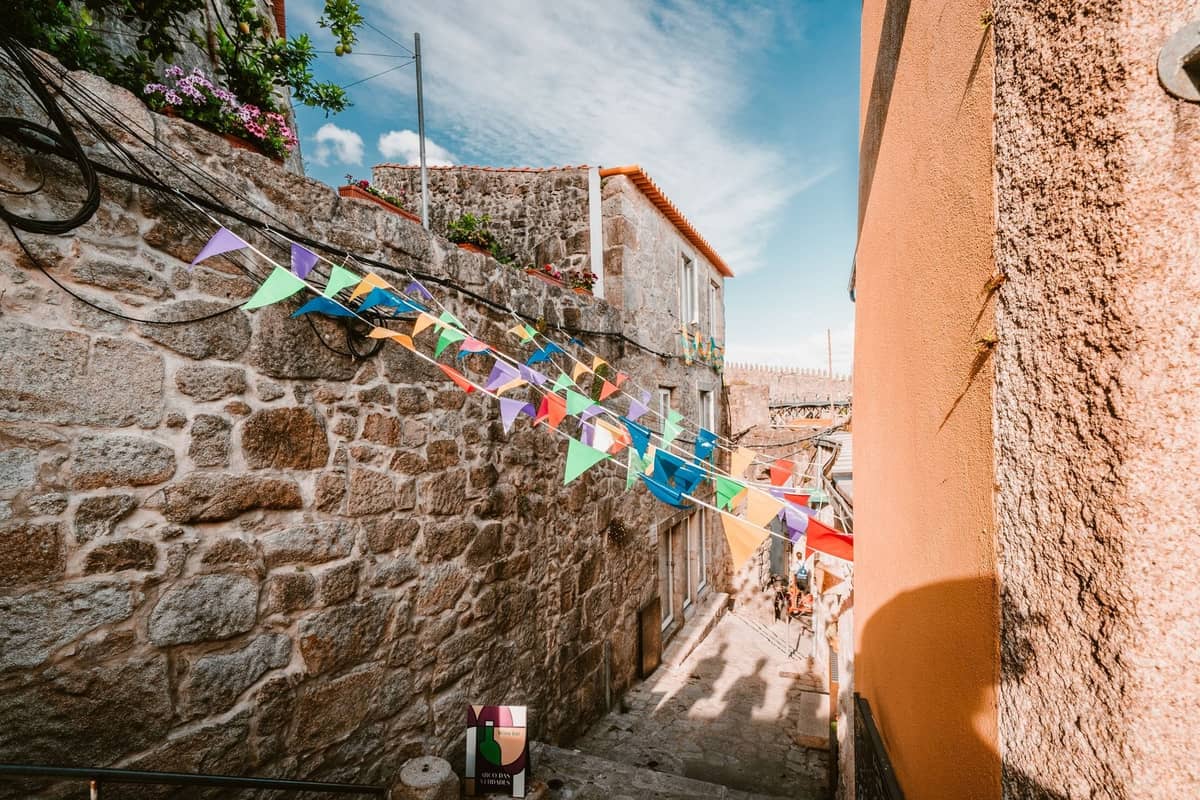
The Festa de São João do Porto is the midsummer celebration of the feast day of Saint John the Baptist, and it has been one of Porto's defining annual traditions for centuries. While the festival exists in other Portuguese cities, Porto treats it with a particular intensity. This is not a tourism product invented to fill hotel rooms in June. It is a genuine citywide ritual: residents flood the streets, families grill sardines on doorsteps, bands set up in any square large enough to hold them, and the city effectively shuts down conventional life for a night.
The traditions are local and specific. People carry leek stems (alhos-porros) and use them to lightly tap strangers on the head for good luck, alongside plastic squeaky hammers that have become a modern addition to the same custom. Manjerico basil pots, often decorated with short poems, are another classic São João gift. Bonfires are lit in neighborhoods throughout the city, and jumping over them is part of the folklore. Sardines grilled over charcoal appear on improvised street barbecues across the historic centre, paired with caldo verde, local wine, and Super Bock beer. None of this is staged for visitors. The ritual belongs to Porto, and visitors are simply welcome participants.
ℹ️ Good to know
São João is Porto's patron saint festival. The celebration has roots going back centuries and is considered one of the most important popular festivals in Portugal. The date, 23–24 June, aligns with the summer solstice period and has pre-Christian origins connected to midsummer fire rituals.
Dates, Schedule, and What to Expect Each Day
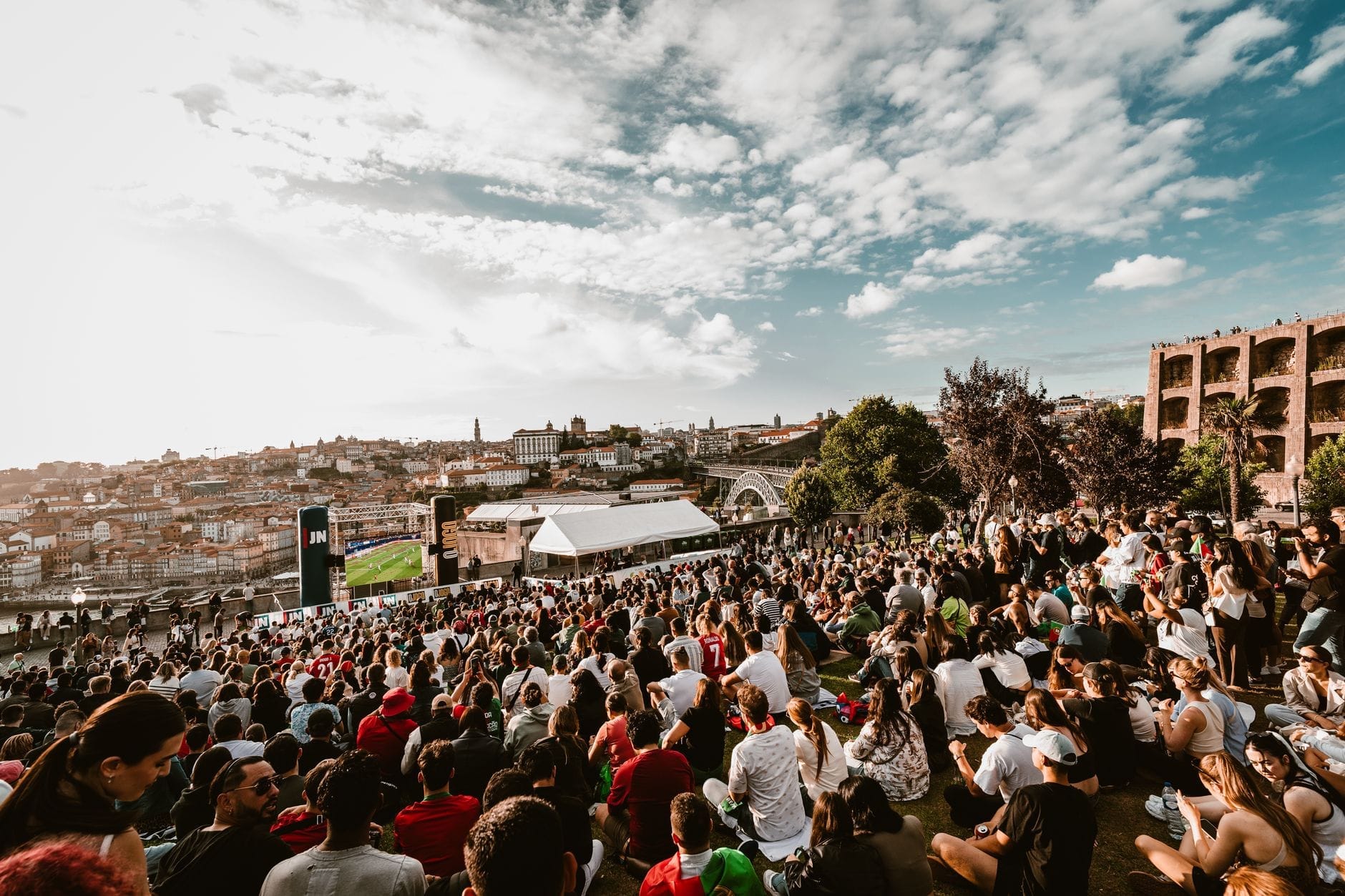
The main celebration runs from the afternoon of 23 June through the early hours of 24 June, with midnight fireworks as the emotional climax. But treating São João as a single-night event misses a lot. The official program, published annually by Porto City Hall (Câmara Municipal do Porto), typically includes several weeks of programming: folk parades called rusgas, neighborhood arraiais (street parties), carousel fairs, and music stages that begin well before the main night.
- Early June Neighborhood arraiais begin in districts such as Fontainhas, Campanhã, Massarelos, Lordelo do Ouro, Paranhos, Ramalde, and Aldoar/Foz/Nevogilde. These are smaller, more local affairs.
- 18–22 June Rusgas (traditional folk street processions with music and costumes) and carousels increase in frequency. Main stages begin appearing in the city centre.
- 23 June (main night) Festivities build from mid-afternoon. Multiple city-centre stages run live music. Sardine grills operate across the historic centre and riverfront. Midnight fireworks launch along the Douro, lasting approximately 16 minutes.
- 24 June (Saint John's Day) A public holiday in Porto. The Rabelo Boats Regatta takes place on the Douro river, commemorating the historic wooden boats used to transport Port wine barrels from the Douro Valley.
The Rabelo Boats Regatta on 24 June is worth watching from the Gaia waterfront at Cais de Gaia or from the Porto side near the Dom Luís I Bridge. It is quieter than the main night and a good way to see the river without the crush of the midnight crowds. The rabelo boats themselves are an iconic piece of Porto's wine history, and the regatta gives them a rare ceremonial role.
Fireworks, Stages, and the Best Spots to Watch
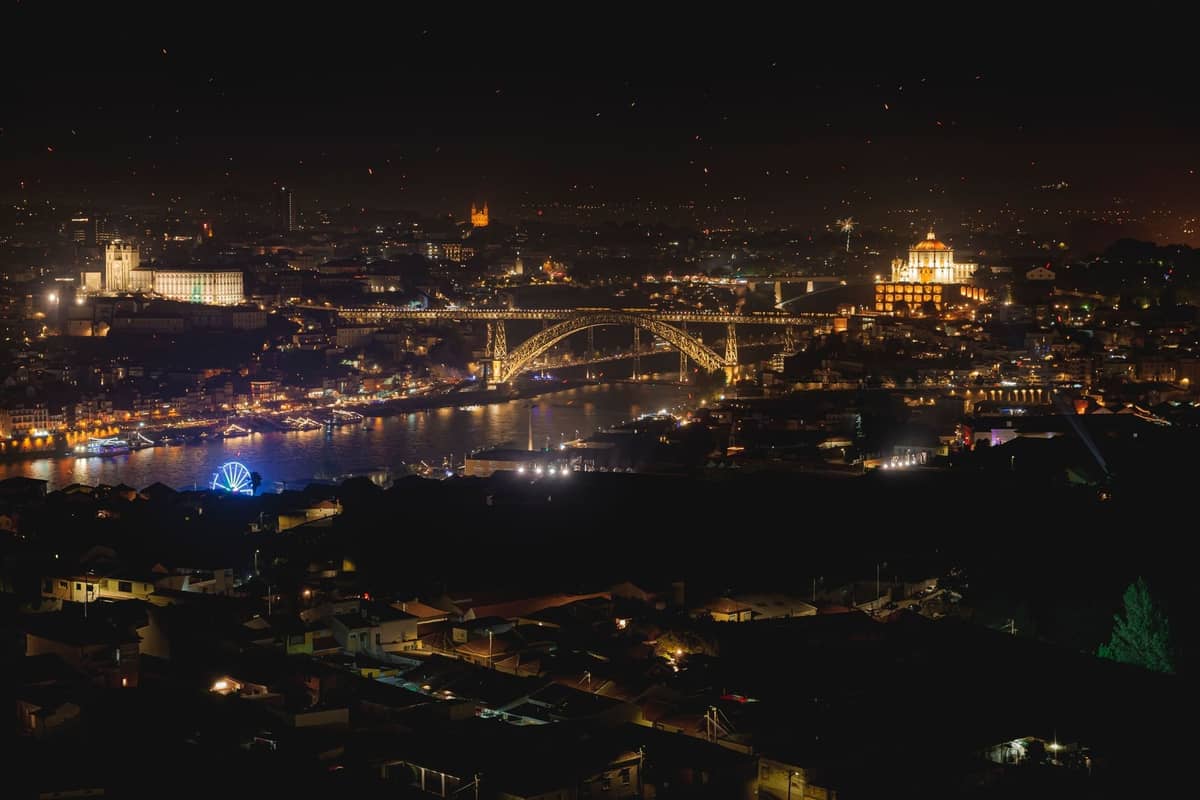
The fireworks are launched from the Douro river between the Dom Luís I Bridge and the Arrábida Bridge, which means long stretches of both riverbanks offer a decent view. The question is not whether you can see them, but how crowded your chosen spot will be. By late evening on 23 June, the Ribeira waterfront and the Gaia side are very busy. Arriving earlier is reasonable; arriving close to midnight means working through very dense crowds to find space.
- Cais da Ribeira (Porto side) The most central and most crowded option. Excellent sightlines to the bridge and river. Expect shoulder-to-shoulder crowds from 10pm onward.
- Cais de Gaia (Vila Nova de Gaia side) Slightly less chaotic than Ribeira, with a clear view back toward Porto's illuminated skyline. The combination of fireworks above and the lit cityscape behind is one of the better visual experiences of the night.
- Jardim do Morro The park above the Gaia cable car station offers an elevated view over the bridge and river, with more breathing room than the waterfront. Fill up early.
- Miradouro da Vitória A quieter viewpoint in the historic centre with a different angle. Less popular with tourists, more with locals from nearby streets.
Beyond fireworks, Porto City Hall typically funds three or more main concert stages across the city centre. Stages are usually placed in large open squares and along the riverfront. The exact lineup is published each spring on the official Baixa area announcements and on the Câmara Municipal do Porto website. In recent years, the city budgeted around €800,000 for the full São João program, which reflects how seriously this is funded as a public event rather than a commercial one.
💡 Local tip
If you want a quiet spot with a genuine view, head to the upper streets of the historic centre rather than the waterfront. Streets like Rua Escura or the area above Miradouro da Vitória fill up later and offer elevated angles over the rooftops toward the river. Less crushing, still festive.
Food, Drink, and the Sardine Question
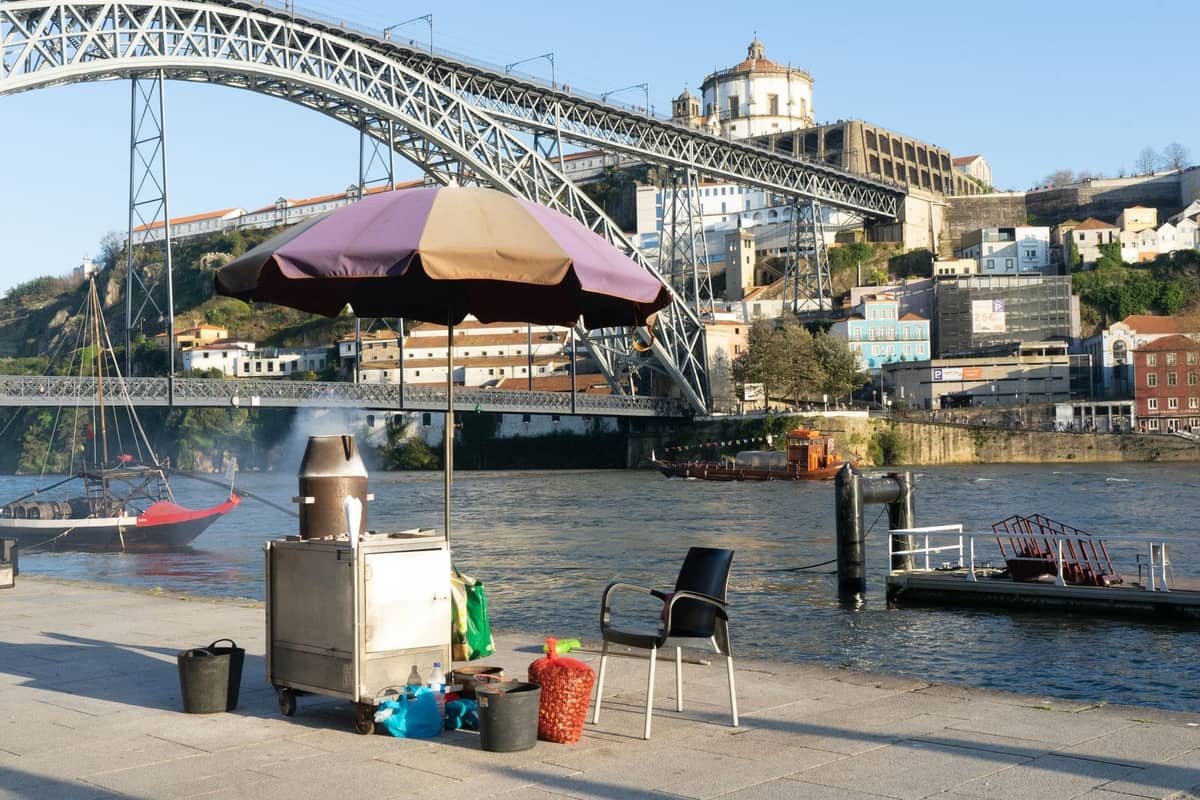
Sardines grilled over charcoal are the central food of São João, to the point where the smell of charcoal smoke drifting through the streets is one of the defining sensory memories of the night. You do not need to find a restaurant: street grills operate throughout the historic centre, Ribeira, and most neighborhood arraiais. Expect to pay a few euros for a plate of sardines with bread and perhaps a simple salad alongside. Caldo verde, a Portuguese kale soup, is another traditional accompaniment.
Drinks are sold from street stalls and temporary bars throughout the festival area. Prices are modest by European standards, and the options lean heavily toward beer (Super Bock is ubiquitous) and local wines. If you want a sit-down São João dinner at a proper restaurant, book well in advance — many places in Ribeira and the historic centre fill up for the evening weeks ahead. Restaurants often prepare special menus for the night. Read our guide to what to eat in Porto for broader context on Portuguese food traditions.
⚠️ What to skip
Avoid sitting down to eat too close to midnight if you plan to watch the fireworks. Restaurants and cafés in the most popular viewing areas get completely blocked by crowds before the fireworks start, and you may find yourself unable to move — or unable to get your bill paid and leave in time.
Logistics: Getting There, Getting Around, and Staying Safe
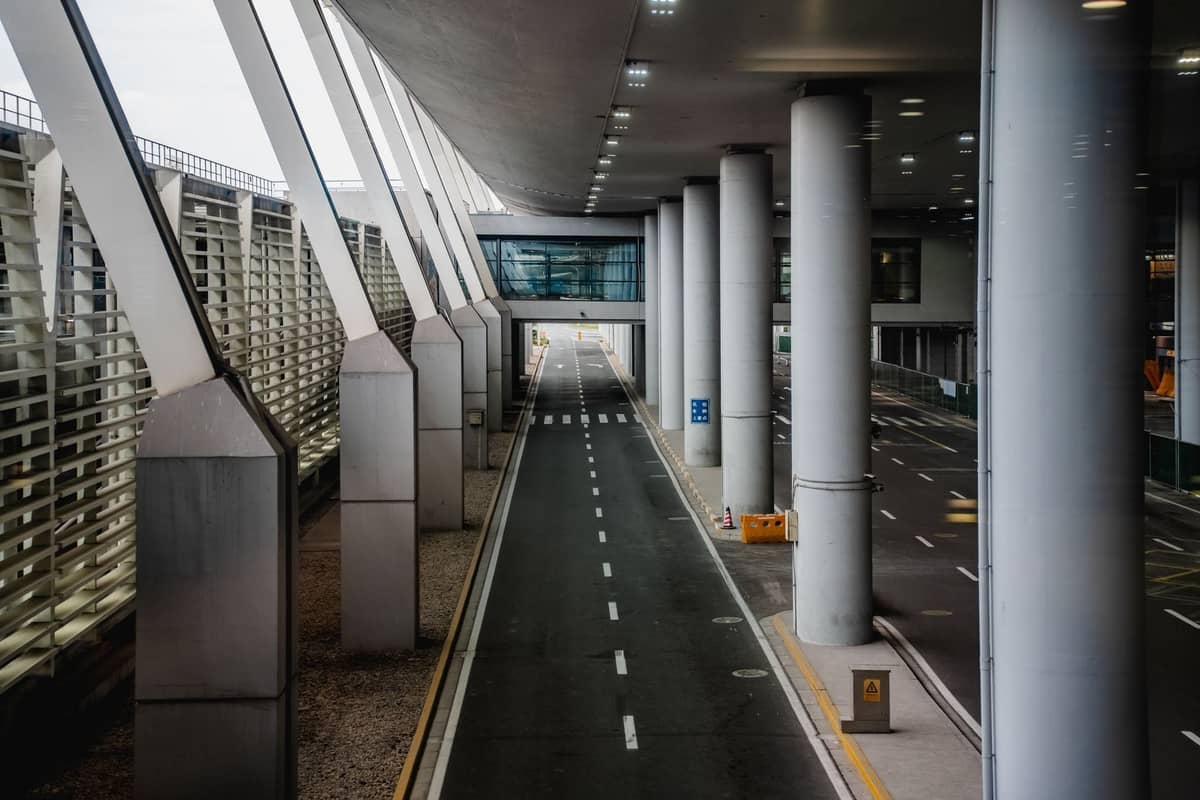
Porto's Francisco Sá Carneiro Airport (IATA: OPO) sits about 11 km from the city centre. Metro Line E connects it to central Porto in around 30 minutes using an Andante ticket. If you are arriving close to the festival date, book transfers in advance: taxis and ride-hailing services (Uber and Bolt both operate in Porto) get extremely busy on the night of 23 June itself.
Public transport typically runs extended hours on São João night. Metro do Porto and STCP (the city bus operator) usually announce special São João services closer to the date on their official websites and apps. Check these directly before the night, as schedules change year to year. For getting around during the rest of your trip, our guide to getting around Porto covers all transport options in detail.
- Book accommodation months ahead: June is high season, and São João weekend is one of the most booked weekends of the year in Porto.
- Many monuments and attractions close early on 23 June — check hours before planning sightseeing that day.
- Carry cash for street food and drinks: not all street vendors accept cards.
- The emergency number in Portugal is 112. Porto is generally safe, but pickpocketing increases significantly in the dense festival crowds.
- Wear comfortable shoes — cobblestones, hills, and long hours of standing are all part of the night.
- Do not drive to the centre on the night of 23 June. Road closures and pedestrianised areas make it impractical.
Accommodation in the Ribeira and Baixa neighbourhoods puts you in the middle of the action without needing transport. If you prefer quieter streets but quick access, staying in Cedofeita or Bonfim gives you a 15–20 minute walk to the main areas. See our where to stay in Porto guide for neighbourhood-by-neighbourhood breakdowns.
Common Misconceptions and Caveats
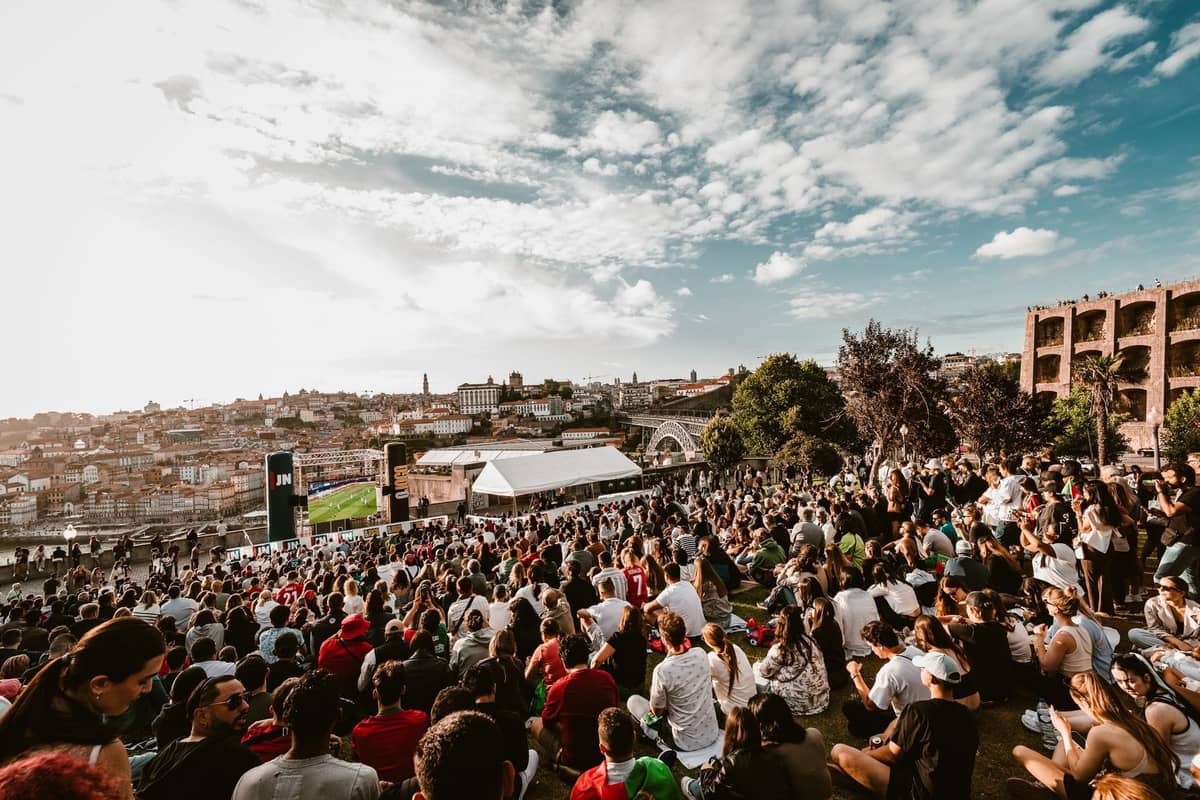
São João is genuinely special, but a few things are worth knowing before you commit significant travel plans around it. First, the night is extremely crowded. The historic centre and riverfront reach densities that some visitors find uncomfortable or even anxiety-inducing around midnight. If you are claustrophobic or travelling with young children, the main waterfront around fireworks time is a difficult environment. The neighborhood arraiais earlier in June are a much better option for families or anyone who wants to experience the festival without the crush.
Second, the plastic hammer tradition is participatory in a way that surprises some visitors. Strangers will tap you on the head with squeaky hammers. This is playful and good-natured, but it is worth knowing in advance. Third, the festival is not a single night — if you are in Porto for most of June, you will encounter events throughout the month. This is actually an advantage: you can experience the neighbourhood parties in places like Ribeira without waiting for the main night. And if your trip coincides with São João, the city's standard attractions such as the Dom Luís I Bridge and the port wine lodges of Vila Nova de Gaia are worth combining with your visit.
✨ Pro tip
If you want the full São João experience without the worst of the midnight crowds, arrive at the riverfront by 9pm, find a spot on the Gaia side, watch the fireworks, and then move toward a neighbourhood arraiais for the rest of the night. The central areas thin out surprisingly fast after the fireworks end, and the neighbourhood parties continue with a much more relaxed atmosphere.
FAQ
When is São João Festival in Porto?
The main celebration is the night of 23 June, running through the early hours of 24 June (which is Porto's municipal holiday). However, neighborhood events, concerts, and folk parades run throughout most of June, beginning in the first or second week of the month.
Is São João Festival free?
Yes, all street parties, concert stages, and the fireworks are free to attend. Your costs will be food, drinks, and transport. Some restaurants offer special São João menus that require advance booking.
Where is the best place to watch the São João fireworks?
The fireworks launch along the Douro between Dom Luís I Bridge and Arrábida Bridge. The Cais de Gaia (Vila Nova de Gaia waterfront) offers excellent views back toward Porto's skyline. Jardim do Morro is a higher, slightly less crowded option. Arrive early to secure a good spot — the waterfront gets very busy.
What should I eat at São João Festival?
Sardines grilled over charcoal are the traditional São João food, sold at street grills throughout the festival areas. Caldo verde (kale soup) is a common pairing. For drinks, look for Super Bock beer and local wine from street vendors and temporary bars.
How crowded is São João and is it suitable for families?
The main night (23 June) around the Ribeira waterfront and city centre reaches very high crowd densities around midnight. It can be uncomfortable for those with claustrophobia or young children. Families are better served by attending the neighbourhood arraiais during the preceding days, typically 18–22 June, where the atmosphere is festive but far more manageable.