What to Eat in Porto: A Guide to Traditional Food & Dishes
Porto's food culture runs deep, shaped by northern Portuguese cooking traditions that prize hearty ingredients, salt cod, and rich slow-cooked stews. This guide covers the essential dishes, where to find them, what they actually cost, and a few things worth skipping.
Plan and book this trip
Tools from our partner Travelpayouts help you compare flights and hotels. If you book through them, we may earn a commission at no extra cost to you.
Flights
Hotels map
TL;DR
- Francesinha is Porto's defining dish: a layered meat sandwich drowned in beer-tomato sauce, priced around €10–€15 in most sit-down restaurants.
- Tripas à moda do Porto is the city's most historic dish, a slow-cooked tripe and pork stew, and the reason locals are nicknamed 'tripeiros'.
- Salt cod (bacalhau) appears in dozens of forms across Porto's menus — pastéis de bacalhau and bacalhau com natas are the most approachable starting points.
- Budget lunch in a local tasca (prato do dia) runs €8–€12 including a main and sometimes a drink. Eating well on a budget in Porto is genuinely achievable.
- The Mercado do Bolhão and Casa Portuguesa do Pastel de Bacalhau near the Clérigos Tower are the two best food stops in the city centre.
The Francesinha: Porto's Most Famous Dish
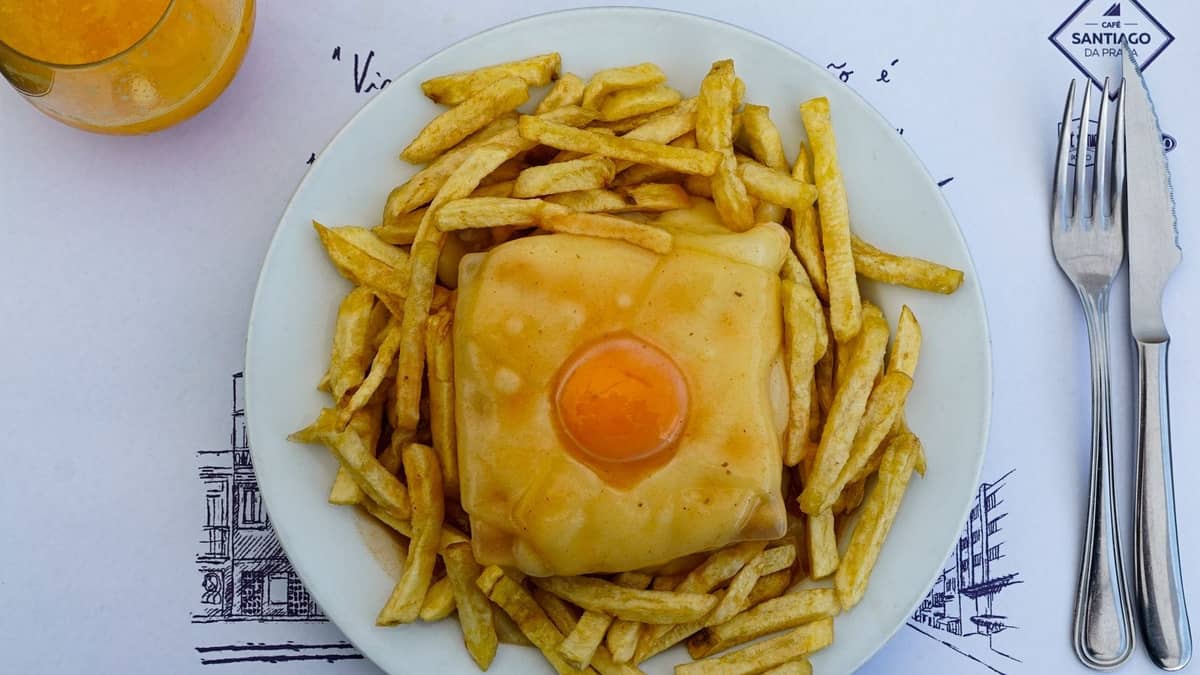
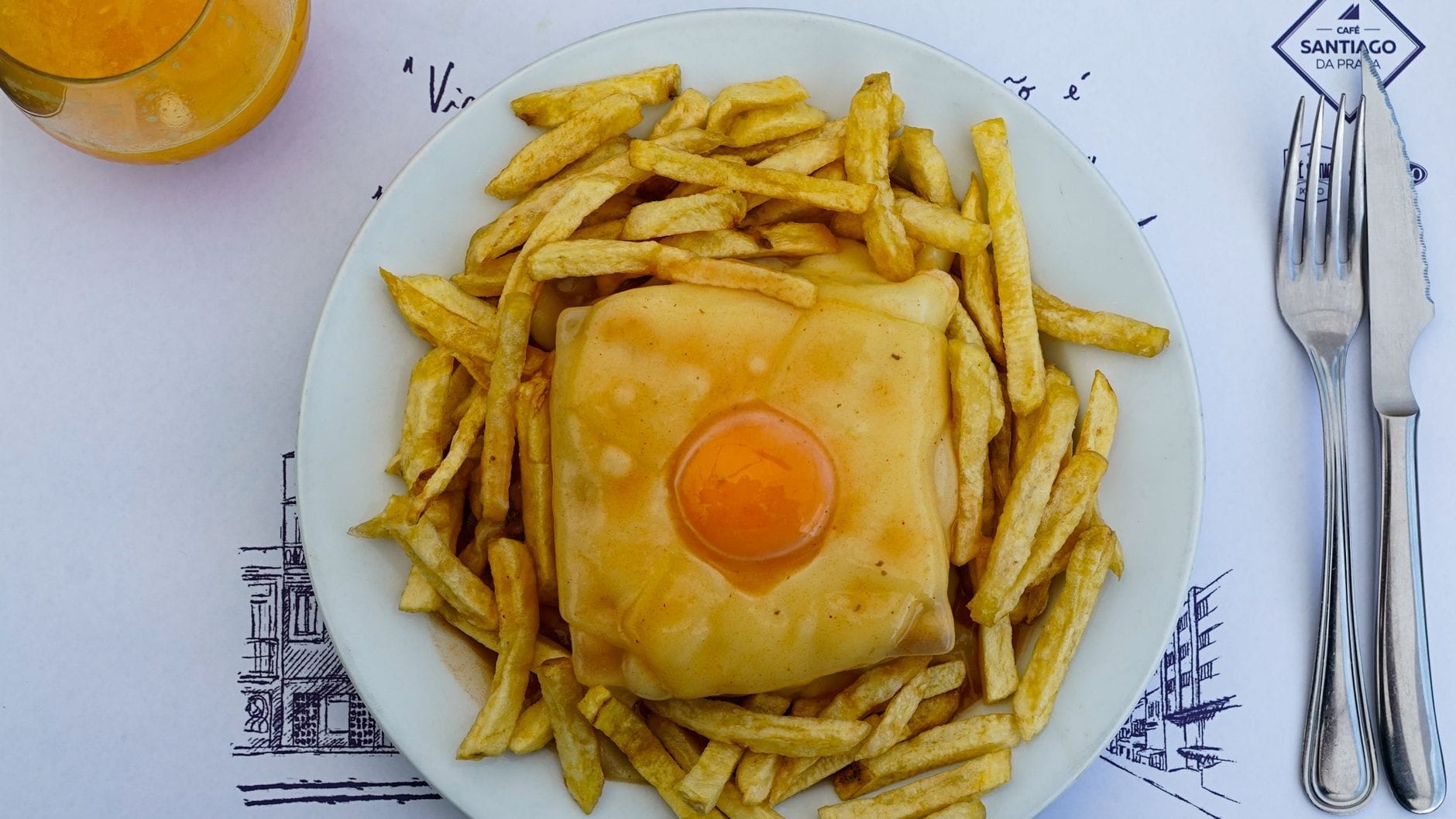
No dish defines Porto more completely than the francesinha. What looks like an ordinary toasted sandwich from the outside is something else entirely: thick slices of bread layered with linguiça sausage, smoked ham, and either steak or roast beef, then covered in melted cheese and topped with a fried egg. The whole construction is then flooded with a thick, glossy sauce made from beer, tomato, and spices, the exact recipe of which every restaurant keeps as a closely guarded secret. The result is intensely rich, mildly spicy, and unambiguously heavy. Most orders come with a side of thin fries partly submerged in the sauce.
The francesinha is not a national Portuguese dish. It is specific to Porto, reportedly created in the 1950s or 1960s as a locally adapted version of the French croque monsieur. You will find it across Portugal in tourist-facing restaurants, but outside of northern Portugal the sauce quality drops sharply. In Porto itself, even mid-range tascas take the sauce seriously. Expect to pay €10–€15 for a standard serving with fries in a sit-down restaurant in the city centre. Some spots charge closer to €18 in highly trafficked tourist areas, particularly around Ribeira.
💡 Local tip
Order a francesinha at lunch rather than dinner. Portions are large and the dish is heavy, so eating it midday gives you time to walk it off. Many locals eat it as a late Saturday lunch, not a weeknight dinner.
Not everyone loves it. The sauce is polarising: some find it deeply satisfying, others find the combination of beer, offal notes, and melted cheese too aggressive. If you are sensitive to very rich food or dislike strong flavours, it is worth trying a half-portion or splitting one between two people. It is also not suitable for anyone avoiding gluten, dairy, or pork in any meaningful way.
Tripas à Moda do Porto: The Dish That Named a People
Portuenses are called 'tripeiros,' meaning tripe eaters, and this nickname is worn with genuine pride. The story behind it traces back to the 15th century, when the city's population reportedly donated their best meat to supply the fleet of Prince Henry the Navigator, leaving themselves with only offal. Whether or not that origin story is historically exact, tripas à moda do Porto has been a cornerstone of the city's identity ever since.
The dish itself is far more substantial than the name suggests. It is not a light tripe soup. It is a slow-cooked stew combining pork tripe, beef stomach, chouriço, bacon, white beans, and rice, cooked down with onion, garlic, bay leaf, olive oil, and black pepper over several hours. The result is thick, intensely savoury, and deeply filling. It is most commonly eaten in the colder months from October through March, though traditional restaurants serve it year-round. Expect to pay around €10–€14 for a main portion in a local restaurant.
⚠️ What to skip
Tripas is not for everyone, and there is no shame in that. The texture of slow-cooked tripe is gelatinous and the flavour is pronounced. If you are uncertain, ask for a small taste before committing. Any honest restaurant will oblige.
Bacalhau and Other Salt Cod Dishes
Portugal's national dish is bacalhau — salt-dried cod — and while it belongs to the whole country, Porto's northern cooking tradition treats it with particular seriousness. The commonly cited figure is that there are over 1,000 recipes for bacalhau in Portugal. In practice, most menus in Porto feature three or four preparations, and the same few dishes appear across the city with enough consistency to learn before you arrive.
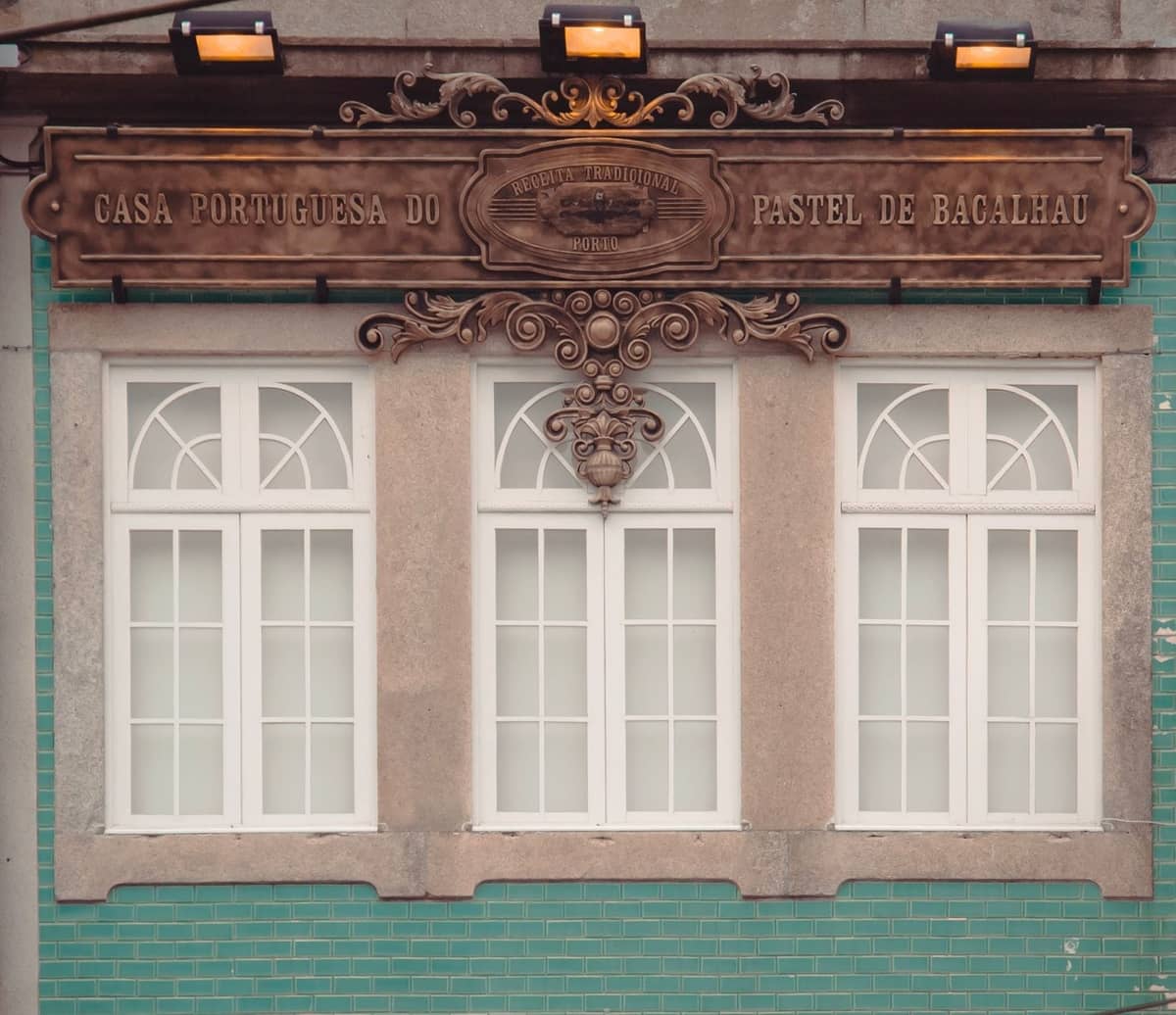
- Pastéis de bacalhau Deep-fried oval cakes made from shredded salt cod, mashed potato, egg, onion, and parsley. Light on the outside, dense and savoury inside. Sold individually for roughly €2–€4 at specialty shops. The most famous spot near the city centre is Casa Portuguesa do Pastel de Bacalhau, which adds a slice of Serra da Estrela cheese inside the cake. Worth trying at least once.
- Bacalhau com natas Baked layers of salt cod, thinly sliced potato, onion, and cream, finished with breadcrumbs on top. Comforting and mild, good for people who find straight bacalhau too strong. Common in traditional restaurants throughout the city.
- Bacalhau à Brás Shredded bacalhau scrambled with eggs, thin fries, and onion, garnished with black olives and parsley. One of the most common preparations in Portugal and a reliable choice if you want something lighter than a full baked dish.
- Bacalhau à Gomes de Sá A baked dish of flaked salt cod, potatoes, onion, garlic, and olive oil, topped with hard-boiled egg and olives. This recipe reportedly originates in Porto itself, named after a 19th-century merchant from the city.
For a hands-on introduction to Porto's food culture, including bacalhau in multiple forms, food-focused experiences in Porto are available through local tour operators such as Taste Porto, which runs structured tastings through the city's historic streets. These are most useful for first-time visitors who want context alongside the food.
Soups, Sandwiches, and Everyday Porto Eating
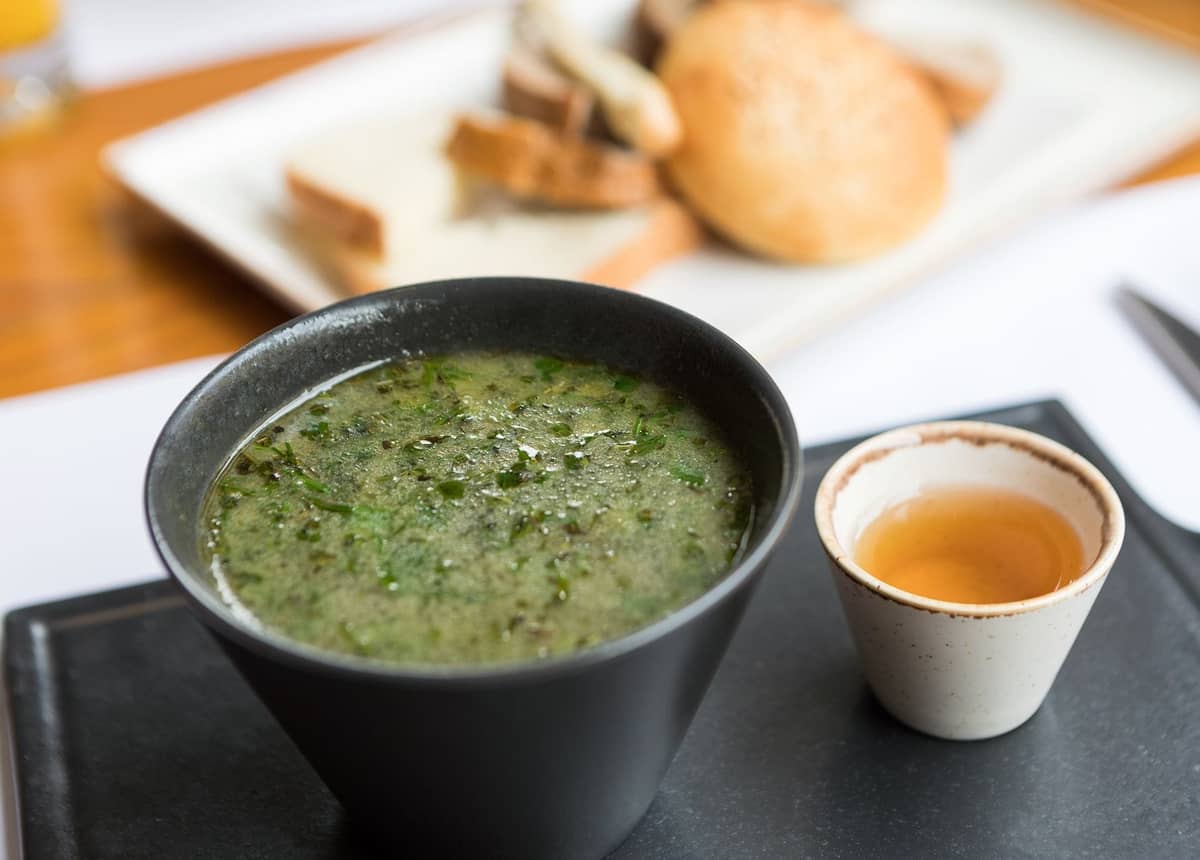
Beyond the flagship dishes, Porto has a strong tradition of everyday eating that is easy on the wallet and reflects what locals actually consume on a Tuesday afternoon. Caldo verde is the most common soup in northern Portugal: a thin, bright green broth made from potatoes blended smooth, with shredded Galician kale or collard greens stirred in and a slice of chouriço floated on top. It is served at nearly every traditional restaurant and is particularly good in cold or rainy weather. Expect to pay €3–€5 for a bowl.
Bifanas are pork steak sandwiches marinated in garlic and white wine, served in a soft roll. They are sold at tascas, snack bars, and market stalls for around €2–€4 and represent the best value street-food option in the city. Cachorrinhos are a smaller, spicier variant: mini sausages with a sharp sauce and melted cheese, often eaten standing at a counter. Both are underrated compared to the francesinha and far less intimidating for first-time visitors.
✨ Pro tip
Look for restaurants with a handwritten 'prato do dia' (dish of the day) board near the entrance. These daily specials in small tascas typically cost €8–€12 and include a main, sometimes bread, and occasionally a drink or coffee. This is how most locals eat lunch on weekdays.
Porto's Best Markets and Food Stops
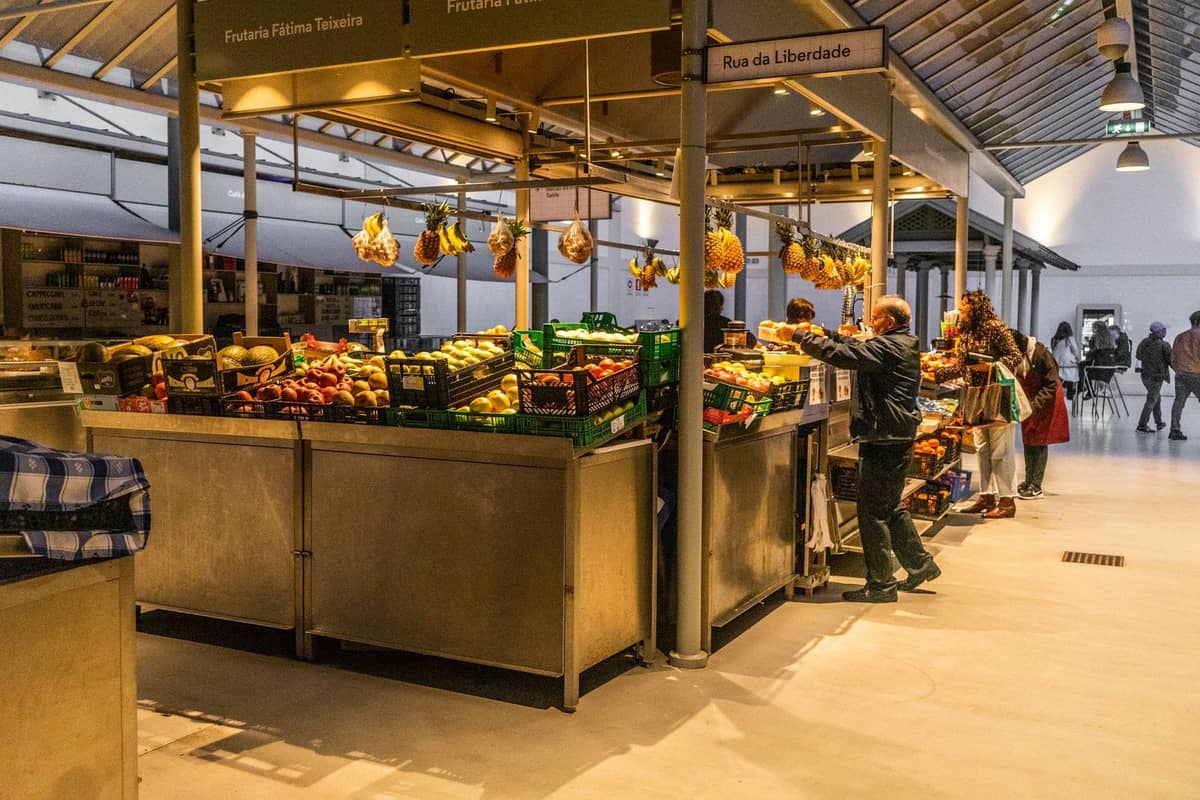
The Mercado do Bolhão is Porto's central market, a two-storey iron and stone structure in the Baixa district that reopened after a major renovation in 2022. It sells fresh produce, cheese, smoked meats, fresh fish, flowers, and pastries from local vendors. Several small food counters inside serve simple traditional meals. It is busy from mid-morning and closes in the early afternoon on most days, so arrive before noon for the best selection. Opening hours and vendor availability change; verify the current schedule before planning your visit around it.
For seafood, the waterfront area of Matosinhos, a coastal municipality just north of Porto, is where locals go for grilled fish and seafood. The streets around Rua Heróis de França are lined with seafood restaurants that grill fish over charcoal on the pavement outside. Grilled sea bass, dourada (gilt-head bream), and octopus are the standards. This is not a tourist area in the usual sense, prices are lower than in Ribeira, and the quality is consistently higher than most central Porto seafood restaurants.
- Mercado do Bolhão Historic covered market in Baixa. Best for fresh produce, cheese, smoked meats, and a sense of daily Porto life. Arrive before noon.
- Casa Portuguesa do Pastel de Bacalhau Near the Clérigos Tower. Specialises in cheese-filled cod cakes. Expect a queue during peak hours. Worth the wait for a single serving, but the prices are slightly elevated compared to standard pastelarias.
- Matosinhos seafront The best address for grilled fish and seafood in Greater Porto. A short metro ride from the city centre. More authentic and better value than Ribeira's seafront restaurants.
- Tascas in Bonfim and Cedofeita The neighbourhoods east and west of the centre have a higher concentration of local, non-tourist-facing restaurants serving traditional dishes at honest prices. Worth exploring if you have more than two days.
Sweets, Pastries, and What to Drink
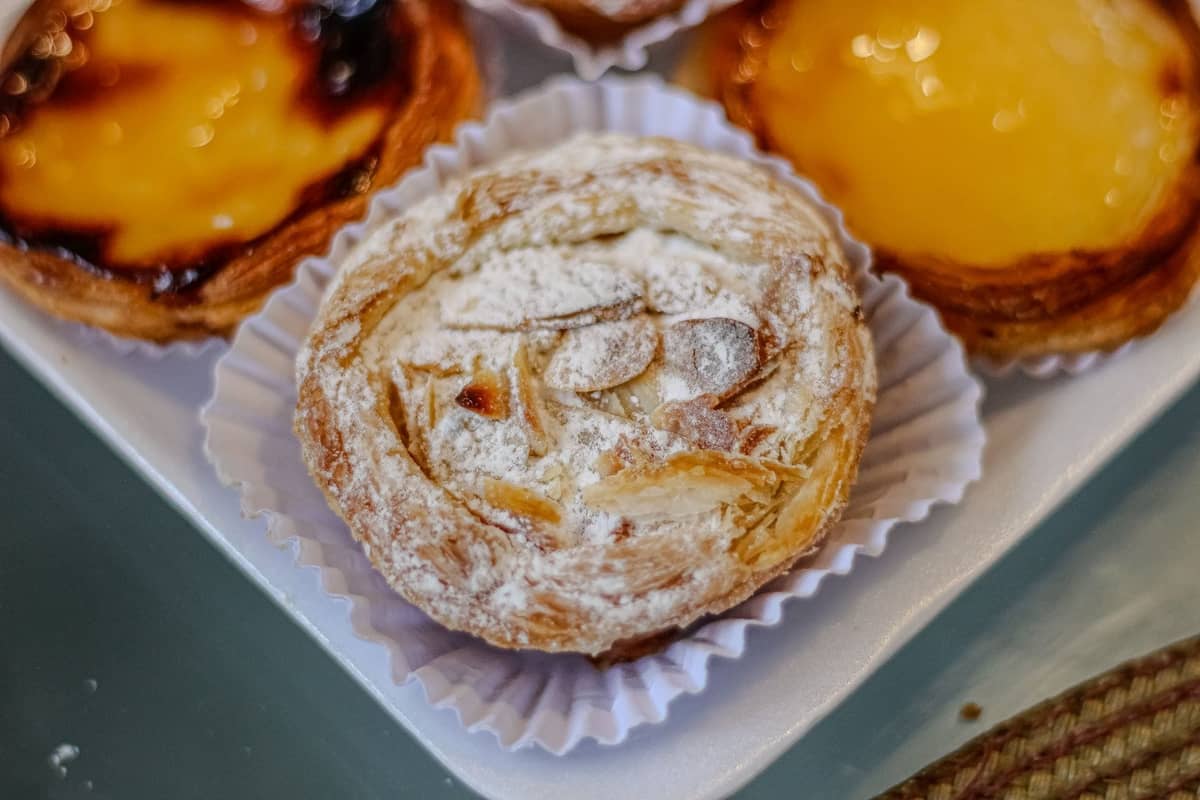
Pastel de nata, the custard tart with a flaky pastry shell and slightly charred top, is the most recognisable Portuguese pastry internationally, but it is not from Porto. It originates in Lisbon. Porto has its own pastry tradition: jesuítas are triangular flaky pastries filled with egg cream and glazed with white icing, sold at Confeitaria do Bolhão and a handful of traditional pastelarias. Bola de Berlim is a large fried doughnut filled with egg custard cream, sold at beach kiosks in summer. Arroz doce (sweet rice pudding dusted with cinnamon) appears on most traditional restaurant menus as a dessert.
On the drinks side, Porto is the departure point for port wine, though the wine itself is produced in the Douro Valley upstream and aged across the river in Vila Nova de Gaia. A glass of port at a lodge in Gaia costs around €3–€8 depending on the style. Vinho verde, a light, slightly effervescent white wine from the Minho region to the north, is the go-to table wine in Porto's restaurants and pairs well with seafood and bacalhau dishes. Sagres and Super Bock are the standard domestic lagers; Super Bock is the local favourite and comes in at around €1.50–€2.50 for a small glass in a traditional bar.
ℹ️ Good to know
Sardines grilled over charcoal are most commonly eaten during the São João festival in late June, when street stalls across the city set up grills and the whole of Porto smells of smoke and charred fish for about a week. If your visit coincides, do not miss it. Outside of summer, sardines appear on menus but are less central to the city's eating culture.
Seasonal Eating Patterns and Practical Tips
Porto's food culture follows the seasons more closely than most visitors expect. Hearty dishes like tripas, caldo verde, and bean stews such as feijoada are eaten year-round in traditional restaurants, but they are most common and most satisfying between October and March when the city is cooler and wetter. In summer, particularly during the São João festivities in late June, grilled seafood dominates: sardines, octopus, and piri-piri prawns are sold from outdoor stalls and packed into restaurant menus. The shift is noticeable if you visit in both seasons.
Tipping in Porto follows Portuguese custom: it is not obligatory, but leaving small change or rounding up is appreciated in sit-down restaurants. A 5–10% tip is generous and well-received; leaving nothing is not considered rude. For a broader sense of how to navigate the city day to day, the guide to getting around Porto covers transport between neighbourhoods, which matters when you are deciding between eating in Ribeira, Bonfim, or making the trip out to Matosinhos for fish.
- Lunch (almoço) runs roughly 12:30–15:00; this is when local restaurants are busiest and pratos do dia are available.
- Dinner (jantar) starts later than in northern Europe, rarely before 19:30 and more commonly 20:00–21:00 in local restaurants.
- Many small tascas are closed on Sundays and sometimes Mondays. Always check before making a special trip.
- Tourist-facing restaurants around Ribeira and near São Bento station charge a premium. The food is not always better — the location is what you are paying for.
- Bread and butter or olives placed on your table at the start of a meal are typically charged as 'couvert' at €1–€2 per person. You can refuse them and pay nothing.
FAQ
What is the most traditional dish in Porto?
Tripas à moda do Porto is the city's most historically rooted dish, a slow-cooked tripe and pork stew that gave Portuenses their nickname 'tripeiros'. The francesinha is more famous internationally but is a 20th-century creation. Both are worth eating, but tripas is the older and more deeply local tradition.
How much does a francesinha cost in Porto?
Most sit-down restaurants in central Porto charge €10–€15 for a francesinha including fries. Prices in heavily tourist-facing areas around Ribeira can reach €16–€18. You are unlikely to find a quality version for under €10 in a restaurant setting, though cheaper versions exist at snack bars with simplified sauces.
Is Porto good for vegetarian or vegan travellers?
Traditional Porto cuisine is heavily meat and fish based. Vegetarian and vegan restaurants do exist in the city, particularly in Cedofeita and Bonfim, but the classic traditional menu is not naturally accommodating. Caldo verde can be ordered without chouriço, and bacalhau-free side dishes are available, but anyone with strict dietary requirements should check menus in advance.
Where is the best place to eat seafood in Porto?
Matosinhos, a coastal municipality a short metro ride from the city centre, is where locals go for serious seafood. The streets around Rua Heróis de França have a concentration of restaurants grilling fish over charcoal outside. The quality is higher and prices are lower than seafood restaurants in Ribeira or near the historic centre.
What is a prato do dia and how much does it cost?
Prato do dia is the daily special, a practice common in small traditional restaurants (tascas) throughout Porto. It typically includes a main course with sides and sometimes bread, a drink, or coffee. Most pratos do dia cost €8–€12. It is the most cost-effective way to eat a full, traditional Portuguese meal in Porto.