Porto on a Budget: How to Visit Porto Cheaply Without Missing the Best of It
Porto is one of Western Europe's most affordable city-break destinations, but only if you know where to spend and where to save. This guide covers free sights, budget transport, cheap local food, and the common mistakes that quietly drain your wallet.
Plan and book this trip
Tools from our partner Travelpayouts help you compare flights and hotels. If you book through them, we may earn a commission at no extra cost to you.
Flights
Hotels map
TL;DR
- Porto is genuinely affordable by Western European standards, but daily costs vary widely. Budget travelers can manage on €50–70 per person per day; comfortable mid-range trips typically run €100–160.
- The metro is the smartest transport investment. A Z2 or Z3 Andante 24-hour pass (around €5.15–€6.65) covers most central trips; the Andante Tour 1 card (~€7.50–€7.75) covers all zones including the airport.
- Many of Porto's best experiences are free: the Ribeira waterfront, São Bento Station's azulejo panels, the Crystal Palace Gardens, and every miradouro (viewpoint) in the city.
- Order the prato do dia (daily set lunch) at any local restaurant. For €8–12 you typically get soup, a main course, dessert, and a glass of wine.
- Check the full list of free things to do in Porto before deciding which paid attractions are worth it for your trip.
Why Porto Works Well for Budget Travel
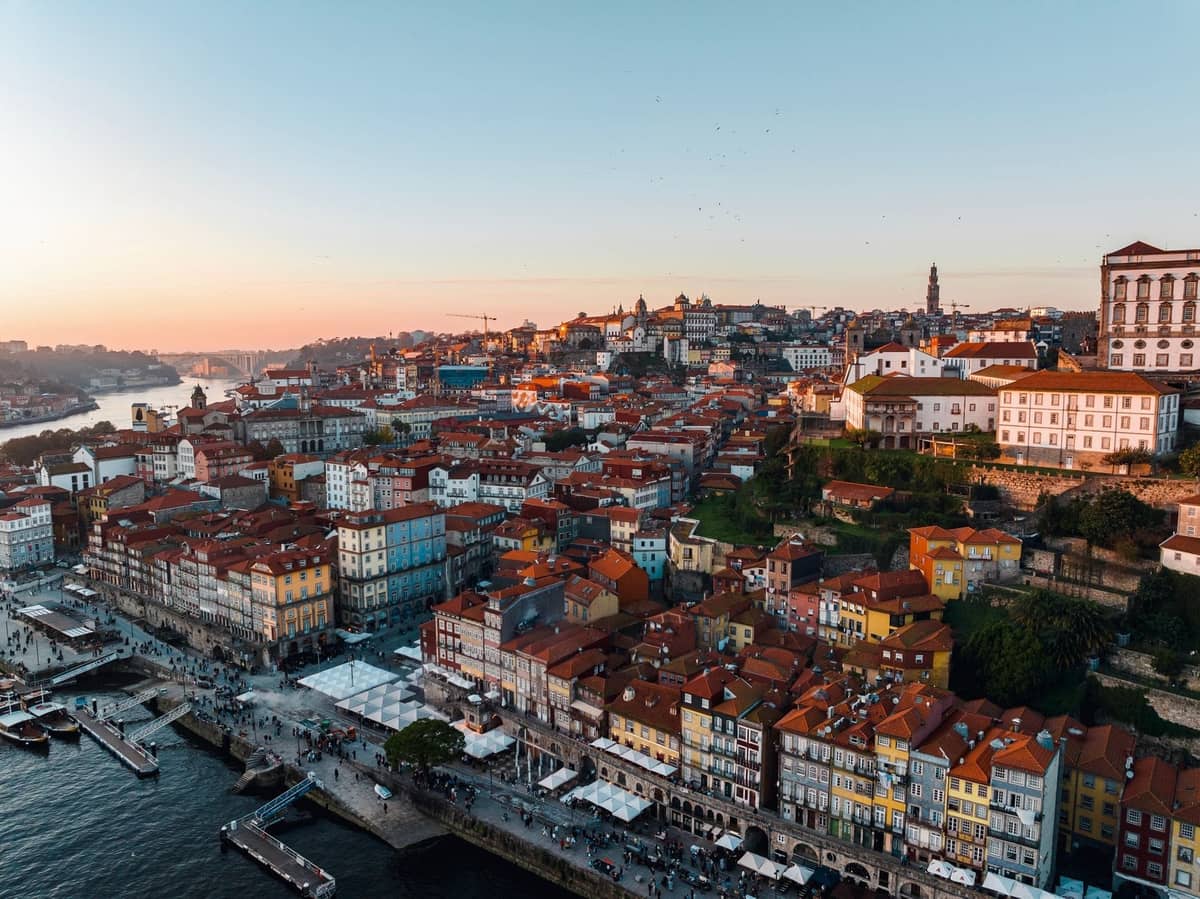
Porto, Portugal sits in a useful position for budget travelers: it is a UNESCO World Heritage city with genuine history, excellent food, and real cultural depth, but it has not yet hit the price points of Barcelona, Lisbon, or Amsterdam. The city's compact geography helps too. Most of the major sights in the historic centre, Ribeira, and Baixa are within 20–30 minutes of each other on foot, which means you can easily spend two or three days here without paying for a single metro ticket if you base yourself centrally.
That said, Porto has become significantly more popular with tourists over the past decade, and some experiences have priced up accordingly. Port wine tastings at the big lodges in Vila Nova de Gaia range from €8 for a basic tasting to €30+ for premium experiences. Livraria Lello, the famous bookshop, now charges an entry fee (redeemable against a purchase). Understanding which costs are worth it and which are tourist-price inflation is the real skill for visiting Porto cheaply.
ℹ️ Good to know
Porto follows Portugal's entry rules under the Schengen Area. Visa requirements depend on your nationality, so confirm current rules with your country's government or the Portuguese consulate before booking. The currency is the Euro (EUR).
Budget Accommodation: What to Expect and Where to Look
Hostel dorm beds in Porto typically run €15–25 per night, while private rooms in budget guesthouses and small hotels sit closer to €40–75 per night, depending on the season. Book at least two to three weeks ahead for June, July, and August, when accommodation prices jump significantly. The shoulder months of May, September, and early October offer the best combination of reasonable rates and good weather.
For location, the Baixa and Bonfim neighborhoods offer the most central budget options without the tourist premium that Ribeira sometimes carries. Cedofeita is another solid choice: residential enough to feel local, but a 10–15 minute walk to the main sights. If you're flexible on dates, check both Booking.com and Airbnb, as prices sometimes differ substantially between platforms for the same week.
⚠️ What to skip
Avoid booking the cheapest accommodation in Ribeira if you are a light sleeper. The narrow riverside streets generate significant nighttime noise, especially on weekends. A slightly quieter location 10 minutes uphill can meaningfully improve your stay at no extra cost.
Getting Around Porto Without Spending Much
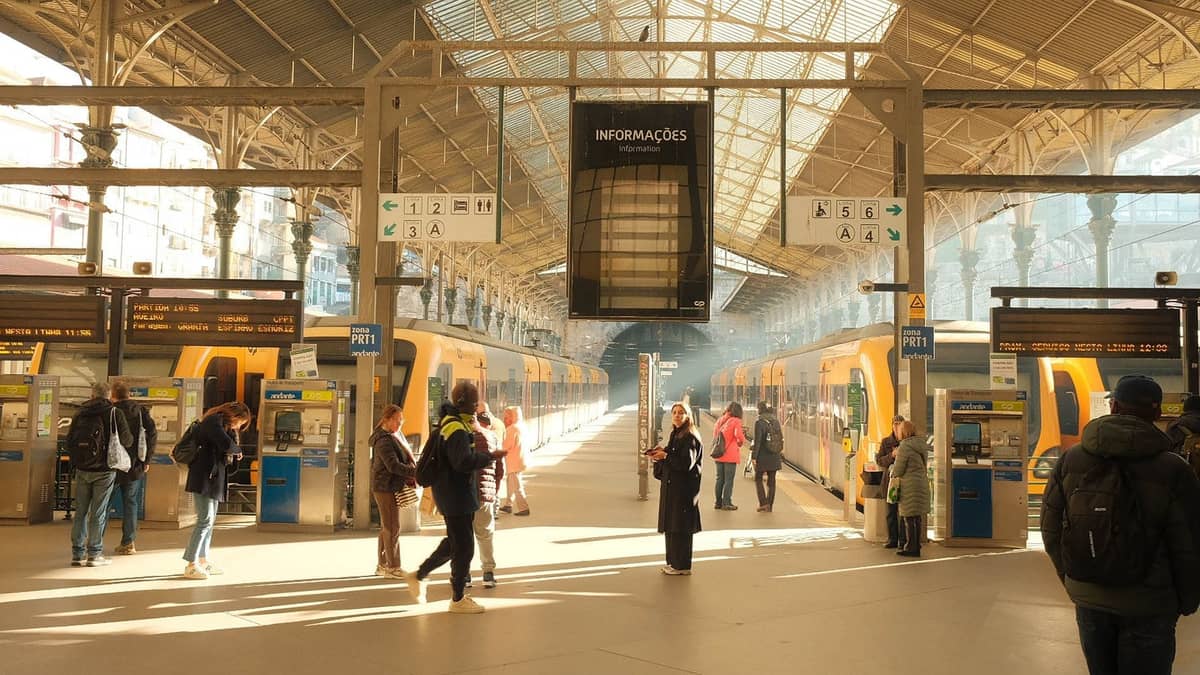
Porto's public transport network runs on the Andante ticketing system, which integrates the metro, municipal buses, and some suburban trains. For most visitors exploring the historic centre, a Z2 or Z3 Andante 24 card covers the relevant zones and currently costs about €5.15–6.65 for 24 hours, while the Andante Tour 1 tourist card covering all zones is about €7.50–7.75. The 24-hour passes quickly pay off if you make three or more journeys in a day. For a longer stay, there are also 72-hour options worth comparing against single-trip fares.
From Francisco Sá Carneiro Airport, about 11 km from the city centre, the metro is the budget-correct choice. Line E connects directly to central Porto in roughly 30 minutes, using an Andante Z4 ticket. Compare this to taxis or ride-hailing via Uber or Bolt, which are more convenient with heavy luggage but cost significantly more. For a deeper breakdown of all airport transfer options, see the Porto airport transport guide.
Walking is genuinely the best way to see Porto if you are physically able. The city is hilly, so good footwear matters more than any transit pass. The historic trams (particularly Line 1 along the river) are atmospheric but priced as tourist experiences rather than practical transit. Take one for the experience if you want, but don't rely on them for getting around.
- Andante 24-hour pass Around €5.15–€6.65 for Z2/Z3 central zones, or ~€7.50–€7.75 for the all-zone Andante Tour 1 card. Best value if you make 3+ metro or bus trips in a day.
- Porto Card Includes unlimited transport plus museum discounts. Available in 1–4 day versions. Only worth buying if you plan to visit multiple paid attractions — calculate first.
- Airport metro (Line E) Around 30 minutes from the airport to central Porto. Requires a Z4 Andante ticket. The clearest budget choice for solo travelers and light packers.
- Walking Most of the UNESCO-listed historic centre is walkable. Expect steep hills in Ribeira and around the Clérigos Tower area.
- Uber and Bolt Useful for late nights or reaching Foz do Douro or Matosinhos when metro frequency drops. Not a daily budget strategy.
Free and Low-Cost Things to Do in Porto
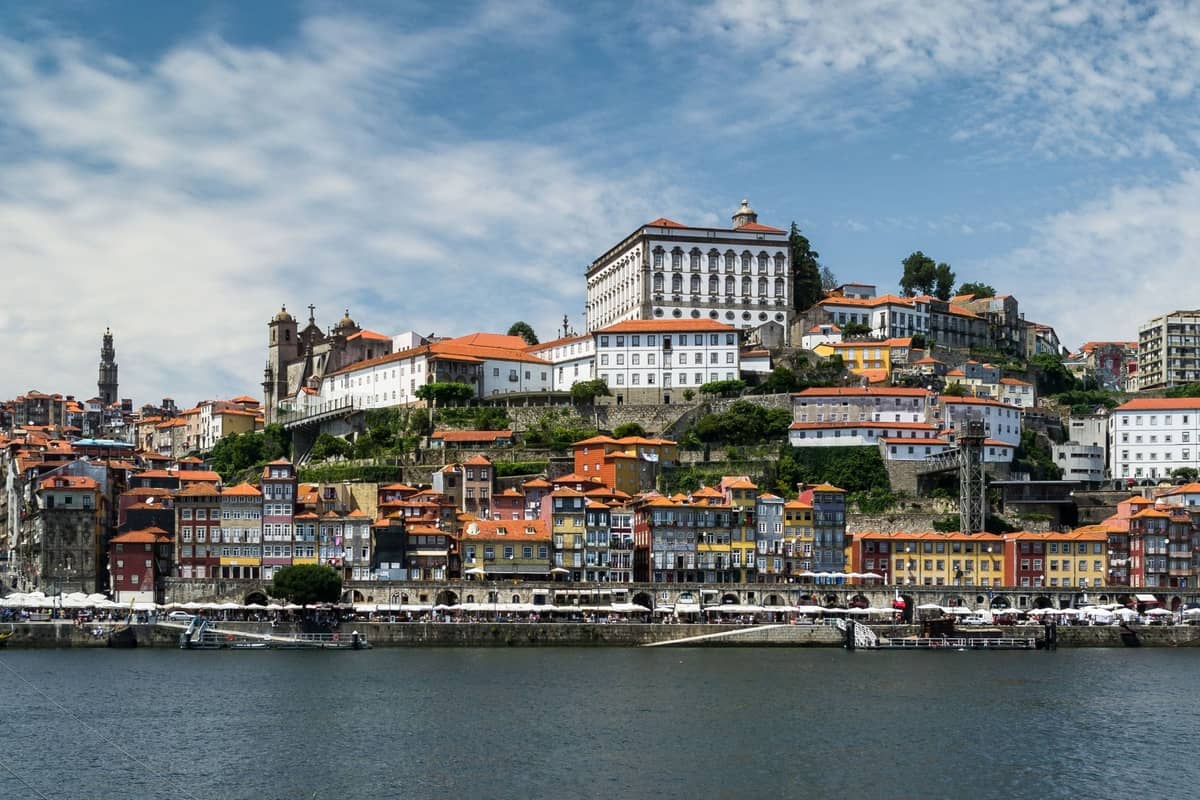
Porto's historic core delivers an enormous amount for free. São Bento Railway Station contains roughly 20,000 azulejo tiles depicting Portuguese history and is entirely free to enter. The Ribeira waterfront is best experienced on foot, wandering the medieval alleyways that run uphill from the river. Neither costs you anything except time.
The viewpoints scattered across Porto — known locally as miradouros — are some of the city's finest experiences and cost nothing. The Miradouro da Vitória offers a classic view of the historic centre and Douro valley. For a longer walk, Palácio de Cristal Gardens is free to enter and provides expansive river views alongside manicured parkland.
Churches are another underused free resource. Porto has an extraordinary concentration of them, many with remarkable interiors. Igreja de São Francisco, the most famous, does charge for entry, but Igreja do Carmo and the Chapel of Souls on Rua de Santa Catarina can be visited from the outside for free, and their azulejo-covered facades are the draw anyway. Check each church individually for opening times and any entry fees before visiting.
Several Porto museums offer free or reduced admission on Sunday mornings. This includes some state-run institutions, but the specific museums and hours change, so verify on each institution's official site. The best museums in Porto guide covers what's worth paying for and what's skippable.
- São Bento Railway Station — free, azulejo tile panels, open during station hours
- Ribeira waterfront alleyways — free to walk anytime
- Palácio de Cristal Gardens — free entry, great river views
- Miradouro da Vitória and other city viewpoints — all free
- Rua das Flores — free to walk; tile-fronted buildings and local commerce
- Matosinhos beach — reachable by metro, no entry cost
- Dom Luís I Bridge walkway — free to cross on both the upper and lower levels
Eating Well in Porto Without Overspending
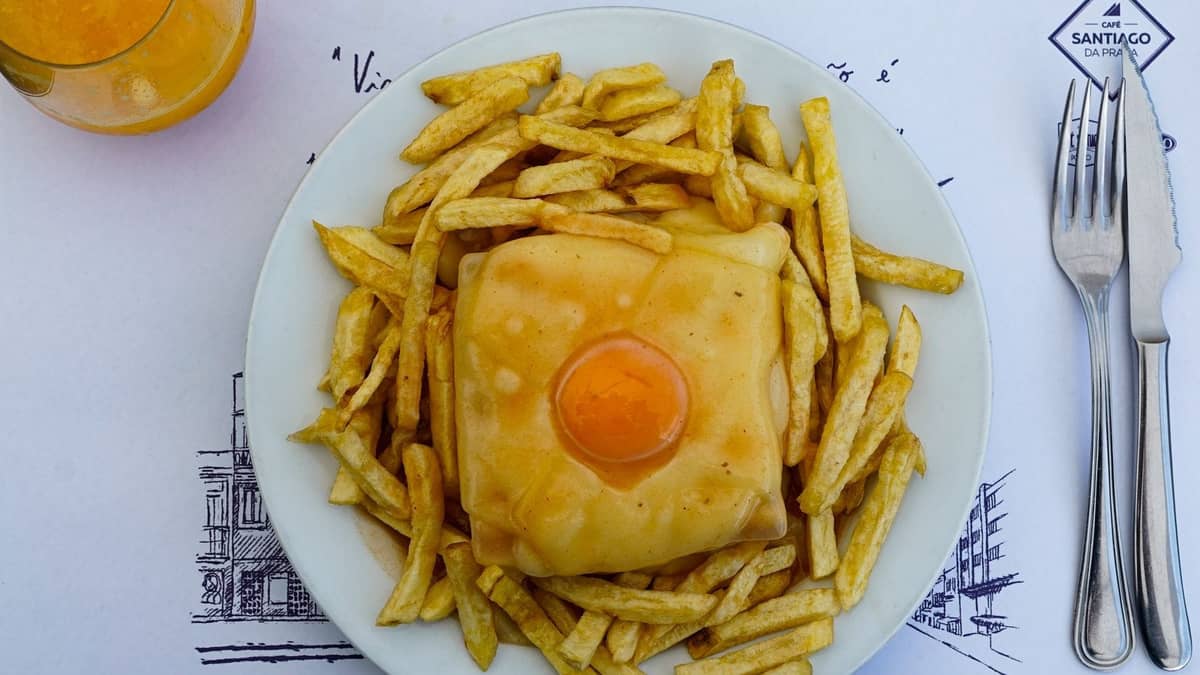
Food is where Porto rewards budget travelers most generously. The prato do dia, or daily set lunch, is the single best value meal in the city. For €8–12 at most local tascas (small traditional restaurants), you get a bowl of soup, a substantial main course, a dessert, and a glass of wine or water. This is not tourist food. It is what local workers eat, and the quality is often genuinely high.
Avoid restaurants with laminated picture menus near Ribeira and around the main tourist squares. These venues are priced for visitors who don't know alternatives exist. Walk one or two streets back from the waterfront and prices drop noticeably. The Bonfim and Cedofeita neighborhoods have good concentrations of non-tourist restaurants.
⚠️ What to skip
The bread, butter, and olives placed on your table in Portuguese restaurants are almost never free. They are part of the couvert, a cover charge that gets added per person if you eat them. You are within your rights to send them back. If you don't, expect to pay €1–3 per person extra on the bill.
For a complete breakdown of what to order and where to eat well without paying tourist prices, see the Porto food guide. The francesinha, Porto's signature sandwich, varies wildly in price from around €10 at local spots to €18–20 at touristy restaurants. It's the same dish.
The Porto Card: Worth It or Not?
The Porto Card, sold through the official Visit Porto tourism board, includes unlimited public transport and discounts or free entry at a range of museums and attractions. It comes in 1, 2, 3, and 4-day versions, with or without transport included. On paper it looks like strong value. In practice, whether it saves you money depends entirely on which attractions you actually plan to visit.
Before buying, list out the attractions you want to see and check their individual admission prices. Add up what you'd pay individually, then compare to the card price. Many visitors find they visit fewer paid attractions than they expected, especially if they are comfortable spending time in free spaces. If you plan to visit Serralves Museum, a port wine lodge, and use the metro regularly, the card can pay off. If you're mostly walking, eating, and visiting free sites, skip it.
✨ Pro tip
May, June, and September are the sweet spot for budget travel to Porto. Accommodation prices are lower than in July and August, the weather is reliably good for walking, and popular sites like Livraria Lello are less overwhelmed. Visiting in November or February cuts costs further but brings genuine rain and some shortened attraction hours.
Budget Mistakes Most Visitors Make in Porto
Taking a taxi from the airport when the metro is running costs significantly more for no practical benefit if you have manageable luggage. The metro Line E runs directly to central Porto and Campanhã station in about 30 minutes. Save the taxi for late arrivals when frequency drops or when travelling in a group where splitting the fare makes sense.
Booking Livraria Lello tickets at full walk-up price without factoring in the voucher deduction. The bookshop charges an entry fee, but it is redeemable against any purchase inside. If you buy a book anyway, you effectively visit for free. If you have no intention of buying anything, the fee stands.
Skipping Vila Nova de Gaia entirely because port wine seems expensive. Most of the big lodges offer entry-level tastings for €8–12, and the views of Porto from the Gaia riverside are among the best in the city at no extra cost. The port wine guide for Porto explains how to taste well without committing to premium packages.
FAQ
How much does a day trip to Porto cost?
A realistic budget day in Porto runs €30–50 per person if you use public transport (around €5.15–€7.75 for an Andante day pass depending on zones), eat a prato do dia set lunch (€8–12), visit one paid attraction (€5–15), and stick to free sights otherwise. Add accommodation if staying overnight: €15–25 for a hostel dorm, €40–75 for a budget private room.
Is the Porto Card worth buying?
Only if you plan to visit multiple paid museums and use public transport heavily. Add up individual admission prices for the attractions you actually want to see and compare that total to the card price. For visitors spending most of their time at free sites, the card rarely pays off.
What is the cheapest way to get from Porto airport to the city centre?
The metro Line E connects Francisco Sá Carneiro Airport to central Porto in roughly 30 minutes using an Andante Z4 ticket. This is consistently the cheapest option for solo travelers with manageable luggage. Taxis and ride-hailing (Uber, Bolt) are faster with heavy bags or for groups splitting costs, but cost significantly more.
What time of year is cheapest to visit Porto?
November through February sees the lowest accommodation rates and fewer tourists. The trade-off is more rain, cooler temperatures, and some attractions running reduced hours. For a better balance of low cost and decent weather, May and September are the strongest choices — shoulder season pricing with reliable sun.
Are there free museums in Porto?
Some state-run Portuguese museums offer free entry on Sunday mornings or at specific times, and this applies to certain Porto institutions. However, the specific museums and their free-entry hours change, so check each museum's official website before visiting rather than assuming. The Porto Card also provides free or discounted entry to select museums.