Getting Around Porto: Metro, Buses, Trams & Airport Transfers Explained
Porto's public transport network is more straightforward than it looks, but a few missteps — buying the wrong ticket, boarding a tram without cash, or missing a zone validation — can cost you time and money. This guide covers every option: the metro, STCP buses, historic trams, funiculars, taxis, ride-hailing apps, and how to get from Francisco Sá Carneiro Airport to the city centre without overpaying.
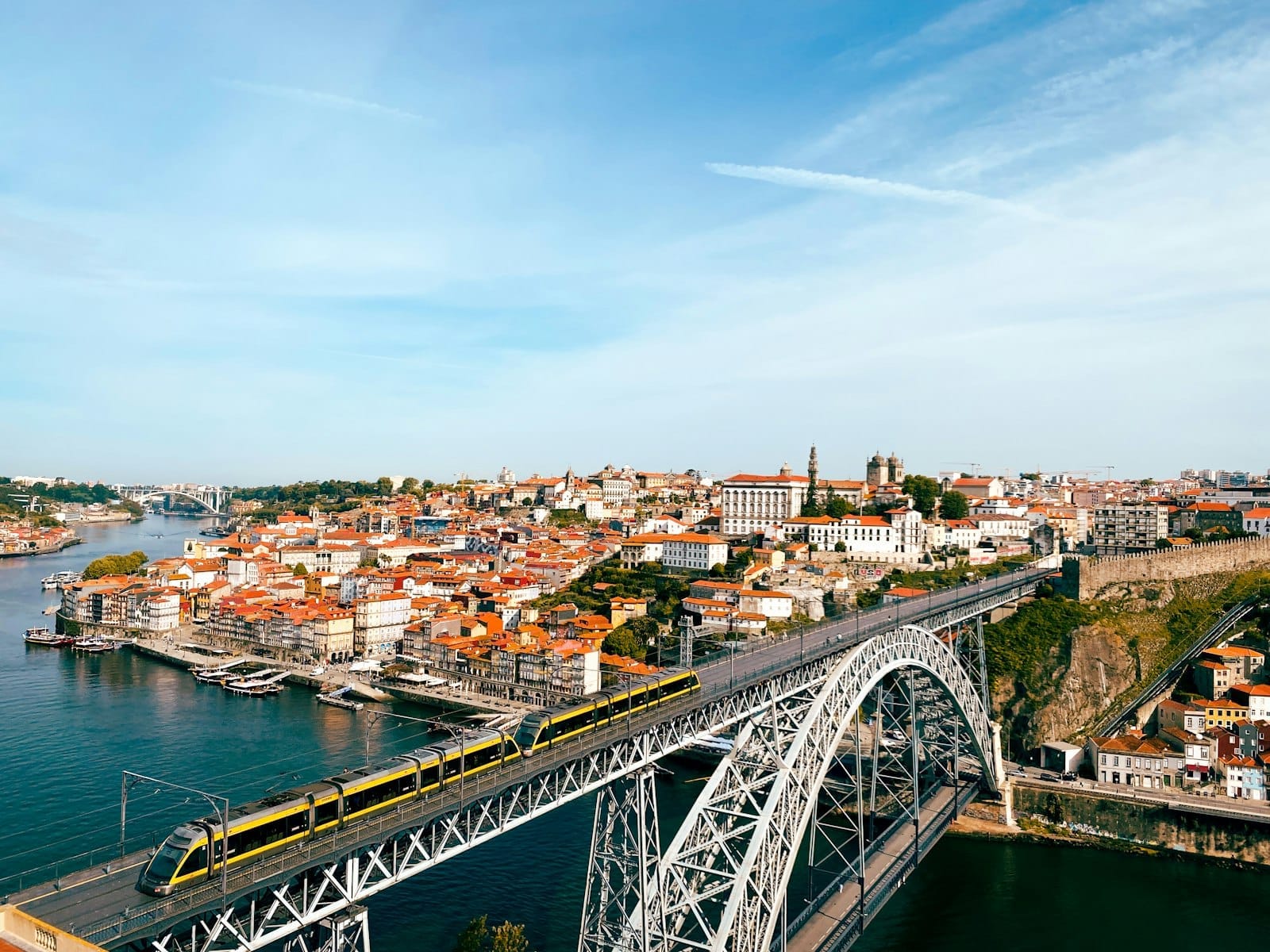
Plan and book this trip
Tools from our partner Travelpayouts help you compare flights and hotels. If you book through them, we may earn a commission at no extra cost to you.
Flights
Hotels map
TL;DR
- Porto's public transport runs on the Andante ticketing system — one card covers the metro, most buses, and suburban trains.
- Metro Line E (purple) connects Francisco Sá Carneiro Airport to the city centre in about 30 minutes; you need a Z4 Andante ticket (around €2.25–€2.30 plus a one-off ~€0.60 card fee).
- Zone-based fares mean most journeys within central Porto cost around €1.40–€1.85 depending on zones; the airport run is pricier because it crosses more zones.
- Historic trams (including Line 1 along the Douro) are not covered by Andante — expect a separate ~€5 one-way fare paid to the driver.
- Always validate your Andante card at every boarding, even if you hold a day pass — inspectors fine unvalidated passengers regardless of pass type.
Porto's Transport Network at a Glance
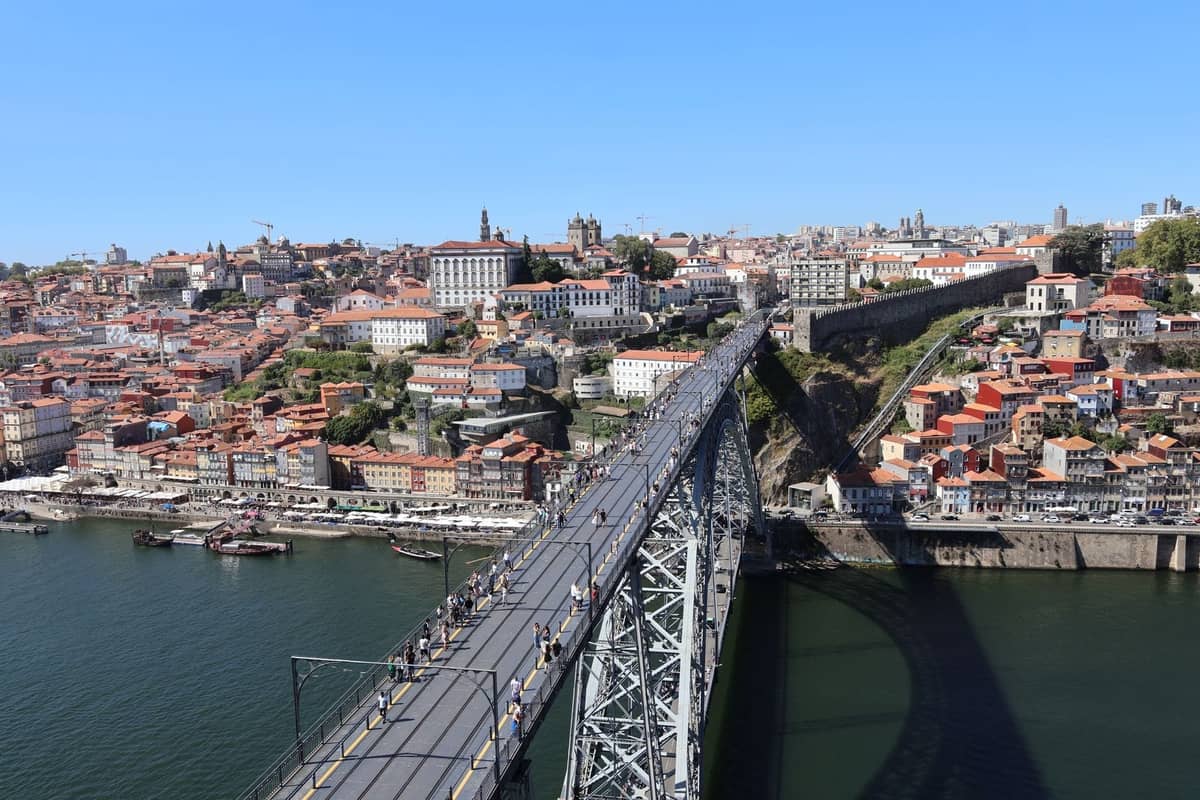
Getting around Porto, Portugal is rarely the problem first-time visitors expect. The city covers only 41 km², and its core neighbourhoods — Ribeira, Baixa, and Cedofeita — are walkable with some effort. The challenge is Porto's steep topography: short distances on a map can involve significant climbs, which is where trams, funiculars, and buses earn their keep.
Porto's integrated public transport combines Metro do Porto (6 lines), STCP city buses, CP suburban rail, and a handful of historic tram lines and funiculars. Almost everything except the historic trams and the Funicular dos Guindais falls under the Andante fare system, which means one card works across modes — as long as you validate correctly at each boarding.
ℹ️ Good to know
The Andante card works on a zone-and-time-window system, not a simple single-trip model. Once validated, a ticket gives you unlimited transfers between metro, bus, and some trains within that zone radius for a set time window (typically 60 minutes for Z2). You do not pay again to transfer — but you must validate at every boarding point.
The Porto Metro: Lines, Hours & Fares
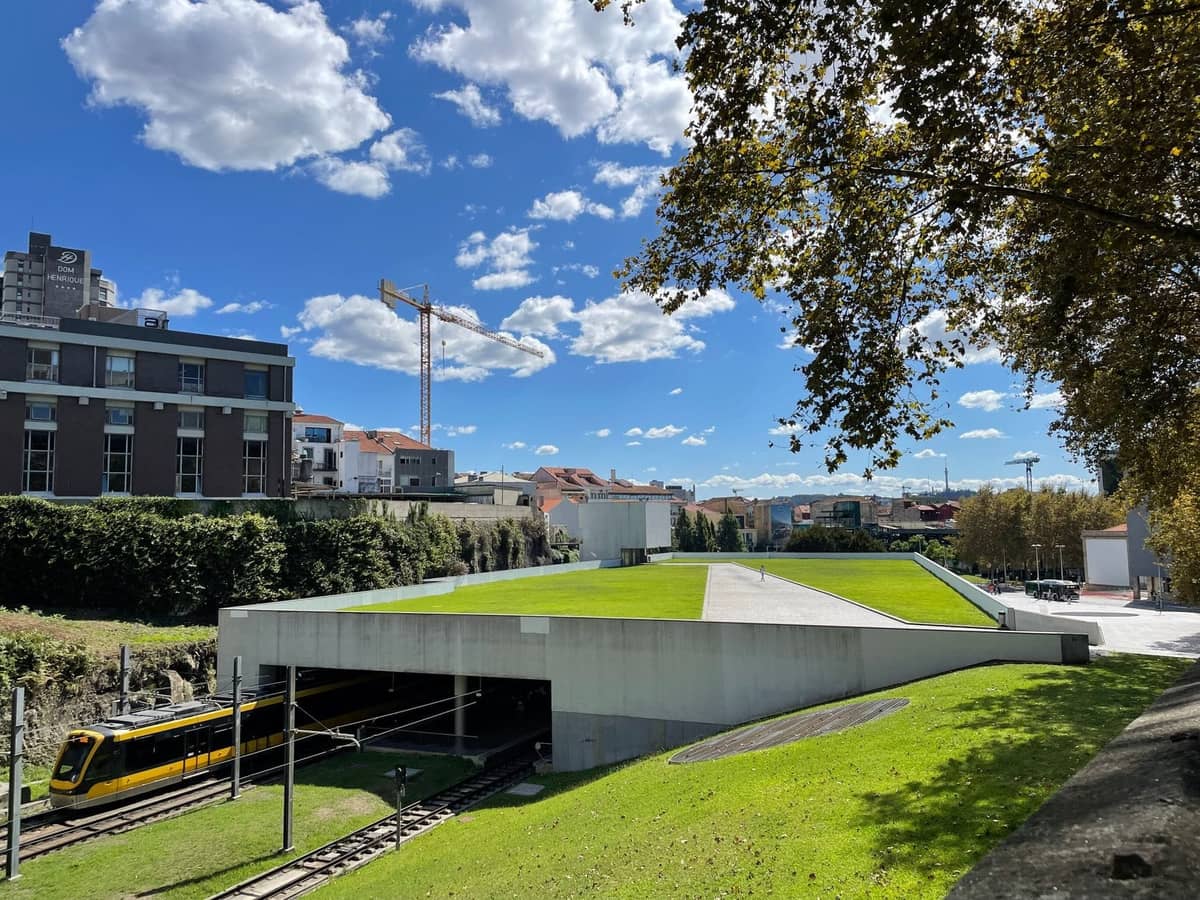
Metro do Porto has six lines (A through F) converging at Trindade station, which sits in the heart of the city near the main shopping streets. Services run roughly from 06:00 to 01:00, with trains every 8-15 minutes during peak hours and less frequently late at night. The network reaches well beyond the city centre — it extends to Matosinhos, Gondomar, Maia, and the airport — making it genuinely useful for most visitor itineraries.
- Line A (Blue) – Senhor de Matosinhos Runs from Estadio do Dragão through central Porto to Matosinhos Sul. Useful for beach access in summer and the FC Porto stadium.
- Line B (Red) – Póvoa de Varzim / Trofa Northern commuter line branching from Trindade; less relevant for most tourists.
- Line C (Green) – ISMAI Suburban line via Casa da Música; connects the cultural district to northern municipalities.
- Line D (Yellow) – Hospital São João Runs north-south through the city, connecting Hospital São João to João de Deus. Good for reaching Jardim do Morro and crossing to Vila Nova de Gaia.
- Line E (Purple) – Aeroporto The airport line. Runs from Francisco Sá Carneiro Airport through Casa da Música, Trindade, and into the broader network. Takes about 30 minutes airport to Trindade.
- Line F (Orange) – Fânzeres Eastern commuter line; limited visitor relevance unless staying in Gondomar area.
Andante fares are zone-based. Most journeys within central Porto require a Z2 ticket (around €1.40). Reaching Matosinhos or crossing more of the city typically requires Z3 (around €1.85). The airport is a Z4 journey from most central stops (around €2.25–€2.30). Add a one-off card purchase of approximately €0.60 for the reusable Andante Azul card when you first use the system. Fares are subject to change, so confirm current prices at metro stations or on the official Metro do Porto website before travel.
⚠️ What to skip
Do not assume your Andante pass includes the historic trams. Standard metro and bus fares do NOT cover Line 1 (the Douro waterfront tram) or the funiculars. These require separate tickets bought directly from the driver, conductor, or station ticket machines — typically around €5 one way for the tram. Boarding without paying will result in a fine.
Andante Tickets, Day Passes & Tourist Options
The Andante system offers several ticket types depending on how long you're staying and how far you plan to travel. Getting this decision right on day one saves money and frustration.
- Andante Azul (reusable card + single-use loads) Best for stays of 3+ days where you want flexibility. Buy the card (~€0.60) and load zone-specific journeys as needed. Z2 loads cover most central Porto trips.
- Andante 24 (24-hour pass by zone) Unlimited travel within your chosen zone for 24 hours. Z2 costs around €5.15; Z4 (covering the airport route) around €8.30. Worth it on arrival day if you plan several trips.
- Andante Tour (1-day or 3-day tourist pass) Designed for visitors: unlimited metro, bus, and some train travel across a wider zone set. Priced higher than Andante 24 but useful if you're hopping between neighbourhoods repeatedly. Available at the airport Andante shop and major metro stations.
- Onboard bus ticket (no card) Available from the driver on STCP buses — around €1.80 per journey. No transfers included. Fine for one-off trips but expensive if you're using buses daily.
Cards and tickets are sold at all metro stations (vending machines and staffed counters), the Andante shop at the airport arrivals hall, tourist offices, and many newsagents and kiosks near major stops. Top up at any metro station machine — you do not need to return to the original purchase point.
✨ Pro tip
If you arrive by metro from the airport and plan to sightsee the same day, buy an Andante Tour pass at the airport shop rather than a single Z4 journey. The math works in your favour within just a few additional trips, and it eliminates the hassle of buying individual tickets throughout the day.
Airport to City Centre: All Your Options
Francisco Sá Carneiro Airport (OPO) sits about 11 km northwest of the city centre — close enough that transfers are straightforward. The options range from free-to-navigate metro to fixed-price private transfers. For a fuller overview of the airport itself, see the Porto airport guide.
- Metro Line E (recommended for solo and budget travellers) The purple line runs directly from the Aeroporto station (inside the terminal) to Trindade in about 30 minutes. Requires a Z4 Andante ticket. Trains run from roughly 06:00 to 01:00. Luggage space is adequate outside rush hour, but the carriages are standard commuter size — large groups with heavy bags may find it cramped during peak times.
- Taxi (metered, licensed) Official taxis queue outside arrivals. The journey to central Porto typically takes 20-30 minutes depending on traffic, longer during morning rush hour (08:00-09:30) or summer weekend afternoons. Always use the meter — licensed taxis are required to run it. Verify current typical fare ranges before travel, as prices shift with fuel and regulatory updates.
- Uber or Bolt (ride-hailing) Both apps operate in Porto. Pick-up is from a designated ride-hailing area, separate from the taxi rank. Fares are often comparable to taxis but can surge during busy arrival periods. Check the app before committing; availability can be limited in off-peak hours or during large events.
- Private transfer (pre-booked) Fixed price, driver meets you at arrivals with a name board. Worth considering for families with young children, early morning or late-night arrivals, or groups of 3+. Book in advance — walk-up private transfers at airports rarely offer good value.
Buses, Trams & Getting Around Within the City
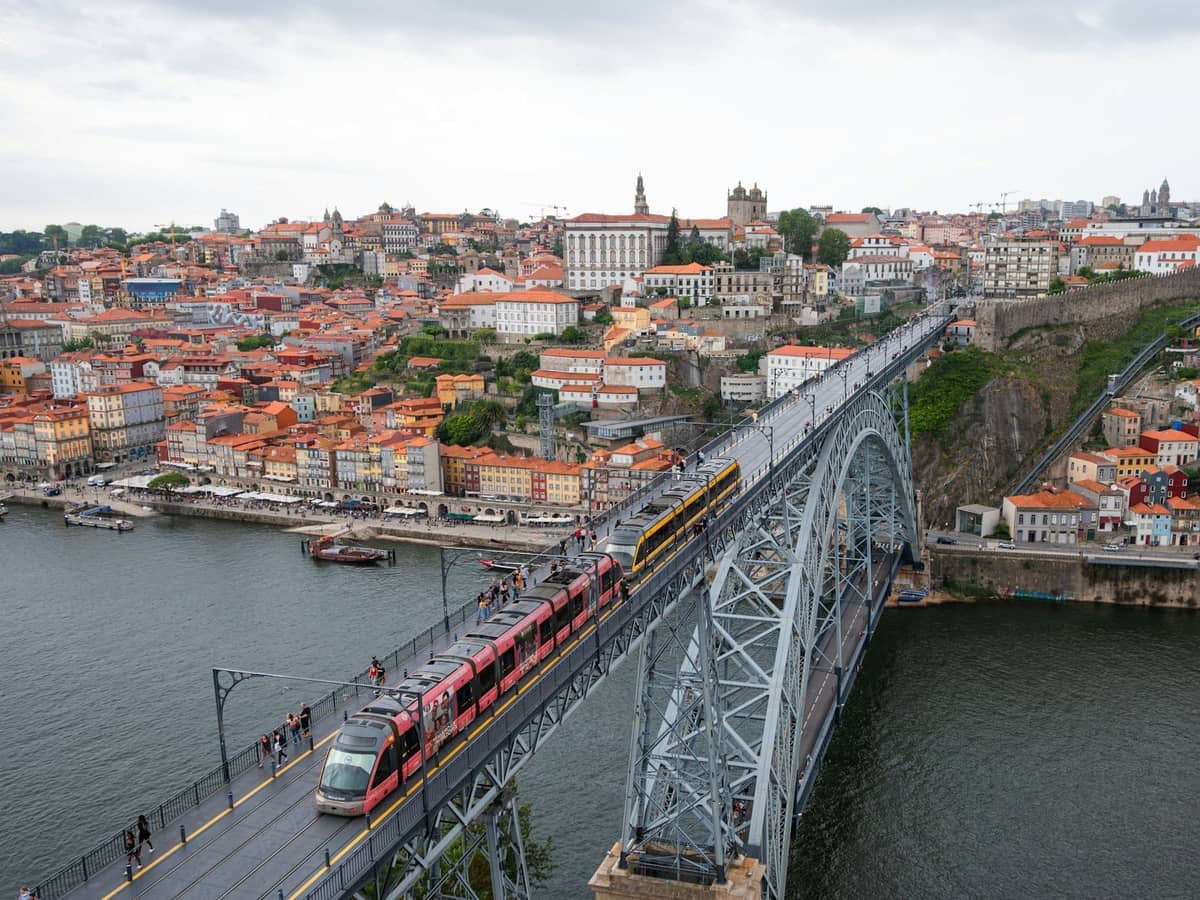
STCP operates Porto's city bus network, with routes covering areas the metro doesn't reach — including the western waterfront, Foz do Douro, and many hillside streets. Buses use the same Andante system as the metro. Route and timetable information is available on the STCP website and through Google Maps, which has reliable real-time coverage of Porto's public transport.
The historic trams are a separate matter. Tram Line 1 runs along the Douro waterfront from Infante to Passeio Alegre, passing through Ribeira. It is a genuine working tram — not a tourist ride — but it carries a tourist-level price (~€5 one way). The journey is pleasant and the views of the river are good, but for pure transport purposes, the bus is faster and cheaper. Take the tram when you want the experience, not when you're in a hurry.
For reaching Vila Nova de Gaia and its port wine lodges, Metro Line D drops you at Jardim do Morro station on the Gaia side — a five-minute walk from most of the lodges along the waterfront. Alternatively, walk across the lower deck of the Dom Luís I Bridge from Ribeira, which takes about 10 minutes on foot and is one of the better ways to approach Gaia.
💡 Local tip
Porto is hilly in ways that do not always show on flat maps. The climb from Ribeira up to the Cathedral or Batalha can be genuinely steep. The Funicular dos Guindais runs between Ribeira and Batalha square but is not covered by the Andante system — useful if you have luggage or mobility concerns, or simply don't want to arrive at your next stop out of breath, but you will need a separate ticket.
Taxis, Uber & Getting Around at Night
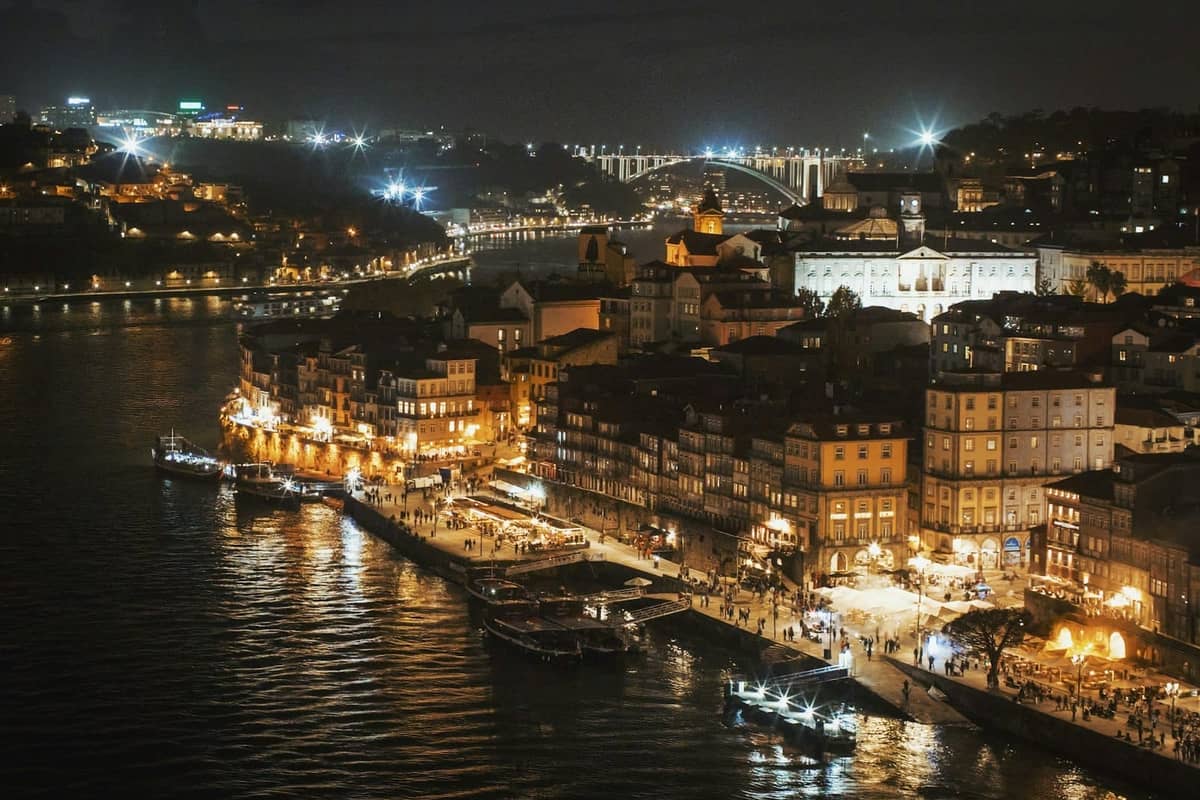
After midnight, public transport thins out considerably. Metro services run until around 01:00 on most lines, but frequency drops sharply after 23:00. Night buses exist on some STCP routes but the network is limited. For late-night returns from the Ribeira bar strip, Cedofeita restaurants, or post-concert departures from Casa da Música, taxis and ride-hailing apps are the practical answer.
Uber and Bolt both operate reliably in central Porto during evening and night hours, though wait times can stretch on Friday and Saturday nights when demand peaks. The Porto nightlife scene is concentrated enough that ride-hailing surges are common between 02:00 and 04:00. Pre-ordering your ride 10-15 minutes before you need it avoids the worst of the surge pricing.
Licensed taxis in Porto are metered. The base fare starts at a fixed rate, and prices increase at night and on weekends. Insist on the meter being started at pick-up — any driver who refuses or quotes a flat rate without explanation warrants extra scrutiny. The ranks at Praça da Batalha, Avenida dos Aliados, and near São Bento station are reliable spots to find taxis late at night.
Seasonal Considerations & Practical Tips
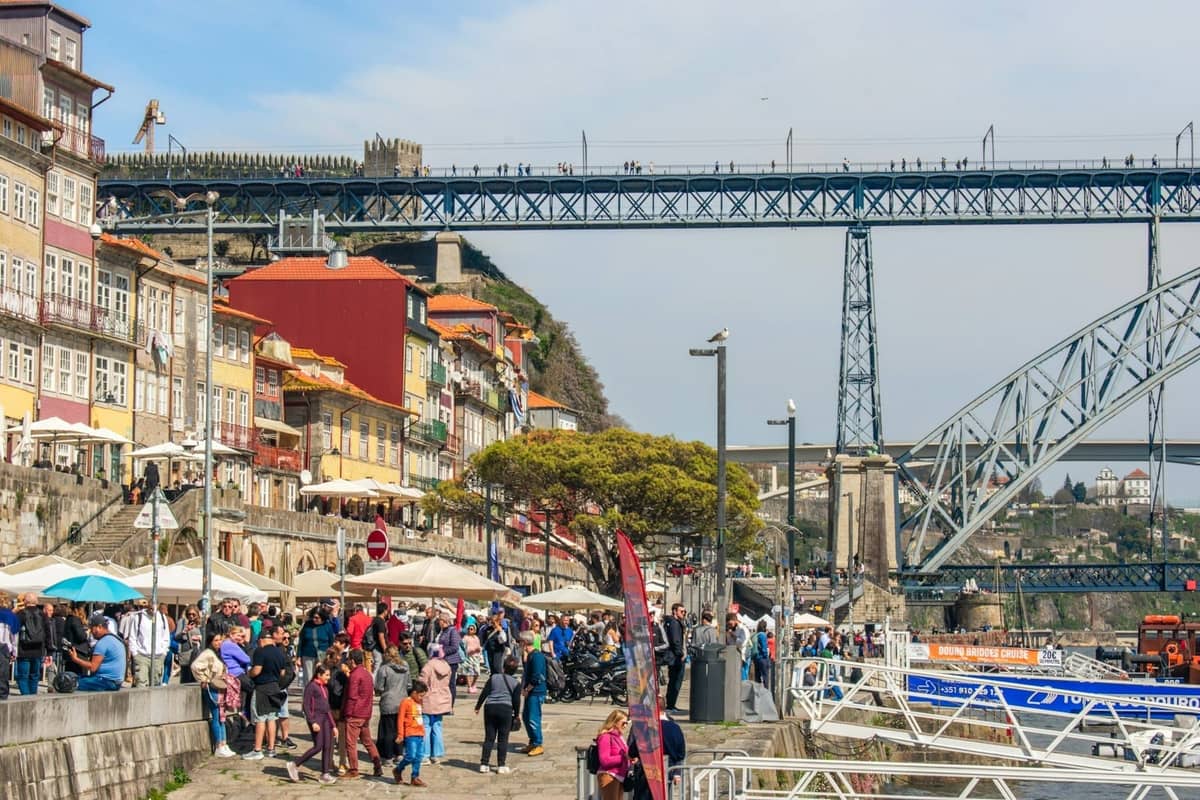
Transport demand in Porto shifts noticeably by season. Summer, particularly July and August, brings significantly higher passenger loads on Line E (airport), Line A toward Matosinhos beach, and any route serving the Douro waterfront. If you're visiting during the São João festival in late June, expect every route through the city centre to be exceptionally busy in the evenings, with some metro stations operating entry controls.
- Buy your Andante card at the airport on arrival — the shop is in the arrivals hall before you exit. This avoids queueing at city centre machines with luggage.
- Screen your phone for the Metro do Porto app or save the official site; real-time disruption alerts are posted there before elsewhere.
- Validate at every single boarding — not just the first one. Inspectors board at random stops, and 'I didn't know' is not accepted as a defence against fines.
- Keep small change for trams and funiculars, which may not accept cards or large notes depending on the vehicle and driver.
- In wet weather (most likely November through February), bus stops without shelters become uncomfortable quickly. Plan connections at covered metro stations where possible.
- Google Maps covers Porto's public transport well — use it for real-time journey planning, but cross-check with the Metro do Porto site for service disruptions on specific lines.
If you're planning day trips out of the city, CP (Comboios de Portugal) suburban trains connect Porto to Braga, Guimarães, Aveiro, and Viana do Castelo from Campanhã and São Bento stations. These are separate from the metro but the Andante card may cover part of the journey depending on zones. See the full day trips from Porto guide for logistics on each route.
FAQ
What is the cheapest way to get from Porto Airport to the city centre?
Metro Line E (purple) is the cheapest option: a Z4 Andante ticket costs around €2.25–€2.30, plus a one-off ~€0.60 card fee if you don't already have one. The journey takes about 30 minutes to Trindade. Taxis and ride-hailing apps are significantly more expensive for a single person.
Do I need a separate ticket for the historic trams in Porto?
Yes. Porto's historic tram lines — including Line 1 along the Douro waterfront — require a separate ticket purchased directly from the driver or conductor. They are not covered by the standard Andante metro/bus fare or day passes. Expect to pay around €5 one way.
How does the Andante zone system work?
Andante fares are based on how many zones your journey crosses. Z2 covers most trips within central Porto (around €1.40). Z3 reaches areas like Matosinhos (~€1.85). Z4 covers the airport from the city centre (~€2.25–€2.30). Once validated, your ticket allows transfers between metro, bus, and some trains within the validity window without paying again — but you must validate at each boarding.
Is the Porto Metro sufficient for most tourist sights?
For most major attractions, yes. The metro reaches São Bento, Trindade, Casa da Música, the stadium, and the airport. It does not reach Ribeira directly (the closest stations are São Bento or Jardim do Morro on the Gaia side), and it doesn't cover Foz do Douro — buses are needed for those. Walking and buses fill the gaps effectively for a central itinerary.
Can I use contactless bank cards on Porto's metro?
As of current information, Porto's metro uses the Andante card system rather than open contactless bank card payment. You need to purchase and load an Andante card. This is worth verifying before travel as ticketing systems do update, but do not assume your bank card will be accepted at validation gates.