Where to Stay in Porto: Best Neighborhoods & Hotels Compared
Choosing where to stay in Porto shapes your entire trip. This guide breaks down every major neighborhood, from the historic riverfront of Ribeira to the relaxed beachside calm of Foz do Douro, with clear notes on who each area suits, typical price ranges, and practical transport details.
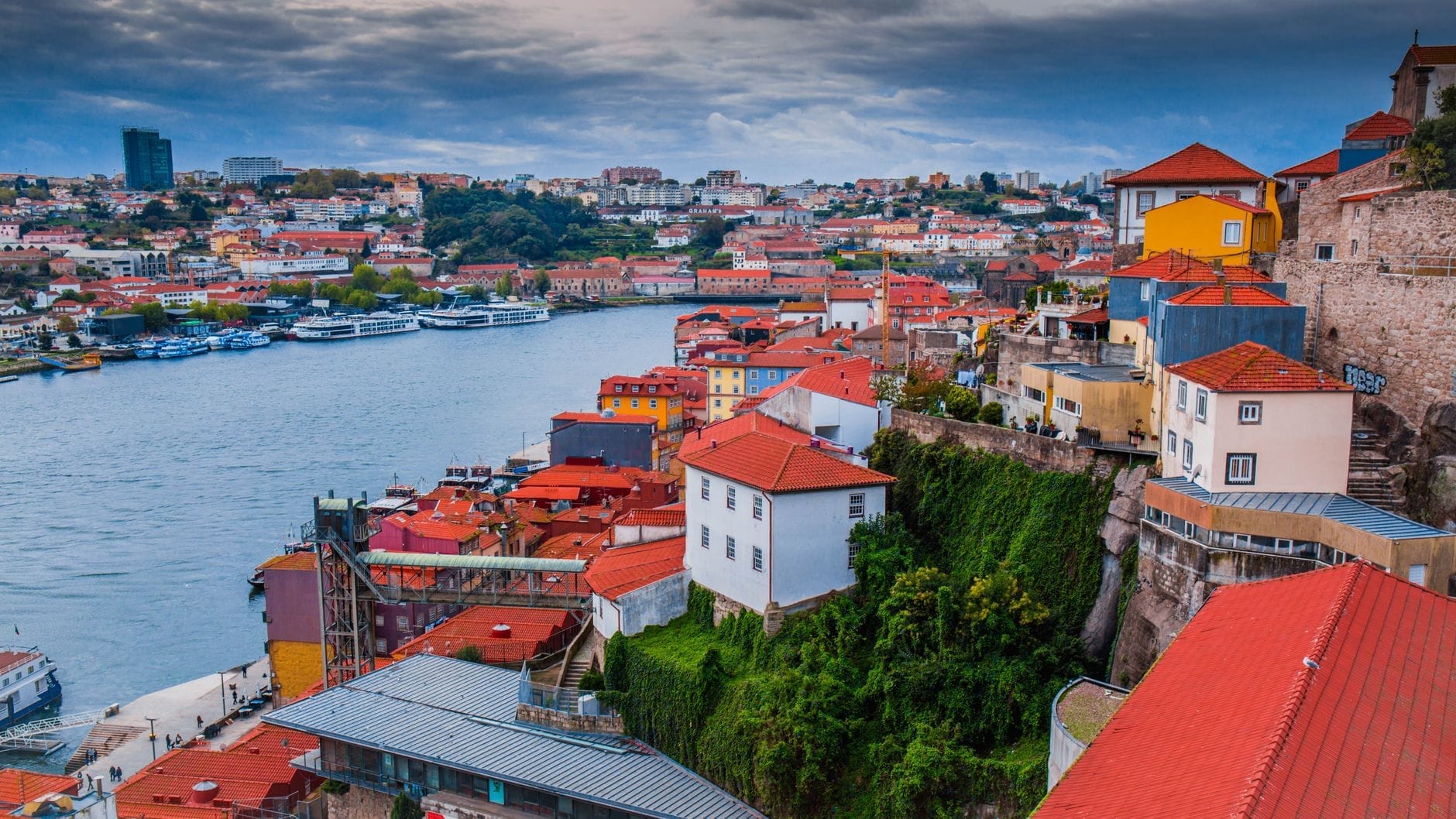
Plan and book this trip
Tools from our partner Travelpayouts help you compare flights and hotels. If you book through them, we may earn a commission at no extra cost to you.
Flights
Hotels map
TL;DR
- Baixa and Ribeira are best for first-time visitors who want walkable access to Porto's top sights, though Ribeira can be noisy and steep.
- Cedofeita and Bonfim offer the best balance of price, local character, and central location, ideal for repeat visitors or longer stays. See our Porto on a budget guide for money-saving tips.
- Vila Nova de Gaia delivers the best Douro views, often at lower prices than equivalent Porto-side hotels, and is only a bridge-walk away from Ribeira.
- Boavista suits business travelers and families; Foz do Douro suits those who prioritize ocean access over proximity to monuments.
- High season (May to September) pushes Ribeira and Baixa rates significantly higher; booking 6-8 weeks ahead is advisable. Check our best time to visit Porto guide for seasonal strategy.
How Porto's Neighborhoods Break Down
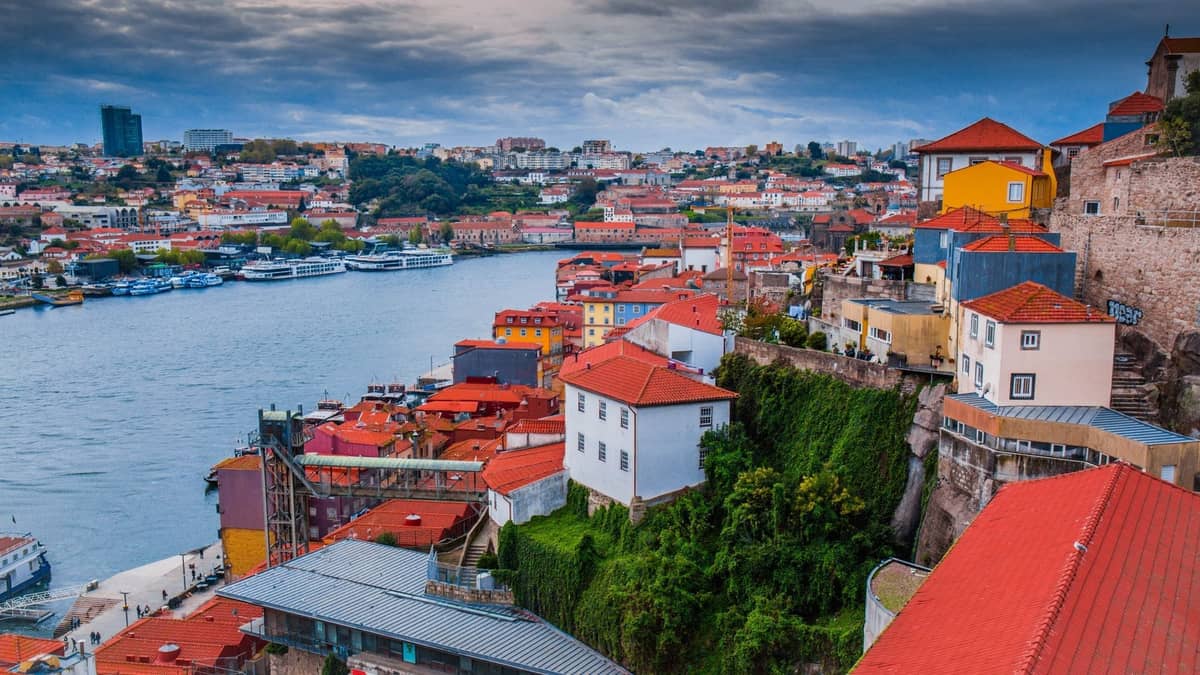
Porto is a compact city of around 240,000 residents sitting on the north bank of the Douro River, about 11 km from Francisco Sá Carneiro Airport (OPO). Its neighborhoods are distinct in character, elevation, and purpose, and picking the wrong one can mean spending your trip on trams and taxis rather than exploring. The core tourist zone covers Ribeira, Baixa, and Sé, but visitors who look one neighborhood further in any direction often find better value and a more authentic stay.
The city's metro network, operated under the Andante fare system, connects most key areas. Central stations like Bolhão, Trindade, and Aliados put guests within quick reach of the airport (Metro Line E, roughly 30 minutes on a Z4 ticket) and the main rail hub at São Bento railway station. If you're staying in Foz do Douro or Boavista, budget an extra 20-30 minutes for trips to the historic center by tram or bus.
💡 Local tip
Porto's streets are notoriously steep and cobbled, especially in Ribeira and around the Cathedral. Travelers with significant mobility concerns should prioritize Baixa/Aliados or Boavista, where terrain is considerably flatter and taxis are easier to hail.
Ribeira: Atmosphere Over Comfort
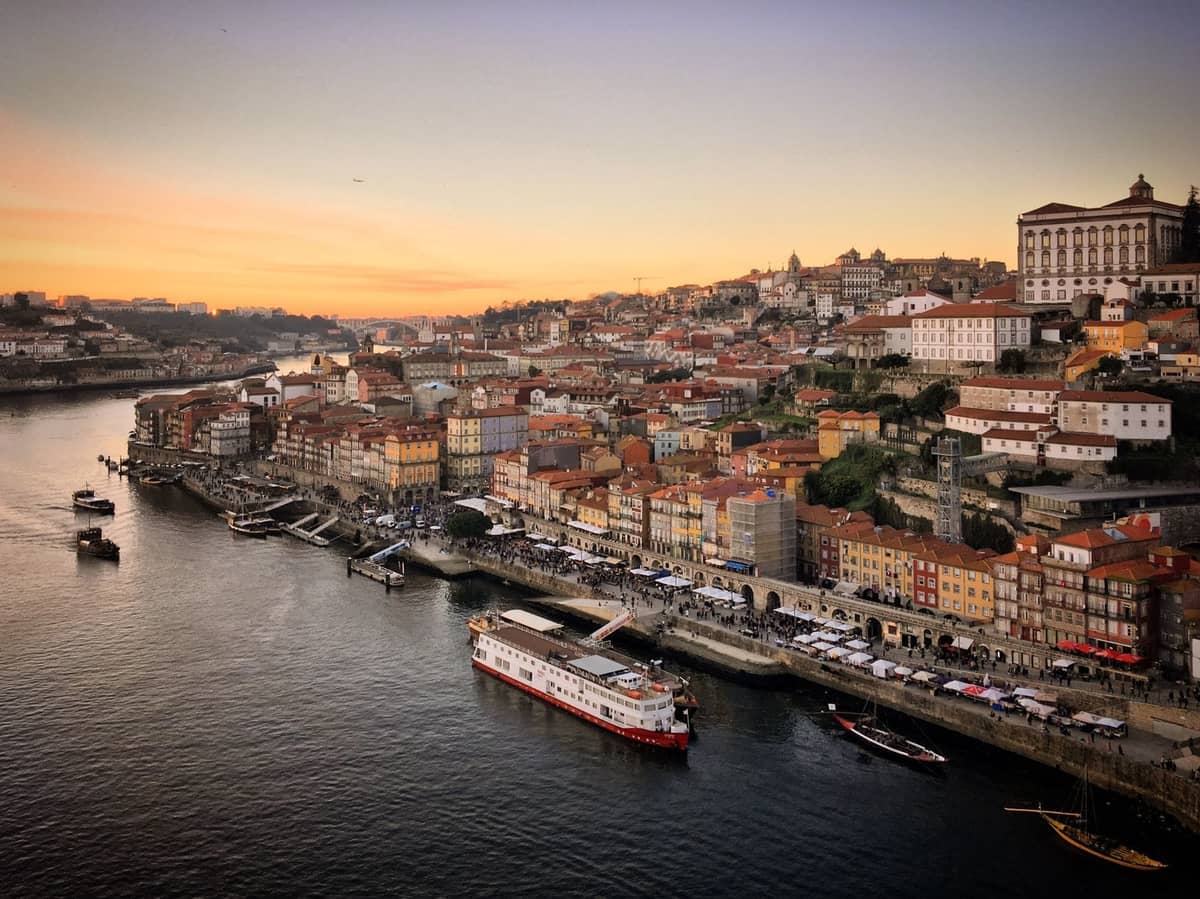
Ribeira is Porto's most photographed quarter, and it earns that status. The medieval riverside streets, azulejo-tiled facades, and direct views of the Dom Luís I Bridge create a setting that's hard to match anywhere in Portugal. Staying here puts you steps from the Cais da Ribeira waterfront promenade and easy walking distance of the port wine cellars across the bridge in Gaia.
The honest caveat: Ribeira can be exhausting to actually live in. Street noise from restaurants and bar terraces runs late, particularly in summer. The cobblestone alleys are steep and uneven, luggage is a real challenge, and parking is essentially nonexistent. In July and August, the area is densely crowded from mid-morning until midnight. Hotel options tend toward boutique and luxury, with properties like Pestana Vintage Porto Hotel sitting directly on the riverfront at premium prices. In high season, expect to pay well above the city average for rooms in this area.
⚠️ What to skip
Ribeira's UNESCO status also means strict noise ordinances can conflict with its own bar and restaurant scene. Light sleepers should specifically request upper-floor rooms away from the riverside, or reconsider this neighborhood entirely.
Baixa and Sé: The Practical First-Timer Choice
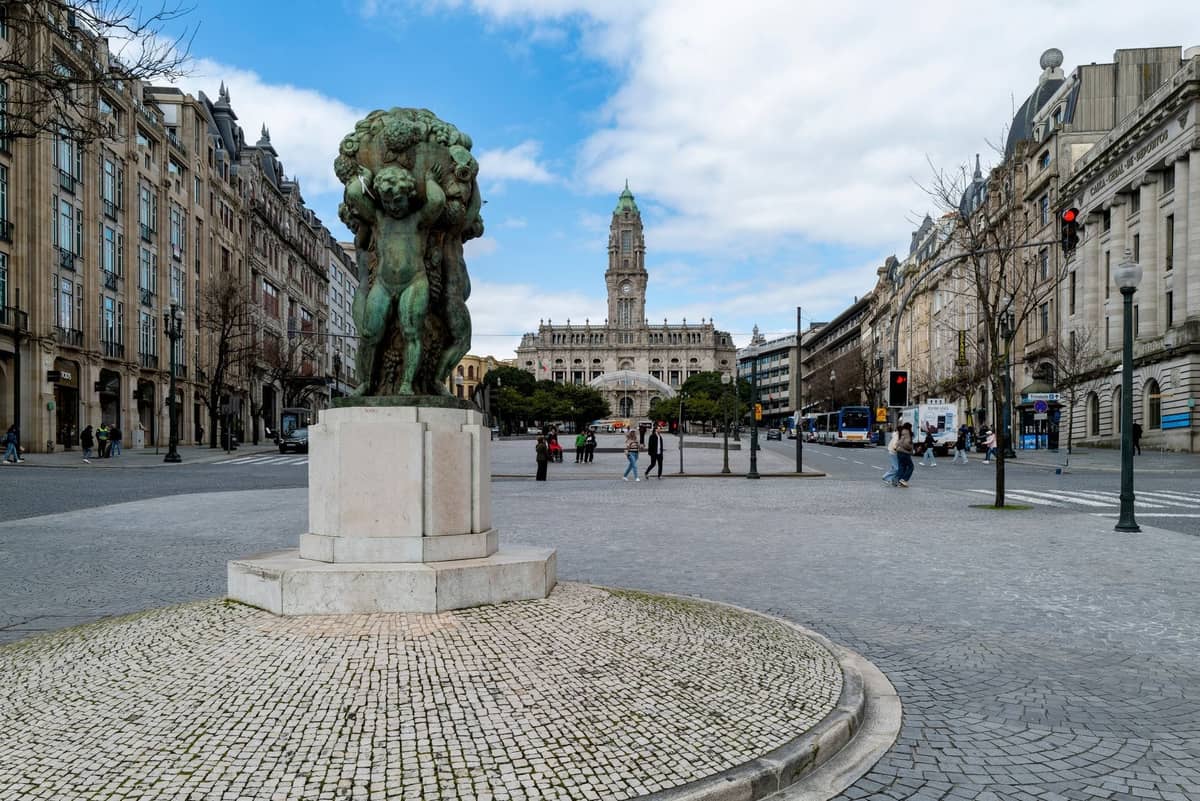
Baixa, the commercial downtown centered around Avenida dos Aliados, is where most visitors staying for 2-3 days find themselves best positioned. It's flatter than Ribeira, has the highest concentration of metro stops, and gives easy walking access to São Bento station, Livraria Lello, the Clérigos Tower, and Mercado do Bolhão.
The hotel range here is broad: budget guesthouses, mid-range boutique hotels, and a few business-class properties are all represented. Prices vary considerably by block and star rating, but mid-range options in Baixa typically run less than equivalent rooms in Ribeira. The neighborhood has a commercial energy during the day and calms considerably after 10pm, making it more sleep-friendly than the riverfront. The main drawback is that it can feel touristy and generic along the main shopping streets, particularly Rua de Santa Catarina.
Cedofeita and Bonfim: The Case for Staying Local
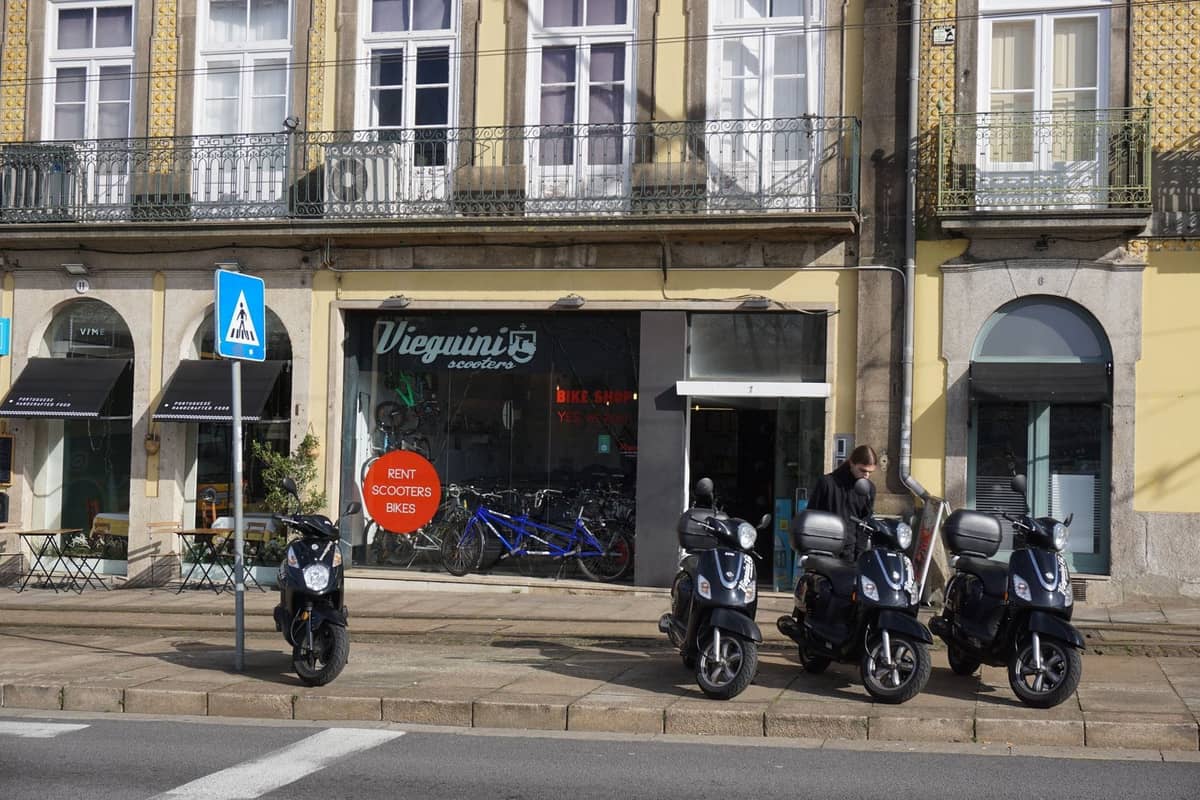
These two neighborhoods are where Porto residents actually live, and staying in either one gives you a fundamentally different experience from the tourist core. Cedofeita sits immediately west of Baixa and is known for independent galleries, concept stores, and the kind of coffee shops where the menu is handwritten on a chalkboard. It's quieter at night but still walkable to every major attraction.
Bonfim, east of the center, has gentrified steadily over the past decade without losing its residential backbone. Apartment rentals here offer considerably better value than hotel rooms in Ribeira, and the neighborhood's cafés and restaurants cater to a local crowd rather than a tourist one. Campo 24 de Agosto, Bonfim's main square, has good metro links back to the center. For anyone staying a week or considering Porto as a base for day trips into the surrounding region, Bonfim's price-to-location ratio is hard to beat.
- Best for: independent travelers, repeat visitors, long stays Cedofeita and Bonfim reward travelers who want to spend evenings at neighborhood tascas rather than tourist restaurant rows.
- Budget reality Boutique hotels and apartment rentals in these areas often run 20-40% less than equivalent options in Ribeira or central Baixa during high season.
- Metro access Both neighborhoods have metro or tram connections, and the walk to Aliados station from either takes under 15 minutes.
Vila Nova de Gaia: Best Views, Often Better Value
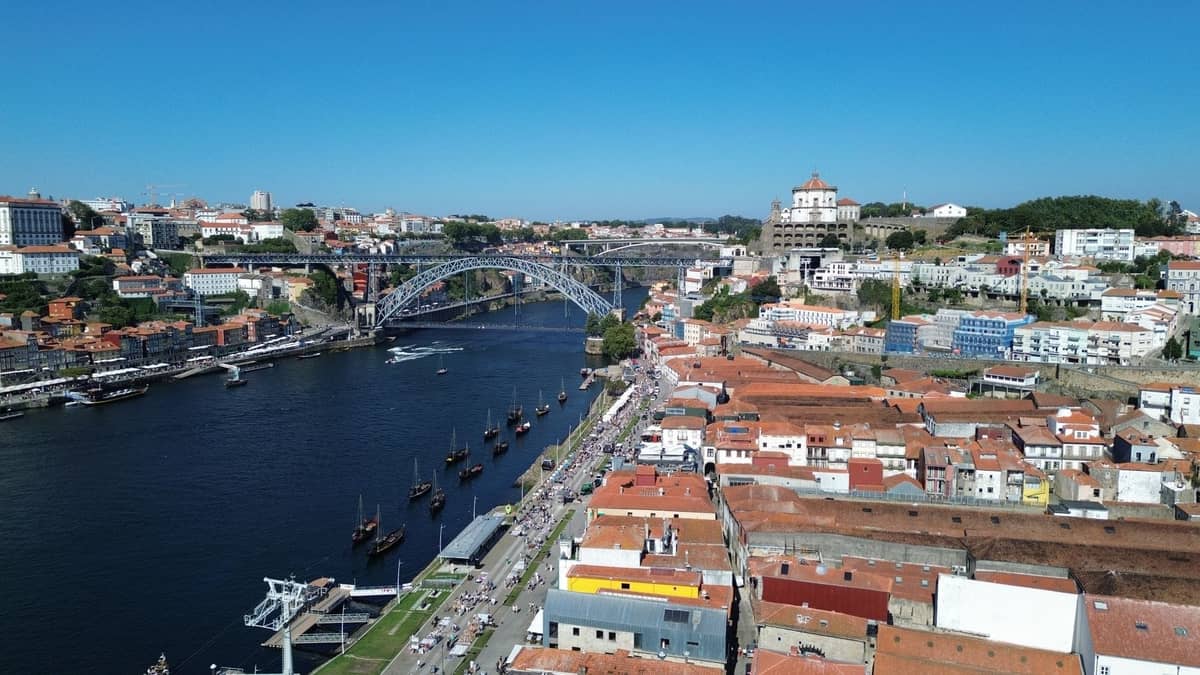
A common misconception positions Vila Nova de Gaia as a far-flung area requiring significant travel time. In reality, the Gaia riverside sits directly across the Douro from Ribeira, connected by the Dom Luís I Bridge's pedestrian level. Many visitors cross it several times daily on foot. Technically a separate municipality, Gaia's riverside is functionally as central as Ribeira for sightseeing purposes.
The main draw for staying on this side: unobstructed views of Porto's skyline and UNESCO historic center from your hotel terrace, access to the Cais de Gaia promenade, and proximity to the port wine lodges including Graham's and Sandeman. Properties like The Yeatman command some of the highest rates in the Porto area, but mid-range hotels on the Gaia side frequently offer better rates than their equivalents on the Porto side with comparable or superior views.
✨ Pro tip
If Douro views matter to you, a Gaia-side room with a river-facing balcony often costs less than a Ribeira-side room with the same view angle reversed. Compare both sides before booking on either one.
Boavista and Foz do Douro: Space, Calm, and Tradeoffs
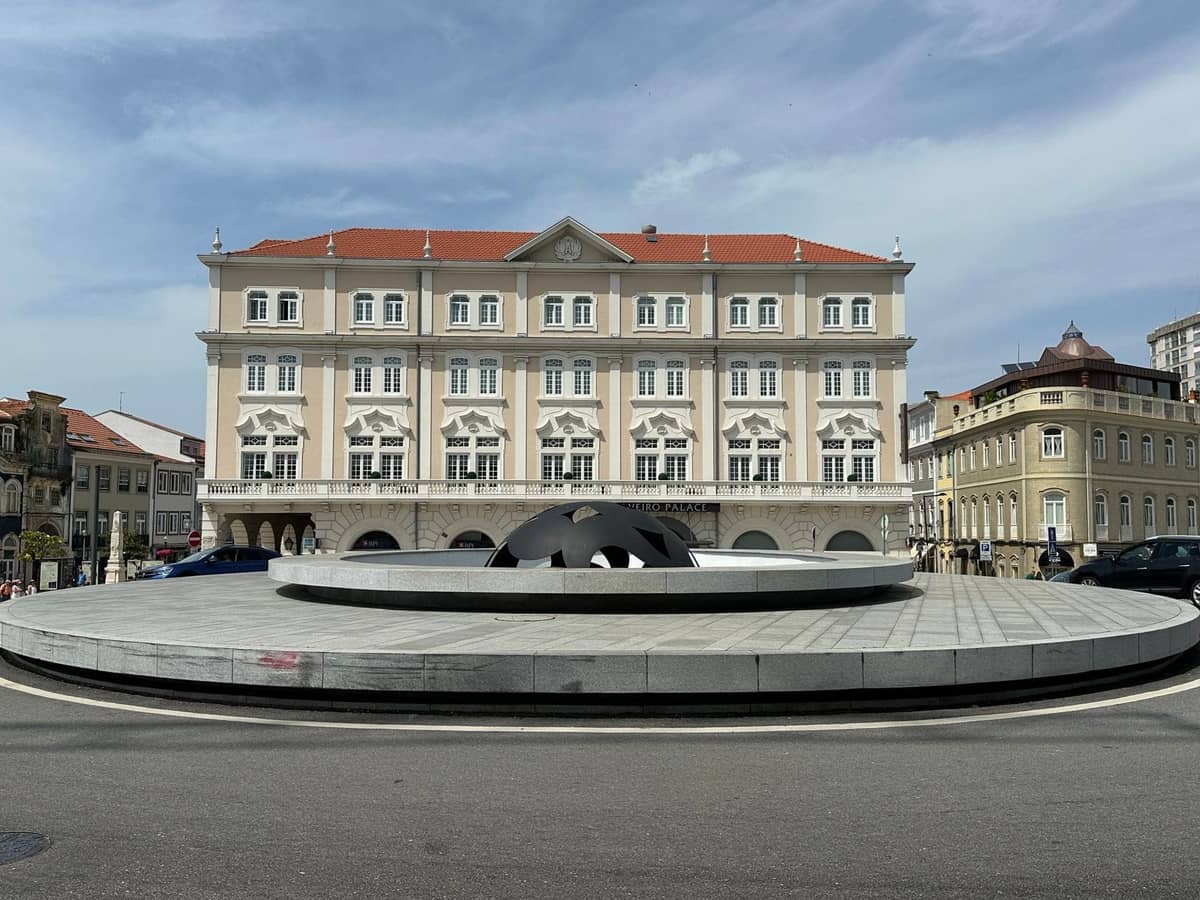
Boavista is Porto's modern business corridor, anchored by the circular Rotunda da Boavista roundabout and home to venues like Casa da Música and the Serralves Museum. Chain hotels with conference facilities are the norm here, including properties like the Sheraton Porto Hotel & Spa and Crowne Plaza Porto. The neighborhood is well-served by metro and bus, but it lacks the texture and walkable charm of central Porto. This makes it a better choice for business travelers or families with cars than for cultural sightseers.
Foz do Douro sits where the Douro meets the Atlantic, about 5 km west of the historic center. It's a year-round residential area, not simply a summer beach resort, with upscale properties like Vila Foz Hotel & Spa and a number of serviced apartments catering to longer stays. The Passeio Alegre garden and oceanfront promenade give the neighborhood genuine appeal, but the commute to Ribeira runs 20-30 minutes by tram or bus. For those who prioritize ocean air and quieter streets over monument proximity, Foz is a legitimate and underused base.
- Boavista: best for business stays, families with cars, or those focused on Serralves and Casa da Música
- Foz do Douro: best for longer stays, beach access, and travelers who find central Porto too intense
- Both areas offer more parking than central Porto, which matters for anyone renting a car for regional day trips
- Neither area is ideal for first-timers whose primary goal is walking between Porto's historic sights
Booking Timing, Price Ranges, and Practical Advice
Porto's hotel market follows a predictable seasonal pattern. High season runs roughly May through September, with July and August seeing the sharpest price spikes in Ribeira and Baixa. During this window, mid-range and boutique hotels in central areas commonly start around €100-150 per night, with popular properties in Ribeira or Gaia reaching €200-280 or more. Shoulder season, April or October, delivers meaningfully lower rates and significantly smaller crowds at major attractions. Winter stays (November to February) carry the lowest prices but also the highest rainfall.
For travelers choosing between neighborhoods based on nightlife and food access, Porto's restaurant and bar scene is spread across several districts. Ribeira concentrates tourist-facing restaurants, but some of the city's better independent restaurants sit in Cedofeita and Bonfim. The Porto food guide covers this in detail, including which neighborhoods have the most authentic options. Separately, anyone arriving or departing via Francisco Sá Carneiro Airport should note that the metro connection (Line E) drops you at central stops within about 30 minutes using an Andante Z4 ticket, confirmed on the official Andante website.
- Book 6-8 weeks ahead for May-September Popular boutique hotels in Ribeira and Gaia sell out well in advance for summer weekends, especially around the São João festival in late June.
- Request high floors or rear-facing rooms in Ribeira Street noise is the most common complaint in riverside properties. A top-floor or courtyard-facing room makes a significant difference.
- Check refund policies before booking Foz or Boavista If your travel plans are flexible, the cost difference between neighborhoods in shoulder season shrinks enough that staying central often makes more sense.
- Verify current metro fares The Andante system periodically updates zone pricing. Always check the official STCP or Metro do Porto websites before travel.
FAQ
What is the best area to stay in Porto for first-time visitors?
Baixa, centered around Avenida dos Aliados, is the most practical base for first-timers. It's flatter than Ribeira, has the densest metro coverage, and puts you within walking distance of most major sights. Ribeira is more atmospheric but noisier and harder to navigate with luggage.
Is Vila Nova de Gaia a good place to stay, or is it too far from Porto?
Gaia's riverside is not far at all. The pedestrian level of the Dom Luís I Bridge connects it directly to Ribeira in a 10-15 minute walk. Gaia-side hotels often offer better Douro views at lower prices than equivalent Porto-side properties, making it a smart choice for anyone prioritizing river panoramas.
How far is Porto's airport from the main hotel areas?
Francisco Sá Carneiro Airport is approximately 11 km from the city center. Metro Line E connects the airport to central stops like Trindade and Aliados in roughly 30 minutes using an Andante Z4 ticket. Taxis and ride-hailing apps (Uber, Bolt) are also available; journey times and costs vary by traffic and destination.
When is the cheapest time to book a hotel in Porto?
November through February offers the lowest hotel rates, though rainfall is at its highest. For a better balance of price and weather, April and October (shoulder season) are the sweet spot: meaningfully cheaper than summer, with fewer crowds at sights and still a reasonable chance of dry weather.
Is Foz do Douro worth staying in, or is it just a day-trip destination?
Foz is a legitimate base for the right traveler: those who want ocean access, quieter streets, and upscale accommodation. Vila Foz Hotel & Spa and various serviced apartments make it viable for longer stays. The tradeoff is a 20-30 minute tram or bus ride to the historic center, which adds up over a short trip.