Best Churches in Porto: Baroque, Azulejo & Gothic Architecture
Porto's churches are among the most architecturally diverse in Europe, layering Romanesque foundations, Gothic cloisters, Baroque gilded interiors, and hand-painted azulejo facades within a walkable historic centre. This guide covers the essential religious monuments, from the cathedral on its granite hilltop to the tile-wrapped chapels of Baixa.
Plan and book this trip
Tools from our partner Travelpayouts help you compare flights and hotels. If you book through them, we may earn a commission at no extra cost to you.
Flights
Hotels map
Porto packs centuries of religious architecture into a compact historic centre, and no two churches here look or feel the same. The Ribeira quarter alone contains Gothic stonework, gilded Baroque excess, and catacombs beneath your feet, while the streets of Baixa are lined with facades wrapped in thousands of hand-painted blue-and-white tiles. A few practical notes before you go: several of Porto's most celebrated churches charge entry fees to cloisters, towers, or museum areas even when the main nave is free. Opening hours shift between summer and winter schedules, and major religious holidays can disrupt visits entirely. Always check the official site or parish page before arriving. For a broader picture of the city's highlights, the Porto azulejo tiles guide and the Porto walking tour both complement this church itinerary well.
The Cathedral & Gothic Foundations
Porto's oldest surviving religious buildings are concentrated on the high ground above the Douro, where the city's medieval identity was formed. The cathedral sits at the centre of this story, but it is far from the only monument worth your time. The surrounding streets hold medieval walls, Romanesque stonework, and Gothic cloisters that most visitors rush past on their way to the waterfront. If you're planning a focused itinerary around these sites, the 3-day Porto itinerary routes you through this neighbourhood efficiently.
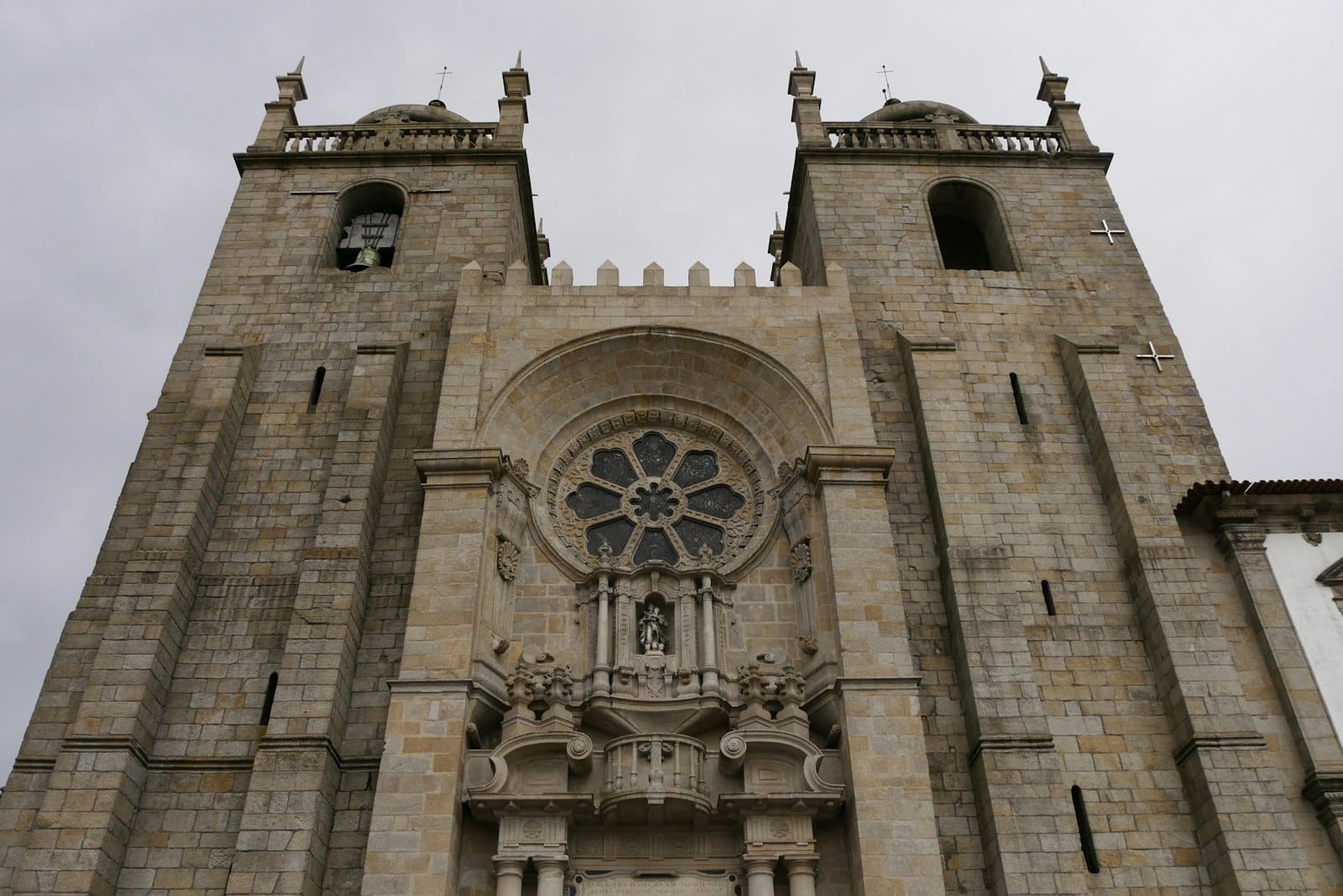
1. Start at the Sé do Porto, Porto's Oldest Church
Dating from the 12th century, the Sé blends Romanesque towers, a Gothic cloister tiled with 18th-century azulejos, and Baroque additions in a single complex. Cloisters require a paid ticket; the nave itself is free. Allow 45 minutes to see it properly.
Explore1. Start at the Sé do Porto, Porto's Oldest Church
Dating from the 12th century, the Sé blends Romanesque towers, a Gothic cloister tiled with 18th-century azulejos, and Baroque additions in a single complex. Cloisters require a paid ticket; the nave itself is free. Allow 45 minutes to see it properly.
Explore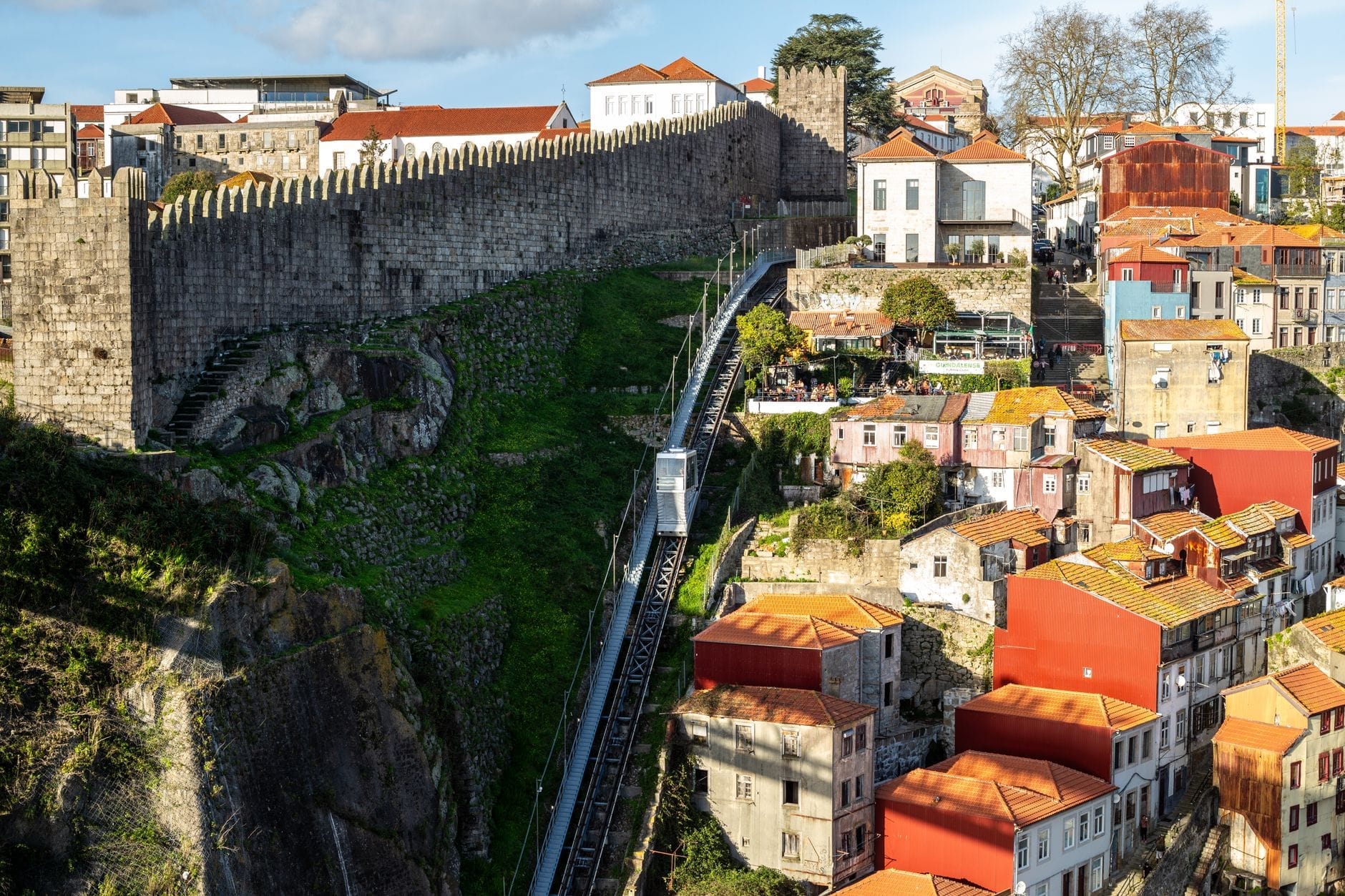
2. Walk the Medieval City Walls Around the Cathedral Quarter
The 14th-century Fernandine Walls above the Ribeira are free to access and give vital context to how Porto's religious and civic life was organised in the medieval period. Two intact stretches survive, with Douro views from the battlements.
Explore2. Walk the Medieval City Walls Around the Cathedral Quarter
The 14th-century Fernandine Walls above the Ribeira are free to access and give vital context to how Porto's religious and civic life was organised in the medieval period. Two intact stretches survive, with Douro views from the battlements.
ExploreBaroque Interiors & Gilded Altarpieces
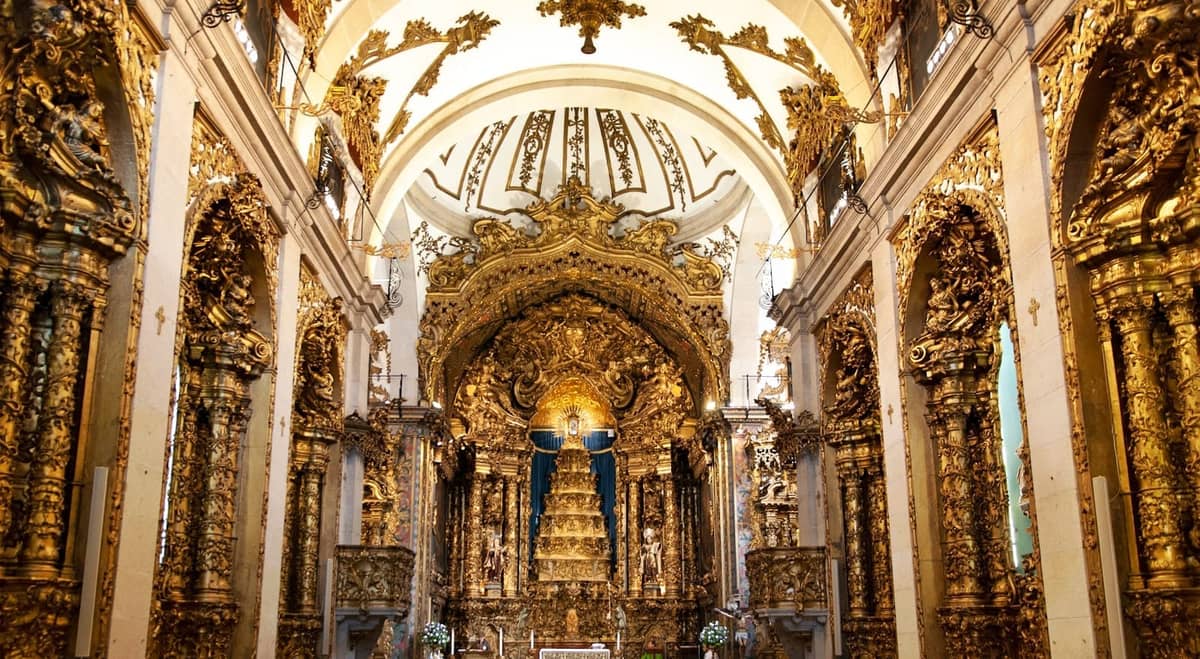
Porto's Baroque churches represent the most extravagant chapter in the city's architectural story. The interiors are genuinely shocking in their ambition: floor-to-ceiling gilded woodcarving, painted ceilings, and intricately carved altarpieces fill buildings that look restrained from the outside. This contrast between exterior sobriety and interior excess is one of Porto's defining architectural traits. Several of these churches are within a five-minute walk of each other in central Porto, making it straightforward to visit two or three in a single morning. For context on the broader historic district they sit within, see our guide to things to do in Porto.
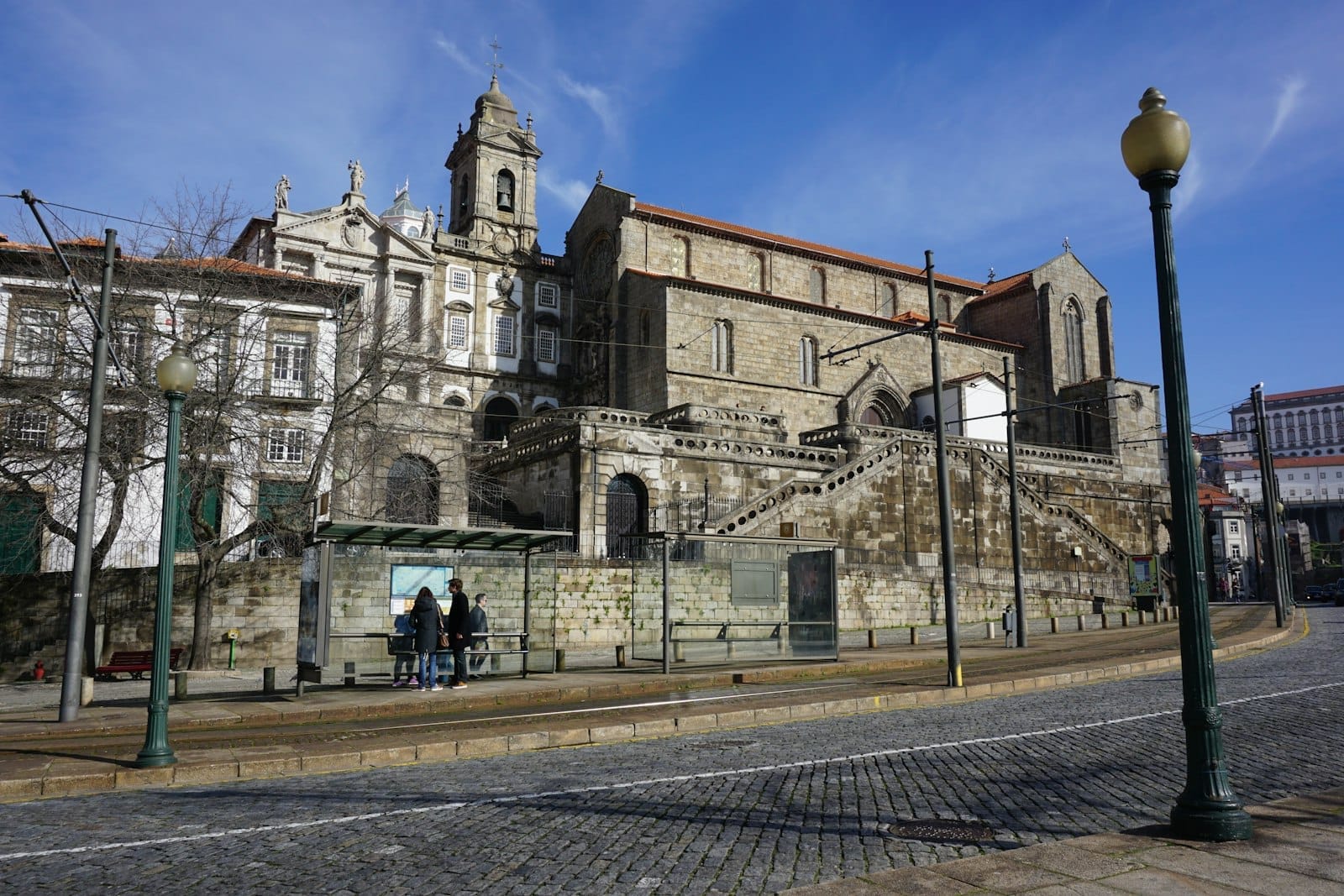
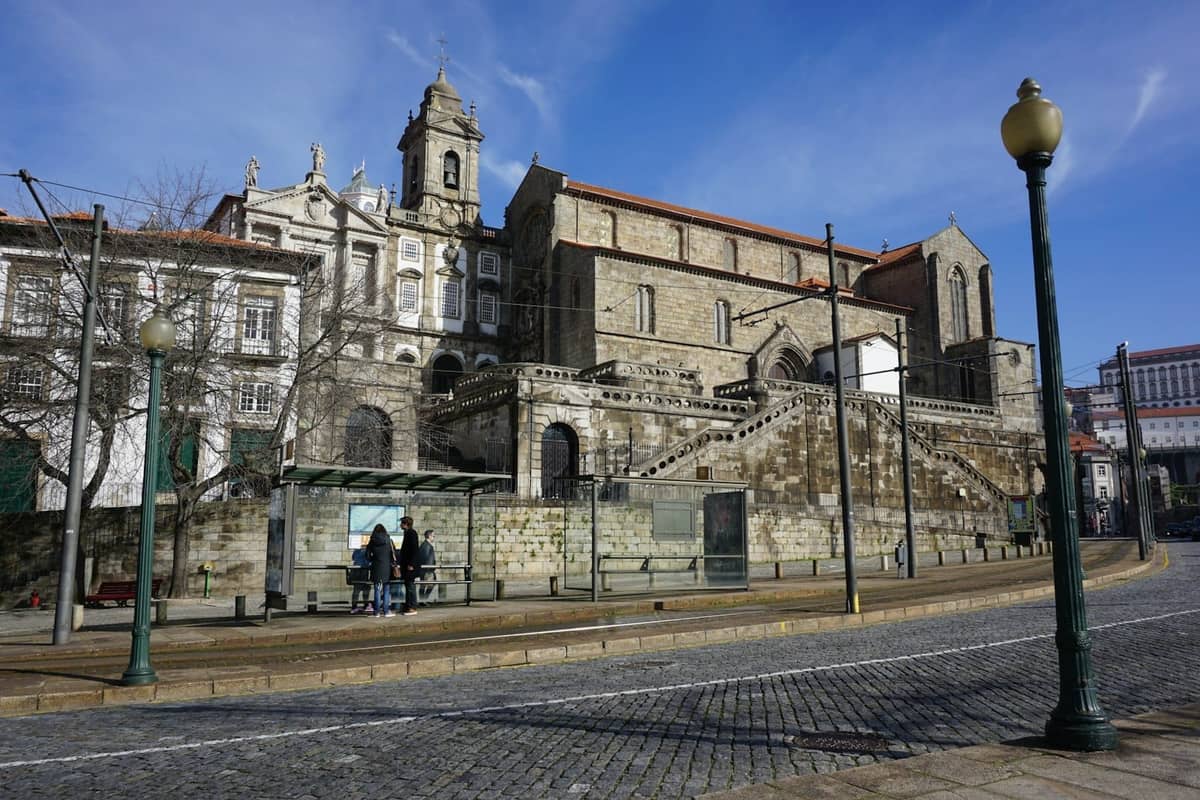
3. See Porto's Most Extravagant Gilded Interior at São Francisco
A Gothic shell conceals one of Europe's most overwhelming Baroque interiors: hundreds of kilograms of gilded woodcarving cover every surface. The combined ticket includes the church, museum, and catacombs beneath. Budget at least an hour; nothing quite prepares you for the interior.
Explore3. See Porto's Most Extravagant Gilded Interior at São Francisco
A Gothic shell conceals one of Europe's most overwhelming Baroque interiors: hundreds of kilograms of gilded woodcarving cover every surface. The combined ticket includes the church, museum, and catacombs beneath. Budget at least an hour; nothing quite prepares you for the interior.
Explore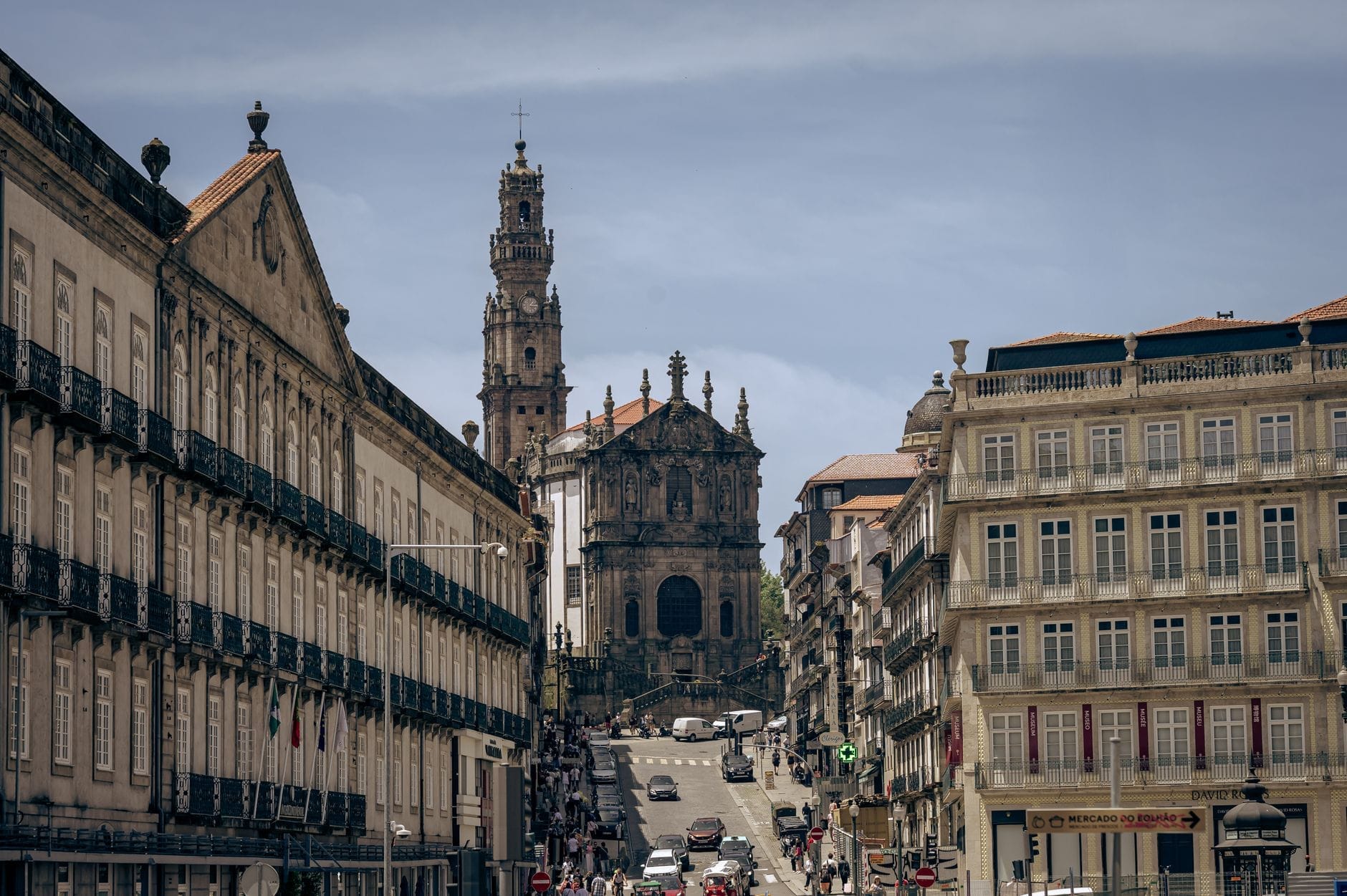
4. Explore the Baroque Church at the Base of Clérigos Tower
The Baroque church of Clérigos, designed by Nicolau Nasoni and completed in the 1750s, is often overshadowed by its famous tower. The interior rewards those who linger: an oval nave, carved woodwork, and a small museum trace the history of this remarkable complex.
Explore4. Explore the Baroque Church at the Base of Clérigos Tower
The Baroque church of Clérigos, designed by Nicolau Nasoni and completed in the 1750s, is often overshadowed by its famous tower. The interior rewards those who linger: an oval nave, carved woodwork, and a small museum trace the history of this remarkable complex.
Explore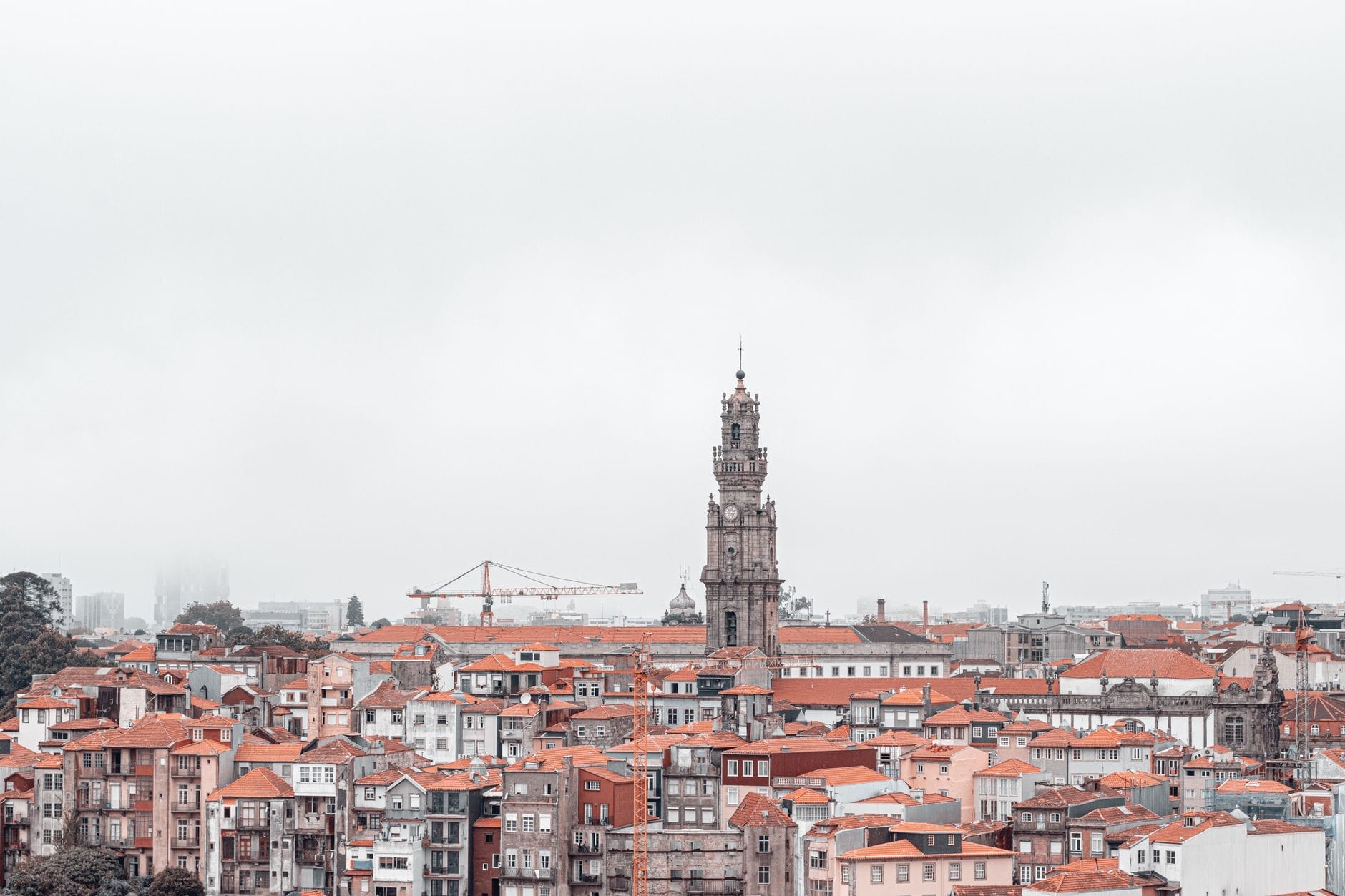
5. Climb the Torre dos Clérigos for the Best Church-Linked Viewpoint
At 75 metres, this is the tallest campanile in Portugal and Porto's defining skyline element. The 200-plus step climb is narrow and steep, but the panorama from the top across the Douro and the Atlantic rewards the effort. Book timed entry in advance during peak season.
Explore5. Climb the Torre dos Clérigos for the Best Church-Linked Viewpoint
At 75 metres, this is the tallest campanile in Portugal and Porto's defining skyline element. The 200-plus step climb is narrow and steep, but the panorama from the top across the Douro and the Atlantic rewards the effort. Book timed entry in advance during peak season.
Explore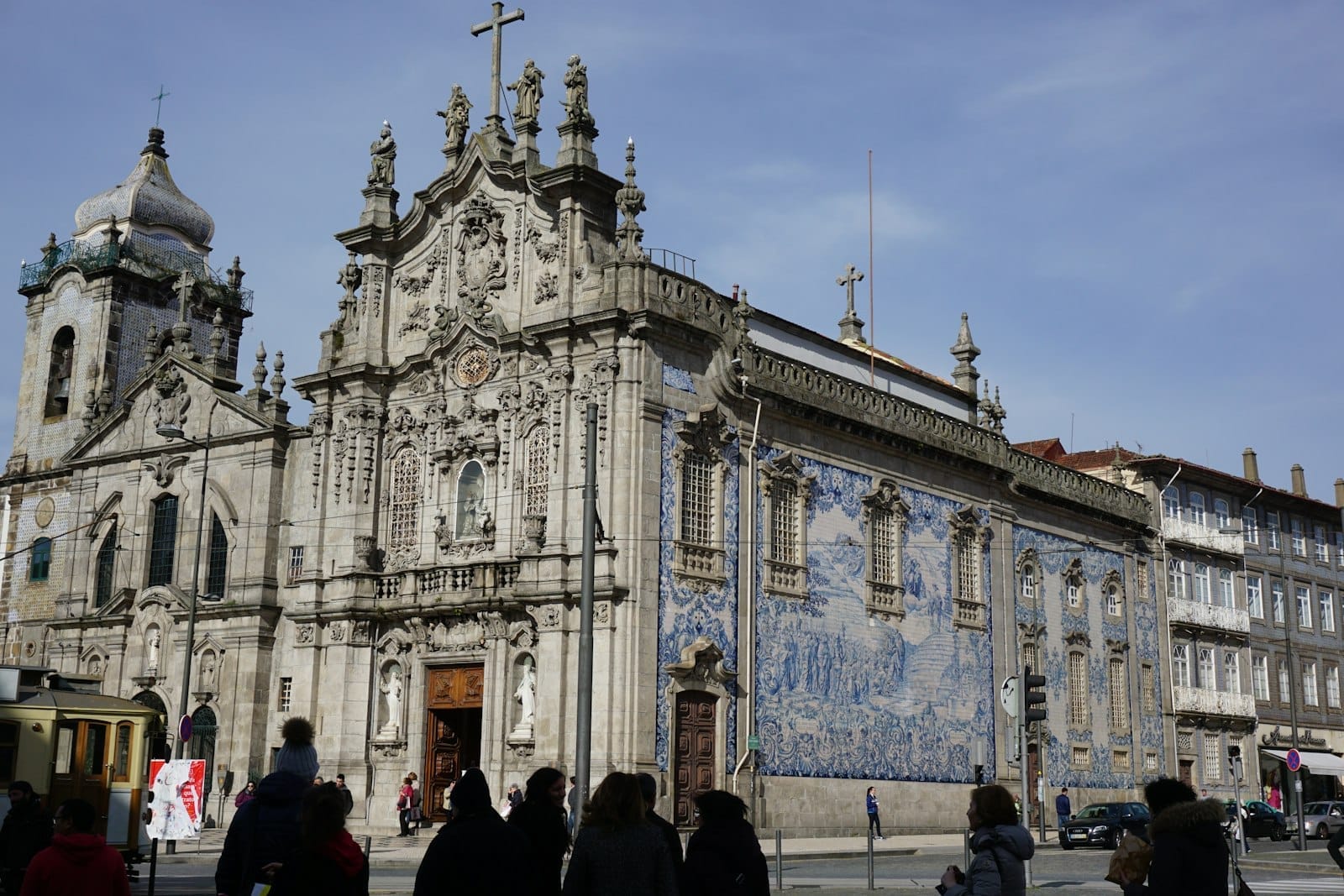
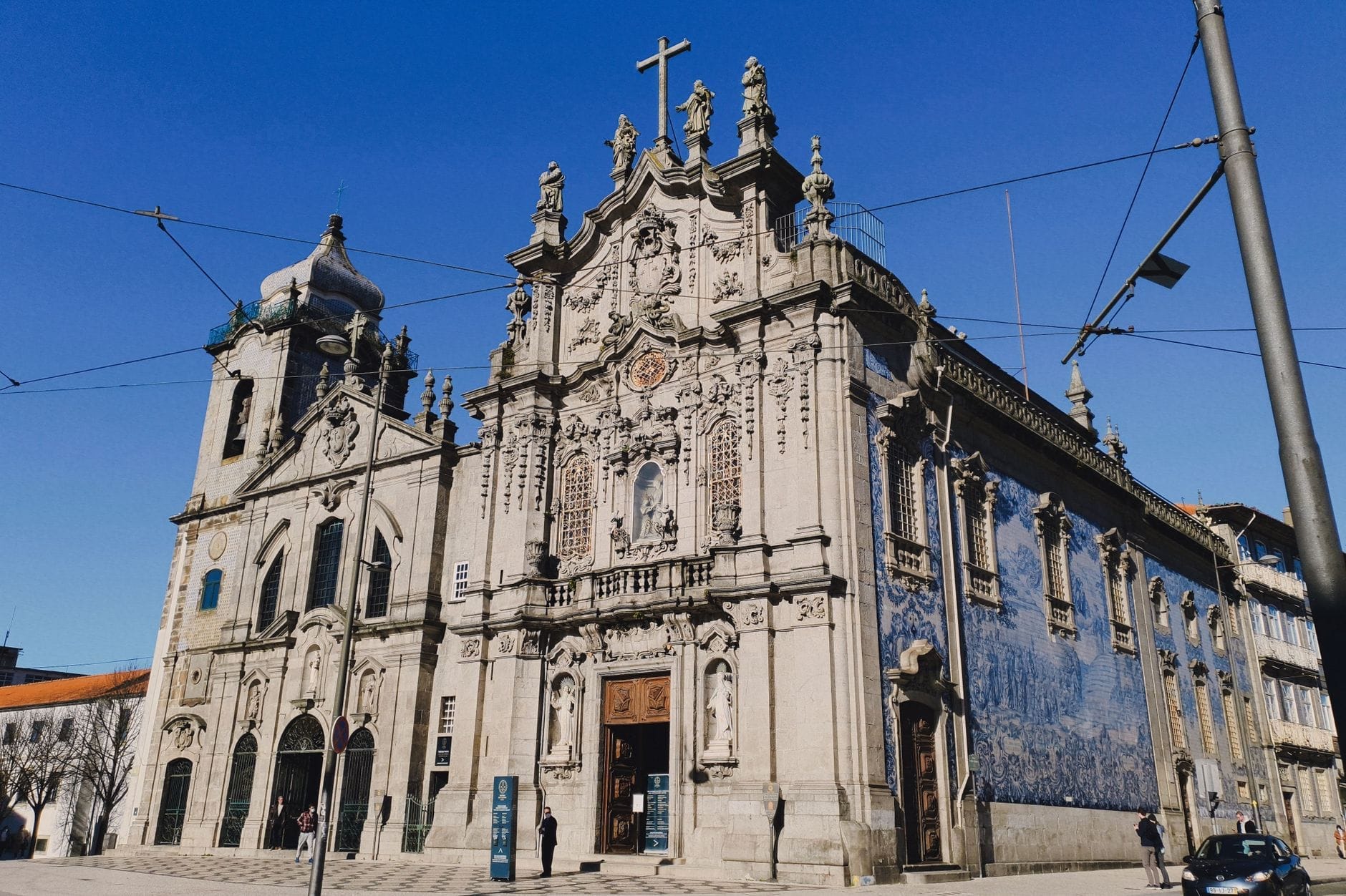
6. Admire Seven Gilded Altars Inside Igreja do Carmo
Behind the famous azulejo side facade lies a late Baroque interior of real quality: seven gilded altars, carved woodwork, and a soaring single nave. The ticket also includes catacombs and the peculiar 'Hidden House' wedged between two churches sharing a wall.
Explore6. Admire Seven Gilded Altars Inside Igreja do Carmo
Behind the famous azulejo side facade lies a late Baroque interior of real quality: seven gilded altars, carved woodwork, and a soaring single nave. The ticket also includes catacombs and the peculiar 'Hidden House' wedged between two churches sharing a wall.
ExploreAzulejo-Covered Facades
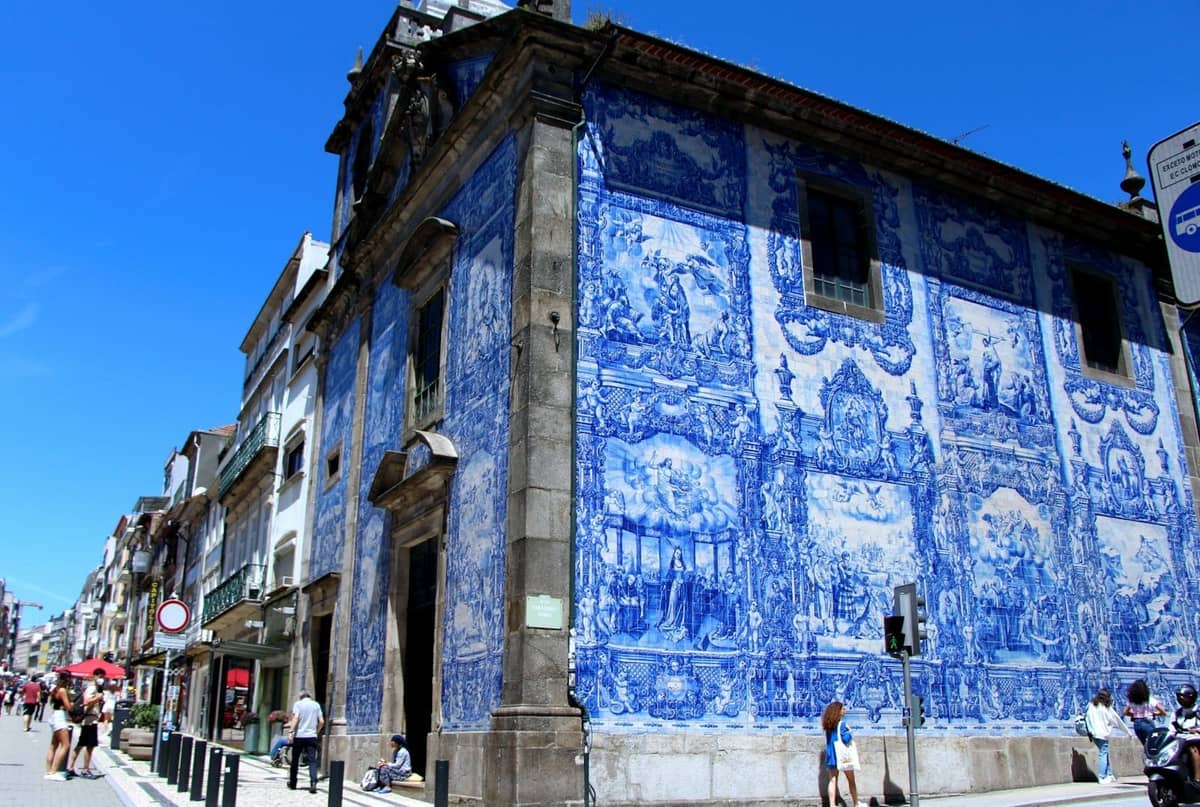
Porto's azulejo church facades are among the most photographed images in Portugal, and for good reason: the scale and detail of hand-painted tile panels on buildings like Santo Ildefonso and Carmo are genuinely extraordinary. Understanding the iconographic programmes depicted, saints' lives, biblical scenes, historical events, adds a layer of meaning to what might otherwise be admired purely for aesthetics. For a deep dive into the city's tile culture beyond churches, the complete azulejo tiles guide covers the full picture, from production methods to the best examples across the city.
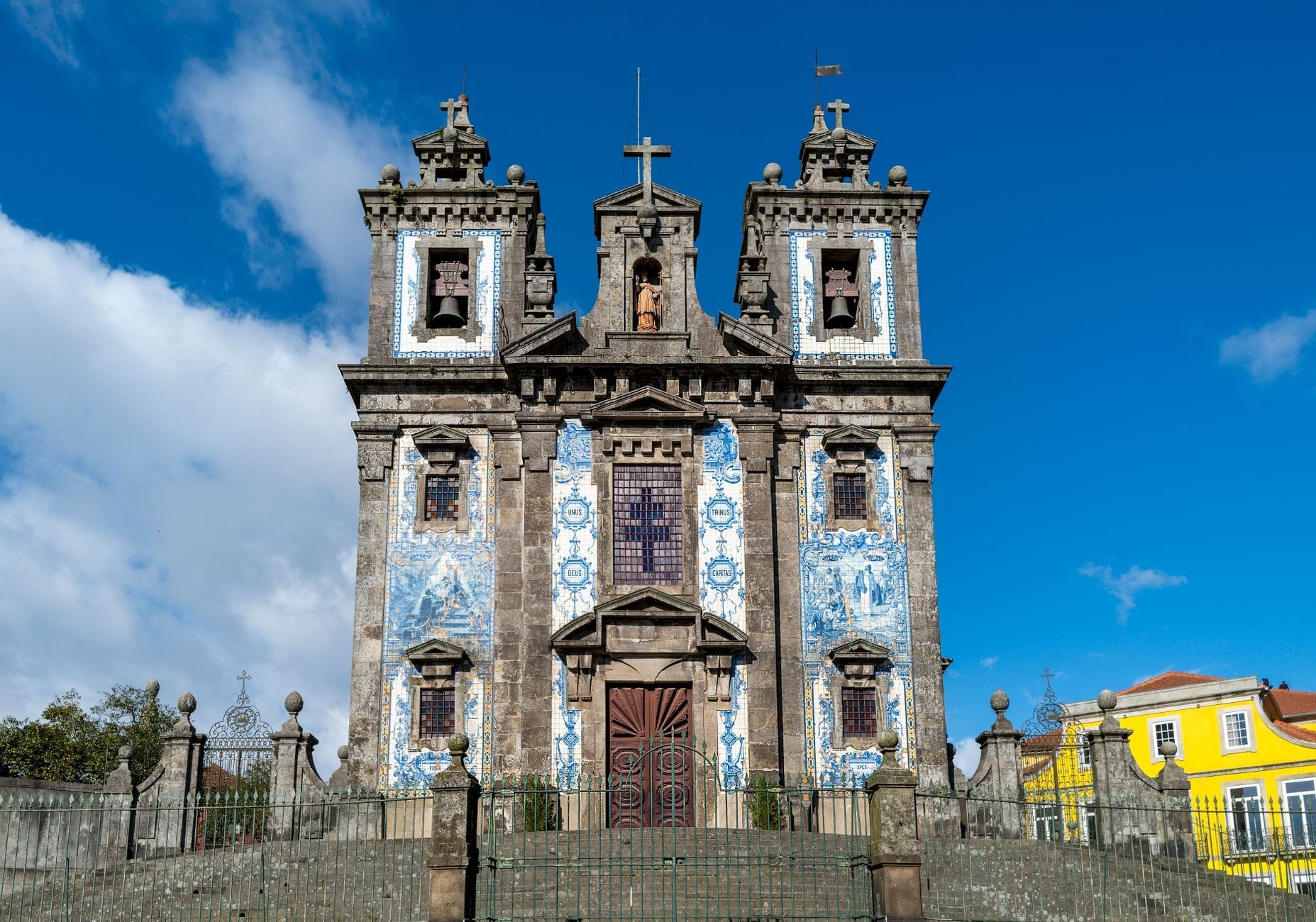
7. Photograph the 11,000-Tile Facade of Santo Ildefonso
The west-facing azulejo facade of Santo Ildefonso, installed in the 1930s by artist Jorge Colaço, depicts biblical scenes and allegorical figures across approximately 11,000 tiles. Entry is free. The interior, including a carved wooden ceiling, is worth the extra ten minutes inside.
Explore7. Photograph the 11,000-Tile Facade of Santo Ildefonso
The west-facing azulejo facade of Santo Ildefonso, installed in the 1930s by artist Jorge Colaço, depicts biblical scenes and allegorical figures across approximately 11,000 tiles. Entry is free. The interior, including a carved wooden ceiling, is worth the extra ten minutes inside.
Explore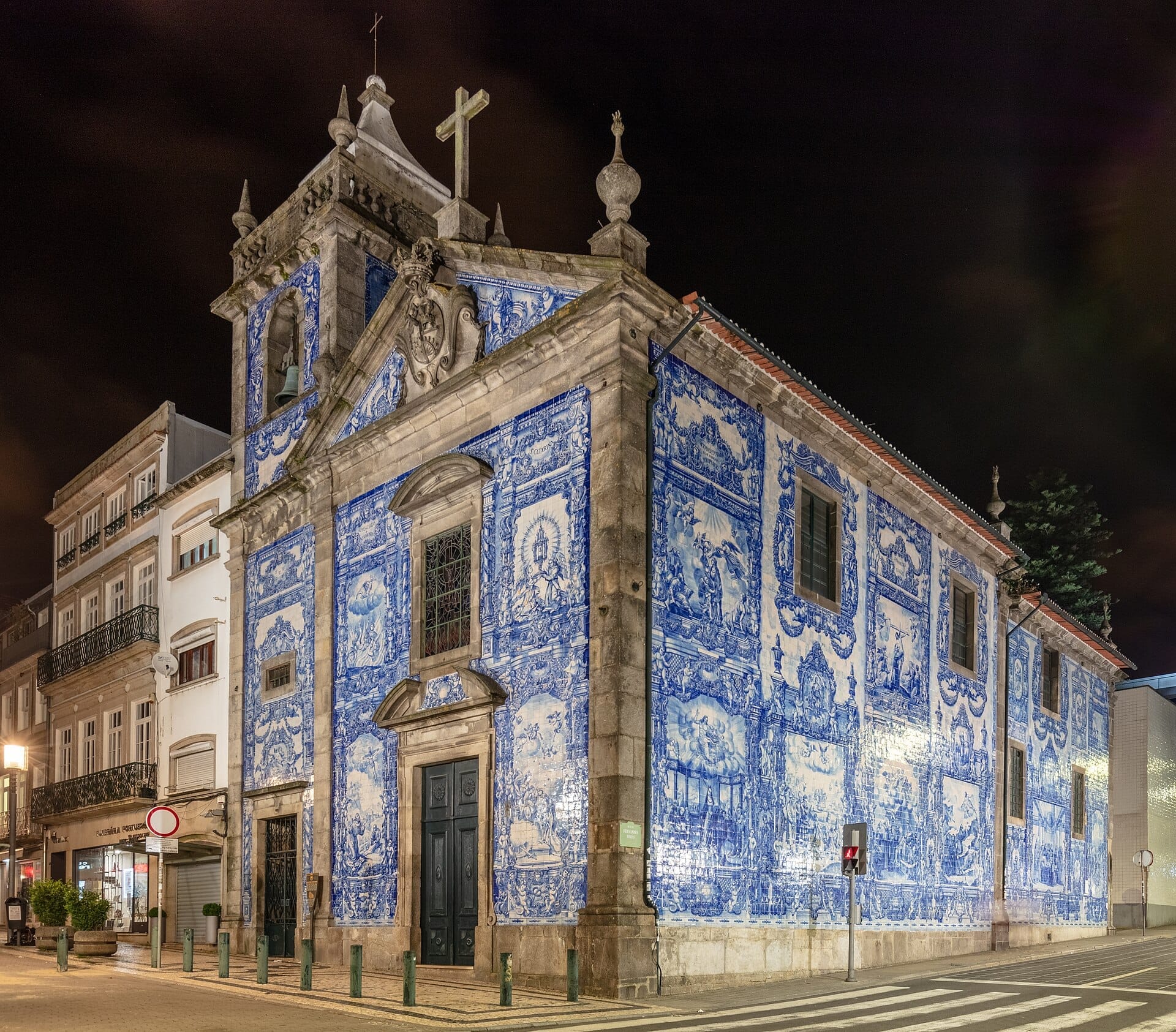
8. See Nearly 16,000 Azulejo Tiles at the Capela das Almas
The exterior of this chapel on Rua de Santa Catarina is sheathed in nearly 16,000 blue-and-white tiles depicting the lives of Saint Francis of Assisi and Saint Catherine. Entry is free and the visit takes under 30 minutes. Go on a weekday morning for the best light on the facade.
Explore8. See Nearly 16,000 Azulejo Tiles at the Capela das Almas
The exterior of this chapel on Rua de Santa Catarina is sheathed in nearly 16,000 blue-and-white tiles depicting the lives of Saint Francis of Assisi and Saint Catherine. Entry is free and the visit takes under 30 minutes. Go on a weekday morning for the best light on the facade.
Explore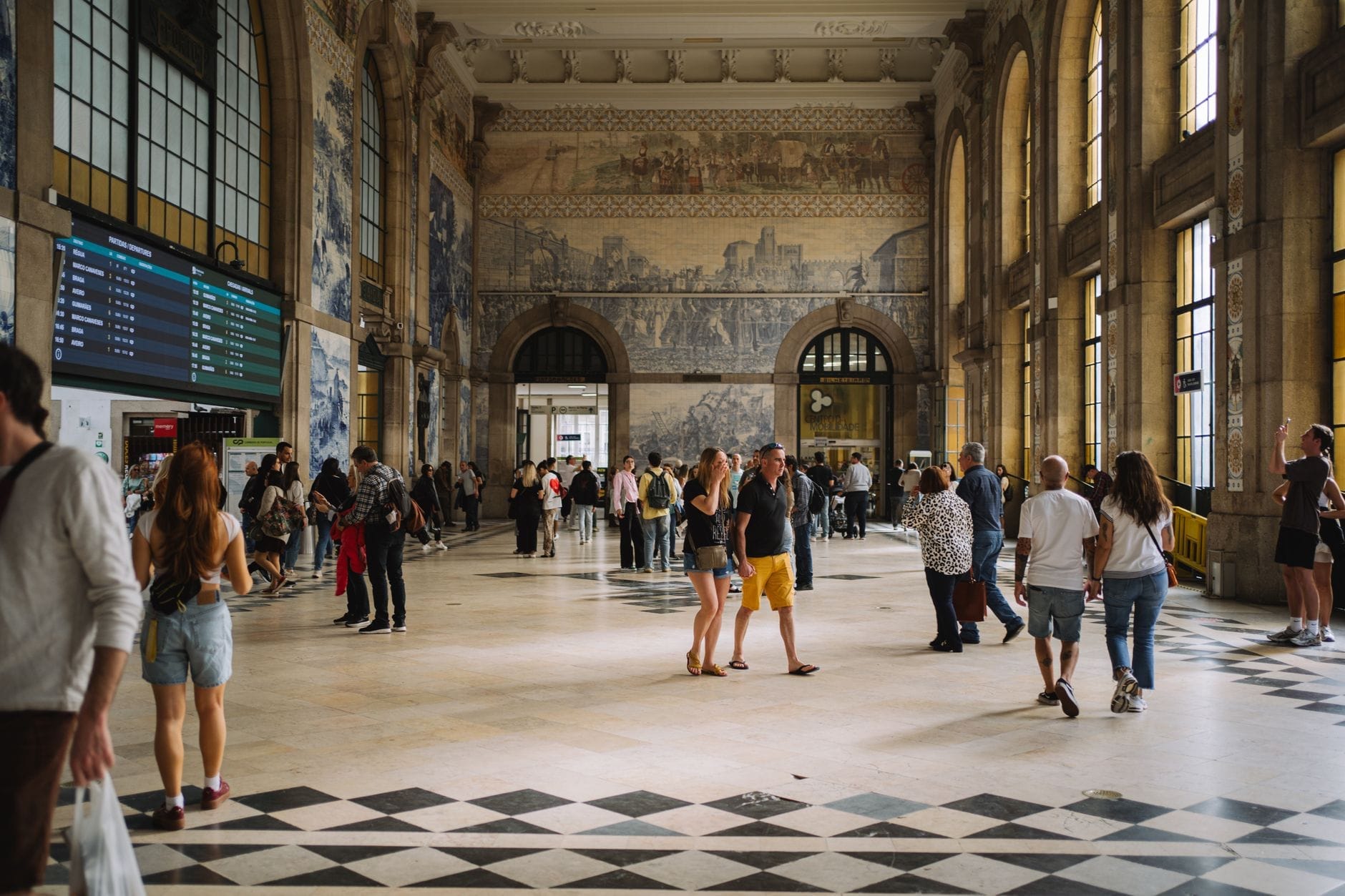
9. See the Finest Azulejo Narrative Panels at São Bento Station
Technically a railway station, not a church, but the 20,000-tile programme in its grand vestibule by Jorge Colaço is the most ambitious azulejo narrative in Porto. Scenes of Portuguese history cover every wall. Entry is free; you can visit without taking a train.
Explore9. See the Finest Azulejo Narrative Panels at São Bento Station
Technically a railway station, not a church, but the 20,000-tile programme in its grand vestibule by Jorge Colaço is the most ambitious azulejo narrative in Porto. Scenes of Portuguese history cover every wall. Entry is free; you can visit without taking a train.
Explore💡 Local tip
Church facades photograph best in the morning when direct sunlight hits the tiles. Santo Ildefonso faces west, so its facade is best in the late afternoon. Plan your route accordingly.
Monastery, Synagogue & Unusual Religious Sites
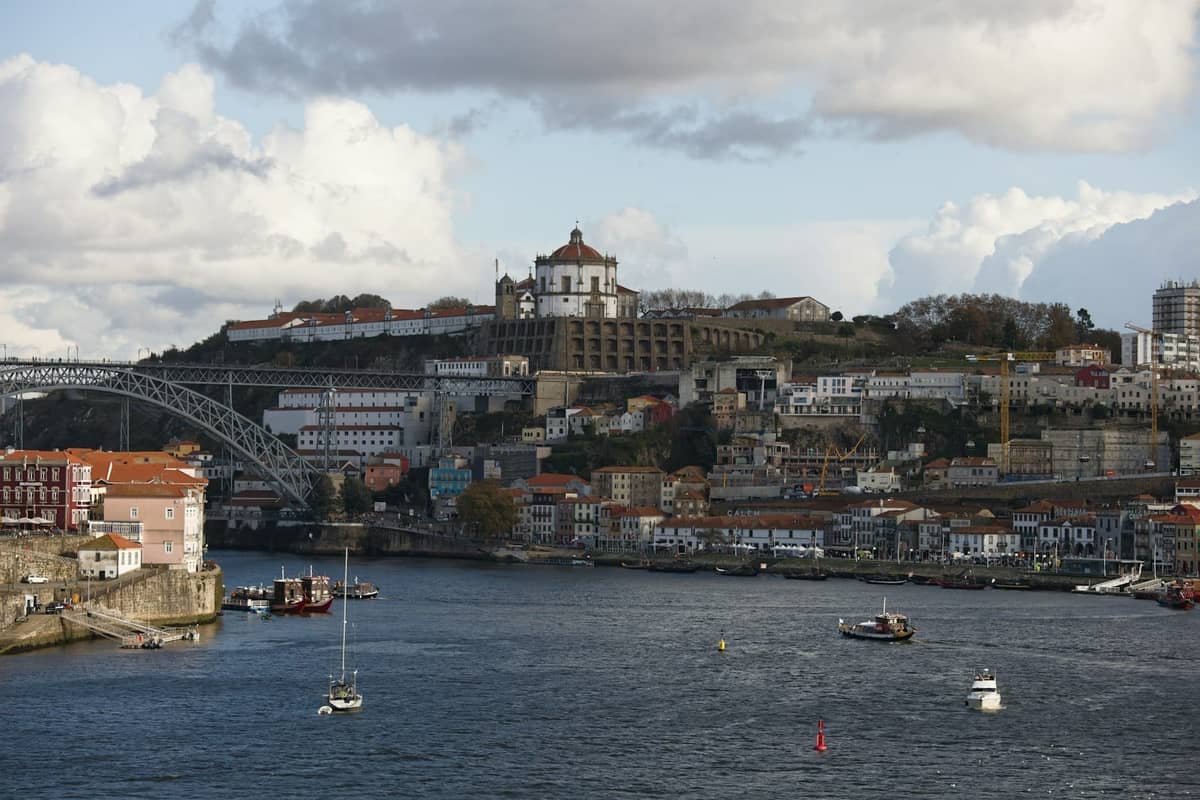
Porto's religious heritage extends well beyond the main Baroque churches of the historic centre. Across the Douro in Vila Nova de Gaia, the Monastery of Serra do Pilar offers a circular cloister unique in Portugal and the finest panoramic view of the city. Back in Cedofeita, the Porto Jewish Museum connects visitors to centuries of Sephardic presence that most church-focused itineraries overlook entirely. Both sites require advance planning but reward those willing to go slightly off the standard route. For more lesser-known spots throughout the city, the Porto hidden gems guide is a useful companion.
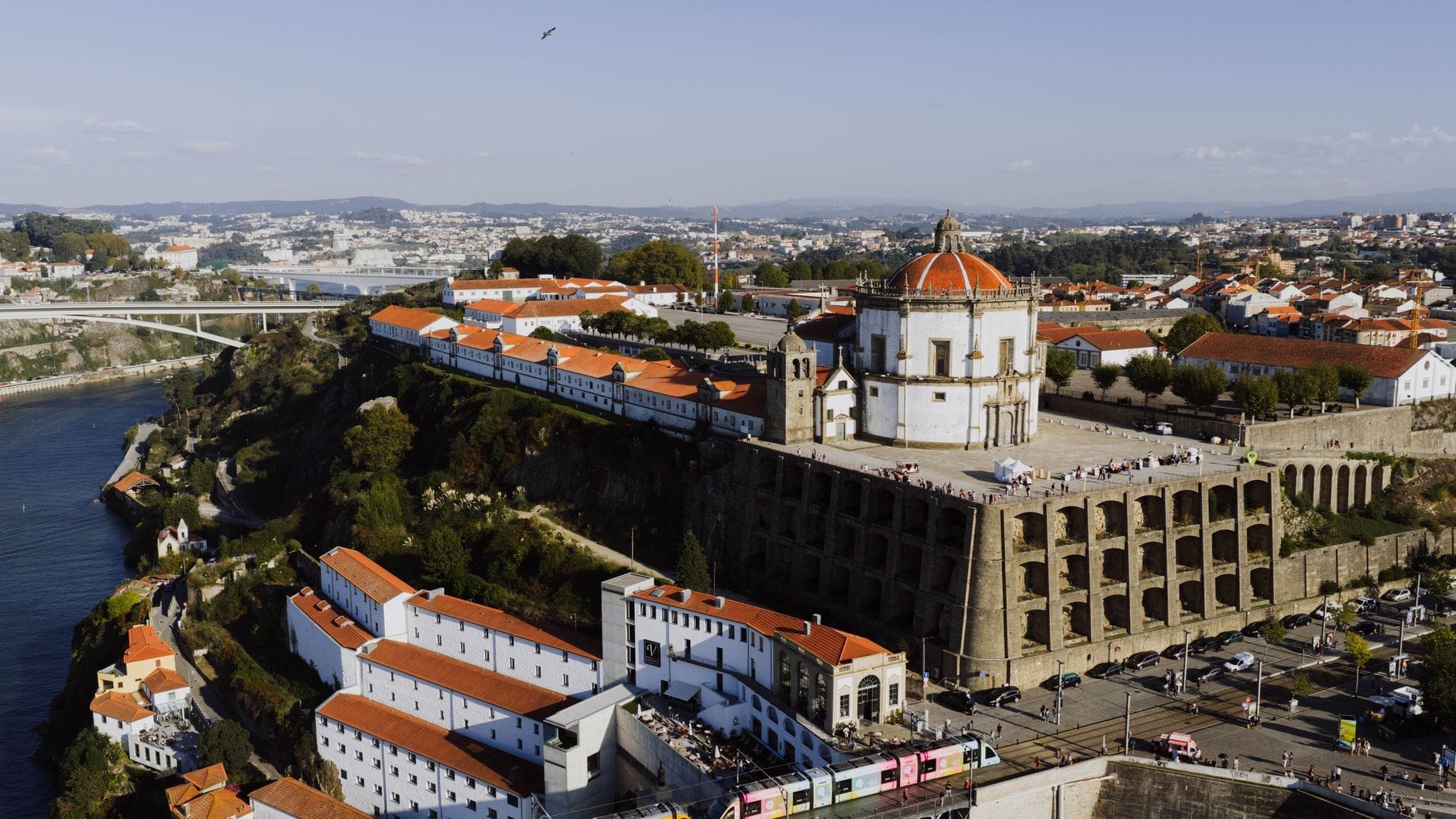
10. Cross the River for the Circular Cloister at Serra do Pilar
Founded in 1537 and part of Porto's UNESCO listing, this monastery has a circular church and circular cloister, a combination unique in Portugal. The hilltop position above Gaia also delivers arguably the best panoramic view of Porto's skyline. Far fewer visitors make it here than to the Porto-side miradouros.
Explore10. Cross the River for the Circular Cloister at Serra do Pilar
Founded in 1537 and part of Porto's UNESCO listing, this monastery has a circular church and circular cloister, a combination unique in Portugal. The hilltop position above Gaia also delivers arguably the best panoramic view of Porto's skyline. Far fewer visitors make it here than to the Porto-side miradouros.
Explore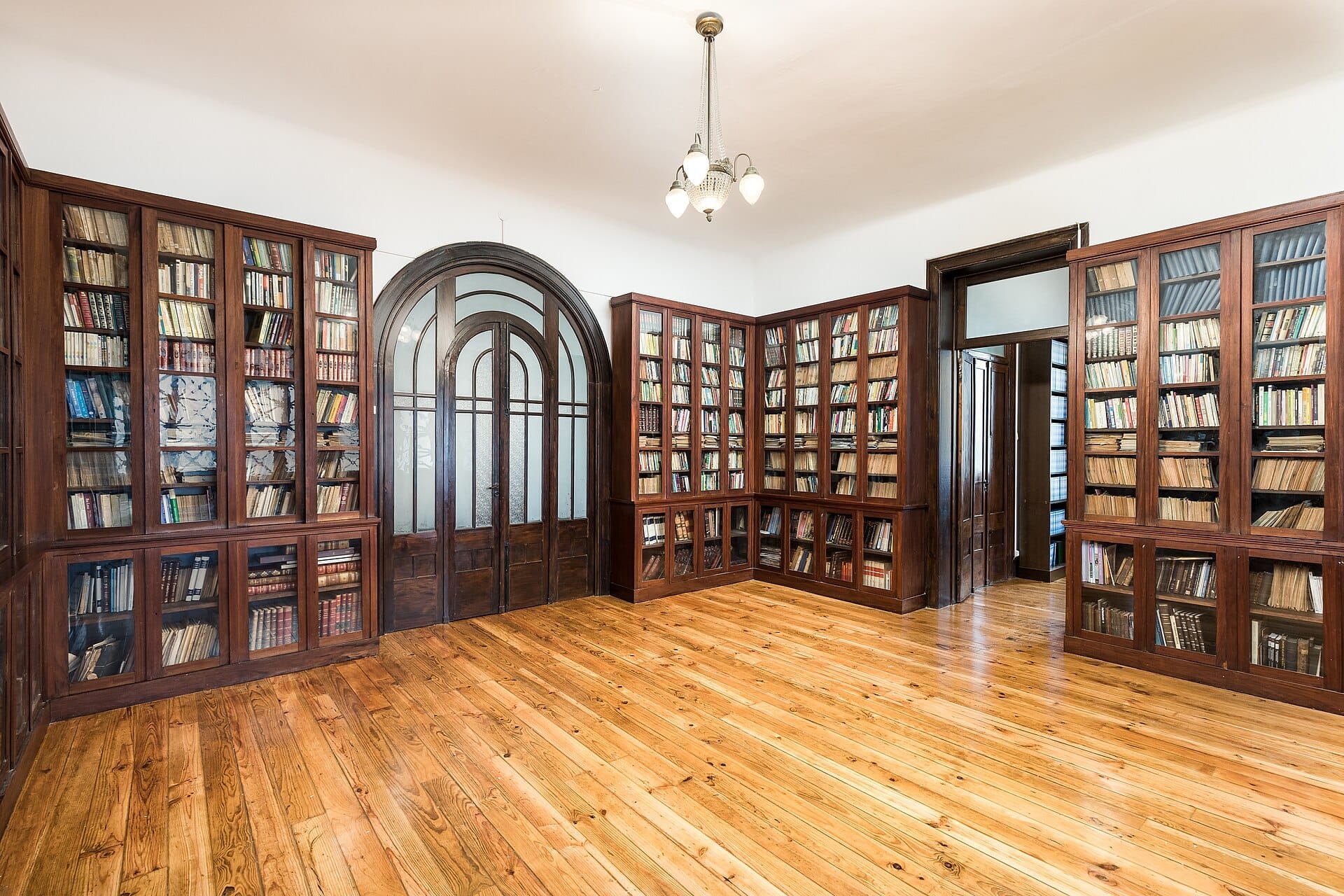
11. Discover Two Millennia of Jewish Heritage at the Kadoorie Synagogue
Opened in 2023 and linked to the historic Kadoorie Mekor Haim Synagogue, this museum traces Jewish life in Porto from Roman times through the Inquisition to the 20th-century revival. Visits are arranged in advance through the Jewish Community of Porto. A thoughtful counterpoint to the Baroque circuit.
Explore11. Discover Two Millennia of Jewish Heritage at the Kadoorie Synagogue
Opened in 2023 and linked to the historic Kadoorie Mekor Haim Synagogue, this museum traces Jewish life in Porto from Roman times through the Inquisition to the 20th-century revival. Visits are arranged in advance through the Jewish Community of Porto. A thoughtful counterpoint to the Baroque circuit.
ExploreArchitectural Context & Streets Connecting the Churches
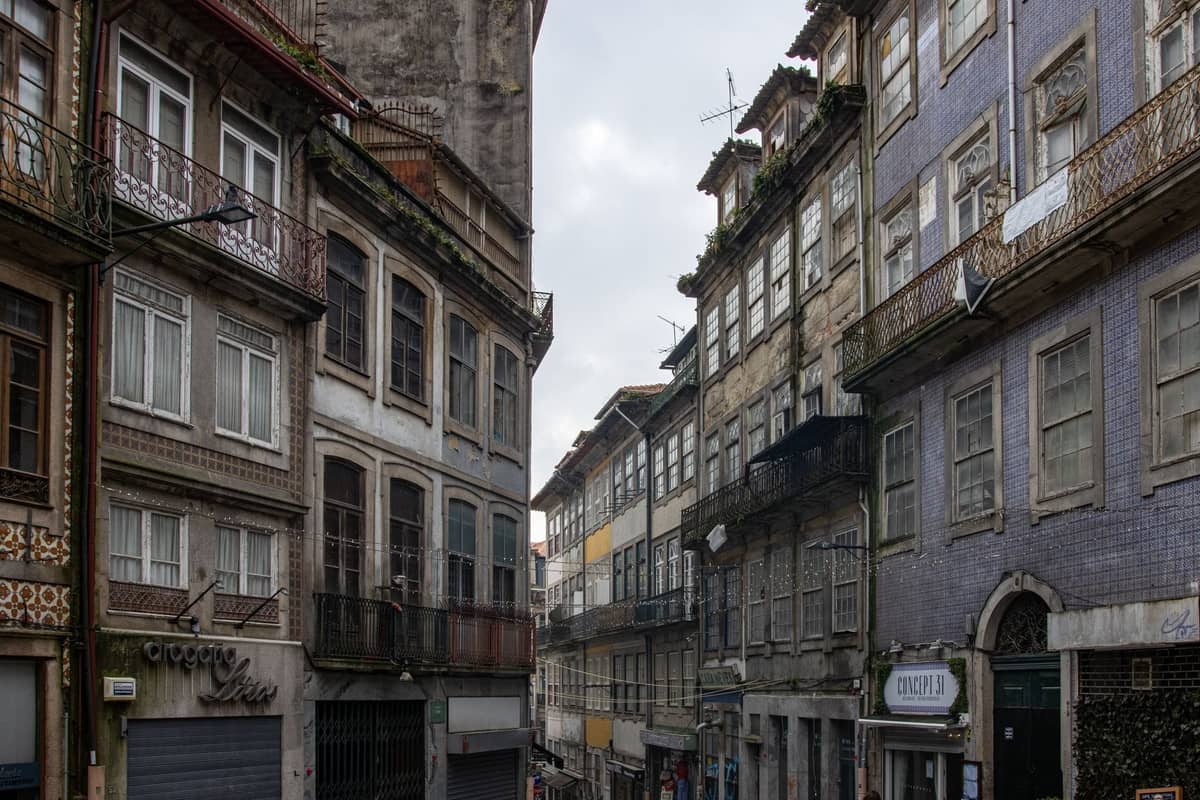
Walking between Porto's churches is itself part of the experience. The streets connecting the cathedral hill to the Carmo church and Clérigos tower pass through some of the most architecturally layered urban fabric in northern Portugal. Rua das Flores, in particular, links religious buildings, azulejo-fronted palaces, and artisan workshops in a single stretch. Understanding the neighbourhood geography helps you sequence visits logically rather than doubling back through steep hills. The Porto walking tour guide maps this route clearly.
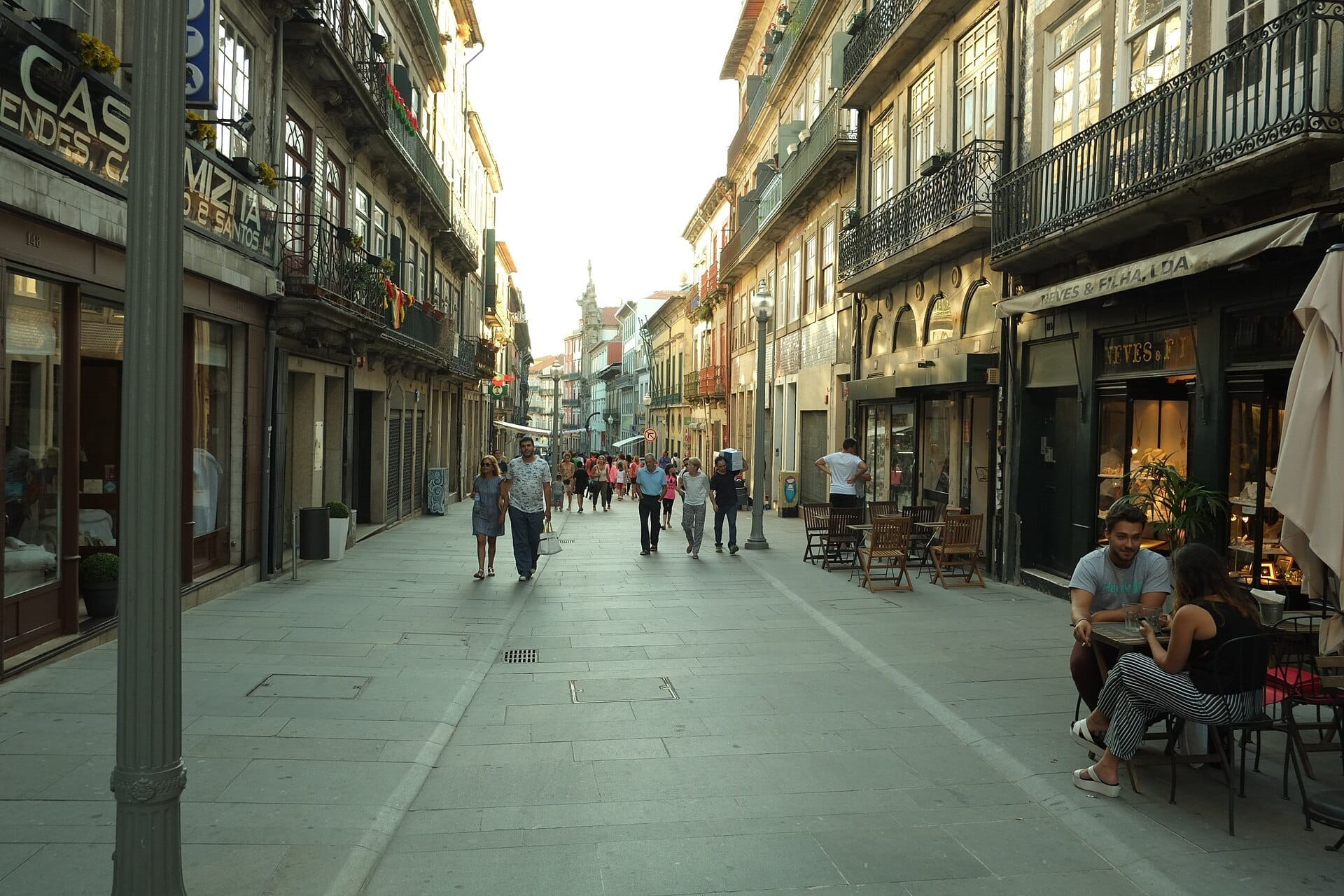
12. Walk Rua das Flores Between São Bento and the Ribeira Churches
This 500-metre pedestrian street connects São Bento station to the Ribeira and passes azulejo-fronted church facades, aristocratic palace entrances, and artisan workshops. It is the most architecturally dense route between Porto's main religious monuments, and free to walk at any hour.
Explore12. Walk Rua das Flores Between São Bento and the Ribeira Churches
This 500-metre pedestrian street connects São Bento station to the Ribeira and passes azulejo-fronted church facades, aristocratic palace entrances, and artisan workshops. It is the most architecturally dense route between Porto's main religious monuments, and free to walk at any hour.
Explore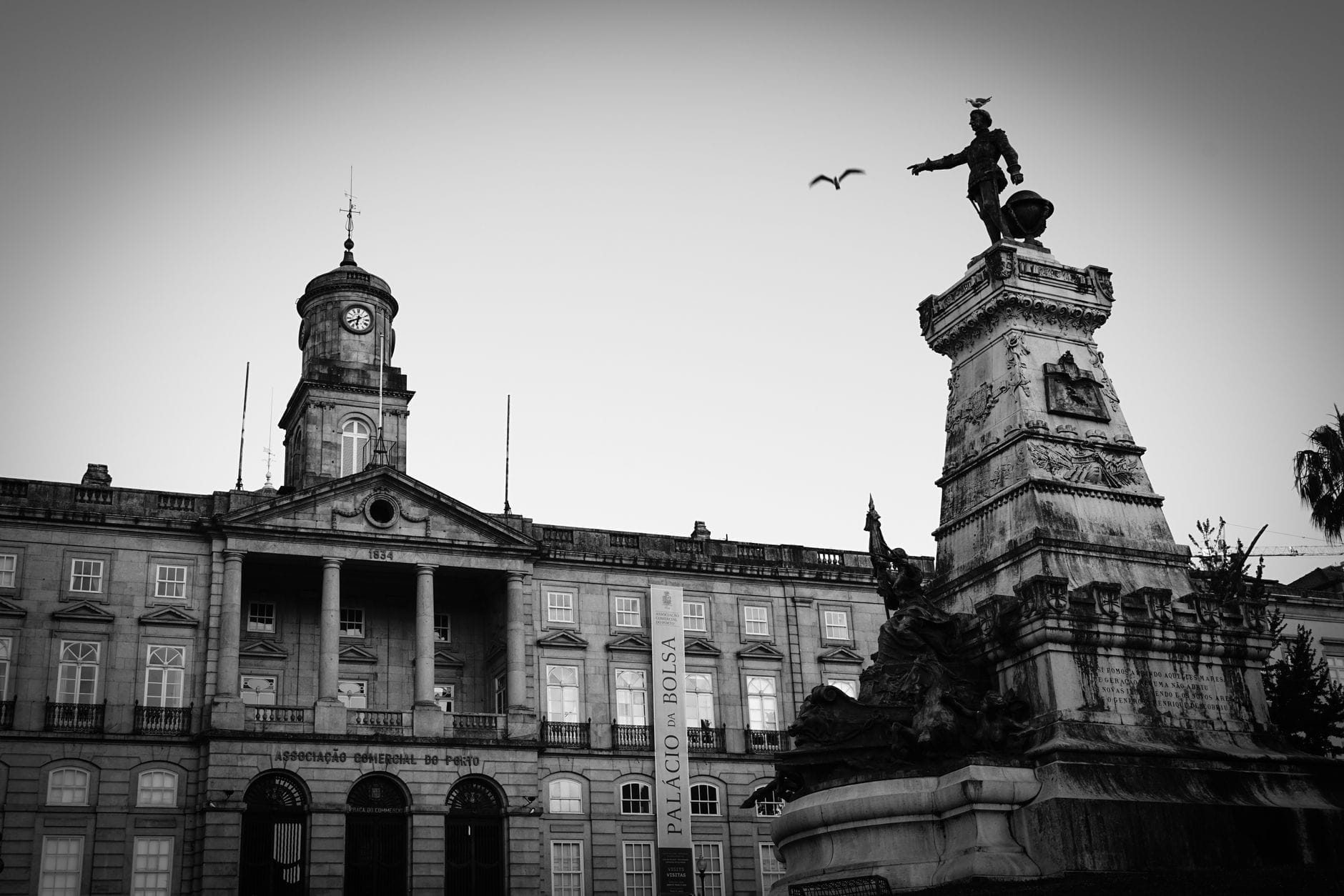
13. Visit the Palácio da Bolsa Between São Francisco and the Cathedral
Directly adjacent to Igreja de São Francisco, this neoclassical palace is the logical pairing for a Ribeira church walk. The Arab Room alone took 18 years to complete and rivals the gilded interiors of the nearby Baroque churches for sheer decorative ambition. Guided tours only; book ahead.
Explore13. Visit the Palácio da Bolsa Between São Francisco and the Cathedral
Directly adjacent to Igreja de São Francisco, this neoclassical palace is the logical pairing for a Ribeira church walk. The Arab Room alone took 18 years to complete and rivals the gilded interiors of the nearby Baroque churches for sheer decorative ambition. Guided tours only; book ahead.
Explore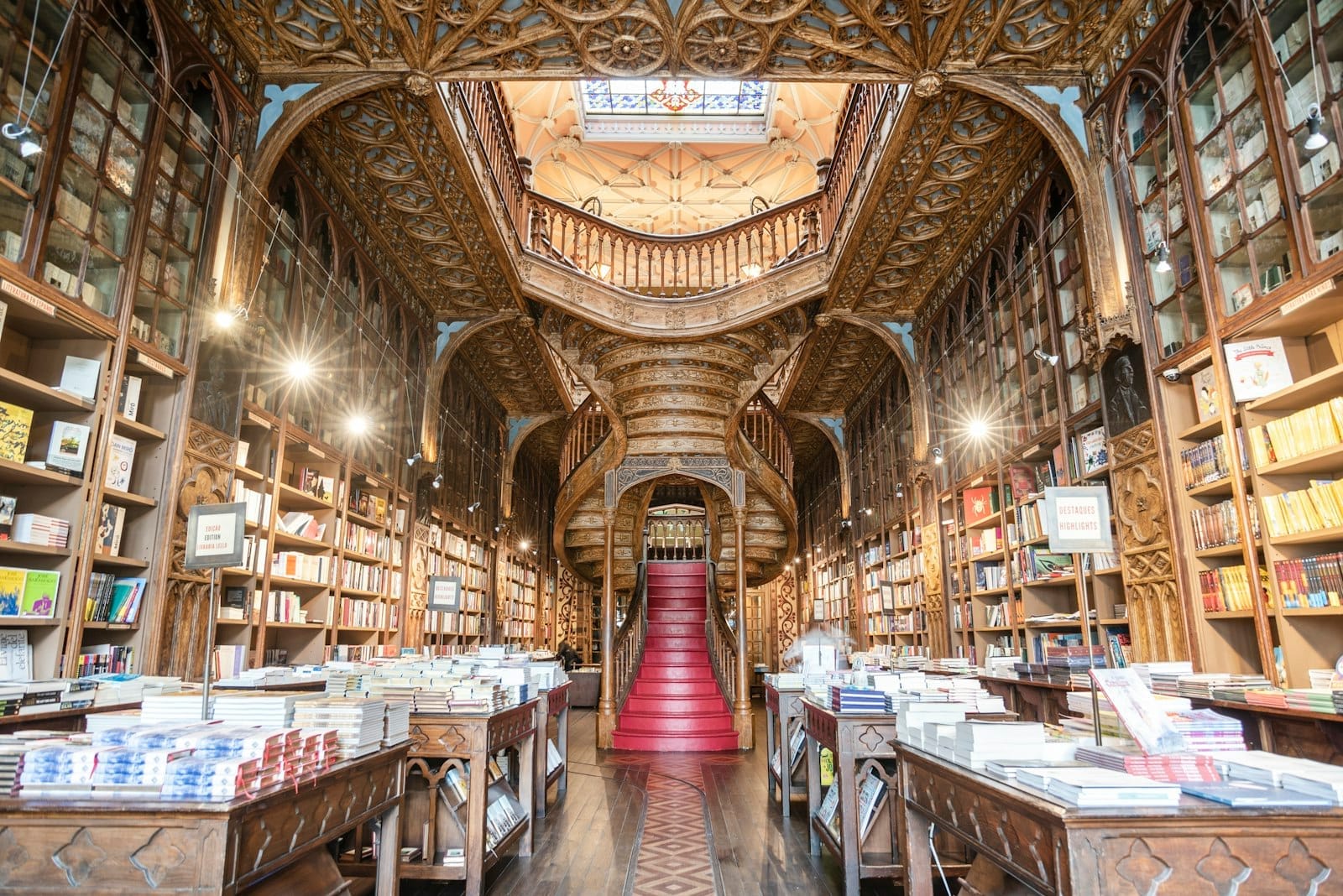
14. See the Neo-Gothic Architecture of Livraria Lello Near Clérigos
A two-minute walk from Clérigos Tower, Livraria Lello's 1906 neo-Gothic facade and stained-glass ceiling make it the most church-like secular building in Porto. A ticket is required and goes toward book purchases. Best visited on a weekday to avoid the longest queues.
Explore14. See the Neo-Gothic Architecture of Livraria Lello Near Clérigos
A two-minute walk from Clérigos Tower, Livraria Lello's 1906 neo-Gothic facade and stained-glass ceiling make it the most church-like secular building in Porto. A ticket is required and goes toward book purchases. Best visited on a weekday to avoid the longest queues.
ExploreFAQ
Are Porto's churches free to enter?
The main nave of most churches is free, but several charge for specific areas. São Francisco charges for the full church, museum, and catacombs (around €7.50–€10). The Sé's cloisters require a paid ticket (around €3). Clérigos Tower has a separate paid entry (around €10). Igreja do Carmo charges €7 for its full complex including catacombs. The Chapel of Souls and Santo Ildefonso are free throughout. Always verify current prices before visiting.
What is the best order to visit Porto's main churches in a single day?
Start at the Sé do Porto on the cathedral hill, then descend to São Francisco and the Palácio da Bolsa in the Ribeira. Walk up Rua das Flores to São Bento station, then continue to Clérigos Tower and Igreja do Carmo in Baixa. End the day at the Chapel of Souls on Rua de Santa Catarina. This route is mostly downhill to start and avoids unnecessary backtracking.
When is the best time to visit Porto's churches to avoid crowds?
Weekday mornings between 9:00 and 11:00 are consistently the quietest across most sites. São Francisco and Clérigos Tower are busiest between 11:00 and 14:00 and on weekends. The Chapel of Souls and Santo Ildefonso draw large photography crowds in the afternoon when tour groups arrive. Major religious holidays affect opening hours, so check official sites if visiting around Easter or local feast days.
Do I need to dress modestly to enter Porto's churches?
Modest dress is expected in all of Porto's active churches. Shoulders and knees should be covered as a general rule. Most sites do not enforce this strictly for tourist visits, but it is respectful to dress conservatively, particularly at the Sé do Porto during services. The Porto Jewish Museum has its own dress guidelines for synagogue visits, which are communicated when you book.
Is the Monastery of Serra do Pilar worth the trip to Vila Nova de Gaia?
Yes, especially if you want to see Porto's skyline from the best possible angle and visit a genuinely unusual circular cloister. It is around a 15–20-minute walk across the upper deck of the Dom Luís I Bridge from the Ribeira. Crowds on this side of the river are a fraction of what you encounter at Porto-side viewpoints, and the monastery's UNESCO designation means it is maintained to a high standard.