Porto Jewish Museum: A Quiet Witness to 2,000 Years of Portuguese Jewish Life
The Porto Jewish Museum (Museu Judaico do Porto) is a thoughtfully designed institution inaugurated in 2019, tracing nearly two millennia of Jewish presence in Portugal. Linked to the historic Kadoorie Mekor Haim Synagogue, it covers everything from medieval communities to the Inquisition, exile, and the remarkable modern revival of Porto's Jewish community. Visits are arranged in advance through the Jewish Community of Porto.
Quick Facts
- Location
- Rua Guerra Junqueiro 325, Cedofeita/Boavista area, Porto
- Getting There
- City bus from Aliados or Boavista; no metro station on the street. Taxi or ride-hailing (Uber/Bolt) recommended.
- Time Needed
- 1 to 1.5 hours for the museum; add 30–45 minutes if visiting the synagogue
- Cost
- Not publicly listed. Contact the Jewish Community of Porto in advance to confirm admission and scheduling.
- Best for
- History lovers, travelers with Jewish heritage, those interested in Portugal's Inquisition era
- Official website
- www.mjporto.com
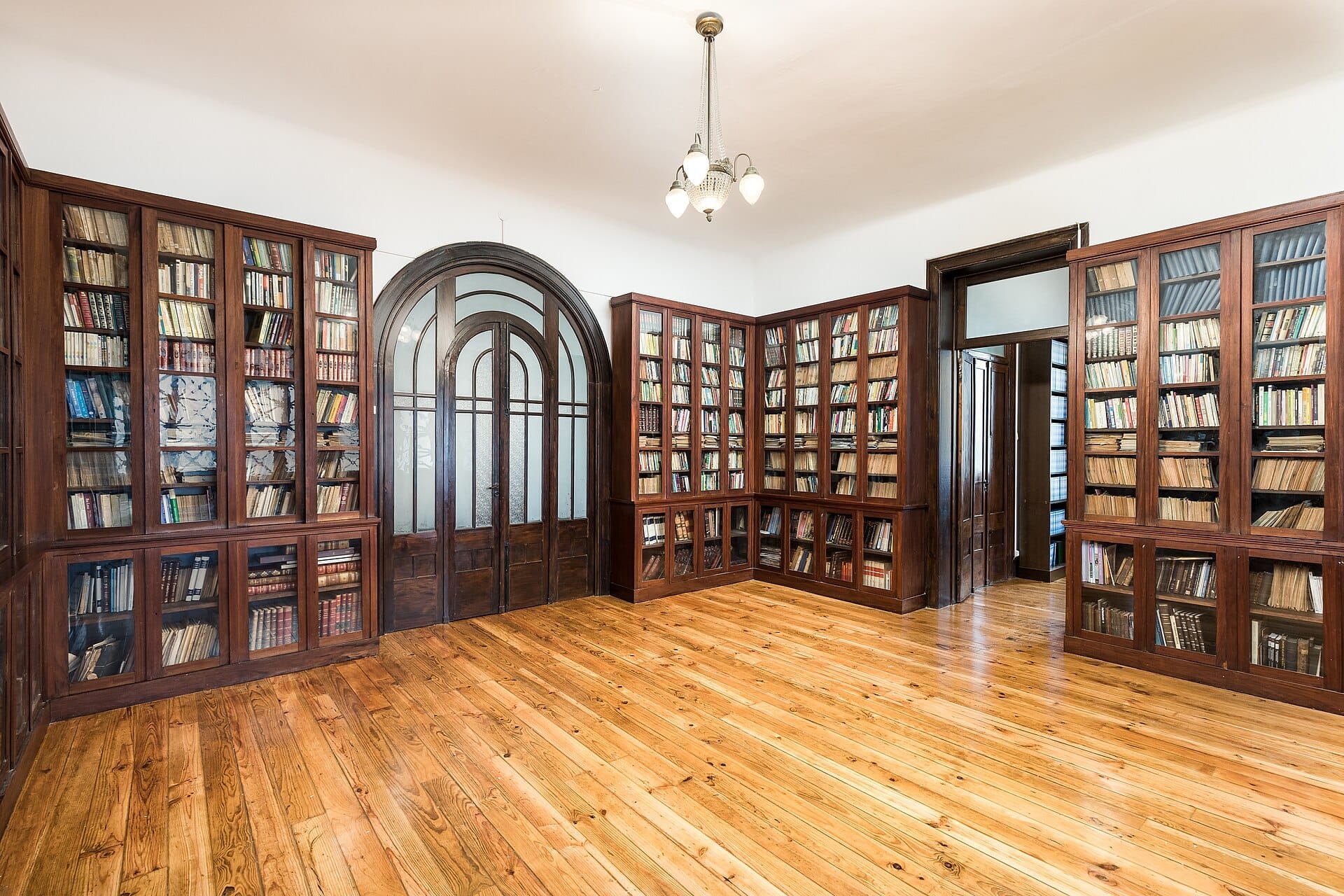
What the Porto Jewish Museum Actually Is
The Porto Jewish Museum, known in Portuguese as the Museu Judaico do Porto, is not a casual drop-in attraction. It is a dedicated cultural institution managed by the Jewish Community of Porto, inaugurated in 2019 in a purpose-built facility at Rua Guerra Junqueiro 325. A smaller predecessor museum had existed since 2015 on the first floor of the adjacent Kadoorie Mekor Haim Synagogue, but the current museum occupies a larger, modern space better suited to the scope of its collections and the weight of its subject matter.
Its core ambition is significant: to document approximately four millennia of Jewish history globally and, more specifically, nearly two thousand years of Jewish presence in the territory that became Portugal. That includes the prosperous medieval communities, the forced conversions and Inquisition trials that began in the late 15th century, the experience of crypto-Jews (Marranos) who maintained Jewish identity in secret, and the gradual modern revival that led to the establishment of Porto's contemporary Jewish community. These are not simple stories, and the museum does not simplify them.
⚠️ What to skip
This museum does not operate standard public drop-in hours and is not generally open to the public, except on specific open-door events such as the European Day of Jewish Culture. Contact the Jewish Community of Porto in advance to inquire about any current possibilities for visits, special programs, or open days.
Planning Your Visit: The Logistics You Need to Know
Getting to Rua Guerra Junqueiro requires a little more navigation than reaching the Ribeira waterfront or central Aliados. The street sits in the western part of the city, in the Boavista area. There is no metro station immediately at hand, so the practical options are a city bus from the central Aliados corridor, a taxi, or a ride-hailing app like Uber or Bolt. From central Porto the journey is typically 10 to 15 minutes by car depending on traffic.
For most of the year the museum is not open for regular public visits, and the official website does not publish fixed opening hours or ticket prices, which can catch travelers off guard. The most reliable approach is to contact the Jewish Community of Porto directly via their website before your trip to ask about any scheduled open days or special group programs. When open-door events are held, visits may be combined with a tour of the Kadoorie Mekor Haim Synagogue at Rua Guerra Junqueiro 340, just steps away. That synagogue, built in the mid-20th century, is one of the largest in the Iberian Peninsula and is a significant site in its own right.
💡 Local tip
Ask about combined visits to the museum and the Kadoorie Synagogue when you make contact. Seeing both together provides far richer context than either alone, and the arrangements are often handled as a single coordinated experience.
Tickets & tours
Hand-picked options from our booking partner. Prices are indicative; availability and final rates are confirmed when you complete your booking.
Peneda Geres park full-day tour from Porto
From 100 €Instant confirmationFree cancellationPorto historical center and the best viewpoints on a tuk-tuk
From 39 €Instant confirmationFree cancellationPorto 48 hours hop-on hop-off bus tour
From 22 €Instant confirmationFree cancellationSecret Porto walking tour
From 35 €Instant confirmationFree cancellation
Inside the Museum: What You Will See
The museum's permanent collection spans a timeline that stretches from ancient Judea through to the present day, with a clear focus on the Portuguese chapter. Among the most striking elements are displays documenting Jewish names: the museum is known for presenting the names of Jews who lived in or were connected to Porto before the mass expulsion of 1497, when Portugal's Jews were forced to convert, flee, or face the Inquisition. Seeing those names in a formal, archival context carries a particular kind of gravity that photographs of artifacts rarely match.
The museum opened in 2019 in a purpose-built facility with the kind of presentation standards you would expect from a newly built cultural institution: clear signage, considered lighting, and space to move without crowding. An exterior Inquisition memorial was unveiled in 2023. It does not have the overwhelming density of larger European Jewish museums, which is both its limitation and its strength. This is not a place where you will spend three hours. It is a place where you are likely to spend 60 to 90 minutes and leave having genuinely learned something specific, rather than having skimmed thousands of years of history in a blur.
The tone throughout is documentary rather than sensationalist. The Inquisition period is addressed directly and with appropriate seriousness. There is no attempt to gloss over the violence and coercion that shaped Jewish life in Portugal for centuries, nor is there a morbid fixation on suffering. The story of survival, secret practice, and eventual revival is given equal weight.
Historical Context: Why Porto's Jewish Story Matters
Portugal's relationship with its Jewish population is one of the more complex chapters in Iberian history. Jews had lived on the peninsula for centuries before the Spanish Expulsion of 1492 and Portugal's own forced conversion edict of 1497. The Inquisition that followed created a population of conversos, officially Christian but often privately maintaining Jewish traditions across generations. Some communities, particularly in northern Portugal and in diaspora communities in Amsterdam and Hamburg, preserved this dual identity for centuries.
The modern Jewish community of Porto has its roots partly in Sephardic Jews from North Africa and partly in the rediscovery of crypto-Jewish communities in Trás-os-Montes in the early 20th century. The Kadoorie Mekor Haim Synagogue, funded by the Kadoorie family of Hong Kong, was consecrated in 1938 and became the physical anchor of a renewed communal life. That history, from ancient presence through persecution, diaspora, and renewal, is precisely what the Porto Jewish Museum tries to hold together in one place.
For travelers interested in how Porto fits into a broader picture of Iberian Jewish heritage, this visit pairs naturally with exploring the city's older historic quarters. The Rua das Flores and the area around the cathedral were once part of a medieval urban fabric that included a Jewish quarter (judiaria), traces of which are largely invisible today but form part of the museum's historical narrative.
The Atmosphere: What the Visit Actually Feels Like
Because visits are arranged rather than spontaneous, the experience tends to be quieter and more focused than at a major tourist museum. You are unlikely to encounter large tour groups moving through in waves. The pace is controlled, the setting is calm, and if you visit with a guide, the explanations tend to be personal and detailed rather than scripted and rushed.
The building itself is modern and functional rather than architecturally dramatic. Do not come expecting a Libeskind-style statement building. The space serves the collection without competing with it, which is the right choice for this kind of subject matter. Natural light in the newer facility is handled well, and the overall environment feels respectful without being oppressive.
If you visit on a weekday morning, the street outside is quiet. Rua Guerra Junqueiro is a residential-commercial street with neighborhood shops and cafes. There is no tourist infrastructure immediately surrounding the museum, which is part of its character. You are not in a heritage zone curated for visitors. You are in a working part of the city, which makes the museum feel less like a performance of the past and more like a genuine community institution.
Practical Notes: Accessibility and Photography
The new facility was purpose-built, replacing the earlier first-floor museum in the synagogue, which suggests ground-level access is more straightforward than the older arrangement. However, the museum's official website does not publish detailed accessibility information. Travelers with specific mobility requirements or other access needs should contact the Jewish Community of Porto directly before visiting.
Photography policies in Jewish community institutions vary. Some allow personal photography without flash; others restrict it in certain areas out of respect for religious objects or archival materials. Confirm what is permitted when you arrange your visit rather than assuming either way.
If you are building a broader cultural itinerary for Porto, the museum fits naturally into a half-day in the western part of the city. From Rua Guerra Junqueiro you can reach the Serralves Museum and Park in around 15 minutes on foot or by a short taxi ride, and the Casa da Música in Boavista is similarly close. Those are very different kinds of institutions, but grouping them geographically makes sense if your time in Porto is limited.
Who Should Visit, and Who Might Want to Skip It
The Porto Jewish Museum rewards travelers who come with some background interest: in Jewish history, in the Inquisition, in Portuguese history, or in how minority communities survive and revive over centuries. It is not a sensory spectacle. There are no reconstructed scenes, no dramatic lighting effects, no interactive digital installations aimed at keeping restless visitors engaged. If you are traveling with children who need constant visual stimulation, this is probably not the right stop.
For travelers specifically tracing Jewish heritage across Portugal, or for those who want to understand Porto beyond its wine cellars and azulejo tiles, this museum fills a gap that no other attraction in the city addresses. Porto's famous azulejo tile tradition and its port wine legacy are well documented across dozens of sites. The Jewish story is told here, and essentially nowhere else in the city with this degree of care.
Travelers who prefer strictly self-guided, walk-in experiences should be aware that the advance-contact requirement is a real barrier. It takes a small amount of planning effort. For most visitors the effort is worth it, but if you are someone who decides to visit somewhere on the morning of and expects to walk straight in, this museum will likely disappoint.
Insider Tips
- Contact the Jewish Community of Porto at least 3 to 5 days before your visit, not the morning you plan to go. Their community office coordinates visits and availability can be limited.
- Ask explicitly about combining the museum visit with the Kadoorie Mekor Haim Synagogue. The synagogue building is historically significant in its own right and the combined experience is more complete than the museum alone.
- If you are traveling between May and September, early morning weekday visits tend to be the quietest. The street outside is calm and the institutional setting means you will not be competing with crowds at any time of year.
- The museum sits in the Cedofeita-Boavista zone, which is one of Porto's more genuinely local neighborhoods. Use the visit as an excuse to explore the area on foot before or after: there are good cafes and independent shops along streets like Rua de Cedofeita.
- If you have ancestry from Portugal's crypto-Jewish communities (Marranos) or from Sephardic families with Portuguese roots, mention this when you contact the museum. Staff are often particularly attentive to visitors with personal heritage connections to the material.
Who Is Porto Jewish Museum For?
- Travelers with Jewish heritage or family connections to Portugal and the Sephardic diaspora
- History enthusiasts interested in the Inquisition, forced conversion, and religious persecution in Iberia
- Visitors who want to understand a side of Portuguese cultural history rarely covered in mainstream tourism
- Those combining Porto with a broader heritage itinerary across Portugal, including Trás-os-Montes crypto-Jewish communities
- Thoughtful solo travelers or couples who prefer quiet, curated museum experiences over large-scale attractions
Nearby Attractions
Other things to see while in Cedofeita:
- Jardim Botânico do Porto
Spread across about 4 hectares on the historic Campo Alegre Estate in Cedofeita, the Jardim Botânico do Porto is one of the city's most rewarding green spaces. Entry is free, the layout is genuinely beautiful, and the crowds are a fraction of what you'll find at Porto's headline attractions.
- Palácio de Cristal Gardens
Perched above the Douro on the western edge of Cedofeita, the Jardins do Palácio de Cristal are a sprawling public park with panoramic river views, manicured gardens, and a surprisingly peaceful atmosphere — all free to enter. This guide covers what to expect at different times of day, how to get there, and the history behind the name.