Jardim Botânico do Porto: The Quiet Green Space Porto Gets Right
Spread across about 4 hectares on the historic Campo Alegre Estate in Cedofeita, the Jardim Botânico do Porto is one of the city's most rewarding green spaces. Entry is free, the layout is genuinely beautiful, and the crowds are a fraction of what you'll find at Porto's headline attractions.
Quick Facts
- Location
- Rua do Campo Alegre 1191, Cedofeita, Porto
- Getting There
- City buses along Rua do Campo Alegre; approx. 15 min from the historic centre (verify routes locally)
- Time Needed
- 1 to 2 hours
- Cost
- Free entry (confirm on official site before visiting)
- Best for
- Walkers, families, photography, a slow morning away from tourist crowds
- Official website
- mhnc.up.pt/en/porto-s-botanical-garden
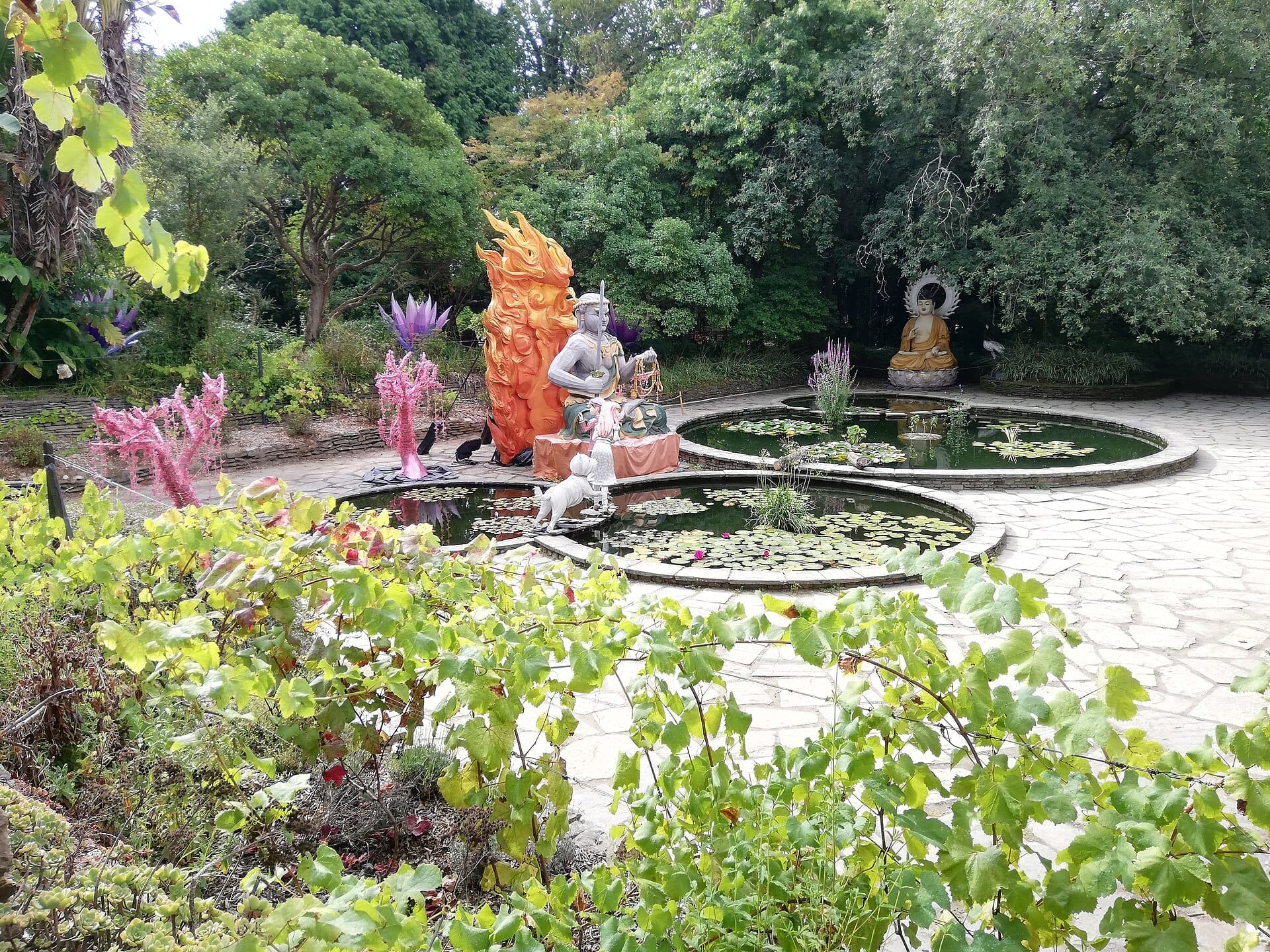
What the Jardim Botânico do Porto Actually Is
The Jardim Botânico do Porto occupies the grounds of the Quinta do Campo Alegre, also known as Casa Andresen, a 19th-century estate that was acquired by the Portuguese State in 1949. Two years later, in 1951, it was formally renamed Porto Botanical Garden. Today it is managed by the Museu de História Natural e da Ciência da Universidade do Porto, which gives the garden an academic backbone that goes beyond mere decoration. The plant collections here serve genuine research and conservation purposes.
The garden covers just over 4 hectares, which is not enormous by European botanical standards, but the layout is dense and well-considered. Paths wind between specimen trees, formal parterres, a greenhouse range, and sections dedicated to native Iberian flora. For a city that visitors often experience primarily through its tile-clad churches and river-facing terraces, this garden offers an entirely different register: quieter, greener, and with almost no souvenir pressure.
💡 Local tip
Entry is currently free, but hours and conditions can change. Check the official MHNC website at mhnc.up.pt before your visit, especially if you're planning around a holiday or school group schedule.
How the Garden Feels at Different Times of Day
Early morning, around opening at 9:00, the garden is at its most atmospheric. Light filters low through the canopy of mature trees, birds are audible over the ambient city noise, and the paths are largely empty. The grass holds overnight dew, the greenhouse glass catches the first direct sun, and the whole place smells of damp earth and cut greenery in a way that disappears once the day heats up. This is the best window for photography, when the soft light reduces harsh shadows on the ornamental flower beds.
By midday on weekends in spring and summer, local families arrive with small children, and university students occasionally use the benches and lawns as outdoor study spots. It never becomes crowded in the way that Porto's Livraria Lello or the Dom Luís I Bridge do, but you will share the space. Weekday afternoons between 14:00 and 16:00 represent the sweet spot between good light and low attendance.
As closing time at 19:00 approaches, the garden quietens again. The afternoon heat, if it has been warm, begins to soften, and the shadows lengthen across the formal lawns near the manor house. If you're visiting in summer and want to avoid the midday heat entirely, this late-afternoon window is genuinely pleasant.
Tickets & tours
Hand-picked options from our booking partner. Prices are indicative; availability and final rates are confirmed when you complete your booking.
Peneda Geres park full-day tour from Porto
From 100 €Instant confirmationFree cancellationPorto historical center and the best viewpoints on a tuk-tuk
From 39 €Instant confirmationFree cancellationPorto 48 hours hop-on hop-off bus tour
From 22 €Instant confirmationFree cancellationSecret Porto walking tour
From 35 €Instant confirmationFree cancellation
What to Actually Look at Inside
The estate's centrepiece building, the Casa Andresen, gives the garden a sense of physical anchor that many city parks lack. The 19th-century manor sits above the main formal garden area, and the view down from the upper terrace, across the geometric parterre beds toward the old trees beyond, is the composition most visitors photograph. The parterre is particularly striking in late spring when the planting is at its fullest.
The greenhouse range is worth seeking out specifically. Older botanical greenhouses carry a particular atmosphere: the heat hits you immediately as you step inside, the humidity changes the texture of the air, and the plants grown under glass tend to be the most unusual in any collection. Here you'll find subtropical and tropical specimens that would not survive Porto's mild but distinctly Atlantic winters outdoors. The structures themselves have an aged, slightly utilitarian quality that fits the academic character of the place.
Beyond the formal sections, the garden has areas that feel more naturalistic, where larger specimen trees create genuine shade. Several of these trees are mature enough that their canopies change the microclimate underneath them noticeably, and on a hot summer afternoon, these corners are genuinely cool. Look up as well as around: the upper branches of some of the older specimens are impressive in scale.
ℹ️ Good to know
The garden is managed as a scientific institution, not purely as a public park. Labels on many plant specimens include Latin nomenclature and provenance information, which adds interest if you engage with them rather than walking past.
Getting Here from Central Porto
The garden sits on Rua do Campo Alegre in the area between Cedofeita and Lordelo do Ouro, to the west of the city centre. It is reachable by city bus along the Campo Alegre corridor in roughly 15 minutes from the historic centre, though you should verify current route numbers locally, as these change. The address is Rua do Campo Alegre 1191.
If you are building a half-day loop in the western part of the city, the garden pairs naturally with the Serralves Park and Museum, which is a short distance further west. Both are green, both reward a slow pace, and combining them gives you a full morning without needing to return to the historic centre mid-way.
The walk from the garden toward Foz do Douro, the Atlantic-facing district at the Douro's mouth, is also feasible on foot for anyone with comfortable shoes and an hour to spare. This turns the botanical garden into the starting point of a longer westward walk rather than a destination in itself.
💡 Local tip
Ride-hailing apps including Uber and Bolt operate in Porto and can drop you directly at the garden entrance, which is useful if you're carrying a bag or arriving from across the city.
Photography and What Makes This Place Worth the Camera
Porto rewards photographers who move away from the obvious angles, and the Jardim Botânico do Porto is one of those places that barely appears on standard itineraries. The formal parterre from the upper terrace, the greenhouse glass with condensation patterns in the morning, the texture of old bark on the specimen trees, the Latin name labels with their patinated metal finish: none of these are scenes you will find on a typical Porto highlight reel, which is precisely the point. Shoot early for soft light, and bring a lens that handles close-up detail if you want to capture the plant specimens properly.
The estate architecture, especially the manor house facade, photographs well in late-afternoon light when the sun moves around to the west. The building has a restrained, slightly faded elegance that fits the mood of the whole garden, and it does not look like it has been dressed up for tourism, because it has not been.
Practical Notes, Accessibility, and Who Should Skip It
The garden has accessible walkways across much of its area, and the main paths are broad enough for pushchairs and wheelchairs. However, older paths in some sections are uneven, and the terrain is not entirely flat. If you have significant mobility limitations, it is worth contacting the MHNC directly before visiting to confirm current step-free access across the areas you want to see.
Wear flat, comfortable shoes regardless. The garden is not demanding by any measure, but the paths include cobbled and gravel surfaces that make heeled footwear awkward. On wet days, which are common in Porto from autumn through early spring, the paths can be slippery in patches.
Porto's climate is temperate and damp, with heavy rain most likely between November and April. A visit on a grey, drizzly day has its own character, the wet greenery is vivid and the garden smells intensely of soil and vegetation, but if you want guaranteed sun, aim for late spring or early September when Porto's weather is most reliably dry.
Who should skip this: if your time in Porto is genuinely limited to one or two days and you have not yet seen the major architectural and historical sites, prioritize those first. The botanical garden is not a shortcut to understanding Porto's character. It is a supplement, a slower, greener counterpoint to the city's tilework and terraces. It rewards visitors who already have the context of the city and want something quieter, not those ticking off headlines.
That said, if you are visiting Porto with children, the garden is one of the more genuinely relaxed spaces in the city where small people can move freely without you worrying about traffic or crowds. The lawn areas give them room, and the greenhouses tend to provoke genuine curiosity.
Insider Tips
- The upper terrace behind the manor house offers the best overview of the formal parterre garden below. Find it early in your visit to orient yourself before exploring the rest of the grounds.
- The greenhouses can be closed for maintenance without advance notice on the museum's public channels. If the glasshouses are a priority for you, call ahead or check the MHNC website on the morning of your visit.
- The garden is rarely mentioned in standard Porto itineraries, which means it is one of the few places in the city where you can take a weekday morning stroll without sharing the path with tour groups. Treat this as a feature rather than a disadvantage.
- Combine a visit with the Serralves Park and Museum, which is a short taxi or bus ride further west along the Campo Alegre corridor. The two gardens are very different in character, but the contrast is interesting and the logistics of combining them are straightforward.
- The estate's connection to the Andresen family gives the place a literary dimension that is easy to miss: poet Sophia de Mello Breyner Andresen, one of Portugal's most significant 20th-century literary figures, grew up on this estate. The garden is, in a quiet way, part of the country's cultural history as well as its botanical one.
Who Is Jardim Botânico do Porto For?
- Walkers and photographers looking for green space away from Porto's most-visited streets
- Families with young children who need open lawns and a relaxed pace
- Visitors interested in botanical science and plant collections with academic depth
- Anyone building a half-day western Porto loop that also includes Serralves or Foz do Douro
- Travelers on a tight budget: free entry makes this one of the most accessible attractions in the city
Nearby Attractions
Other things to see while in Cedofeita:
- Palácio de Cristal Gardens
Perched above the Douro on the western edge of Cedofeita, the Jardins do Palácio de Cristal are a sprawling public park with panoramic river views, manicured gardens, and a surprisingly peaceful atmosphere — all free to enter. This guide covers what to expect at different times of day, how to get there, and the history behind the name.
- Porto Jewish Museum
The Porto Jewish Museum (Museu Judaico do Porto) is a thoughtfully designed institution inaugurated in 2019, tracing nearly two millennia of Jewish presence in Portugal. Linked to the historic Kadoorie Mekor Haim Synagogue, it covers everything from medieval communities to the Inquisition, exile, and the remarkable modern revival of Porto's Jewish community. Visits are arranged in advance through the Jewish Community of Porto.