Self-Guided Walking Tour of Porto: The Complete Route Guide
Porto is one of Europe's most walkable historic cities, and you do not need a paid tour to see the best of it. This guide covers the classic one-day route through the UNESCO-listed old town, Ribeira waterfront, and Vila Nova de Gaia, with timing advice, entry costs, and practical tips for every stage.
Plan and book this trip
Tools from our partner Travelpayouts help you compare flights and hotels. If you book through them, we may earn a commission at no extra cost to you.
Flights
Hotels map
TL;DR
- The classic self-guided walking tour of Porto covers around 8–9 km and takes 5–6 hours of active sightseeing, excluding long stops at restaurants or cellars.
- The standard route links Praça da Liberdade, Clérigos Tower, Livraria Lello, São Bento Station, Porto Cathedral, and Dom Luís I Bridge, finishing with port wine tastings in Vila Nova de Gaia.
- Porto's hills are real but manageable — plan routes downhill where possible and start early to avoid afternoon heat in summer.
- Several key stops (Livraria Lello, Palácio da Bolsa) require timed entry or advance booking, so do not treat them as walk-in stops.
- May, June, and September offer the best walking conditions. See the full best time to visit Porto guide for seasonal context.
Why Porto Works So Well as a Walking City
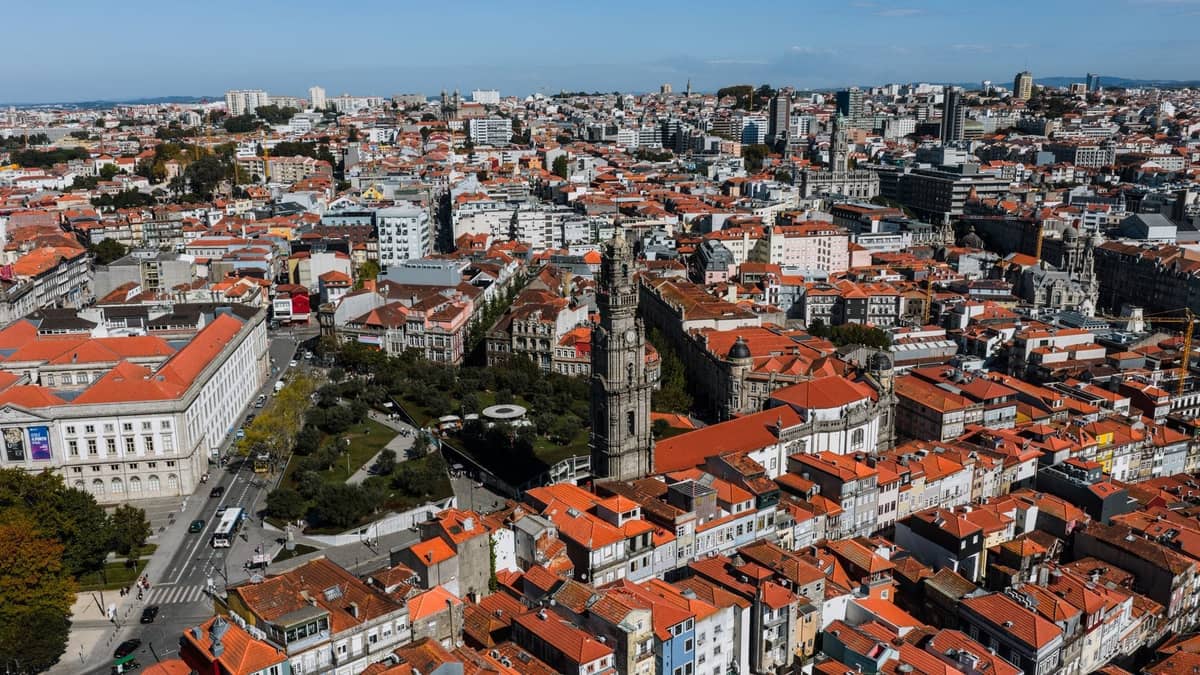
Porto Portugal is a genuinely compact city: the municipality covers just about 42 km², and virtually every major landmark in the historic centre sits within 2 km of Praça da Liberdade. That density is what makes a self-guided walking tour viable in a single day. You can move from a Baroque church tower to a 14th-century cathedral to a riverside port wine lodge without ever needing a bus or taxi. The public transport network exists and is useful for outlying areas, but for the historic core, your feet are faster.
The terrain deserves honest acknowledgement. Porto is hilly, the streets are mostly cobblestone, and some staircases are steep enough to make you pause. That said, the city's topography actually works in favour of walkers who plan smartly: nearly every popular self-guided route is designed to go downhill, starting in the higher districts and descending naturally toward the Douro. The total elevation loss is significant, but the gain is manageable when distributed across a full day.
💡 Local tip
Wear proper walking shoes with grip. Wet cobblestones in Porto are genuinely slippery, and the descent from the Sé Cathedral toward Ribeira involves uneven medieval paving. Trainers with flat soles work; dress shoes do not.
The Classic One-Day Route: Stage by Stage
The most-walked self-guided route in Porto starts at Praça da Liberdade and Avenida dos Aliados, the city's formal civic spine. From there, the route moves west through the bookshop district and north toward Clérigos, then curves back south and east toward the cathedral before dropping down into Ribeira and crossing the river to Gaia. Total distance: roughly 8.8 km on foot, with about 6 hours of sightseeing if you keep stops moderate.
- Stage 1: Praça da Liberdade to Clérigos (20–30 min walk) Begin at Praça da Liberdade, the civic heart of the lower city, then head uphill toward Rua dos Clérigos. The Clérigos Tower offers panoramic views of the city's rooftops and the river — worth the entry fee if visibility is good, less so in overcast conditions.
- Stage 2: Livraria Lello and Carmo Church (30–45 min) Livraria Lello requires a ticket purchased in advance (the entry cost is redeemable against a book purchase). Queues without a timed slot can exceed 45 minutes. The Igreja do Carmo, a short walk away, displays some of the city's finest azulejo tile panels on its exterior wall and has no entry fee to view from outside.
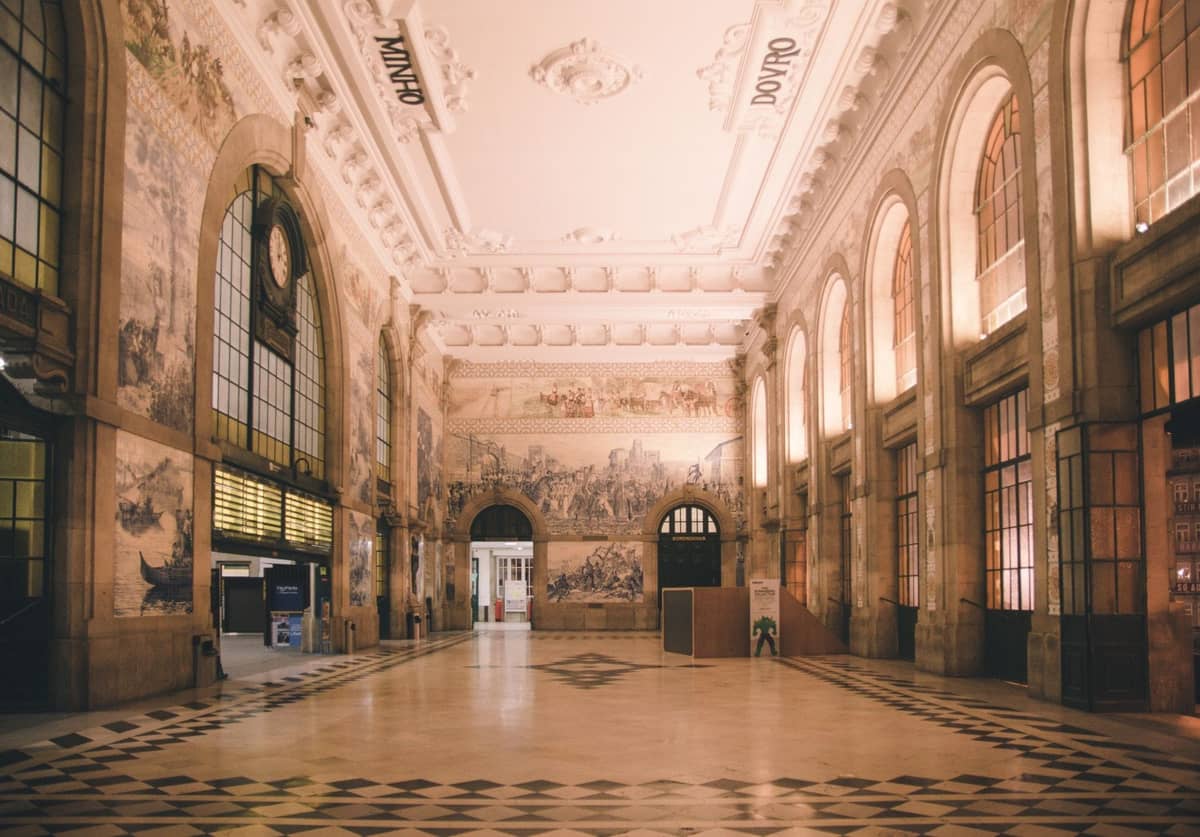
- Stage 3: São Bento Station to Porto Cathedral (20 min) São Bento is one of the most photographed railway stations in the world, and entering costs nothing — it is a working station. Spend 10–15 minutes with the 20,000 azulejo panels inside, then head uphill to the Sé Cathedral, which dates to the 12th century.
- Stage 4: Palácio da Bolsa and Igreja de São Francisco (1 hour+) The Palácio da Bolsa only admits visitors on 45-minute guided tours; you cannot wander independently. Check current schedules before arriving. The adjacent Igreja de São Francisco, with its gilded interior, charges a separate entry fee — confirm the current price on the official site before visiting.
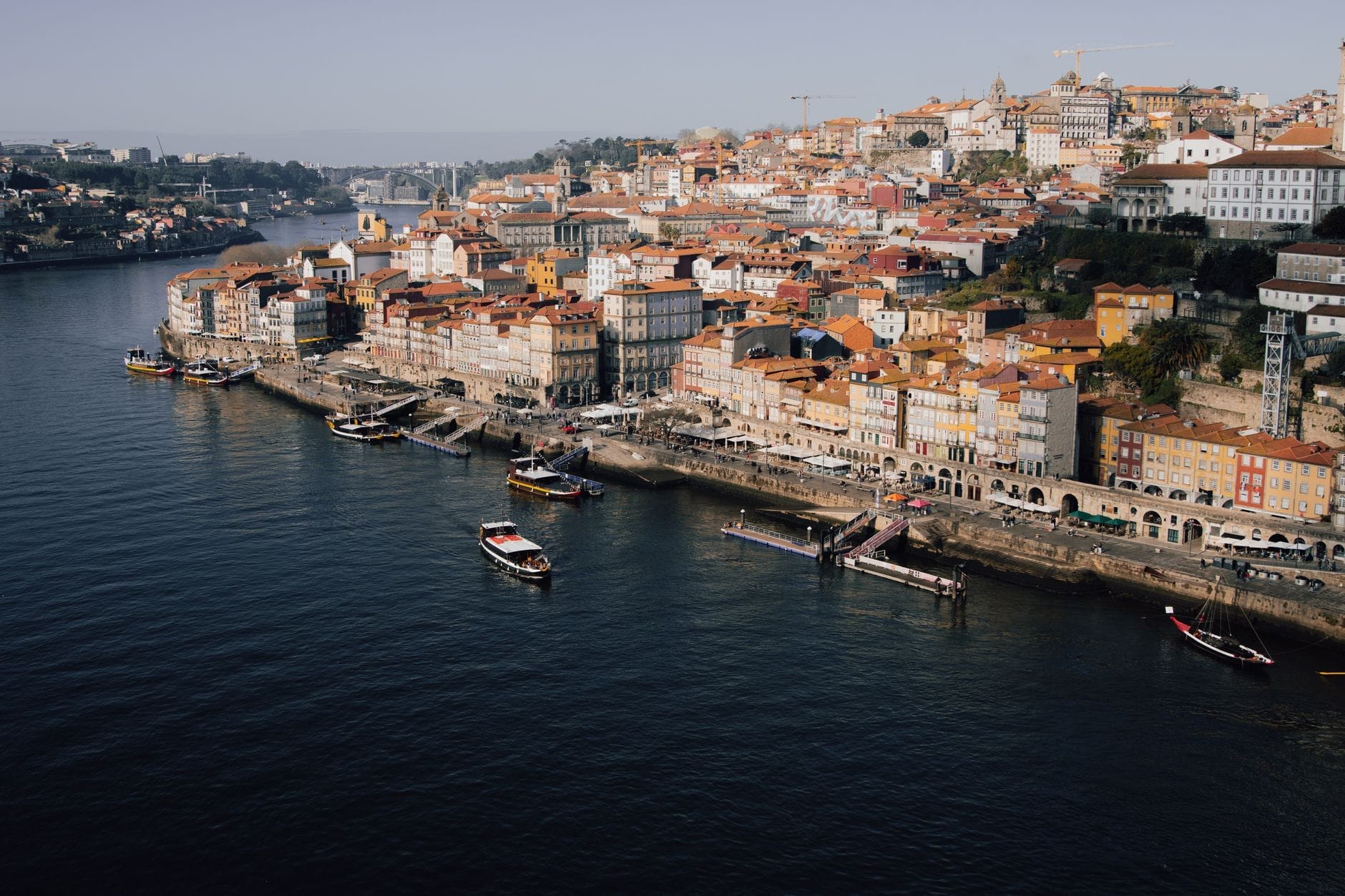
- Stage 5: Ribeira Waterfront and Dom Luís I Bridge (30–45 min) The Cais da Ribeira is the natural endpoint of the old town descent. Walk the quayside, cross the Dom Luís I Bridge on the lower level to Gaia, or take the upper level for higher views. The upper level also connects to the cable car descent in Gaia.
- Stage 6: Vila Nova de Gaia Wine Cellars (1.5–2 hours) Gaia's riverside strip holds dozens of port wine lodges, most offering tasting visits. Graham's, Sandeman, and Calem are three of the largest with English-language tours available. Pre-booking is recommended in peak season (July–August). Allow at least 90 minutes on this side of the river.
⚠️ What to skip
Livraria Lello and the Palácio da Bolsa are two of the most frequently cited sources of frustration for independent walkers. Both require more planning than a casual drop-in. Book Lello tickets online before you arrive and check Palácio da Bolsa tour times in advance — they run on a fixed schedule that does not align with every walker's pace.
Neighbourhood Deep-Dives: Beyond the Main Circuit
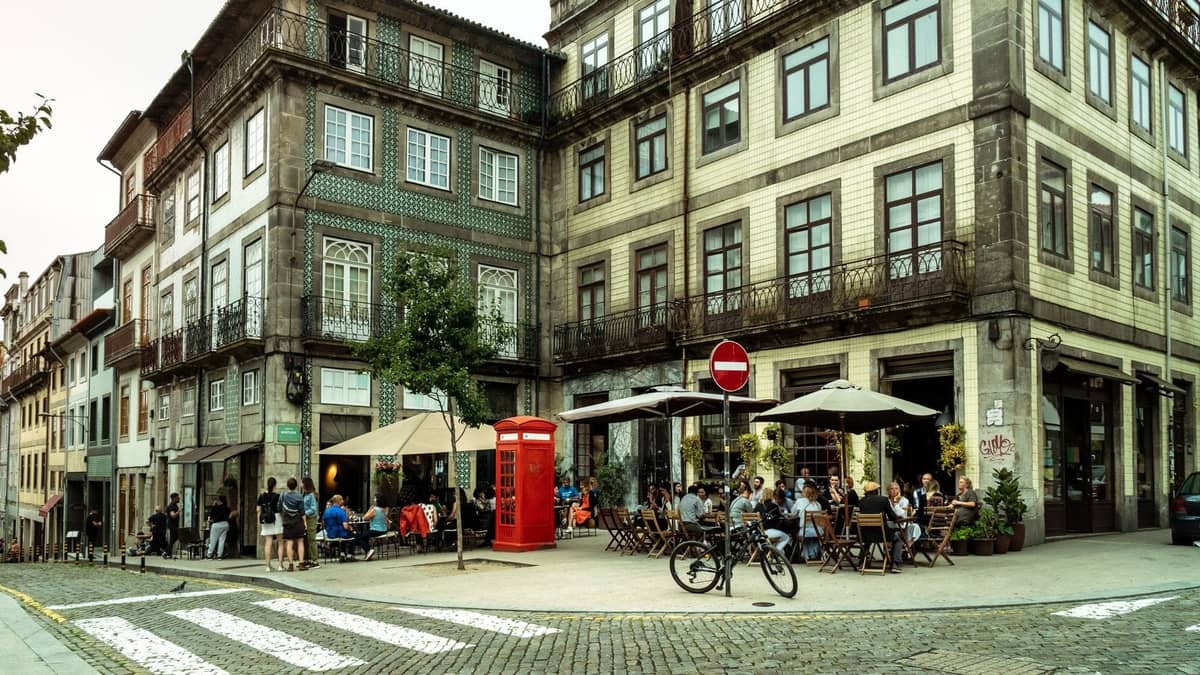
The classic route covers the UNESCO-listed historic centre, but Porto rewards walkers who venture into adjacent neighbourhoods. Cedofeita sits northwest of the centre and is where you find independent bookshops, local ceramic studios, and cafés that are not priced for tourists. Rua Miguel Bombarda, the street at its core, holds around 20 art galleries within a 500-metre stretch.
If time allows, the walk west toward Foz do Douro along the river is one of Porto's more underappreciated half-day routes. The Jardim do Passeio Alegre and the point where the Douro meets the Atlantic provide a completely different character from the old town. It is around 5 km from Ribeira to Foz on foot, or you can take Tram Line 1 (the historic coastal tram) for part of the distance.
For a shorter add-on, the Batalha and Bonfim area east of the centre offers the Igreja de Santo Ildefonso (with its famous azulejo facade facing a steep staircase square), Campo 24 de Agosto, and a quieter residential grid of streets that feels markedly less touristic than Ribeira.
Timing, Crowds, and When to Walk Which Route
The historic centre is at its quietest before 9:00. Starting your walk at 8:30 gives you São Bento Station, the cathedral steps, and the Ribeira quayside almost to yourself — the same places that become genuinely congested by 11:00 in July and August. Summer afternoon heat (occasionally above 30°C) makes a midday break sensible: use the time for a long lunch, a port tasting in a shaded cellar, or a museum visit.
September is widely considered the optimal month for walking Porto. The summer crowds thin noticeably after the first week, temperatures drop to a comfortable 20–24°C range, and the light in the late afternoon is excellent for photography on the river. May and June offer similar conditions. January and February are viable for walkers who are comfortable with rain, and the city's streets are remarkably empty by European standards — but pack waterproof layers and check that smaller attractions keep their usual opening hours.
- Start before 9:00 in summer to beat crowds at Ribeira and São Bento
- Avoid the Dom Luís I Bridge upper level on weekend afternoons in July and August — it becomes uncomfortably crowded
- The Gaia waterfront (Cais de Gaia) is liveliest after 18:00, when day-trippers leave and the riverside restaurants fill with locals
- Rain is not a reason to cancel — many of Porto's best interiors (São Francisco, São Bento, Livraria Lello) are worth visiting specifically because the queues shorten when the weather is bad
- Porto's São João festival in June transforms the streets overnight — walking the city on June 23rd evening is extraordinary, but plan nothing else that day
✨ Pro tip
If you are visiting in June, check the dates of the São João festival before planning your self-guided day. The streets around Batalha fill with grills, music, and crowds on the night of the 23rd. Walking the city that evening is one of Porto's great experiences, but indoor attractions will be closed or disrupted.
Apps, Maps, and Free Resources for Self-Guided Walkers
You do not need to pay for a guided tour to walk Porto intelligently. GPSmyCity offers several expert-designed audio walking tours for Porto through its app, with offline maps useful when you want to avoid data roaming charges. SmartGuide provides a similar audio-guide format optimised for phone screens. Both are worth downloading if you want commentary at each stop without committing to a group tour's schedule.
For purely map-based navigation, Google Maps handles Porto well, and the offline download covers the whole city. The practical limitation of any app is that it cannot tell you when Livraria Lello's queue is 45 minutes long or when a particular viewpoint is closed for repairs. Supplement any digital map with a quick check of attraction websites the evening before your walk.
If you want structured company without a fixed schedule, Porto also has excellent guided walking tour options that pair well with independent exploration. Combining a guided morning with a self-directed afternoon is a practical approach for first-time visitors. See the 3-day Porto itinerary for a suggested way to split your time.
Entry Costs, Practical Budgeting, and What to Skip
A self-guided walking day in Porto can cost almost nothing if you stick to exteriors and free attractions, or it can add up quickly if you pay to enter every landmark. The free things to do in Porto guide covers this in detail, but the short version: São Bento Station, the exterior of Livraria Lello, Rua das Flores, the Ribeira waterfront, Dom Luís I Bridge, Jardim do Morro in Gaia, and most viewpoints (miradouros) cost nothing.
Paid stops worth budgeting for: the Clérigos Tower (good views, short queue in the morning), Igreja de São Francisco (genuinely extraordinary gilded interior), and at least one port wine cellar tasting in Gaia. The Palácio da Bolsa guided tour is architecturally impressive, particularly the Arab Room, but if your schedule is tight it is the easiest to cut from a one-day route without missing Porto's essential character. The Livraria Lello entry fee is redeemable against a book purchase, which makes it effectively free if you were going to buy something anyway.
- Free highlights along the route São Bento Station interior, Dom Luís I Bridge crossing, Ribeira waterfront, Jardim do Morro in Gaia, Igreja do Carmo exterior azulejos, Miradouro da Vitória
- Paid stops worth the cost Clérigos Tower (views), Igreja de São Francisco (interior), one port wine cellar tasting in Gaia — Calem, Graham's, or Sandeman all deliver quality tours
- Paid stops where the value depends on your interests Livraria Lello (entry redeemable against a book purchase), Palácio da Bolsa (impressive but guided-tour-only format limits flexibility)
FAQ
How long does a self-guided walking tour of Porto take?
The standard historic-centre route covers around 8–9 km and takes 5–6 hours of walking and sightseeing, not counting a long lunch or extended time in a port wine cellar. If you add Gaia and the bridge crossing, budget a full day from around 8:30 to 18:00.
Is Porto easy to walk, or are the hills a problem?
Porto is hilly but manageable. The key is planning routes that go downhill: start at higher points like Clérigos or the Sé Cathedral and work your way down toward the river. Wear shoes with good grip for cobblestones. People with mobility limitations should note that some sections involve steep staircases with no alternatives.
Do I need to book anything in advance for a self-guided walk?
Livraria Lello tickets should be booked online before you visit — the queue without a timed slot can be very long in peak season. Palácio da Bolsa tours run on a fixed schedule, so check times in advance. Port wine cellar tours in Gaia fill up in July and August and benefit from pre-booking.
What is the best starting point for a self-guided Porto walking tour?
Praça da Liberdade is the conventional starting point: it is central, well-connected by metro, and puts you within 5 minutes' walk of Avenida dos Aliados, São Bento Station, and the uphill route toward Clérigos and Livraria Lello.
Can I self-guide across to Vila Nova de Gaia on foot?
Yes. The Dom Luís I Bridge has two pedestrian levels. The lower level drops you directly onto the Gaia riverside (Cais de Gaia), while the upper level offers higher views and connects to the cable car station. Both are free to cross on foot. Most self-guided walkers use the lower level to enter Gaia and the upper level (or the cable car) for the return.