Shopping in Porto: Best Markets, Streets & Local Buys
From the historic Mercado do Bolhão to the independent boutiques of Cedofeita, Porto rewards shoppers who plan ahead. This guide covers every major market, the best shopping streets by neighborhood, what to actually buy, and the practical details most guides leave out.
Plan and book this trip
Tools from our partner Travelpayouts help you compare flights and hotels. If you book through them, we may earn a commission at no extra cost to you.
Flights
Hotels map
TL;DR
- Shopping in Porto splits into two very different experiences: daily food markets and food halls, versus weekend-only artisan and flea markets. Know which is which before you plan your days.
- Mercado do Bolhão (Mon–Fri 08:00–19:00, Sat 08:00–18:00) is the city's flagship food market and worth visiting for the atmosphere alone. See our Mercado do Bolhão guide for full details.
- Most independent shops close on Sundays. If you only have one day to shop, make it Saturday.
- Smaller stalls and flea markets are often cash-only. Bring euros.
- For the best local buys, focus on: port wine, Portuguese ceramics, cork products, and handmade leather goods. Check what to eat in Porto if you want edible souvenirs too.
The Best Markets in Porto
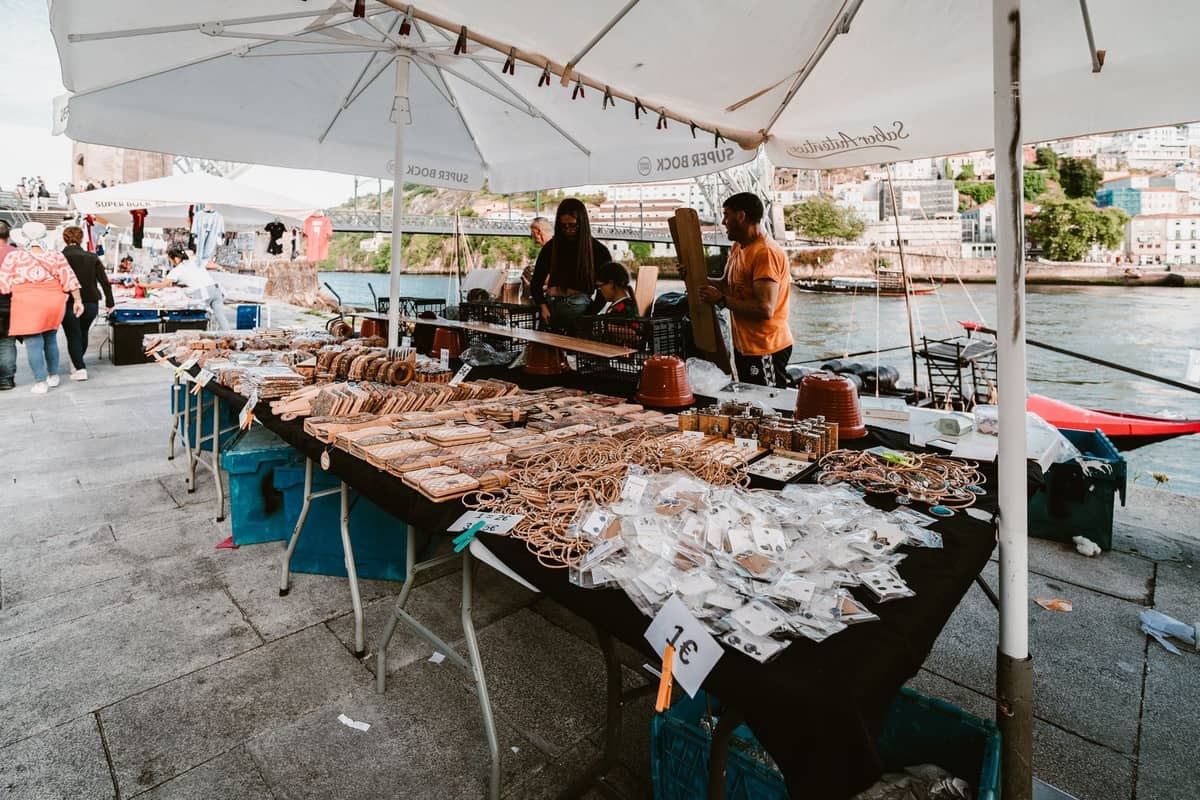
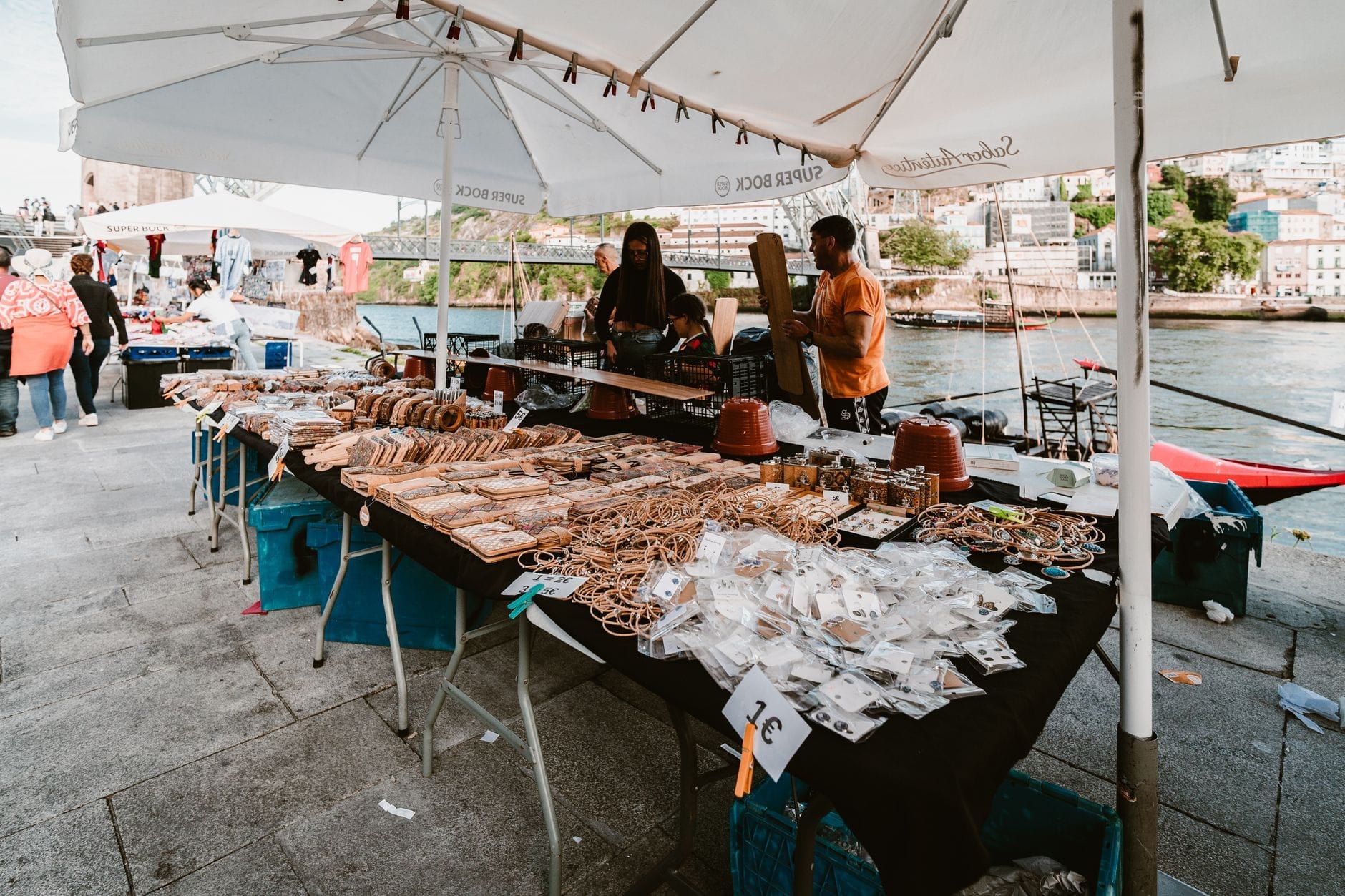
Porto has a genuinely strong market culture, but it is easy to show up on the wrong day and find an empty square. The key distinction to understand is that food markets run daily (or close to it), while artisan, vintage, and flea markets are almost always Saturday-only affairs. Here is how the major markets break down.
- Mercado do Bolhão Porto's iconic two-story iron-and-granite food market on Rua Formosa, classified as a Monument of Public Interest. After years of restoration, it reopened fully and is now the best place in the city for fresh fish, cured meats, regional cheeses, flowers, and dried goods. Hours: Mon–Fri 08:00–19:00, Sat 08:00–18:00, closed Sunday. Prices are mid-range; expect to pay fair market rates for quality produce.
- Mercado Bom Sucesso A sleek, modern food hall near Boavista with a permanent lineup of food stalls and specialty shops. Daily 08:00–23:00. Less atmospheric than Bolhão but more convenient for evening visits. Good for artisanal olive oils, wine, and Portuguese deli products under one roof.
- Mercado Beira-Rio (Vila Nova de Gaia) A covered market on the Gaia riverfront, open daily 11:00–22:00. Combines food stalls with craft vendors and sits close to the port wine lodges. Convenient if you are already crossing the Dom Luís I Bridge into Gaia.
- Mercado Porto Belo Open-air artisan, vintage, and organic market at Praça de Carlos Alberto. Saturdays only, 10:00–19:00. One Saturday per month, a family-oriented 'Mini Portobelo' version runs 14:00–18:30. This is where to find independent designers, handmade jewelry, and local organic food producers.
- Vandoma Flea Market Porto's main flea market, held Saturdays on Avenida 25 de Abril or Alameda das Fontaínhas, typically from 07:00–13:00. Expect second-hand clothes, old furniture, books, vinyl, and bric-a-brac. Arrive before 09:00 for the best finds. Cash only, and haggling is acceptable.
- Time Out Market Porto Located in the south wing of São Bento station area, open daily 10:00–24:00. More of a gastronomic showcase than a traditional market, but useful for tasting Portuguese food products before you buy them to take home. Higher prices than most other markets.
⚠️ What to skip
Do not assume Porto's artisan markets run every weekend. Porto Belo and most smaller craft markets operate on specific Saturdays, not every Saturday. Check official social media pages or the Porto City Council event listings before you visit, especially outside of peak summer season when schedules can change.
Best Shopping Streets by Neighborhood
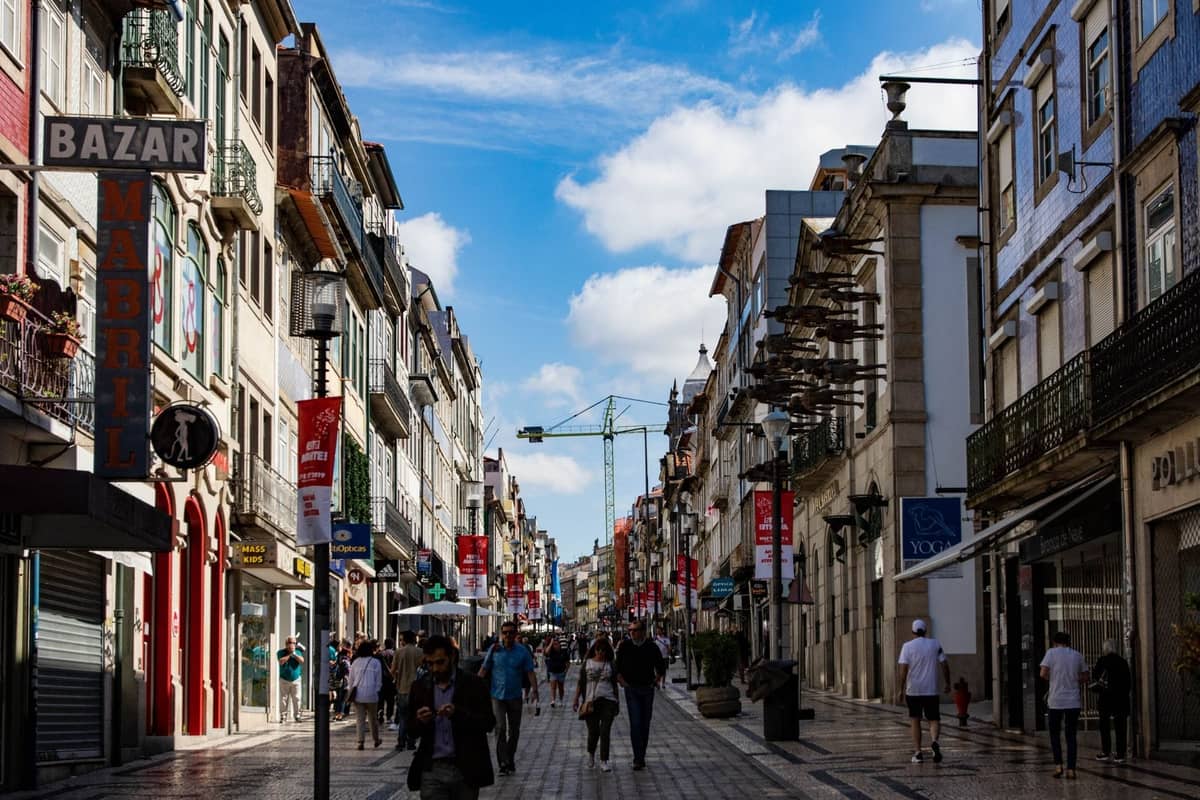
Porto's shopping geography is more interesting than a single high street. Different neighborhoods offer very different experiences, from global chain stores to independent concept shops. Baixa covers the commercial core, but some of the best independent retail is a short walk west into Cedofeita.
- Rua de Santa Catarina Porto's main retail artery and the first stop for high-street fashion, shoe chains, and department stores. The street runs north from Praça da Batalha and includes the ornate Majestic Café at its midpoint. Good for practical purchases; less interesting for distinctive local products. Busy year-round, especially on Saturdays.
- Rua das Flores & Rua Mouzinho da Silveira These two parallel streets in central Porto are where to find flagship Portuguese brands: handmade jewelry, artisanal soaps, local leather goods, and regional food products. The area has been thoughtfully developed without losing its character. A genuinely pleasant place to shop slowly.
- Rua Miguel Bombarda (Cedofeita) Porto's arts and design corridor. Independent concept stores, contemporary galleries, and Portuguese fashion labels cluster along this street. The mix changes regularly as new shops open. Best visited on a Saturday afternoon when galleries also host openings.
- Avenida da Boavista The long westward avenue toward Foz do Douro is Porto's upscale shopping zone, with branded boutiques and larger shopping centres including Centro Comercial Brasília. Less charming but practical for one-stop shopping, particularly on Sundays when most street shops are closed.
If you are staying near Ribeira, note that the streets closest to the waterfront cater heavily to tourists with standard souvenir fare. Walk two or three blocks uphill toward Rua das Flores and the quality and authenticity of shops improves significantly.
✨ Pro tip
The stretch between Rua das Flores and Rua Mouzinho da Silveira is Porto's sweet spot for gift shopping. You will find cork wallets and bags (not just novelty items), handmade ceramic tiles that are actually made in Portugal, and quality port wine at better prices than airport shops. Plan at least an hour for this area.
What to Buy in Porto: Best Local Products

Porto has a clear hierarchy of worthwhile souvenirs versus tourist filler. The products below have genuine regional provenance and are either made in Porto, produced in the Douro Valley, or represent authentic Portuguese craft traditions.
- Port wine: Buy directly from the lodges in Vila Nova de Gaia for the widest selection and competitive prices, or pick up bottles at Bolhão or Bom Sucesso markets. Look for aged tawnies (10, 20, or 30-year) as a step above standard ruby ports.
- Azulejo tiles: Hand-painted ceramic tiles are Porto's most distinctive decorative product. Avoid mass-produced imports sold near tourist sites; look for tiles stamped with 'Made in Portugal' and ideally produced by named ateliers on Rua das Flores.
- Cork products: Portugal produces around half the world's cork, and Porto's shops stock genuinely well-designed bags, wallets, and accessories, not just novelty magnets. Functional and lightweight for packing.
- Vinho Verde: The young, slightly effervescent white wine from the Minho region north of Porto is cheap, good, and difficult to find in good variety outside Portugal. Markets and wine shops stock a wide range.
- Conservas (tinned fish): Premium Portuguese tinned sardines, mackerel, and tuna have become a serious food product. Bolhão and specialty shops on Rua das Flores sell beautifully packaged tins that travel well.
- Handmade leather goods: Porto has a tradition of quality leatherwork. Look for locally made shoes, belts, and bags rather than generic leather goods with vague origins.
- Barcelos rooster (Galo de Barcelos): Portugal's national symbol. Worth buying if you find a handmade version; avoid the mass-produced plastic versions sold in souvenir kiosks.
Practical Shopping Tips: Hours, Cash, and Timing
The structural reality of shopping in Porto is that it operates on a different rhythm than northern European or North American cities. Understanding these patterns will save you frustration.
Independent shops typically open Monday to Saturday around 10:00 and close by 19:00, often with a lunch break between 13:00 and 15:00. Sunday trading is limited to large malls and food markets. If your itinerary only allows one shopping day, choose Saturday: food markets, artisan markets, and most independent shops are all open simultaneously.
Cash matters more here than in most Western European capitals. The major food halls (Bom Sucesso, Time Out) accept cards reliably. But Vandoma flea market, many Bolhão vendors, and smaller artisan stalls at Porto Belo are often cash-only. Withdrawing euros from an ATM before heading to markets is always the sensible approach. Most ATMs in central Porto are on the Multibanco network and accept international cards.
💡 Local tip
Porto's Christmas season (late November through December) brings temporary festive markets and extended opening hours to Rua de Santa Catarina and the surrounding streets. If you visit in this window, the shopping atmosphere is particularly good and seasonal Portuguese products like rabanadas (Portuguese French toast) and seasonal ceramics appear in the food markets.
For timing your visit to Porto more broadly, the months of May, June, and September offer comfortable walking weather without the peak August crowds. This matters for shopping because the artisan markets are more pleasant to browse without summer heat. See our best time to visit Porto guide for a full seasonal breakdown.
Shopping in Vila Nova de Gaia: The Other Side of the River
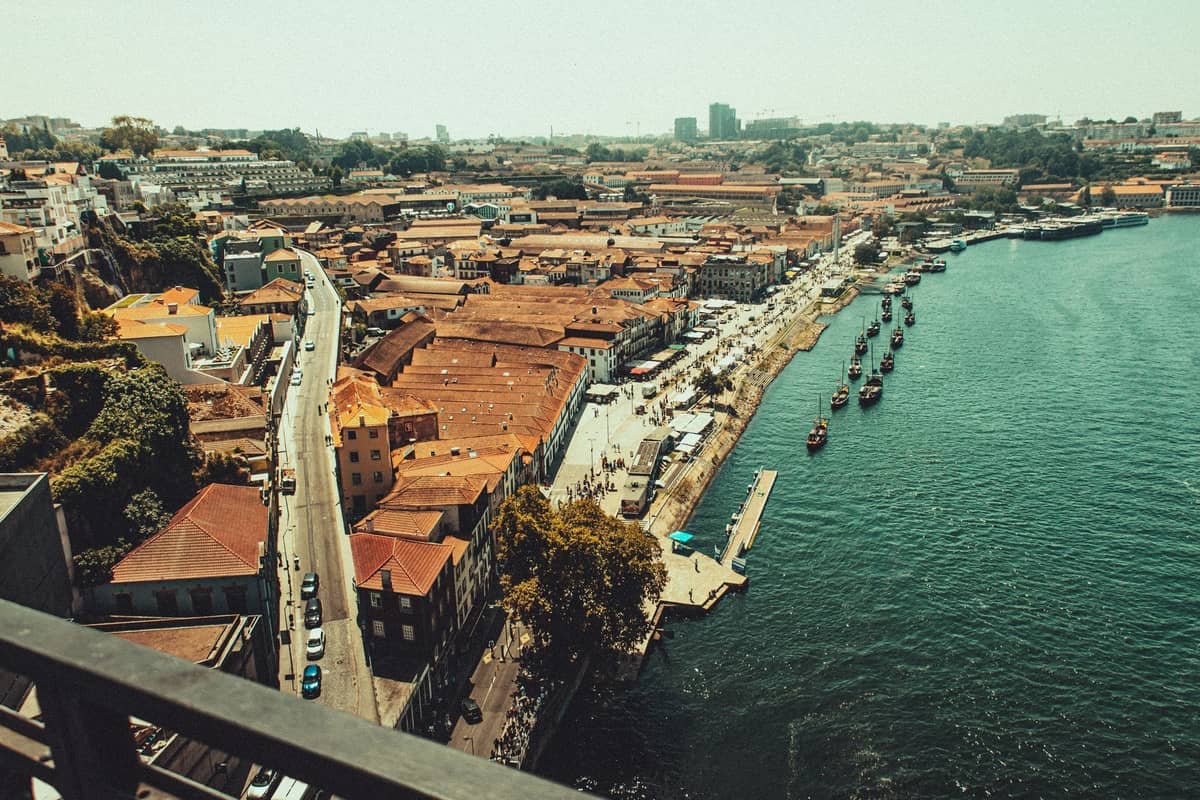
Vila Nova de Gaia is a separate municipality directly across the Douro from Porto, connected by the Dom Luís I Bridge. It is worth crossing specifically for port wine shopping. The lodges here, including Sandeman, Graham's, and Calem, have well-stocked shops selling their full ranges at fair prices with the option to taste before you buy.
The Cais de Gaia waterfront also has the Mercado Beira-Rio and a number of souvenir and craft shops, though quality varies considerably. Stick to the port wine lodges for serious purchases and treat the riverfront retail as supplementary browsing. The Vila Nova de Gaia neighborhood is worth at least a half-day visit if port wine is a priority.
Tourist Traps and Overrated Options to Avoid
Porto's tourist infrastructure has grown quickly, and a few shopping options are more marketing than substance.
Souvenir shops immediately adjacent to Livraria Lello and the Clérigos Tower charge inflated prices for generic Portuguese-branded items that are not made locally. The ceramic tiles sold here are often manufactured abroad. If you want genuine azulejos, walk to Rua das Flores instead.
The rooster-themed souvenir market is worth approaching with skepticism. The Barcelos rooster is from a town 50 km north of Porto, and most versions sold in Porto are mass-produced imports. Handmade versions exist but require some searching. A better Porto-specific souvenir is a well-chosen bottle of port wine or a set of quality tinned conservas.
Finally, Time Out Market Porto is convenient and atmospheric but not cheap. Prices are notably higher than comparable food at Bolhão or local tascas. It is a reasonable place to graze if you are already nearby, but do not make a special trip to buy food products there when the traditional markets offer better value and more authentic character.
FAQ
What is the best market to visit in Porto?
For food and atmosphere, Mercado do Bolhão on Rua Formosa is the best overall market. It is open Monday to Friday 08:00–19:00 and Saturday 08:00–18:00, closed Sunday. For artisan crafts and vintage finds, the Vandoma Flea Market (Saturday mornings from around 07:00) and Mercado Porto Belo (select Saturdays, 10:00–19:00) are the top choices.
Are shops open on Sundays in Porto?
Most independent street shops and boutiques are closed on Sundays. Large shopping centres and malls along Avenida da Boavista typically open on Sundays. Food markets like Mercado Bom Sucesso and Mercado Beira-Rio in Gaia are open daily. If Sunday is your only shopping option, head to a food hall or mall rather than the main shopping streets.
What should I buy in Porto as a souvenir?
The most worthwhile Porto-specific purchases are aged port wine (buy from the lodges in Vila Nova de Gaia for best selection), hand-painted ceramic tiles (look for 'Made in Portugal' stamps on Rua das Flores), cork accessories, premium tinned fish (conservas), and Vinho Verde wine. Avoid mass-produced azulejos and plastic Barcelos roosters near the main tourist sites.
Do market vendors in Porto accept card payments?
Not reliably. Modern food halls like Mercado Bom Sucesso and Time Out Market accept cards at most stalls. But Mercado do Bolhão vendors, the Vandoma flea market, and most artisan market stalls at Porto Belo are frequently cash-only. Bring euros in small denominations when visiting any outdoor or traditional market.
Where is the best shopping area in Porto for local Portuguese brands?
The Rua das Flores and Rua Mouzinho da Silveira corridor in central Porto is the strongest area for quality Portuguese brands, including handmade jewelry, local leather goods, ceramics, and artisanal food products. For independent fashion and concept stores with a more contemporary edge, Rua Miguel Bombarda in Cedofeita is the best option.