Is Porto Worth Visiting? What to Know Before You Go (2026)
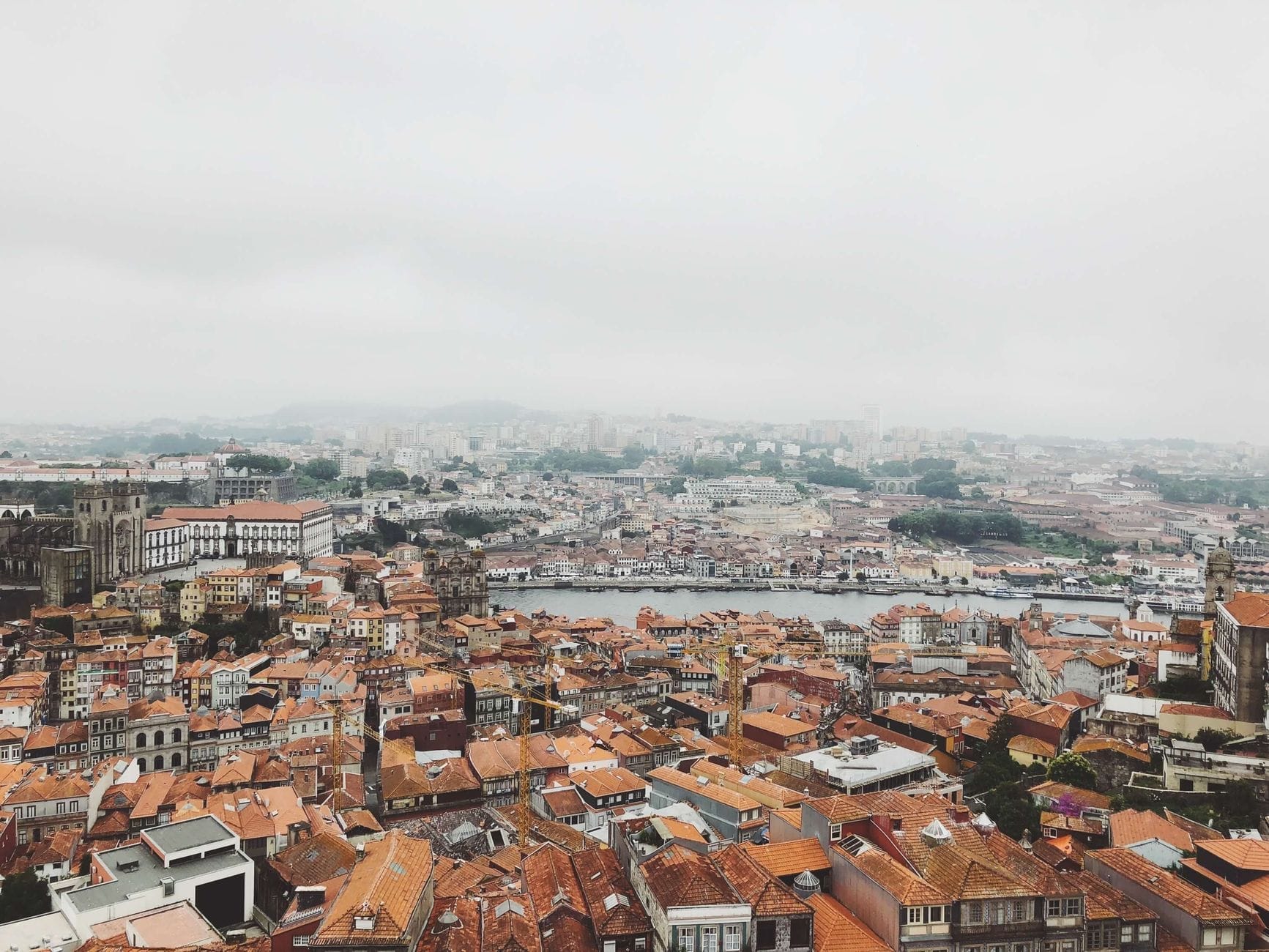
Porto, Portugal's second-largest city, has earned its reputation as one of Europe's most compelling destinations. But is it right for your trip? This guide looks at costs, crowds, highlights, and drawbacks to help you decide.
Plan and book this trip
Tools from our partner Travelpayouts help you compare flights and hotels. If you book through them, we may earn a commission at no extra cost to you.
Flights
Hotels map
TL;DR
- Porto is genuinely worth visiting for most travelers: it combines a UNESCO-listed historic centre, serious food and wine culture, and relatively affordable prices compared to Western Europe's major cities.
- The best months to visit are May, June, and September — comfortable weather, manageable crowds, and better accommodation rates than July and August. See our best time to visit Porto guide for a full seasonal breakdown.
- Port wine is produced in the Douro Valley, not in Porto itself — the cellars in Vila Nova de Gaia, across the river, are where it's aged and stored.
- Francisco Sá Carneiro Airport (OPO) is around 11 km from the city centre; Metro Line E gets you there in about 30 minutes.
- Porto is not for everyone: the hilly terrain, Atlantic rain, and growing tourist congestion in Ribeira can be genuine downsides depending on your travel style.
What Porto Actually Is (And What It Isn't)
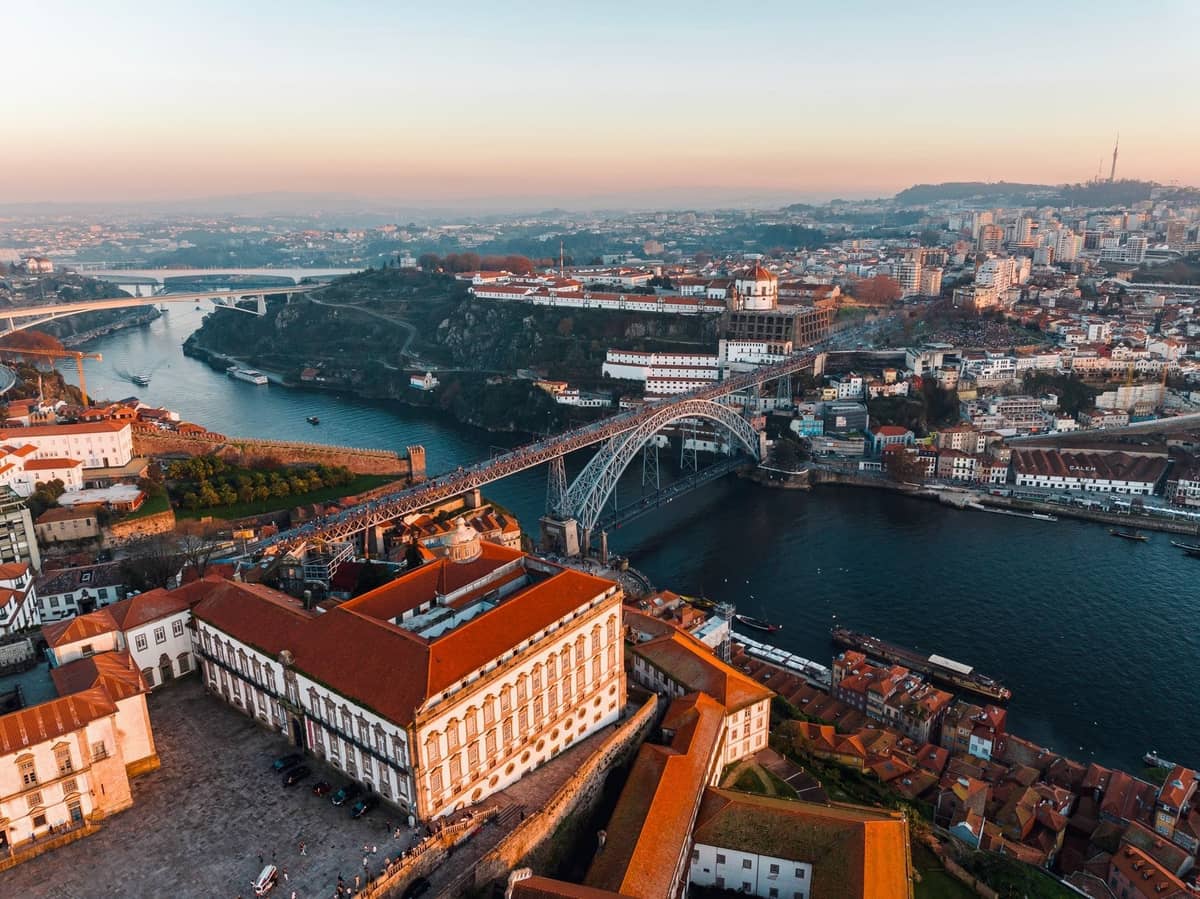
Porto is Portugal's second-largest city, with a municipality population of around 240,000 and a metropolitan area of approximately 1.7 million people. Its historic centre, the Dom Luís I Bridge, and the Serra do Pilar Monastery were inscribed as a UNESCO World Heritage Site in 1996. The city sits at the mouth of the Douro River on Portugal's Atlantic coast, which means it has a temperate, damp oceanic climate — genuinely mild, but noticeably wetter than Lisbon or the Algarve, especially from November through February.
The city's official ceremonial name is the "Ancient, Very Noble, Ever Loyal and Undefeated City of Porto" — which tells you something about how seriously Portuenses take their identity. Porto is also historically known in English as Oporto, though that name is rarely used today. What most visitors don't know is that Porto is also the starting point for some of northern Portugal's most impressive day trips: the Douro Valley is easily reachable within two hours, and Santiago de Compostela in Spain is roughly the same distance north.
ℹ️ Good to know
Port wine is not made in Porto. The grapes are grown and the wine is produced in the Douro Valley, then transported to cellars in Vila Nova de Gaia — the municipality directly across the river — where it's aged and exported. Visiting those cellars is one of Porto's best experiences, but it's technically happening in a different city.
The Case For Visiting Porto
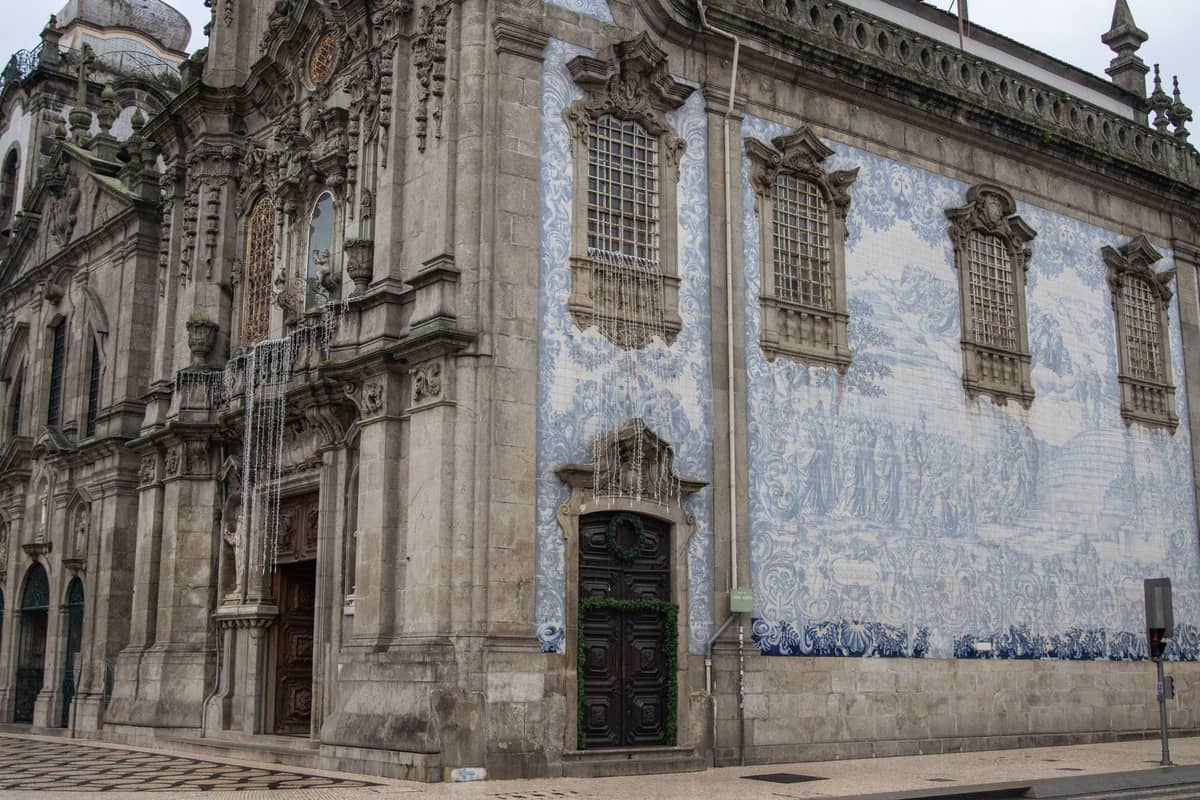
Porto rewards walkers who are willing to take the city on its own terms. The historic centre is compact enough to cover on foot, but layered with enough texture — crumbling baroque churches, blue-and-white azulejo tile facades, iron bridges, riverside warehouses — that you rarely feel like you've run out of things to look at. São Bento Railway Station alone, with its 20,000 azulejo panels depicting Portuguese history, is worth more than a passing glance. So is the Palácio da Bolsa, whose Arab Room interior is one of the most elaborate spaces in the country.
The food scene is serious and underpriced relative to other major European cities. A full meal with wine at a decent local restaurant in the Bonfim or Cedofeita neighbourhoods typically runs between €15-25 per person. The city's signature dish, francesinha — a layered meat sandwich drowned in a spiced tomato-beer sauce — is divisive but worth trying once. Seafood from nearby Matosinhos, bacalhau in dozens of preparations, and quality pastéis de nata round out a food culture that doesn't need to borrow credibility from anywhere else.
- Architecture and heritage UNESCO-listed historic centre with baroque churches, azulejo tile buildings, and the iconic Dom Luís I Bridge spanning the Douro.
- Port wine culture More than 30 port wine lodges in Vila Nova de Gaia offer tastings and cellar tours, ranging from budget to premium experiences.
- Food quality vs. cost ratio Genuinely excellent cooking at prices well below what comparable quality would cost in Paris, Amsterdam, or Barcelona.
- Compact walkability Most major sights are within 30-40 minutes of each other on foot, though the hills mean you will earn some of those views.
- Access to the wider region Day trips to the Douro Valley, the Minho region, Braga, and Guimarães are all practical from a Porto base.
Drawbacks: What Porto Gets Wrong
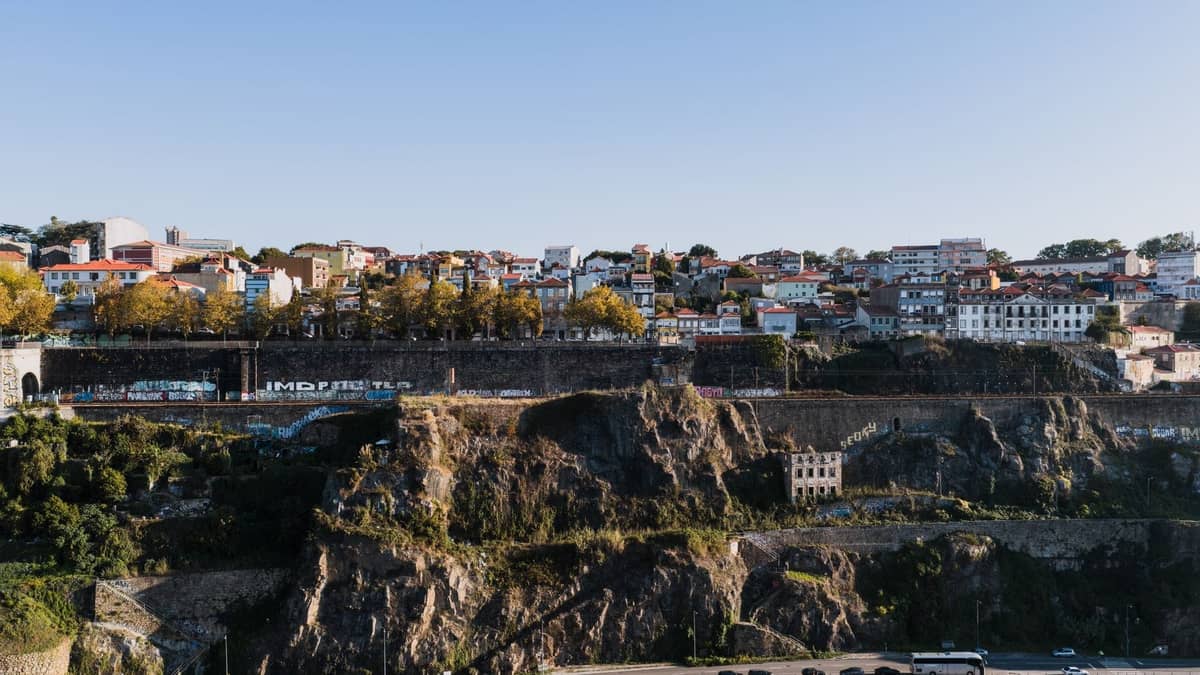
The hills are real and they are steep. Porto is not a flat city, and if you have mobility limitations or simply don't enjoy inclines, central areas like Ribeira and the climb up to Clérigos Tower or Vitória will test you. The historic trams are charming but slow and often crowded; they're a tourist experience more than a practical transport option. Porto's metro is reliable but doesn't blanket the entire city, so you'll frequently be walking or catching a bus for last-mile connections.
Ribeira, the photogenic riverfront quarter, has become genuinely overcrowded in peak season. From late June through August, the narrow lanes fill with tour groups, and many waterfront restaurants have pivoted to tourist-menu pricing. This doesn't ruin the area, but it does mean that the atmospheric late-afternoon light you see in photographs is often accompanied by crowds that make lingering less pleasant. The Bonfim and Batalha neighbourhoods, slightly east of the main tourist drag, offer a more local atmosphere and are worth seeking out.
⚠️ What to skip
Porto's weather in winter is mild but genuinely wet. November through February sees the highest rainfall, with grey skies being the norm rather than the exception. If you're visiting primarily for outdoor sightseeing and sunshine, the October-to-April window carries real risk of rain-heavy days. That said, the city's cafes, wine bars, and covered markets make bad-weather days manageable.
Livraria Lello, the ornate early 20th-century bookshop frequently cited in the context of Harry Potter lore, now charges an entry fee and operates timed entry slots in high season. The bookshop itself is architecturally impressive, but the experience of moving through it in a shuffling queue is a long way from the contemplative browsing its interior deserves. Worth seeing once if you're interested in the architecture — not worth going out of your way for unless you're buying books.
Costs and Value: What to Budget
Porto sits comfortably in the affordable-to-mid-range bracket for Western Europe. Budget travelers can get by on €50-70 per day covering a hostel bed, meals at local restaurants, and public transport. Mid-range travelers spending €100-150 per day can stay in a comfortable hotel, eat well, do a port wine cellar tour, and take a Douro river cruise without feeling stretched. Luxury options exist — particularly around Foz do Douro and the Boavista area — but Porto hasn't yet reached the premium pricing ceiling of cities like Amsterdam or Zurich.
- Budget bed in a hostel: approximately €20-35/night
- Mid-range hotel double room: approximately €80-150/night in low season, €130-220+ in July-August
- Meal at a local restaurant with wine: approximately €15-25 per person
- Port wine cellar tour with tasting: approximately €15-25 per person depending on lodge and tier
- Metro ticket (single journey): check Metro do Porto for current Andante system fares
- Airport to city centre by metro: approximately 30 minutes on Line E (Z4 zone ticket required)
✨ Pro tip
Accommodation prices in Porto spike sharply in July and August, and even more during the São João Festival in late June — one of the best street parties in Europe. Book at least 2-3 months ahead for peak summer, or plan your trip around the shoulder months when prices drop and the city is noticeably calmer.
How to Spend Your Time: Priorities by Trip Length
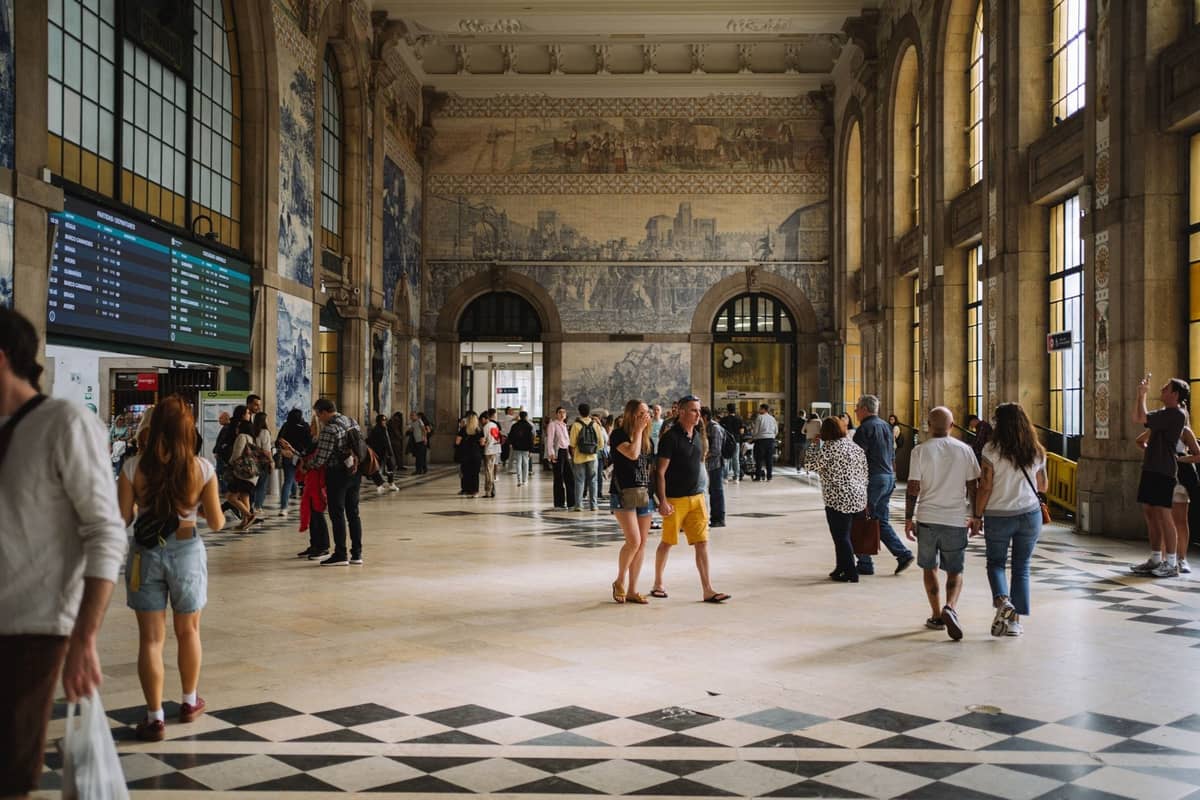
Two days is enough to cover Porto's headline attractions without feeling rushed. A solid two-day Porto itinerary would cover the historic centre, São Bento, the Clérigos Tower, at least one port wine cellar in Gaia, and a walk across the Dom Luís I Bridge at both levels. The upper deck, accessible by cable car or a steep walk, gives you the city's most photographed panorama.
Three days allows you to breathe more and go deeper. Add Serralves — the contemporary art museum set in a large park in Boavista — which is genuinely one of Portugal's best modern art spaces. The Serralves Museum and its surrounding park justify at least half a day. A morning at Mercado do Bolhão, Porto's restored covered market, gives you a much more honest cross-section of the city's food culture than any restaurant tour.
Four or five days opens up the surrounding region. The Douro Valley is Porto's single best day trip: terraced vineyards dropping to the river, small wineries, and lunch in a quinta. Braga and Guimarães — both within an hour by train — add UNESCO heritage context that makes Porto feel part of a much larger story. See our full guide to day trips from Porto for options by transport type and distance.
Who Porto Is (and Isn't) For
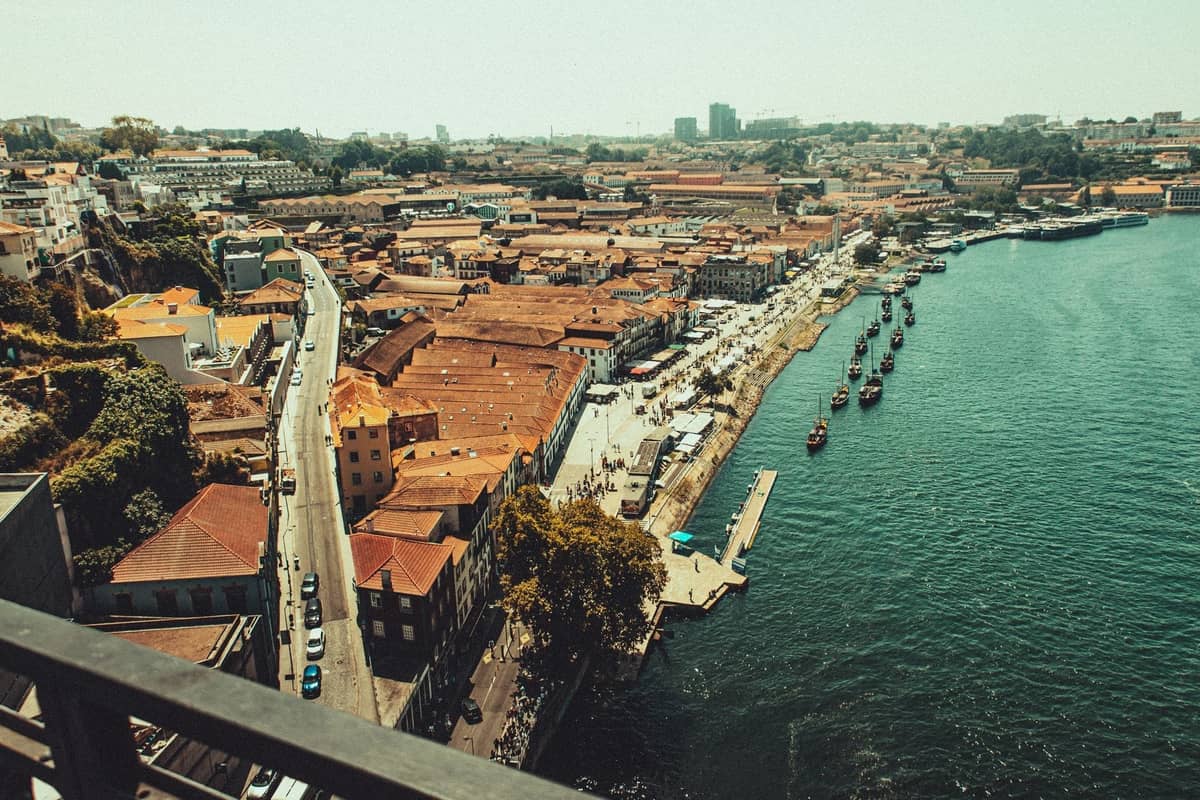
Porto works exceptionally well for travelers who enjoy urban exploration on foot, have genuine interest in food and wine culture, and appreciate cities that feel lived-in rather than curated for tourism. The neighbourhood contrasts — from the wealthy riverside dining strips to the peeling walls and laundry-strung alleys just uphill — are part of what makes the city feel real.
It's less suited to travelers looking primarily for beach holidays (head to Porto's beaches at Matosinhos and Foz for that, though the Atlantic here is cold even in summer), those who find hilly terrain difficult, or anyone expecting the polished, Instagram-optimised tourist infrastructure of, say, Barcelona or Lisbon's Chiado. Porto's charm is partly in its rougher edges. If you want everything smoothed out, you might find it slightly frustrating.
Families with children can do well here with some planning. FC Porto's museum at Estádio do Dragão, the World of Discoveries interactive museum, and the biological park in Gaia all cater to younger visitors. The city is less child-focused than purpose-built destinations, but it doesn't exclude families either. For a full picture, our guide to visiting Porto with kids covers the practicalities.
FAQ
Is Porto worth visiting for just 2 days?
Yes, two days is a workable minimum. You can cover the UNESCO historic centre, São Bento Station, the Dom Luís I Bridge, and at least one port wine cellar in Vila Nova de Gaia. You'll feel slightly rushed but won't miss the essentials. Three days is more comfortable.
Is Porto better than Lisbon?
They're different cities that suit different travelers. Porto is smaller, hillier, generally cheaper, and has a grittier industrial-maritime identity. Lisbon is larger, warmer, more cosmopolitan, and has a broader range of museums and nightlife. Most travelers who visit both tend to feel emotionally warmer toward Porto, but Lisbon has more depth for a longer stay.
Is Porto expensive to visit?
By Western European standards, Porto is affordable. Budget travelers can manage on €50-70 per day; mid-range is €100-150. Prices rise significantly in July and August. Food and wine specifically offer strong value: a good meal with wine rarely exceeds €25 per person at a local restaurant.
What is Porto most famous for?
Port wine (which takes its name from the city), its UNESCO-listed historic centre, the Dom Luís I Bridge, São Bento Station's azulejo tile murals, and Livraria Lello bookshop are the most cited attractions. FC Porto, one of Portugal's major football clubs, also draws sports tourism.
When is the worst time to visit Porto?
November through February brings the heaviest rainfall and the most overcast days. It's not unpleasant for indoor culture, wine tastings, and eating well, but outdoor sightseeing can be compromised. July and August are the driest months but bring the largest crowds and highest prices.