2 Days in Porto: The Definitive Weekend Itinerary
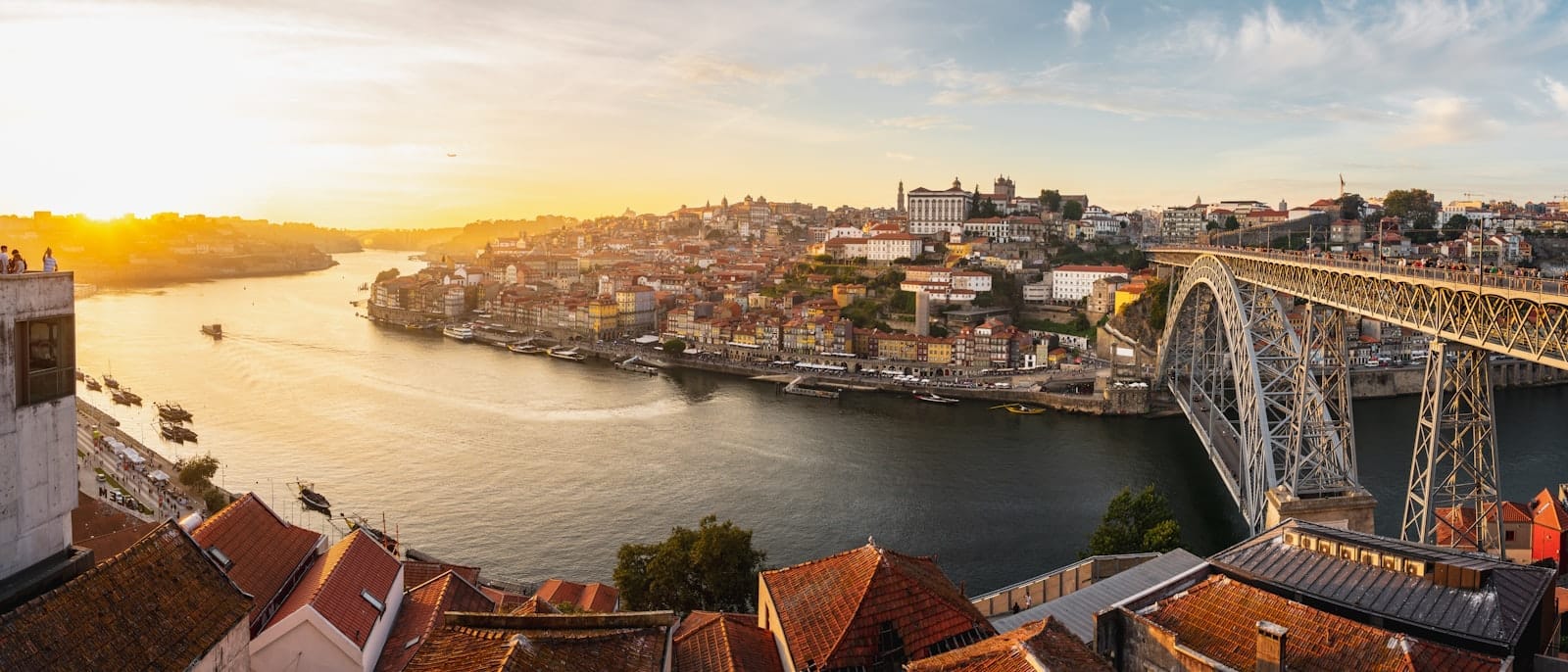
Two days in Porto is enough to cover the city's most iconic sights — if you sequence them well. This itinerary moves logically through the historic centre, the Douro riverfront, Vila Nova de Gaia's port wine lodges, and a few stops most weekend guides skip entirely.
Plan and book this trip
Tools from our partner Travelpayouts help you compare flights and hotels. If you book through them, we may earn a commission at no extra cost to you.
Flights
Hotels map
TL;DR
- Two days covers Porto's highlights, not everything — treat this as a focused, efficient weekend, not a leisurely deep dive.
- Day 1 focuses on the historic centre: Livraria Lello, Clérigos Tower, São Bento station, Ribeira, and the Dom Luís I Bridge.
- Day 2 crosses to Vila Nova de Gaia for port wine tastings at the lodges, then ends at Jardim do Morro for the best sunset view of the city.
- Book Livraria Lello tickets in advance — walk-ins are no longer reliable and queues waste morning time.
- The Porto Card can save money if you plan multiple paid attractions — check current inclusions at our Porto budget guide before buying.
Before You Arrive: Logistics That Actually Matter
Porto's Francisco Sá Carneiro Airport (OPO) sits about 11 km from the city centre. Metro Line E (the violet line) connects the airport directly to central stops like Trindade and Aliados in around 30 minutes, making it the most straightforward arrival option for most visitors. You'll need a Z4 Andante ticket, which covers the full airport-to-city zone. Uber and Bolt both operate in Porto and are worth checking in-app for pricing, though surge pricing during busy periods can make the metro the smarter call. For more detail on navigating arrivals, see the Porto airport guide.
Where you stay shapes how much time you waste walking or catching trams. For a two-day itinerary, the Baixa and Ribeira areas put you within walking distance of almost every Day 1 sight. If you prioritise comfort over hustle, Cedofeita or Boavista offer quieter streets with easy metro access. Avoid booking far out in Foz do Douro unless you specifically want the beach neighbourhood — the extra transit time eats into a short visit.
💡 Local tip
Porto's historic centre is hilly — genuinely steep in places. Comfortable shoes are not optional. The area between Ribeira and Clérigos involves significant elevation changes, and some streets are cobblestoned. Plan rest stops deliberately, especially in summer heat.
Day 1 Morning: The Historic Centre from Lello to Ribeira
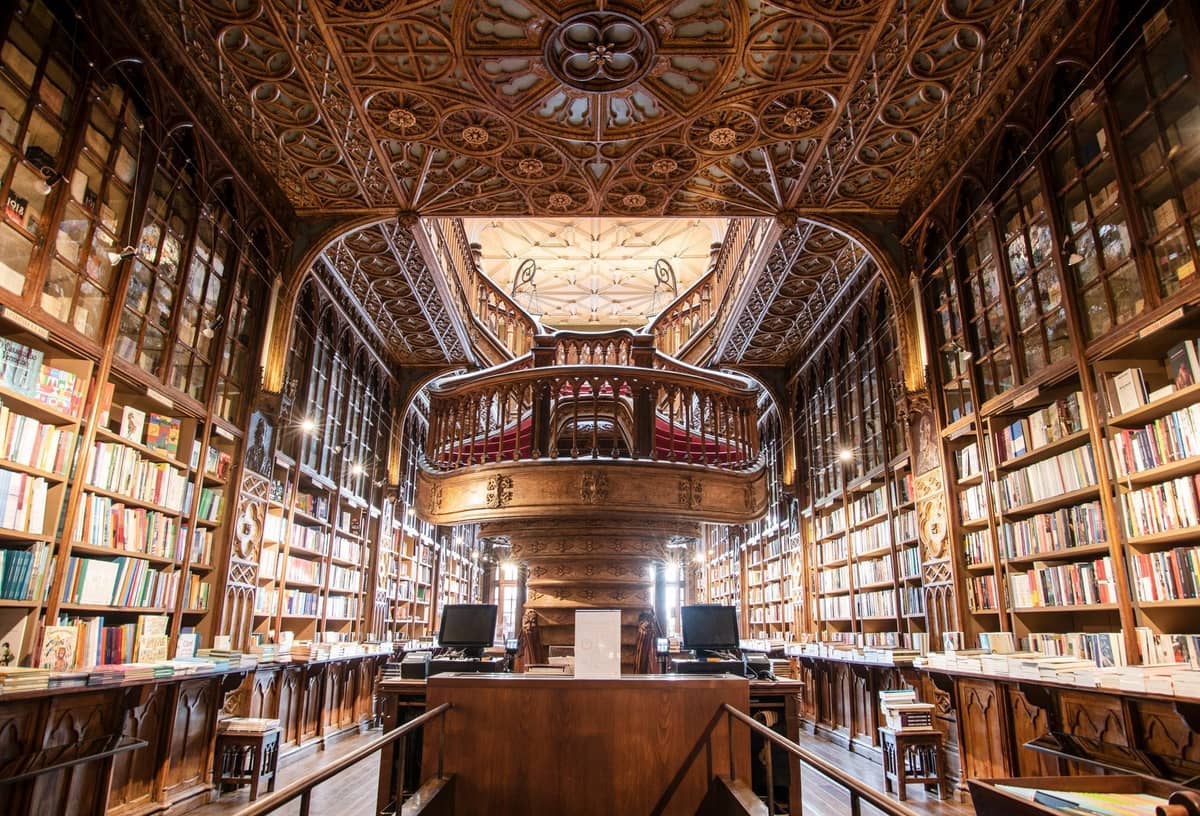
Start early. Porto's most popular attractions become congested by mid-morning, and a 9 am start at Livraria Lello puts you ahead of the day-trip crowds that arrive from Lisbon and the cruise terminal. Livraria Lello is a genuinely extraordinary building — a neo-Gothic bookshop with a carved wooden staircase that has been drawing visitors long before it gained its association with J.K. Rowling's time in Porto. Tickets are sold in advance online (the entrance fee is redeemable against a book purchase), and walk-ins are unreliable. Budget 30-45 minutes inside.
From Lello, walk three minutes south to Clérigos Tower, the 76-metre baroque bell tower that has been Porto's skyline landmark since the 18th century. Climbing the 225 steps to the top rewards you with a 360-degree view that shows exactly how the city is laid out: the Douro to the south, the Atlantic to the west, and the dense terracotta-roofed historic centre spreading around you. This is a useful orientation exercise before you descend into the streets.
Head downhill toward São Bento railway station, one of the most photographed interiors in Portugal. The azulejo tile panels inside the main hall depict scenes of Portuguese history across roughly 20,000 individual blue-and-white tiles. Entry is free, and even if you have no train to catch, it is worth ten minutes of your time. This is also a good opportunity to understand Porto's azulejo tile tradition before you encounter it everywhere else.
- Livraria Lello Book tickets online before your trip. The entrance fee (around €5-8, check current price) is partially redeemable against a book purchase. Best visited at opening time.
- Clérigos Tower Combined church-and-tower tickets are standard. Allow 30-45 minutes including the climb. The tower is closed during church services.
- São Bento Station Free entry. Go inside even for five minutes — the tile panels are a genuine highlight. Peak crowds arrive around 10-11 am with tour groups.
- Palácio da Bolsa The ornate 19th-century stock exchange building is close to Ribeira and guided tours run regularly. The Arabian Room interior is exceptional. Worth the detour if you have an extra 45 minutes.
Day 1 Afternoon: Ribeira, the Dom Luís I Bridge, and the Douro
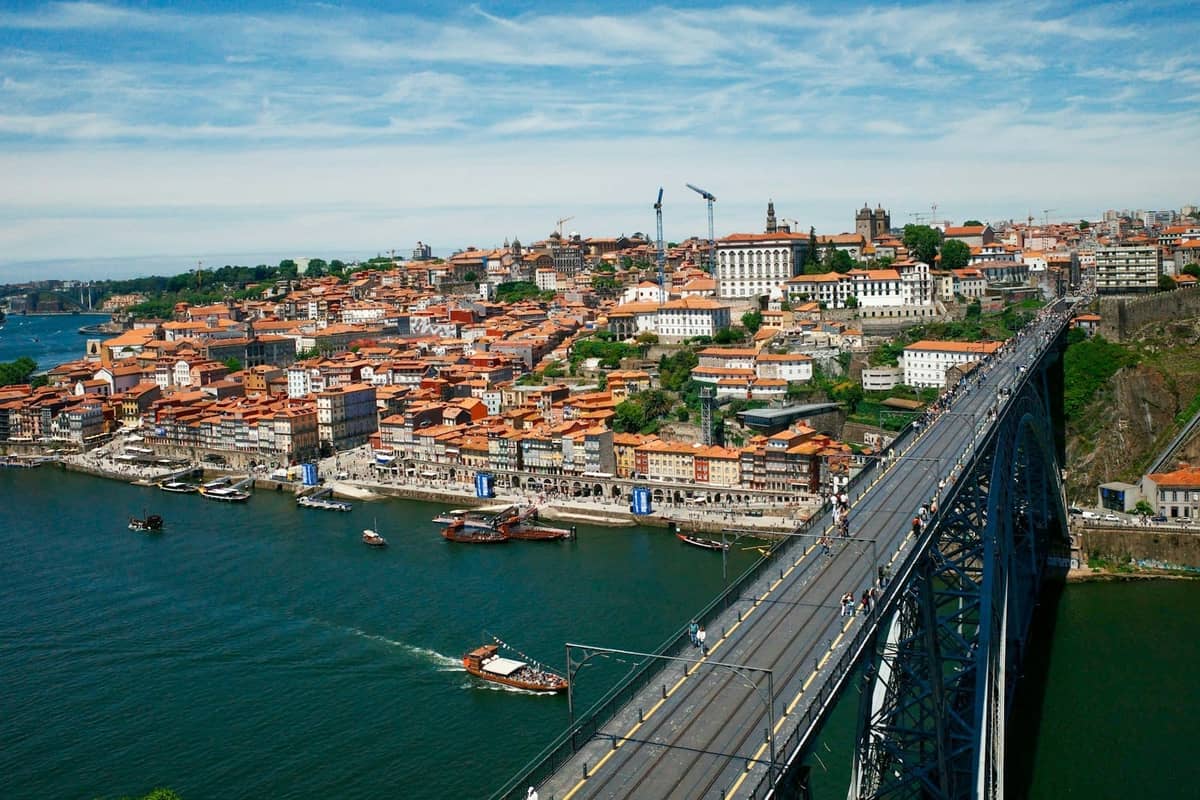
Porto's riverfront quarter, Ribeira, is the most recognisable postcard image of the city: colourful narrow houses stacked above the Douro, with the Dom Luís I Bridge as the backdrop. The waterfront promenade, Cais da Ribeira, is pleasant for a mid-afternoon walk, though the restaurants along it are firmly tourist-priced. If lunch is the priority, walk one or two streets back from the water and prices drop noticeably. The area is also where the traditional rabelo boats are moored — flat-bottomed wooden vessels once used to carry port wine barrels downriver from the Douro Valley.
After lunch, walk across the Dom Luís I Bridge on the upper level (the top deck is shared with the Metro and pedestrians). The views from the upper level are significantly more dramatic than the lower level, and crossing takes about ten minutes on foot. This brings you onto the Gaia side of the river, which sets up Day 2 perfectly — but on Day 1, the upper-level crossing can simply be a viewpoint detour before returning for dinner in Porto's centre.
⚠️ What to skip
The restaurants lining the Ribeira waterfront charge a premium for location. A frango assado (roast chicken) or bifanas (pork sandwiches) from a café two streets back will cost a fraction of the price. The waterfront terrace is worth a drink, not necessarily a full meal.
For a different afternoon option, a Douro river cruise departing from Cais da Ribeira runs the Six Bridges route and takes around 50 minutes to an hour. The view from the water of both the Porto and Gaia riverbanks is genuinely different from the ground-level perspective. Cruises run frequently and can often be booked on the day, though pre-booking is safer in summer (June through August) when capacity fills quickly.
Day 2: Vila Nova de Gaia and the Port Wine Lodges
One clarification that many visitors arrive without: port wine is not produced in Porto. The wine comes from vineyards in the Douro Valley, roughly 100 km to the east, and is then aged in lodges (adegas) across the river in Vila Nova de Gaia. The name 'Porto' attached to port wine refers to the city through which it was historically shipped, not where it is made. This distinction matters because it explains why the entire lodge experience is on the Gaia side of the river.
The Gaia waterfront, Cais de Gaia, is lined with lodge entrances and tasting rooms from major houses including Sandeman, Graham's, Calem, and Taylor's. All of them offer tours and tastings, typically running 45-90 minutes including the cellar walk and a tasting of two to four wines. Prices generally range from around €15 to €30 depending on the house and the tasting tier — premium aged tawnies cost more than the entry-level white-and-ruby combination. Book directly with the lodge or through their official websites to confirm current times.
- Graham's Port Lodge Set above the river with a terrace restaurant and strong reputation for aged tawnies. One of the more polished experiences on the hill.
- Sandeman Cellars Known for its guides in iconic black capes. A good introduction to port wine history, popular with first-time visitors.
- Calem Cellars One of the larger operations on the Gaia waterfront. Some evenings include fado performances alongside the tasting — check the schedule when booking.
✨ Pro tip
Most visitors do one cellar tour on the Gaia waterfront. If port wine genuinely interests you, do two — but choose different styles: one with a focus on aged tawny, one on vintage or LBV (Late Bottled Vintage) to understand the range. Doing three in a row on a warm afternoon is ambitious and tends to blur together.
The Gaia cable car connects the lower waterfront to the upper ridge above the lodges and offers views straight across to Porto's historic centre and Cathedral. It is a short ride rather than a necessity, but if you plan to reach the Monastery of Serra do Pilar or Jardim do Morro anyway, it saves a steep climb. Tickets are purchased at the lower or upper station; the ride takes about five minutes.
End your two days at Jardim do Morro, the garden on the Gaia ridge directly above the Dom Luís I Bridge. The view here is the reverse of everything you have been looking at for two days: Porto's entire riverfront spread out in front of you, the bridge in the foreground, the Cathedral and Clérigos Tower visible on the skyline. Sunset timing varies significantly by season — in June the sun sets shortly after 9 pm, in December before 5:30 pm. Check sunset times for your specific dates and arrive 20 minutes early to secure a good position along the wall.
What to Skip (and What to Add If You Have Extra Time)
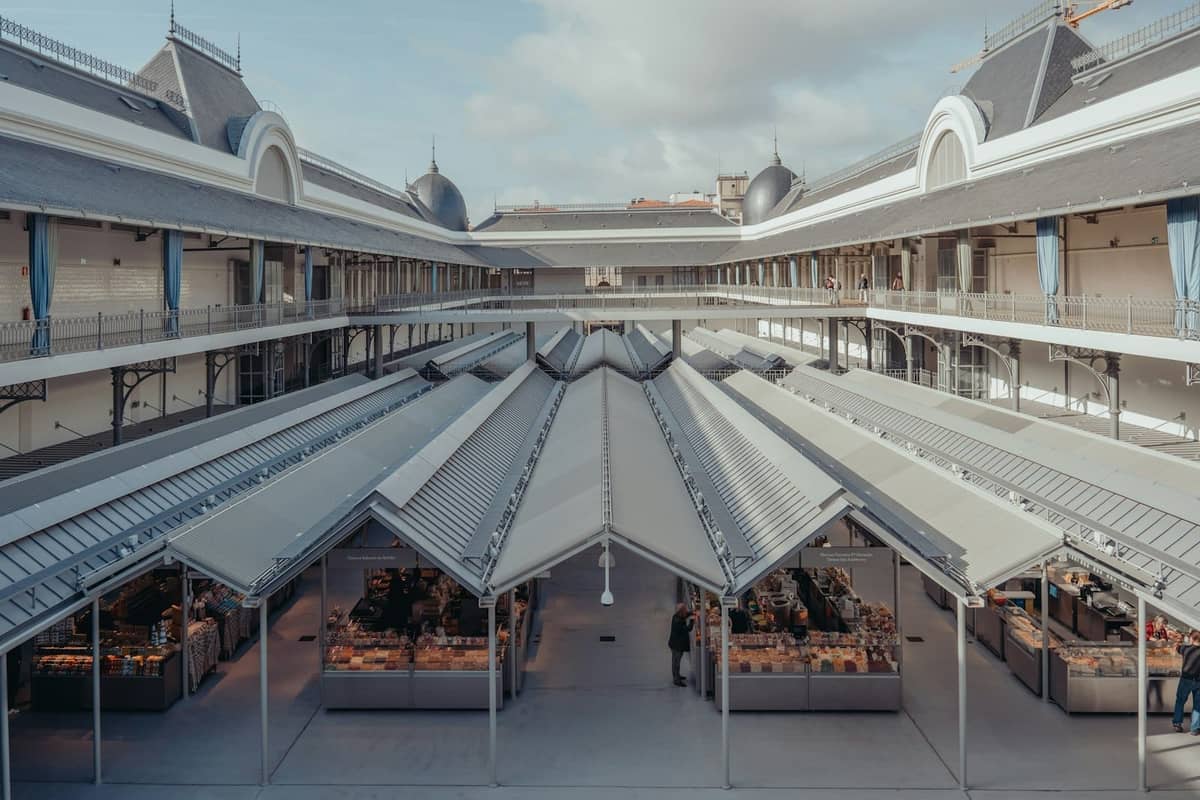
The Mercado do Bolhão, Porto's historic covered market, reopened after renovation and is a legitimate stop for browsing local produce, wine, and conservas (tinned fish). However, it is primarily interesting for food shopping rather than sightseeing, and if your two days are tightly scheduled, it can be cut. The Majestic Café on Rua de Santa Catarina is consistently recommended but comes with long waits for a table and elevated prices for standard coffee and pastries. Worth a look at the Art Nouveau interior, less worth the queue if you just want a coffee.
If you have a free afternoon slot, the Serralves Museum and its surrounding park in the Boavista area offer a genuinely different pace from the tourist circuit. The contemporary art museum is well-regarded, and the park is one of the better places in Porto to decompress. Getting there requires a bus or Uber from the centre (around 20 minutes). For travellers with children, our Porto with kids guide covers Serralves and other family-oriented options in more detail.
A third option for additional time: the neighbourhood of Foz do Douro, where the Douro meets the Atlantic. The beach promenade, Atlantic-facing gardens, and considerably more relaxed atmosphere make it a useful counterpoint to the dense historic centre. It is not walkable from central Porto (plan on about 25–30 minutes by tram or bus), but Tram Line 1 from Infante makes the trip worthwhile. See the Porto beaches guide if you want to extend the trip toward Matosinhos.
Practical Notes for Your Two Days
Porto operates on WET (UTC+0) in winter and WEST (UTC+1) during summer daylight saving time. Restaurant dinner service typically starts around 7:30-8 pm, and most Porto residents eat later than visitors expect — showing up at 6:30 pm will often find a half-empty restaurant, which is actually useful on a packed weekend. The emergency number across Portugal is 112. Portugal uses Type C and F plugs at 230V/50Hz; bring a European adapter if arriving from the UK or North America.
For the full picture on how Porto compares to the rest of Portugal's main cities, the Porto vs Lisbon comparison is worth reading before you decide how to split a longer Portugal trip. And if two days leaves you wanting more, the 3-day Porto itinerary adds the Douro Valley and a deeper look at the city's western neighbourhoods.
ℹ️ Good to know
The Porto Card offers free or discounted entry to museums, free public transport, and discounts at some port wine lodges. It is sold in 1, 2, 3, and 4-day versions. On a two-day itinerary heavy on walking and wine tastings rather than museum visits, do the arithmetic before buying — it is not automatically worth it for every visitor.
FAQ
Is 2 days in Porto enough to see the main sights?
Two days is enough to cover Porto's most recognisable highlights: the historic centre, Ribeira, the Dom Luís I Bridge, and the port wine lodges in Vila Nova de Gaia. It is not enough for a relaxed exploration that also takes in Serralves, Foz do Douro, Matosinhos, and day trips. Treat it as a curated highlights trip, not a comprehensive visit.
Do I need to book anything in advance for a Porto weekend?
Yes: Livraria Lello tickets should be booked online before you arrive — walk-in access is unreliable and queues can take over an hour. Port wine cellar tours are worth booking directly with the lodge to confirm session times, especially in peak season (June-August). Everything else on this itinerary is generally accessible without advance booking.
Where is the best place to stay for a 2-day Porto itinerary?
The Baixa and Ribeira neighbourhoods put you within walking distance of almost every Day 1 sight and reduce transit time significantly. Cedofeita offers slightly quieter streets with easy metro access. Avoid staying far west in Foz do Douro unless you specifically want the beach neighbourhood — the transit time to the historic centre eats into a short visit.
Is port wine actually made in Porto?
No. Port wine is produced from grapes grown in the Douro Valley, roughly 100 km east of Porto. It is then transported to lodges in Vila Nova de Gaia, across the river from Porto, where it is aged. The name refers to the city through which it was historically exported, not where it is produced.
What is the best time of year for a Porto weekend trip?
May, June, and September consistently offer the best combination of dry weather, comfortable walking temperatures (highs around 20-25°C), and fewer crowds than July-August. Winter trips (November-February) are cheaper and quieter but come with significant rainfall and shorter daylight hours, which affects both the Jardim do Morro sunset experience and the general enjoyment of an itinerary built around outdoor walking.