Porto vs Lisbon: Which Portuguese City Should You Visit?
Porto and Lisbon are Portugal's two great cities, separated by 310 km and distinct in character. This guide breaks down the real differences in cost, atmosphere, sightseeing, food, and logistics so you can decide which to visit — or plan both into one trip.

Plan and book this trip
Tools from our partner Travelpayouts help you compare flights and hotels. If you book through them, we may earn a commission at no extra cost to you.
Flights
Hotels map
TL;DR
- Porto is more compact and walkable; Lisbon is larger and spread across more hills and neighborhoods.
- Porto runs roughly 10–15% cheaper than Lisbon for hotels, food, and drinks — a meaningful difference over a week.
- Porto excels for port wine, Douro Valley access, and a gritty, atmospheric old city; see the best things to do in Porto for a full overview.
- Lisbon has more long-haul flight connections, more day-trip fame (Sintra, Cascais), and a sunnier, more Mediterranean feel.
- You do not have to choose: the train takes 2.5–3 hours between cities, and 7–10 days covers both comfortably.
The Core Difference in Character
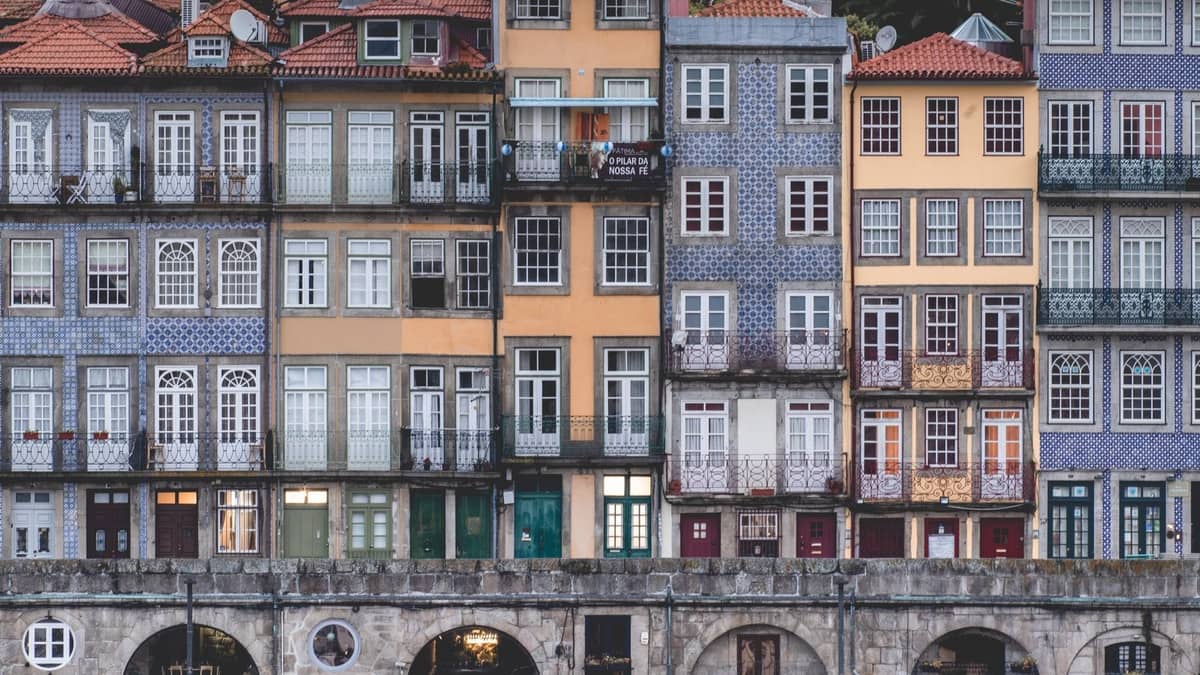
Porto vs Lisbon is not really a question of better or worse. It is a question of which city matches what you are looking for. Porto (population around 232,000 in the city proper, around 1.7–1.8 million in the metro area) feels like a city that takes itself seriously without trying to impress you. Its granite facades, steeply terraced riverfront, and working-class roots give it a texture that is harder to find in more polished European capitals. Lisbon, with roughly 545,000 residents in the city proper and a metro area of well over 2.8 million, has more international reach, more variety, and a warmer, more sun-bleached atmosphere that feels closer to Mediterranean than Atlantic.
If you want to feel like you have genuinely discovered something rather than consumed a tourist circuit, Porto delivers that more readily in 2026. The Ribeira district along the Douro and the wine lodges across the river in Vila Nova de Gaia are busy, but Porto still has neighborhoods, like Bonfim and Cedofeita, where the tourist layer is thin and the city life underneath is easy to access.
ℹ️ Good to know
Porto's official ceremonial title is often rendered in English as the 'Very Noble, Always Loyal and Undefeated City of Porto.' The older English name 'Oporto' refers to the same city. Vila Nova de Gaia, visible from Porto across the Douro, is a separate municipality — not a Porto district — though most visitors treat the two as one destination.
Cost Comparison: Where Your Money Goes Further
Porto is consistently cheaper than Lisbon, though the gap is smaller than many budget-focused travel blogs imply. Mid-range four-star hotels in Porto average around €95–130 per night in peak season versus €120–160 in Lisbon. That 10–15% difference compounds over a week-long stay, especially once you factor in meals and drinks. A sit-down lunch with wine in Porto's Baixa or Cedofeita will typically cost less than the equivalent in Lisbon's Bairro Alto or Chiado.
- Budget accommodation Hostels and guesthouses in Porto run roughly €20–45 per person per night; Lisbon equivalents in central neighborhoods tend to be €25–55.
- Mid-range dining A two-course lunch with wine in Porto costs around €12–18 per person at a non-touristy restaurant. Lisbon's equivalent sits closer to €15–22.
- Drinks A beer or glass of house wine at a café in Porto regularly costs €1.50–2.50. Expect €2–3.50 in Lisbon's tourist-facing areas.
- City transport Both cities use rechargeable transit cards. Porto's Andante card and Lisbon's Viva Viagem card offer single rides for under €2; both cities have unlimited-day options worth comparing for longer stays.
💡 Local tip
If you are traveling on a tight budget, Porto gives you more breathing room. But do not treat Lisbon as expensive by European standards — both cities remain significantly more affordable than Paris, Amsterdam, or Barcelona for comparable quality.
Sightseeing: What Each City Does Best

Porto's historic centre is a UNESCO World Heritage Site, and the concentration of landmarks within walking distance is exceptional. The São Bento railway station with its 20,000 azulejo tiles, the Clérigos Tower, and the ornate Palácio da Bolsa are all within a roughly 10-minute walk of each other. Add the Livraria Lello bookshop and the port wine lodges in Vila Nova de Gaia, and you have a genuinely dense core of significant sights.
Lisbon offers more volume: the Alfama district, Belém's monuments, the Museu Nacional do Azulejo, and multiple world-class contemporary museums spread across a larger footprint. You need more time in Lisbon to feel like you have scratched the surface. Porto rewards a shorter visit more efficiently — two full days can cover the essential landmarks and leave time for eating and wandering. Three days in Porto is comfortable without feeling stretched.
Porto's port wine scene is unmatched. Vila Nova de Gaia holds dozens of wine lodges, and tasting visits at producers like Sandeman or Graham's are a legitimate half-day activity that Lisbon simply cannot replicate. If wine tourism is a priority, Porto wins outright. Consult the port wine guide for Porto for a full breakdown of the best lodges and what to expect.
⚠️ What to skip
Livraria Lello in Porto now requires a paid voucher to enter (which can be discounted from certain book purchases). Queues form early, especially in summer. Book in advance online to avoid waiting 45–60 minutes.
Food, Drink, and Nightlife

Both cities have strong food cultures, but they are distinct. Porto's cooking is heavier and more rooted in northern Portuguese tradition: the food culture in Porto revolves around dishes like the francesinha (a layered meat sandwich in a spiced beer-tomato sauce), tripas à moda do Porto, and fresh seafood from nearby Matosinhos. These are not refined, minimalist plates — they are caloric and satisfying.
Lisbon's food scene is broader and more cosmopolitan. You will find the same pastel de nata custard tarts, grilled fish, and arroz de pato, but also a wider range of international restaurants, more chef-driven dining, and a trendier café culture. For visitors who prioritize food diversity and fine dining, Lisbon edges ahead. For those who want to eat authentically and cheaply, Porto is the stronger choice.
Porto's nightlife concentrates in the Galerias de Paris strip in Cedofeita and along the Ribeira waterfront. It is lively but not overwhelming. Lisbon's nightlife, anchored in Bairro Alto, Cais do Sodré, and LX Factory, runs later and larger. If late nights matter, Lisbon wins. For an evening centered on port wine by the river and dinner that ends at midnight, Porto is more than sufficient. The Porto nightlife guide covers the current options in detail.
Day Trips: Northern vs Southern Portugal
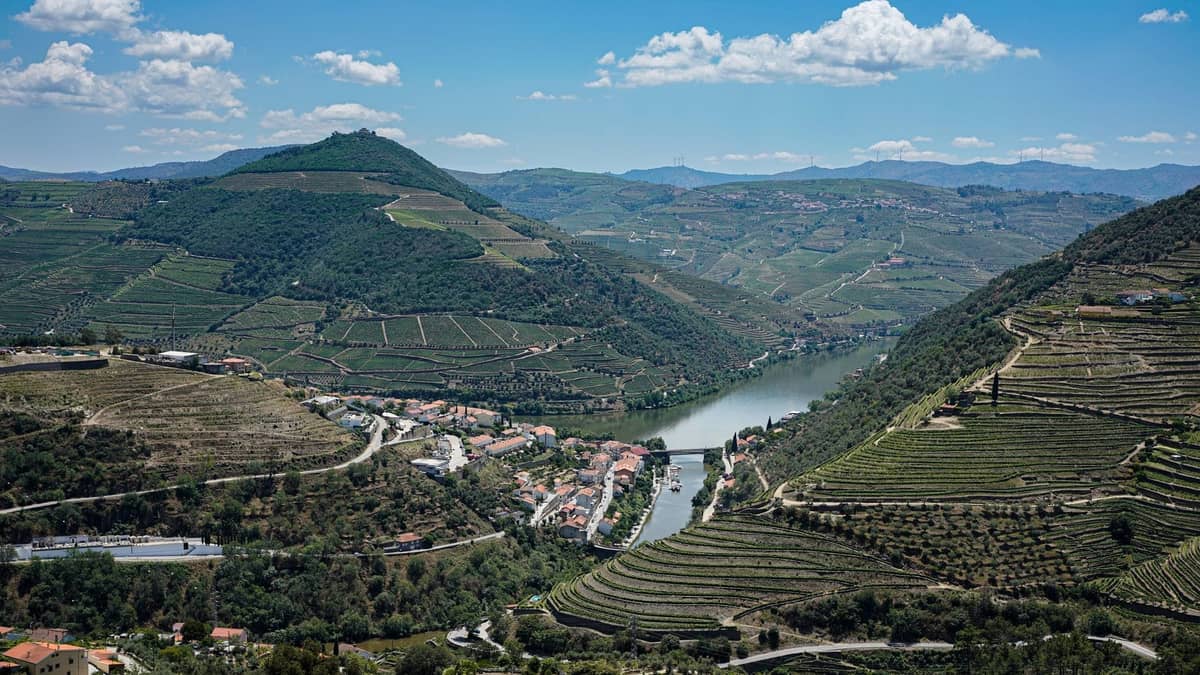
This is one area where the two cities diverge significantly, and it should factor into your decision if day trips are important to your trip. Porto's day-trip radius is exceptional for a certain type of traveler: wine regions, historic medieval cities, and dramatic river landscapes.
- From Porto: Douro Valley The Douro Valley wine region is roughly 90–120 minutes east by car or train. Terraced vineyards, river cruises, and quintas make it one of Europe's best wine-country day trips.
- From Porto: Guimarães Often called the birthplace of Portugal, this UNESCO-listed medieval city is about 50 minutes by train. Compact, quiet, and largely free of mass tourism.
- From Porto: Braga One hour by train; known for the Bom Jesus do Monte staircase sanctuary and a well-preserved historic centre.
- From Lisbon: Sintra 45 minutes by train; palaces, forests, and crowds. Genuinely impressive but overwhelmed with visitors in summer — book palace tickets well in advance.
- From Lisbon: Cascais and Estoril 40 minutes by train; Atlantic coast towns with beaches, a casino, and a relaxed esplanade.
The Douro Valley day trip from Porto is one of the most rewarding excursions in Portugal and arguably gives Porto an edge over Lisbon's day-trip options for travelers who prioritize landscape over palace architecture. Porto also offers a wide range of other day trip options depending on your interests.
Logistics: Getting There, Getting Around, and Combining Both Cities
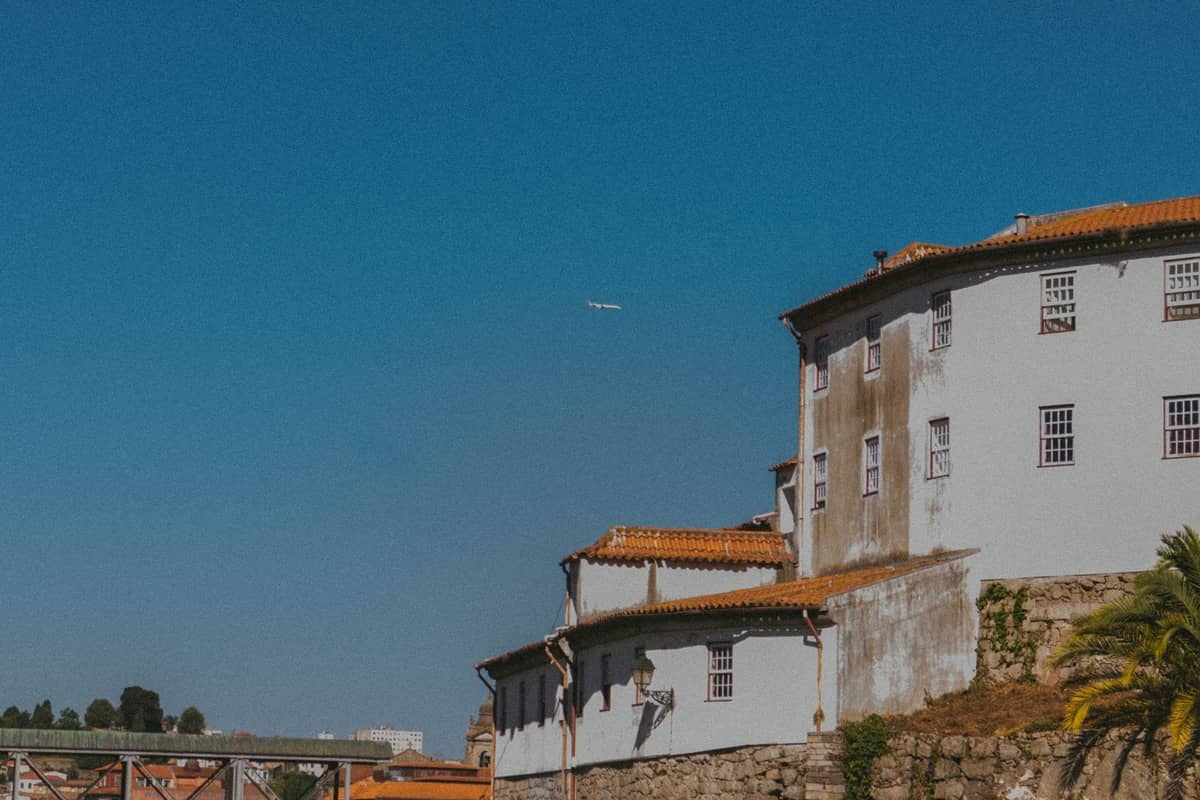
Lisbon's Humberto Delgado Airport handles more long-haul routes and higher flight frequency than Porto's Francisco Sá Carneiro Airport (OPO). If you are flying from North America or Asia, you will more likely land in Lisbon first. OPO is about 11–12 km from Porto city centre and well-connected by Metro Line E (approximately 30 minutes to the centre using an Andante Z4 ticket). Uber and Bolt also serve the airport.
The train between the two cities is the obvious connector. Alfa Pendular and Intercidades services run multiple times daily between Porto Campanhã and Lisboa Santa Apolónia or Oriente, taking roughly 2.5–3 hours. Promotional fares can start around €10–15 one-way booked in advance through CP (Comboios de Portugal); prices rise significantly closer to departure. Flying between the two cities saves very little time once airport logistics are factored in and is generally not worth it.
A practical two-city itinerary: fly into Lisbon, spend 3–5 days, take the train north to Porto, spend 2–3 days, and fly home from OPO. The reverse works equally well. For a one-week trip, 3 nights in Porto and 4 in Lisbon (or vice versa) is a sensible split. If you only have 4–5 days total, pick one city and do it properly. The 3-day Porto itinerary is a good starting point for structuring the Porto portion of a combined trip.
Who Should Choose Porto, Who Should Choose Lisbon
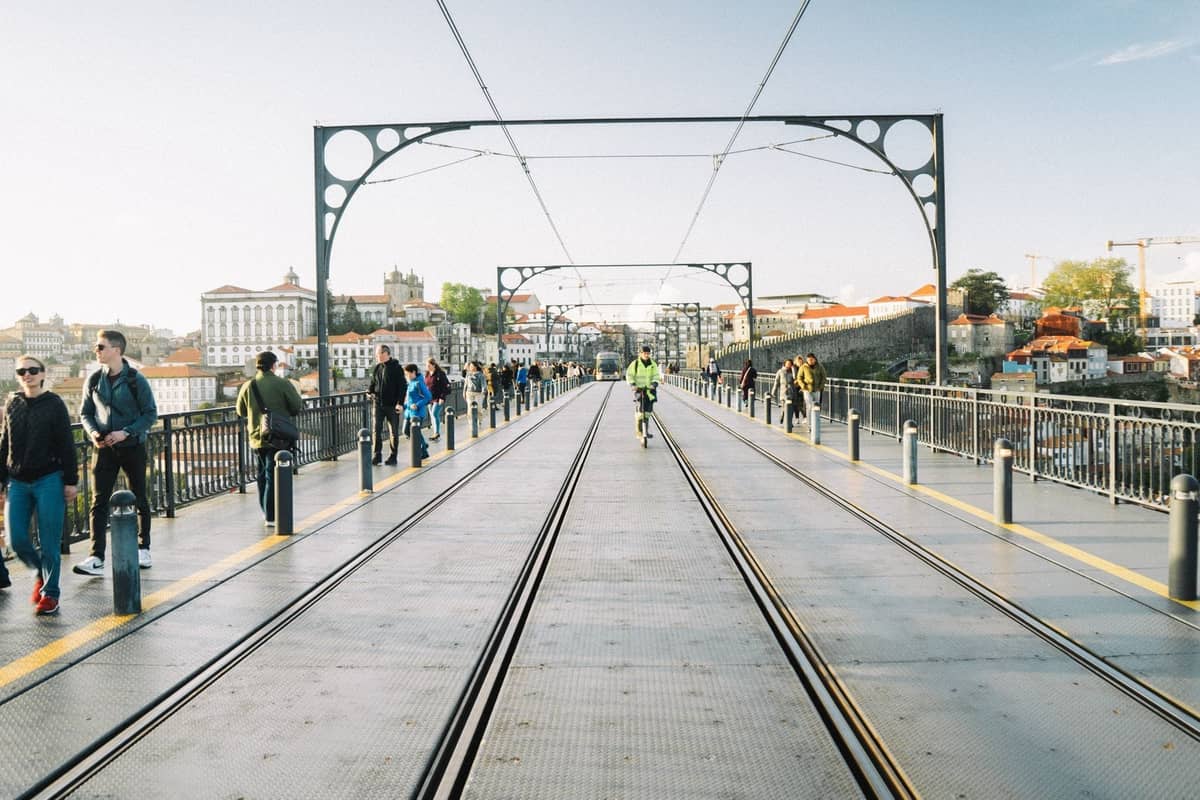
Porto suits travelers who want concentrated sightseeing in a compact area, a genuine Portuguese city feel without the capital's scale, port wine as a central experience, and easy access to the Douro Valley and northern medieval towns. It rewards slower travel: two or three days of walking the hills, eating well, and crossing the Dom Luís I Bridge at dusk is a complete trip.
Lisbon suits travelers who want more variety across food, nightlife, museums, and neighborhoods, who are flying long-haul and landing there directly, or who want to add Sintra and the Algarve coast to their itinerary. It is also the better choice for first-time visitors to Portugal who want a broad introduction to the country. That said, many experienced travelers find Porto more memorable on a return visit. For a deeper look at what Porto specifically offers, the guide to whether Porto is worth visiting addresses this honestly.
✨ Pro tip
If you are visiting in June, Porto's São João festival (June 23–24) is one of the most genuinely participatory street festivals in Europe — locals hit each other with plastic hammers and launch paper lanterns over the Douro. Lisbon has nothing quite like it. Timing your Porto visit around São João is worth rearranging a trip for.
FAQ
Is Porto or Lisbon better for a first visit to Portugal?
Lisbon is the more common first choice because of its airport connections, larger variety of attractions, and international profile. But Porto is an equally valid first visit, especially for travelers with 3–5 days who want a focused, walkable experience. Neither is wrong; it depends on your priorities and how you are flying in.
How far apart are Porto and Lisbon, and is it easy to visit both?
Porto and Lisbon are about 310 km apart. The Alfa Pendular and Intercidades trains connect them in approximately 2.5–3 hours with multiple daily departures. Booking through CP (Comboios de Portugal) in advance gets you the best fares. Visiting both on one trip is practical and recommended for stays of 7 days or more.
Is Porto significantly cheaper than Lisbon?
Porto is roughly 10–15% cheaper than Lisbon across accommodation, food, and drinks. The gap is real but not dramatic. Mid-range hotels in Porto average €95–130 per night in peak season versus €120–160 in Lisbon. Both cities are affordable by Western European standards.
Which city has better day trips — Porto or Lisbon?
Both are strong, but they offer different things. Porto gives access to the Douro Valley wine region, Guimarães, and Braga — ideal for landscape, wine, and medieval history. Lisbon's day-trip circuit focuses on Sintra's palaces and the Cascais coastline. If you prefer wine and river landscapes, Porto's day-trip options are arguably better. If palace architecture and Atlantic coast towns appeal more, Lisbon wins.
What is the best time of year to visit Porto versus Lisbon?
Both cities are best in May, June, and September: warm enough to walk comfortably, drier than spring, and less crowded than July–August. Porto's climate is cooler and wetter than Lisbon's, particularly in autumn and winter. Lisbon gets more sunshine year-round and has a slightly warmer, drier summer. For winter travel, Lisbon is the more comfortable option; Porto in November–December is often rainy and grey.