The Bridges of Porto: A Complete Guide to Crossing the Douro
Porto's six bridges across the Douro are more than infrastructure: they are the city's most dramatic landmarks, connecting historic quarters, framing postcard views, and offering walks you will remember long after leaving. This guide covers every bridge, how to experience each one, and the best spots to see them all.
Plan and book this trip
Tools from our partner Travelpayouts help you compare flights and hotels. If you book through them, we may earn a commission at no extra cost to you.
Flights
Hotels map
Six bridges span the Douro between Porto and Vila Nova de Gaia, ranging from the 1877 Maria Pia railway arch associated with Gustave Eiffel’s company to the slender concrete Infante D. Henrique Bridge completed in 2003. The most famous of all is the Ribeira-side icon, the Dom Luís I, whose double decks have carried everything from vintage trams to metro trains. Walking or riding across any of these spans gives you a perspective on Porto's topography that no hilltop viewpoint can fully replicate. None of the bridges charge pedestrian tolls, so the experience is free for walkers. This guide pairs each bridge with the viewpoints, activities, and attractions that make the crossing worth planning around.
If you are planning your time carefully, our 2-day Porto itinerary builds the Dom Luís I crossing into a logical route between the Ribeira and Gaia waterfront. For a deeper look at what waits on the south bank, the Vila Nova de Gaia district guide covers the wine lodges, cable car, and riverside promenade in full detail.
The Dom Luís I Bridge: Porto's Most Iconic Crossing
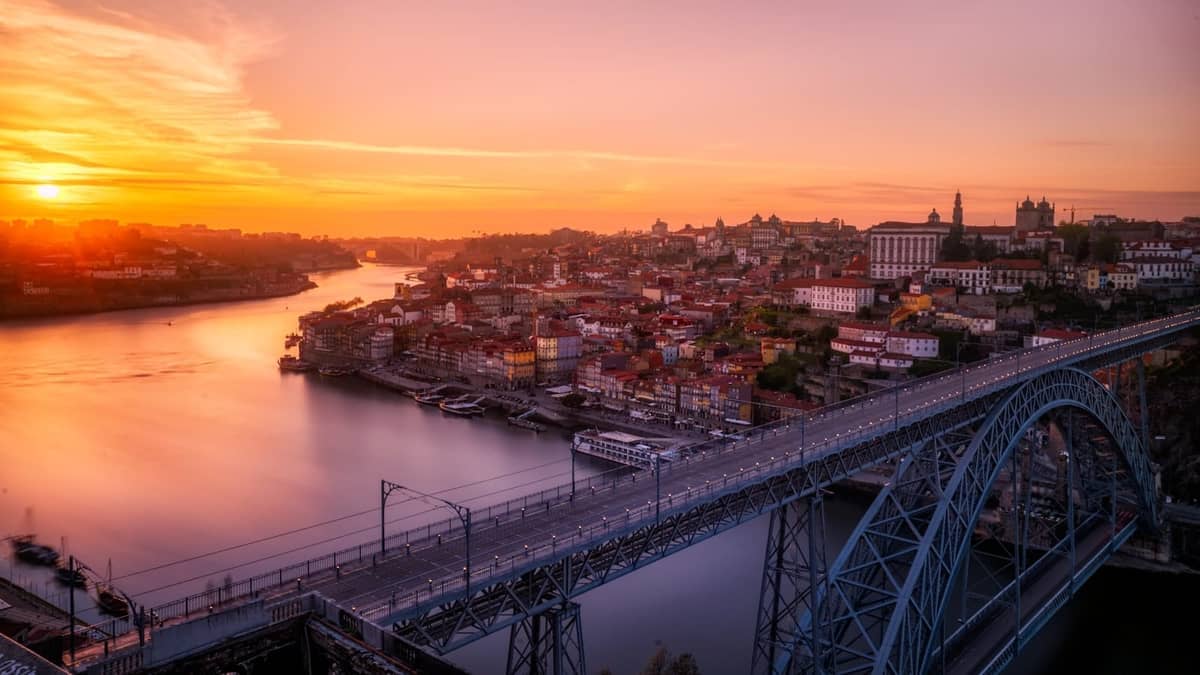
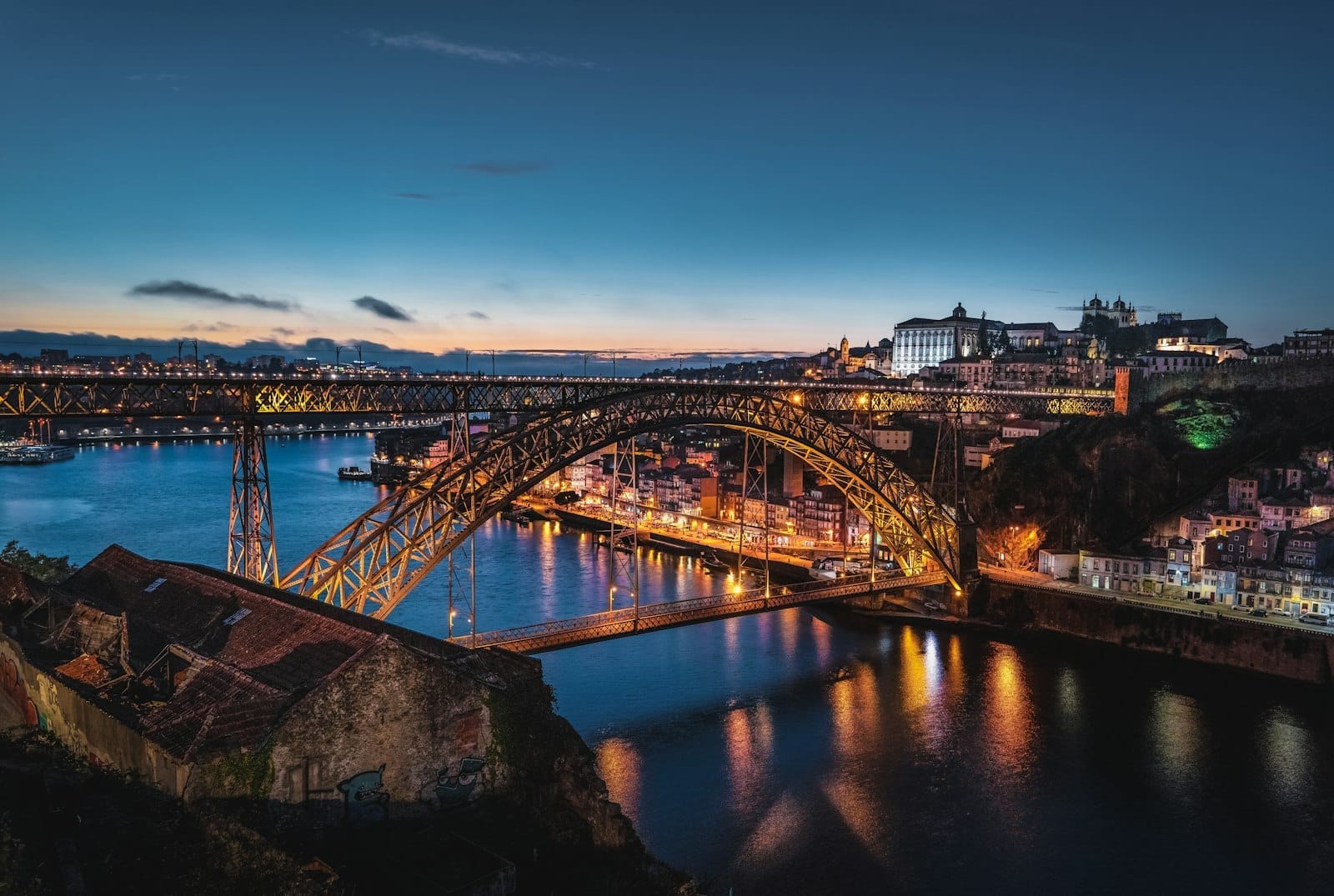
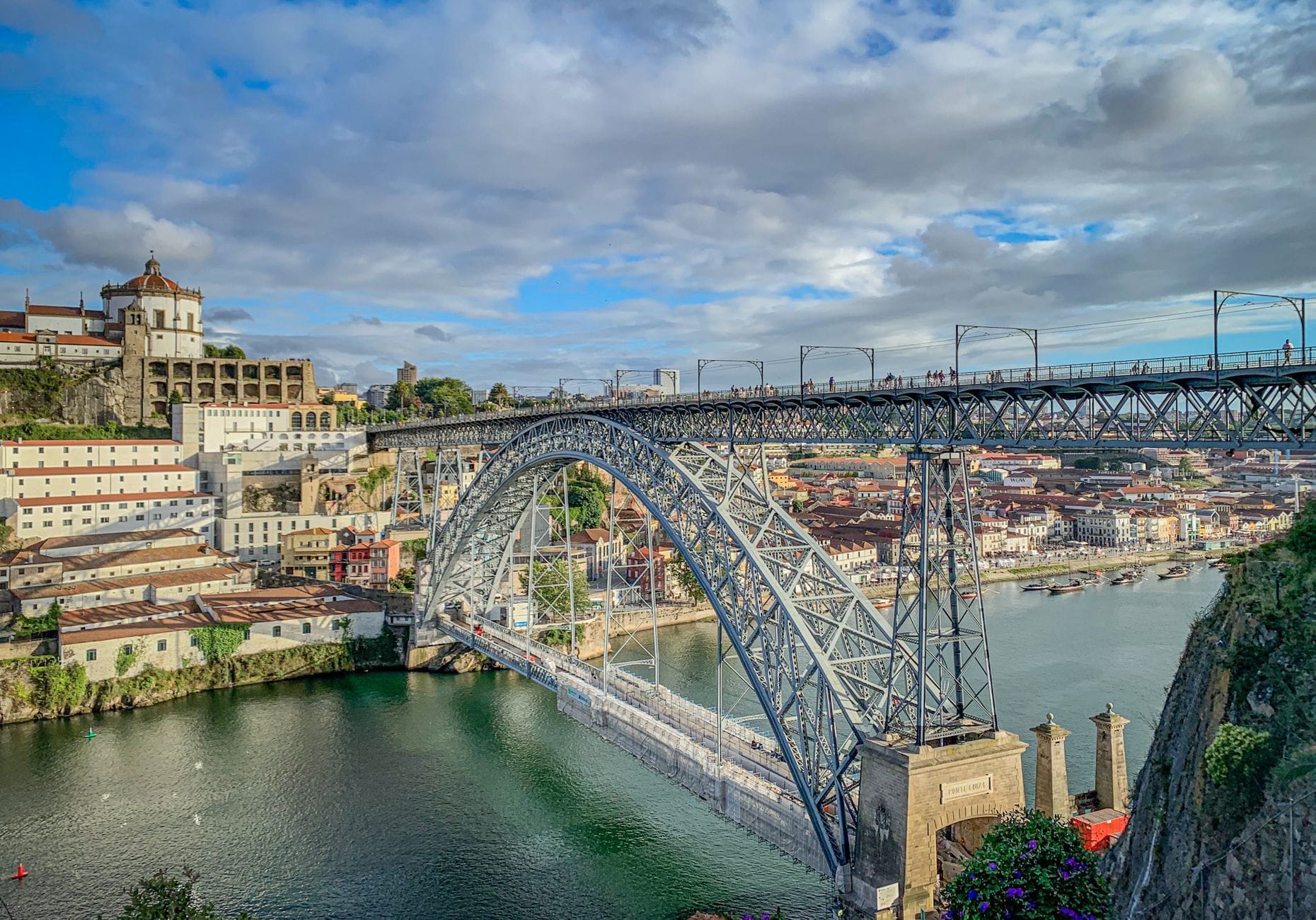
No other structure defines Porto's skyline as completely as the Dom Luís I. Built in 1886, it rises around 85 metres above the Douro at its upper deck and offers pedestrian access on both levels. The upper deck, shared with Metro Line D, delivers the most theatrical views. The lower deck puts you at river level, close enough to watch the rabelo boats and smell the salt on the breeze. Everything in this section connects directly to the bridge experience: crossing it, climbing above it, and understanding it from the riverbanks on both sides.
1. Walk Both Decks of the Dom Luís I Bridge
Porto's most famous span is free to cross 24 hours a day. Walk the upper deck for metro-level views 62 metres above the Douro, then descend and cross again at road level for a completely different perspective on the river and the Ribeira facades.
Explore1. Walk Both Decks of the Dom Luís I Bridge
Porto's most famous span is free to cross 24 hours a day. Walk the upper deck for metro-level views 62 metres above the Douro, then descend and cross again at road level for a completely different perspective on the river and the Ribeira facades.
Explore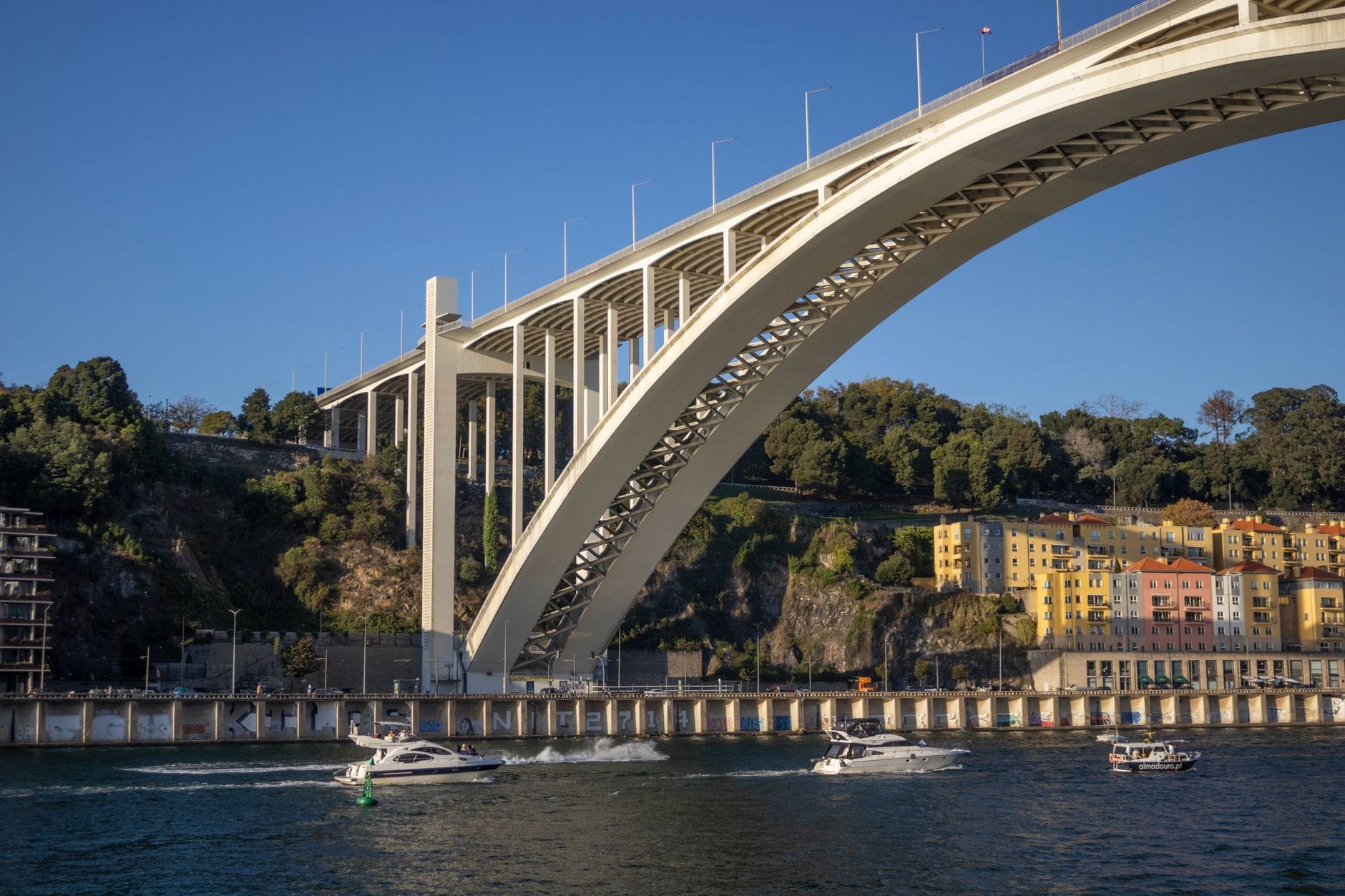
2. Climb the Arch of the Dom Luís I for Views at 60 Metres
A guided climb along the outer arch of the Dom Luís I takes you 60 metres above the Douro on a route not accessible any other way. Small groups, safety harnesses, and clear-day views stretching to Foz make this Porto's most memorable paid experience.
Explore2. Climb the Arch of the Dom Luís I for Views at 60 Metres
A guided climb along the outer arch of the Dom Luís I takes you 60 metres above the Douro on a route not accessible any other way. Small groups, safety harnesses, and clear-day views stretching to Foz make this Porto's most memorable paid experience.
Explore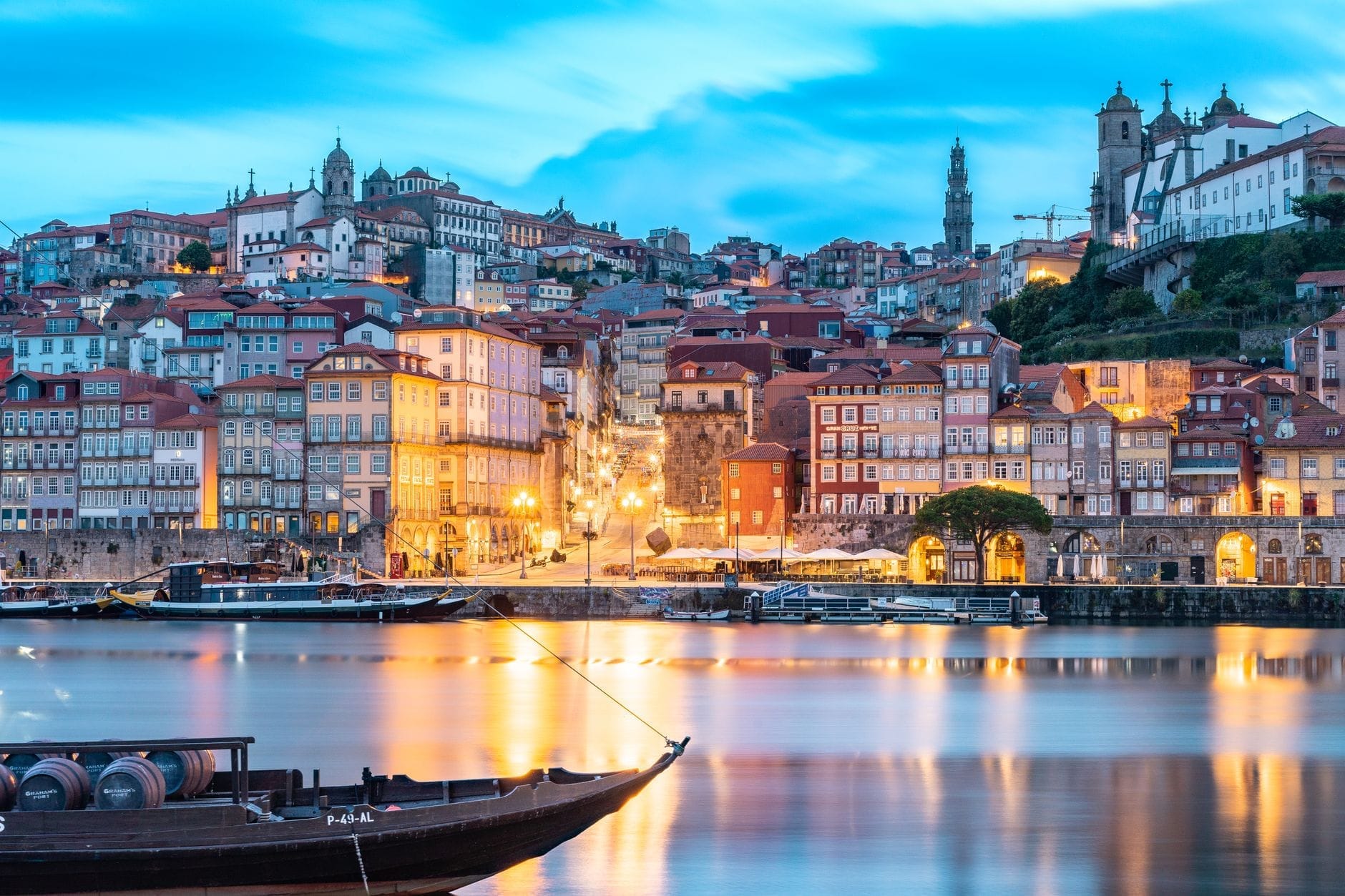
3. Frame the Bridge from the Porto Riverfront
Standing on Cais da Ribeira with the Dom Luís I arching overhead is the classic Porto composition. Walk the UNESCO-listed promenade at golden hour and the lower span becomes a glowing iron silhouette above the colourful waterfront buildings.
Explore3. Frame the Bridge from the Porto Riverfront
Standing on Cais da Ribeira with the Dom Luís I arching overhead is the classic Porto composition. Walk the UNESCO-listed promenade at golden hour and the lower span becomes a glowing iron silhouette above the colourful waterfront buildings.
Explore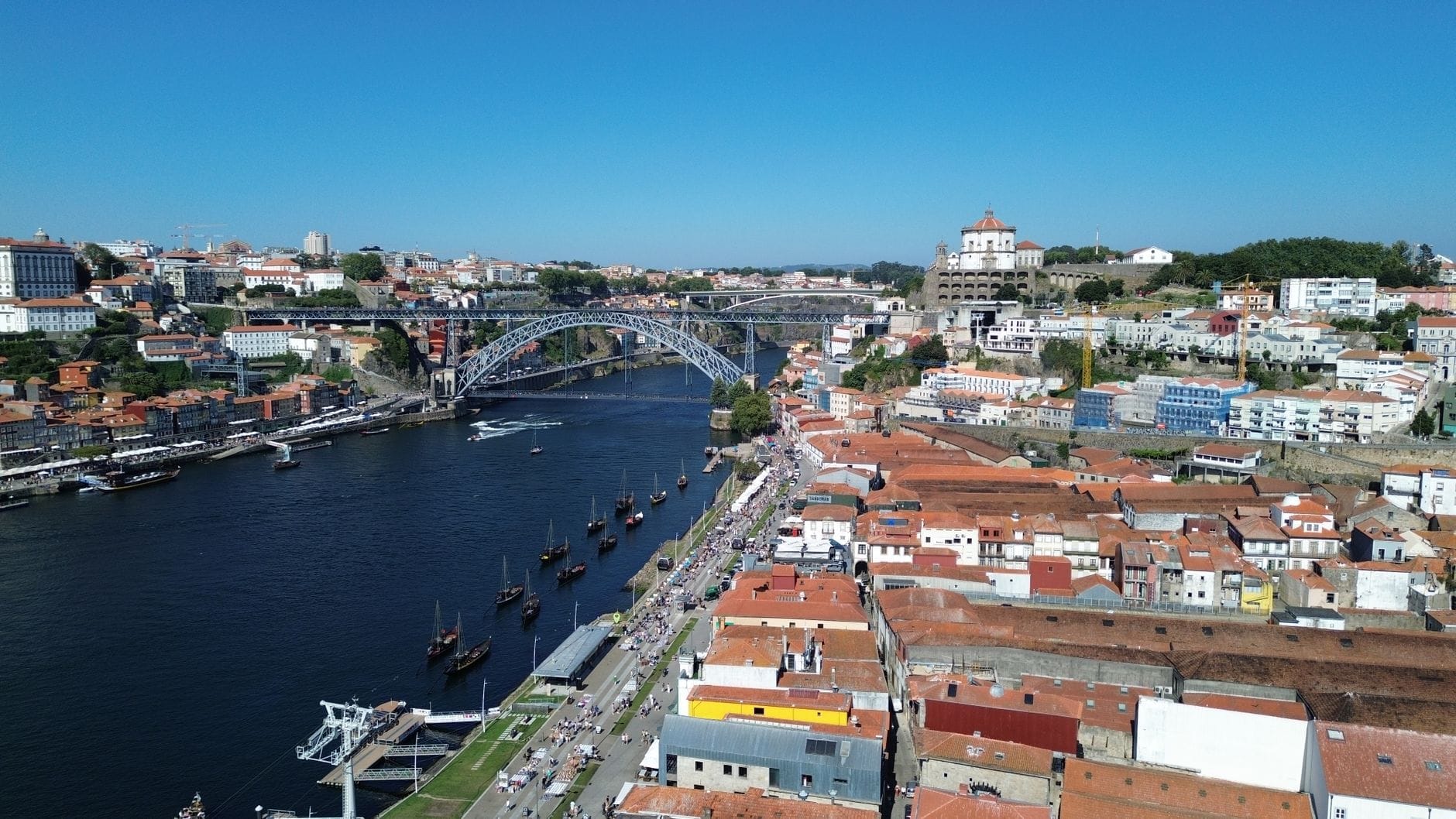
4. See the Bridge from the Gaia Waterfront
Cross the Dom Luís I and turn around: the view back toward Porto from Cais de Gaia is arguably the better photograph. The rabelo boats moor here, the Ribeira stacks up the hillside behind them, and the bridge frames everything perfectly.
Explore4. See the Bridge from the Gaia Waterfront
Cross the Dom Luís I and turn around: the view back toward Porto from Cais de Gaia is arguably the better photograph. The rabelo boats moor here, the Ribeira stacks up the hillside behind them, and the bridge frames everything perfectly.
Explore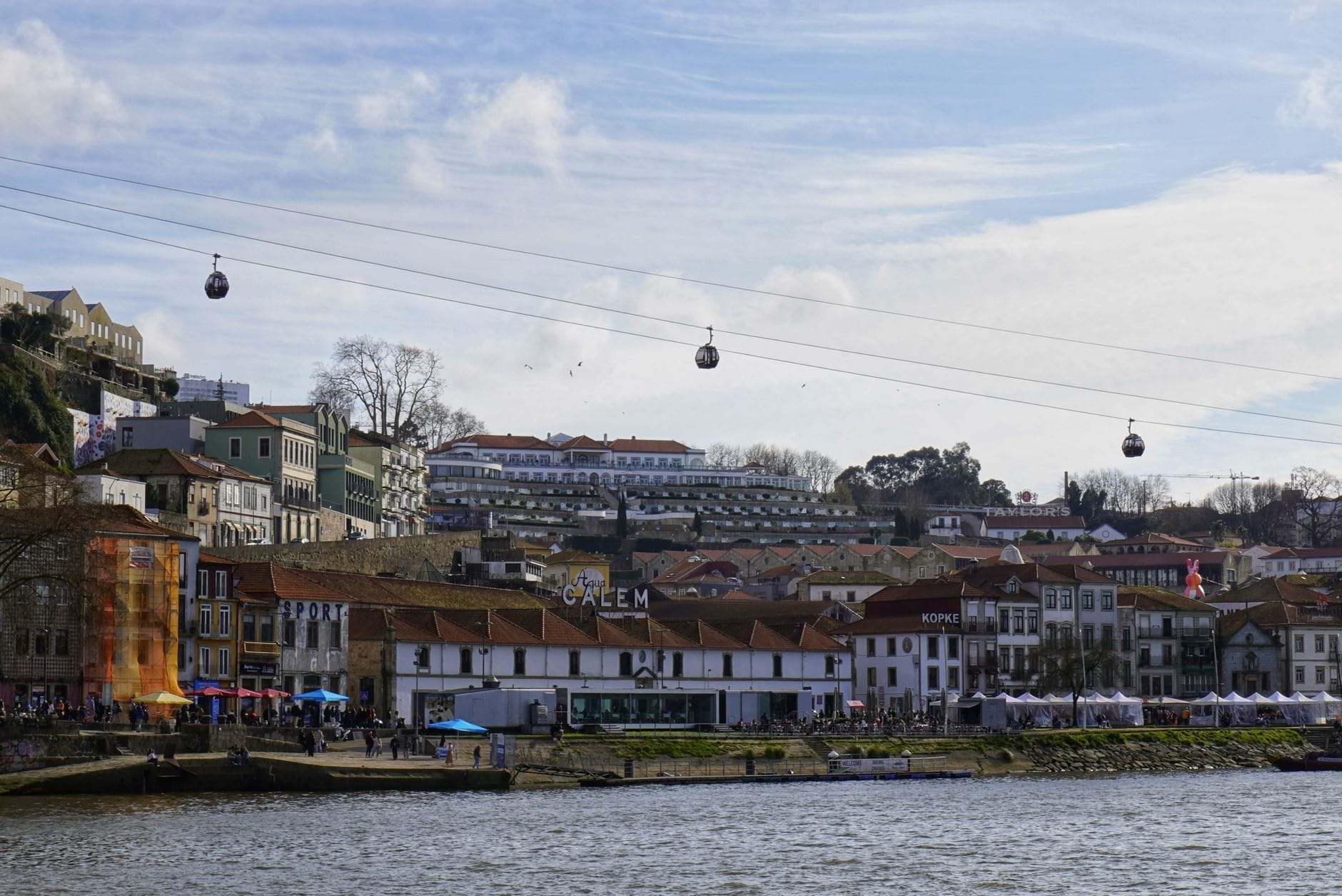
5. Ride the Cable Car from the Riverfront to the Upper Bridge Deck
The Teleférico de Gaia links the Cais de Gaia waterfront to the upper deck of the Dom Luís I in a four-minute gondola ride. It gives you a moving aerial view of the bridge itself, the river, and Porto's stacked skyline, a perspective you cannot get on foot.
Explore5. Ride the Cable Car from the Riverfront to the Upper Bridge Deck
The Teleférico de Gaia links the Cais de Gaia waterfront to the upper deck of the Dom Luís I in a four-minute gondola ride. It gives you a moving aerial view of the bridge itself, the river, and Porto's stacked skyline, a perspective you cannot get on foot.
Explore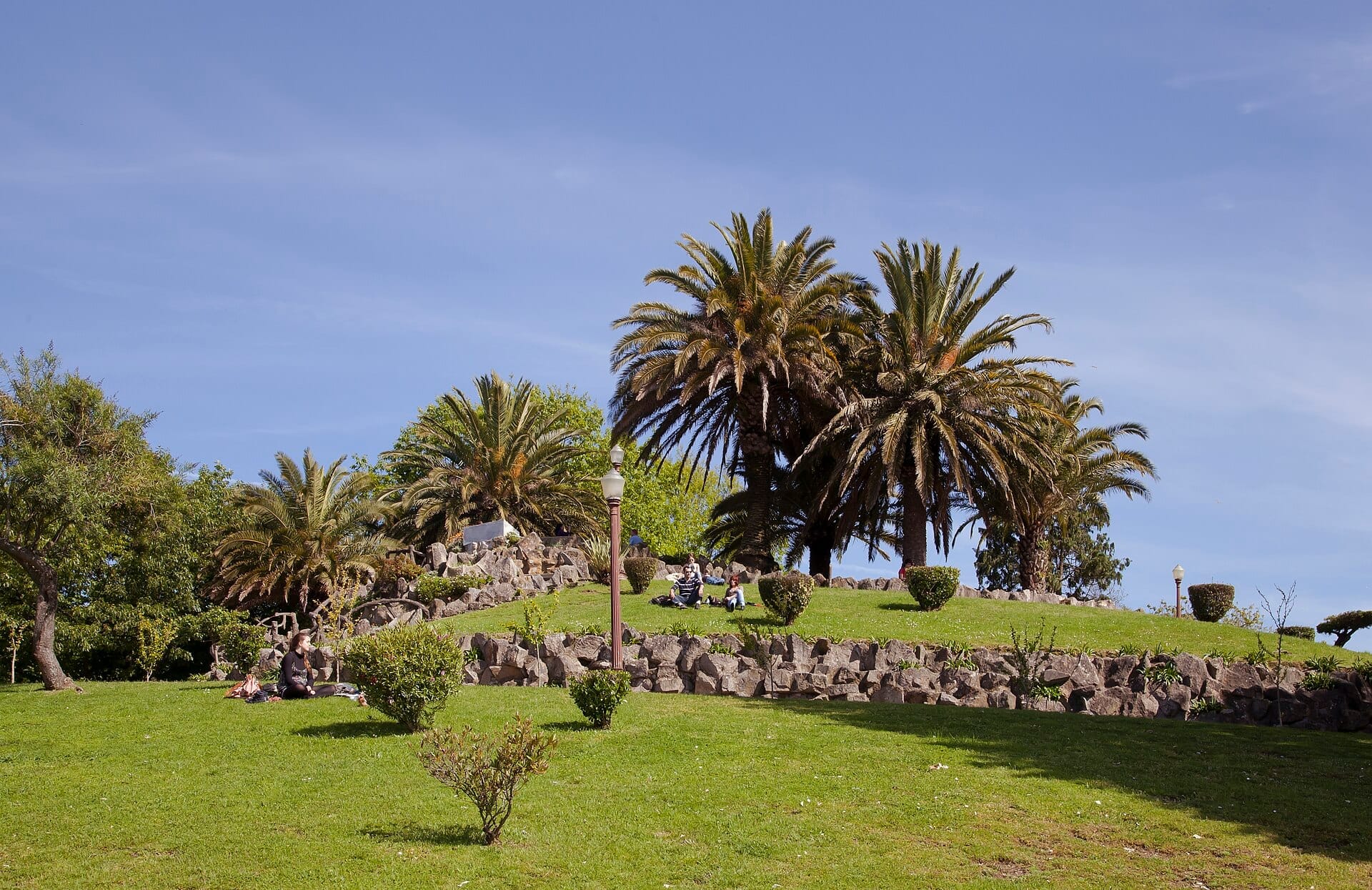
6. Watch the Bridge at Sunset from Jardim do Morro
This free hilltop garden sits directly beside the Gaia end of the upper Dom Luís I deck and offers unobstructed views across the Douro toward Porto's historic waterfront. Arrive 30 minutes before sunset for the best light on the iron arch and Ribeira facades.
Explore6. Watch the Bridge at Sunset from Jardim do Morro
This free hilltop garden sits directly beside the Gaia end of the upper Dom Luís I deck and offers unobstructed views across the Douro toward Porto's historic waterfront. Arrive 30 minutes before sunset for the best light on the iron arch and Ribeira facades.
ExploreThe Best Viewpoints to See All Six Bridges
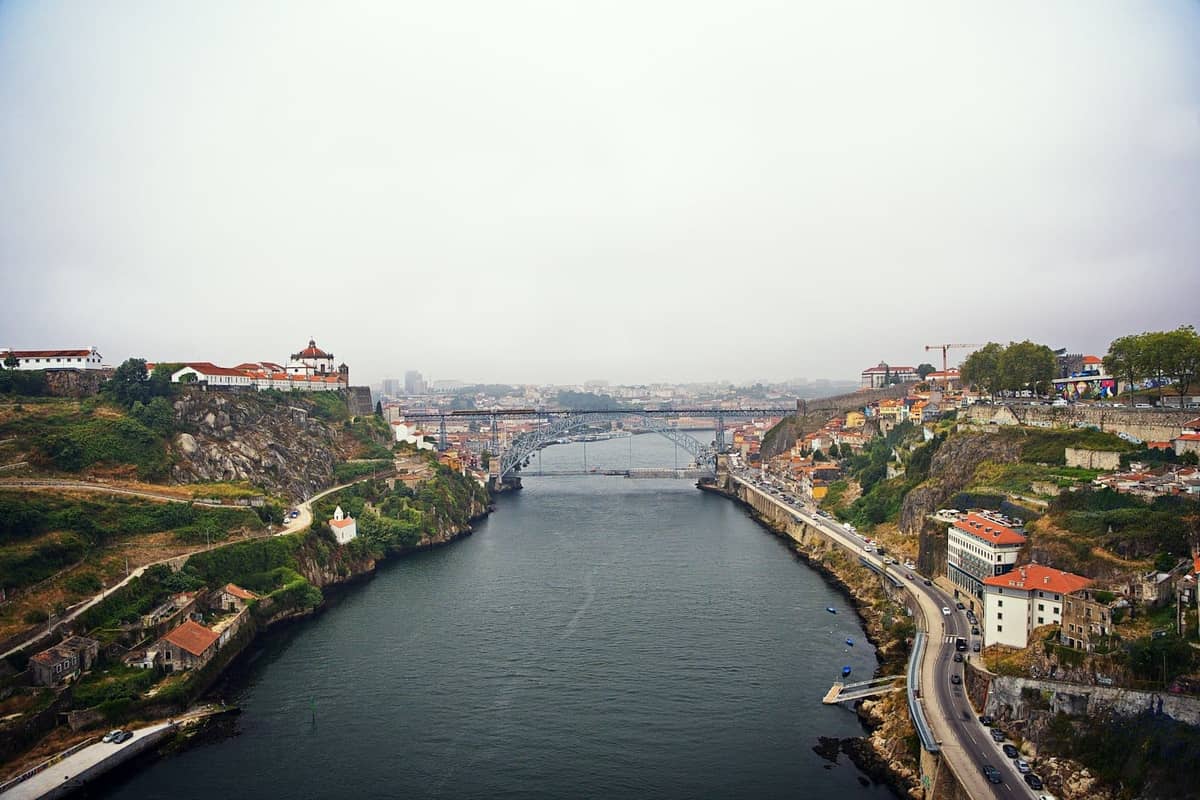
Porto's hilly topography means the bridges are best appreciated from elevation. The city clusters its finest viewpoints on the north bank, while the Gaia hillside offers the most dramatic south-bank perspectives. A Douro river cruise is the only way to see all six spans in sequence at water level. For a comprehensive walking loop between viewpoints, the Porto walking tour guide maps a route that connects several of the spots below.
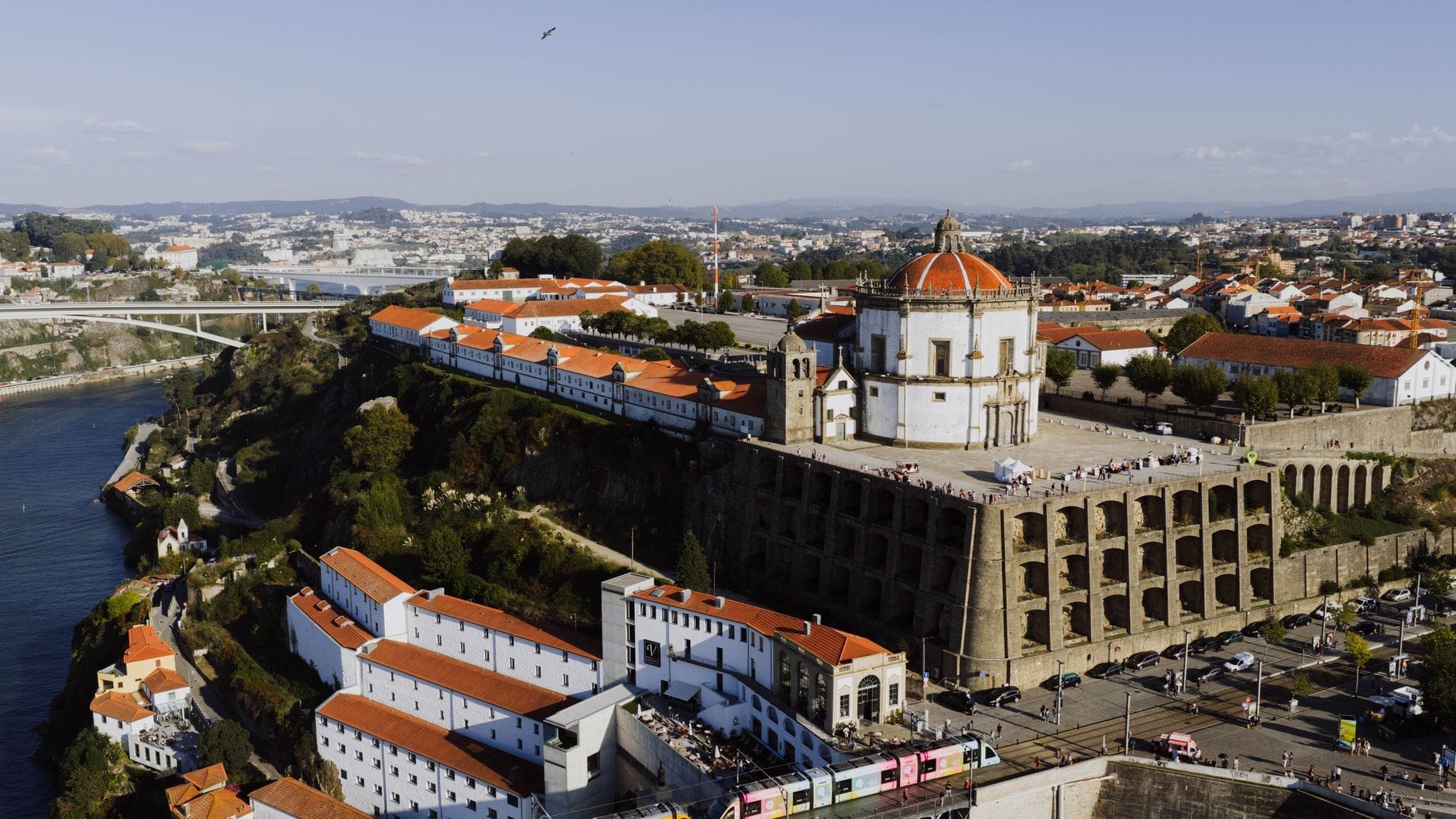
7. Take in the Widest Bridge Panorama from Serra do Pilar
The circular terrace in front of this UNESCO-listed Renaissance monastery is Porto's finest panoramic viewpoint. From here you see the Dom Luís I in full profile, the Maria Pia arch further east, and the Douro curving westward toward the sea. Arrive early to beat tour groups.
Explore7. Take in the Widest Bridge Panorama from Serra do Pilar
The circular terrace in front of this UNESCO-listed Renaissance monastery is Porto's finest panoramic viewpoint. From here you see the Dom Luís I in full profile, the Maria Pia arch further east, and the Douro curving westward toward the sea. Arrive early to beat tour groups.
Explore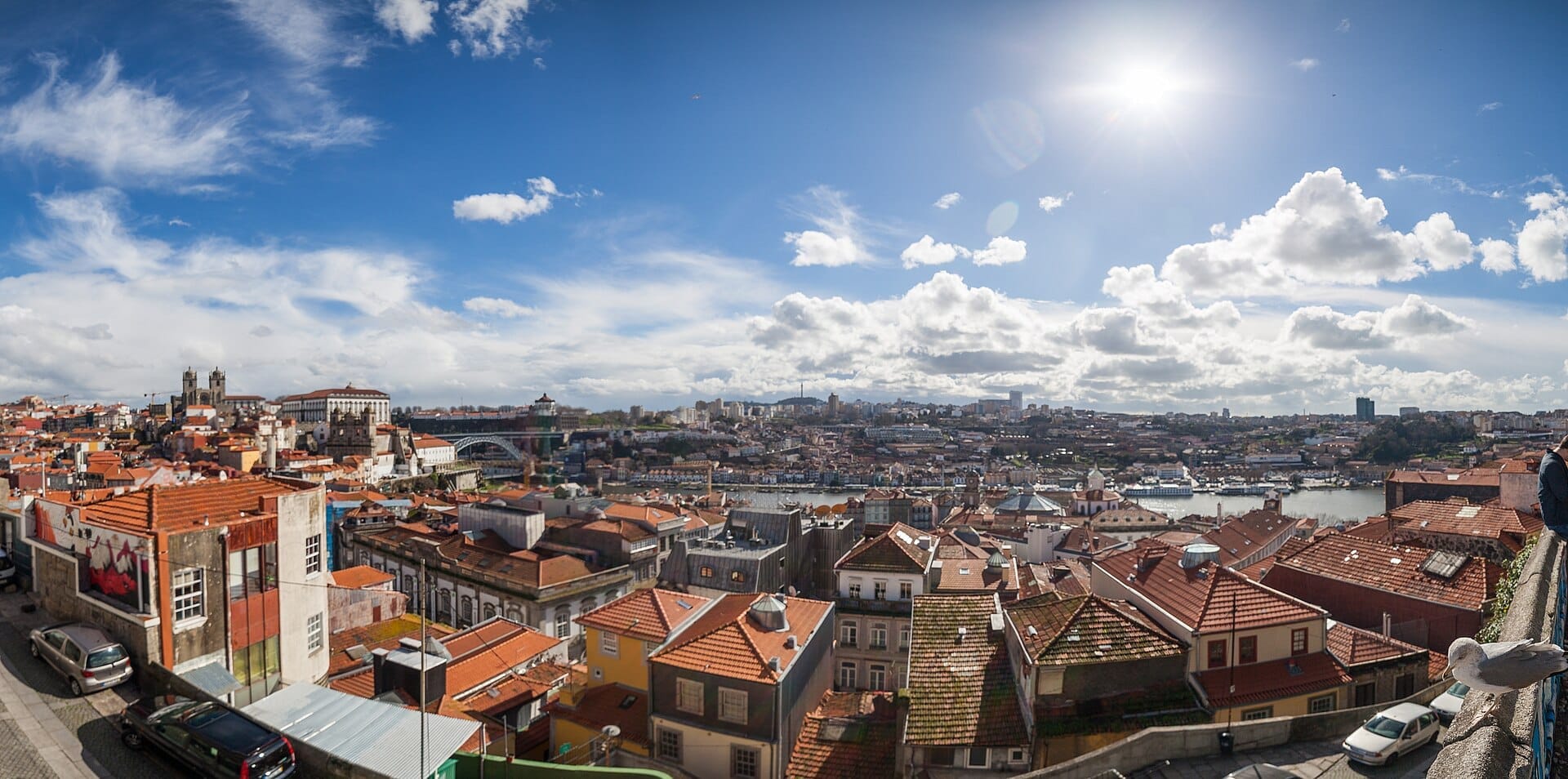
8. Photograph the Dom Luís I from Miradouro da Vitória
This free hilltop terrace in the historic centre frames the Dom Luís I against the Gaia wine lodge district below. It sits high enough to see both bridge decks simultaneously and is one of the less crowded sunset spots within walking distance of the Baixa.
Explore8. Photograph the Dom Luís I from Miradouro da Vitória
This free hilltop terrace in the historic centre frames the Dom Luís I against the Gaia wine lodge district below. It sits high enough to see both bridge decks simultaneously and is one of the less crowded sunset spots within walking distance of the Baixa.
Explore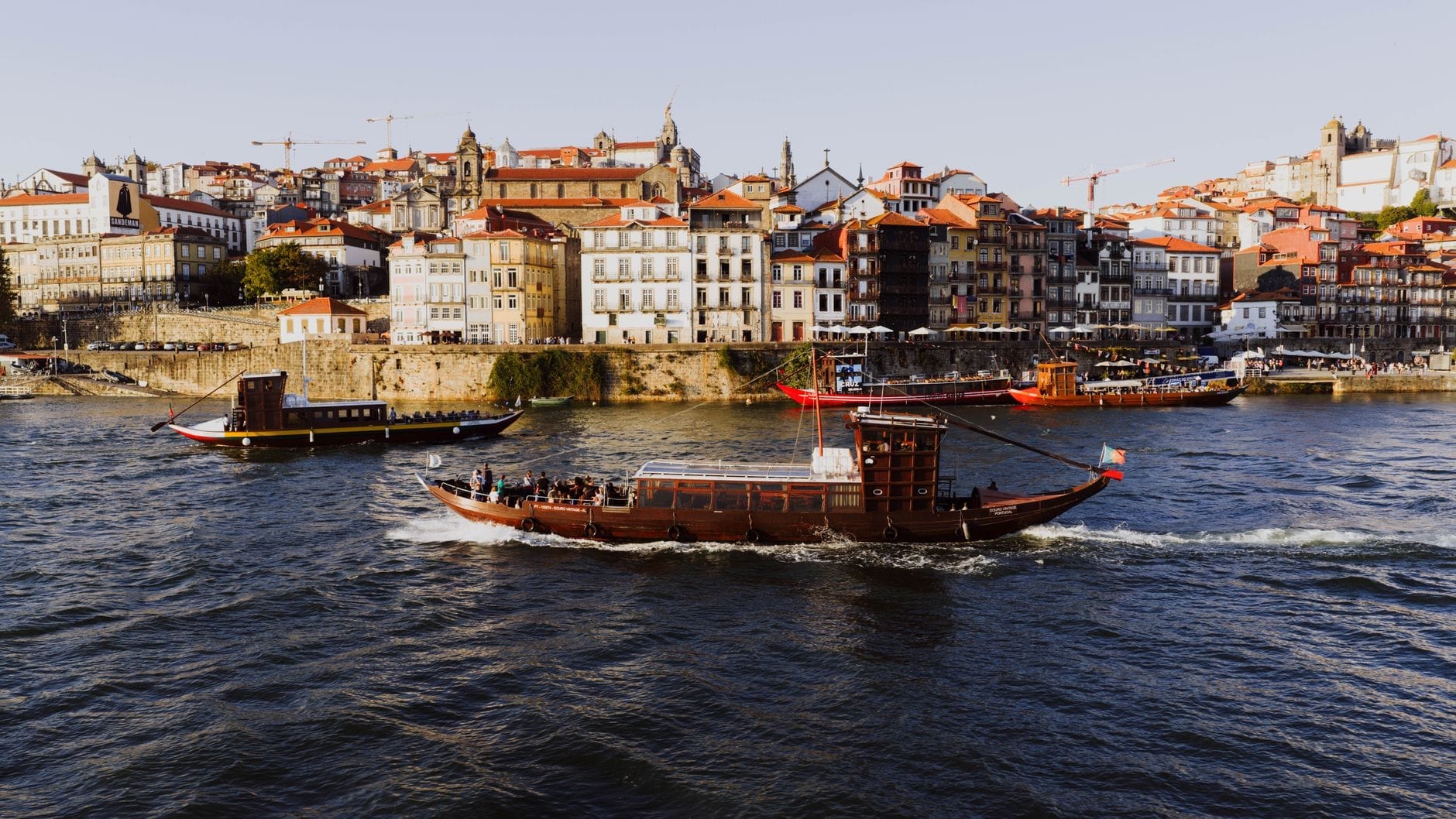
9. See All Six Bridges by Boat on a Douro River Cruise
A 50-minute cruise passes under every bridge in the Porto-Gaia corridor, from the Infante D. Henrique near the Ribeira to the rail spans further east. This is the only way to experience the bridges in sequence from below and to photograph their undersides from the water.
Explore9. See All Six Bridges by Boat on a Douro River Cruise
A 50-minute cruise passes under every bridge in the Porto-Gaia corridor, from the Infante D. Henrique near the Ribeira to the rail spans further east. This is the only way to experience the bridges in sequence from below and to photograph their undersides from the water.
Explore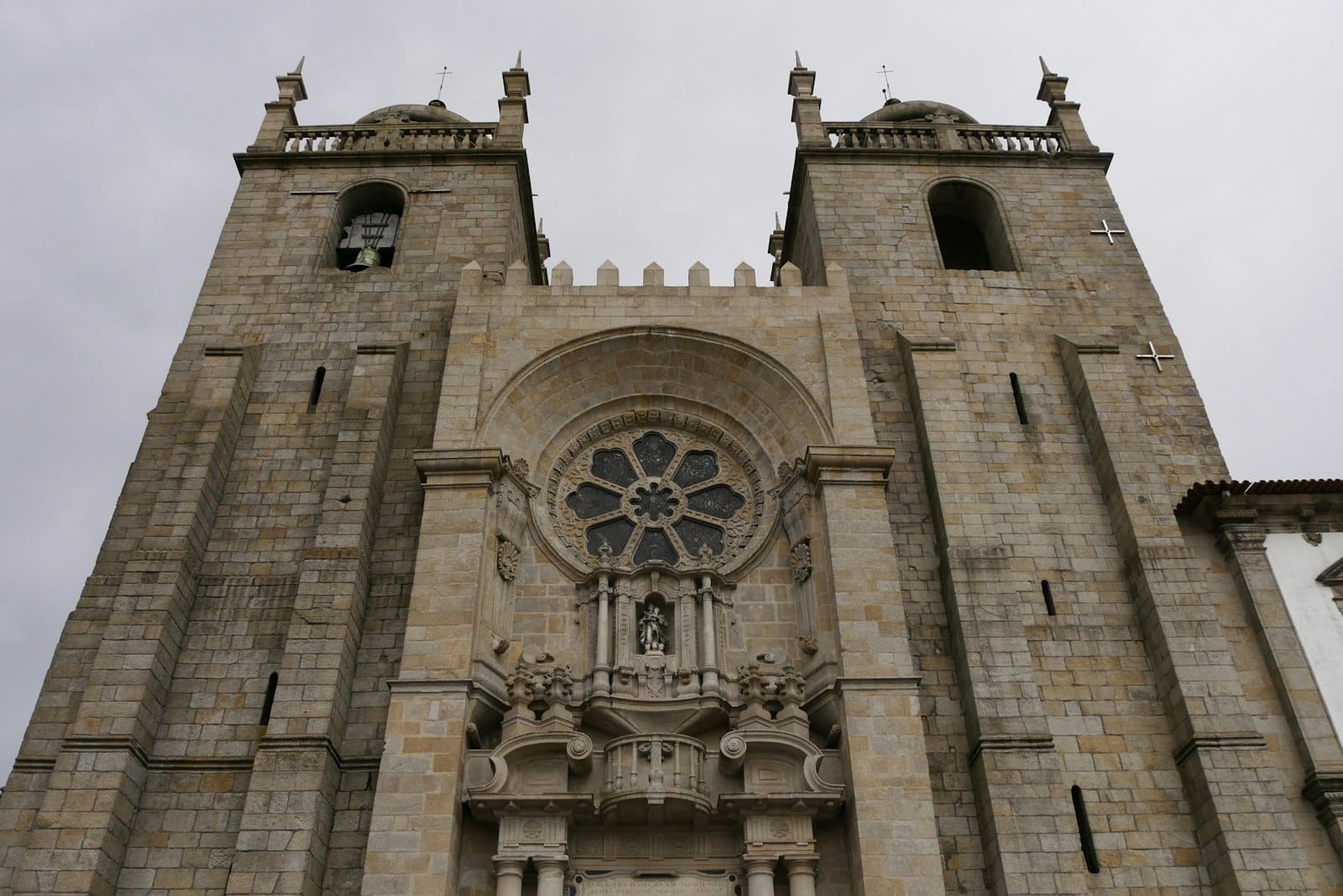
10. Use the Cathedral Terrace as a High-Level Bridge Reference Point
Porto's Romanesque cathedral sits on the city's highest hill, and its external terrace looks directly down the slope toward the Dom Luís I and the Douro. The azulejo cloister inside rewards the entry fee, but the exterior views toward the river are free.
Explore10. Use the Cathedral Terrace as a High-Level Bridge Reference Point
Porto's Romanesque cathedral sits on the city's highest hill, and its external terrace looks directly down the slope toward the Dom Luís I and the Douro. The azulejo cloister inside rewards the entry fee, but the exterior views toward the river are free.
Explore💡 Local tip
The upper deck of the Dom Luís I is exposed to Atlantic winds year-round. Bring a layer even in summer, especially if you plan to linger for photography or the bridge climb experience.
Walking the Ribeira and Gaia Waterfronts
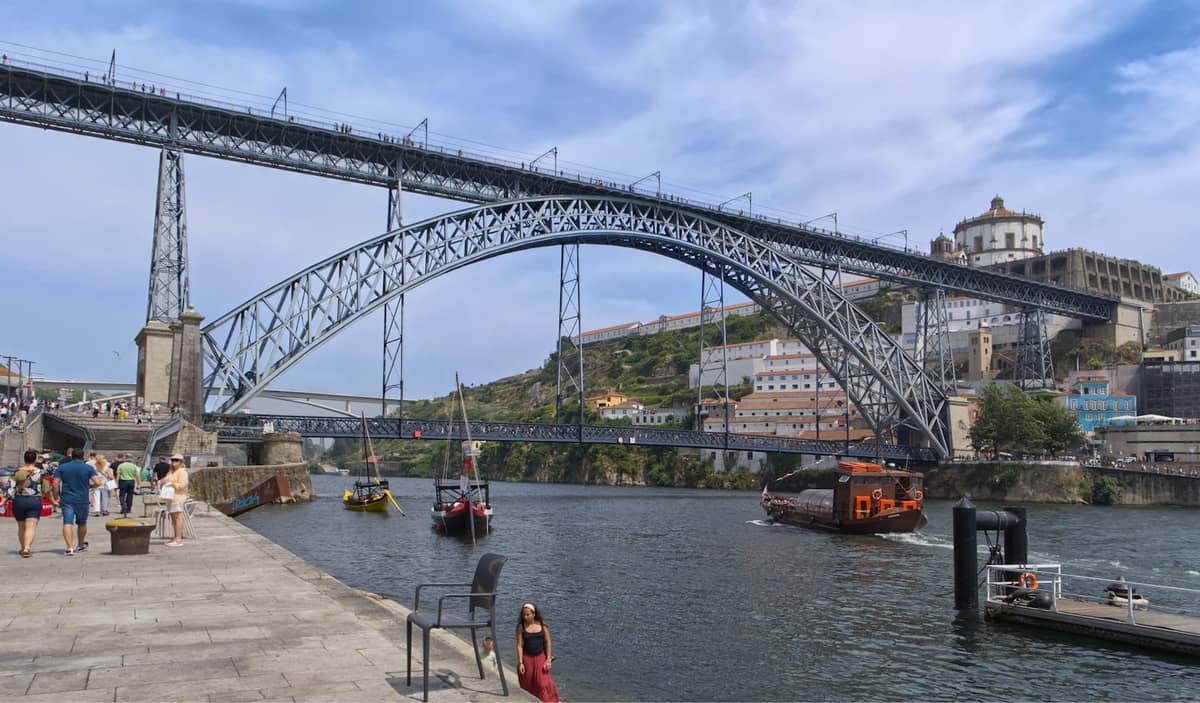
The most satisfying way to experience Porto's bridges is a loop walk: cross the Dom Luís I on the upper deck heading south, explore the Gaia waterfront and hillside viewpoints, then return on the lower deck or take the metro back across. The entire loop from the Ribeira takes two to three hours at a relaxed pace, or longer if you stop at a port wine cellar or the cable car. Both riverbanks have free promenades that reward slow walking.
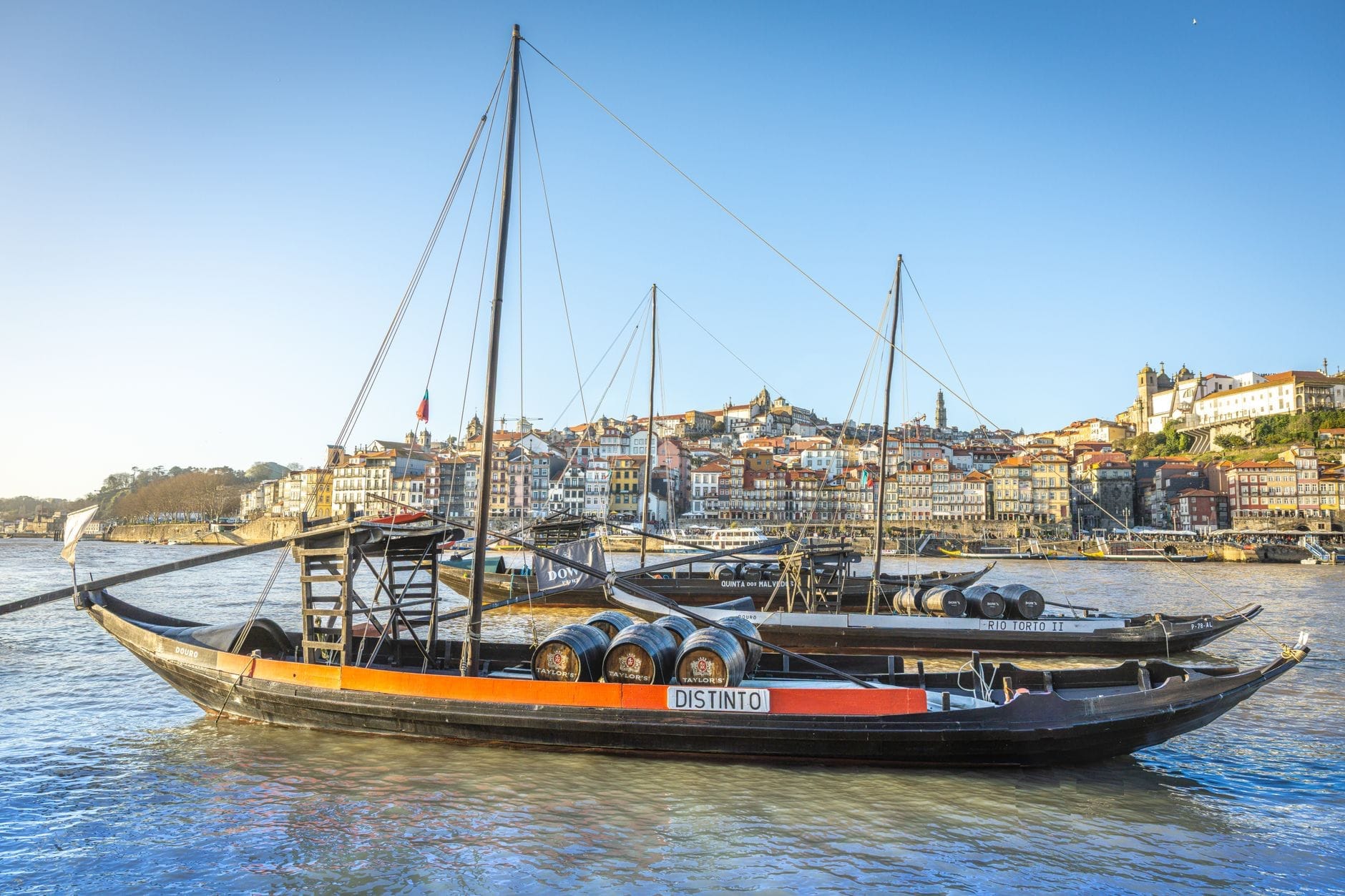
11. See the Traditional Rabelo Boats Moored Below the Bridges
The flat-bottomed wooden boats once used to transport port wine barrels downriver are now moored along both Douro banks, directly beneath the Dom Luís I. They are the most photogenic foreground element for bridge shots from either waterfront promenade.
Explore11. See the Traditional Rabelo Boats Moored Below the Bridges
The flat-bottomed wooden boats once used to transport port wine barrels downriver are now moored along both Douro banks, directly beneath the Dom Luís I. They are the most photogenic foreground element for bridge shots from either waterfront promenade.
Explore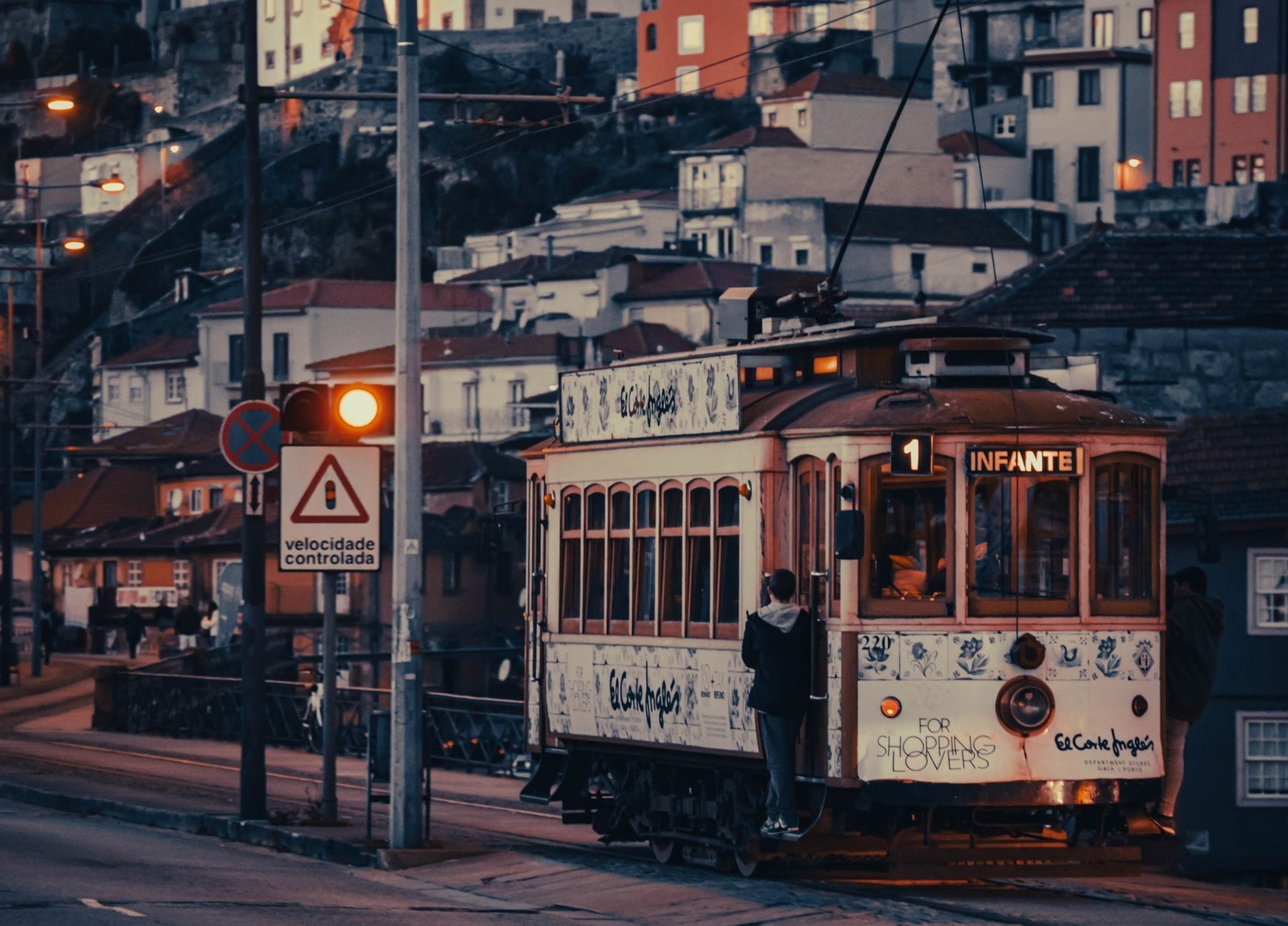
12. Ride the Historic Tram Along the Riverside Toward Foz
Porto's surviving vintage tram line runs along the Douro north bank from Infante, near the Dom Luís I, all the way west to Foz do Douro. It tracks the river past the Infante D. Henrique Bridge and offers river views from every window at a pleasantly slow pace.
Explore12. Ride the Historic Tram Along the Riverside Toward Foz
Porto's surviving vintage tram line runs along the Douro north bank from Infante, near the Dom Luís I, all the way west to Foz do Douro. It tracks the river past the Infante D. Henrique Bridge and offers river views from every window at a pleasantly slow pace.
Explore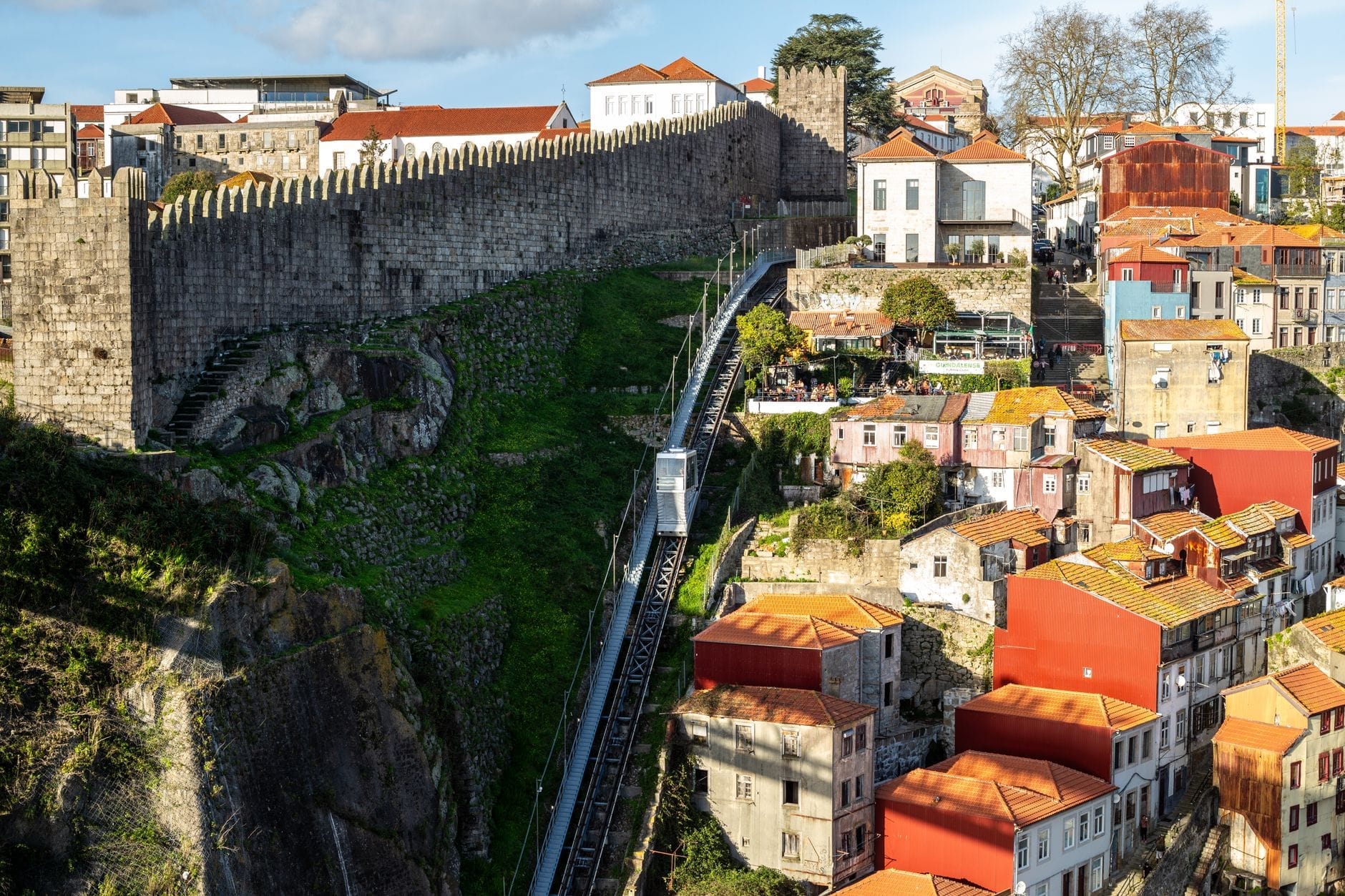
13. Walk Porto's Medieval Walls Above the Ribeira
A preserved section of Porto's 14th-century Fernandine walls runs above the Ribeira near the river, offering elevated views down to the Dom Luís I and the Douro. Climbing the walkable stretch gives you a medieval frame for a very modern iron bridge.
Explore13. Walk Porto's Medieval Walls Above the Ribeira
A preserved section of Porto's 14th-century Fernandine walls runs above the Ribeira near the river, offering elevated views down to the Dom Luís I and the Douro. Climbing the walkable stretch gives you a medieval frame for a very modern iron bridge.
Explore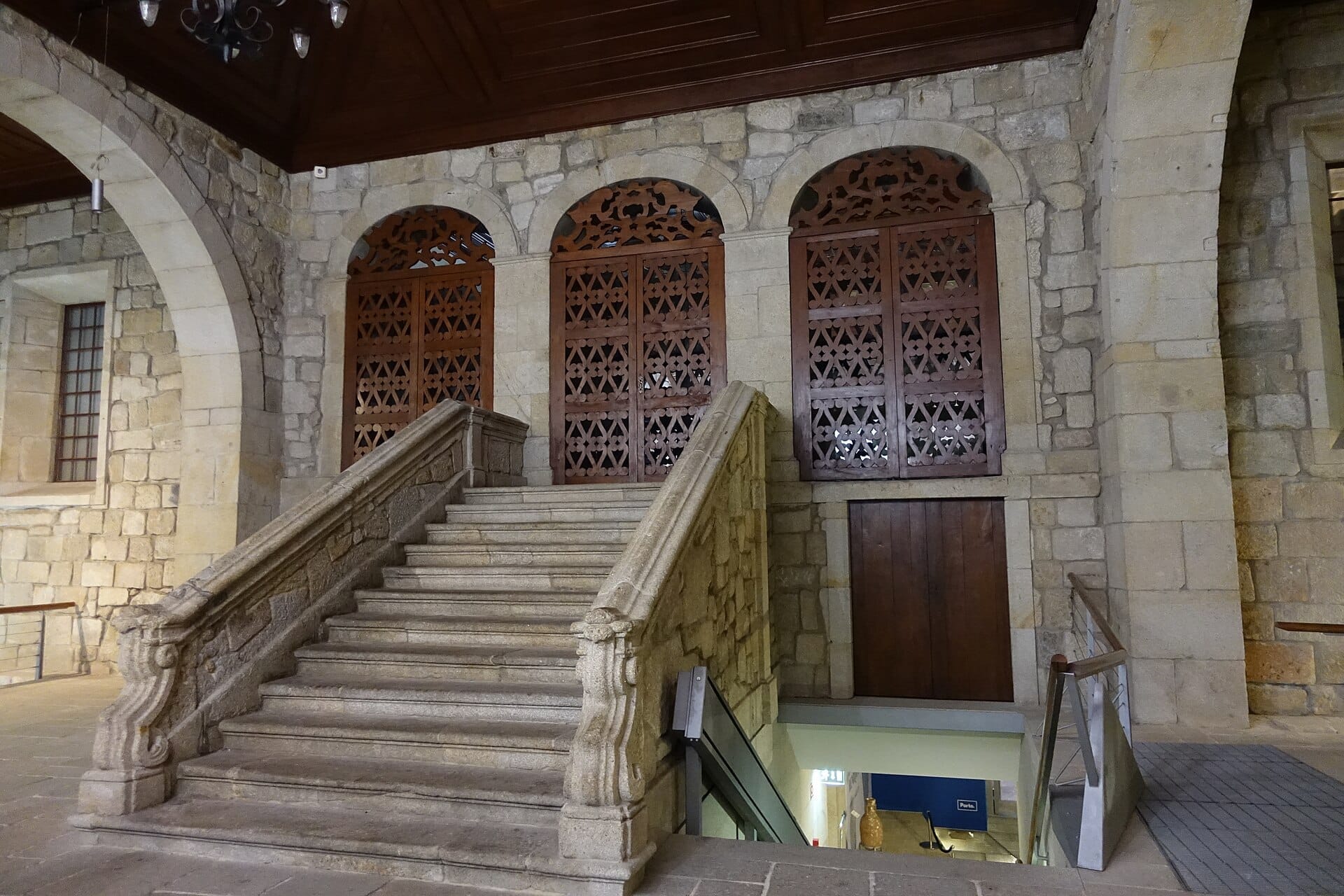
14. Visit the Royal Customs House that Predates Every Bridge
Built in 1325, this historic building in the Ribeira district predates all six of Porto's bridges by centuries. Its archaeological remains and riverside location put the engineering timeline in sharp perspective: the Douro was crossed by boat here for hundreds of years before iron arrived.
Explore14. Visit the Royal Customs House that Predates Every Bridge
Built in 1325, this historic building in the Ribeira district predates all six of Porto's bridges by centuries. Its archaeological remains and riverside location put the engineering timeline in sharp perspective: the Douro was crossed by boat here for hundreds of years before iron arrived.
ExplorePort Wine and the South Bank: What to Do After Crossing
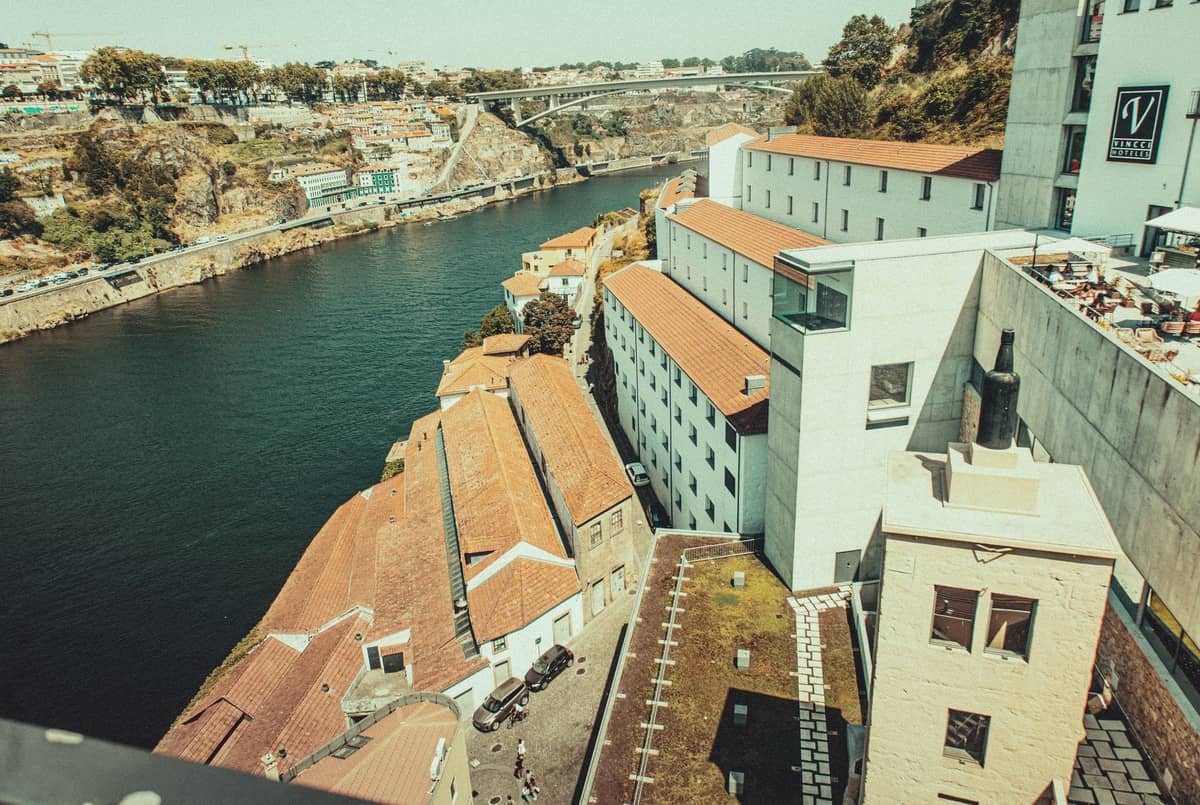
Crossing the Dom Luís I into Vila Nova de Gaia has a clear purpose: the south bank is where Porto's port wine industry has been headquartered for centuries. The lodges are stacked up the hillside above the Cais de Gaia waterfront, and several of the best are within ten minutes' walk of the bridge. For a fuller orientation before you go, the port wine guide explains the different styles, what to look for in a tasting, and which cellars suit different budgets and interests.
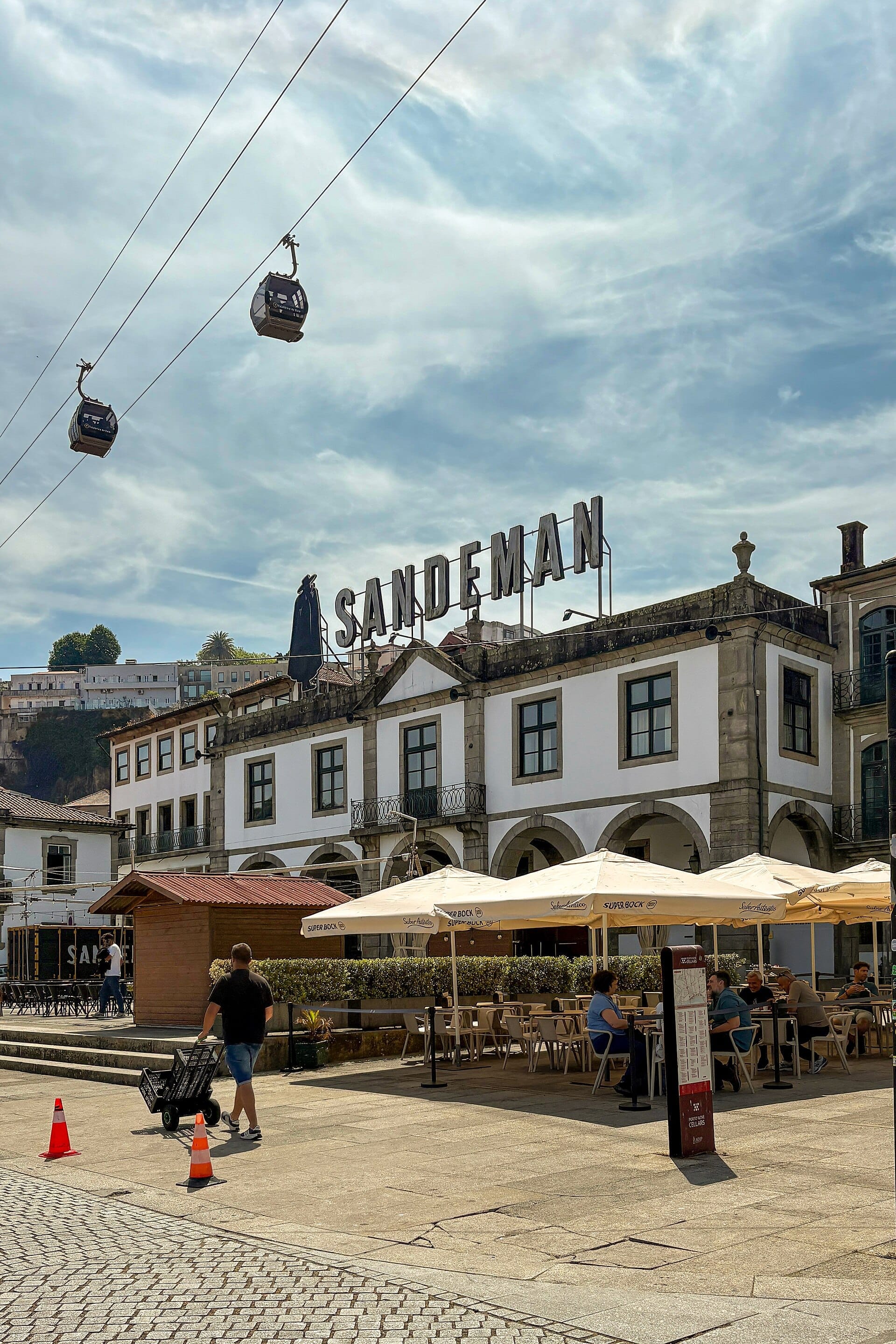
15. Explore the WOW Cultural Complex Steps from the Bridge
World of Wine opened in 2020 on the Gaia hillside a short walk from the Dom Luís I upper deck. Seven museums cover wine, cork, chocolate, and Portuguese culture. It is the most ambitious cultural development on the south bank and easy to combine with a bridge walk.
Explore15. Explore the WOW Cultural Complex Steps from the Bridge
World of Wine opened in 2020 on the Gaia hillside a short walk from the Dom Luís I upper deck. Seven museums cover wine, cork, chocolate, and Portuguese culture. It is the most ambitious cultural development on the south bank and easy to combine with a bridge walk.
Explore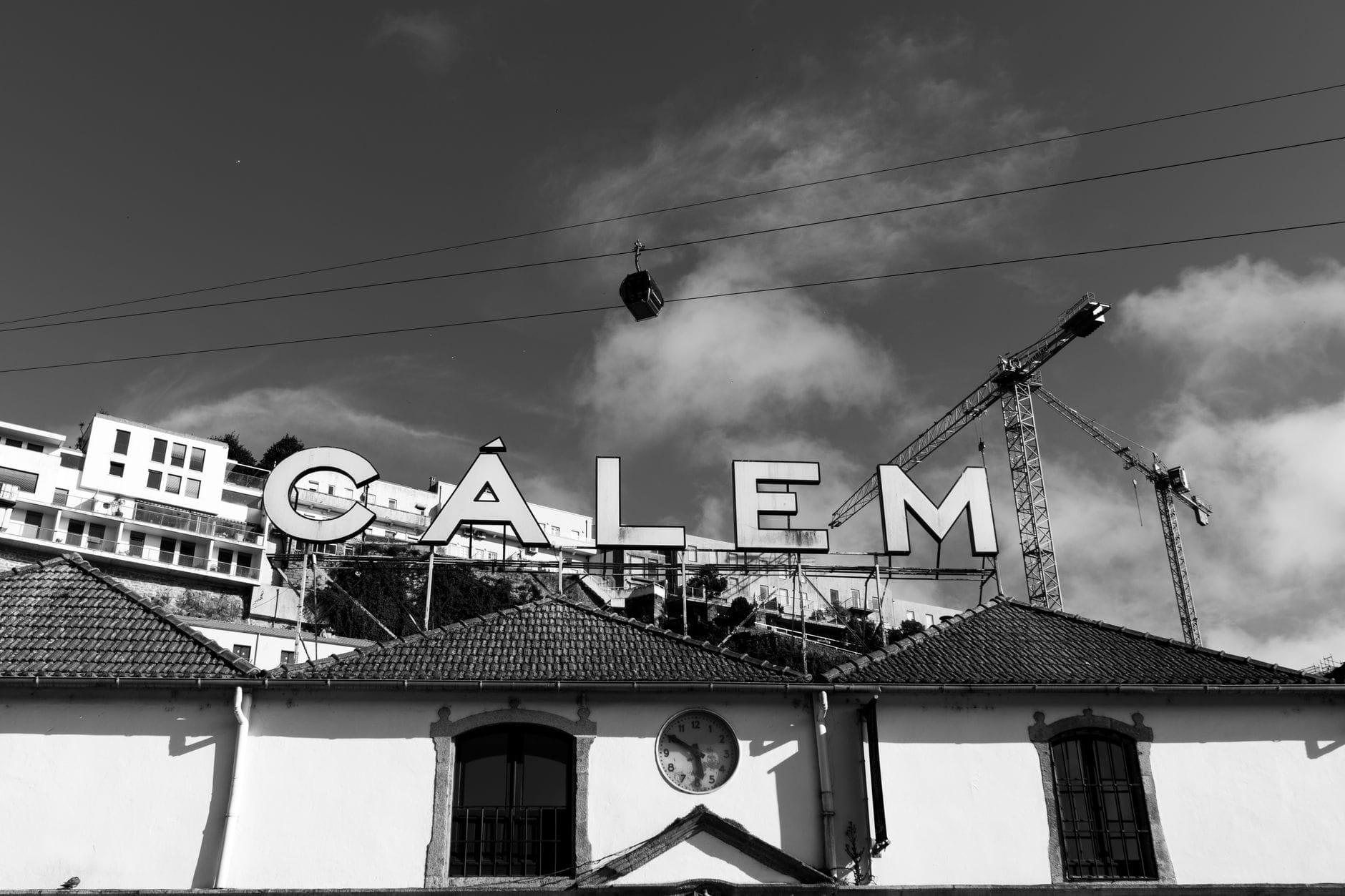
16. Tour the Cálem Cellars Directly on the Gaia Waterfront
Cálem sits right on Cais de Gaia, making it the most convenient cellar stop immediately after crossing the lower Dom Luís I deck. Guided tours include barrel galleries and a tasting. The location means you can combine it with waterfront photography before heading back across.
Explore16. Tour the Cálem Cellars Directly on the Gaia Waterfront
Cálem sits right on Cais de Gaia, making it the most convenient cellar stop immediately after crossing the lower Dom Luís I deck. Guided tours include barrel galleries and a tasting. The location means you can combine it with waterfront photography before heading back across.
Explore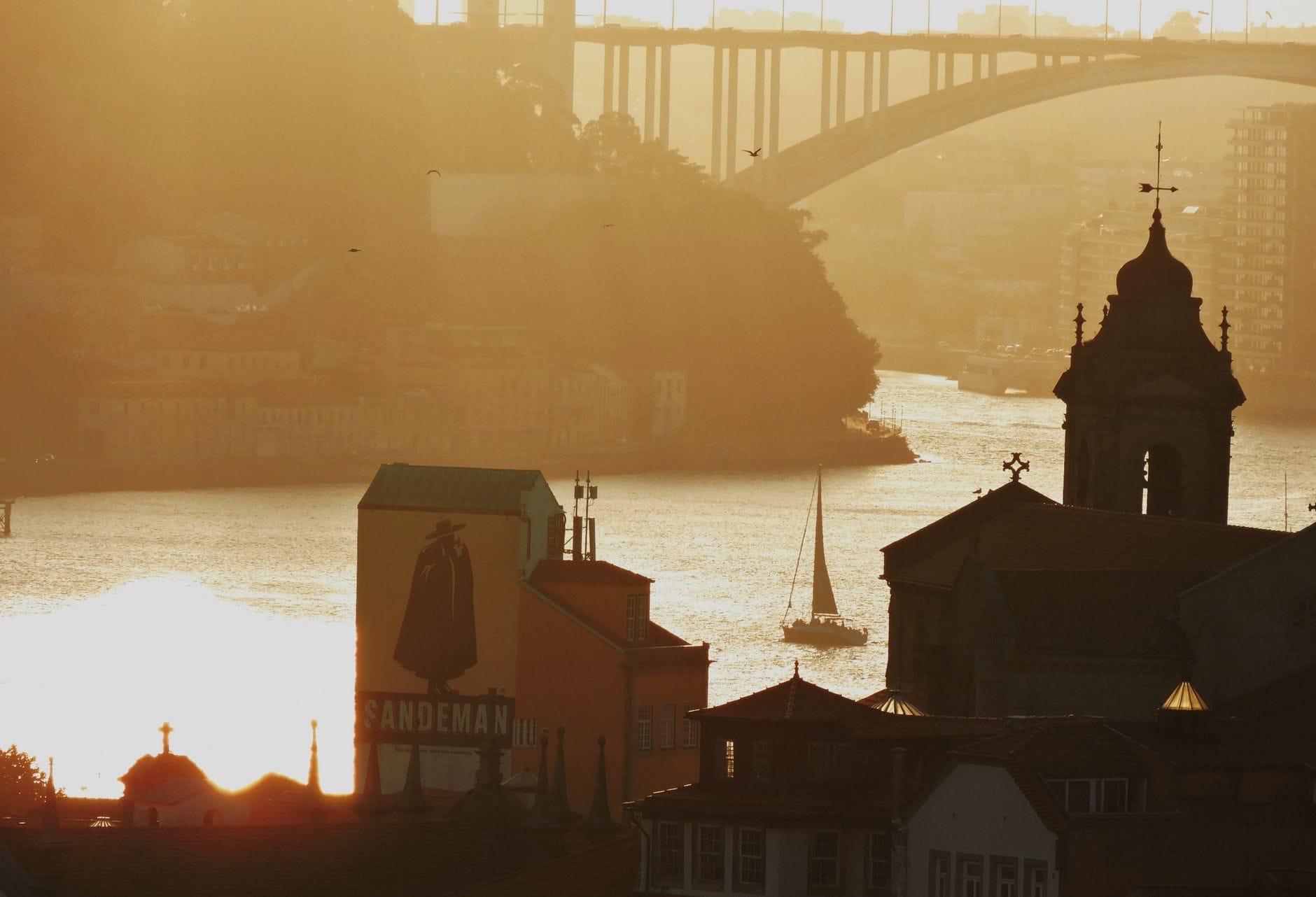
17. Take a Theatrical Cellar Tour at Sandeman
Sandeman's iconic caped Don logo has been associated with port wine since 1790. The Gaia lodge runs polished guided tours through aging cellars and finishes with Tawny and Vintage tastings. It is a five-minute walk uphill from the south end of the Dom Luís I lower deck.
Explore17. Take a Theatrical Cellar Tour at Sandeman
Sandeman's iconic caped Don logo has been associated with port wine since 1790. The Gaia lodge runs polished guided tours through aging cellars and finishes with Tawny and Vintage tastings. It is a five-minute walk uphill from the south end of the Dom Luís I lower deck.
Explore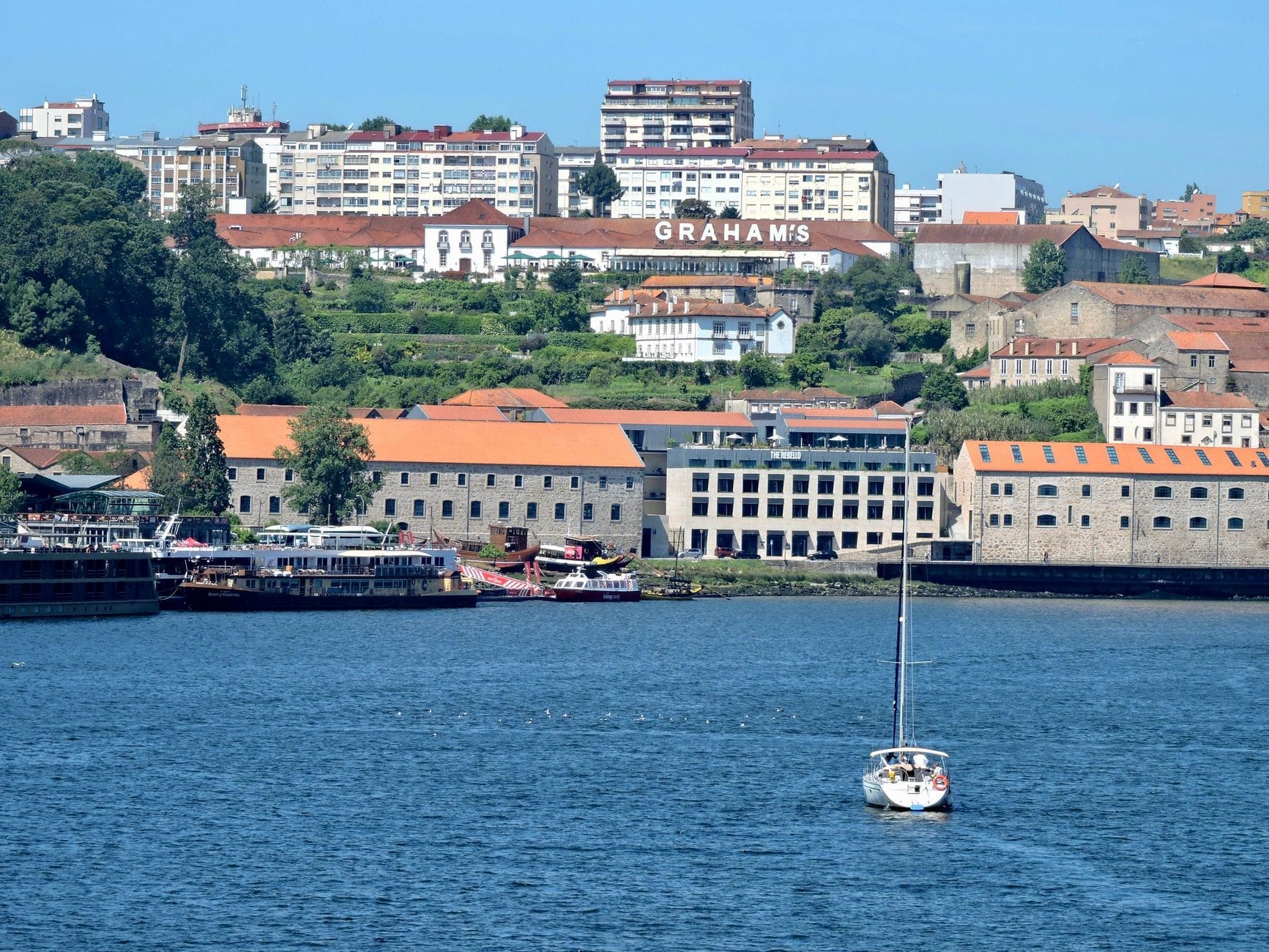
18. Upgrade to a Graham's Hilltop Cellar Experience
Graham's sits higher on the Gaia hill than most riverside lodges, with terrace views back toward the Dom Luís I and the Porto skyline. The restored 1890 lodge and tiered tasting options make it the most polished single cellar experience on the south bank.
Explore18. Upgrade to a Graham's Hilltop Cellar Experience
Graham's sits higher on the Gaia hill than most riverside lodges, with terrace views back toward the Dom Luís I and the Porto skyline. The restored 1890 lodge and tiered tasting options make it the most polished single cellar experience on the south bank.
ExploreDay Context: What's Near the Bridges on the Porto Side
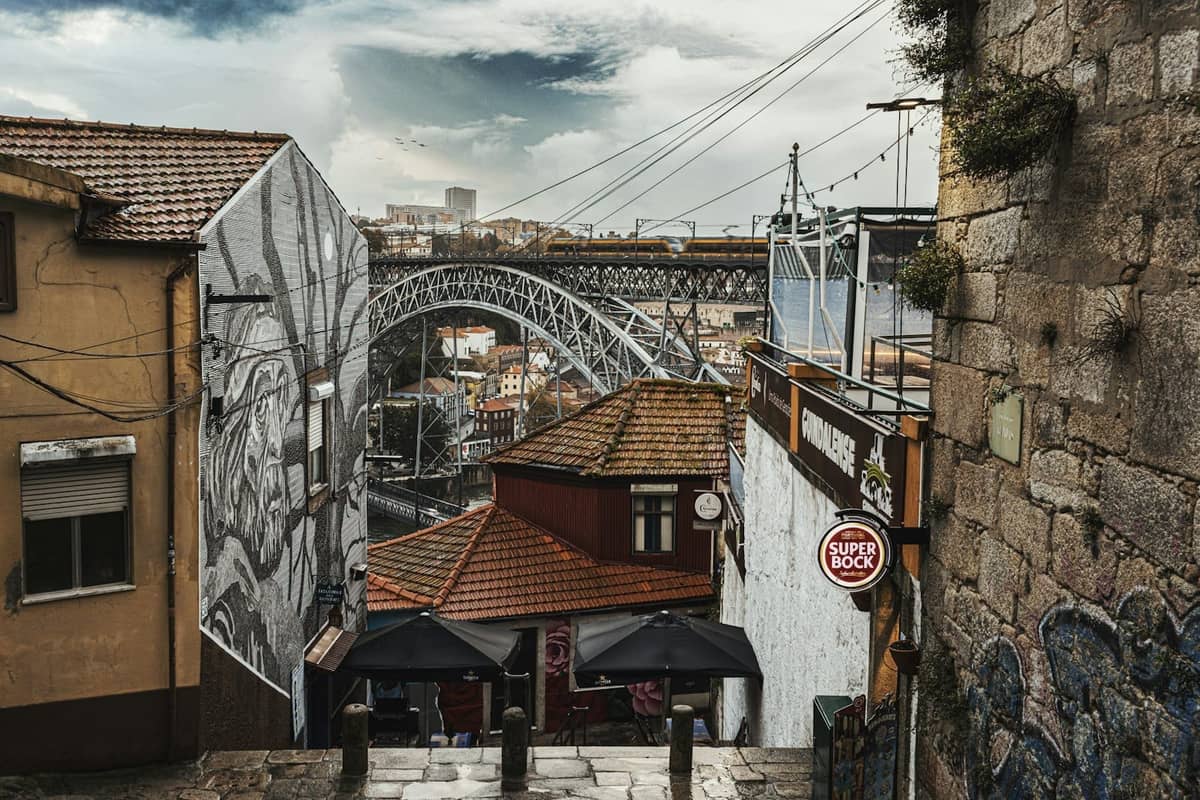
The north-bank approach to the Dom Luís I runs through the heart of the historic centre walking route, passing some of Porto's most significant monuments within a few minutes of the bridge ramps. If you are arriving from the Baixa, the descent through the Ribeira toward the river is itself an attraction, with the bridge growing larger at every turn. Plan at least half a day on the Porto side before crossing.
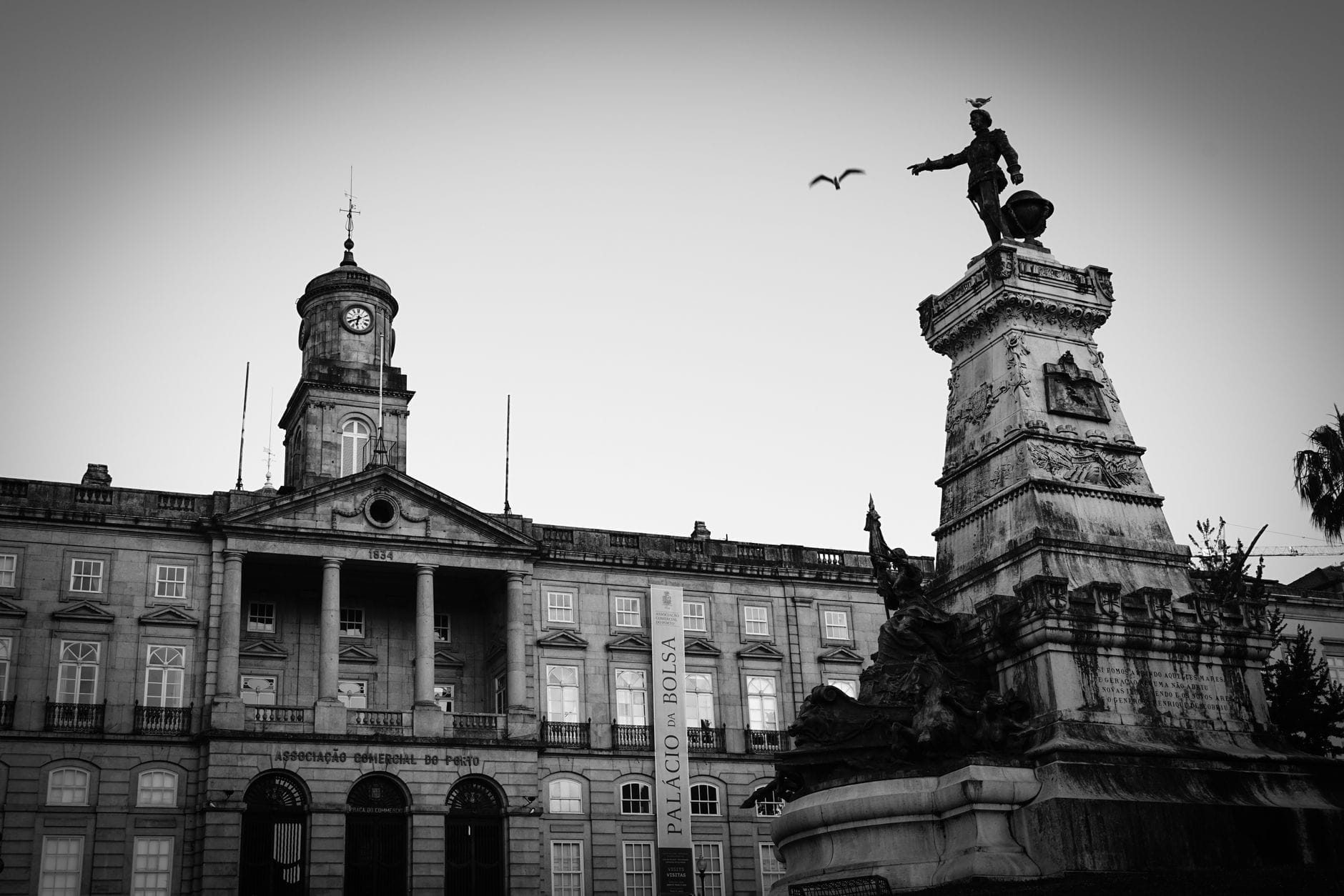
19. Tour the Arab Room at Palácio da Bolsa Before Crossing
Porto's former stock exchange is a five-minute walk from the Dom Luís I lower ramp. The Moorish-inspired Arab Room, with its gilded plasterwork ceiling, is the most extravagant interior in the city. Book a guided tour slot in the morning before the bridge crowds build.
Explore19. Tour the Arab Room at Palácio da Bolsa Before Crossing
Porto's former stock exchange is a five-minute walk from the Dom Luís I lower ramp. The Moorish-inspired Arab Room, with its gilded plasterwork ceiling, is the most extravagant interior in the city. Book a guided tour slot in the morning before the bridge crowds build.
Explore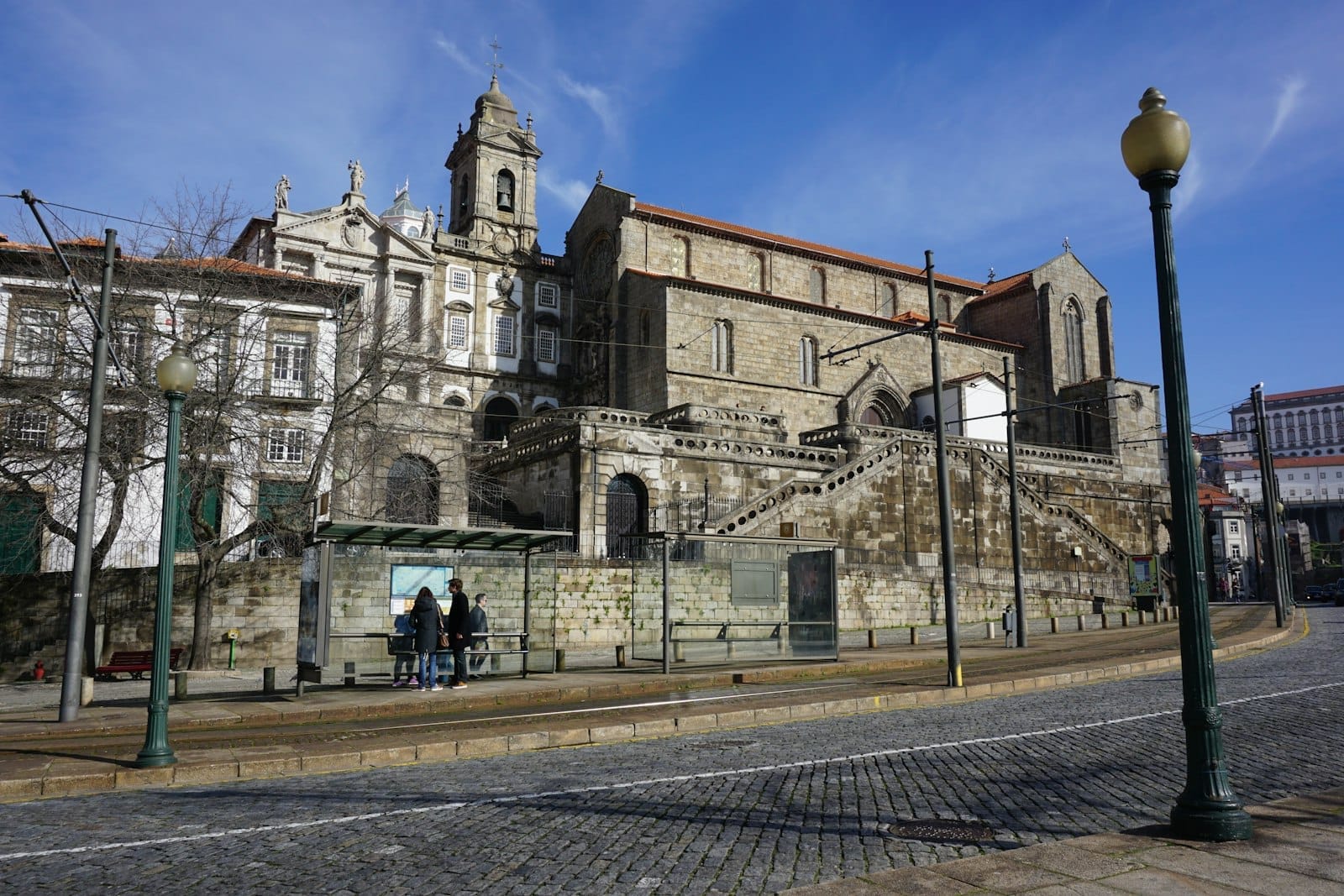
20. See Porto's Most Extravagant Gilded Church Near the Bridge
Igreja de São Francisco stands directly beside Palácio da Bolsa, a short walk from the bridge. Gothic outside, Baroque fever dream inside, with an estimated 400 kilograms of gold leaf coating every surface. The catacombs beneath the nave add an unexpected layer to the visit.
Explore20. See Porto's Most Extravagant Gilded Church Near the Bridge
Igreja de São Francisco stands directly beside Palácio da Bolsa, a short walk from the bridge. Gothic outside, Baroque fever dream inside, with an estimated 400 kilograms of gold leaf coating every surface. The catacombs beneath the nave add an unexpected layer to the visit.
Explore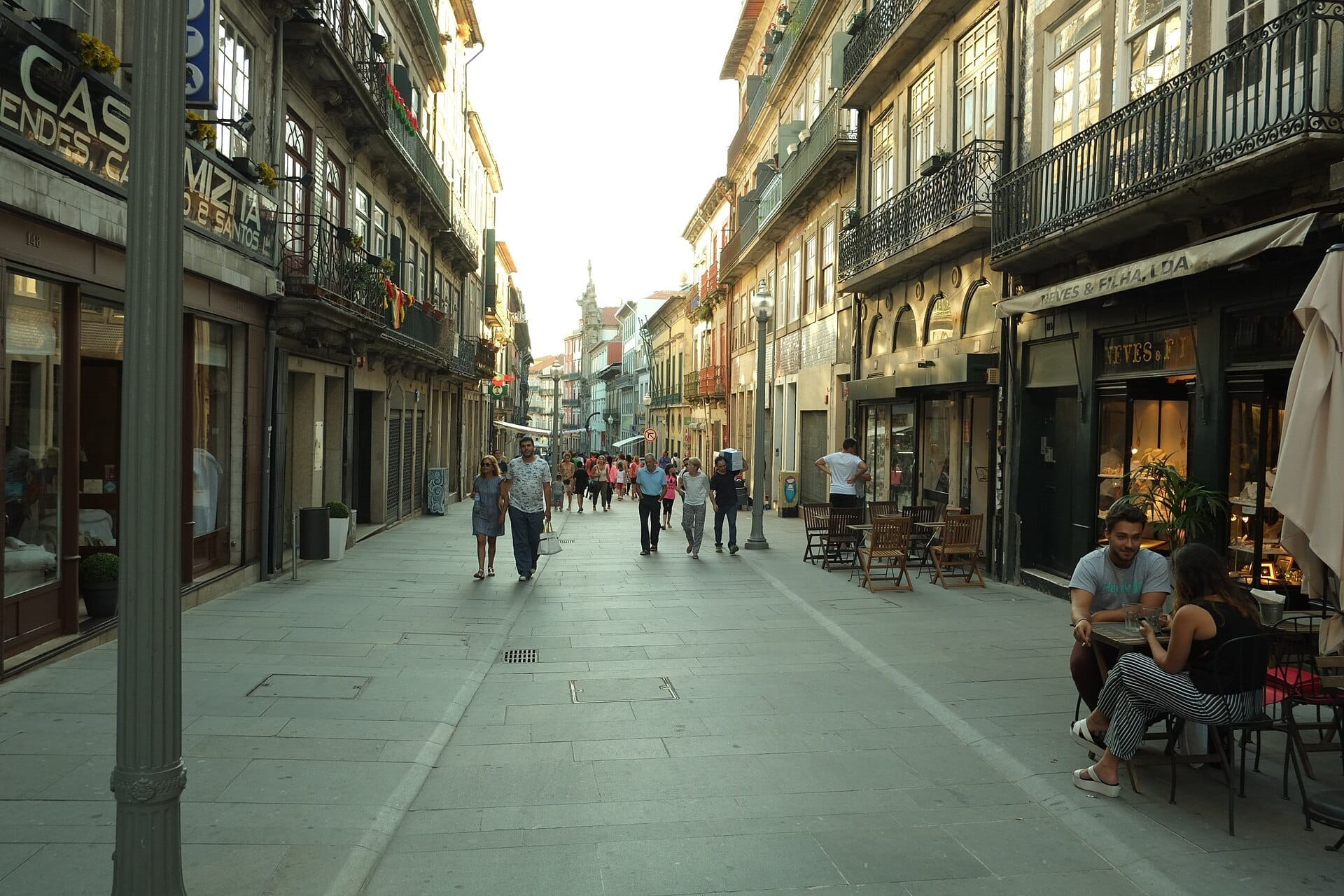
21. Walk Rua das Flores Down to the Ribeira and the Bridge
This restored pedestrian lane of 18th-century townhouses connects the Baixa to the Ribeira and funnels naturally toward the Dom Luís I. Wine bars, petiscos restaurants, and artisan shops line the route, making it the most rewarding approach walk to the bridge from central Porto.
Explore21. Walk Rua das Flores Down to the Ribeira and the Bridge
This restored pedestrian lane of 18th-century townhouses connects the Baixa to the Ribeira and funnels naturally toward the Dom Luís I. Wine bars, petiscos restaurants, and artisan shops line the route, making it the most rewarding approach walk to the bridge from central Porto.
Explore✨ Pro tip
The Dom Luís I upper deck is on Metro Line D. If you cross on foot going one direction, consider taking the metro back across for a different experience and to avoid retracing your steps uphill.
FAQ
Can you walk across the Dom Luís I Bridge?
Yes. Both the upper and lower decks of the Dom Luís I have pedestrian walkways and are free to use 24 hours a day. The upper deck is shared with Porto Metro Line D. The lower deck carries road traffic but has separate footpaths on either side.
How many bridges are there in Porto?
Six bridges span the Douro between Porto and Vila Nova de Gaia: Dom Luís I (1886), Maria Pia (1877, now decommissioned for rail), Infante D. Henrique (2003), São João (1991), Freixo (1995), and the Arrábida Bridge (1963) further west. The Dom Luís I and Infante D. Henrique are the most central for visitors.
What is the Porto Bridge Climb?
The Porto Bridge Climb is a guided experience that takes small groups along the outer arch of the Arrábida Bridge, reaching about 70 metres above the Douro. Participants wear safety harnesses and are guided by trained staff. It is Porto's most dramatic paid activity and requires booking in advance.
What is the best viewpoint to photograph the bridges of Porto?
The terrace in front of the Monastery of Serra do Pilar in Vila Nova de Gaia is widely considered the best panoramic viewpoint, showing the Dom Luís I in full profile against the Porto skyline. Jardim do Morro beside the upper bridge deck and Miradouro da Vitória on the Porto side are strong alternatives, especially for sunset shots.
Is there a toll to cross the Douro bridges on foot?
No. Pedestrians cross all of Porto's Douro bridges for free. If you use Metro Line D across the upper deck of the Dom Luís I, standard metro fares apply. Check the Metro do Porto website for current ticket prices before your visit.