Is Porto Safe? Practical Safety Guide for Travelers
Porto, Portugal ranks among Europe's lowest-crime destinations, but that doesn't mean risk-free. This guide breaks down exactly what threats exist, which neighborhoods and situations to watch, and the practical steps that make a real difference.
Plan and book this trip
Tools from our partner Travelpayouts help you compare flights and hotels. If you book through them, we may earn a commission at no extra cost to you.
Flights
Hotels map
TL;DR
- Porto is a low-risk destination: violent crime is rare and Portugal consistently ranks among the safest countries in Europe.
- The real threats are petty: pickpocketing, bag snatching, and car break-ins are the most common issues, concentrated in tourist-heavy areas and on public transport.
- Nightlife carries specific risks: government advisories from Canada, the US, and Australia all flag physical and sexual assaults in Porto's bars and clubs, so take the usual precautions around Porto's nightlife scene.
- Emergency number throughout Portugal is 112. Use official taxi ranks or apps like Uber and Bolt rather than accepting street offers.
- Summer crowds (June to September) amplify pickpocket risk; the São João festival in June brings especially large gatherings to central Porto.
Overall Safety Level: What the Data and Advisories Actually Say
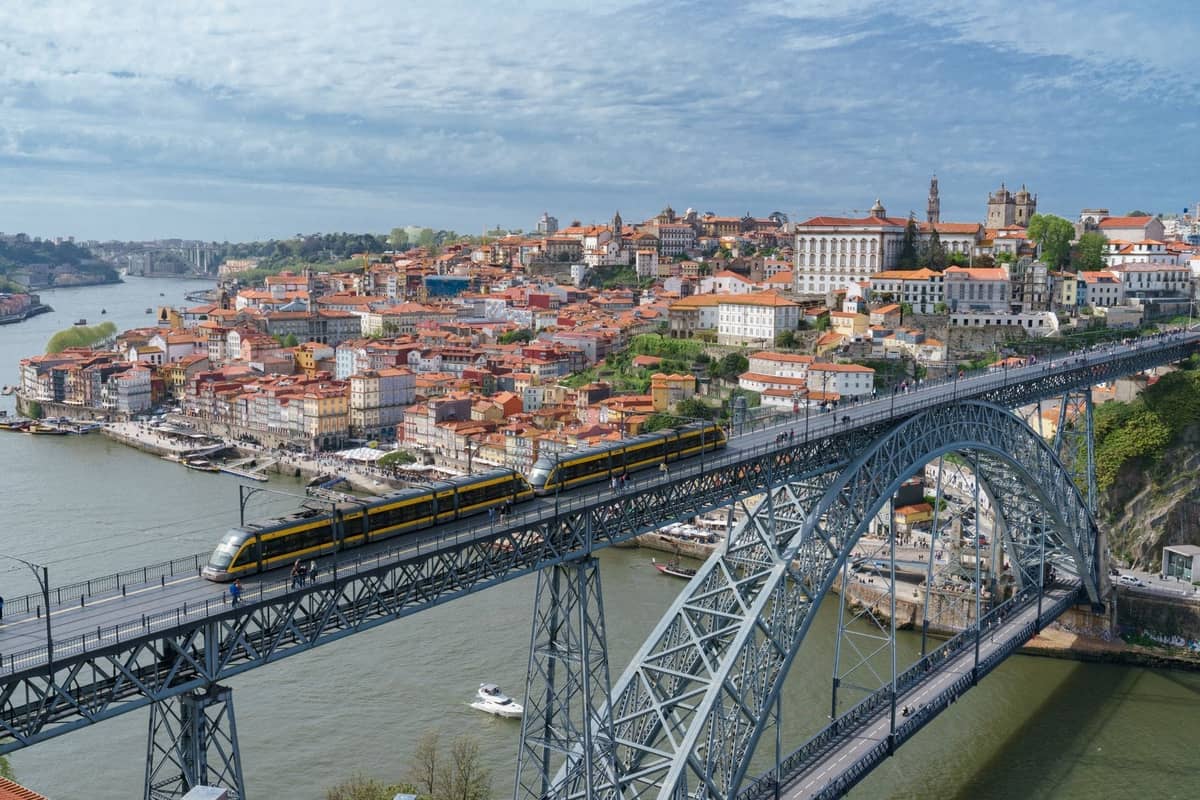
Porto, Portugal is genuinely safe by any reasonable international measure. Portugal is widely regarded as a relatively low-risk destination with comparatively low violent crime rates for visitors. The U.S. State Department, Government of Canada, and Australia's Smartraveller all issue relatively mild advisories for Portugal, flagging standard precautions rather than serious security concerns.
That said, official advisories from all three governments explicitly name Porto alongside Lisbon and the Algarve for one specific problem: petty theft. Pickpocketing and bag snatching are described as common in crowded tourist areas, on public transport, and near major attractions. The distinction matters: Porto is safe from violence but not from opportunistic theft. Travelers who conflate the two sometimes get caught off guard.
ℹ️ Good to know
Portugal's emergency number is 112, which works across the EU and connects you to police, fire, and medical services. Save it before you arrive. The country dialing code for Portugal is +351 if calling from abroad.
Porto has a population of around 240,000 in the city proper and sits at the heart of a metropolitan area of roughly 1.7 million people. The historic centre, including the Ribeira waterfront and surrounding UNESCO-listed streets, draws a concentrated stream of visitors year-round, which is precisely where petty crime clusters. Understanding that geography is the first step toward avoiding it.
The Most Common Crimes and Scams in Porto
Most safety problems travelers encounter in Porto fall into a predictable set of categories. None of them are unique to Porto; all of them are manageable with basic awareness.
- Pickpocketing and bag snatching The most reported issue. Busy squares, the metro, trams, and restaurant terraces are the primary locations. Keep bags zipped, worn at the front, and never hang a bag on the back of a chair in a cafe or restaurant.
- Car break-ins Theft from parked vehicles is a consistent problem, particularly in areas near tourist attractions and holiday rental properties. Leave nothing visible in a parked car, not even a bag that looks empty. Use covered or attended parking where possible.
- Taxi overcharging Unlicensed or opportunistic drivers sometimes approach tourists outside major stations and attractions. Always use official taxi ranks, confirm the meter is running, or book via Uber or Bolt where fares are confirmed before the ride.
- Distraction scams A classic technique: one person engages you (asking for directions, offering unsolicited help, creating a minor scene) while an accomplice lifts your wallet or phone. Be especially alert around Sao Bento station and the Ribeira.
- Fake petitions and bracelet sellers Individuals approach tourists with clipboards claiming to collect signatures for a cause, or begin tying a bracelet on your wrist. Both are setups to extract cash. A polite but firm refusal and keeping walking is the right response.
- ATM skimming Not widespread but reported. Use ATMs attached to banks rather than standalone machines in tourist-heavy streets. Cover your PIN, and check for any physical attachments on the card slot before inserting your card.
⚠️ What to skip
Government advisories from Canada and the US specifically warn that physical and sexual assaults have been reported in nightlife and tourist areas in Portugal, including major cities like Lisbon and Porto. Stay in groups after dark, never leave a drink unattended, and do not accept drinks from strangers. Do not leave with someone you have just met to go to an unfamiliar location.
Neighborhoods: Where to Be More Careful and Where to Relax
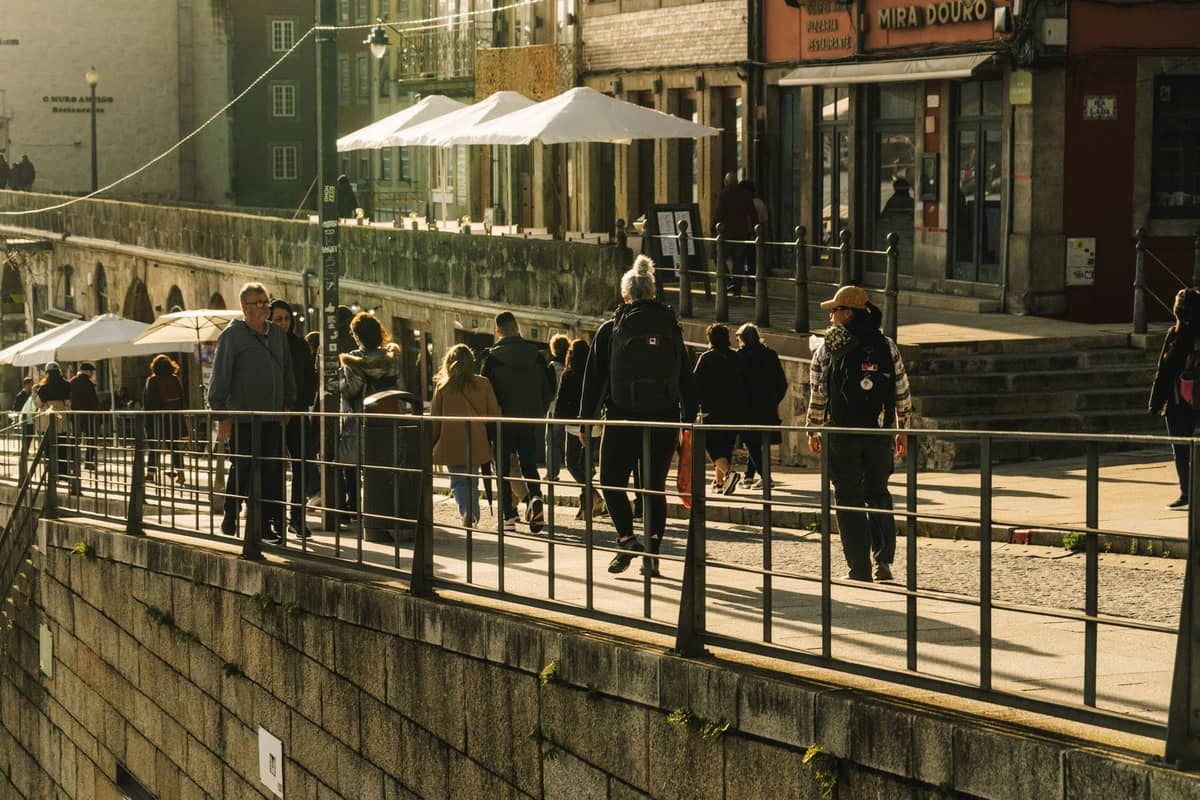
Porto's risk is not evenly distributed across the city. The highest concentration of petty crime is in the tourist corridor running from Sao Bento station through Baixa, down to the Ribeira waterfront, and across the Dom Luis I Bridge into Vila Nova de Gaia. These areas see the largest concentration of visitors and therefore the largest concentration of opportunistic theft.
Away from the main tourist corridor, neighborhoods like Cedofeita, Bonfim, and Foz do Douro are quieter and have a much lower rate of tourist-targeted crime. That doesn't mean you should be careless, but the baseline risk is lower when you're not in a crowd of 500 people all looking at the same view.
At night, the areas around Rua Galeria de Paris and Cais da Ribeira become lively with bars and clubs. These are generally fine, but they're also where the nightlife-related incidents flagged by government advisories tend to occur. Stick with people you know, stay aware of your surroundings, and have a plan for getting home before you go out.
💡 Local tip
If you're staying in Ribeira or Baixa and heading home late at night, book a ride via Uber or Bolt from inside the venue rather than hailing a taxi on the street. The app records the journey and driver details, which adds a layer of accountability.
Public Transport Safety: Metro, Buses, Trams, and Taxis
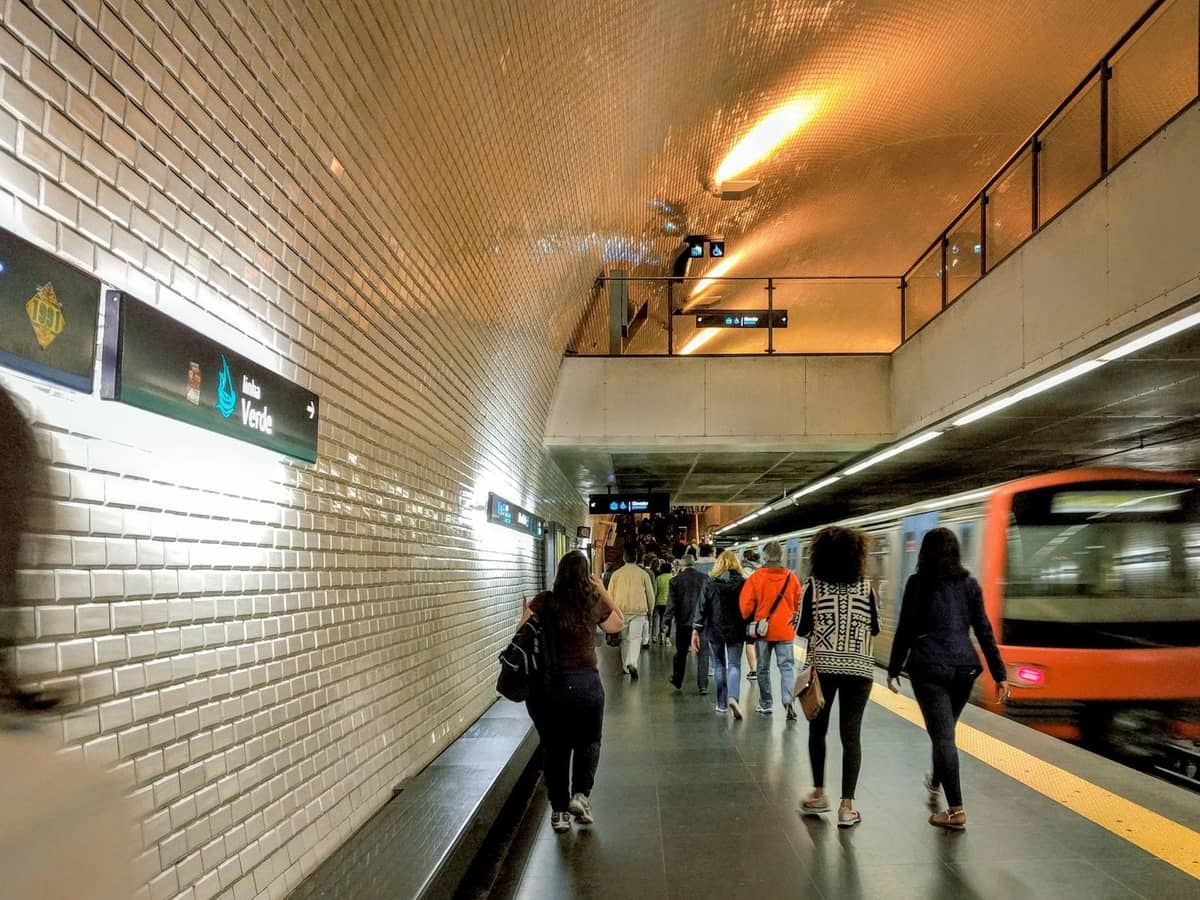
Porto's public transport network is safe in the sense that violence on metro and buses is extremely rare. The risk is specifically pickpocketing, and it's real. Crowded metro carriages, particularly on Line E connecting Francisco Sá Carneiro Airport to the city centre, and trams in the historic centre are high-risk environments for bag and pocket theft.
The practical steps are simple: wear your bag in front of your body, keep your phone in a zipped pocket rather than in hand, and pay attention during boarding and alighting when jostling is most likely. For more on getting around the city efficiently, the complete guide to getting around Porto covers all transport options and ticketing in detail.
For taxis, the rule is simple: use official taxi ranks (look for the CP designation on licensed vehicles) or book via Uber or Bolt. Street approaches from individuals claiming to be drivers, especially near Sao Bento station or in the Ribeira, should be declined. Agree on whether a meter is being used before the journey starts, or confirm the app fare in advance.
Seasonal Risks: When Porto Gets More Complicated
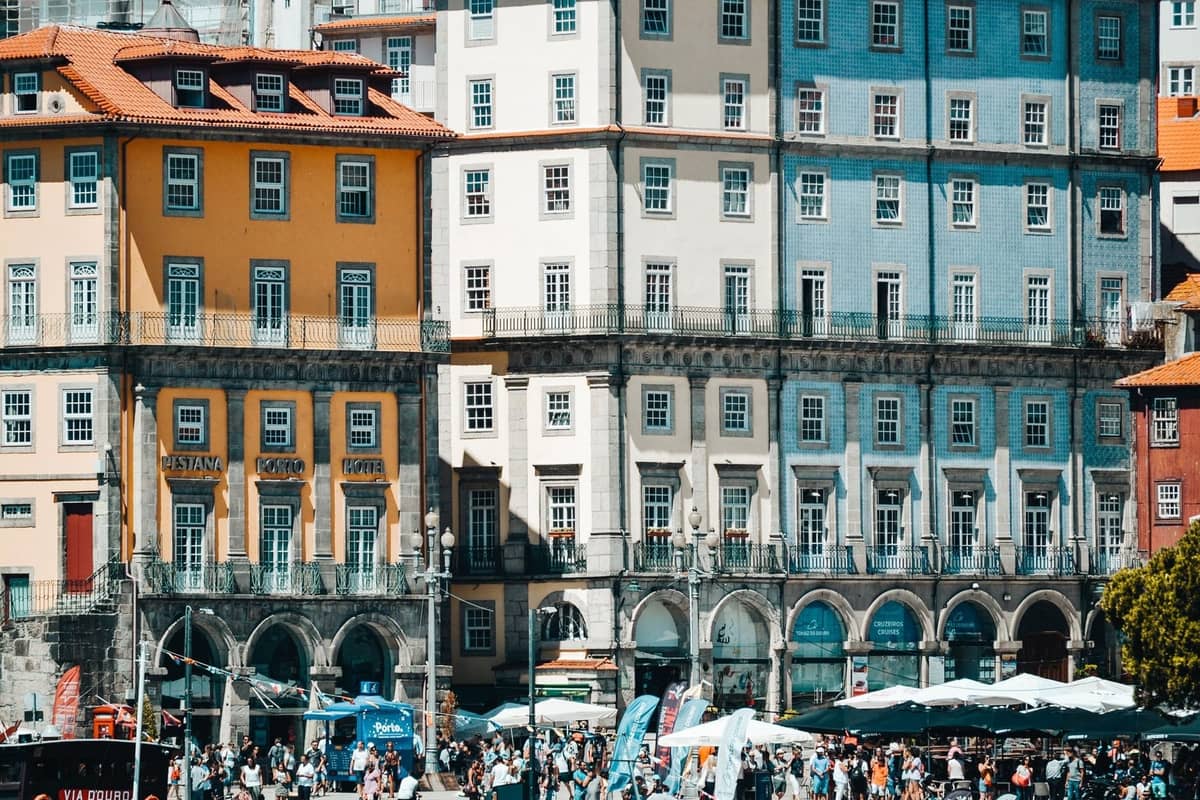
Summer, roughly June through September, is when Porto's petty crime risk peaks. The city draws its largest visitor numbers, the Ribeira and Baixa fill to capacity, and pickpockets work busier environments more effectively. July and August are the most crowded months; May, June, and September offer similar weather with meaningfully thinner crowds. For a breakdown of when Porto is most and least crowded, the best time to visit Porto guide goes into the full seasonal picture.
The Sao Joao Festival in late June is Porto's biggest annual event, with hundreds of thousands of people filling the streets overnight. It's a genuinely special experience, but the crowd density is extraordinary. Keep valuables at an absolute minimum, use a money belt or hidden pocket, and go with a group rather than alone.
In summer, heat and sun exposure add a secondary risk that's easy to underestimate. Porto's historic centre involves significant uphill walking on cobblestone streets. Dehydration and heat exhaustion are genuine concerns in July and August, particularly for visitors who underestimate the physical demands of sightseeing on foot. Carry water, wear sunscreen, and plan demanding walks for morning hours.
Strikes and demonstrations can disrupt public transport in Portugal with relatively little notice. If you're visiting during politically sensitive periods, monitor local news and have a backup transport plan. The metro and bus networks can be significantly affected during national strike actions.
Practical Safety Tips: What Actually Makes a Difference
Most of the advice for Porto applies to any European city, but a few specifics are worth stating clearly given the local patterns.
- Carry only what you need for the day. Leave extra cards, your passport (carry a photo copy instead), and large amounts of cash at your accommodation.
- Use a cross-body bag or a daypack worn at the front in crowded areas. Side-entry pockets on backpacks are easy targets.
- Never leave bags, cameras, or phones on the table at a restaurant or cafe terrace, especially near the street.
- On public transport, keep one hand on your bag during boarding and alighting, when distraction theft is most likely.
- Be especially alert on tram line 22 (Carmo to Batalha) and the historic trams, which are heavily used by tourists and known pickpocket targets.
- Use ATMs inside bank branches during opening hours rather than isolated street machines.
- If you're driving, assume that anything left visible in a parked car will attract attention. Rental cars are particularly targeted.
- Share your itinerary and accommodation details with someone at home, and check in regularly if traveling solo.
✨ Pro tip
A basic money belt worn under clothing is unglamorous but effective. Keep your main cards and passport copy there, carry a small wallet with just enough cash for the day, and if that wallet gets taken, you haven't lost much. This single habit eliminates most of the financial risk from Porto's petty theft environment.
Porto is an excellent city for solo travelers, including solo women travelers. The usual nightlife precautions apply, but daytime sightseeing across the historic centre, from Clerigos Tower to the Palacio da Bolsa, is comfortable and well-frequented. The city's compact size means you're rarely far from busy streets and open businesses.
FAQ
Is Porto safe for tourists?
Yes. Porto is one of Europe's safer cities and Portugal is classified as a low-risk destination by major government travel advisories. Violent crime against tourists is rare. The main risk is petty theft, particularly pickpocketing in crowded tourist areas and on public transport. Standard precautions, like using a front-worn bag and not displaying valuables, reduce that risk significantly.
Is Porto safe at night?
Porto is reasonably safe at night, but the risk profile changes after dark. Government advisories from Canada and the US flag physical and sexual assaults in Porto's bars and nightclubs as a reported concern. Stay in groups, avoid isolated areas, don't accept drinks from strangers, and use a booked ride rather than a street taxi to get home. The Ribeira and Galerias de Paris areas are lively and generally fine but warrant more awareness than daytime sightseeing.
What are the most common scams in Porto?
The most common scams are pickpocketing via distraction (a stranger engages you while an accomplice steals), fake petition clipboards, bracelet sellers who tie something on your wrist and then demand payment, and taxi overcharging from unlicensed drivers. Using Uber or Bolt, keeping bags secured, and declining unsolicited approaches eliminates most of the risk.
Which areas of Porto should I avoid?
Porto doesn't have areas that need to be avoided outright. The highest petty crime concentration is in the main tourist corridor: Ribeira, Baixa, around Sao Bento station, and the approaches to the Dom Luis I Bridge. These are also the city's most interesting areas, so avoid is the wrong word; be more attentive there than you would be in quieter residential neighborhoods like Foz do Douro or Bonfim.
Is Porto safe for solo female travelers?
Generally yes. Daytime sightseeing throughout the historic centre is comfortable and well-populated. The same nightlife precautions that apply anywhere in Europe apply in Porto: avoid isolated streets late at night, don't leave drinks unattended, stay in groups in bars and clubs, and have a pre-arranged way to get home. Porto's compact geography means you're rarely far from busy, well-lit streets.