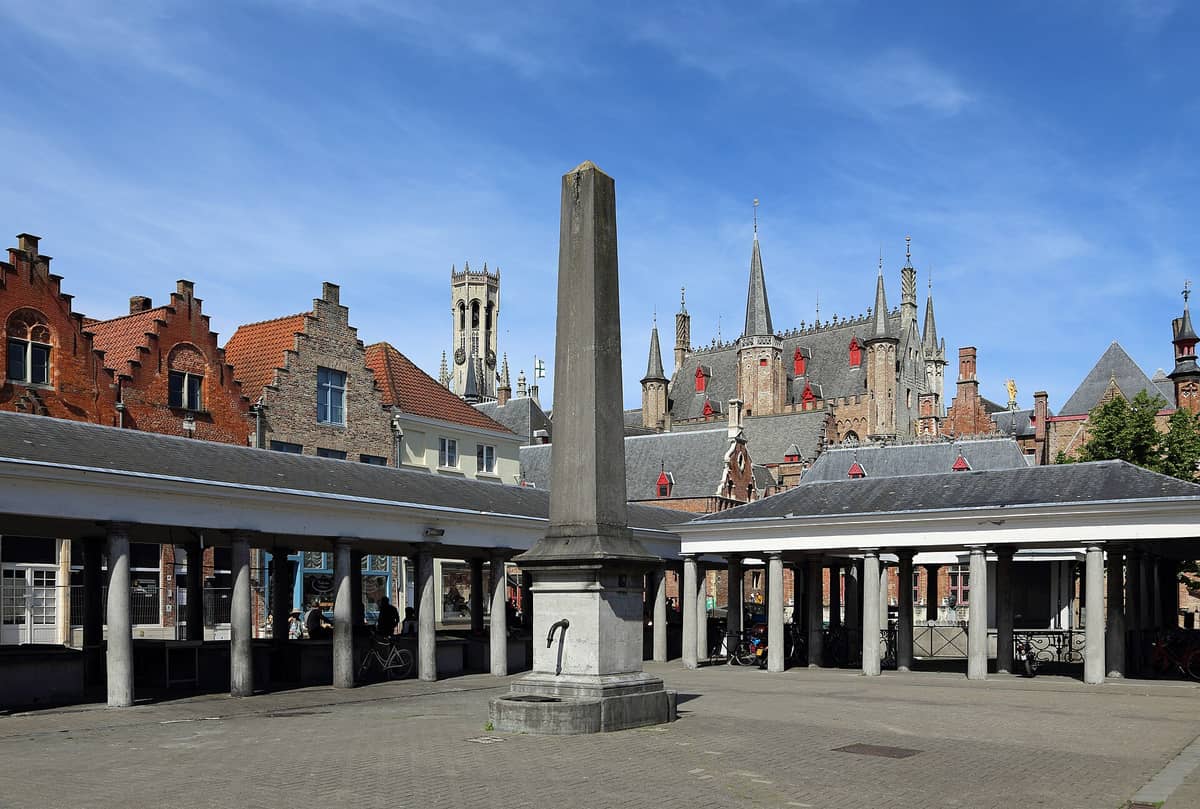
The Historic Centre of Bruges is the preserved medieval core of one of Europe's most intact Gothic cities, enclosed by a ring of canals and a former city wall traced today by a ring road. From the Markt and its towering Belfry to the quiet waters near the Begijnhof, this UNESCO World Heritage area concentrates centuries of Flemish history into a compact, walkable space. It is the undisputed heart of Bruges and the reason most visitors come to the city at all.
The Historic Centre of Bruges (Brugge in Dutch) is a nearly complete medieval city preserved within its 13th-century boundaries, inscribed as a UNESCO World Heritage Site for its Gothic brick architecture, intact canal network, and layered urban fabric that reflects Bruges' peak as one of northern Europe's great trading cities. Roughly pentagonal in shape and small enough to cross on foot in under thirty minutes, it holds the highest concentration of major monuments, museums, canal viewpoints, and cultural institutions of anywhere in Belgium outside Brussels.
Orientation: How the Historic Centre Fits Together
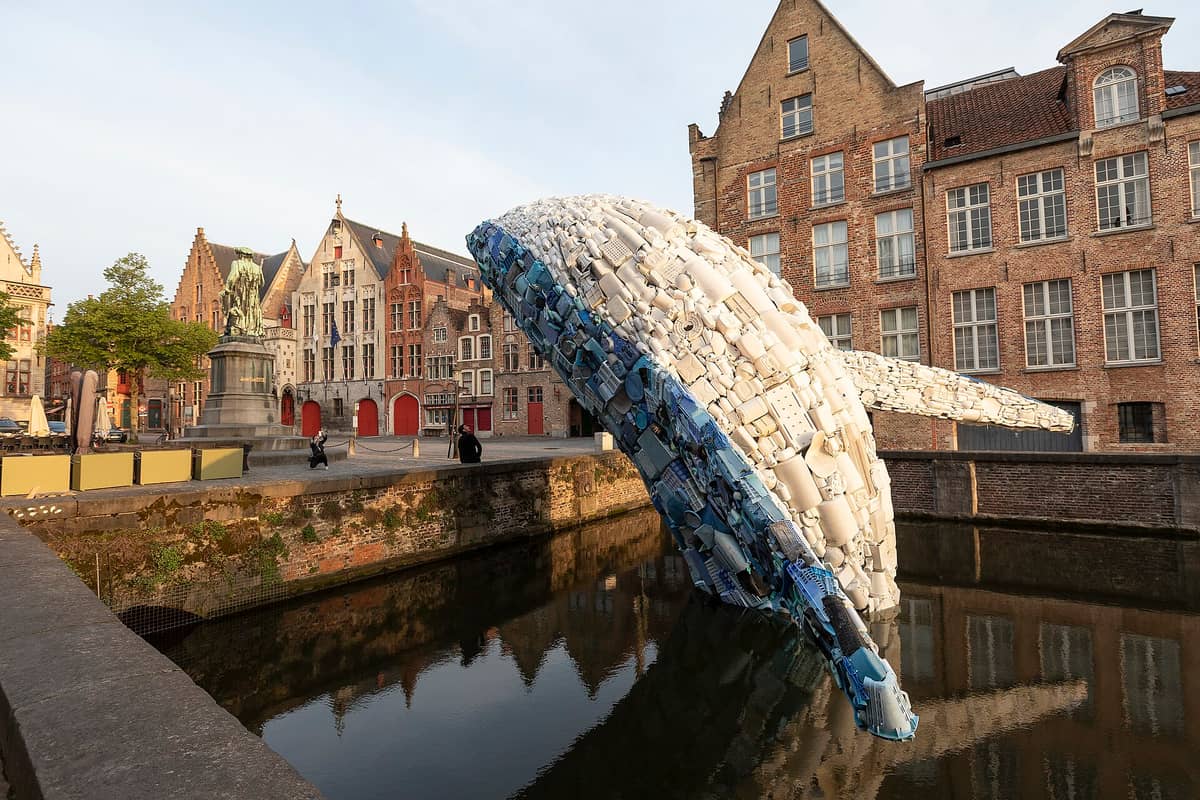
The Historic Centre of Bruges occupies the urban core of the city of Bruges (population approximately 120,000 in the wider municipality as of 2026), which sits in the province of West Flanders in north-west Belgium. The centre itself broadly corresponds to its medieval city limits, a roughly pentagonal shape traced today by the inner ring road, which follows the line of the former city walls for around 8 kilometres. Nearly the entire perimeter is also bordered by a ring of canals, known locally as the reien, which gave Bruges the epithet 'Venice of the North', a comparison that is more accurate than most such claims.
Inside that ring, the street pattern remains essentially medieval. The two principal public spaces, the Markt and the Burg, sit close to the geographical centre and function as navigational anchors. Most visitors instinctively orient around them. From the Markt, the main shopping and pedestrian streets radiate outward. To the south, the canal quarter along the Dijver leads toward the Church of Our Lady and eventually to the Begijnhof and Minnewater, which mark the southern boundary of the centre near the rail station. To the north-east, the Sint-Anna quarter begins where the tourist density thins considerably.
The Bruges rail station (Brugge station) sits just outside the southern tip of the ring, a roughly 15 to 20 minute walk from the Markt through the Minnewater and Begijnhof area. The Dijver canal quarter runs roughly east-west along the southern interior, connecting the central squares to the southern green spaces. Getting your bearings is genuinely easy here: the canal ring is hard to miss, and the Belfry tower is visible from most elevated points inside the centre.
💡 Local tip
The Historic Centre is compact enough that a map is mostly useful for finding specific small streets or almshouses. If you get turned around, follow any canal south and you will reach Minnewater, or walk toward the Belfry tower, which is visible from much of the centre.
Character and Atmosphere: What It Actually Feels Like
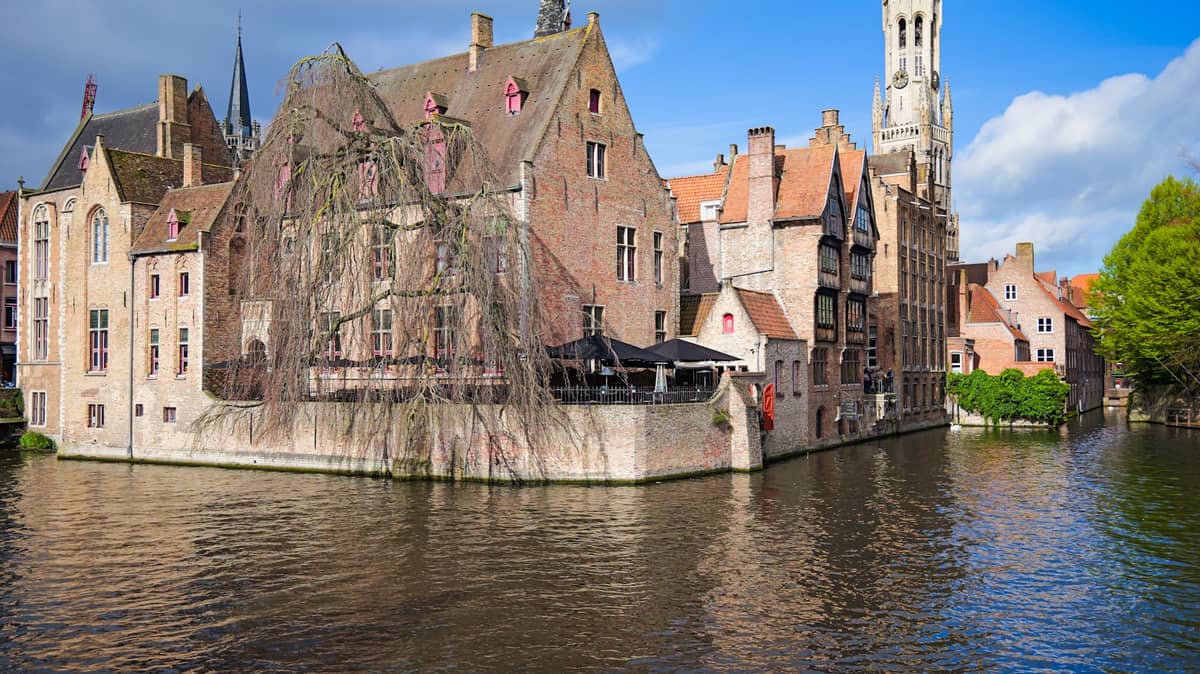
Bruges has a singular quality that sets it apart from other historic city centres in Belgium: very little was demolished or modernised in the 19th and 20th centuries, partly due to economic stagnation after the city lost its direct sea access in the late medieval period. The result is a coherent architectural landscape of brick Gothic facades, step-gabled rooflines, medieval almshouses, and canal-side lime trees that create an almost theatrical unity. Walk down Wollestraat toward the Rozenhoedkaai on a clear afternoon and the light on the water, the bridge in the foreground, and the Church of Our Lady tower rising behind it form a composition that looks almost implausibly perfect.
Mornings in the historic centre are relatively quiet. Before 9am, the Markt belongs to delivery trucks, local workers on bicycles, and early risers nursing coffee on terrace chairs. The smell of fresh bread drifts from bakeries on the side streets, and the canal surfaces are glassy. By 10am the tour groups begin arriving by coach, and by late morning the Markt and Burg are genuinely crowded from April through October. The volume of visitors in peak season is significant, and parts of the centre, particularly around the Rozenhoedkaai viewpoint and the Groeninge Museum, can feel congested between 11am and 4pm.
Late afternoon shifts the mood. The large group tours thin out as coaches leave, the light turns amber, and the canal reflections become more vivid. Evenings are genuinely pleasant for walking: the streets are quieter than comparable tourist cities, restaurants fill gradually without overwhelming the pavements, and the floodlit facades of the Town Hall on the Burg and the Belfry against the night sky justify a short stroll after dinner. The centre feels safe at night by any reasonable standard: streets are well-lit, foot traffic continues until late in summer, and the general atmosphere is relaxed rather than boisterous.
One honest note: the Historic Centre of Bruges is heavily oriented toward tourism. Souvenir shops selling lace, chocolate, and beer occupy large portions of the main shopping streets. The food offering on the immediate perimeter of the Markt leans toward tourist pricing. This is not a neighbourhood where you stumble into local life in the way you might in the Sint-Anna quarter to the north-east. That said, Bruges still has a resident population living within the ring, and if you step off the main routes, you do find quieter streets, neighbourhood bakeries, and local cafes that have no particular interest in catering to visitors passing through.
What to See and Do
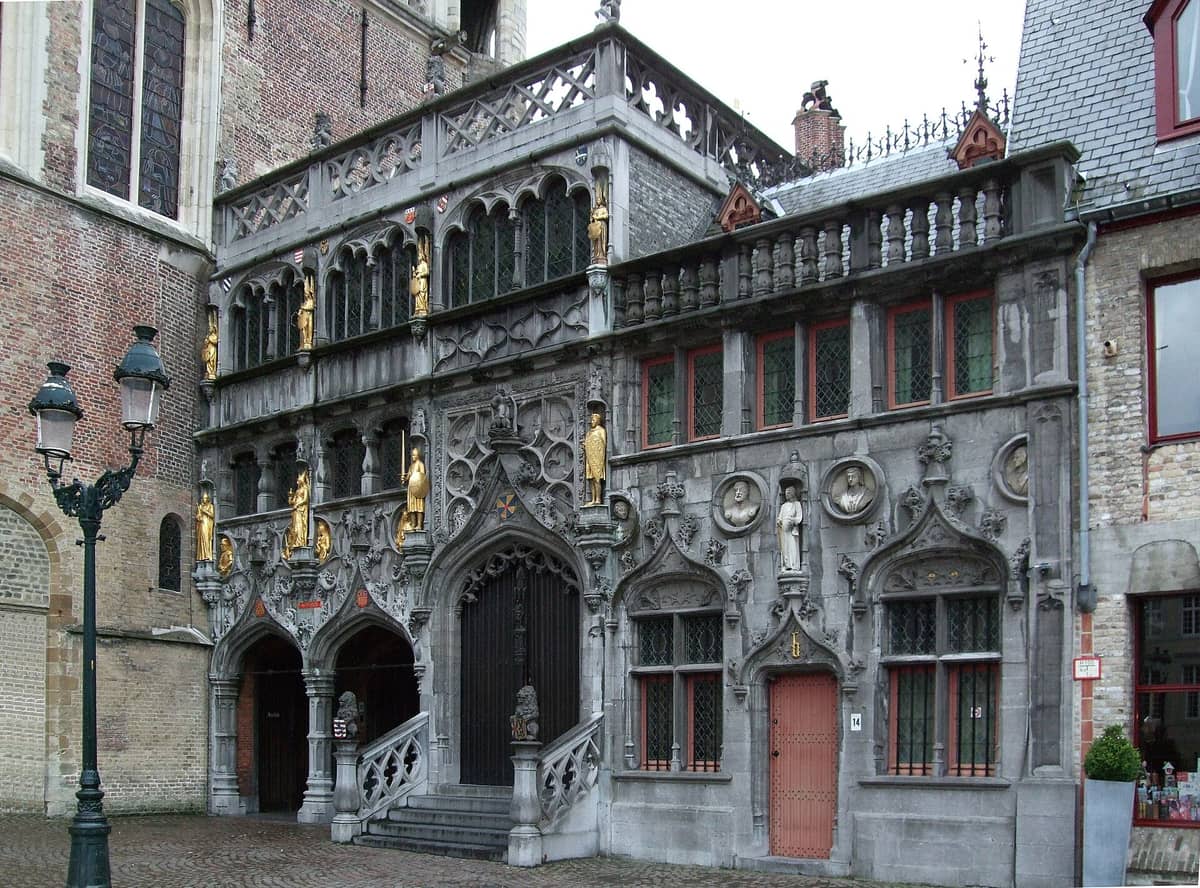
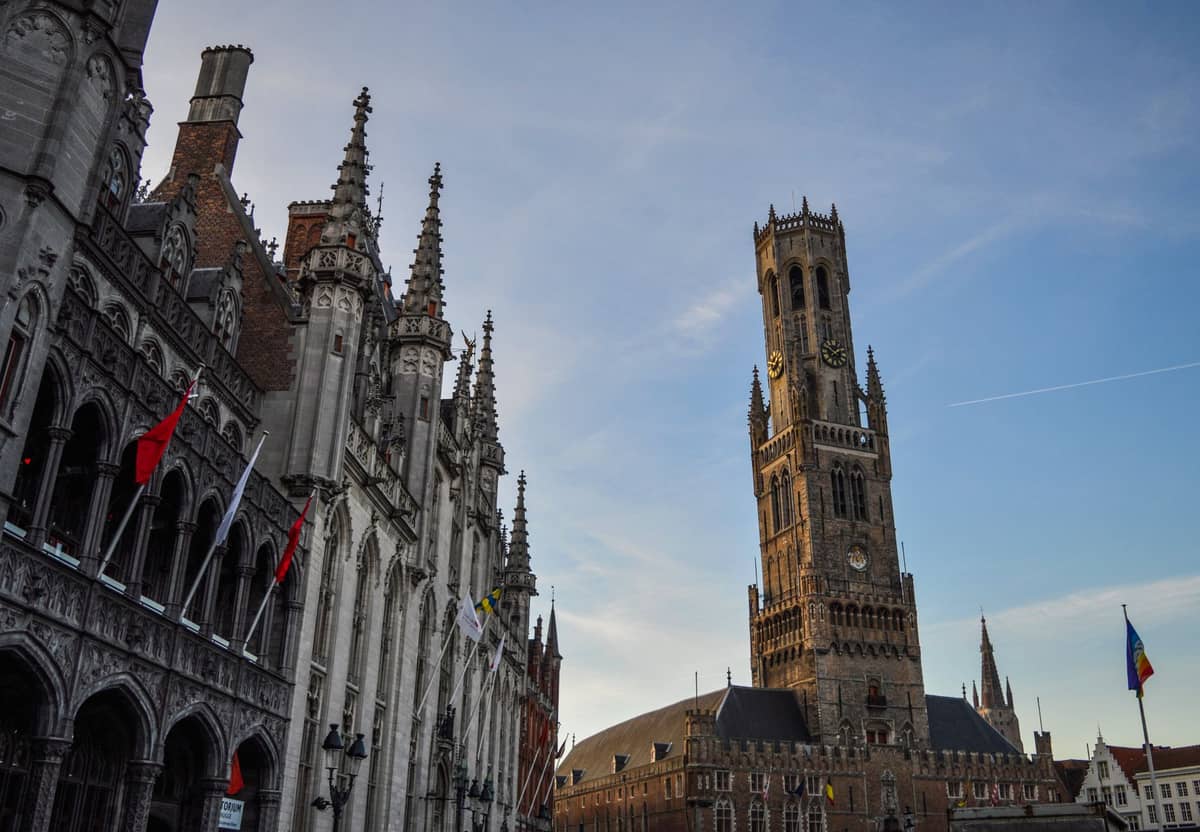
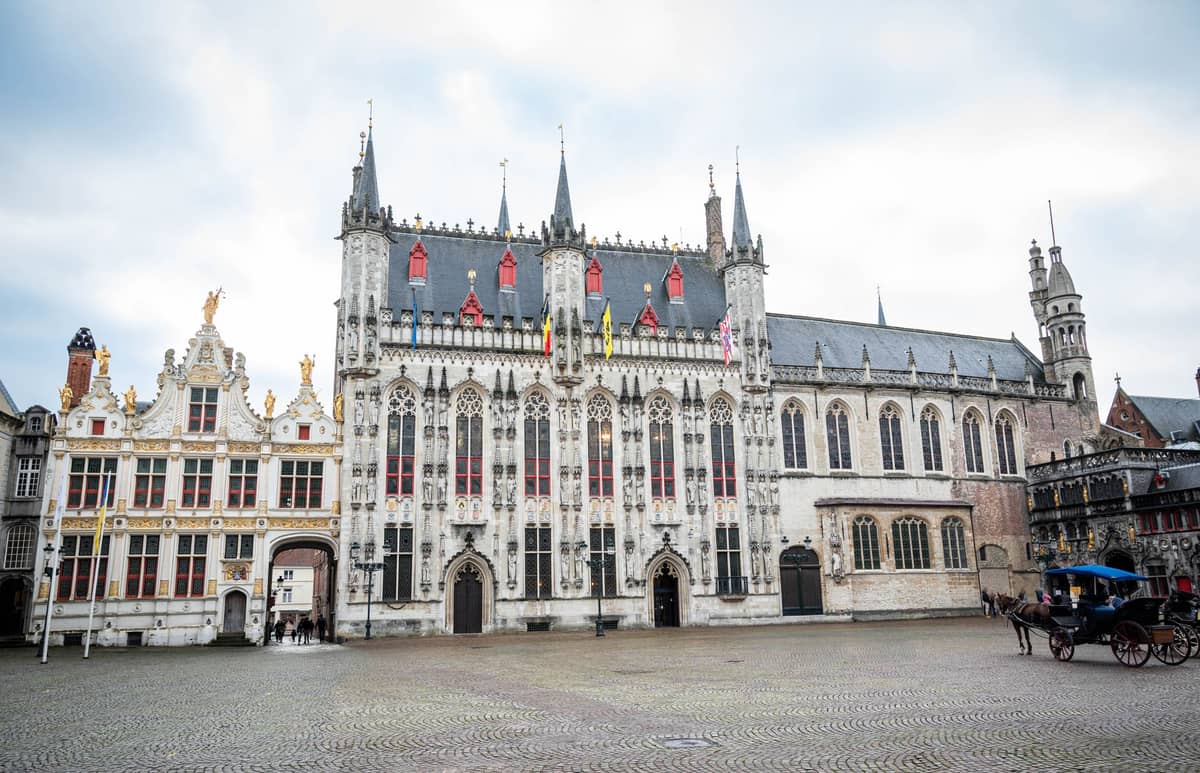
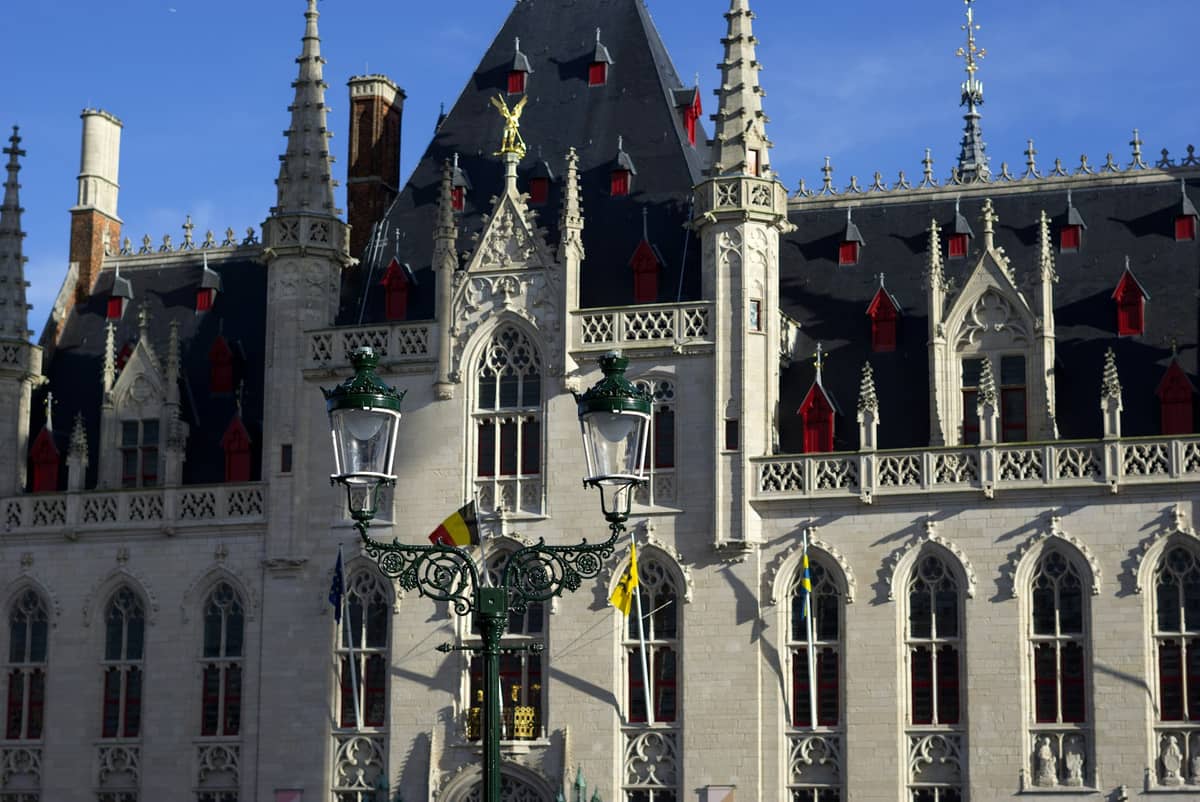
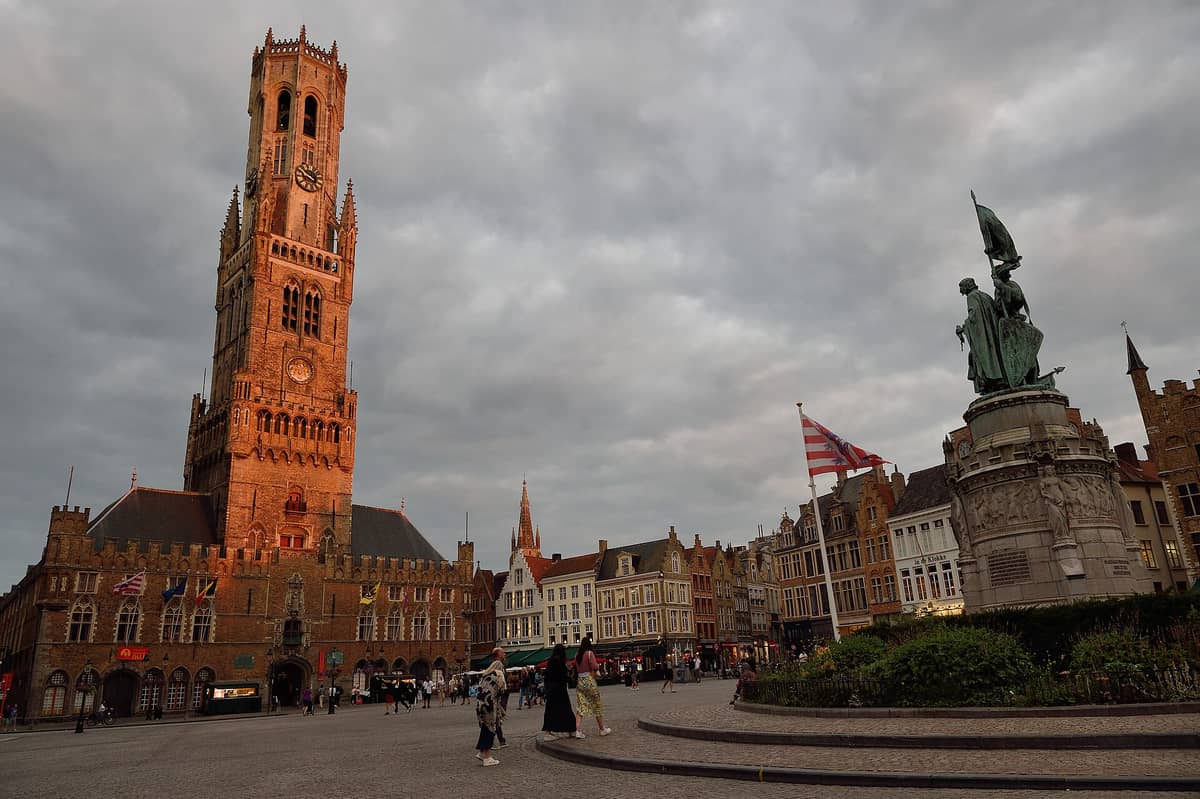
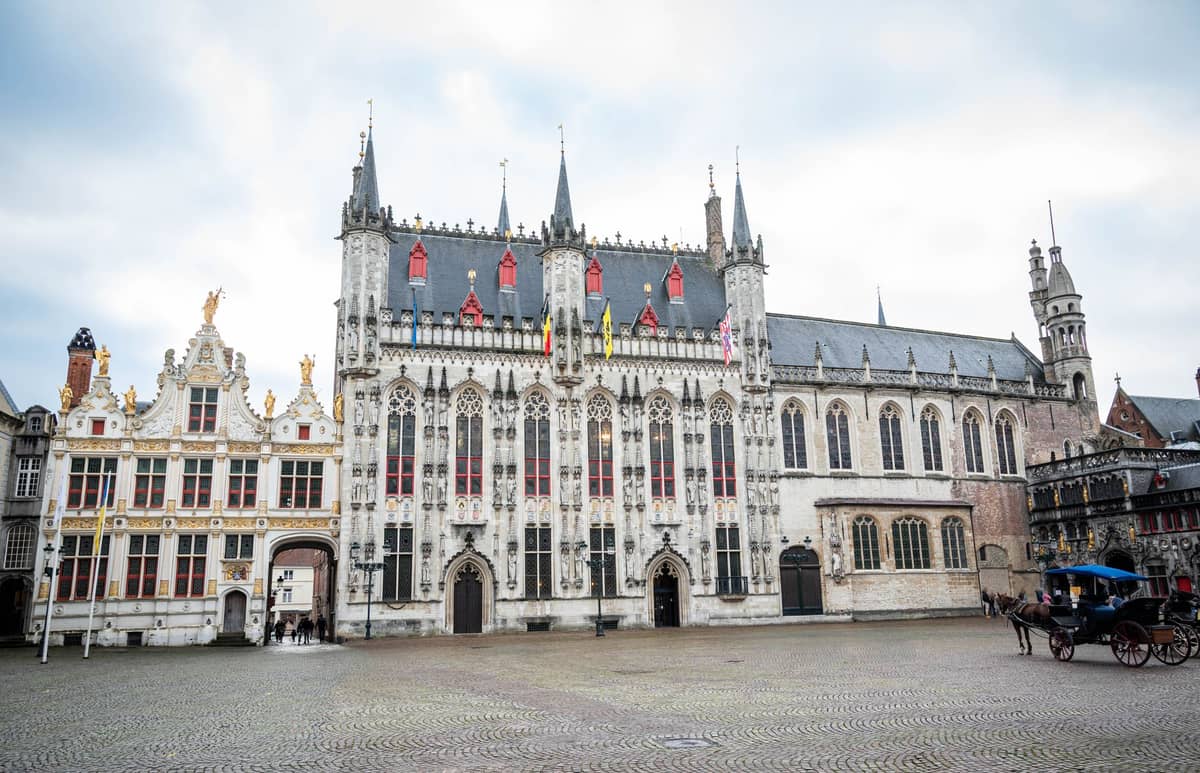
The two central squares anchor most visits. The Markt is the main market square, framed by guild houses and dominated by the Belfry of Bruges, a 13th-century tower with 366 steps and panoramic views across the rooftops. Climbing it on a clear day remains one of the best ways to understand the city's layout. A short walk east, Burg Square contains the Gothic Town Hall (Stadhuis), the Basilica of the Holy Blood, and several centuries of civic architecture layered into a single compact space.
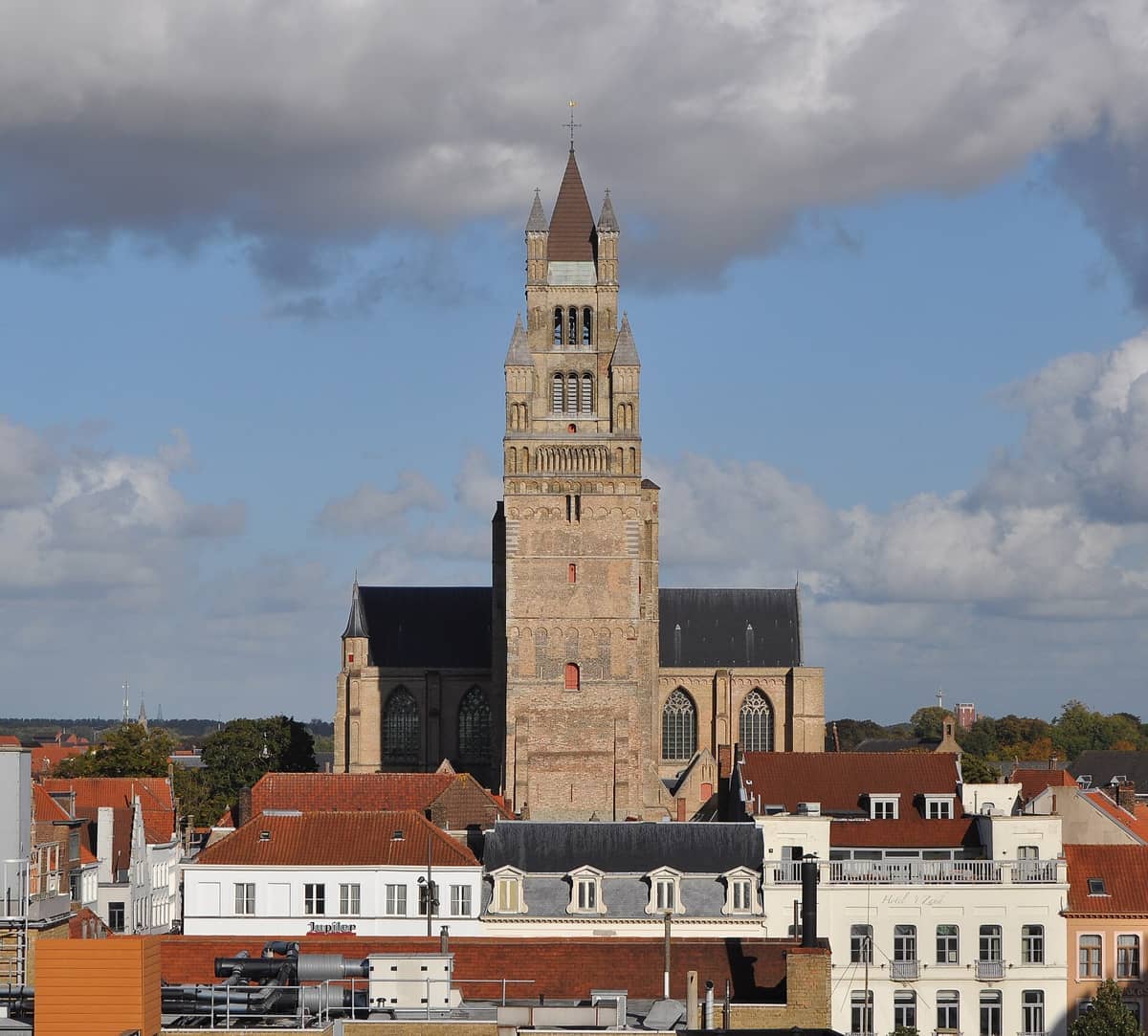
The southern part of the centre contains the city's most important museums and churches. The Groeningemuseum holds one of the finest collections of Flemish Primitive painting anywhere in the world, including works by Jan van Eyck and Hans Memling. Adjacent to it, the Gruuthusemuseum occupies a 15th-century palace and covers applied arts and city history. The Church of Our Lady nearby contains Michelangelo's Madonna and Child, one of the few works by the artist to leave Italy during his lifetime.
At the southern end of the centre, the Begijnhof is a walled community of whitewashed houses around a central courtyard that functions today as a Benedictine monastery. It is genuinely tranquil even in high season and takes about 20 minutes to walk through properly. The adjacent Minnewater lake and park provide a rare stretch of open green space within the centre.
Climb the Belfry for the best rooftop orientation of the city (366 steps, timed entry tickets advisable in summer)
Walk the Dijver canal towpath south from the Burg toward the Church of Our Lady for the classic Bruges canal perspective
Visit the Groeningemuseum for Flemish Primitive and early Flemish Renaissance painting
Cross the Bonifaciusbrug (Boniface Bridge) near the Gruuthusemuseum for the most photographed Gothic canal view
Walk through the Begijnhof in the early morning before the main visitor wave arrives
Take a guided canal boat tour departing from several jetties along the Dijver
Explore the Sint-Anna quarter on foot for a less touristed section of the historic centre
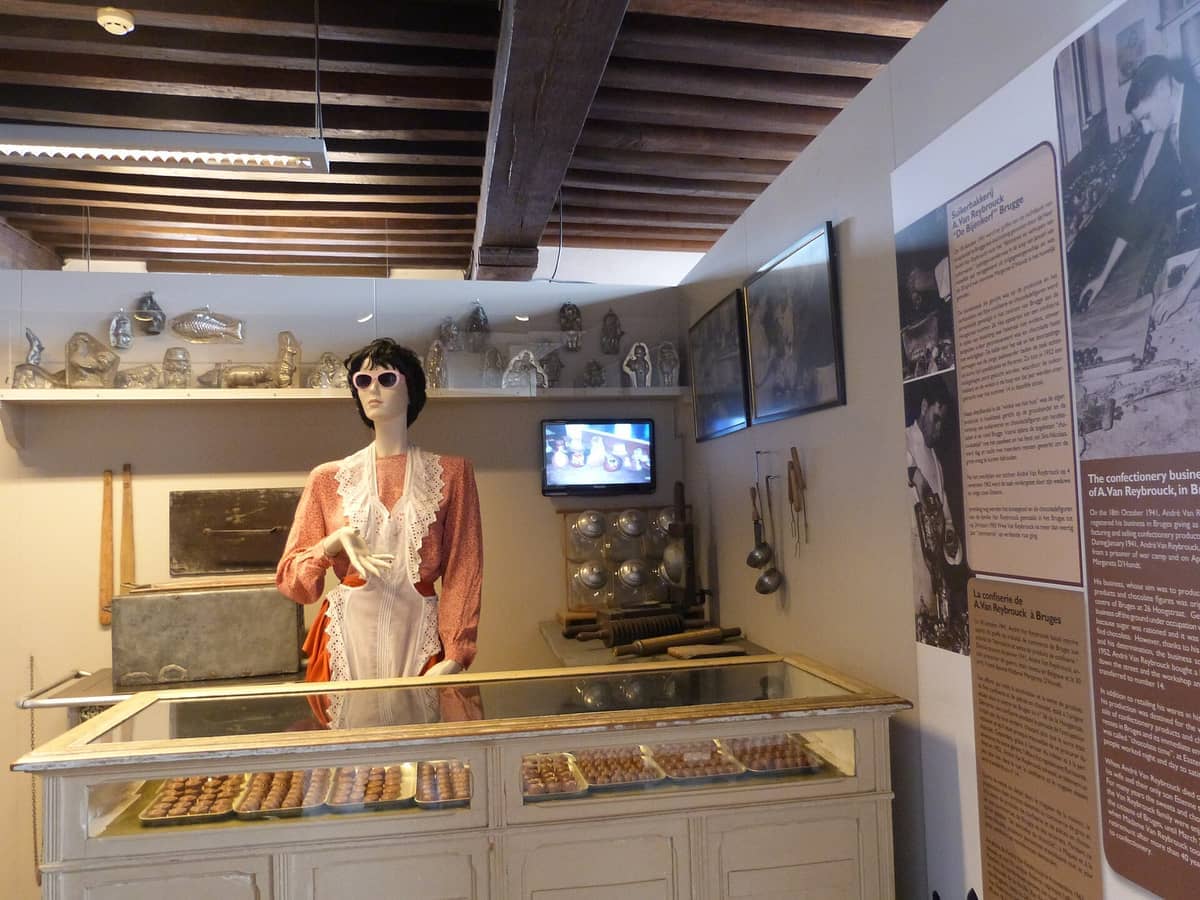
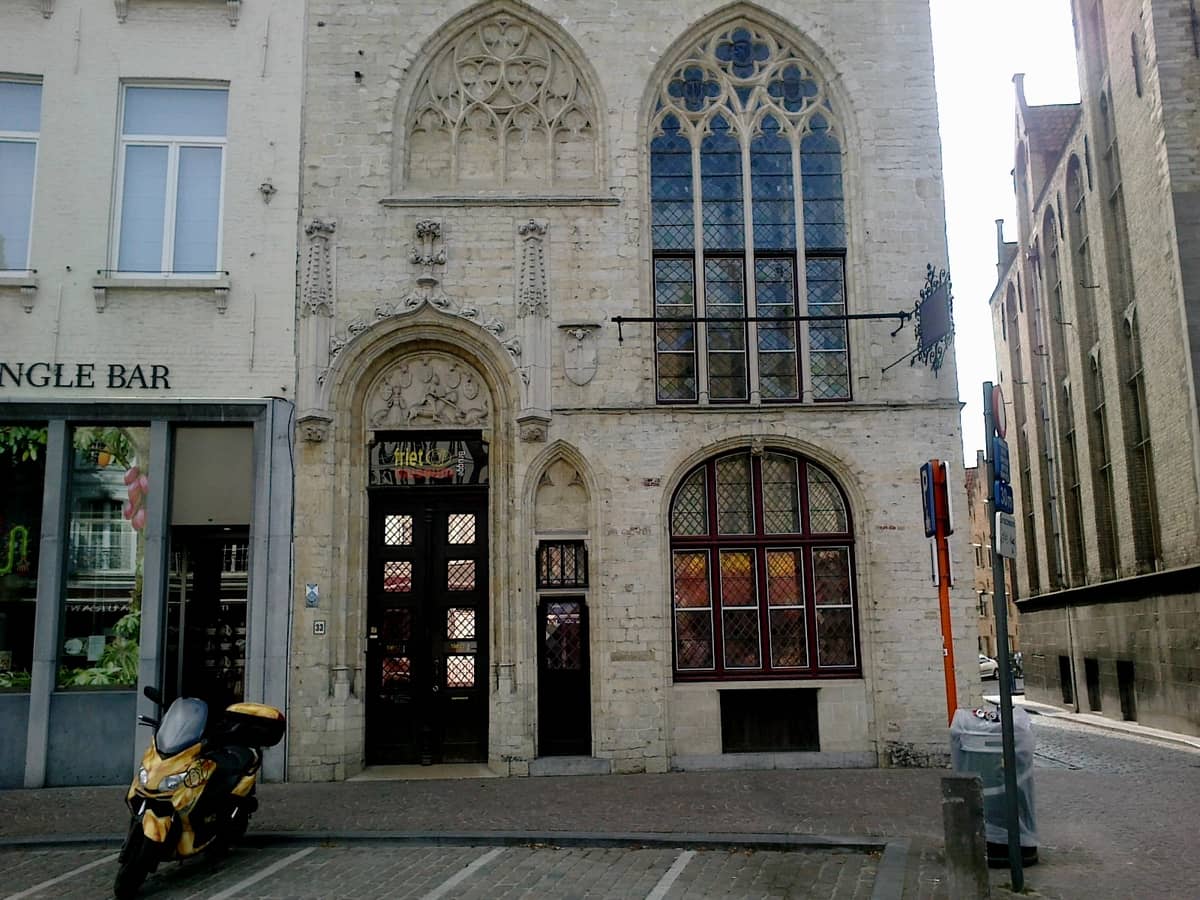
For visitors with a specific interest in Flemish art history, the guide to Flemish art in Bruges covers the major collections in detail. Those travelling with children will find the Choco-Story chocolate museum and the Frietmuseum (dedicated to the history of Belgian fries) genuinely engaging rather than merely tokenistic.
⚠️ What to skip
The Rozenhoedkaai viewpoint on the Dijver is one of the most photographed spots in Belgium. Expect it to be crowded from mid-morning until late afternoon in summer. Visit at dawn or after 7pm for a reasonable chance of fewer people in your frame.
Eating and Drinking
The food scene in the Historic Centre covers a wide range, from serious restaurants with strong regional cooking to tourist-facing brasseries charging elevated prices for average moules-frites. The distinction matters, and knowing which streets to avoid will save both money and disappointment. The immediate perimeter of the Markt is the area most likely to deliver overpriced, underwhelming food. One or two blocks off the main squares, the quality and value improve considerably.
Bruges has genuine culinary strengths. Belgian beer is an obvious priority: the De Halve Maan brewery on Walplein, inside the historic centre, brews Brugse Zot and Straffe Hendrik on-site and offers tours with tastings. Its tap room is one of the more authentic drinking experiences in the centre. For a broader introduction to Belgian beer styles, the Bruges beer guide covers the main styles and recommended stops.
Chocolate is the other signature product. The Historic Centre has dozens of chocolatiers, ranging from artisan producers making pralines on the premises to mass-market shops with identical product lines. The quality gap is real. The Bruges chocolate guide helps navigate which shops are worth your time. Belgian waffles are available throughout the centre in two main forms: the lighter Brussels waffle and the denser, sugar-studded Liège waffle. Both are sold from street stands and dedicated shops; the guide to Bruges waffles covers what to look for.
For sit-down meals, the streets running south of the Markt toward the Dijver and in the blocks around the Church of Our Lady tend to have a higher concentration of restaurants serious about regional Flemish cooking. Waterzooi (a cream-based stew, traditionally made with fish in Bruges), rabbit in Gueuze beer, and North Sea grey shrimp croquettes (garnaalkroketten) are the dishes most closely associated with the region and appear on menus throughout the centre. Prices at mid-range restaurants typically run from around 15 to 30 euros for a main course.
💡 Local tip
For budget eating, the Vismarkt (fish market) area near the Burg sells fresh North Sea catch on weekday and Saturday mornings. Combining a visit with a simple lunch at one of the nearby casual cafes makes for a far more local experience than eating on the Markt itself.
Getting There and Around
Bruges is well connected by rail to the rest of Belgium. Brugge station sits on the main line between Brussels and the coast, and direct intercity services from Brussels take around one hour. From Brussels Airport (BRU, roughly 110 km away), the most practical route is by train via Brussels, with a total journey of about 1½ hours and a standard second-class fare in the range of 20 to 30 euros, though fares vary and should be confirmed on the NMBS/SNCB website before travel. Ostend-Bruges International Airport (OST) is about 30 km away; bus or taxi connections to Ostend station followed by a short train ride to Bruges cover the distance in under an hour.
From Brugge station to the Markt, the most straightforward option is on foot: a pleasant 15–20 minute walk north through the Minnewater park and Begijnhof area, or a slightly longer route along the canals. City buses operated by De Lijn also run from the station into the centre, with a single ticket costing approximately 3 euros (verify current fares with De Lijn before travel, as prices are subject to revision). Taxis are available at the station rank.
Within the Historic Centre, walking is the primary and most practical way to get around. The centre is largely pedestrianised, particularly around the main squares, and a brisk walk from the Markt to the Begijnhof takes under 15 minutes. Cycling is very popular in Bruges as a whole, and the guide to cycling in Bruges covers rental options and recommended routes. Note that cycling in some pedestrianised sections of the centre is restricted, and the narrow medieval streets require attention to foot traffic at busy times.
Canal boat tours depart from several landing stages along the Dijver and provide a genuinely different perspective on the centre's architecture and water infrastructure. The canal tours guide covers routes, operators, and what to expect. Horse-drawn carriage tours also depart from the Markt, though these are slow, expensive, and better suited to a very leisurely first visit than to covering ground efficiently.
Where to Stay
Staying inside the Historic Centre places you within walking distance of everything, which is its primary advantage. The range of accommodation is broad: boutique hotels in converted canal-side mansions, mid-range chain properties around the Markt, family-run bed and breakfasts on quieter side streets, and a small number of hostel-style options for budget travellers. The full guide to where to stay in Bruges covers the accommodation landscape across the city in detail.
Within the centre, location matters more than most visitors expect. Hotels on or directly adjacent to the Markt are convenient but face noise from the square, which remains animated until late in summer and during events. The streets south of the Burg and around the Groeningemuseum offer a quieter base while remaining central. The area around the Begijnhof and Walplein is attractive and quiet in the evenings, though slightly further from the northern part of the centre.
The Historic Centre is the right choice for visitors who want immediate access to the major attractions and prefer not to deal with transit connections. It is less ideal for travellers on a tight budget, since accommodation prices inside the ring are noticeably higher than in the residential boroughs immediately outside it. Day-trippers from Brussels or Ghent often cover the main highlights in a single visit, but those who want to experience the centre at dawn and in the evenings, when the character shifts most noticeably, will find an overnight stay genuinely worthwhile.
ℹ️ Good to know
Bruges receives a high volume of visitors relative to its size, particularly in summer and around the Christmas market period. Booking accommodation inside the Historic Centre several months in advance is strongly advisable for travel between June and September and during the December Christmas market. See the Bruges Christmas market guide for specific timing details.
Practical Information
The local language in Bruges is Dutch (specifically West Flemish dialect), and Dutch is the official municipal language. In practice, English is widely spoken throughout the Historic Centre in hotels, restaurants, museums, and shops. French is also commonly understood. The currency is the euro. Tap water in Bruges meets EU drinking water standards and is safe to drink. Belgium's general emergency number is 112 for police, ambulance, and fire services. The country dialling code is +32.
Tipping is not legally required in Belgian restaurants, where service is commonly included in the bill, but rounding up or leaving a small additional amount is customary in sit-down restaurants for good service. At churches and religious sites within the centre, modest attire covering shoulders is often requested; specific requirements vary by site and are usually posted at entrances. Belgium uses 230V electricity with Type C and Type E plugs, so travellers from outside Europe should bring appropriate adapters.
Belgium is part of the Schengen Area. EU and EEA nationals may enter with an identity card or passport. Citizens of many other countries, including the United States, Canada, Australia, and Japan, may visit visa-free for short stays of up to 90 days within any 180-day period under Schengen rules. Nationals of other countries may require a Schengen visa; always confirm current entry requirements with the Belgian Ministry of Foreign Affairs before travel. For more planning information, the guide to getting to and around Bruges covers transport logistics in full detail.
Is the Historic Centre Right for You?
The Historic Centre of Bruges is genuinely one of the most intact medieval city environments in northern Europe, and it rewards slow, attentive exploration more than a quick walk between the main squares. If you are deciding how much time to allocate, the one-day Bruges itinerary and the two-day Bruges guide provide practical frameworks. For visitors specifically interested in the Gothic architecture that defines the centre's character, the Bruges Gothic architecture guide goes deeper into what to look for on specific streets and buildings.
The honest caveat is that the tourist infrastructure in the Historic Centre is very visible. If your priority is experiencing Belgian daily life rather than medieval architecture and Flemish art, you may find the density of souvenir shops and tourist-facing restaurants more frustrating than rewarding. That tension is real, and it is worth being clear-eyed about it. The Historic Centre of Bruges is primarily a heritage destination, and it excels at that. Within those terms, it is among the best in Europe.
TL;DR
UNESCO World Heritage Site: the Historic Centre is the most complete preserved medieval city in north-west Europe, with intact Gothic architecture, an original canal network, and a street pattern largely unchanged since the 13th century.
Best for: visitors who want immediate access to major Flemish art collections, Gothic architecture, canal views, and Belgian food and drink culture in a compact, walkable area.
Peak crowding is significant from late spring through early autumn, especially around the Markt, Burg, and Rozenhoedkaai. Early mornings and evenings offer a noticeably different experience.
Not ideal for travellers on a tight budget (accommodation and some restaurants are priced at a premium) or those primarily seeking everyday Belgian local life rather than a heritage city experience.
Getting there is straightforward: Brugge station is a 15-minute walk from the centre, with direct rail connections from Brussels (approximately 1 hour) and regular De Lijn bus services.
Two days is enough time to cover Bruges properly if you plan well. This itinerary walks you through the city's best sights, neighbourhoods, and experiences in a logical order, with a clear take on what to skip, what to prioritise, and how to avoid the worst of the crowds.
Bruges packs an unusually strong museum scene for a city of its size. From world-class Flemish Primitive paintings at the Groeninge to medieval hospital complexes, immersive history attractions, and specialist museums dedicated to lace, beer, and Belgian fries, the city rewards curious visitors at every turn.
Bruges (Brugge) rewards visitors in every season, but timing your trip well makes a real difference. This guide breaks down weather, crowds, prices, and key events month by month so you can decide when to go based on what actually matters to you.
Bruges (Dutch: Brugge) is a serious beer destination for a city of its size. This guide covers the city's working breweries, museum-style experiences, guided tasting walks, and the bars worth your time, with current pricing, opening hours, and practical advice to help you drink well without wasting money.
Bruges is one of Europe's most photogenic canal cities, and a boat ride through its medieval waterways is one of the best ways to take it all in. This guide covers prices, schedules, the best time to go, what the tour actually involves, and how to avoid the longest queues.
Bruges is one of Europe's most serious chocolate cities, with dozens of artisan chocolatiers, a dedicated chocolate museum, and guided tasting tours winding through the medieval centre. This guide covers everything: Choco-Story ticket prices, the best chocolate walks, how to tell craft shops from tourist traps, and the smartest way to plan your visit.
The Bruges Christmas market is part of the city-wide Winter Glow festival, running from late November through early January across multiple locations in the medieval centre. This guide covers every location, practical logistics, ice skating prices, the free light trail, and the best strategies for making the most of a winter visit to Bruges (Brugge), Belgium.
Bruges preserves some of the finest Gothic architecture in northern Europe, from the soaring Belfry on the Markt to the ornate City Hall on Burg Square. This guide covers every major site, explains what makes each one architecturally significant, and gives you the practical details to plan a focused visit.
Bruges rewards those who wander off the main squares. From a family-built replica of a Jerusalem church to almshouse courtyards that feel frozen in the 17th century, these are the places that reveal a quieter, deeper side of the city.
Bruges in winter is a different city entirely. Crowds thin out, the medieval canals take on a quiet atmosphere, and the city's official Winter Glow program transforms the historic centre from late November through February. This guide covers what's on, what's closed, how to get around, and what most visitors get wrong.
Bruges has been synonymous with handmade bobbin lace for centuries. This guide covers the craft's history, where to watch it being made at the Kantcentrum, how to shop for authentic pieces, and what to skip.
Bruges (Dutch: Brugge) has a reputation as a pricey destination, but the reality is more forgiving. Most iconic sights cost nothing, public transport is straightforward, and a single pass covers nearly every major museum. This guide breaks down exactly what things cost, what's genuinely free, and where it's worth spending a little more.
Bruges is one of Europe's most complete medieval cities, and a single day is enough to see its best. This itinerary gives you a logical, time-aware route through the Markt, the canals, the Belfry, and the quieter corners most visitors miss, with real prices and straightforward planning notes throughout.
From the Saturday market at 't Zand to the weekend antique market along the Dijver canal, Bruges rewards shoppers who know where to look. This guide covers the best shopping streets, market schedules, local specialities, and a clear take on what to buy and what to skip.
Not all Belgian waffles in Bruges are created equal. This guide breaks down the two main styles, names the best spots in the city centre, gives real prices, and tells you which tourist-facing counters to skip.
Bruges (Brugge) packs its most spectacular medieval architecture into a walkable 3–4km historic core. This guide covers the classic self-guided loop from the Markt to Minnewater, with practical notes on timings, entrance fees, crowd patterns, and how to adapt the route for your pace.
Bruges (Brugge) is one of Belgium's most rewarding destinations for families. Compact, walkable, and packed with hands-on museums, canal-side exploration, and chocolate around every corner, the medieval city offers real substance for children and parents alike. This guide covers the best kid-friendly attractions, practical logistics, seasonal timing, and a clear take on where the city delivers and where it falls short for families.
Bruges is one of the most cycle-friendly cities in Europe, with a flat historic centre, expanding bike-priority zones, and nearly 930 km of marked routes in the surrounding Brugse Ommeland. This guide covers rental options and prices, the numbered node network, traffic rules, seasonal considerations, and the best routes for day trips beyond the city walls.
Bruges sits at the center of one of Europe's most connected rail networks. From medieval Ghent to the Belgian coast, these are the best day trips from Bruges, with real train times, honest crowd advice, and exactly what to do when you get there.
Bruges holds one of the world's great concentrations of Flemish Primitive painting. This guide covers the three essential venues, what to look for in each, practical logistics, and how to avoid the most common planning mistakes.
Bruges is one of Europe's most photogenic cities, and a surprising amount of it costs nothing to enjoy. From iconic canal viewpoints and medieval squares to peaceful beguinage courtyards and rampart windmills, this guide covers the best free experiences the city has to offer.
Whether you're arriving by train from Brussels, flying into one of Belgium's two main airports, or planning to cycle the medieval streets, this guide covers every practical transport option for reaching Bruges and navigating the city. Includes real fares, parking rates, and local tips.
Bruges (Dutch: Brugge) is one of Europe's most photographed medieval cities, but does it live up to the hype? This guide cuts through the postcard image to tell you exactly what the city delivers, who it suits best, and how to get the most out of a visit.
Bruges (Dutch: Brugge) is one of Europe's most atmospheric cities for couples, with medieval canals, Gothic architecture, world-class chocolate, and a walkable historic centre that rewards slow exploration. This guide covers the best romantic experiences, practical logistics, and straightforward notes on when to visit and what to skip.
Bruges (Brugge) is a UNESCO World Heritage city in northwest Belgium packed with medieval architecture, Flemish masterpieces, canal tours, and craft beer culture. This guide covers the best things to do in Bruges, with real prices, seasonal tips, and honest takes on what's worth your time.
Bruges is one of Europe's great food cities in miniature. This guide covers everything worth eating, from street-food fries to moules-frites season, plus clear notes on avoiding tourist-trap versions of Belgian classics.
Bruges offers accommodation ranging from canal-side boutique hotels to budget hostels and rural B&Bs. This guide breaks down the best areas to stay, what to expect at each price point, and the practical details most booking sites leave out.