Flemish Primitive Art in Bruges: The Complete Visitor's Guide
Bruges holds one of the world's great concentrations of Flemish Primitive painting. This guide covers the three essential venues, what to look for in each, practical logistics, and how to avoid the most common planning mistakes.
Plan and book this trip
Tools from our partner Travelpayouts help you compare flights and hotels. If you book through them, we may earn a commission at no extra cost to you.
Flights
Hotels map
TL;DR
- The Groeningemuseum on Dijver is the primary destination for Flemish Primitive art in Bruges, with works by Jan van Eyck, Gerard David, and other early Netherlandish masters.
- The Memling collection at Sint-Janshospitaal is arguably more atmospheric — six major Hans Memling works displayed in a 12th-century hospital chapel.
- Both the Groeningemuseum and Sint-Janshospitaal charge €15 adult admission and close on Mondays — plan accordingly.
- A Musea Brugge combination ticket covers multiple city museums and saves money if you plan to visit more than two venues.
- Arrive at opening time (09:30 in winter, 10:00 in summer) to see the altarpieces without crowds pressing behind you.
What Are the Flemish Primitives?
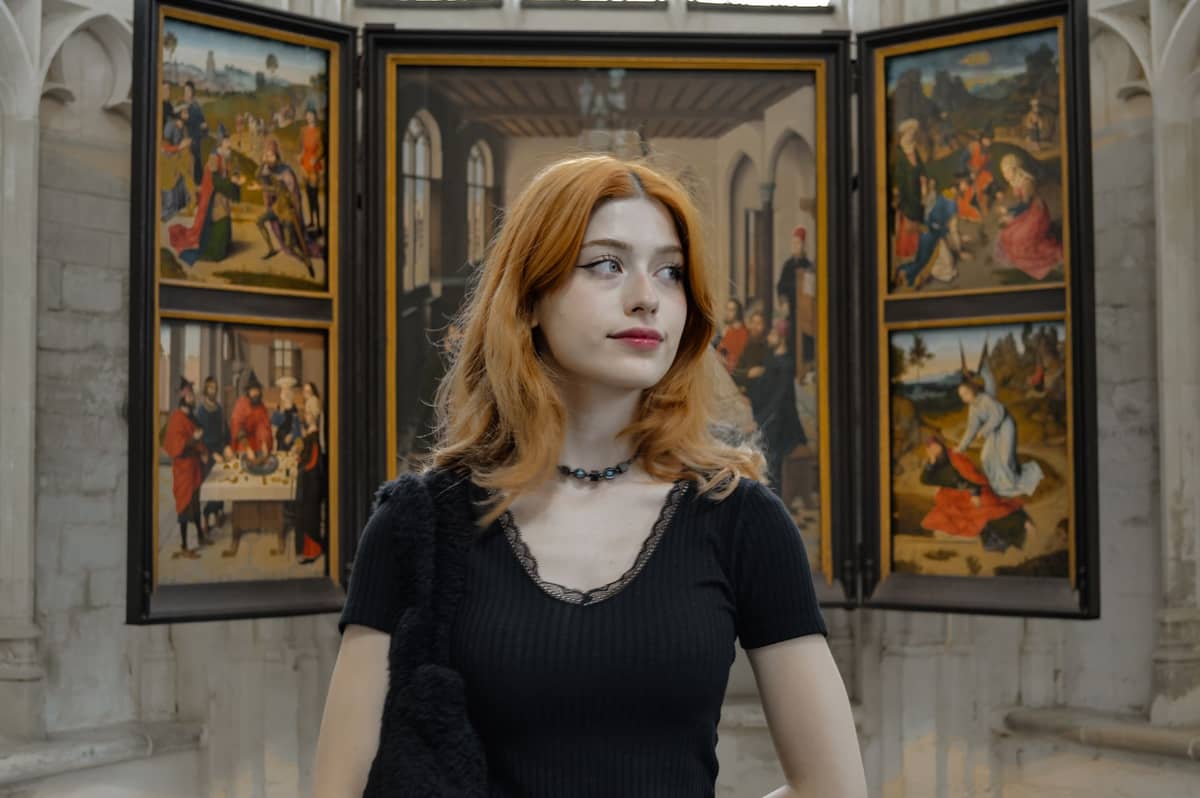
The term 'Flemish Primitives' refers to painters working in the Low Countries roughly between 1420 and 1530, in the region that is now Belgium and northern France. The word 'primitive' here means 'first' or 'foundational' rather than unsophisticated. These artists developed oil painting technique to a level of realism that was genuinely revolutionary for the period: precise rendering of light on fabric, transparent glazes that gave skin its depth, and the ability to capture a recognizable individual face rather than a generic devotional type.
The movement's anchor figures include Jan van Eyck, who spent much of his career in Bruges in the service of Philip the Good, Duke of Burgundy; Rogier van der Weyden, based in Brussels; and Hans Memling, a German-born painter who settled in Bruges around 1465 and ran a highly productive workshop there for three decades. Hugo van der Goes, Gerard David, and Petrus Christus complete the core group. Bruges holds a concentration of original works from this period that no other city outside Ghent can match.
ℹ️ Good to know
The Ghent Altarpiece by Jan van Eyck is in St Bavo's Cathedral in Ghent, not Bruges. If you plan a day trip from Bruges (around 30 minutes by train), seeing it alongside the Bruges collections makes for a logical pairing. Both cities are covered by Belgian rail with no reservation required on most services.
The Groeningemuseum: Bruges' Core Collection
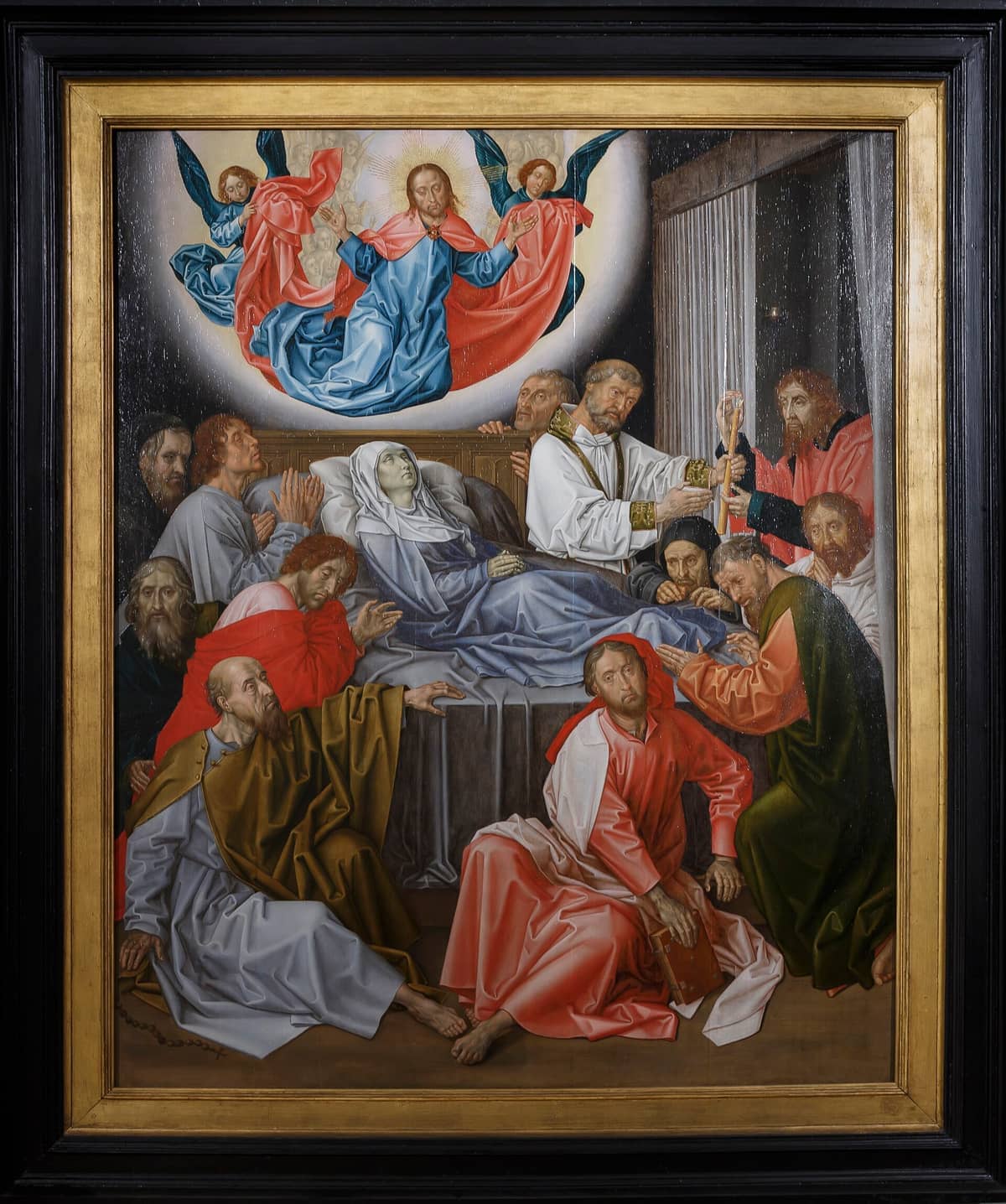
The Groeningemuseum at Dijver 12 is the place to start. The collection spans Flemish and Belgian painting from the 15th century through to the 20th, but the Flemish Primitive rooms are the reason art historians travel specifically to Bruges. Jan van Eyck's Portrait of Margareta van Eyck (1439) and the Canon van der Paele altarpiece (1436) are both here. The Canon van der Paele is one of the most technically demanding paintings of its era: the armor reflects the room, the bishop's vestments have individually observed embroidery, and the donor portrait achieves a psychological presence that few paintings of any period match.
- Address Dijver 12, 8000 Brugge
- Adult admission €15 (ages 18–25: €13, ages 13–17: €7, under 13: free)
- Summer hours (1 Apr – 2 Nov) 10:00–18:00, closed Mondays
- Winter hours (3 Nov – 31 Mar) 09:30–17:00, closed Mondays
- Holiday closures Closed 25 December and 1 January; shortened hours on 24 and 31 December
- Tickets Book via Musea Brugge official site — third-party platforms resell the same slots at the same price
The museum's layout places the Flemish Primitives in the first few rooms, which means crowd dynamics can concentrate here even on quieter days. Arriving at opening time gives you the first 30–45 minutes in near-solitude. By 11:00, tour groups begin filtering through. If you are visiting in July or August, this matters more than it sounds: the rooms are not large, and the paintings reward close, uninterrupted looking.
⚠️ What to skip
Some older travel guides and aggregator sites still list Wednesday as the Groeningemuseum's weekly closing day. This is outdated. Musea Brugge moved the closure to Monday. Showing up on a Wednesday is fine. Showing up on a Monday means a wasted trip.
Memling in Sint-Janshospitaal: The More Atmospheric Option
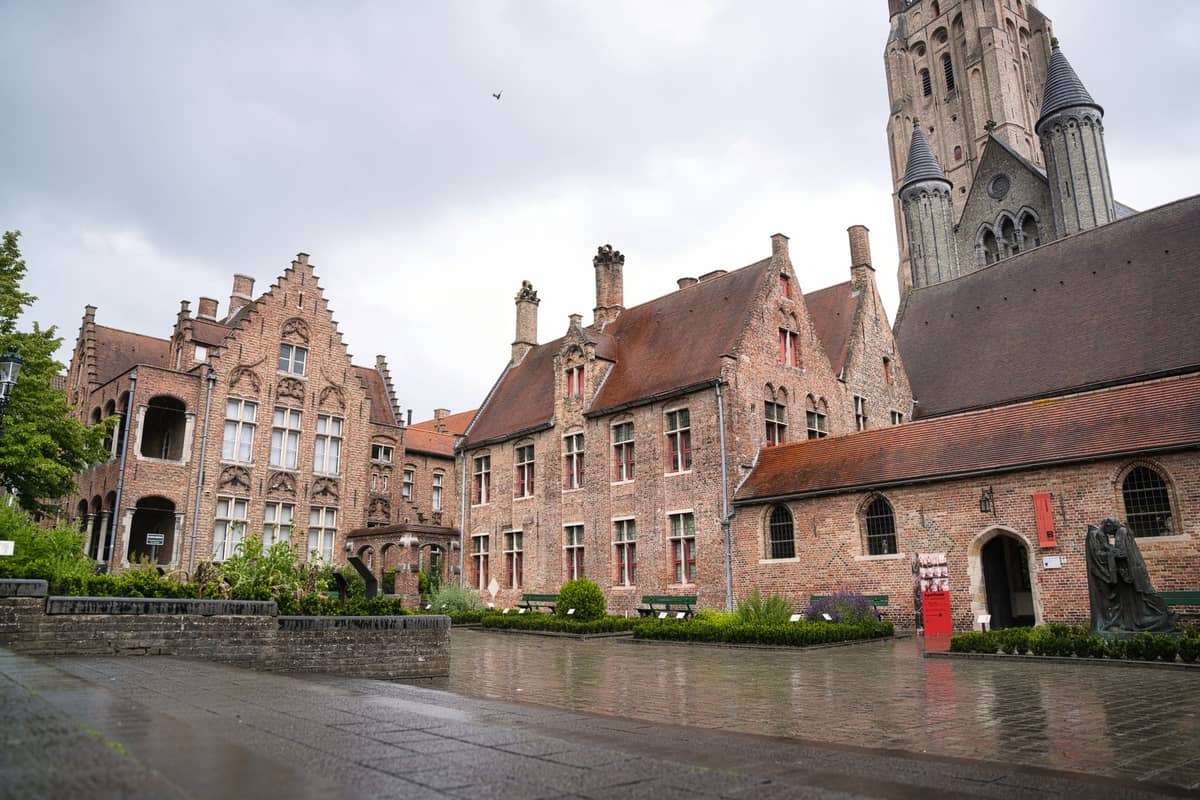
The Museum Sint-Janshospitaal at Mariastraat 38 houses six major Hans Memling works in the original 12th-century hospital chapel where they were commissioned to hang. This context is not a reconstruction or a curatorial decision — these paintings were made for this space and have remained here, more or less continuously, for over 500 years. That distinction matters when you are standing in front of them.
The centerpiece is the Shrine of Saint Ursula (1489), a miniature painted reliquary box roughly the size of a Gothic chapel, with eight narrative panels depicting the martyrdom of Saint Ursula and her companions. The detail in each panel — faces in a crowd, distant city skylines, the embroidery on ecclesiastical robes — operates at a scale that requires getting your face close to the glass. The Triptych of Jan Floreins and the Mystic Marriage of Saint Catherine are also here, and collectively these works make Sint-Janshospitaal the better single museum for Memling specifically.
A persistent confusion in travel content: some sites refer to a 'Memling Museum' in Bruges as if it were a separate institution. It is not. The Memling collection is part of Museum Sint-Janshospitaal, operated by Musea Brugge. The museum section includes the former hospital wards, a restored pharmacy, and period medical instruments alongside the paintings. Budget at least 90 minutes if you want to see everything properly.
- Address Mariastraat 38, 8000 Brugge
- Adult admission €15 (under 26: €13, under 18: €7, under 13: free)
- Opening hours 09:30–17:00 daily, closed Mondays
- Holiday closures Closed 25 December and 1 January; reduced hours 24 and 31 December
- Booking Timed entry via Musea Brugge; the museum recommends booking directly rather than through resellers
The Church of Our Lady and Other Flemish Art in Context
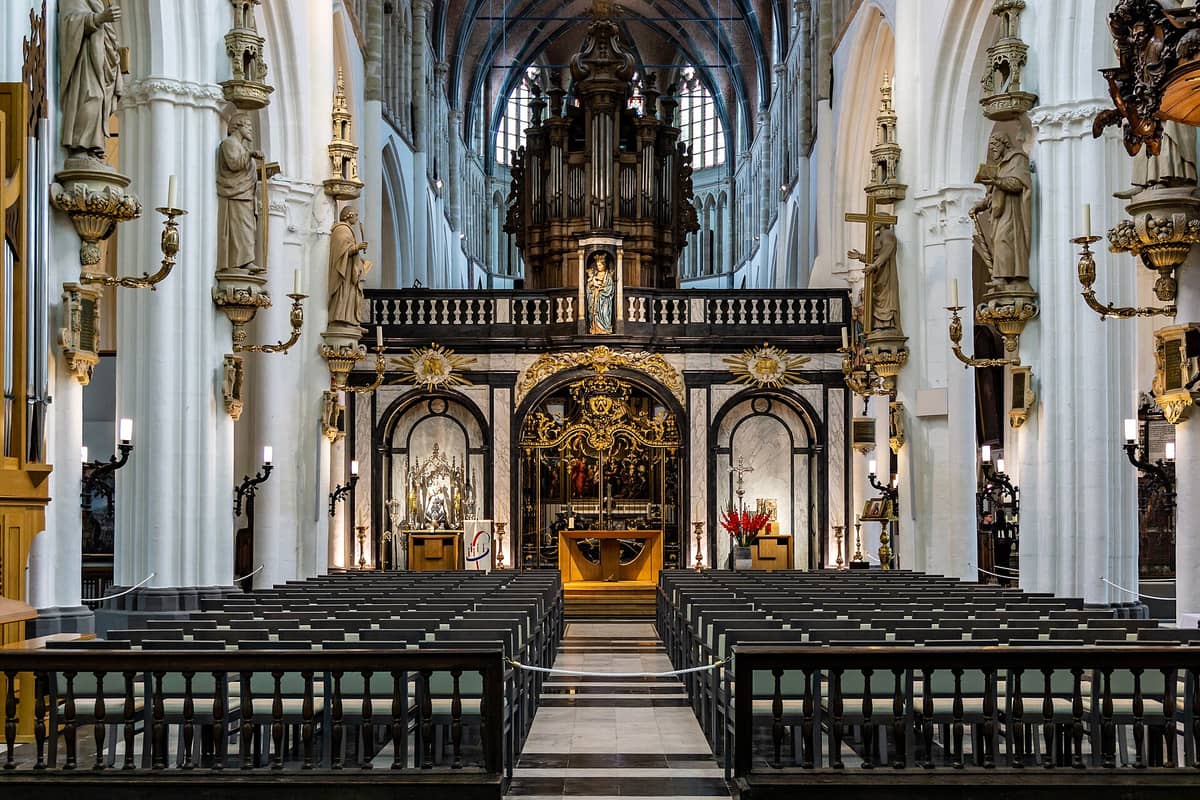
The Onze-Lieve-Vrouwekerk (Church of Our Lady) on Mariastraat is best known for Michelangelo's marble Madonna and Child (1501–1502), but the church also contains late-medieval Flemish altarpieces, carved choir stalls, and the painted wooden tomb effigies of Charles the Bold and Mary of Burgundy — both figures directly connected to the Bruges Flemish Primitive period. Entry to the nave is free. The museum section containing the tombs and art collection is ticketed, typically combined with local passes.
Beyond these three primary venues, Flemish Primitive influence runs through the fabric of the city. The Basilica of the Holy Blood on Burg Square contains devotional art from the 15th and 16th centuries. Sint-Jakobskerk (St James's Church) in the north of the historic centre holds a significant collection of altarpieces and panel paintings, including works associated with the Burgundian court period, often overlooked by visitors focused on the main museums. Entry is modest and crowds are rarely an issue.
✨ Pro tip
Sint-Jakobskerk on Sint-Jakobsstraat is genuinely undervisited. It holds more late-medieval Flemish panel paintings than most visitors expect, and you will almost certainly have the interior to yourself. It is a short walk north from the Markt and pairs naturally with a visit to Jan van Eyckplein, where a statue of the painter stands near the canal he would have known.
Museum Card, Pricing, and Planning Logistics
Musea Brugge operates 13 city museums under a shared ticketing system. If you plan to visit both the Groeningemuseum and Sint-Janshospitaal, plus one or two other venues, a combination ticket saves a meaningful amount. The museum card options in Bruges are worth checking before you buy individual tickets at the door. The Musea Brugge website sells direct-entry passes that cover multiple sites, and the Bruges City Card (sold separately through Visit Bruges) includes museum entry alongside canal boat access and other attractions.
For visitors focused specifically on Flemish Primitive art, a realistic itinerary looks like this: morning at the Groeningemuseum (arrive at opening, allow 2 hours), followed by lunch near the Dijver canal quarter, then Sint-Janshospitaal in the early afternoon (allow 90 minutes), with the Church of Our Lady rounding out the day. This covers the essential works without rushing and fits comfortably into a single full day.
If you have two days, the second can extend into Sint-Jakobskerk and the Gruuthusemuseum next door to the Church of Our Lady — the Gruuthuse palace collection covers applied arts and decorative objects from the same Burgundian period and provides useful cultural context for the paintings you have already seen. The two-day Bruges itinerary in this guide builds a logical sequence around both art and the wider historic centre.
When to Visit for Art Viewing Specifically
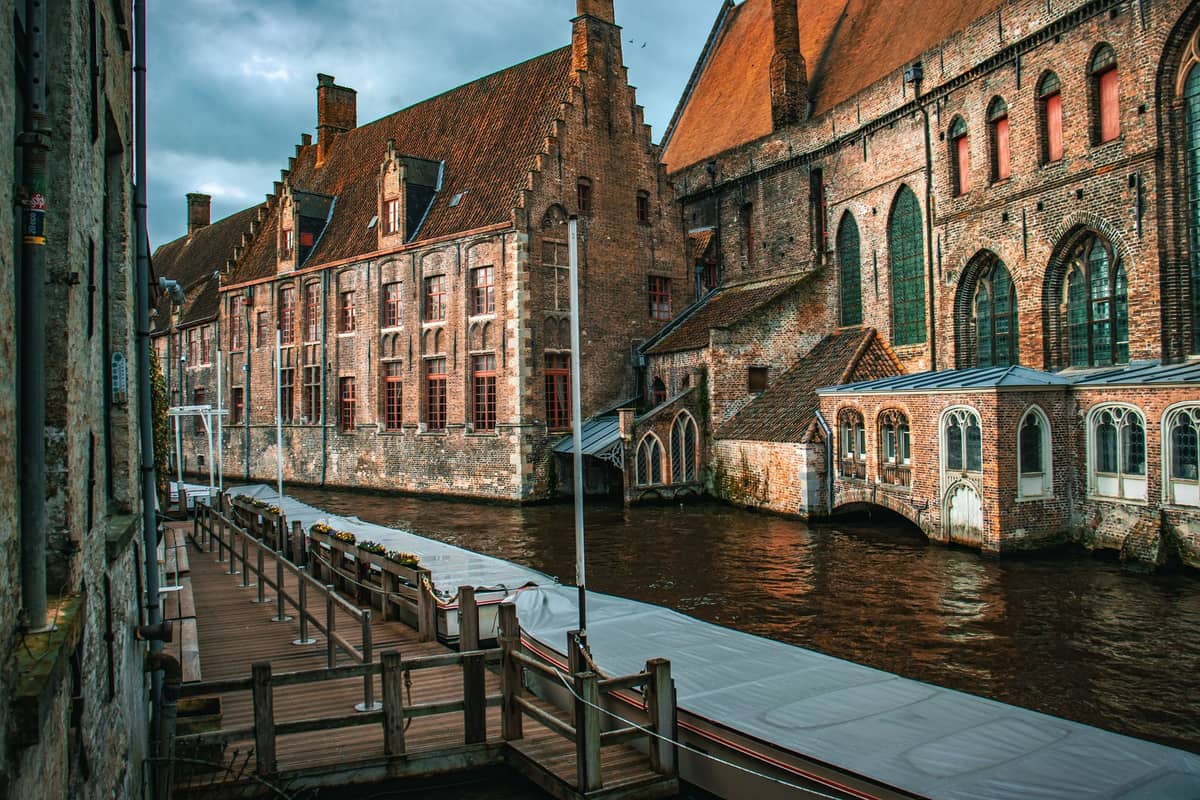
Bruges receives heavy visitor numbers from April through September, peaking in July and August. The museum rooms are small enough that crowd levels noticeably affect the experience. For art viewing in particular, the shoulder periods of October to early November and March to mid-April offer better conditions: the paintings are the same, the hours are reasonable, and you will not be moving through rooms in a queue. The best time to visit Bruges guide covers seasonal crowd and weather patterns in detail.
Winter visits are underrated for museum-focused trips. The Groeningemuseum's winter hours run from 09:30, which means you can be in front of the Canon van der Paele before most of the city has had breakfast. The Bruges in winter guide covers the practical case for an off-season visit, including the December Christmas market period when accommodation prices spike but museum crowds remain manageable on weekday mornings.
💡 Local tip
Both the Groeningemuseum and Sint-Janshospitaal have seasonal hour differences that catch visitors out. Summer hours (April to early November) start at 10:00 for Groeninge and 09:30 for Sint-Janshospitaal. Winter hours start at 09:30 for both. Always check Musea Brugge's official site within a week of your visit — the changeover dates shift slightly year to year.
FAQ
What is the best museum for Flemish Primitive art in Bruges?
The Groeningemuseum on Dijver holds the broadest collection, including Jan van Eyck's Canon van der Paele altarpiece and Portrait of Margareta van Eyck. For Hans Memling specifically, Museum Sint-Janshospitaal on Mariastraat is the better choice — six major works displayed in their original 12th-century hospital chapel setting. Most serious visitors do both.
How much does it cost to visit the Groeningemuseum?
Standard adult admission is €15. Visitors aged 18–25 pay €13, ages 13–17 pay €7, and children under 13 enter free. A Musea Brugge combination ticket covers multiple city museums and may represent better value if you plan to visit more than two venues. Buy directly via the Musea Brugge website.
Is the Groeningemuseum closed on Mondays?
Yes. The weekly closing day is Monday. Some older guides and travel sites incorrectly list Wednesday as the closure day — that information is outdated. The museum is also closed on 25 December and 1 January, with shortened hours on 24 and 31 December.
Can I see Flemish Primitive art for free in Bruges?
The major paintings are in ticketed museums, but the Church of Our Lady (Onze-Lieve-Vrouwekerk) has free entry to the nave, which contains late-medieval Flemish altarpieces and the tomb monuments of Charles the Bold and Mary of Burgundy. Sint-Jakobskerk also holds a significant collection of period panel paintings at modest cost. Jan van Eyckplein, a canal square with a statue of the painter, is free to visit and provides historic context at no charge.
How long do I need to see Flemish Primitive art properly in Bruges?
A focused single day covers the essentials: two hours at the Groeningemuseum and 90 minutes at Sint-Janshospitaal, with the Church of Our Lady in the afternoon. To include Sint-Jakobskerk, the Gruuthusemuseum, and the Basilica of the Holy Blood, budget a second day. Rushing these collections does them a disservice — the paintings reward slow, close looking.