2 Days in Bruges: The Perfect Itinerary
Two days is enough time to cover Bruges properly if you plan well. This itinerary walks you through the city's best sights, neighbourhoods, and experiences in a logical order, with a clear take on what to skip, what to prioritise, and how to avoid the worst of the crowds.
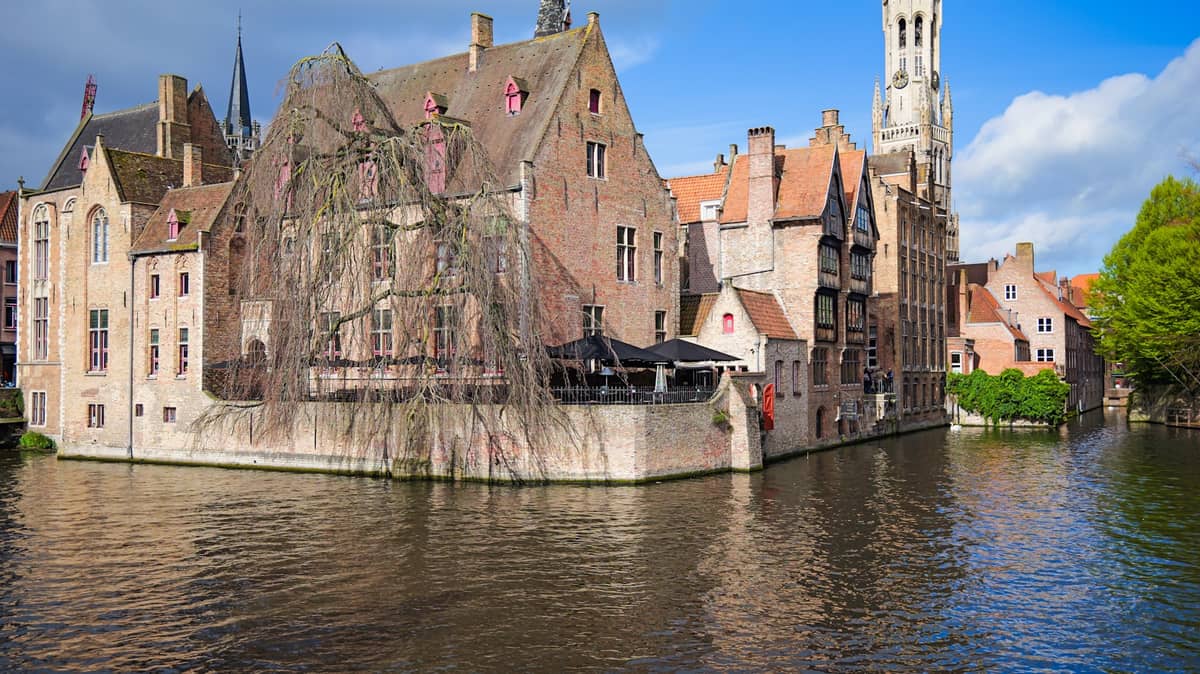
Plan and book this trip
Tools from our partner Travelpayouts help you compare flights and hotels. If you book through them, we may earn a commission at no extra cost to you.
Flights
Hotels map
TL;DR
- Two days is a solid amount of time to see Bruges — enough for the major sights, a canal boat tour, and at least one world-class museum, without feeling rushed.
- Buy the Musea Brugge Card (€49 adult, 72-hour validity) to cover entry to 12 museums including the Belfry and Groeningemuseum — it pays for itself quickly. See our guide to the best museums in Bruges for a full breakdown.
- Canal boat tours cost €15 per adult (children 4–11 €9, groups of 20+ adults €12) and run seasonally — book or queue early, as afternoon waits at Rozenhoedkaai can stretch to 45 minutes in summer.
- Bruges is extremely walkable: the entire historic centre is under 2 km across. You won't need a bus or taxi for any of the main sights. Check the getting to and around Bruges guide for transport from Brussels Airport (BRU), about 100 km away.
- Avoid the central Markt and Rozenhoedkaai on weekend afternoons between June and August if you want decent photos — crowds are at their peak between 12:00 and 16:00.
Before You Arrive: Practical Essentials
Bruges (Dutch: Brugge) sits in the province of West Flanders in northwest Belgium, about 100 km from Brussels and 30 km from Ostend. The city has a population of around 120,000 inhabitants and a compact medieval centre that takes roughly 20 minutes to cross on foot. Currency is the Euro. The city runs on Central European Time (CET, UTC+1), shifting to CEST (UTC+2) in summer. Tap water is safe to drink, electricity runs at 230V with Type C and E plugs, and the emergency number is 112.
Most international visitors fly into Brussels Airport (BRU) and take the train directly to Bruges — a journey of around 1.5 hours with one change, typically at Brussels-Midi or Brussels-Central. Standard second-class fares run roughly €20–€30 one way, though Belgian Railways (NMBS/SNCB) fares vary by time and booking window. Ostend-Bruges Airport (OST), about 30 km away, handles a smaller number of flights. The historic centre is walkable from Bruges train station in about 15–20 minutes on foot, or a short bus ride on De Lijn (around €3 per single ticket, valid 60 minutes with transfers). For full logistics, read the complete transport guide.
💡 Local tip
Buy the Musea Brugge Card before your first museum visit. At €49 for adults (72-hour validity), it covers single-entry admission to 12 museums and monuments including the Belfry, Groeningemuseum, Gruuthusemuseum, and Stadhuis. It does NOT include public transport. Children up to age 12 enter most Bruges museums free, so families with young kids often don't need cards for them. Prices are periodically updated — confirm the current rate at museabrugge.be before travelling.
Day 1: The Historic Core, the Belfry, and the Canals
Start Day 1 at the Markt, Bruges's central square and the natural reference point for orientation. The square is dominated by the Belfry (Belfort), the 83-metre medieval tower that has overlooked the city since the 13th century. Arrive by 09:00 to beat the main tour groups — the tower opens from around 09:00 to 18:00 (later in summer, verify on the Musea Brugge website for current seasonal hours). The climb involves 366 steps with no lift, and the staircase narrows significantly near the top. It is not recommended for visitors with mobility issues or claustrophobia, but the view across the Flemish lowlands is genuinely worth the effort.
From the Markt, walk five minutes south-east to Burg Square, one of the most architecturally dense spaces in Belgium. The square contains the Basilica of the Holy Blood, the Gothic City Hall (Stadhuis, dating to 1376 and one of the oldest in the Low Countries), and the Renaissance-era Old Civil Registry. The Stadhuis is covered by the Musea Brugge Card and takes 20–30 minutes to visit. The Basilica of the Holy Blood is free to enter the lower Romanesque chapel; a small fee (currently €5 for adults) applies for the upper chapel treasury.
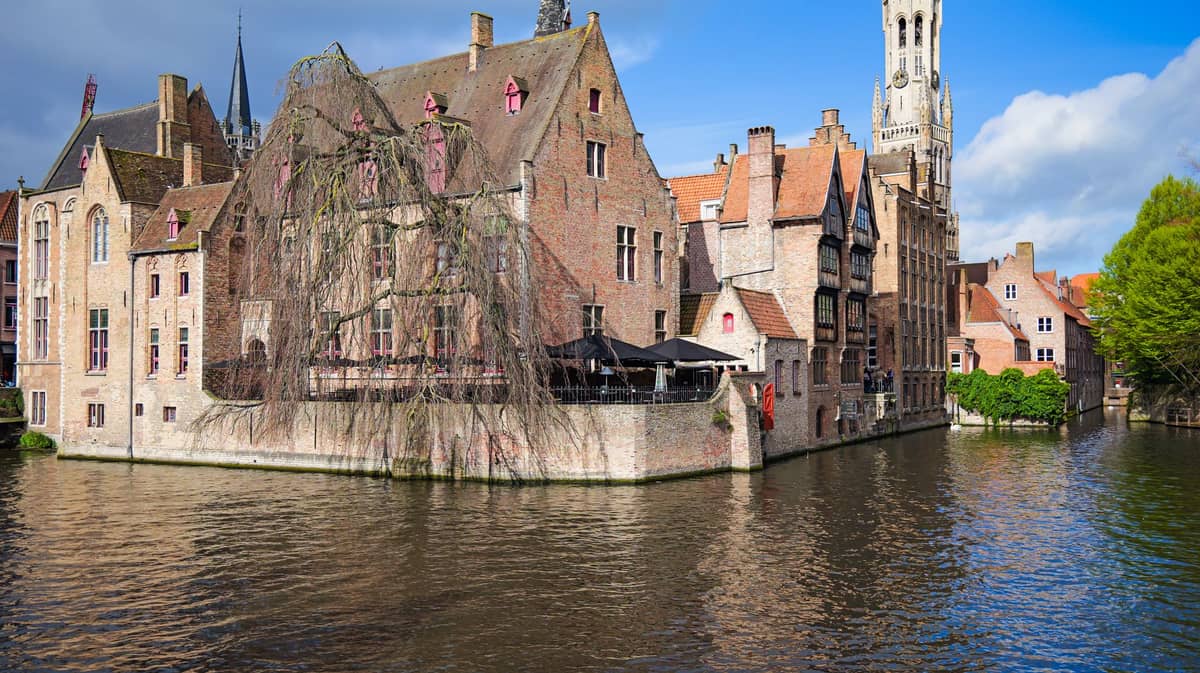
By mid-morning, head to Rozenhoedkaai — the canal bend just south of Burg Square that appears on most Bruges postcards. This is where the canal boat tour jetties are located. Adult fares are €15, with reduced rates for children aged 4–11 (€9) and groups of 20 or more adults (€12). Tours last around 30 minutes and run along the city's inner canal network. Boat operations are seasonal and weather-dependent, so check the official Visit Bruges page before planning around them. If you're visiting in the shoulder season (October–March), morning slots on weekdays tend to have the shortest waits. In July and August, queues at peak hours can be substantial.
⚠️ What to skip
Canal boat tours in Bruges do not run year-round. Off-season availability is limited and can be suspended entirely in bad weather. If a boat tour is a priority for your trip, plan it for Day 1 morning rather than leaving it to chance on Day 2.
After the boat tour, spend the afternoon at the Groeningemuseum on Dijver. This is the strongest reason to buy the Musea Brugge Card: the Groeninge holds one of Europe's finest collections of Flemish Primitive paintings, including Jan van Eyck's Madonna with Canon van der Paele (1436) and Hans Memling's Moreel Triptych. Plan at least 90 minutes here. The collection is compact but dense, and rushing through it is a waste. If Flemish art interests you, our guide to Flemish art in Bruges provides the historical context you need to get the most out of the visit.
End Day 1 in the Minnewater area. The walk south from Dijver along the canal takes about 15 minutes and passes some of the quieter stretches of water away from the central tourist circuit. The Begijnhof (Princely Beguinage Ten Wijngaarde), a UNESCO-listed walled community dating to 1245, is free to enter and most peaceful in the early evening when day visitors have left. The lake itself, the Minnewater, is a short walk further and makes for a straightforward, low-effort close to the first day.
Day 2: Museums, Neighbourhoods, and Local Life
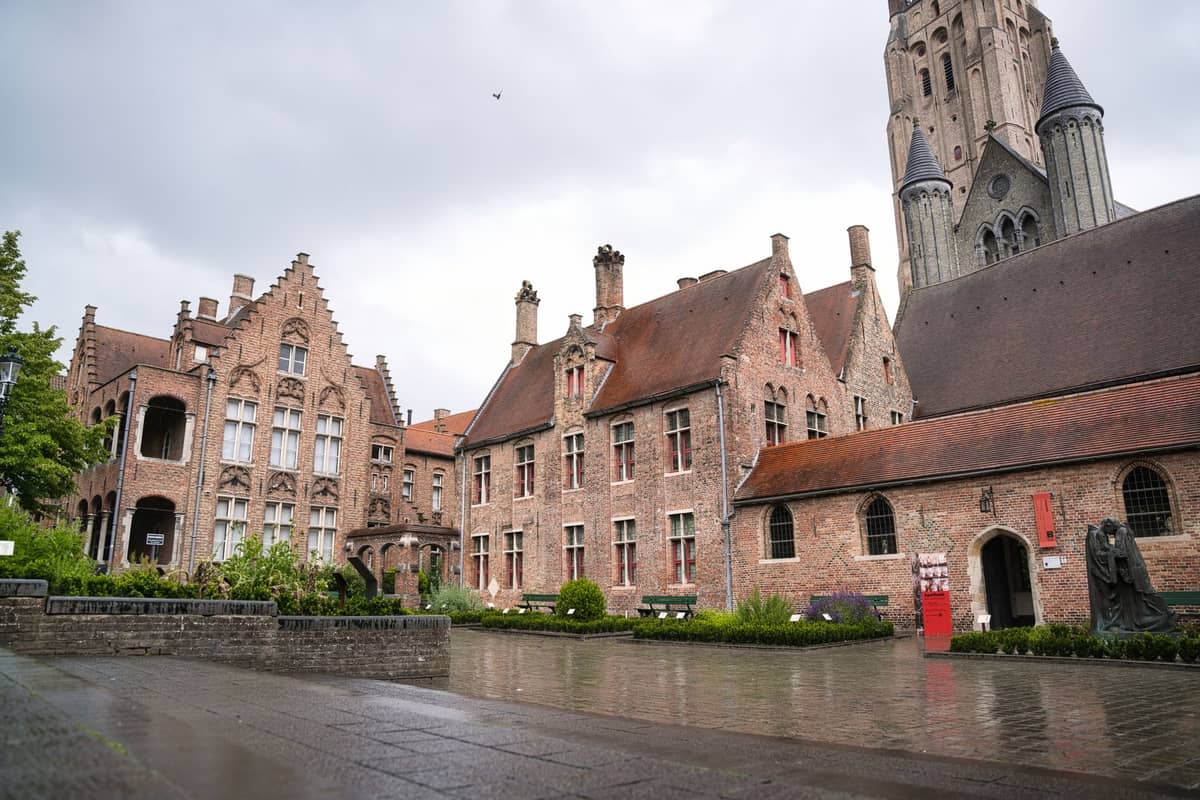
Day 2 works best as a slower, more exploratory day. Start at the Gruuthusemuseum, which reopened after extensive renovation and now ranks among Bruges's best-presented collections. The museum covers 500 years of domestic and civic life in Bruges through furniture, tapestries, musical instruments, and devotional objects, all inside the restored 15th-century palace of the lords of Gruuthuse. It is immediately adjacent to the Groeninge, making the two museums a natural morning combination if you missed either on Day 1.
From Gruuthuse, cross to the Onze-Lieve-Vrouwekerk (Church of Our Lady), which contains Michelangelo's Madonna and Child (1501-1502) — one of the only Michelangelo sculptures outside Italy and acquired by a Bruges merchant during the artist's lifetime. Entry to the church is free; the treasury with the sculpture and the ducal tombs of Charles the Bold and Mary of Burgundy requires a ticket (covered by the Musea Brugge Card).
For the afternoon, move to the less-visited Sint-Anna quarter northeast of the Markt. This residential neighbourhood has a noticeably different atmosphere from the central tourist zone: smaller almshouses, the Jerusalem Church (Jeruzalemkerk), and the Lace Centre (Kantcentrum) are all within a few minutes' walk of each other. The Kantcentrum gives a genuine look at Bruges's lace-making tradition, which remains a living craft here rather than purely a heritage exhibit. Live demonstrations run on weekday afternoons. If lace interests you as a souvenir or subject, the Bruges lace guide covers what to look for and where to buy authentic pieces.
Close Day 2 with a visit to the De Halve Maan Brewery on Walplein, a short walk from the Begijnhof. This is Bruges's only remaining city-centre brewery, operating since 1856 and still producing Brugse Zot and Straffe Hendrik under the same family. Guided tours run throughout the day and include a beer tasting; book ahead during summer weekends as tours fill up. For a broader look at Belgian beer culture in Bruges, the Bruges beer guide is worth reading before you go.
What to Eat Across Both Days
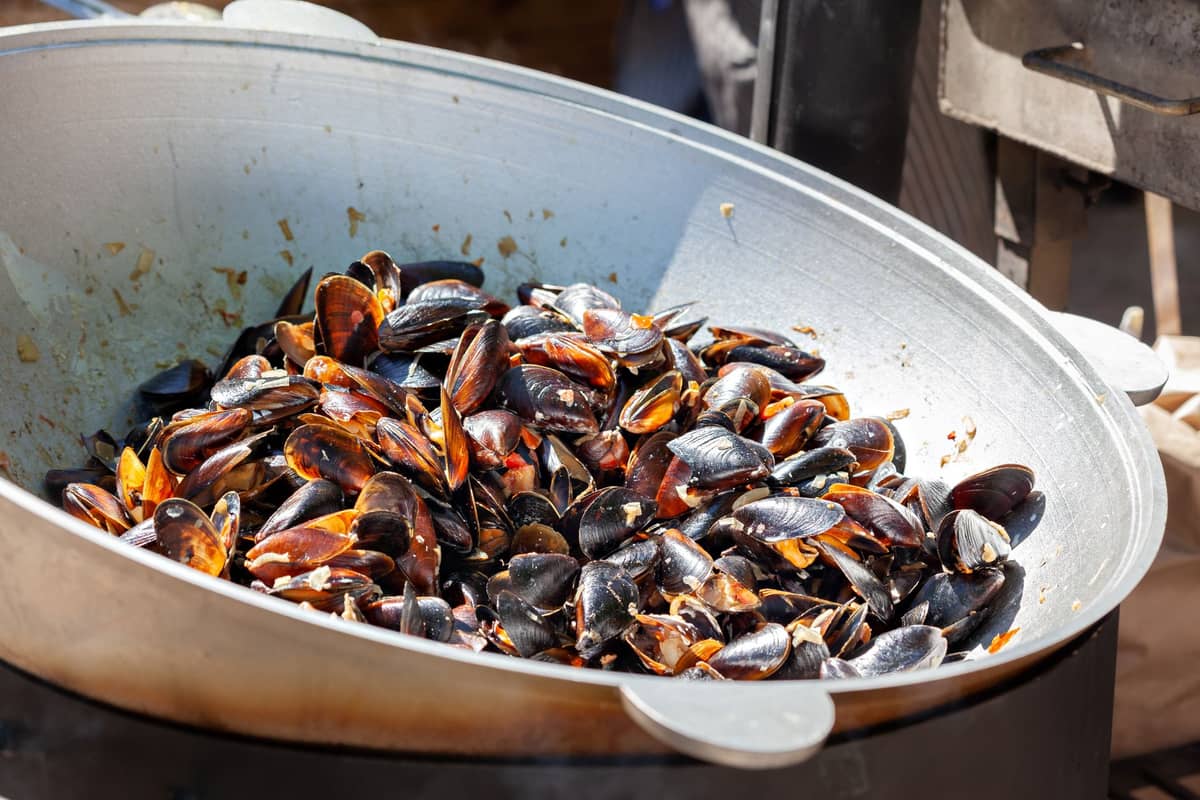
Bruges has a genuine food culture beneath the tourist-trap layer, but you have to know where to look. Avoid restaurants within 50 metres of the Markt and Rozenhoedkaai on principle — the markup is significant and quality is inconsistent. The streets around the Vismarkt (Fish Market) and the lanes around Walplein and Wijngaardstraat tend to have better value and more local clientele.
- Waffles Bruges waffles come in two types: the Brussels waffle (light, rectangular, meant to be eaten with toppings) and the denser Liège waffle (eaten plain, with caramelised sugar baked in). Street stalls near the Markt serve both, but quality varies. Look for stalls that make them fresh rather than keeping pre-made waffles under a heat lamp.
- Chocolate Bruges has over 50 chocolate shops in the historic centre. The distinction between Belgian praline chocolate (handmade, fresh, short shelf life) and mass-produced tourist chocolate matters a great deal to quality. Shops producing in-house with visible workshop areas are generally the better choice.
- Frites Belgian frites are double-fried in beef fat (traditionally) and served in a paper cone with your choice of sauce. The Frietmuseum on Vlamingstraat covers the full history, but for eating, a good frituur (frites stand) is a more practical option than a sit-down restaurant.
- Waterzooi A Flemish stew made with either fish or chicken in a cream and vegetable broth — the most representative local main course. Fish waterzooi is the older Bruges version (the city was historically a fishing port); chicken versions became common later when freshwater fish declined.
✨ Pro tip
For chocolate and waffles, read labels carefully. 'Belgian chocolate' on packaging means very little by itself — Belgian law requires a minimum cocoa butter content, but many tourist-facing shops use compound chocolate or import pre-made products. Shops affiliated with the Finest Belgian Chocolates charter or producing visibly on-site are the most reliable indicator of quality.
Crowd Patterns and the Best Times to Visit Each Sight
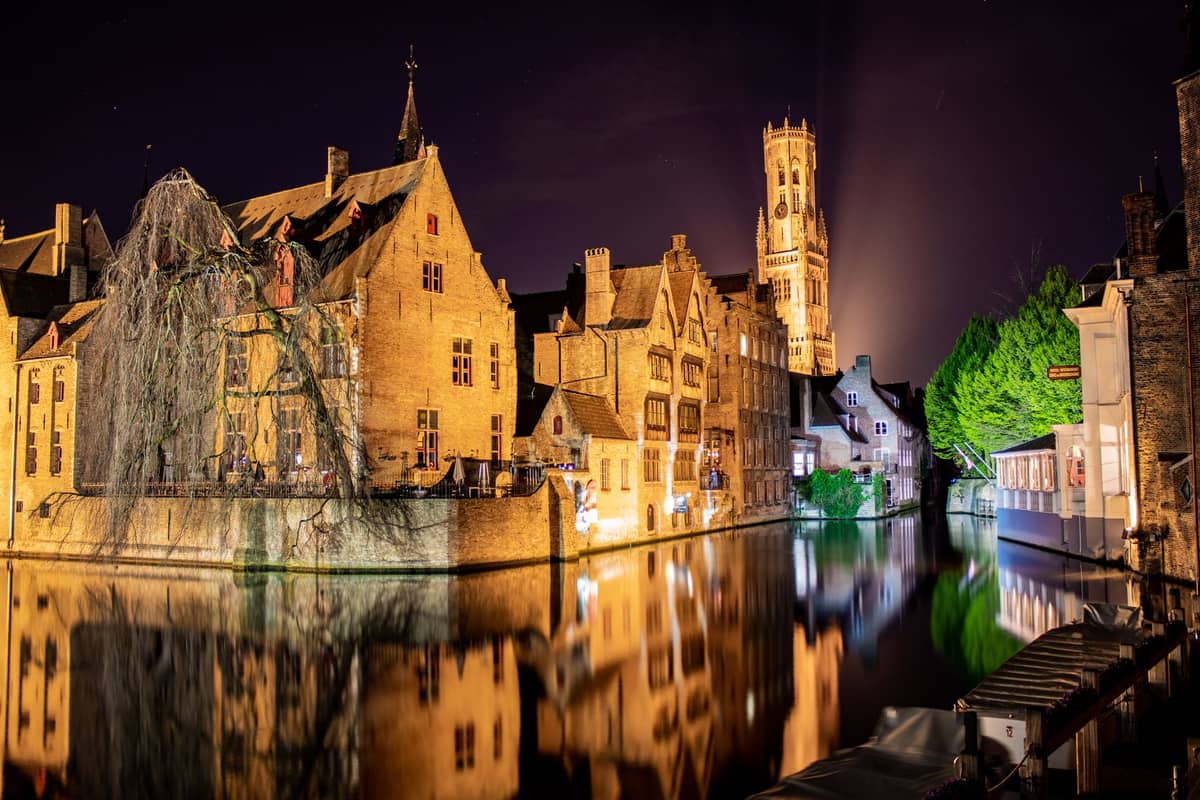
Bruges receives around 8 million visitors per year across a city of about 120,000 residents, which makes crowd management a genuine practical concern for a 2-day visit. The pattern is predictable: central sights (Markt, Rozenhoedkaai, Begijnhof) are quietest before 10:00 and after 17:00. Weekdays are noticeably calmer than weekends between April and October. The Christmas market period (late November through December) brings heavy crowds to the Markt but the rest of the city remains manageable.
The best months for a 2-day itinerary combining weather, crowd levels, and daylight hours are May, June, and September. July and August offer the most reliable weather (average highs around 22°C) but also the highest tourist density. Winter visits — particularly January and February — have genuine appeal: far fewer visitors, lower accommodation rates, atmospheric mist over the canals, and all the major museums open. The trade-off is short days (sunset around 17:00) and temperatures of roughly 2–7°C. For a full breakdown of the tradeoffs by month, the best time to visit Bruges guide covers seasonal patterns in detail.
- Belfry: Go first thing in the morning (09:00 opening) to avoid queues. Midday waits in summer can exceed 30 minutes.
- Groeningemuseum: Mornings on weekdays are consistently quiet. Avoid Saturday afternoons.
- Begijnhof: Most peaceful after 17:00 when day-trippers have left and the afternoon light is flattering.
- Canal boats: Early morning on weekdays gives the shortest waits. Avoid 13:00–15:00 on weekends in summer.
- De Halve Maan Brewery tours: Book online in advance for weekend visits — tours fill quickly between May and September.
Frequently Asked Questions
FAQ
Is 2 days enough for Bruges?
Yes, 2 days is enough to see the main historic sights, do a canal boat tour, visit one or two major museums, and explore the quieter neighbourhoods. Bruges's historic centre is compact — under 2 km across — so you won't waste time in transit. If you want to add day trips to Ghent or the Belgian coast, you'd need at least a third day.
Is the Musea Brugge Card worth buying for a 2-day visit?
For most adult visitors, yes. At €49 for a 72-hour card, you recover the cost quickly: the Belfry alone is around €15, the Groeningemuseum around €15, and the Stadhuis around €8 individually. If you visit three or more of the 12 included sites, the card pays off. Note that it does not cover public transport, and children under 13 typically enter museums free without needing a card. Always confirm current pricing at museabrugge.be before purchasing.
How do I get from Brussels Airport to Bruges?
Take the train from Brussels Airport railway station (directly under the terminal) to Brussels-Midi, then transfer to an intercity train to Bruges. The total journey takes around 1.5 hours. Second-class fares run roughly €20–€30 one way, though prices vary by time and booking. Belgian Railways (NMBS/SNCB) timetables and current fares are at belgiantrain.be.
Can you visit Bruges without a car?
Easily. Bruges is one of the most car-unfriendly city centres in Belgium by design — the historic core is largely pedestrianised, and most hotels discourage or prohibit guests from driving in. Trains from Brussels, Ghent, and other Belgian cities are frequent. Once you're in the centre, everything on a 2-day itinerary is walkable.
What should I skip on a 2-day Bruges itinerary?
The Historium on Markt Square is a slickly produced but shallow experience aimed primarily at first-time visitors with limited time — if you're reading a detailed itinerary guide, you'll get more from the Groeningemuseum. The horse-drawn carriage rides from the Markt are expensive (around €60 for a 35-minute tour) and controversial for animal welfare reasons. Restaurant terraces directly on the Markt are convenient but overpriced relative to comparable options two streets away.