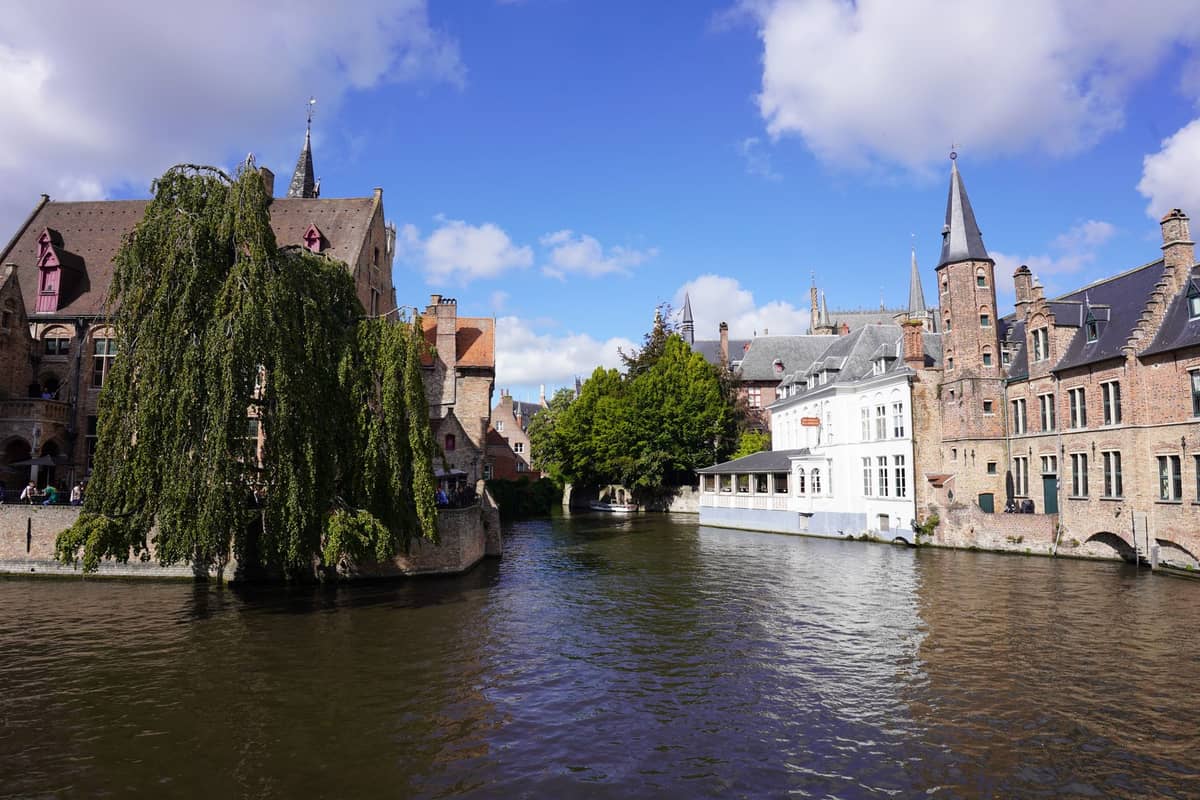
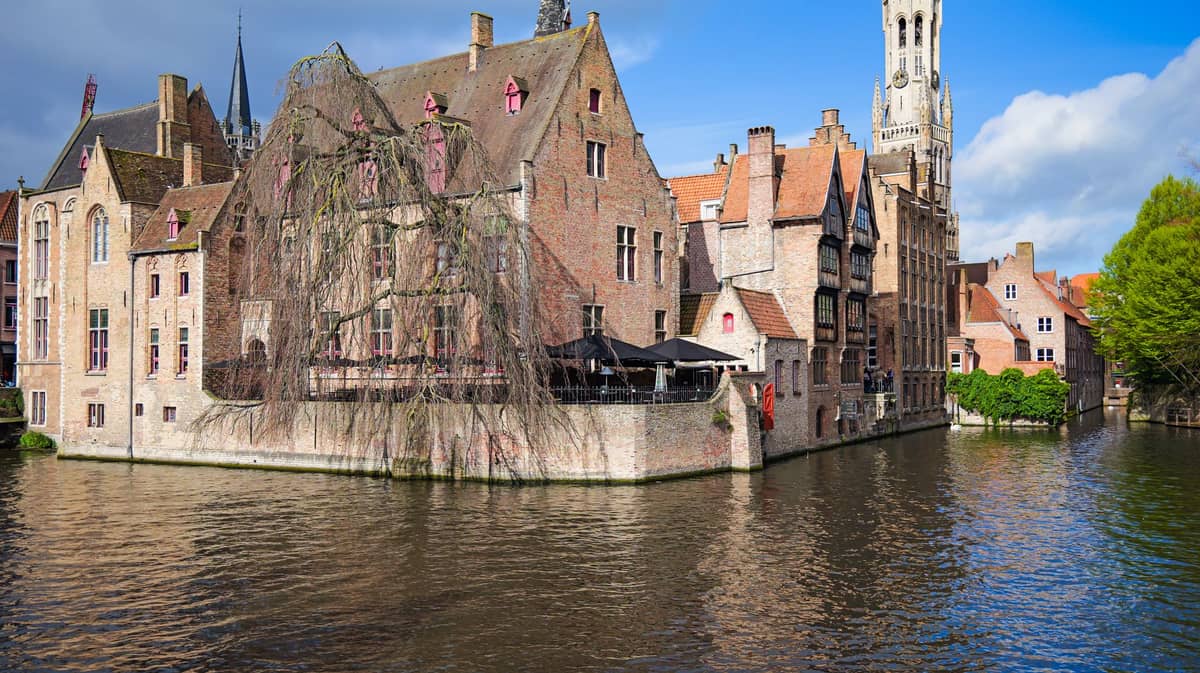
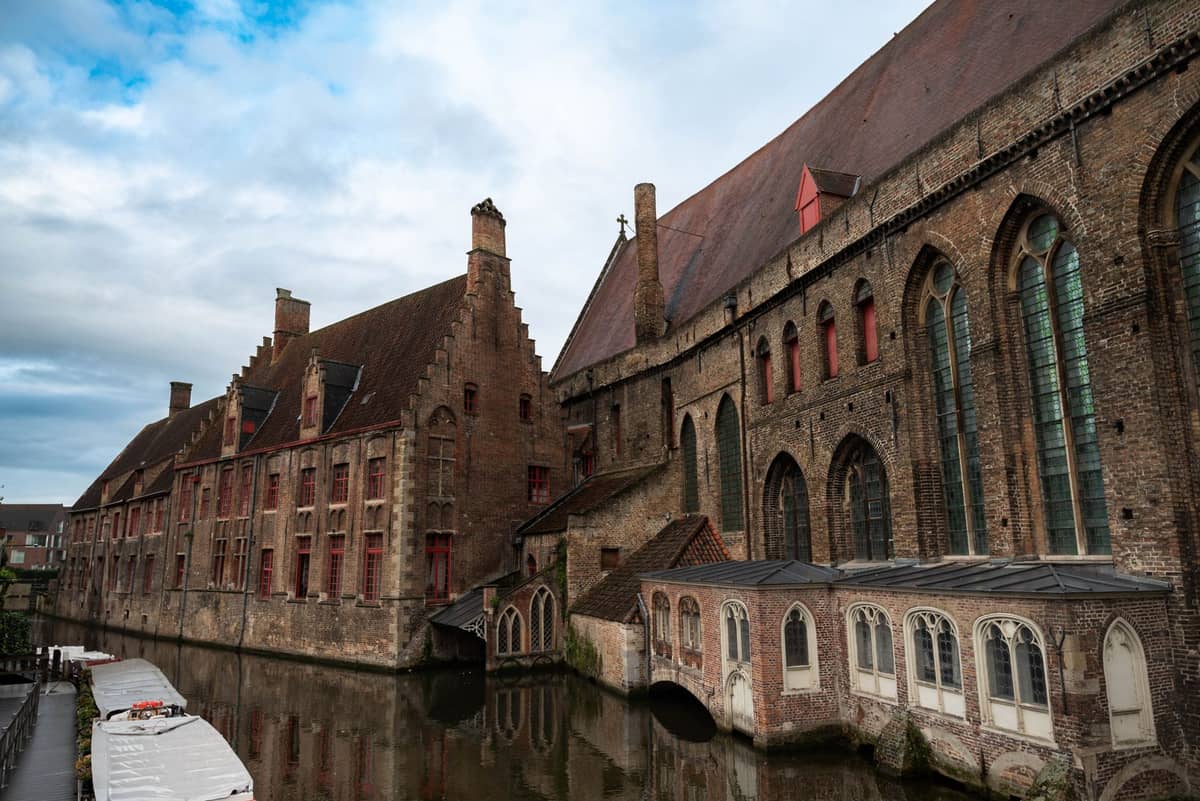
The Dijver Canal Quarter runs along the most photographed stretch of Bruges' inner waterway, linking the city's greatest museums with its most recognizable canal views. Lined with medieval gabled facades and weeping willows that trail into the water, this is where Bruges' historic identity is at its most concentrated.
The Dijver Canal Quarter is the cultural and scenic core of Bruges (Dutch: Brugge), where the city's finest museums sit side by side along a willow-shaded waterway and every turn reveals another medieval gable reflected in still water. This is not a peripheral neighborhood you might stumble across: it is the reason most visitors come to Bruges in the first place.
Orientation
The Dijver Canal Quarter occupies the southern half of Bruges' historic centre, anchored by the Dijver, a broad canal that runs roughly east to west through the city's oldest urban fabric. To orient yourself quickly: the Markt with its famous belfry tower sits to the north, Burg Square lies just northeast, and the canal curves southward toward the Minnewater and the Begijnhof. The Dijver itself is a quayside road that runs alongside the water, and the neighborhood radiates outward from it in both directions.
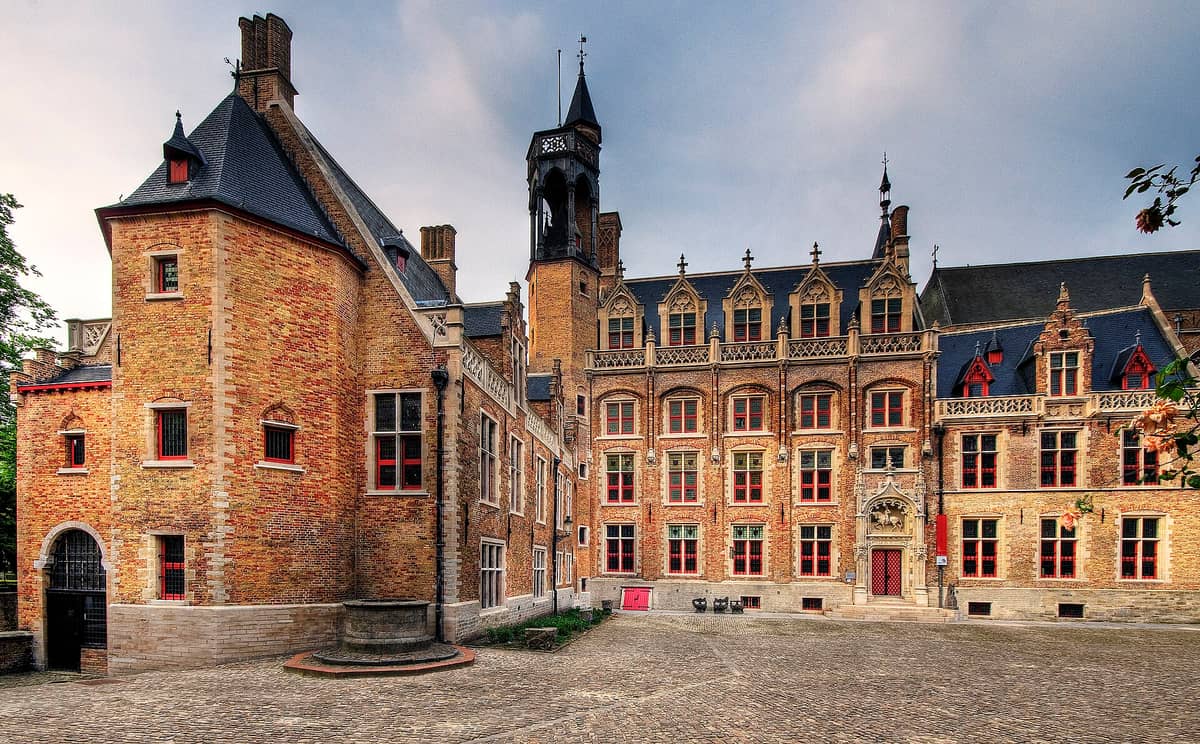
On the north bank of the Dijver canal, you find the Groeningemuseum and Gruuthusemuseum standing next to each other in a compact museum cluster that has no equivalent elsewhere in the city. Walk east along the quay and you arrive at the Rozenhoedkaai (Rosary Quay), consistently cited as the most-photographed viewpoint in Bruges. From there, Burg Square is barely three minutes on foot, and the Markt is five minutes further. Walk west and the streets open toward Sint-Salvatorskathedraal and eventually the broader 't Zand square and surroundings.
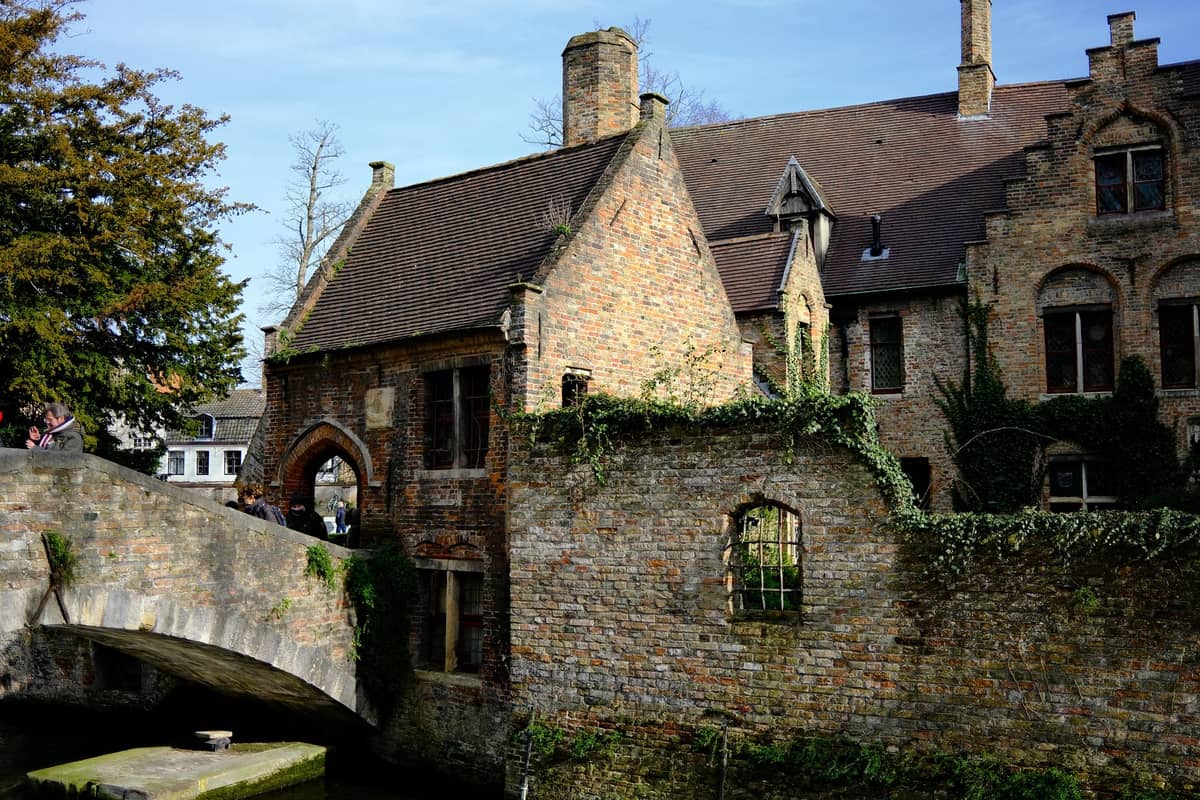
The southern boundary is less defined but is generally understood to reach the Onze-Lieve-Vrouwekerk (Church of Our Lady) and the Arentshof garden that stretches behind it toward the Bonifaciusbrug footbridge. Beyond that, the character softens into the quieter residential canal streets that lead toward the Minnewater lake. The Dijver Canal Quarter is genuinely compact: you can walk from its eastern edge at Rozenhoedkaai to its western edge near Sint-Salvatorskathedraal in under ten minutes.
ℹ️ Good to know
The nearest bus stop is Brugge Dijver (stop code 502817), served by De Lijn city buses. The nearest railway station is Station Brugge, approximately 1.5 km to the southwest, reachable on foot in around 18-20 minutes or by bus.
Character and Atmosphere
Mornings along the Dijver are genuinely quiet. Before 9am, the only sounds are the low drone of the canal boats being prepared for the day and the occasional bicycle bell as locals cut through on their commute. The light at this hour is especially useful to understand why painters have been drawn to this stretch for centuries: it comes in low and sideways off the water, catching the brickwork of the gabled houses in a warm ochre-grey that no photograph quite manages to reproduce.
By mid-morning, tour groups begin arriving, and the Dijver quayside becomes one of the more crowded pedestrian corridors in the city. The canal boat boarding points draw queues, and the street between the Groeningemuseum and the Onze-Lieve-Vrouwekerk can feel narrow when a coach group and a wave of independent walkers converge simultaneously. This is not a neighborhood that offers the illusion of solitude during the tourist season, roughly April through October.
Afternoons, particularly between 2pm and 4pm in summer, represent peak pressure. The Rozenhoedkaai viewpoint becomes a parade of photographers, and the steps leading down to the canal are occupied almost continuously. If you want the canal views without the crowds, the early morning is your only realistic window. Alternatively, visit in late October or the winter months, when the willows lose their leaves and the stone quaysides take on a more austere, melancholic quality that many visitors find even more compelling.
Evenings transform the quarter again. The tour groups leave, restaurants along the surrounding streets fill up, and the canal reflections take on the amber of street lamps and restaurant windows. The Dijver itself has no significant bar or nightlife scene: this is a neighborhood that goes quiet after 10pm, which makes it one of the more peaceful places to stay in Bruges if an early morning walk along empty quaysides appeals to you.
💡 Local tip
For the Rozenhoedkaai without crowds, arrive before 8am in summer or any morning in winter. The light is better anyway, and you may have the viewpoint entirely to yourself.
What to See and Do
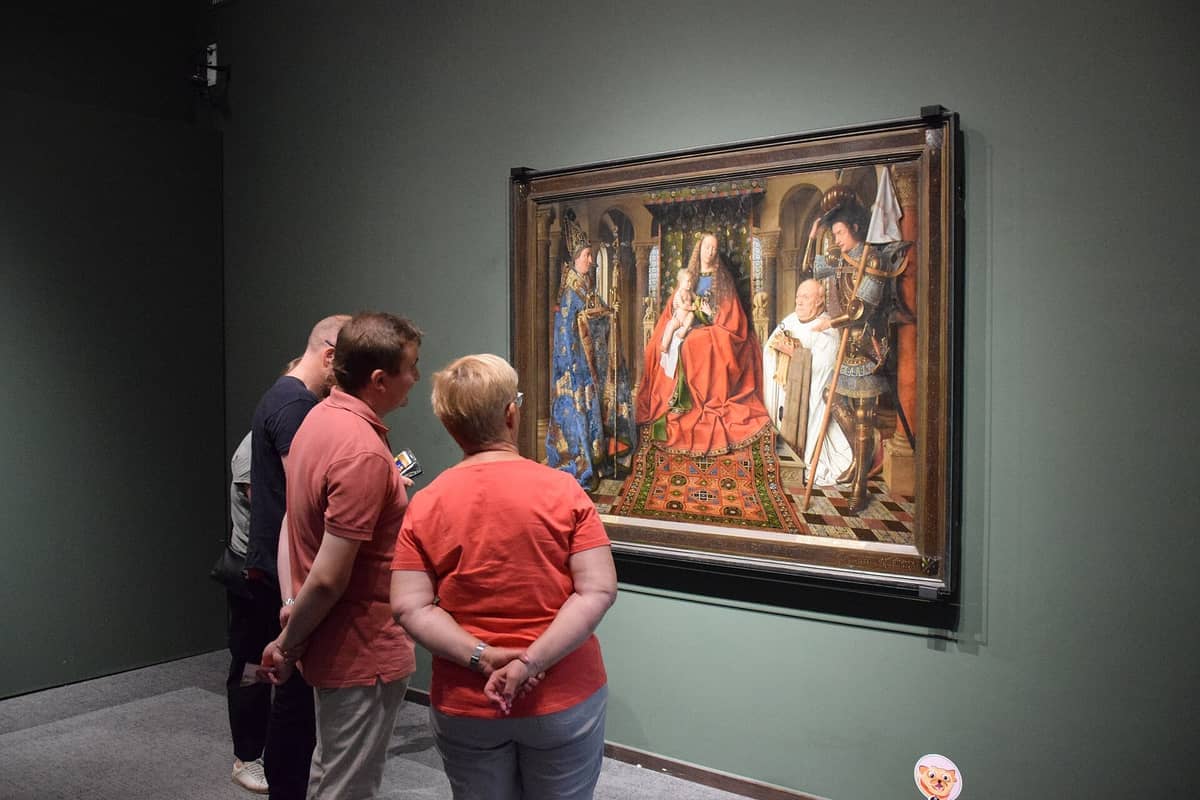
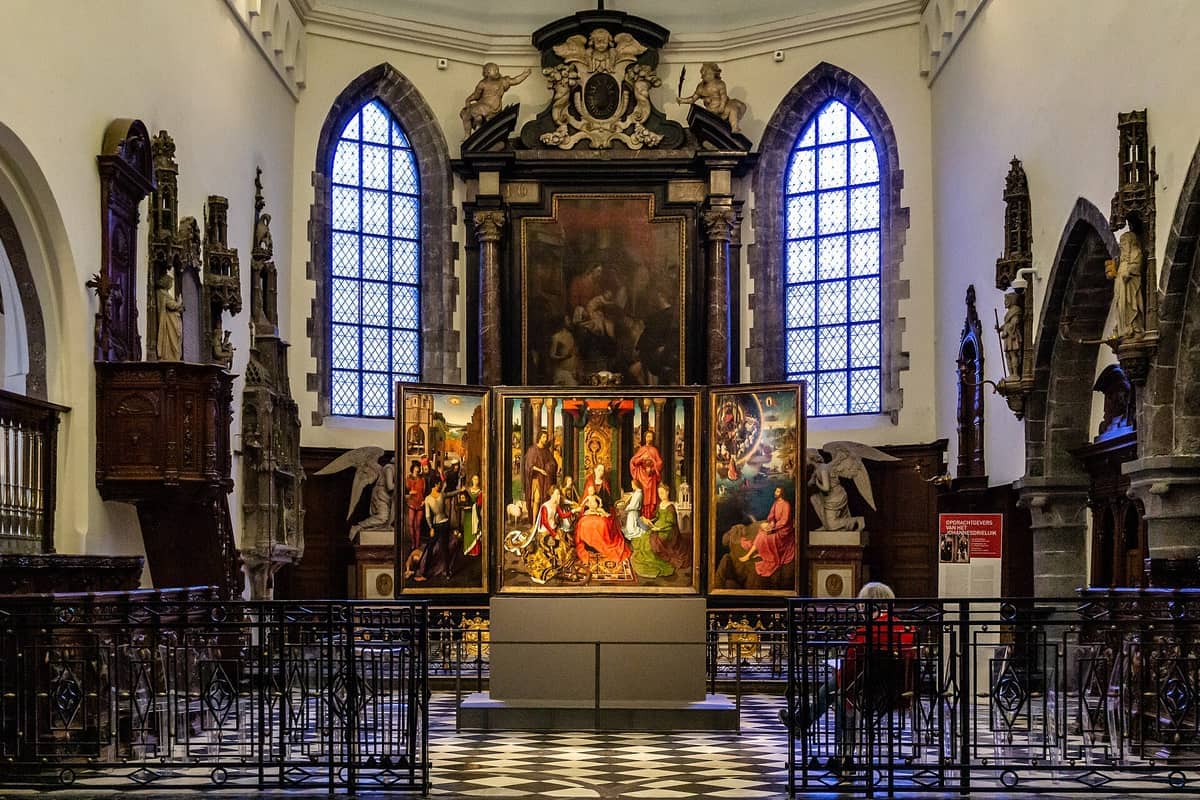
The Dijver Canal Quarter contains the densest concentration of world-class cultural attractions in Bruges. The Groeningemuseum on Dijver 12 holds the city's most important fine art collection, including the famous Flemish Primitive panels by Jan van Eyck and Hans Memling that put Bruges on the map of art history. The Gruuthusemuseum, housed in a 15th-century aristocratic mansion immediately adjacent, covers applied arts and decorative objects from across several centuries of Bruges history. Both museums share a garden courtyard and are practically adjacent, meaning you can visit both on the same morning without backtracking.
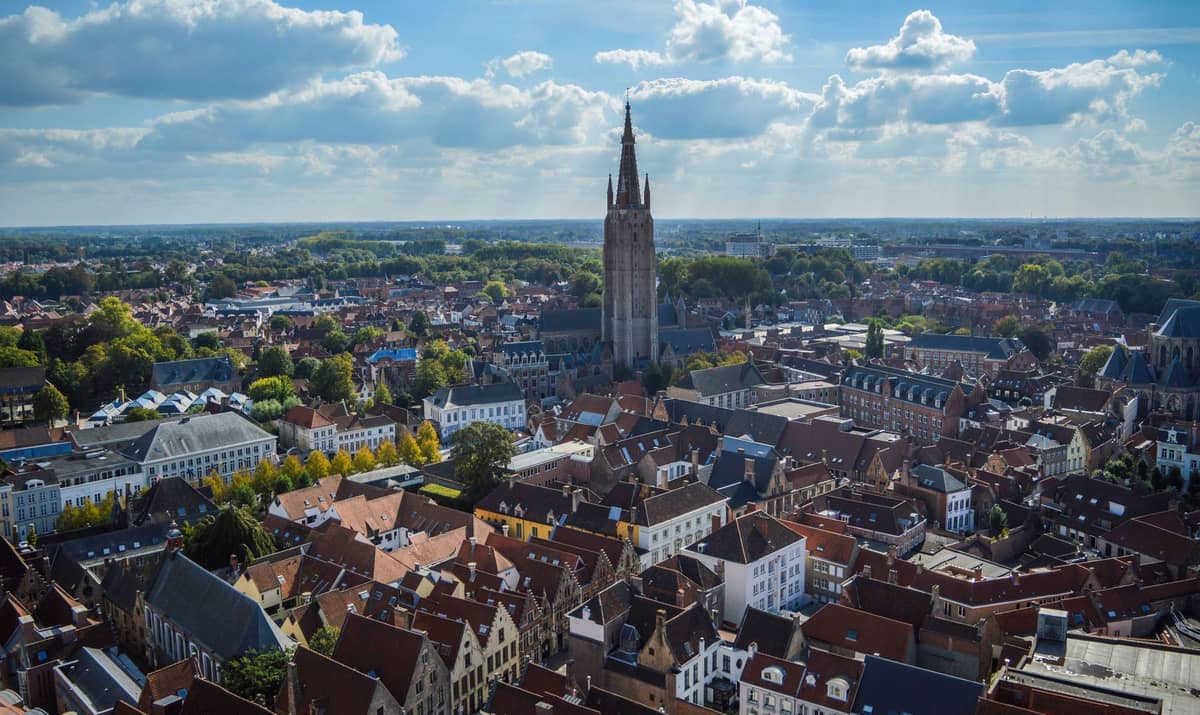
The Church of Our Lady (Onze-Lieve-Vrouwekerk) stands at the southern end of the museum cluster, its brick tower rising to about 115 metres and dominating the skyline above the canal. Inside, Michelangelo's marble Madonna and Child is the single most significant sculpture in Belgium, and arguably the most important Renaissance artwork outside Italy. The church is free to enter the nave; the museum section, which includes the ducal tombs of Charles the Bold and Mary of Burgundy, charges a small admission fee.
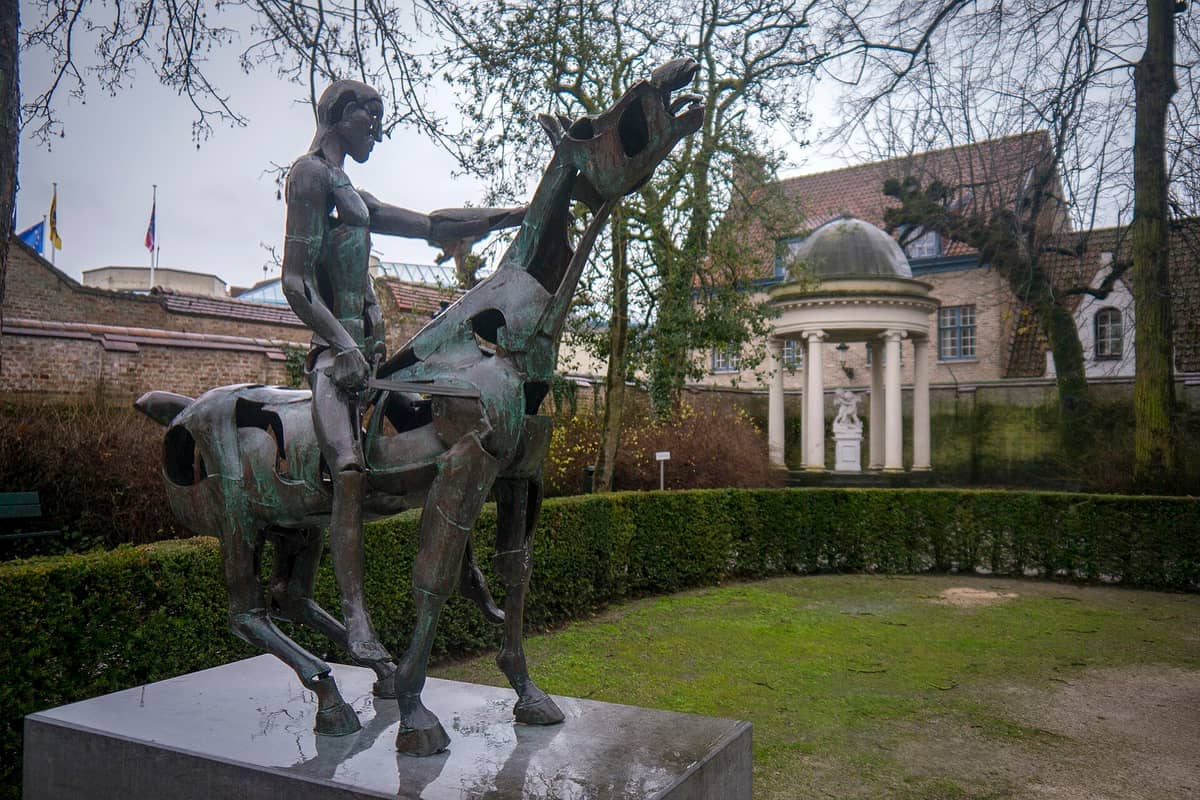
Just east of the church, a narrow footbridge crosses a small side canal into the Arentshof garden, a small public garden that contains several sculptural works and offers one of the quieter green spaces in the historic centre. From the garden you can also see the Bonifaciusbrug, a small stone footbridge that is often cited as one of the most romantic spots in Bruges and is photographed almost as obsessively as Rozenhoedkaai.
Canal boat tours depart from several boarding points along the Dijver quay, making this the practical starting point for anyone wanting to see Bruges from the water. The boats are small open vessels that pass under low bridges and through canal sections inaccessible on foot, giving a genuinely different perspective on the city's medieval water infrastructure. Tours run approximately 30 minutes and operate from early March through October on a guaranteed basis, with at least one operator running in the winter months on a rotating schedule, weather permitting.
Groeningemuseum: Flemish Primitive masterworks including Jan van Eyck's Madonna with Canon van der Paele
Gruuthusemuseum: decorative arts and city history in a restored 15th-century palace
Onze-Lieve-Vrouwekerk: Michelangelo's Madonna and Child, ducal tombs of Burgundy
Rozenhoedkaai: the classic canal viewpoint, best before 9am
Bonifaciusbrug and Arentshof garden: quieter medieval atmosphere south of the main museums
Dijver canal boat tours: departing from the quayside March through November
If you want to understand the full depth of Bruges' art history, the guide to Flemish art in Bruges puts the Groeningemuseum's collection in context. For a broader itinerary that makes the most of this quarter alongside the rest of the city, the one-day Bruges itinerary routes through the Dijver as its cultural centrepiece.
Eating and Drinking
The Dijver Canal Quarter is not primarily a dining neighbourhood in its own right. The quayside itself and the streets immediately flanking it are dominated by cultural institutions and private residences rather than restaurants. However, the area is surrounded on all sides by Bruges' main eating and drinking zones, and the walk from the Groeningemuseum to a good table is never more than five minutes.
Along the streets running north from Dijver toward the Markt, particularly Steenstraat and the lanes around Walplein, you find a range of restaurants covering the full spectrum from tourist-oriented Belgian staples (mussels, carbonade flamande, frites) to more considered contemporary cooking. The Walplein area specifically, which is also home to the De Halve Maan brewery, has a cluster of cafes and brasseries with outdoor seating that fills up at lunch.
For a break during a museum morning, several cafes operate within or adjacent to the museum buildings themselves. The Gruuthusemuseum, following its major renovation, has interior spaces that double as dining areas. The De Halve Maan brewery is a ten-minute walk south and offers its own brewpub lunch menu alongside tours of the working brewery. Bruges' last historic family brewery still operating within the city walls, it produces the Brugse Zot and Straffe Hendrik beers you will see on tap throughout the neighbourhood.
⚠️ What to skip
Restaurants directly on the Dijver quay and immediately around Rozenhoedkaai tend to charge a premium for the view. The food quality does not always match the price. Walking one or two streets back from the water typically improves both value and cooking.
Chocolate shops are scattered throughout the quarter, as they are across the entire historic centre. If you want to understand the craft behind Bruges' reputation for chocolate rather than just buying from the nearest display window, the Bruges chocolate guide explains what distinguishes the serious producers from the souvenir shops.
Getting There and Around
The most practical way to arrive at the Dijver Canal Quarter from outside the city is by train to Station Brugge, the main railway station, which sits about 1.5 km to the southwest. From Brussels Midi (Brussels-Zuid), direct intercity trains run frequently throughout the day, with a journey time of roughly one hour. From Brussels Airport (BRU), the route typically requires one change at Brussels-Central or Brussels-Midi, with total travel time around 1 hour 45 minutes. Ostend-Bruges Airport (OST), about 25–30 km away, has bus connections to Ostend railway station and then onward trains to Bruges.
From Station Brugge, you can walk to the Dijver in around 18 to 20 minutes, following a well-signposted pedestrian route through the southern part of the historic centre. Alternatively, De Lijn city buses serve the Brugge Dijver stop (code 502817) on several routes from the station. A single De Lijn ticket costs approximately €3, though fares are subject to revision and should be confirmed on the De Lijn website before travel.
Once you are in the quarter, the area is entirely walkable. Cycling is possible and widely practised in Bruges as a whole, but the Dijver quayside and the streets around the church and museums can become congested with pedestrians during peak hours, making cycling less comfortable in the middle of the day. For a broader understanding of getting around the whole city, the guide to getting to and around Bruges covers all transport options in detail, including cycling routes.
ℹ️ Good to know
Bruges does not have an underground or metro system. Public transport within the city is bus-based, but the historic centre is small enough that walking is the default for most visitors. Taxis operate from the station and from ranks near the Markt.
Where to Stay
The Dijver Canal Quarter and its immediate surroundings offer some of the most sought-after accommodation addresses in Bruges, particularly for travellers who want to step out of their door directly into the medieval cityscape. Small boutique hotels and canal-side guesthouses occupy converted historic buildings along and near the Dijver, Groeninge, and the streets between the museums and the church.
The trade-off for this central position is price and noise management. Hotels with direct canal views command a significant premium over comparable rooms elsewhere in the city. And while the Dijver itself is quiet at night, the proximity to the Markt and Burg means that summer weekends can bring some pedestrian noise. For a full comparison of accommodation options across the different parts of Bruges, the where to stay in Bruges guide sets out the relative merits of each area.
This quarter suits travellers who are primarily here for the museums, the canal atmosphere, and the architecture, and who want to walk to everything without needing to think about transport. It is less suited to travellers on a tight budget, those looking for a lively bar scene, or families who need significant space. For romance-focused trips, a canal-view room in this quarter is about as close as Bruges gets to the ideal.
Who This Neighbourhood Is For
The Dijver Canal Quarter is the historic and cultural nucleus of Bruges, and it earns that status. The quality of what is concentrated here, the Flemish Primitive paintings, the medieval church architecture, the canal infrastructure that shaped Northern European trade, is exceptional by any measure. For a first visit to Bruges, this is where you need to spend time.
The honest caveat is that the quarter is also the most visited part of an already heavily-visited city. At peak times it functions less like a neighbourhood and more like an open-air museum circuit, with the canal boat queues, tour group commentary, and souvenir retail that implies. Travellers who are sensitive to crowds should plan their timing carefully and consider whether basing themselves here is worth the premium, given that the whole historic centre is walkable from anywhere within it.
For context on whether Bruges as a whole suits your travel style, the piece on whether Bruges is worth visiting addresses the city's strengths and limitations honestly. And if you are planning a winter trip, when the Dijver quarter genuinely does feel less crowded and more atmospheric, the guide to Bruges in winter is worth reading before you book.
TL;DR
The Dijver Canal Quarter is the museum and waterfront core of Bruges, containing the Groeningemuseum, Gruuthusemuseum, Onze-Lieve-Vrouwekerk, Rozenhoedkaai, and the main canal boat departure points within a ten-minute walk of each other.
It is the most visited area of an already popular city: expect crowds from mid-morning through late afternoon between April and October, with early mornings offering the only real quiet.
Best suited to: art history enthusiasts, first-time visitors to Bruges, couples looking for a romantic canal-side base, and anyone prioritising walkability to major attractions.
Less suited to: budget travellers (accommodation and some restaurants carry a significant view premium), visitors seeking a lively evening atmosphere, or those looking for local daily life away from tourism.
The quarter is fully walkable from Station Brugge in around 15–20 minutes; the Brugge Dijver bus stop (De Lijn, code 502817) offers a quicker connection on multiple routes.
Two days is enough time to cover Bruges properly if you plan well. This itinerary walks you through the city's best sights, neighbourhoods, and experiences in a logical order, with a clear take on what to skip, what to prioritise, and how to avoid the worst of the crowds.
Bruges packs an unusually strong museum scene for a city of its size. From world-class Flemish Primitive paintings at the Groeninge to medieval hospital complexes, immersive history attractions, and specialist museums dedicated to lace, beer, and Belgian fries, the city rewards curious visitors at every turn.
Bruges (Brugge) rewards visitors in every season, but timing your trip well makes a real difference. This guide breaks down weather, crowds, prices, and key events month by month so you can decide when to go based on what actually matters to you.
Bruges (Dutch: Brugge) is a serious beer destination for a city of its size. This guide covers the city's working breweries, museum-style experiences, guided tasting walks, and the bars worth your time, with current pricing, opening hours, and practical advice to help you drink well without wasting money.
Bruges is one of Europe's most photogenic canal cities, and a boat ride through its medieval waterways is one of the best ways to take it all in. This guide covers prices, schedules, the best time to go, what the tour actually involves, and how to avoid the longest queues.
Bruges is one of Europe's most serious chocolate cities, with dozens of artisan chocolatiers, a dedicated chocolate museum, and guided tasting tours winding through the medieval centre. This guide covers everything: Choco-Story ticket prices, the best chocolate walks, how to tell craft shops from tourist traps, and the smartest way to plan your visit.
The Bruges Christmas market is part of the city-wide Winter Glow festival, running from late November through early January across multiple locations in the medieval centre. This guide covers every location, practical logistics, ice skating prices, the free light trail, and the best strategies for making the most of a winter visit to Bruges (Brugge), Belgium.
Bruges preserves some of the finest Gothic architecture in northern Europe, from the soaring Belfry on the Markt to the ornate City Hall on Burg Square. This guide covers every major site, explains what makes each one architecturally significant, and gives you the practical details to plan a focused visit.
Bruges rewards those who wander off the main squares. From a family-built replica of a Jerusalem church to almshouse courtyards that feel frozen in the 17th century, these are the places that reveal a quieter, deeper side of the city.
Bruges in winter is a different city entirely. Crowds thin out, the medieval canals take on a quiet atmosphere, and the city's official Winter Glow program transforms the historic centre from late November through February. This guide covers what's on, what's closed, how to get around, and what most visitors get wrong.
Bruges has been synonymous with handmade bobbin lace for centuries. This guide covers the craft's history, where to watch it being made at the Kantcentrum, how to shop for authentic pieces, and what to skip.
Bruges (Dutch: Brugge) has a reputation as a pricey destination, but the reality is more forgiving. Most iconic sights cost nothing, public transport is straightforward, and a single pass covers nearly every major museum. This guide breaks down exactly what things cost, what's genuinely free, and where it's worth spending a little more.
Bruges is one of Europe's most complete medieval cities, and a single day is enough to see its best. This itinerary gives you a logical, time-aware route through the Markt, the canals, the Belfry, and the quieter corners most visitors miss, with real prices and straightforward planning notes throughout.
From the Saturday market at 't Zand to the weekend antique market along the Dijver canal, Bruges rewards shoppers who know where to look. This guide covers the best shopping streets, market schedules, local specialities, and a clear take on what to buy and what to skip.
Not all Belgian waffles in Bruges are created equal. This guide breaks down the two main styles, names the best spots in the city centre, gives real prices, and tells you which tourist-facing counters to skip.
Bruges (Brugge) packs its most spectacular medieval architecture into a walkable 3–4km historic core. This guide covers the classic self-guided loop from the Markt to Minnewater, with practical notes on timings, entrance fees, crowd patterns, and how to adapt the route for your pace.
Bruges (Brugge) is one of Belgium's most rewarding destinations for families. Compact, walkable, and packed with hands-on museums, canal-side exploration, and chocolate around every corner, the medieval city offers real substance for children and parents alike. This guide covers the best kid-friendly attractions, practical logistics, seasonal timing, and a clear take on where the city delivers and where it falls short for families.
Bruges is one of the most cycle-friendly cities in Europe, with a flat historic centre, expanding bike-priority zones, and nearly 930 km of marked routes in the surrounding Brugse Ommeland. This guide covers rental options and prices, the numbered node network, traffic rules, seasonal considerations, and the best routes for day trips beyond the city walls.
Bruges sits at the center of one of Europe's most connected rail networks. From medieval Ghent to the Belgian coast, these are the best day trips from Bruges, with real train times, honest crowd advice, and exactly what to do when you get there.
Bruges holds one of the world's great concentrations of Flemish Primitive painting. This guide covers the three essential venues, what to look for in each, practical logistics, and how to avoid the most common planning mistakes.
Bruges is one of Europe's most photogenic cities, and a surprising amount of it costs nothing to enjoy. From iconic canal viewpoints and medieval squares to peaceful beguinage courtyards and rampart windmills, this guide covers the best free experiences the city has to offer.
Whether you're arriving by train from Brussels, flying into one of Belgium's two main airports, or planning to cycle the medieval streets, this guide covers every practical transport option for reaching Bruges and navigating the city. Includes real fares, parking rates, and local tips.
Bruges (Dutch: Brugge) is one of Europe's most photographed medieval cities, but does it live up to the hype? This guide cuts through the postcard image to tell you exactly what the city delivers, who it suits best, and how to get the most out of a visit.
Bruges (Dutch: Brugge) is one of Europe's most atmospheric cities for couples, with medieval canals, Gothic architecture, world-class chocolate, and a walkable historic centre that rewards slow exploration. This guide covers the best romantic experiences, practical logistics, and straightforward notes on when to visit and what to skip.
Bruges (Brugge) is a UNESCO World Heritage city in northwest Belgium packed with medieval architecture, Flemish masterpieces, canal tours, and craft beer culture. This guide covers the best things to do in Bruges, with real prices, seasonal tips, and honest takes on what's worth your time.
Bruges is one of Europe's great food cities in miniature. This guide covers everything worth eating, from street-food fries to moules-frites season, plus clear notes on avoiding tourist-trap versions of Belgian classics.
Bruges offers accommodation ranging from canal-side boutique hotels to budget hostels and rural B&Bs. This guide breaks down the best areas to stay, what to expect at each price point, and the practical details most booking sites leave out.