Bruges Chocolate: The Complete Guide to Shops, Tours & the Museum
Bruges is one of Europe's most serious chocolate cities, with dozens of artisan chocolatiers, a dedicated chocolate museum, and guided tasting tours winding through the medieval centre. This guide covers everything: Choco-Story ticket prices, the best chocolate walks, how to tell craft shops from tourist traps, and the smartest way to plan your visit.
Plan and book this trip
Tools from our partner Travelpayouts help you compare flights and hotels. If you book through them, we may earn a commission at no extra cost to you.
Flights
Hotels map
TL;DR
- Bruges chocolate culture runs deep: the city has a dense concentration of artisan chocolatiers, most within walking distance of the historic centre.
- Choco-Story Bruges (Wijnzakstraat 2) is the dedicated chocolate museum, open daily 10:00–18:00, with adult tickets at €16 — or free with the Bruges E-Pass (from €49).
- Chocolate walks combining city history and tastings at top shops run around €19–€55 depending on length and operator.
- Not all shops are equal: some sell mass-produced Belgian chocolate in artisan-looking packaging. This guide tells you which signs to look for.
- For a full picture of eating and drinking in Bruges, pair this guide with the complete Bruges food guide.
Why Bruges Became Belgium's Chocolate Capital
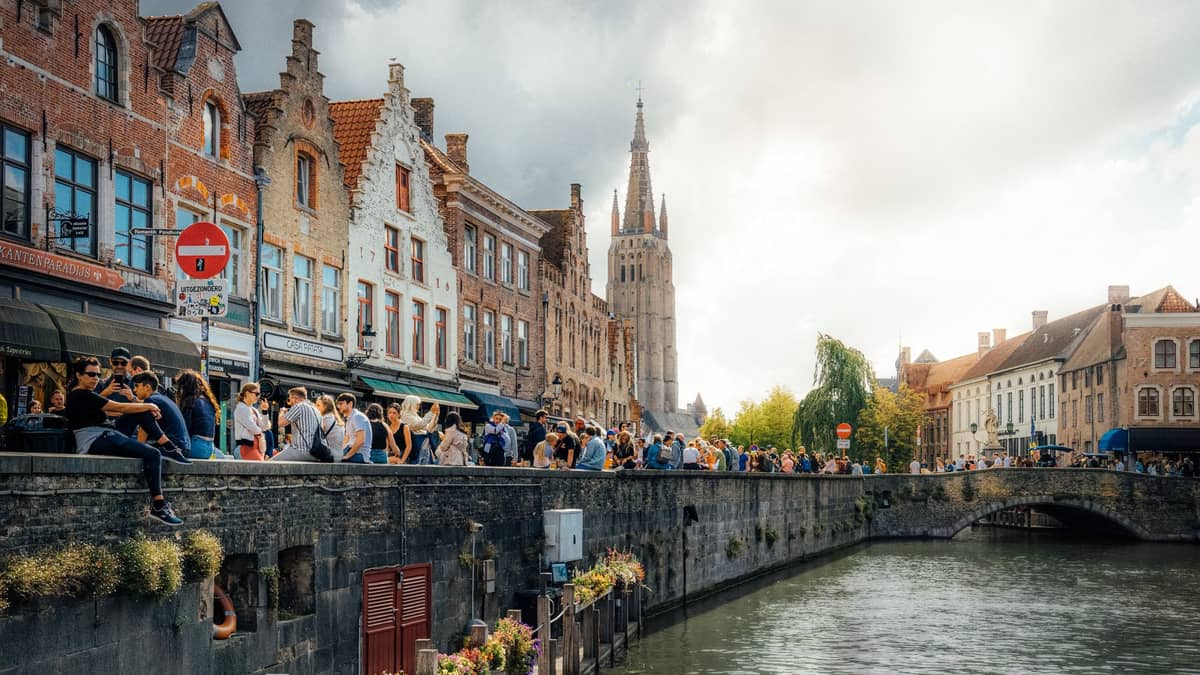
Belgium has a well-earned international reputation for chocolate, but within Belgium, Bruges occupies a particular position. The city's historic centre, a UNESCO World Heritage Site, draws several million visitors a year, and chocolatiers have clustered here for decades to serve that footfall. The concentration is remarkable: on Katelijnestraat, Simon Stevinplein, and the streets radiating from the Markt, you can walk into a serious artisan chocolate shop every 50 to 100 metres.
The tradition is rooted in Belgian praline culture, which dates to the early 20th century. Belgian chocolate law requires a minimum cocoa solids content of 35% (including at least 18% cocoa butter), and many top Bruges chocolatiers work well above that threshold, sourcing single-origin cacao from specific farms in Ecuador, São Tomé, or Madagascar. The difference between a shop that genuinely makes its own product on-site and one that repackages chocolate from an industrial supplier is significant, both in flavour and price. Knowing how to spot the difference is the most useful skill you can bring to a chocolate tour of Bruges.
💡 Local tip
Look for the word 'pralinés' or 'ganaches maison' in shop windows, and watch for a glass partition into a small production area. Shops with their own tempering equipment and fresh fillings are genuinely making chocolate on the premises. A large wall of pre-packaged gift boxes near the entrance, without any visible production, is a reliable indicator of a retail-only operation.
Choco-Story Bruges: What to Expect at the Chocolate Museum
Choco-Story Bruges sits at Wijnzakstraat 2, just off Sint-Jansplein in the historic centre, a few minutes' walk from the Markt. The museum is open daily from 10:00 to 18:00, with last admission at 17:00. It closes on 25 December, 1 January, and typically takes a short maintenance break in early January.
The experience covers the full history of cacao: from Mesoamerican origins and the Maya and Aztec civilisations who first cultivated it, through the European trade routes that brought chocolate to Belgium, and into the modern craft techniques used by Bruges chocolatiers today. The self-guided audio tour takes around 1.5 hours at a comfortable pace. The highlight for most visitors is the live demonstration of artisanal chocolate making, included with entry, where you watch a chocolatier work and receive a tasting at the end.
- Adults €16 per person
- Seniors (65+) and students €14 per person
- Children aged 3–11 €10 per person
- Children under 3 Free entry
- School groups (min. 15) €10 per student (12–18), €7 per child (3–11); workshops combined with museum entry cost €30–33 per child
Choco-Story is also included in the Bruges E-Pass (from €49), which covers multiple city attractions. If you plan to visit the Groeningemuseum and a few other paid sites, the pass pays for itself quickly. Combo tickets pairing Choco-Story with the Frietmuseum (the fries museum) are also available at a discount.
⚠️ What to skip
Choco-Story is popular with school groups on weekday mornings, particularly in May and June. If you want a quieter visit with easier access to the live demonstration, aim for a weekday afternoon or visit early on a weekend morning. The museum is well-suited to adults: the exhibits are detailed, the audio guide is thorough, and the pricing reflects an adult-oriented experience. Do not discount it as a children-only attraction.
Chocolate Walks and Tasting Tours
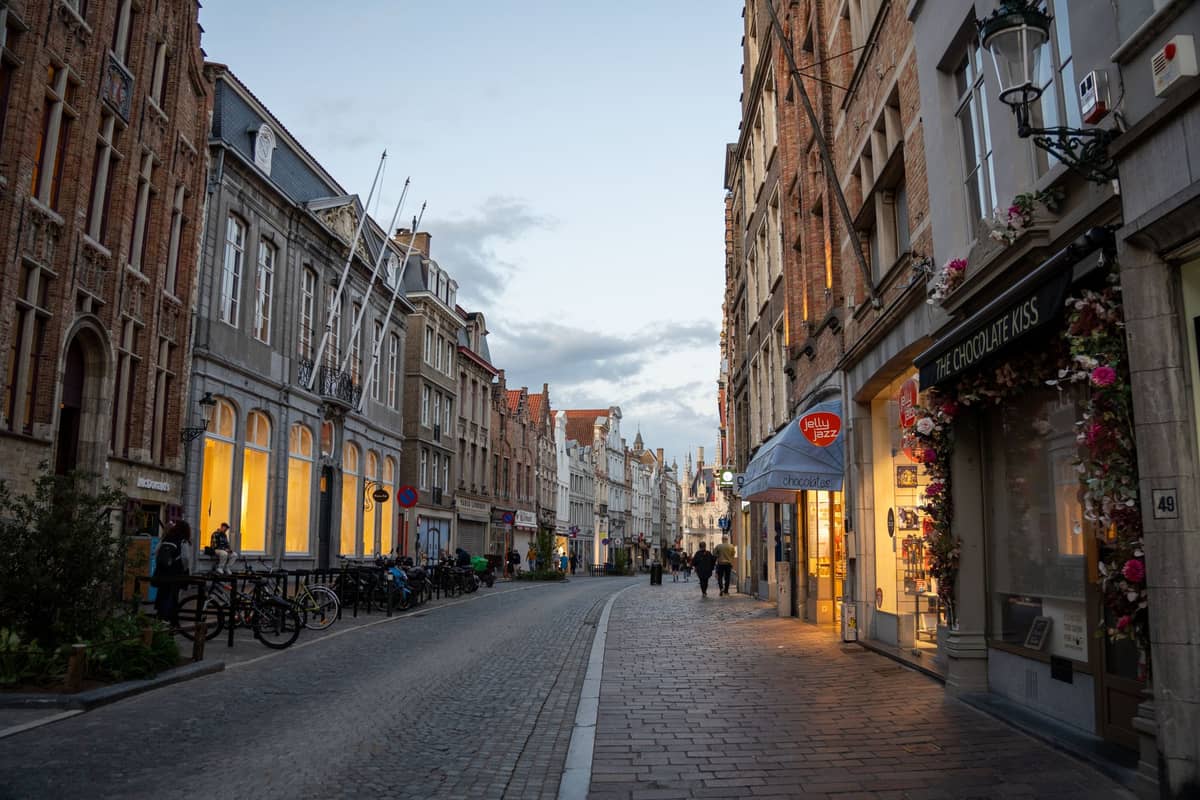
Bruges offers several formats of chocolate tour, and the right choice depends on how deeply you want to go and how much time you have. The most accessible option is Choco-Story's own chocolate walk, which costs €19 and combines a guided walk through the historic centre with tastings at two of what the museum describes as the city's 12 best chocolate shops, plus museum entry. It is a compact, well-priced introduction.
Independent tour operators run walking tours focused on Bruges chocolate that include hot chocolate stops and tastings across multiple chocolatiers. These typically run for around two hours and are priced at approximately €50–60 per adult on major booking platforms. They tend to operate year-round, though frequency drops in January and February. For something more ambitious, multi-hour tours such as the Bruges Chocolate Safari cover a broader range of artisan shops, run for six to seven hours, and usually depart from central locations near Markt Square. These are genuinely comprehensive but require a dedicated half-day.
✨ Pro tip
If you are visiting in December, chocolate tours take on an extra dimension against the backdrop of Bruges' Christmas market. The market runs around the Markt and Simon Stevinplein, and several chocolatiers have stalls or operate extended hours during the festive season. Book guided tours at least a few days in advance during December, as they sell out quickly.
The Best Chocolate Shops in Bruges: How to Navigate Them
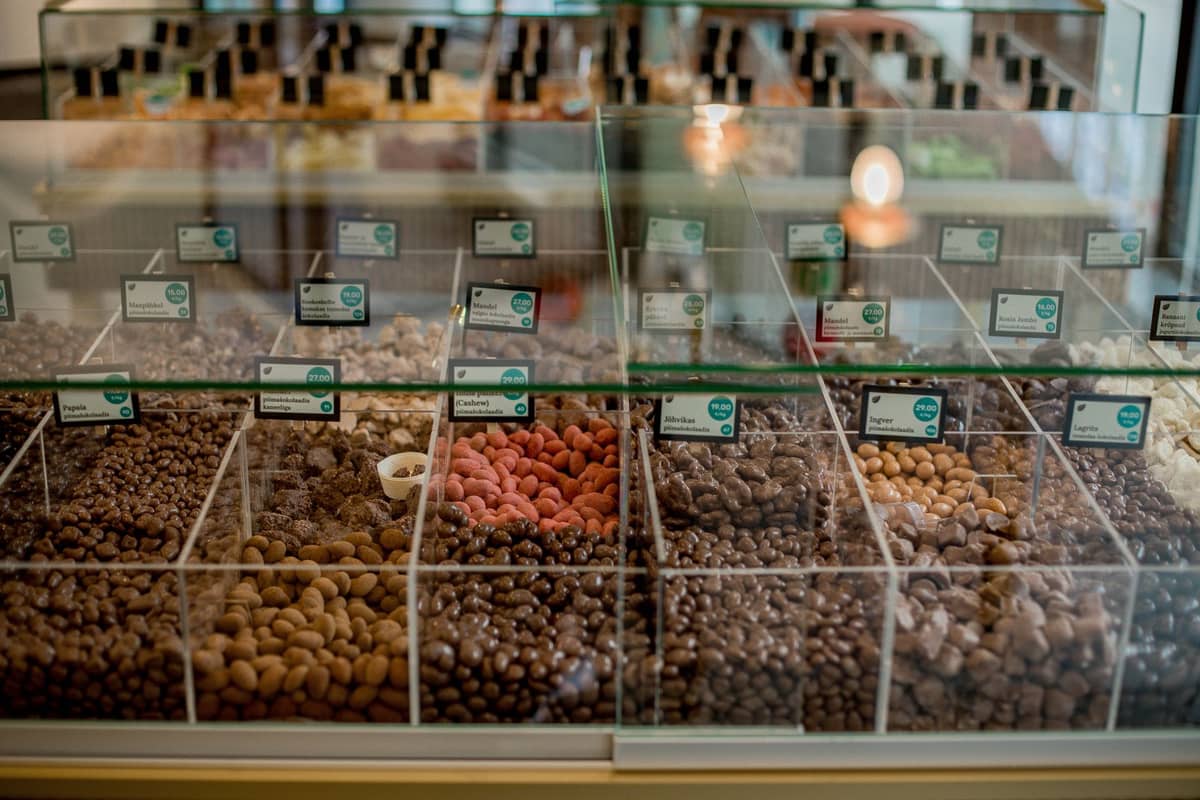
The streets around the historic centre are home to dozens of chocolate shops, but quality varies considerably. The most visited corridor runs from the Markt down Wollestraat towards the Dijver canal, and along Katelijnestraat towards the Begijnhof. Many of these shops produce genuinely excellent chocolate. Others are essentially gift shops with attractive frontages and mediocre product.
- Most quality artisan shops in the centre are open daily from approximately 10:00 to 18:00, with Sunday hours sometimes shorter (12:00–17:00 in some cases). Verify hours before making a special trip.
- Fresh pralines have a shelf life of two to three weeks at most. If a shop cannot tell you when its fillings were made, that is a red flag.
- Pralines bought loose by weight tend to offer better value and fresher product than pre-boxed gift selections.
- Some chocolatiers offer free tastings at the counter. Take them up on it: tasting before buying is entirely normal and expected.
- Prices for quality pralines typically run €6–€12 per 100g. Significantly cheaper product in a tourist-facing shop usually signals lower-quality chocolate or older stock.
The streets around the Begijnhof and Minnewater tend to have slightly fewer tourist-trap shops than the main drag near the Markt, and some of the city's most respected chocolatiers have established themselves in quieter side streets. Exploring a little beyond the obvious routes pays dividends both in quality and in avoiding peak crowds.
Practical Planning: Seasons, Timing, and Getting the Most from Your Visit
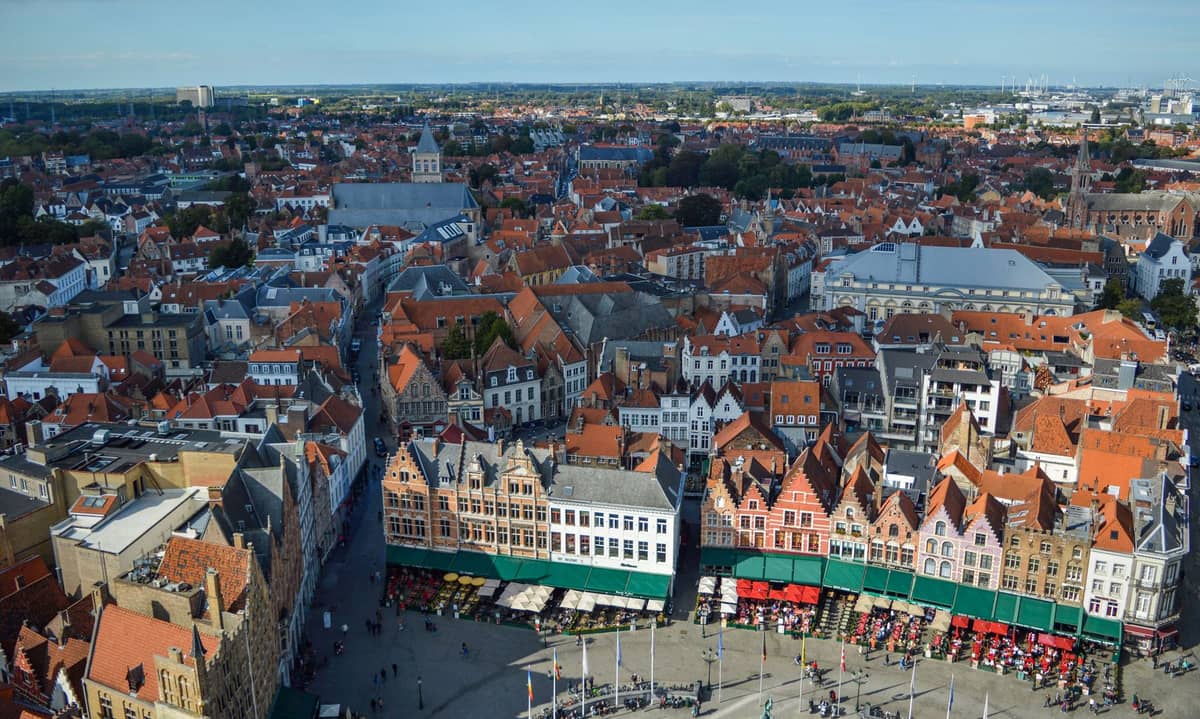
Bruges has a temperate maritime climate, with summers typically reaching 18–22°C and winters hovering around 2–7°C. Chocolate is genuinely a year-round pursuit here, but the experience shifts with the season. Summer (June–August) brings peak tourist crowds, particularly around the Markt and the main canal streets near the Rozenhoedkaai. Chocolate shops are open and well-stocked, but queues in popular spots can be significant on weekend afternoons.
Winter is arguably the better time for a serious chocolate exploration. Crowd levels drop sharply after October, shops are less rushed, and the cooler temperatures mean chocolatiers face less pressure from heat affecting their product. January sees the Choco-Story museum take a short maintenance break (typically the first or second week), so check dates before planning a winter visit around the museum specifically. For everything else you might want to do in the city during the colder months, the guide to Bruges in winter covers the full picture.
Bruges is compact enough that most chocolate-focused itineraries are walkable. The historic centre is roughly 2 km across at its widest point, and the main chocolatiers cluster within a 20-minute walk of each other. If you are combining a chocolate focus with broader sightseeing, the Bruges one-day itinerary routes past several key chocolatiers naturally.
Common Mistakes and Practical Caveats
The biggest single mistake tourists make in Bruges is buying the first attractive-looking box of chocolates they see near the Markt or the canal boat departure points. These locations have the highest concentration of gift-oriented shops, and while they are not all bad, they are rarely where the best product is. Walk five minutes in any direction and the ratio of serious chocolatiers to gift shops improves noticeably.
A second common misconception is that Bruges chocolate is universally artisanal. The city's reputation attracts both genuine craftspeople and retailers importing industrial Belgian chocolate and repackaging it locally. The distinction matters if you care about quality. The presence of a production area visible from the shop floor, a rotation of seasonal or limited-run flavours, and staff who can describe the origin of the cacao all point to a serious operation.
Finally, Choco-Story Bruges is sometimes dismissed as a tourist attraction rather than a genuinely informative museum. That assessment underestimates it. The cacao history section is substantive, the live production demonstration is well-executed, and the pricing structure with differentiated adult, senior, and student rates reflects that it is designed for a broad adult audience. It works well as a starting point before exploring the city's shops, giving you context that makes subsequent tastings more meaningful. For a broader sense of how to structure your time in the city, see the complete guide to things to do in Bruges.
ℹ️ Good to know
Belgium is in the Schengen Area, and nationals of the EU, USA, Canada, Australia, and many other countries can visit without a visa for stays up to 90 days. The currency is the Euro. Tap water in Bruges is safe to drink. Electricity runs at 230V with Type C and Type E plugs, so travellers from North America or the UK will need an adapter. The emergency number across Belgium is 112.
FAQ
What is the best chocolate shop in Bruges?
There is no single definitive answer, and rankings shift as chocolatiers evolve. The most reliable approach is to look for shops with visible on-site production, rotating seasonal flavours, and staff who can speak to the origin of their cacao. The streets around Katelijnestraat and the side streets near Simon Stevinplein tend to have a higher concentration of serious artisan producers than the immediately touristy zone around the Markt.
How much does the Choco-Story chocolate museum cost?
Adult entry is €16. Seniors (65+) and students pay €14. Children aged 3–11 pay €10, and under-3s enter free. Entry includes an audio guide, a live chocolate-making demonstration, and a tasting. Some city passes may include the museum—check current pass details and pricing when you book, as inclusion and costs change over time.
Are there chocolate tours in Bruges?
Yes. Choco-Story runs its own chocolate walk (€19) combining museum entry with tastings at selected top shops. Independent operators run 2-hour tasting tours priced around €50–60 per adult, and longer dedicated tours such as extended chocolate safaris cover roughly six to seven hours across multiple artisan shops. Tours run year-round but are busiest in summer and December.
Is Bruges chocolate actually made in Bruges?
Some of it is. A number of Bruges chocolatiers produce their pralines and ganaches on-site in small batches, using imported cacao beans or high-quality couverture chocolate. Others are retail-only operations selling product made elsewhere. The easiest way to check is to look for a visible production area in the shop and ask staff directly about their process.
When is the best time to visit Bruges for chocolate?
Chocolate is available year-round, but autumn and winter (October through February, excluding the Christmas market peak) offer a quieter, more relaxed experience in shops and at the museum. Summer brings the largest crowds and can mean queues at popular chocolatiers on weekend afternoons. December has festive appeal but is one of the busiest periods in the city overall.