Hidden Gems in Bruges: Beyond the Tourist Trail
Bruges rewards those who wander off the main squares. From a family-built replica of a Jerusalem church to almshouse courtyards that feel frozen in the 17th century, these are the places that reveal a quieter, deeper side of the city.
Plan and book this trip
Tools from our partner Travelpayouts help you compare flights and hotels. If you book through them, we may earn a commission at no extra cost to you.
Flights
Hotels map
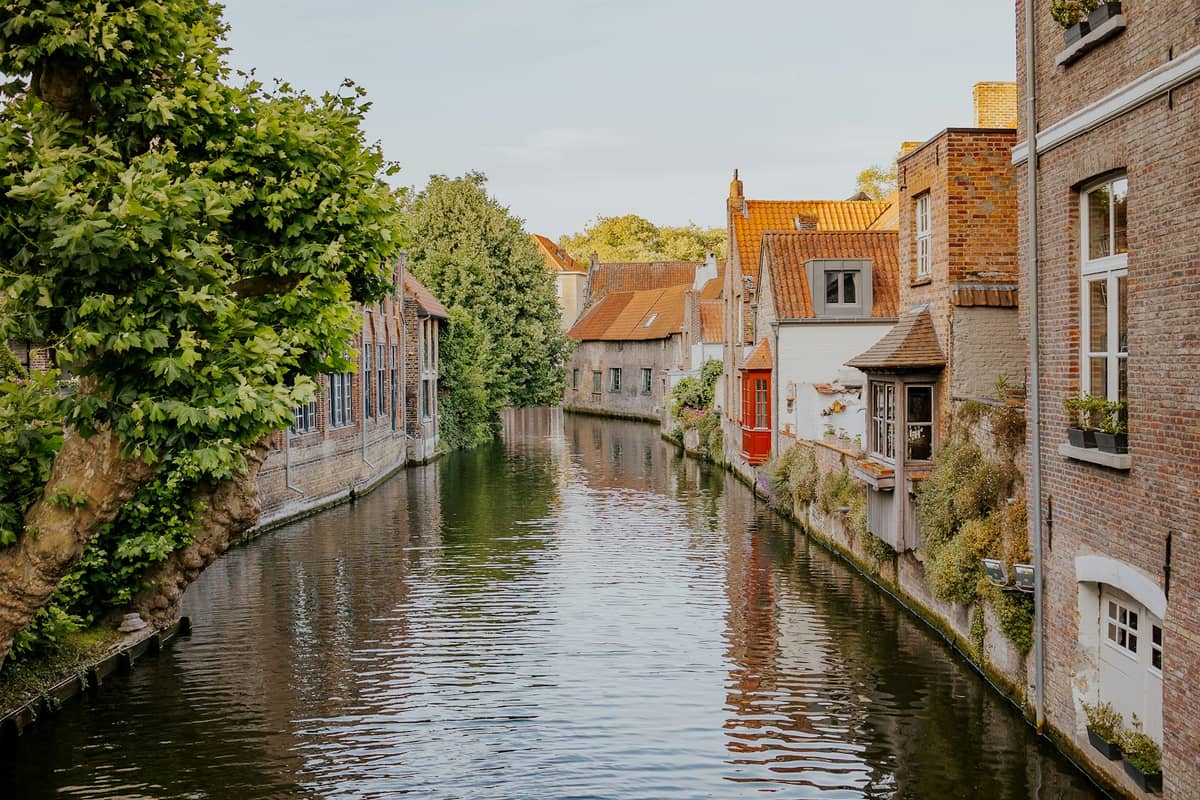
Most visitors to Bruges follow the same loop: Markt, Belfry, canal boat, chocolate shop. That loop is popular for good reason, but the city has far more to offer once you step away from it. The Sint-Anna quarter to the north-east and the Kruisvest ramparts to the east are where Bruges starts to feel genuinely off the beaten track. If you are planning a longer stay, the 2 days in Bruges guide builds in time for these quieter corners alongside the highlights.
💡 Local tip
Many of Bruges's lesser-known attractions are ticketed museums with seasonal hours. Check official opening times before visiting, especially around public holidays when closures are common across Musea Brugge sites.
Secret Gardens & Peaceful Waterways
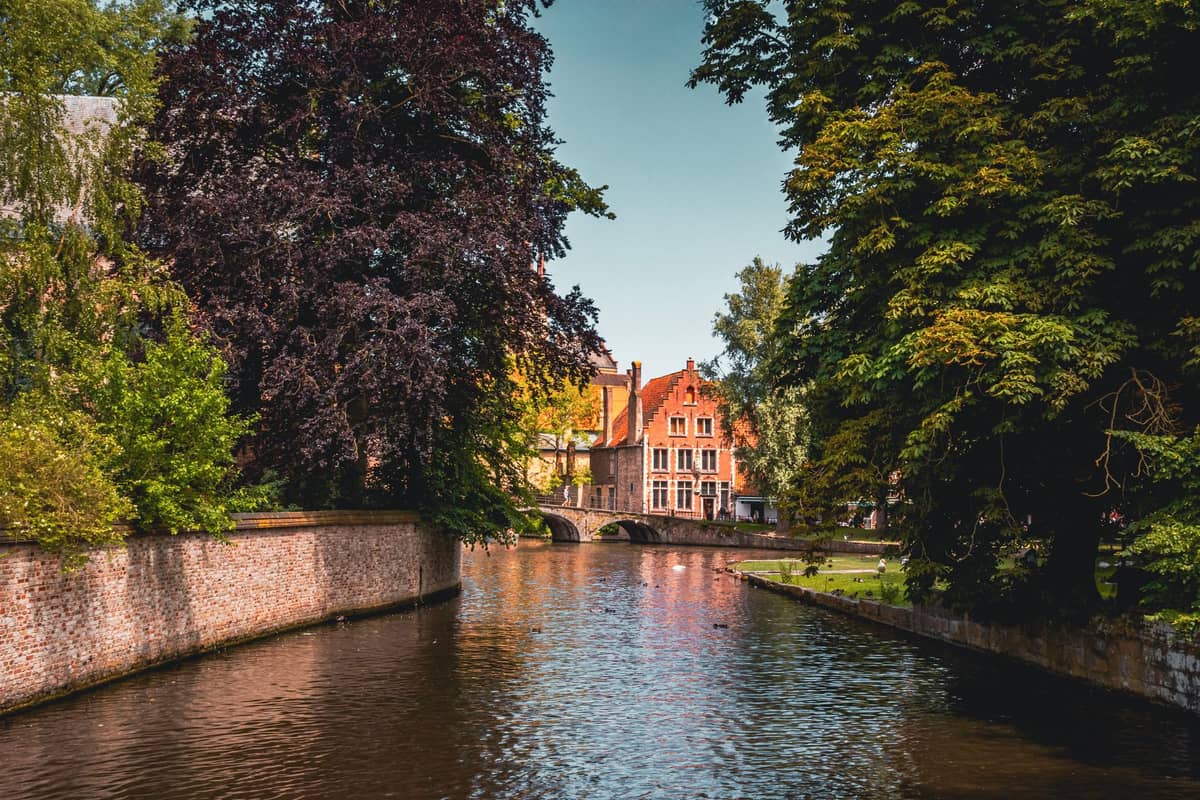
Bruges has a surprising number of enclosed green spaces that most visitors never find. The Dijver canal quarter alone hides two of the best. For more waterside wandering, the Bruges canal tours guide covers routes that reach beyond the tourist boat stops.
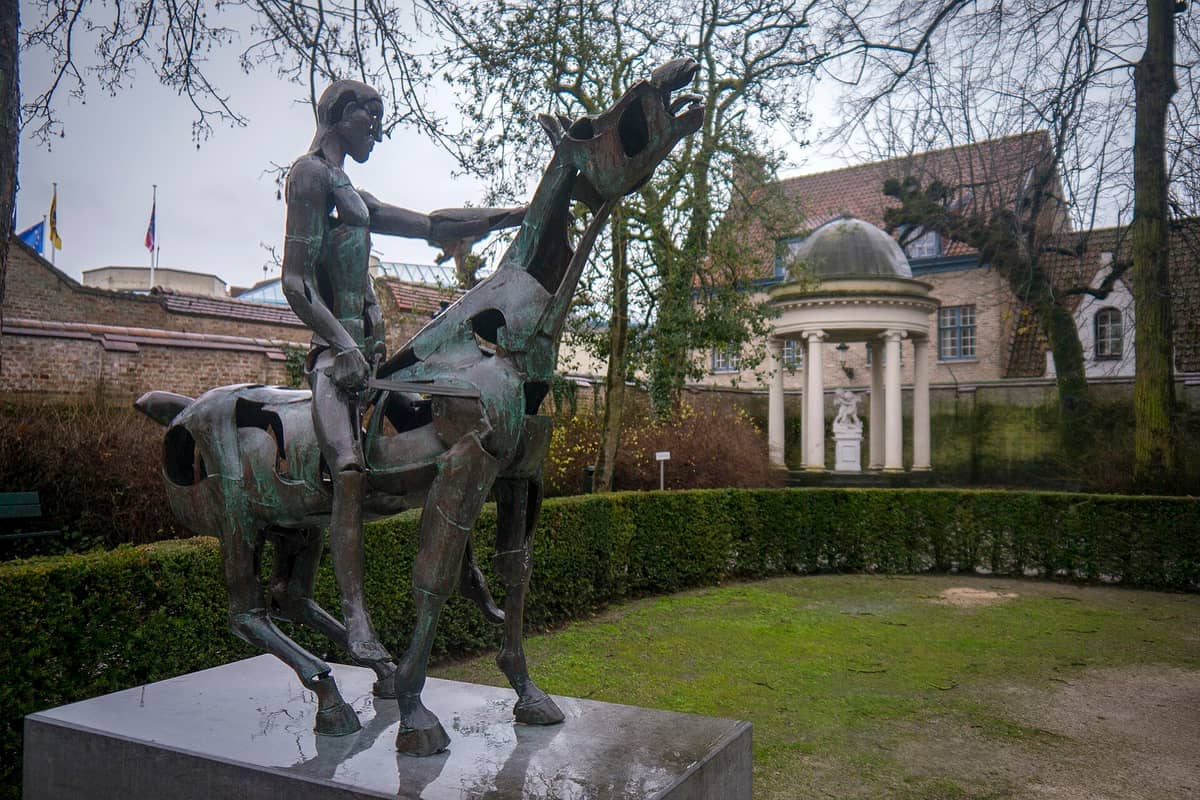
1. Find Bruges's Secret Walled Garden at Arentshof
Hidden behind the Groeninge Museum, this walled garden is one of the few genuinely quiet outdoor spots in central Bruges. Sculptures dot the lawns and a canal-side terrace makes it ideal for a slow afternoon. Most visitors walk straight past the entrance.
Explore1. Find Bruges's Secret Walled Garden at Arentshof
Hidden behind the Groeninge Museum, this walled garden is one of the few genuinely quiet outdoor spots in central Bruges. Sculptures dot the lawns and a canal-side terrace makes it ideal for a slow afternoon. Most visitors walk straight past the entrance.
Explore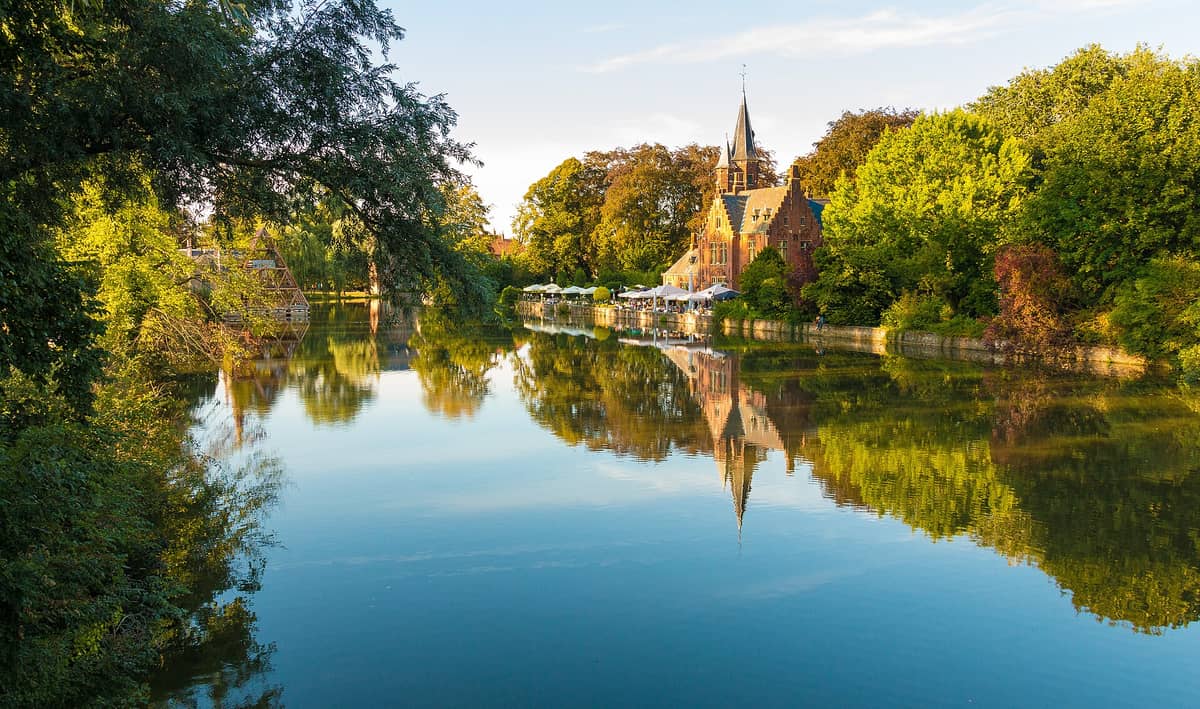
2. Stroll the Minnewater Away from the Crowds
The Lake of Love sees fewer visitors than the central canals, especially early morning. Weeping willows frame the medieval lock gate and the path around the water connects naturally to the Beguinage, making it a rewarding 30-minute circuit on foot.
Explore2. Stroll the Minnewater Away from the Crowds
The Lake of Love sees fewer visitors than the central canals, especially early morning. Weeping willows frame the medieval lock gate and the path around the water connects naturally to the Beguinage, making it a rewarding 30-minute circuit on foot.
Explore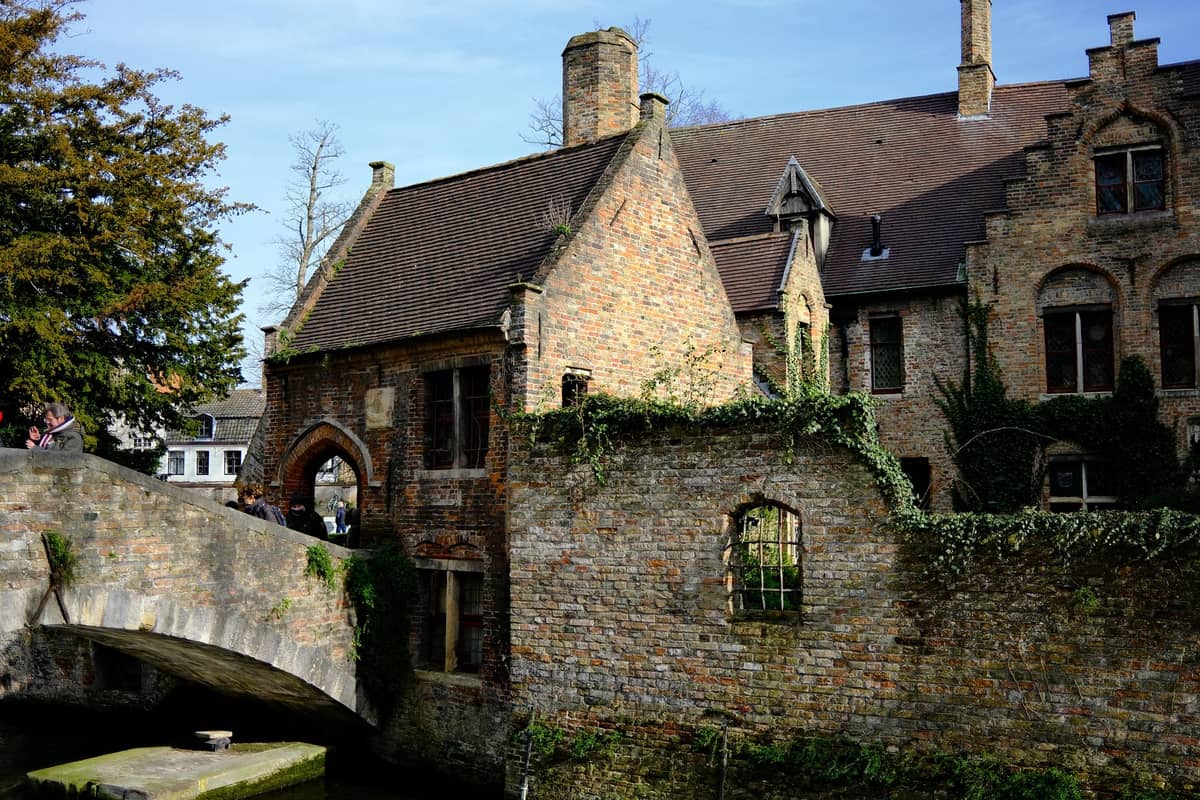
3. Cross the Ivy-Draped Boniface Bridge at Dawn
This small stone bridge tucked behind the Church of Our Lady is one of the most photographed spots in Bruges, yet it stays quiet before 9am. The combination of canal reflections, ivy-covered walls, and medieval rooftops makes it worth the early start.
Explore3. Cross the Ivy-Draped Boniface Bridge at Dawn
This small stone bridge tucked behind the Church of Our Lady is one of the most photographed spots in Bruges, yet it stays quiet before 9am. The combination of canal reflections, ivy-covered walls, and medieval rooftops makes it worth the early start.
ExploreAlmshouses, Courtyards & Hidden Architecture
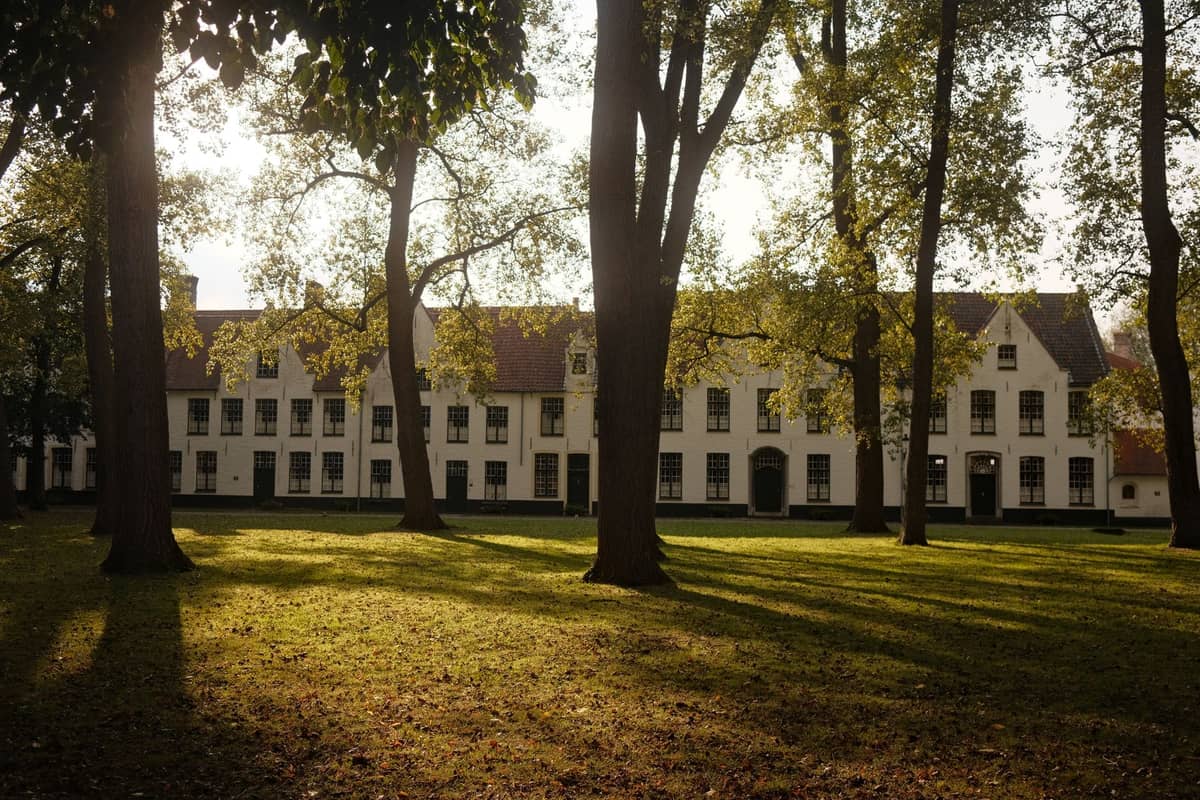
Bruges has over 40 surviving almshouse complexes, most of them unknown to casual visitors. They are scattered across the old town but concentrated in the Sint-Anna quarter and near Minnewater. For a deeper look at the city's architectural history, the Bruges Gothic architecture guide explains the context behind what you are seeing.
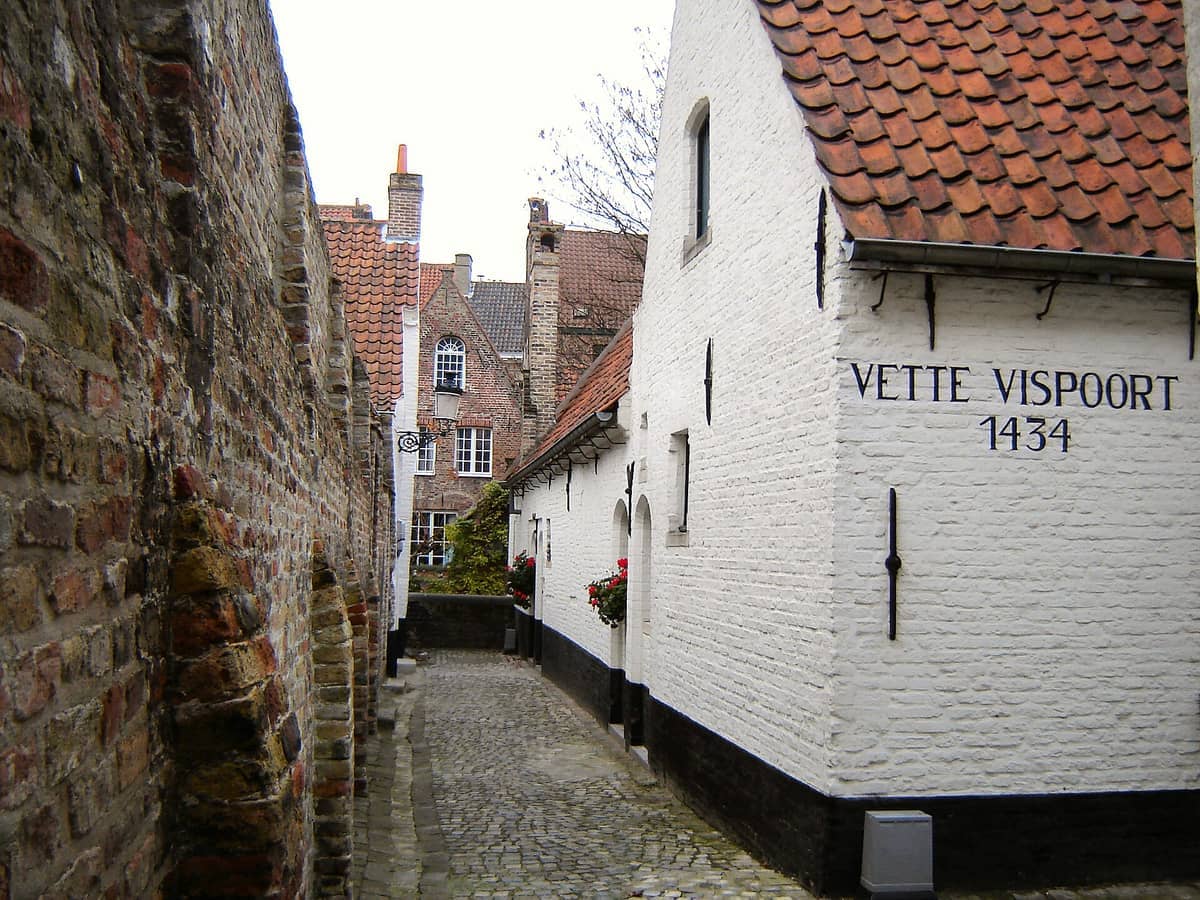
4. Step Inside the Hidden Courtyards of the Bruges Almshouses
Over 40 godshuizen are scattered across the old town, their whitewashed facades easy to miss behind plain street doors. Push through and you find immaculate courtyard gardens frozen in time. The Sint-Anna quarter has the highest concentration. Entry is free and respectful visits are welcome.
Explore4. Step Inside the Hidden Courtyards of the Bruges Almshouses
Over 40 godshuizen are scattered across the old town, their whitewashed facades easy to miss behind plain street doors. Push through and you find immaculate courtyard gardens frozen in time. The Sint-Anna quarter has the highest concentration. Entry is free and respectful visits are welcome.
Explore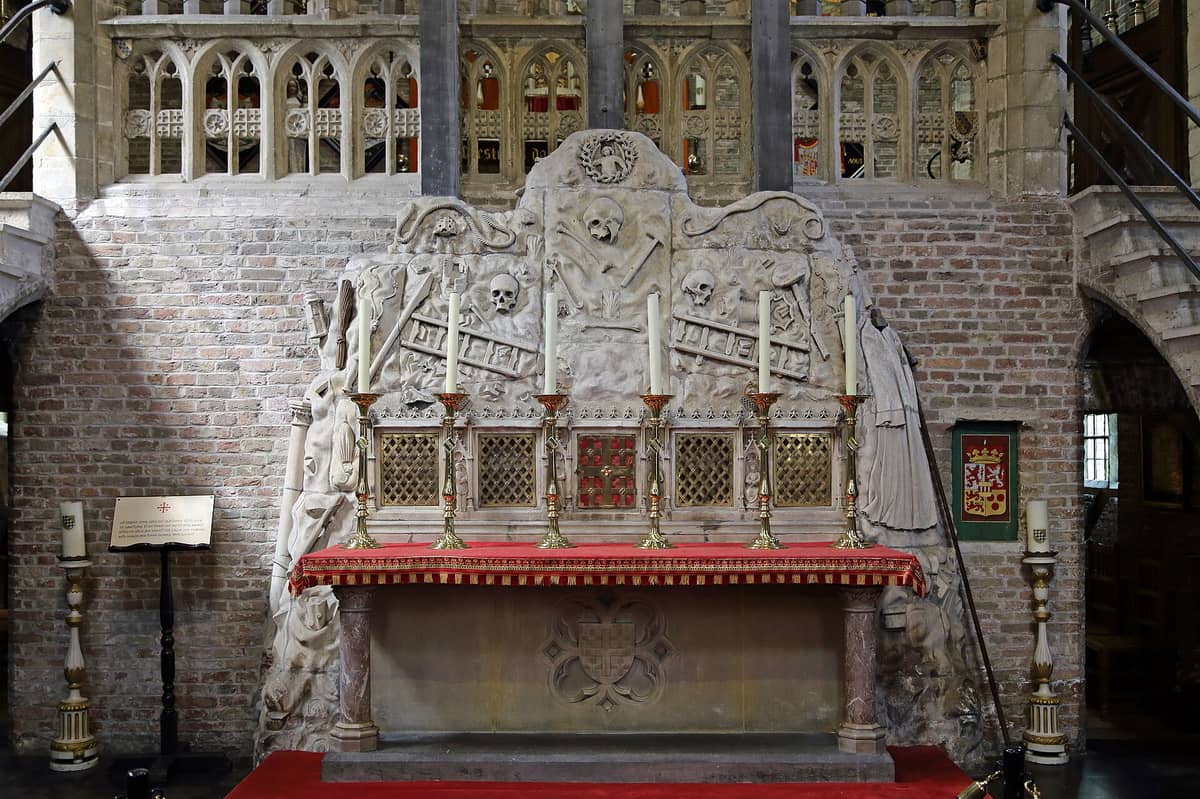
5. Visit the Jerusalem Church, Bruges's Most Extraordinary Chapel
Built in the 1400s by the Adornes family as a private replica of the Holy Sepulchre in Jerusalem, this is one of the strangest and most beautiful buildings in Belgium. The original stained glass is intact, the crypt contains a tomb replica, and the church is still privately owned.
Explore5. Visit the Jerusalem Church, Bruges's Most Extraordinary Chapel
Built in the 1400s by the Adornes family as a private replica of the Holy Sepulchre in Jerusalem, this is one of the strangest and most beautiful buildings in Belgium. The original stained glass is intact, the crypt contains a tomb replica, and the church is still privately owned.
Explore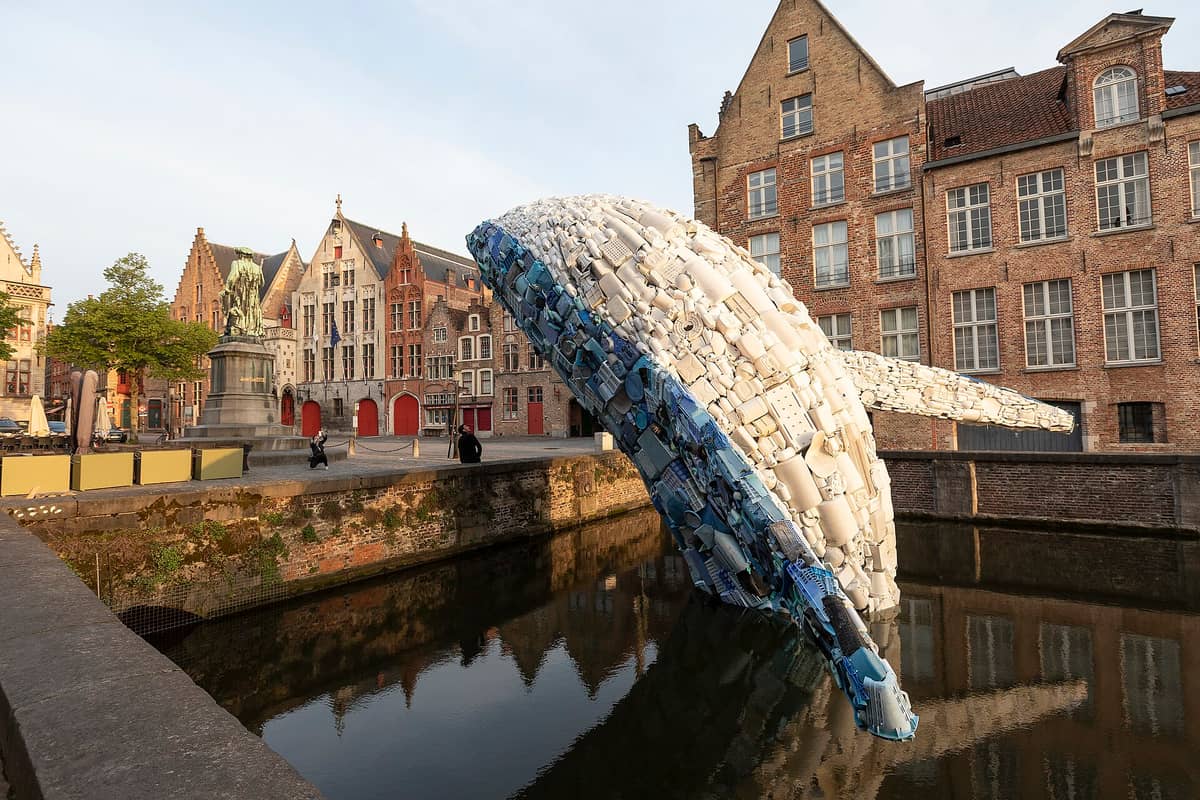
6. Discover Jan Van Eyckplein, the City's Most Atmospheric Square
A five-minute walk north of the Markt, this square around the statue of Jan van Eyck feels genuinely local. Medieval guild houses overlook a canal, there are far fewer tour groups than at Burg, and the surrounding streets contain some of the best-preserved merchant architecture in the city.
Explore6. Discover Jan Van Eyckplein, the City's Most Atmospheric Square
A five-minute walk north of the Markt, this square around the statue of Jan van Eyck feels genuinely local. Medieval guild houses overlook a canal, there are far fewer tour groups than at Burg, and the surrounding streets contain some of the best-preserved merchant architecture in the city.
Explore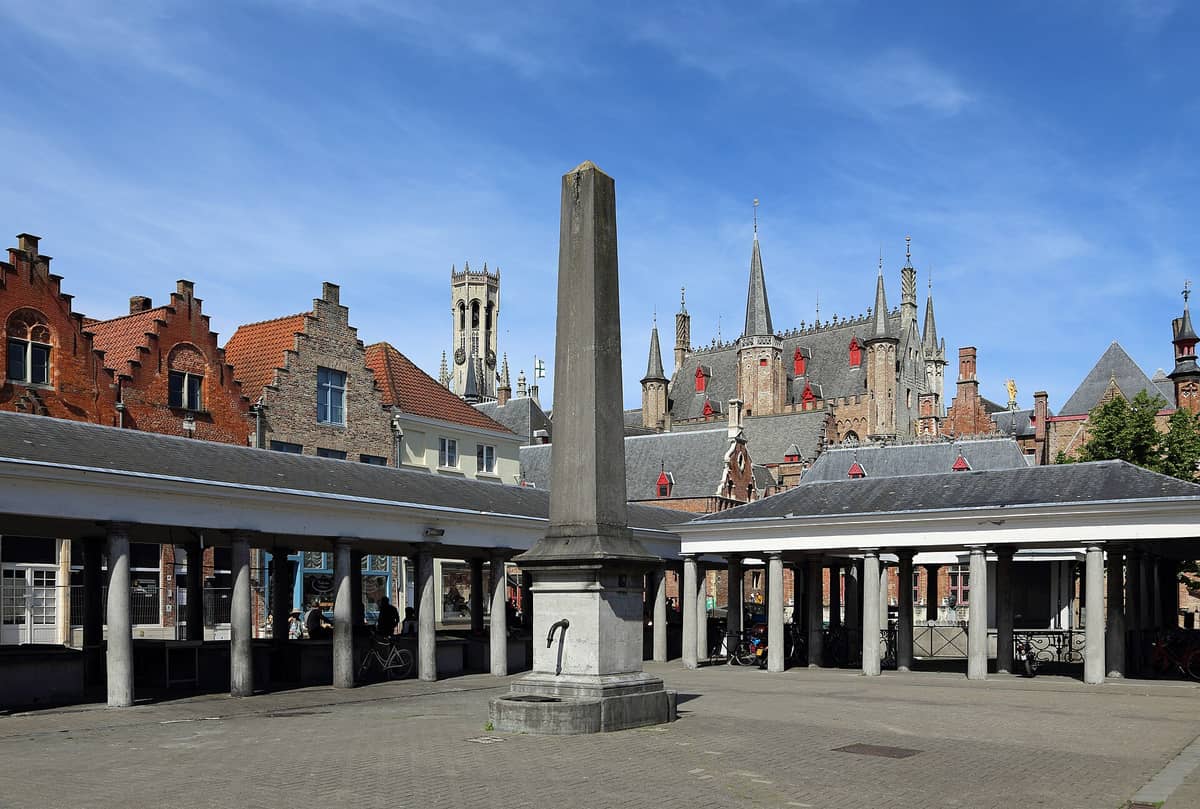
7. Explore the Neoclassical Vismarkt and Its Canal-Side Streets
The 19th-century fish market itself is architecturally interesting, but the real reward is the network of narrow canal-side lanes radiating from it. The stretch between the Vismarkt and Huidenvettersplein is among the most scenic in Bruges and often quiet by mid-morning.
Explore7. Explore the Neoclassical Vismarkt and Its Canal-Side Streets
The 19th-century fish market itself is architecturally interesting, but the real reward is the network of narrow canal-side lanes radiating from it. The stretch between the Vismarkt and Huidenvettersplein is among the most scenic in Bruges and often quiet by mid-morning.
ExploreOverlooked Museums Worth Your Time
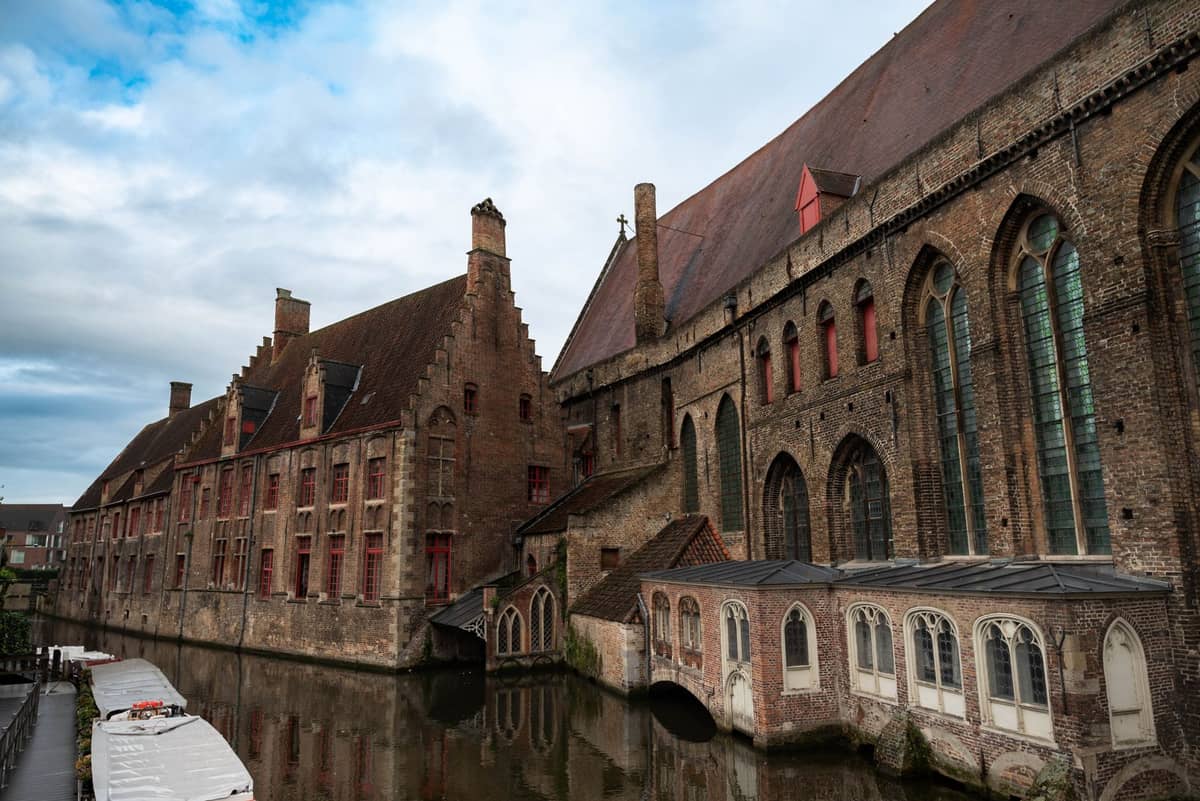
The Groeninge and Memling collections attract the bulk of museum visitors, but several smaller Bruges museums punch well above their weight. If you are building a full cultural itinerary, the best museums in Bruges guide ranks them in detail.
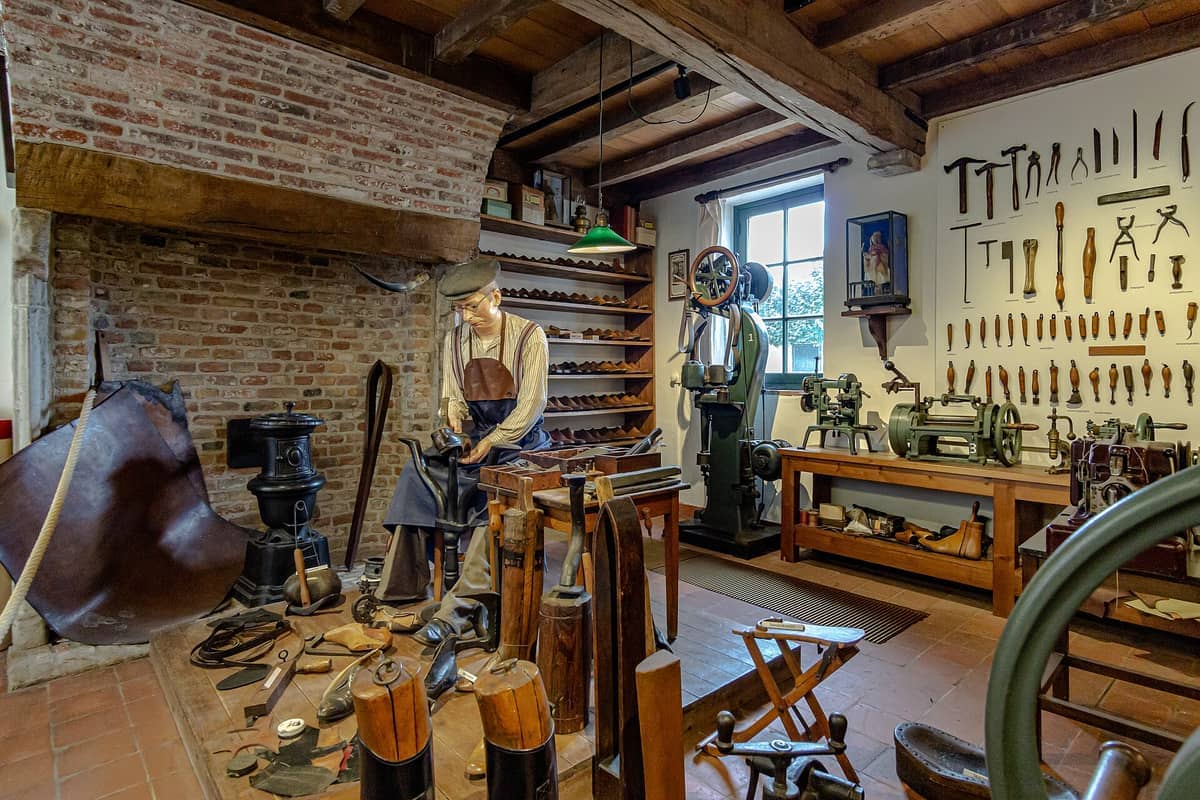
8. Step Back into Flemish Daily Life at the Folklore Museum
Set in a row of 17th-century almshouses in the Sint-Anna quarter, this museum recreates everyday Flemish life through period rooms, crafts, and a functioning historic inn. Admission is €8, with a combination ticket covering the Lace Centre next door for €12.
Explore8. Step Back into Flemish Daily Life at the Folklore Museum
Set in a row of 17th-century almshouses in the Sint-Anna quarter, this museum recreates everyday Flemish life through period rooms, crafts, and a functioning historic inn. Admission is €8, with a combination ticket covering the Lace Centre next door for €12.
Explore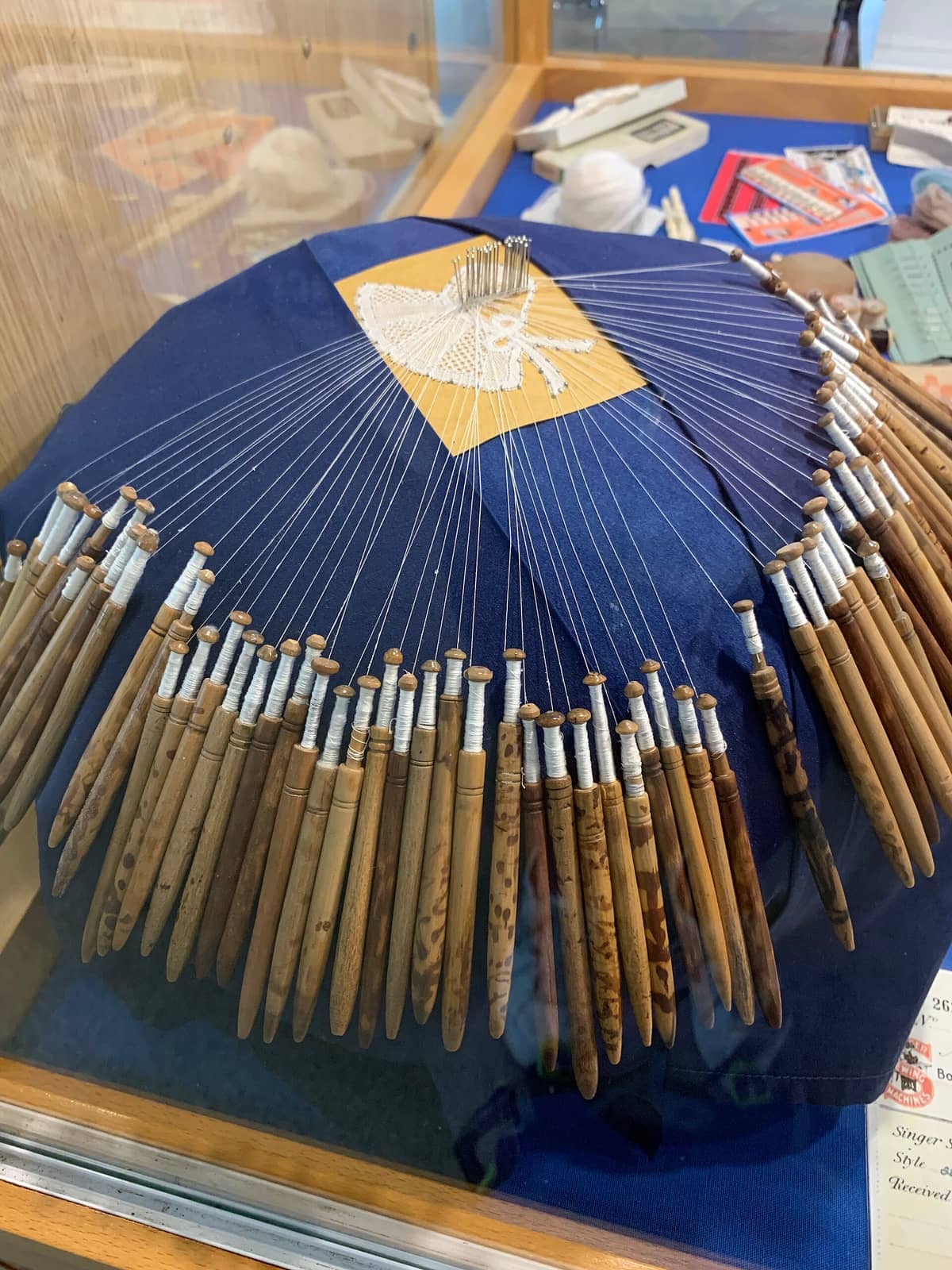
9. Watch Traditional Bobbin Lace Being Made at the Lace Centre
Bruges's lace-making tradition is centuries old and this small museum keeps it alive with daily live demonstrations. Watching a skilled maker work a pillow of 200 bobbins is genuinely mesmerising. Admission is €8 for adults. The Sint-Anna quarter location keeps crowds low.
Explore9. Watch Traditional Bobbin Lace Being Made at the Lace Centre
Bruges's lace-making tradition is centuries old and this small museum keeps it alive with daily live demonstrations. Watching a skilled maker work a pillow of 200 bobbins is genuinely mesmerising. Admission is €8 for adults. The Sint-Anna quarter location keeps crowds low.
Explore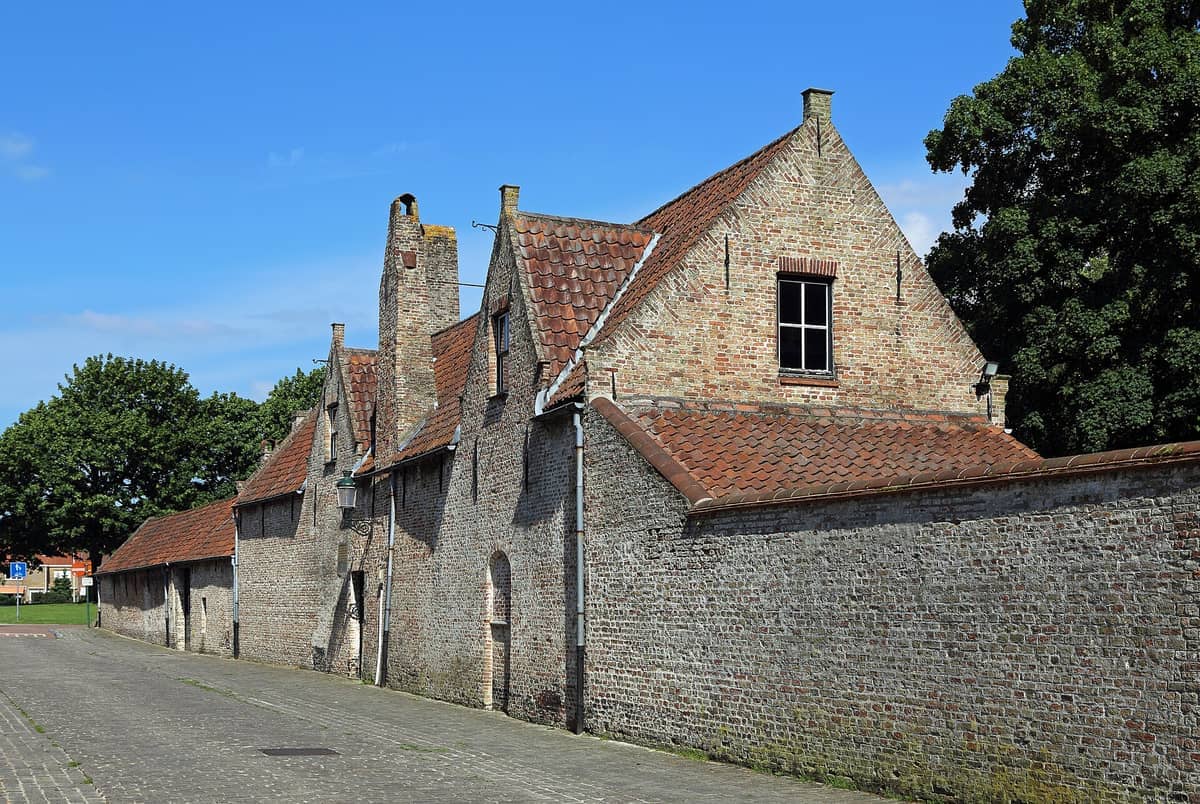
10. Visit the Birthplace of Bruges's Most Celebrated Poet
Guido Gezelle is barely known outside Belgium, but his childhood home in Sint-Anna is a beautifully preserved 19th-century house with a quiet garden. The museum gives real insight into the Flemish literary and religious world of the period without the queues of larger attractions.
Explore10. Visit the Birthplace of Bruges's Most Celebrated Poet
Guido Gezelle is barely known outside Belgium, but his childhood home in Sint-Anna is a beautifully preserved 19th-century house with a quiet garden. The museum gives real insight into the Flemish literary and religious world of the period without the queues of larger attractions.
Explore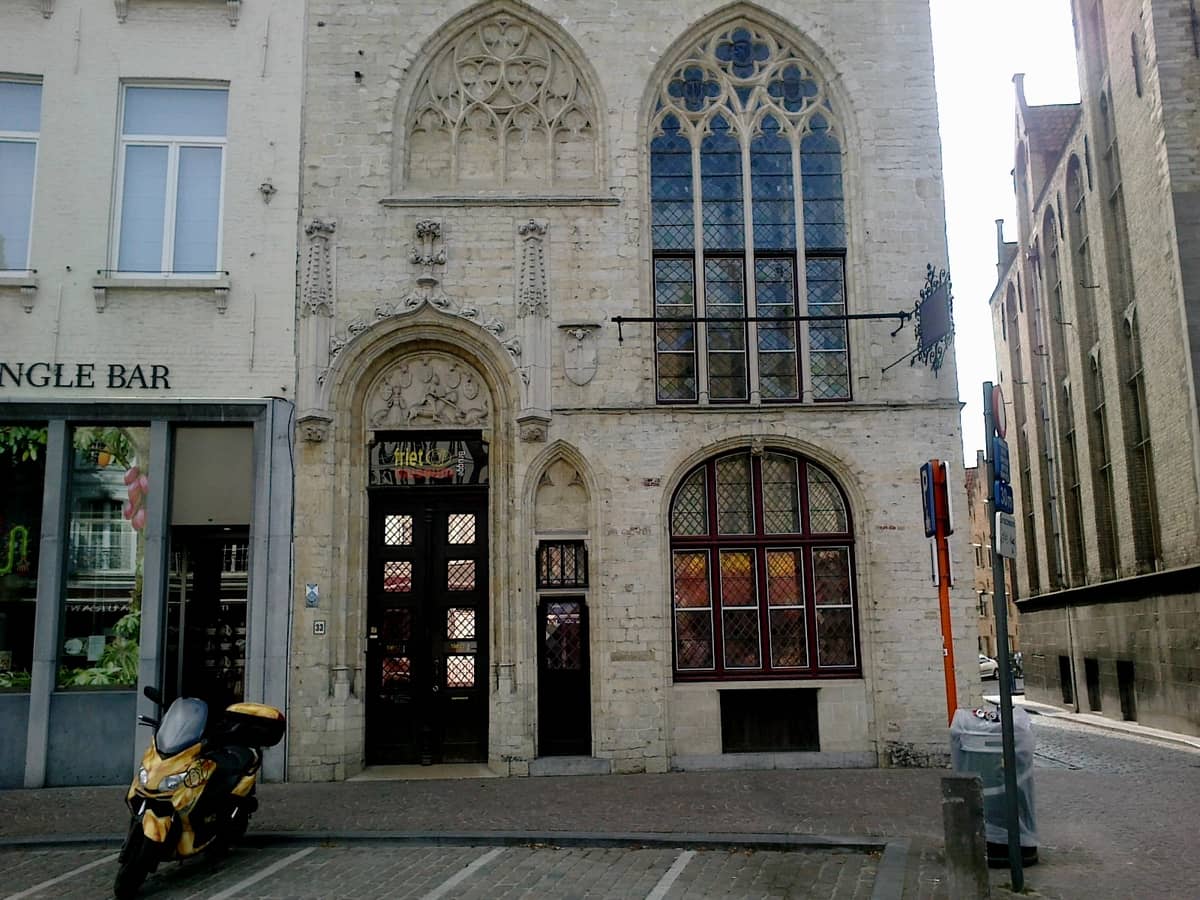
11. Learn the Real Story of the Belgian Fry at the Friet Museum
Housed in a 14th-century cellar, the world's only museum dedicated to the frite traces the potato from the Andes to the Belgian friture. It is more substantial than the novelty name suggests and works well as a 45-minute stop before or after a visit to Burg Square.
Explore11. Learn the Real Story of the Belgian Fry at the Friet Museum
Housed in a 14th-century cellar, the world's only museum dedicated to the frite traces the potato from the Andes to the Belgian friture. It is more substantial than the novelty name suggests and works well as a 45-minute stop before or after a visit to Burg Square.
Explore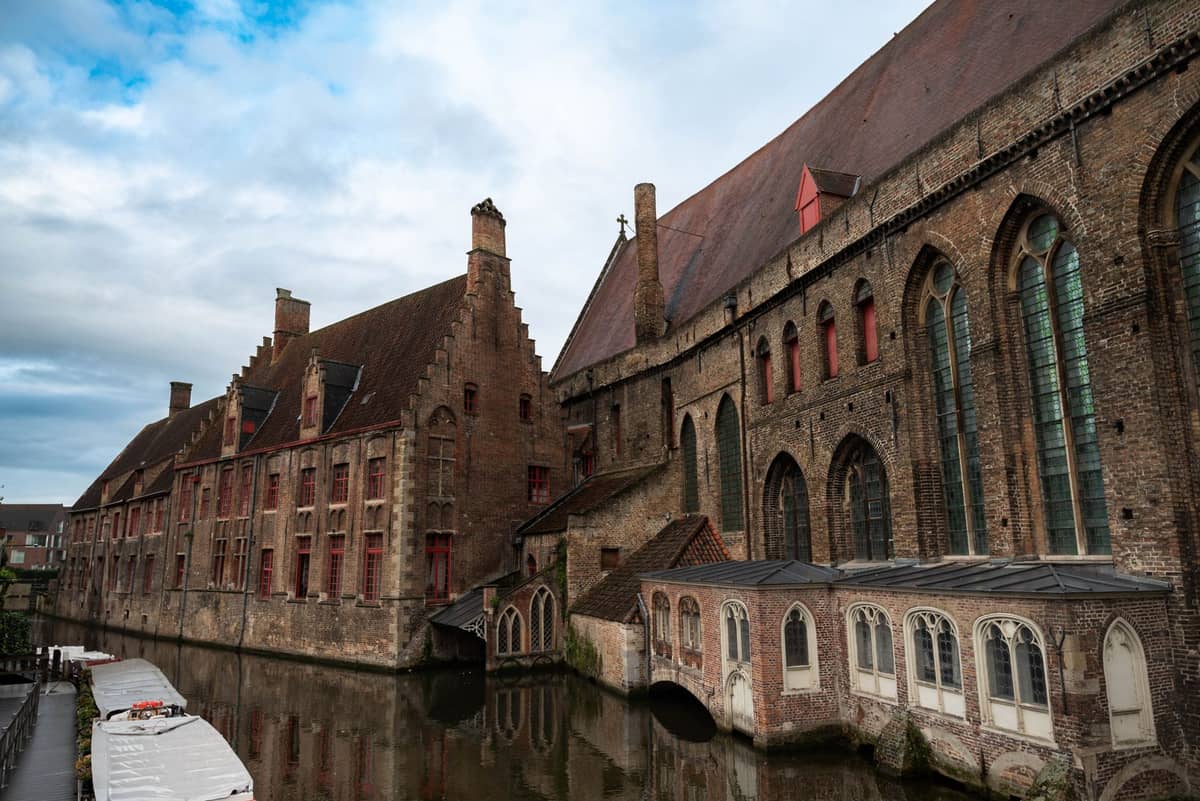
12. Explore the 12th-Century Saint John's Hospital Complex
Most visitors come here for the Memling paintings, but the hospital itself is the real revelation. One of Europe's oldest surviving hospital buildings, with original medieval wards, a historic pharmacy, and medical artefacts that tell a remarkable story of pre-modern care.
Explore12. Explore the 12th-Century Saint John's Hospital Complex
Most visitors come here for the Memling paintings, but the hospital itself is the real revelation. One of Europe's oldest surviving hospital buildings, with original medieval wards, a historic pharmacy, and medical artefacts that tell a remarkable story of pre-modern care.
ExploreRamparts, Windmills & the City's Edge
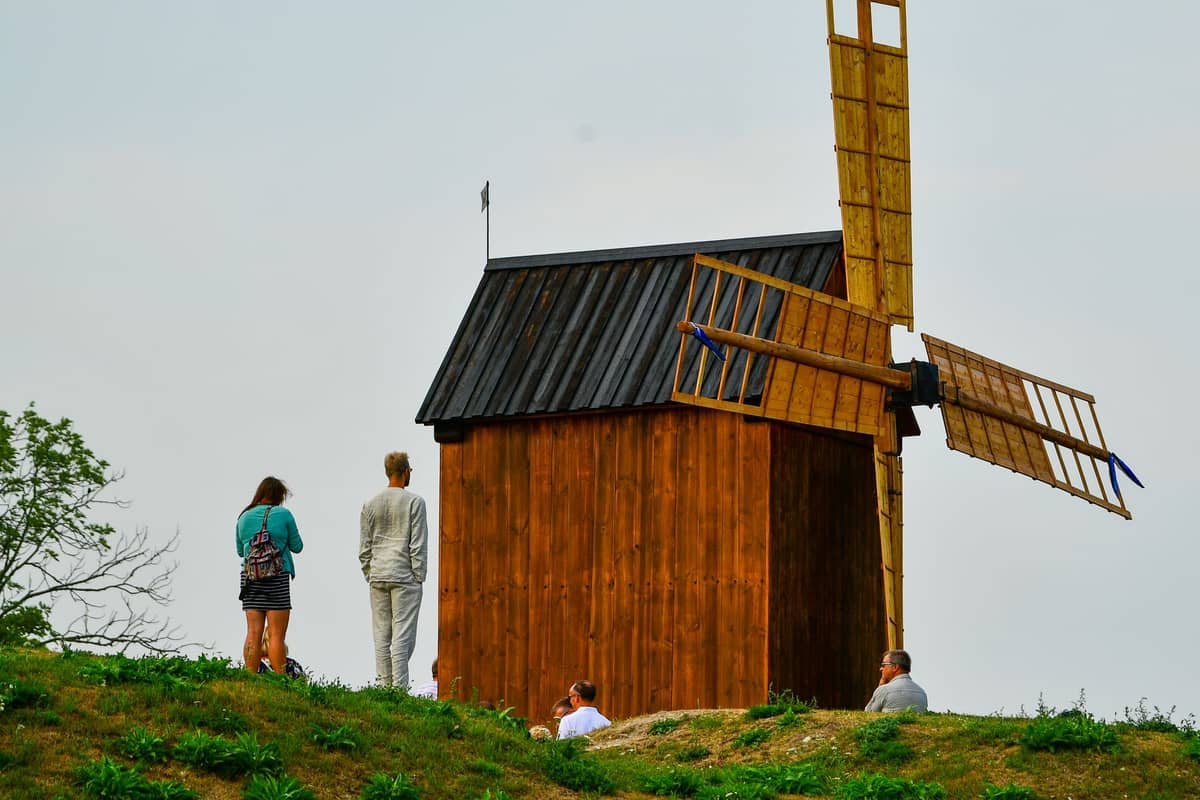
The green ring of earthwork ramparts encircling the old town is one of Bruges's great open secrets. Few visitors make it here, yet the eastern section near the Kruisvest ramparts offers views, windmills, and a complete change of pace from the medieval centre.
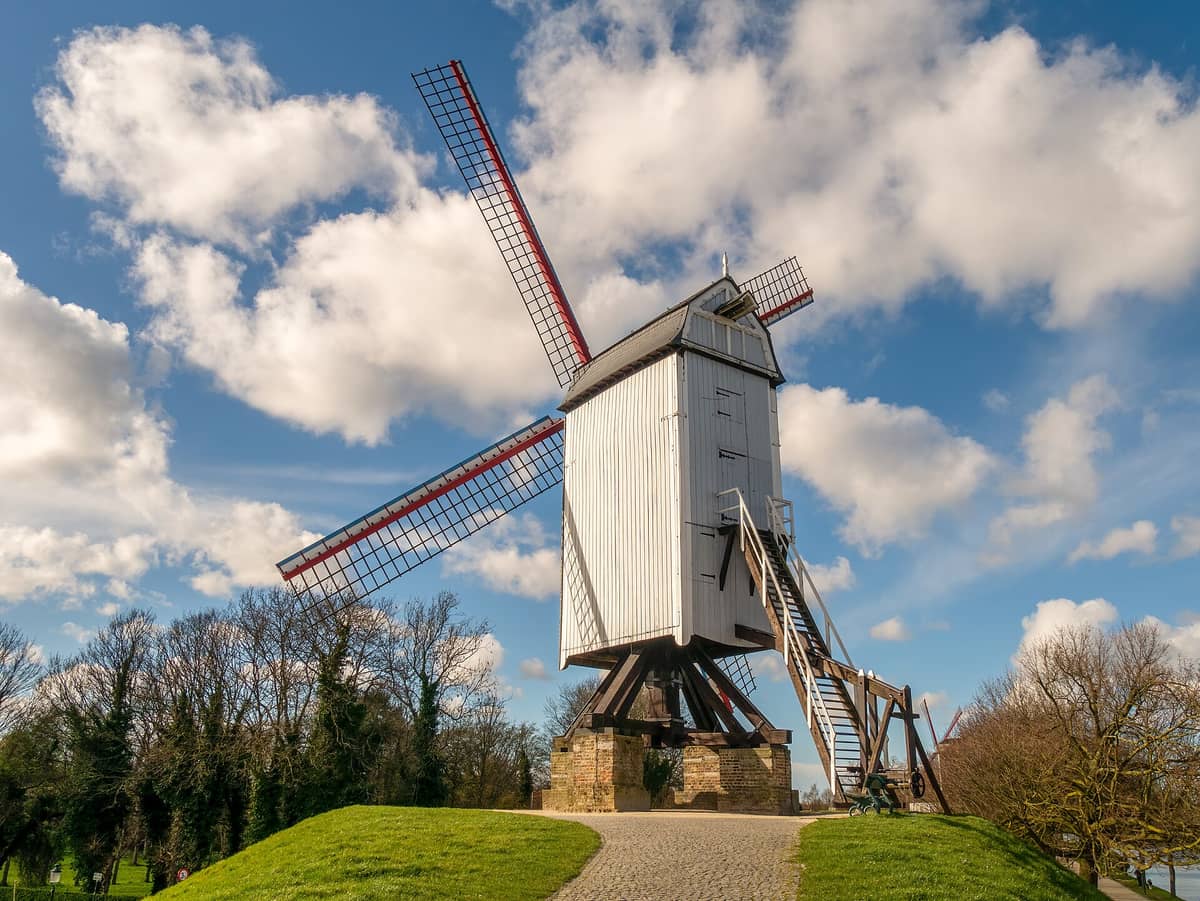
13. Climb the Ramparts to Bruges's Four Historic Windmills
Four windmills survive on the grassy eastern ramparts of Bruges, two still operational and open to visitors in summer. The walk along the top of the earthworks from Sint-Janshuismolen to Koeleweimolen takes under 20 minutes and delivers a view of the city unavailable anywhere else.
Explore13. Climb the Ramparts to Bruges's Four Historic Windmills
Four windmills survive on the grassy eastern ramparts of Bruges, two still operational and open to visitors in summer. The walk along the top of the earthworks from Sint-Janshuismolen to Koeleweimolen takes under 20 minutes and delivers a view of the city unavailable anywhere else.
Explore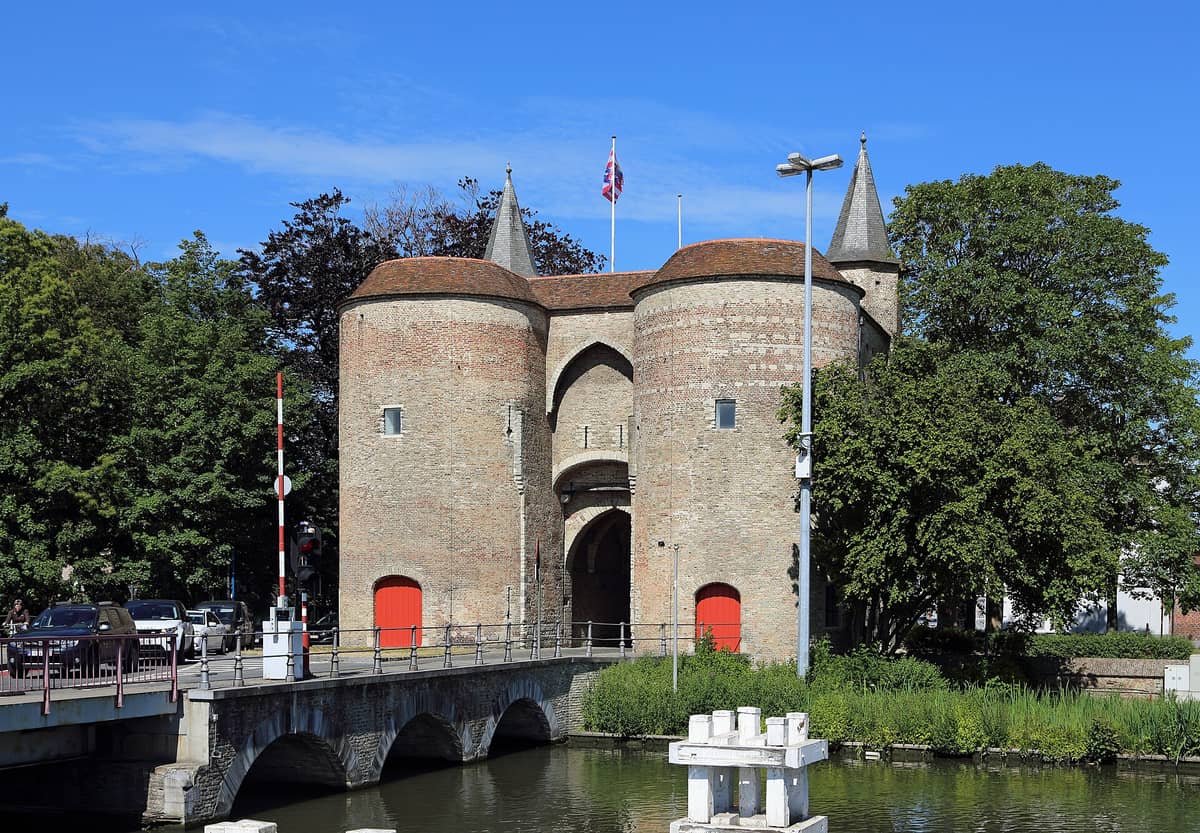
14. Pass Through the Gentpoort, Bruges's Best-Preserved Medieval Gate
The Ghent Gate at the southeastern edge of the ramparts is one of Bruges's four surviving city gates. The interior museum closed permanently in 2020, but the gate itself remains freely visible and is often quiet. Most visitors never reach this far south, which means you often have the structure to yourself.
Explore14. Pass Through the Gentpoort, Bruges's Best-Preserved Medieval Gate
The Ghent Gate at the southeastern edge of the ramparts is one of Bruges's four surviving city gates. The interior museum closed permanently in 2020, but the gate itself remains freely visible and is often quiet. Most visitors never reach this far south, which means you often have the structure to yourself.
ExploreQuieter Versions of Famous Spots
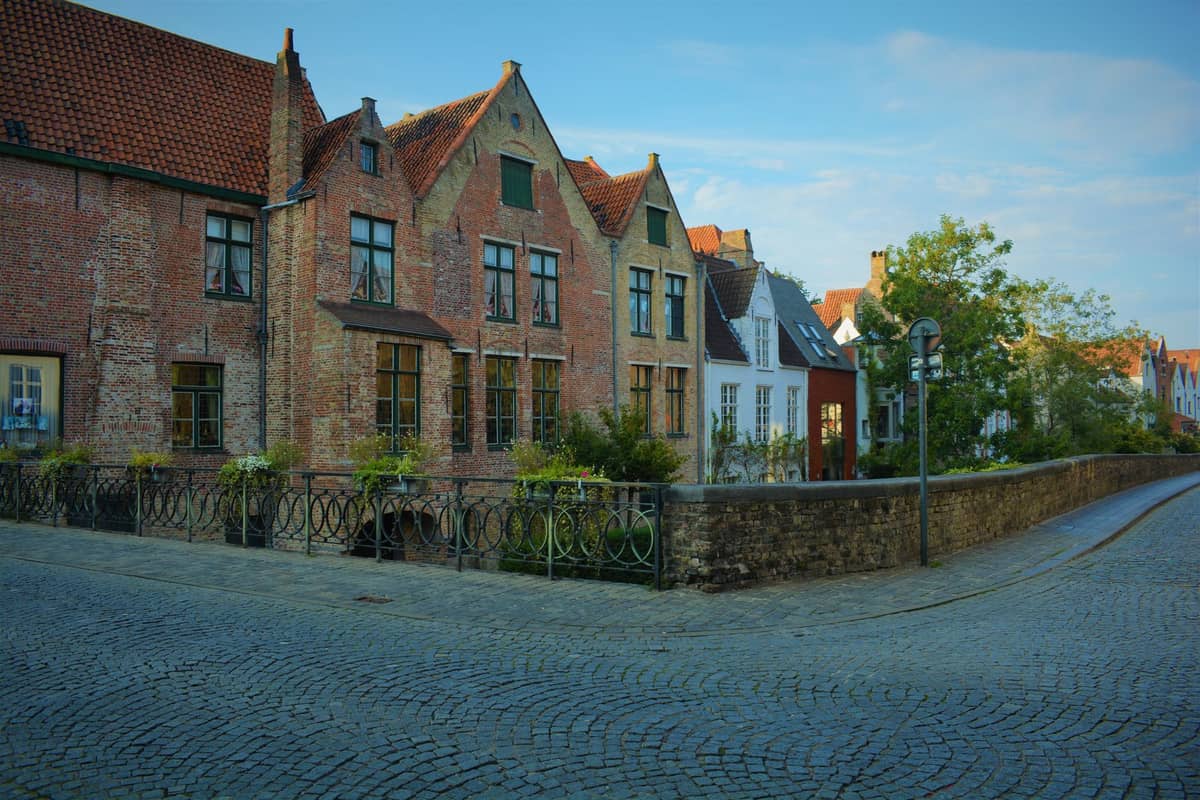
Some of Bruges's best-known attractions have quieter, less obvious alternatives nearby, or reward visiting at specific times. Knowing when and where to go makes a real difference, especially in peak season. The best time to visit Bruges guide covers seasonal crowd patterns in detail.
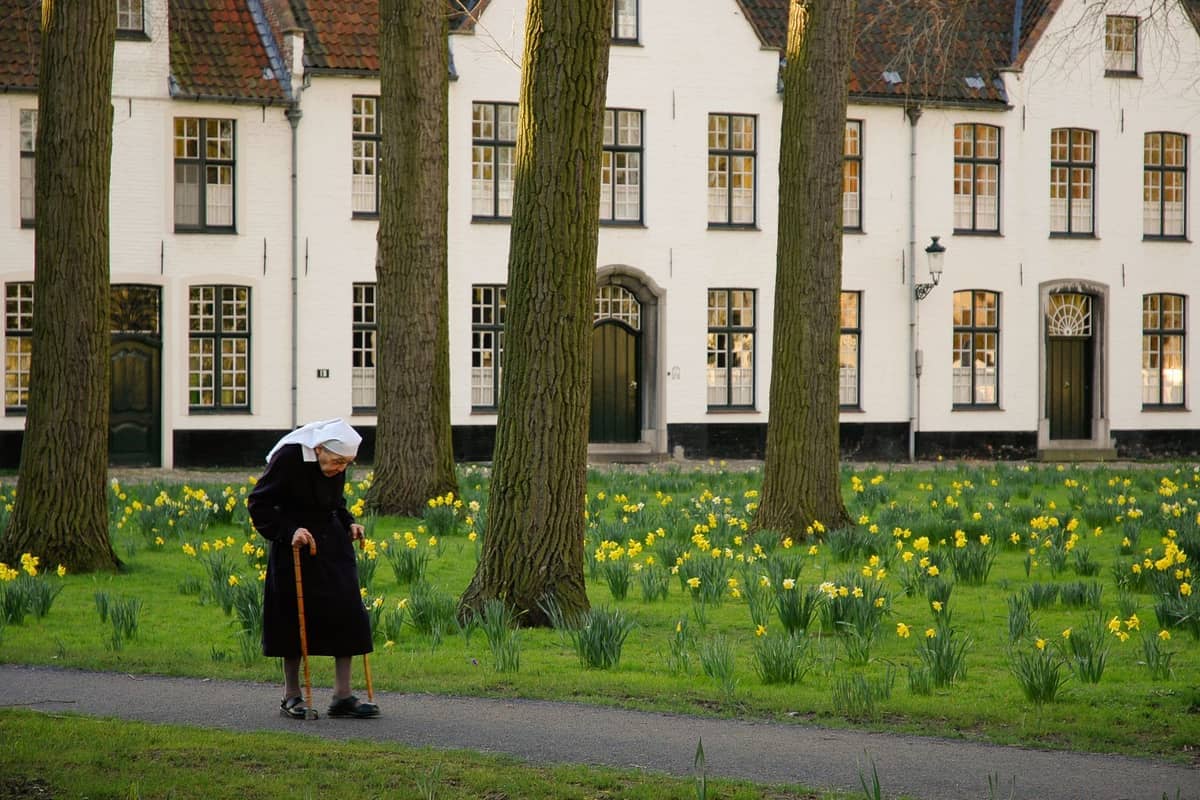
15. Enter the Beguinage Before 9am for a Completely Different Experience
The UNESCO-listed Beguinage is genuinely peaceful in the early morning before tour groups arrive. The whitewashed houses around the courtyard garden are still home to Benedictine nuns, and the atmosphere changes completely without the midday crowds. Free to enter.
Explore15. Enter the Beguinage Before 9am for a Completely Different Experience
The UNESCO-listed Beguinage is genuinely peaceful in the early morning before tour groups arrive. The whitewashed houses around the courtyard garden are still home to Benedictine nuns, and the atmosphere changes completely without the midday crowds. Free to enter.
Explore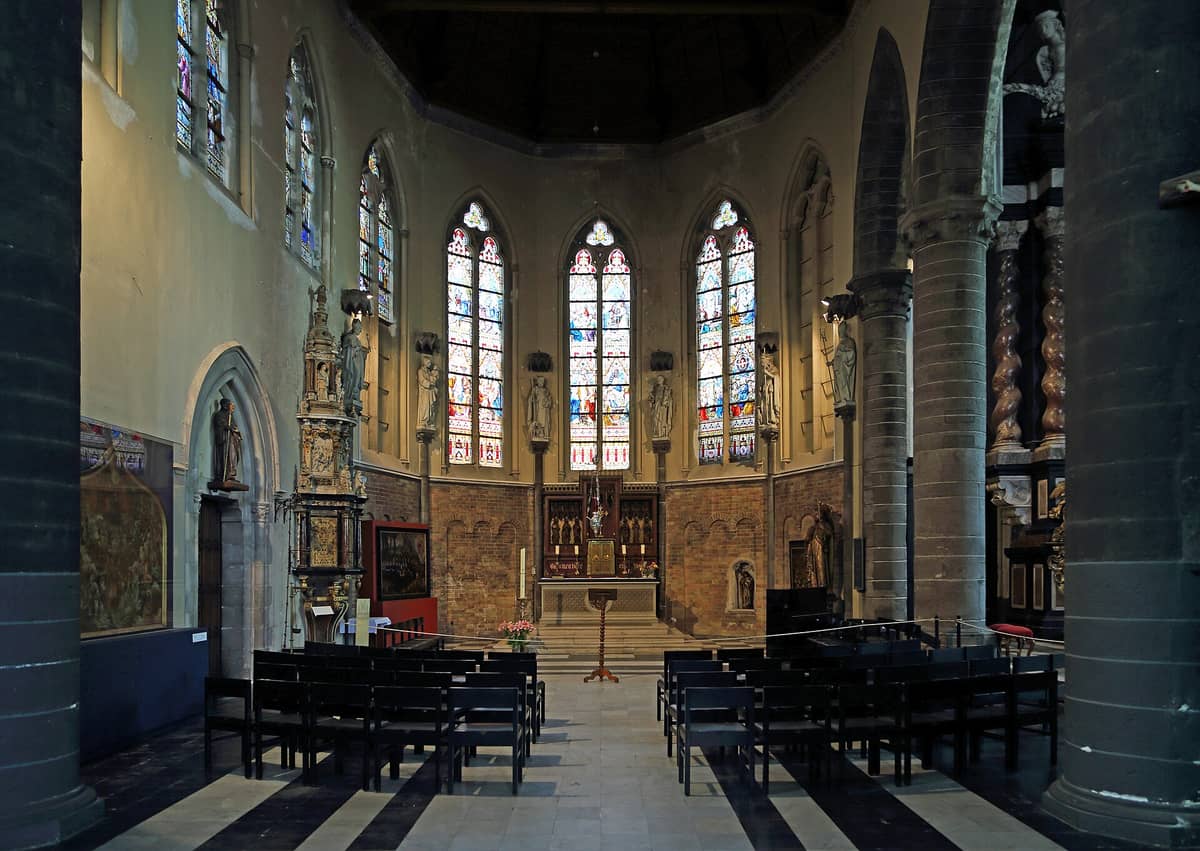
16. See the Paintings Wealthy Merchants Left at St. James's Church
St. James's is one of the richest parish churches in Bruges, filled with paintings, sculptures, and epitaphs donated by Burgundian merchants and courtiers in the 1400s and 1500s. It receives a fraction of the visitors that the Church of Our Lady does, despite a comparable interior quality.
Explore16. See the Paintings Wealthy Merchants Left at St. James's Church
St. James's is one of the richest parish churches in Bruges, filled with paintings, sculptures, and epitaphs donated by Burgundian merchants and courtiers in the 1400s and 1500s. It receives a fraction of the visitors that the Church of Our Lady does, despite a comparable interior quality.
Explore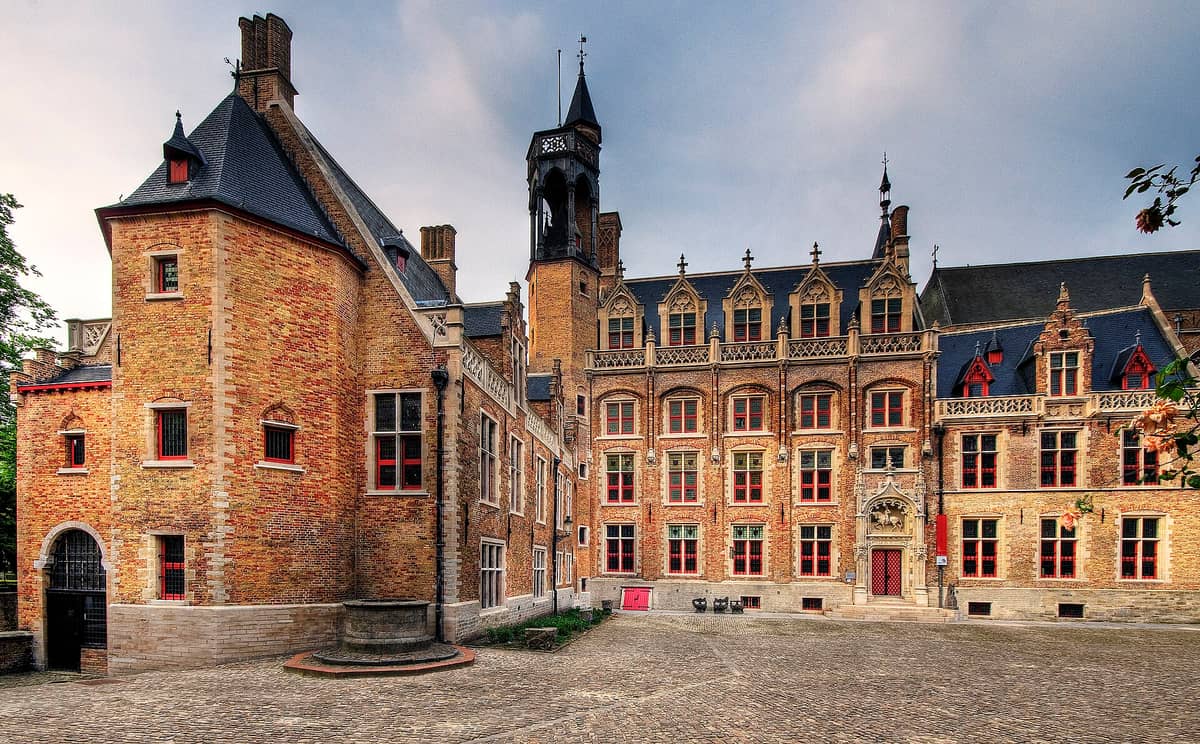
17. Tour the Gruuthuse Palace, Bruges's Most Underrated Museum
This beautifully restored 15th-century palace sits right next to the Church of Our Lady but gets far fewer visitors. Six centuries of Bruges history unfold through tapestries, weapons, silverwork, and everyday objects in one of the most atmospheric interiors in the city.
Explore17. Tour the Gruuthuse Palace, Bruges's Most Underrated Museum
This beautifully restored 15th-century palace sits right next to the Church of Our Lady but gets far fewer visitors. Six centuries of Bruges history unfold through tapestries, weapons, silverwork, and everyday objects in one of the most atmospheric interiors in the city.
Explore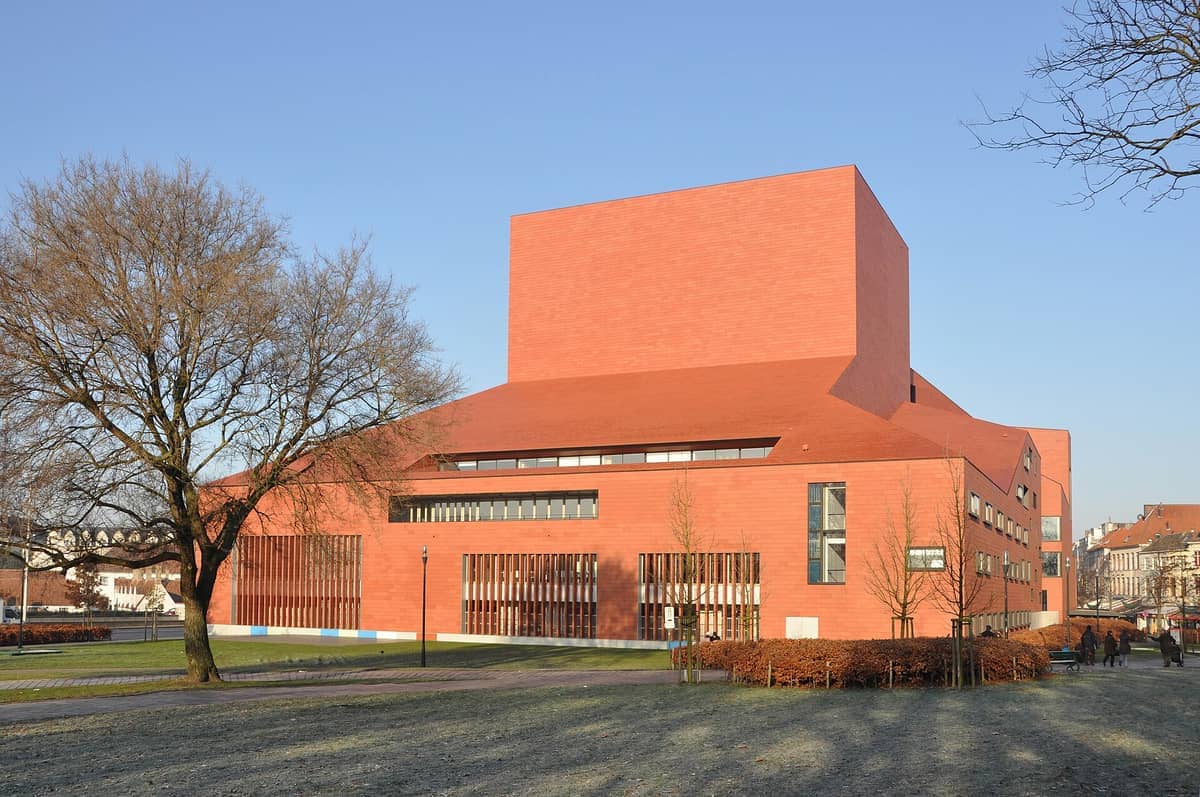
18. Take in the Views from the Concertgebouw Rooftop Terrace
Bruges's contemporary concert hall on 't Zand is rarely on tourist itineraries, but the rooftop terrace offers one of the widest panoramas over the city. Built for Bruges's 2002 year as European Capital of Culture, it also runs world-class classical concerts worth checking the schedule for.
Explore18. Take in the Views from the Concertgebouw Rooftop Terrace
Bruges's contemporary concert hall on 't Zand is rarely on tourist itineraries, but the rooftop terrace offers one of the widest panoramas over the city. Built for Bruges's 2002 year as European Capital of Culture, it also runs world-class classical concerts worth checking the schedule for.
Explore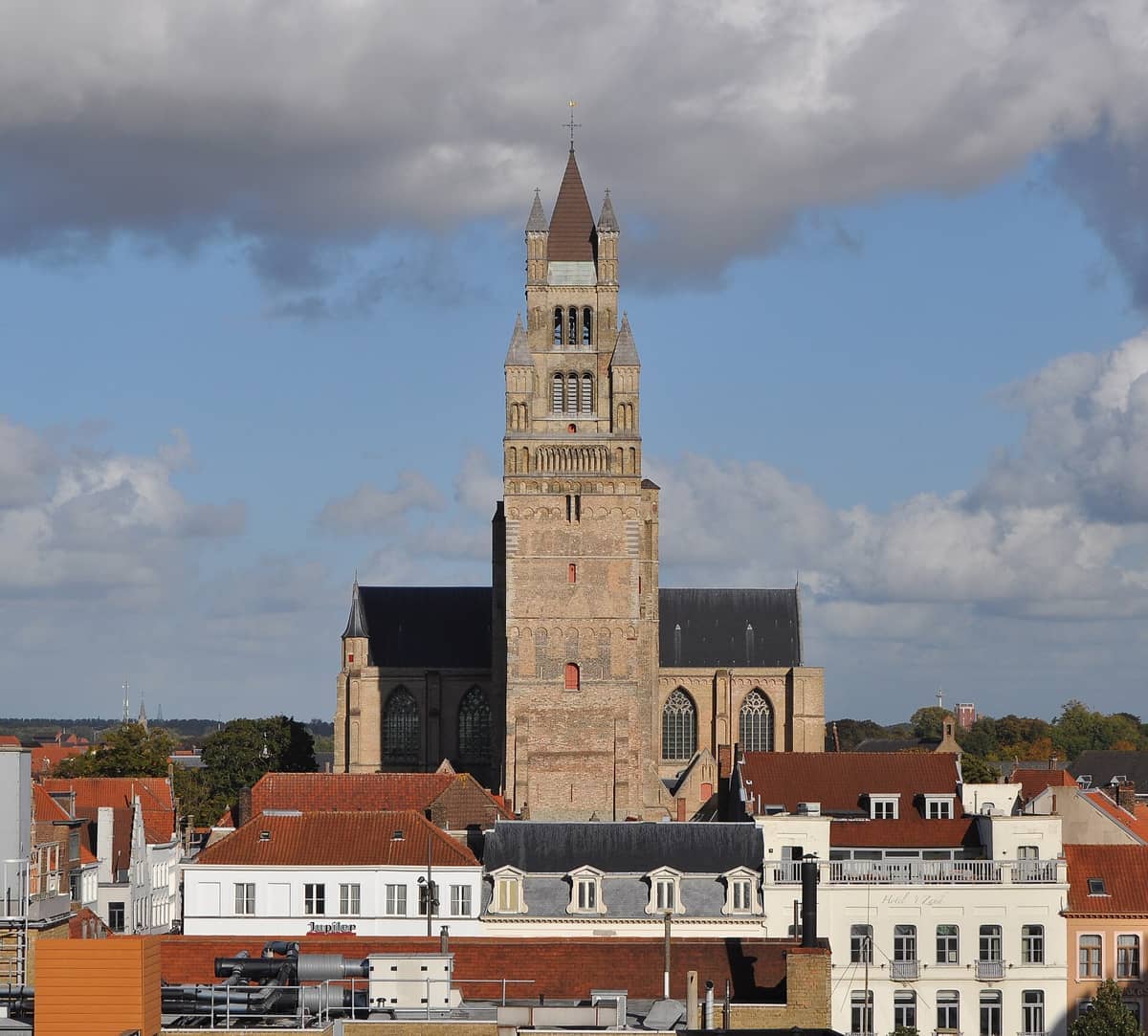
19. Visit St. Salvator's Cathedral, Older Than the Belfry
Bruges's cathedral tower predates the Belfry and the church itself is the oldest parish church in the city. The treasury holds Flemish tapestries and silverwork of real quality. Because the Belfry and Church of Our Lady dominate visitor attention, St. Salvator's is almost always uncrowded.
Explore19. Visit St. Salvator's Cathedral, Older Than the Belfry
Bruges's cathedral tower predates the Belfry and the church itself is the oldest parish church in the city. The treasury holds Flemish tapestries and silverwork of real quality. Because the Belfry and Church of Our Lady dominate visitor attention, St. Salvator's is almost always uncrowded.
ExploreFAQ
What are the best free hidden gems in Bruges?
The Bruges almshouse courtyards, the Arentshof garden, the Boniface Bridge, the Vismarkt area, and the ramparts walk past the windmills are all free to explore. The Beguinage courtyard and gardens are also free to enter, though the small museum/house inside charges an admission fee. Note that many of the smaller museums charge admission even if they receive fewer visitors than the main attractions.
Which parts of Bruges are quietest and least touristy?
The Sint-Anna quarter to the north-east of the centre is consistently the quietest area of the old town, with the Folklore Museum, Lace Centre, Jerusalem Church, and Guido Gezelle Museum all within walking distance. The Kruisvest ramparts on the eastern edge are also almost entirely free of crowds.
When is the best time to visit Bruges's popular spots to avoid crowds?
Early morning, before 9am, makes the biggest difference at the Beguinage, Rozenhoedkaai, and the Boniface Bridge. Weekday mornings in spring (March to May) and autumn (September to October) offer the best combination of pleasant weather and lower visitor numbers across the city.
Are the hidden gem museums in Bruges open year-round?
Most Musea Brugge sites operate year-round but close or reduce hours on major public holidays including Christmas Eve, Christmas Day, New Year's Day, and Ascension Day. Hours can also vary seasonally. Always check the official Musea Brugge website before visiting, particularly for smaller sites like the Folklore Museum or Gentpoort.
Can I see Bruges's hidden gems on a day trip or do I need more time?
A focused day trip can cover several off-the-beaten-track spots, particularly if you concentrate on one area such as Sint-Anna. However, two full days gives you time to explore both the well-known highlights and the quieter corners without rushing. The Sint-Anna quarter, ramparts, and Dijver canal area each deserve at least a couple of hours.