Is Bruges Worth Visiting? An Honest, Practical Assessment
Bruges (Dutch: Brugge) is one of Europe's most photographed medieval cities, but does it live up to the hype? This guide cuts through the postcard image to tell you exactly what the city delivers, who it suits best, and how to get the most out of a visit.
Plan and book this trip
Tools from our partner Travelpayouts help you compare flights and hotels. If you book through them, we may earn a commission at no extra cost to you.
Flights
Hotels map
TL;DR
- Yes, Bruges is worth visiting for its UNESCO-listed medieval centre, canal network, world-class chocolate and beer, and genuinely walkable scale.
- The city rewards visitors who stay at least one night. Day-trippers get the highlights; overnighters get the atmosphere.
- Crowds peak in July and August. For a better experience, visit in May, June, or September.
- Train access from Brussels takes around 1 hour and costs roughly €16–€19 for a standard second-class ticket.
- Bruges has real drawbacks: summer crowds, tourist-trap restaurants around the Markt, and a limited nightlife scene. Plan around them.
What Bruges Actually Is (and Is Not)
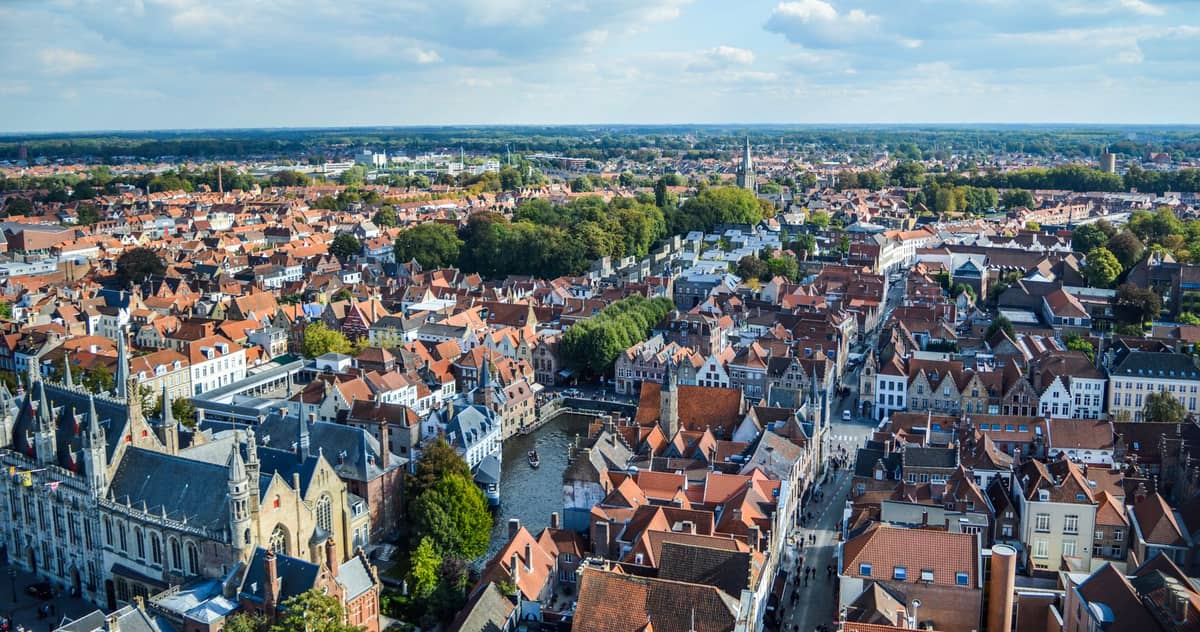
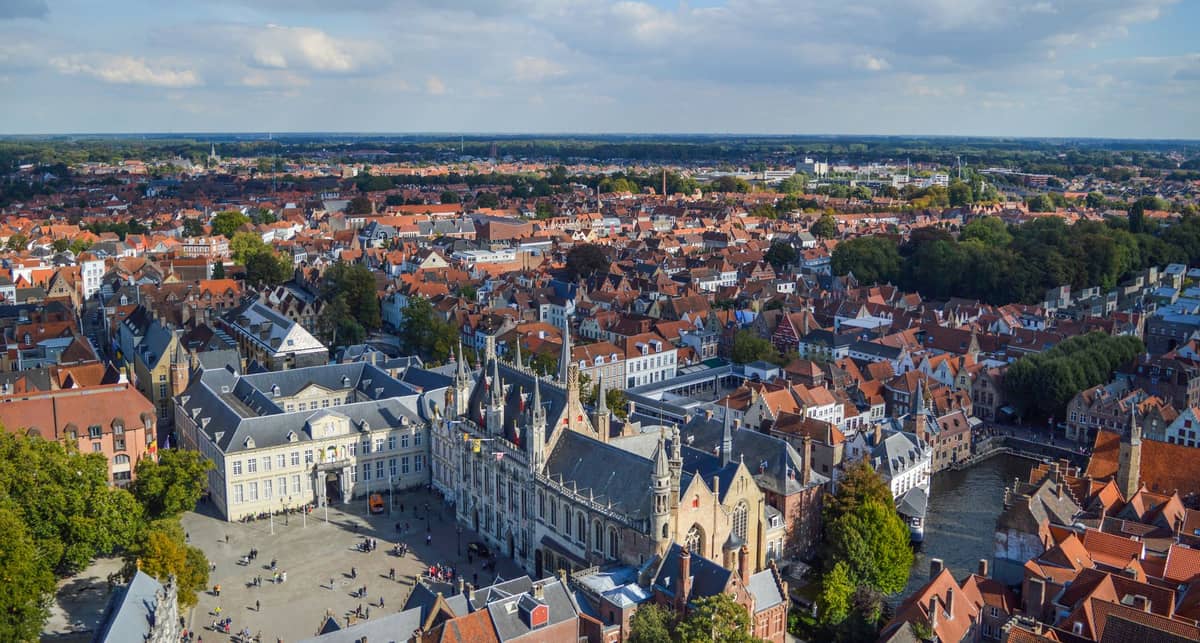
Bruges is the capital of West Flanders province in northwest Belgium, with a municipal population of around 120,000 residents across its nine boroughs. The historic centre, which is what most visitors come for, sits within a ring of canals and contains one of the best-preserved medieval urban cores in northern Europe. In 2000, it was inscribed as a UNESCO World Heritage Site, and that status is not just honorary: the city has maintained its Gothic architecture, medieval street plan, and canal system with unusual integrity.
What Bruges is not: a large, diverse city with multiple distinct neighbourhoods to explore over a week. The historic centre can be walked end-to-end in about 25 minutes. That compact scale is both its strength and its limitation. It suits visitors who want concentrated beauty, exceptional food and drink, and a coherent sense of place. It is less suited to travellers looking for a sprawling urban experience. For context on the full range of things the city offers, the things to do in Bruges guide gives a thorough breakdown.
ℹ️ Good to know
Bruges sits roughly 2 metres above sea level on the Flemish coastal plain, about 100 km from Brussels and 30 km from the North Sea coast. Its maritime climate means mild, often grey winters and warm but rarely hot summers (average July highs around 23°C). Rain is possible year-round: expect around 140–150 rainy days annually spread fairly evenly across seasons.
The Case For Visiting: What Bruges Genuinely Delivers
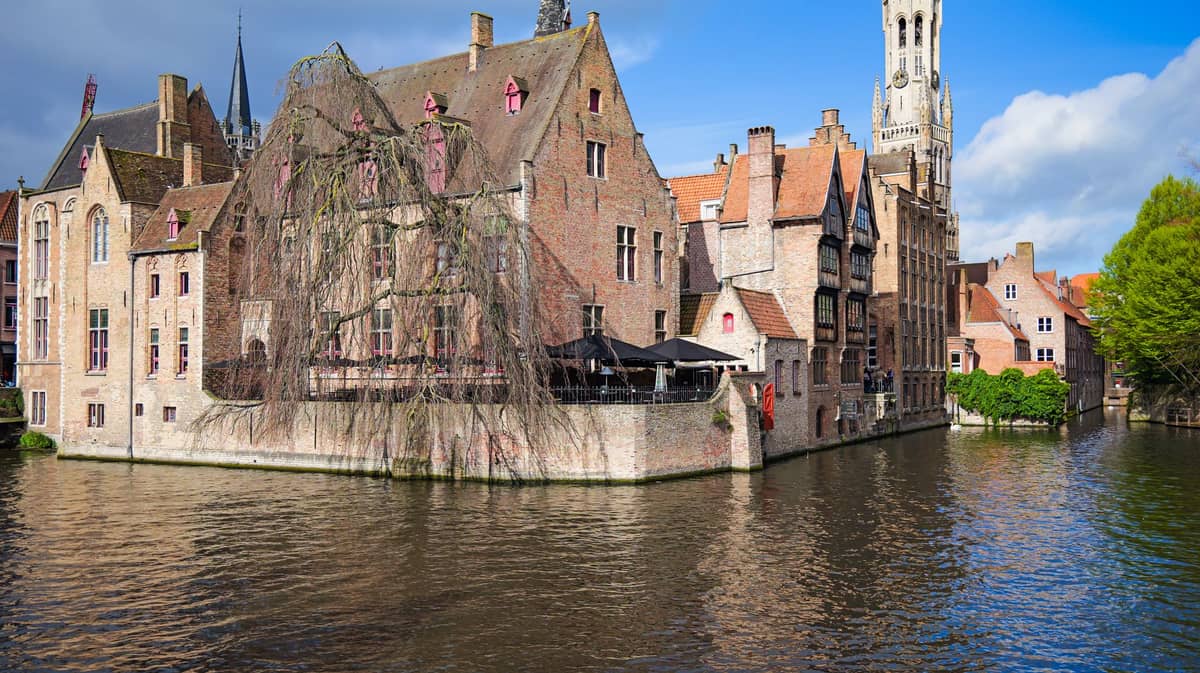
The medieval architecture here is the real thing, not a reconstruction. The Markt square, the Burg, the Belfry (Belfort), the Church of Our Lady, and the network of canals have survived largely intact since the 14th and 15th centuries, when Bruges was one of the wealthiest trading cities in Europe. Walking through the centre on a quiet morning, when tour groups have not yet arrived, gives a coherent sense of a pre-industrial city that is genuinely rare in Western Europe.
The museums punch above their weight for a city of this size. The Groeningemuseum holds one of the finest collections of Flemish Primitive paintings in the world, including works by Jan van Eyck, Hans Memling, and Rogier van der Weyden. The Memling in Sint-Jan inside the former St John's Hospital displays six Memling masterpieces in their original setting. These are not provincial collections: they are works of genuine international significance.
Beyond the art, the food and drink culture is a legitimate reason to visit. Belgian chocolate in Bruges is made by a mix of major chains and independent chocolatiers, and the quality difference between the two is considerable. The city has a concentration of excellent breweries, including the Halve Maan, which still brews inside the city centre. Belgian waffles, frites, and mussels are all available in good versions if you know where to look. The gastronomy alone justifies a visit for many travellers.
- Architecture An intact medieval city centre with Gothic churches, stepped gable houses, and a 13th-century belfry that dominates the skyline.
- Art museums World-class Flemish Primitive collections at the Groeningemuseum and Memling in Sint-Jan, plus the Gruuthusemuseum for applied arts and city history.
- Canal network 30-minute regulated boat tours at €15 per adult (€9 for children 4–11) offer a different perspective on the city; prices are standardised by the City of Bruges across all licensed operators.
- Beer and chocolate The Halve Maan Brewery offers tours inside the city centre; dozens of chocolatiers range from artisan workshops to flagship chain stores.
- Scale and walkability The entire historic centre is navigable on foot in a day, with no need for taxis or public transport once you arrive.
Honest Drawbacks: What Bruges Gets Wrong
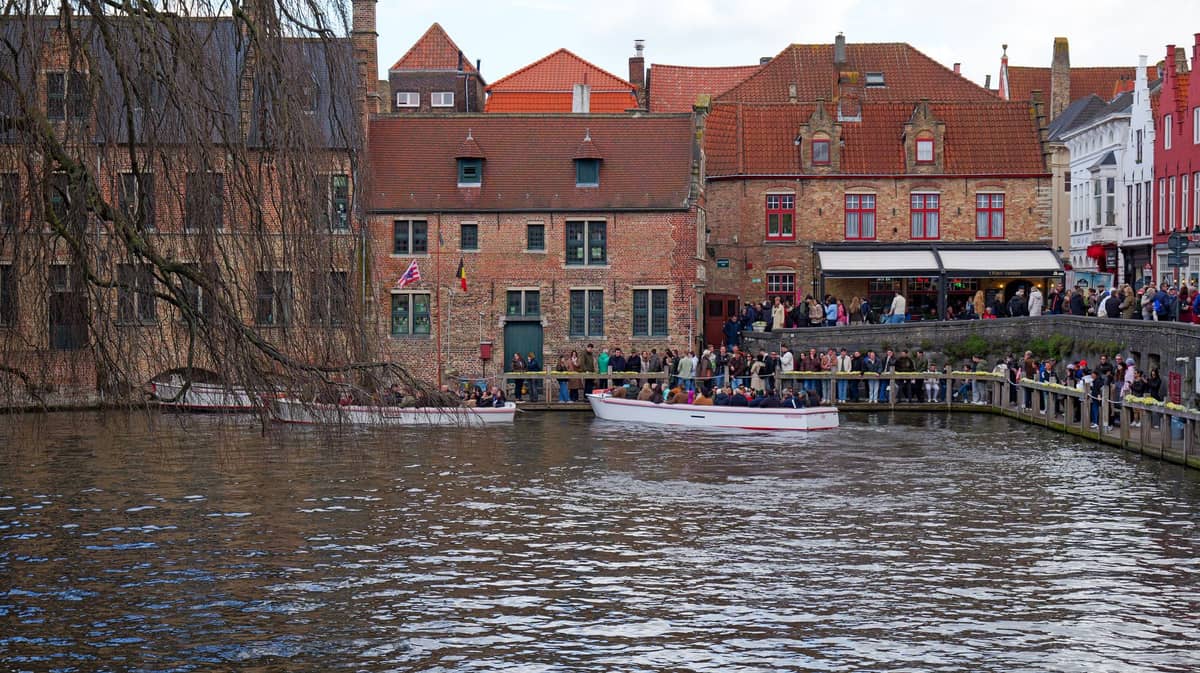
The tourist pressure in summer is real and worth factoring into your decision. In July and August, the Markt, the Rozenhoedkaai canal viewpoint, and the Begijnhof draw crowds that can feel overwhelming, particularly on weekends when day-trippers arrive from Brussels and the coast. Canal boat queues at peak times can stretch to 30–40 minutes. The narrow lanes around the Burg fill with guided tour groups from mid-morning to late afternoon.
Restaurants directly on the Markt and along the main tourist corridors are, as a rule, overpriced and mediocre. The city's reputation for chocolate and beer means many visitors eat badly while spending well. The fix is straightforward: walk two or three streets away from the main squares and the quality-to-price ratio improves immediately. The same applies to waffle stands: the ones on the Markt cater almost exclusively to tourists, while smaller independent shops off the main drag use better ingredients.
⚠️ What to skip
Bruges has limited nightlife compared to Ghent or Brussels. If you're travelling primarily for bars, clubs, or a late-night scene, this is not the right city. The centre quietens noticeably after 22:00, especially outside summer. It is a genuinely pleasant place to have a late beer in a traditional café, but it is not a party destination.
The city can also feel like it is performing itself for visitors, particularly in the most photographed spots. Rozenhoedkaai, for example, is beautiful and worth seeing, but on a summer afternoon it is also ringed with tripods and selfie sticks. This is not unique to Bruges, but it is more pronounced here than in comparable Belgian cities because the entire centre is essentially one large heritage attraction with a resident population of 120,000 living inside it.
How Long Do You Actually Need?
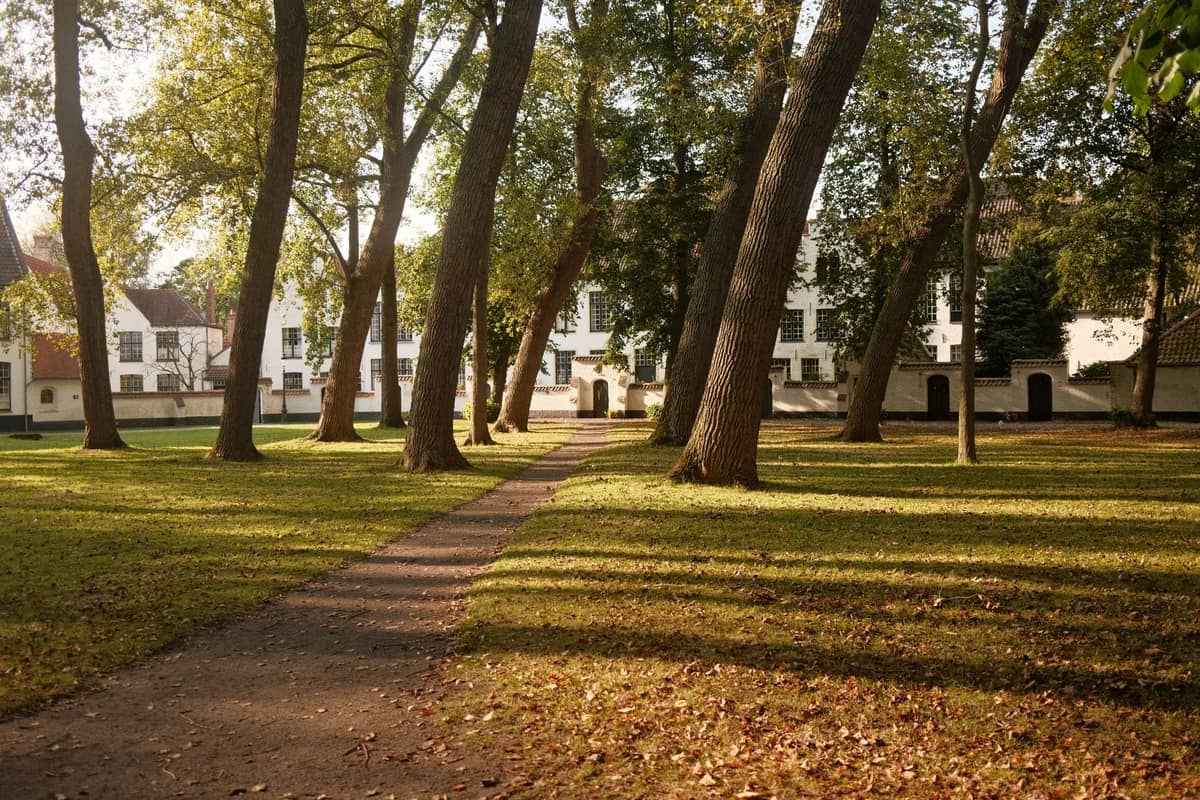
A single day from Brussels gives you the Markt, the Burg, a canal boat tour, one or two museums, and a walk through the Begijnhof. That is a solid day trip, but it is also the version of Bruges that most people experience, and it can feel rushed. The one-day Bruges itinerary maps this out efficiently if that is your constraint.
Two nights is the sweet spot for most visitors. It lets you cover the main sites without rushing, spend an evening in the city after the day-trippers have left (when Bruges is genuinely atmospheric), and explore areas like the Sint-Anna quarter or the Kruisvest windmills that most people miss. The 2 days in Bruges guide provides a structured plan. Three days works well if you plan to use Bruges as a base for a day trip to Ghent, Ypres, or the coast.
✨ Pro tip
Book accommodation inside the historic centre, not near the train station. The station is about a 20-minute walk from the Markt, and staying within the canal ring means you experience the city in the early morning and evening when it is at its best. The difference in atmosphere between 8am and 11am is significant.
When to Go: Timing Your Visit Around Crowds and Weather
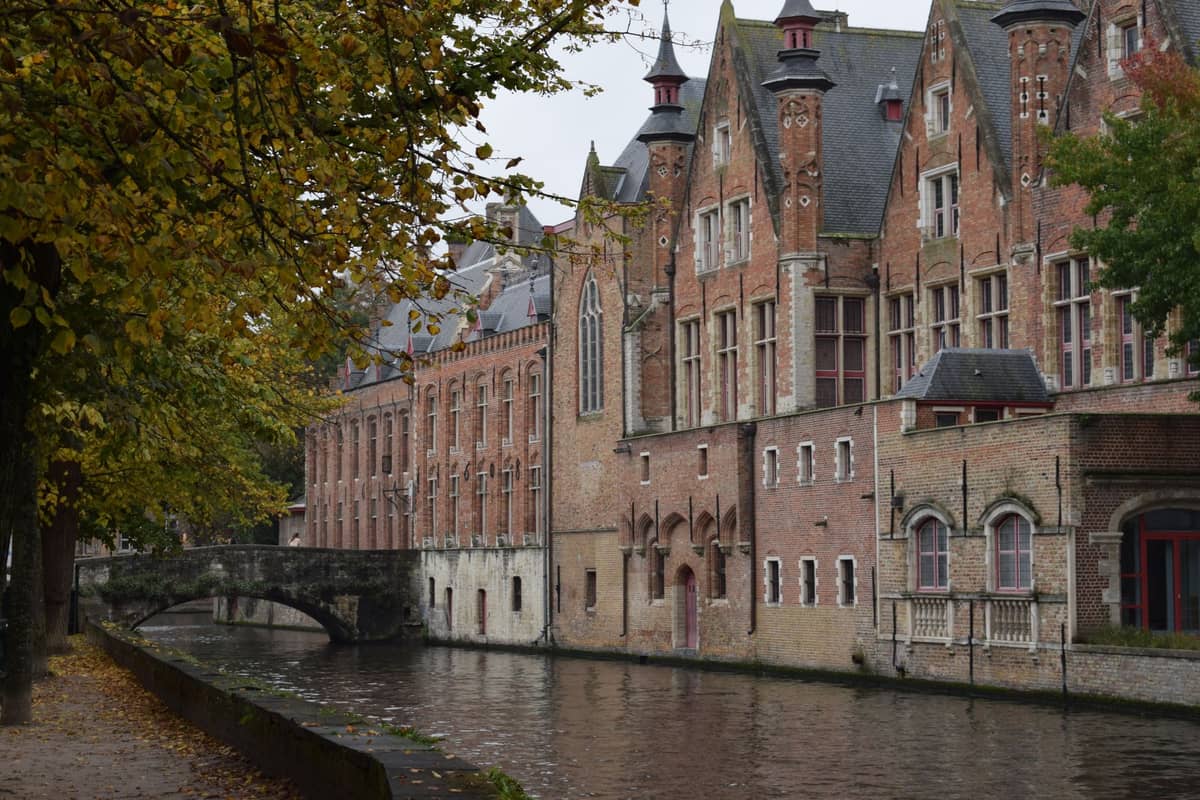
May and June are consistently the best months to visit. Temperatures average around 17–19°C, daylight stretches to around 9pm, and crowds are present but manageable on weekdays. Late September and October offer similar advantages, with the added quality of autumn light on the brick facades and canals. Both periods see fewer visitors than July and August while offering better weather than the winter months.
Winter in Bruges is genuinely underrated. From November through February, temperatures drop to 2–7°C, but the Christmas market transforms the Markt and Simon Stevinplein into one of Belgium's better festive markets, and the museums are quieter than at any other time of year. The city's Christmas market runs from late November through early January. If cold and grey weather does not put you off, a winter visit to Bruges offers lower hotel rates and a very different character.
- May–June: Best weather-to-crowd ratio. Ideal for first-time visitors.
- July–August: Warmest and busiest. Book accommodation months in advance. Avoid weekend visits if possible.
- September–October: Pleasant temperatures, thinner crowds, excellent light for photography.
- November–January: Cold and often grey, but the Christmas market season (late Nov–early Jan) adds significant atmosphere and the museums are at their quietest.
- February–March: Quietest period. Low prices, minimal crowds, but limited outdoor comfort.
Getting There and Getting Around
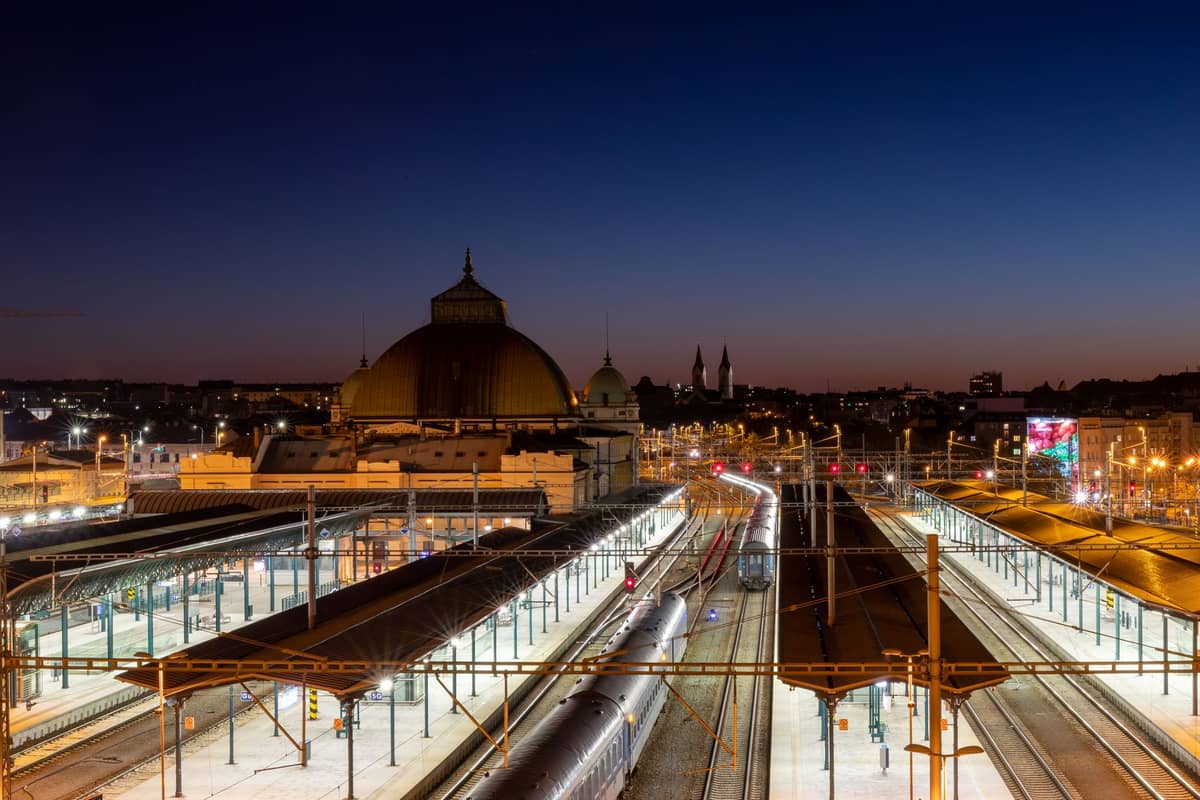
Bruges does not have its own international airport. The main access point is Brussels Airport (BRU), approximately 100 km away. From the airport's rail station, direct or one-change SNCB/NMBS services reach Bruges in around 1–1.5 hours; Brussels-Midi to Bruges typically takes about 1 hour to 1 hour 5 minutes. Standard second-class fares on the Brussels–Bruges route are usually in the €16–€19 range. Ostend-Bruges Airport (OST), about 30 km from the city, handles a limited number of charter and seasonal routes and is less useful for most international visitors.
Once in Bruges, the train station is about a 20-minute walk or a short De Lijn bus ride from the historic centre (single bus ticket around €2.50–€3). Within the centre itself, walking is the default. The streets are compact, largely flat, and well-signposted. Cycling is also practical: Bruges has a strong cycling culture and rental options are widely available. For more on navigating the city, the getting to and around Bruges guide covers transport options in detail, including cycling routes.
💡 Local tip
Belgium uses Type E plugs (French-style with earth pin) and 230V/50Hz electricity. Bring an adapter if you're arriving from the US, UK, or Australia. Tap water in Bruges is safe to drink and meets EU standards. The country dialling code is +32, and the emergency number is 112.
FAQ
Is Bruges worth visiting for just one day?
Yes, a day trip from Brussels is viable and covers the main highlights: the Markt, Burg square, a canal boat tour, and one or two museums. However, you will be sharing the experience with large numbers of other day-trippers, and you will miss the evening atmosphere that makes Bruges genuinely special. If your schedule allows even one overnight stay, the quality of the experience improves considerably.
Is Bruges too touristy?
In peak summer (July–August), yes, parts of it feel heavily touristy. The immediate areas around the Markt, Rozenhoedkaai, and Begijnhof can be congested from mid-morning to early evening on weekends. That said, the historic centre is large enough that a short walk away from the main sites brings noticeably fewer crowds. Visiting in May, June, September, or October significantly reduces this problem.
How much does it cost to visit Bruges?
Bruges ranges from budget-friendly to expensive depending on your choices. Free attractions include the Begijnhof grounds, canal-side walks, the Windmills on Kruisvest, and most churches. Paid highlights include the Groeningemuseum (around €15 for adults), the Belfry (around €15), and canal boat tours (€15 per adult, €9 for children aged 4–11). Mid-range hotel accommodation within the historic centre typically runs €120–€200 per night. A sit-down lunch or dinner in a non-tourist-trap restaurant costs around €20–€35 per person.
What is the best neighbourhood to stay in Bruges?
Staying inside the canal ring (the historic centre itself) is strongly recommended. The Sint-Anna quarter to the northeast is quieter and more residential than the Markt area, while still being central. The Dijver canal quarter offers proximity to the main museums. Accommodation near the train station in Sint-Michiels is cheaper but puts you 20+ minutes from the atmosphere you came for.
Is Bruges worth visiting in winter?
For the right traveller, absolutely. The Christmas market from late November through early January is one of Belgium's best, the museums are far quieter than in summer, and hotel rates drop substantially. The main trade-off is cold, often overcast weather with temperatures between 2–7°C and a higher chance of rain. Canal boat tours typically stop running after November. If you are primarily interested in architecture, art, chocolate, and beer rather than outdoor activities, winter is a perfectly legitimate time to visit.