Best Day Trips from Bruges: Ghent, Brussels, the Coast and Beyond
Bruges sits at the center of one of Europe's most connected rail networks. From medieval Ghent to the Belgian coast, these are the best day trips from Bruges, with real train times, honest crowd advice, and exactly what to do when you get there.
Plan and book this trip
Tools from our partner Travelpayouts help you compare flights and hotels. If you book through them, we may earn a commission at no extra cost to you.
Flights
Hotels map
TL;DR
- Ghent is the easiest and most rewarding day trip: 22-27 minutes by train, departures every 10-15 minutes, and enough to fill a full day without the tourist pressure of Bruges itself.
- Brussels takes under an hour from Bruges by direct train and works well for a day trip, though the city is large enough that you need a clear plan to avoid feeling overwhelmed.
- The Belgian coast (Blankenberge, De Haan, Knokke) is reachable in under 30 minutes and is ideal in summer. The Kusttram lets you hop between coastal towns along the full Belgian coastline.
- Belgian intercity trains are mostly unreserved, so you don't need to book weeks ahead. A standard second-class ticket is valid on any train that day.
- If you're planning to stay in Bruges for two days before or after a day trip, see our two-day Bruges itinerary for how to structure your time.
Why Bruges Is a Perfect Base for Day Trips
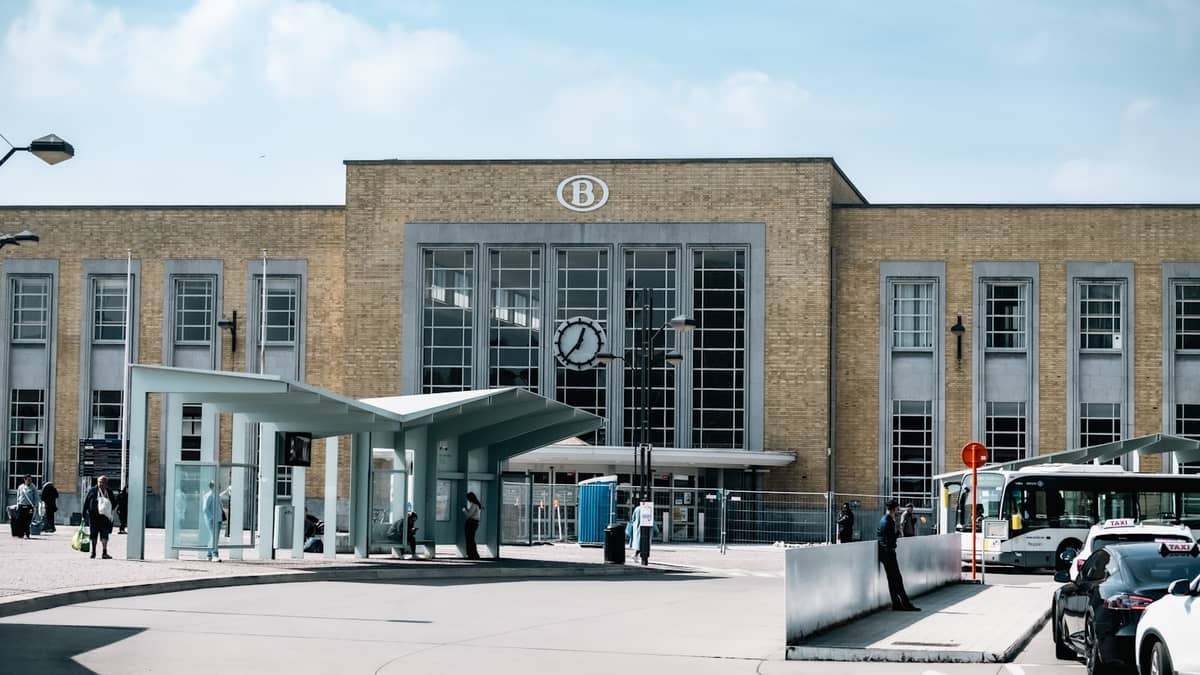
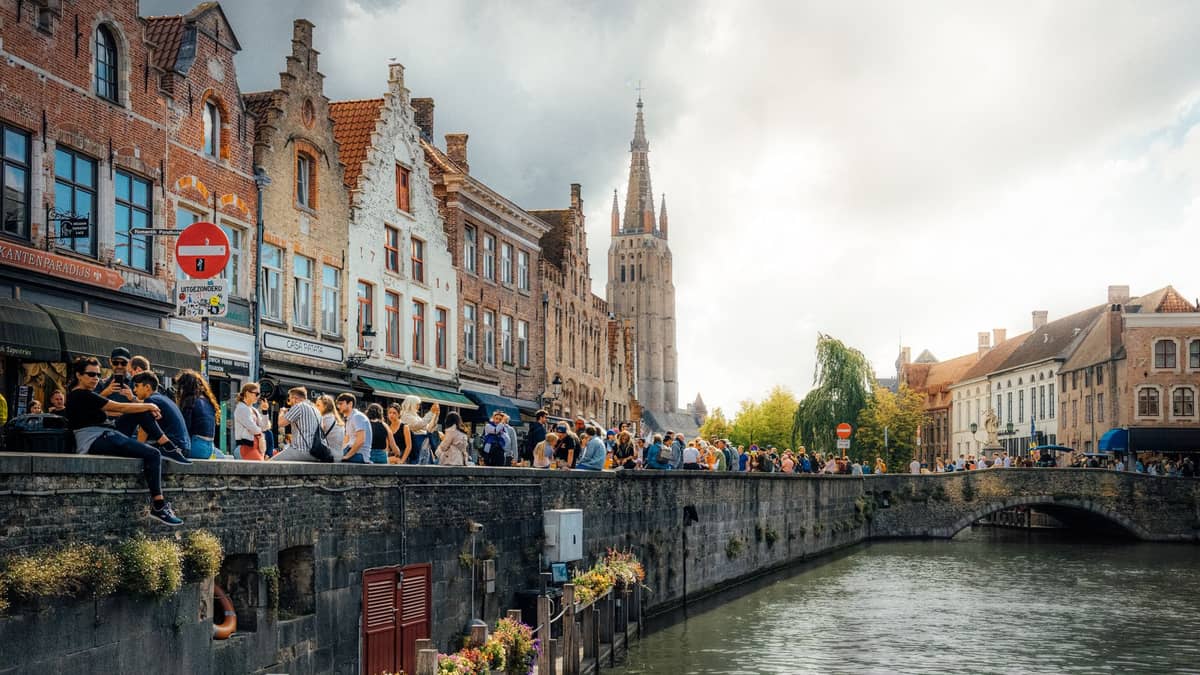
Bruges (Dutch: Brugge) sits in the northwest corner of Belgium, in the province of West Flanders, roughly 100 km from Brussels and about 50 km from Ghent. The city's main train station, Brugge, is on the Belgian Railways (NMBS/SNCB) intercity network, and the connections are genuinely excellent. You are rarely more than an hour from any major Belgian city. For visitors spending several nights in Bruges, this makes structured day trips not just possible but straightforward.
The practical case for using Bruges as a base is strong. The historic centre is compact and walkable, hotels are concentrated near the station and Markt, and because most day-trip trains run from early morning until after midnight, you are not constrained to rigid schedules. If you haven't yet decided how much time to spend in Bruges itself, our guide on things to do in Bruges will help you separate a single day's highlights from the deeper experiences that justify a longer stay.
ℹ️ Good to know
Belgian intercity trains are mostly unreserved. A standard second-class ticket is valid on any departing train on the day of travel, so you don't need to book a specific service in advance. Advance purchase through NMBS/SNCB or third-party retailers can occasionally yield lower promotional fares, but it's rarely essential for these routes.
Ghent: The Best Day Trip from Bruges
Ghent is the strongest day trip from Bruges by almost every measure: travel time, density of things to see, quality of food and beer, and the simple fact that it feels less performed than Bruges. Where Bruges can feel like it exists primarily for tourists in peak season, Ghent has a genuine university city energy with around 270,000 residents. The medieval core is just as architecturally impressive, but the crowds thin out noticeably once you leave the main drag around Graslei and Korenlei.
Direct trains from Brugge station to Ghent-Sint-Pieters take 22-27 minutes and run approximately every 10-15 minutes throughout the day, with around 90-95 services daily. One-way fares start at roughly €5-8 depending on when you buy and through which channel, making it one of the most affordable rail day trips in Western Europe. From Ghent-Sint-Pieters station, the historic centre is about a 25-minute walk or a short tram ride.
- Gravensteen Castle A 12th-century fortress in the city centre, with genuine medieval interiors and a dry wit throughout the audio guide. Admission is around €14 for adults.
- Graslei and Korenlei The guild-house-lined waterfront is Ghent's most photographed stretch. Arrive before 10am if you want it without crowds.
- STAM (Ghent City Museum) An underrated introduction to the city's history inside a converted abbey, rarely overcrowded even in summer.
- Ghent Altarpiece The Adoration of the Mystic Lamb by the Van Eyck brothers, displayed in Sint-Baafskathedraal. One of the great works of European painting. Queue early or book a timed ticket online.
- Vrijdagmarkt The city's main market square, lined with local cafes. Better for lunch than the tourist-facing restaurants near the waterfront.
💡 Local tip
Most Ghent museums are closed on Mondays. If your day trip falls on a Monday, focus on the Ghent Altarpiece (Sint-Baafskathedraal stays open), Gravensteen Castle (which remains open on Mondays), and the outdoor waterfront areas, which are accessible any day.
Brussels: More Than a Capital City Checkbox
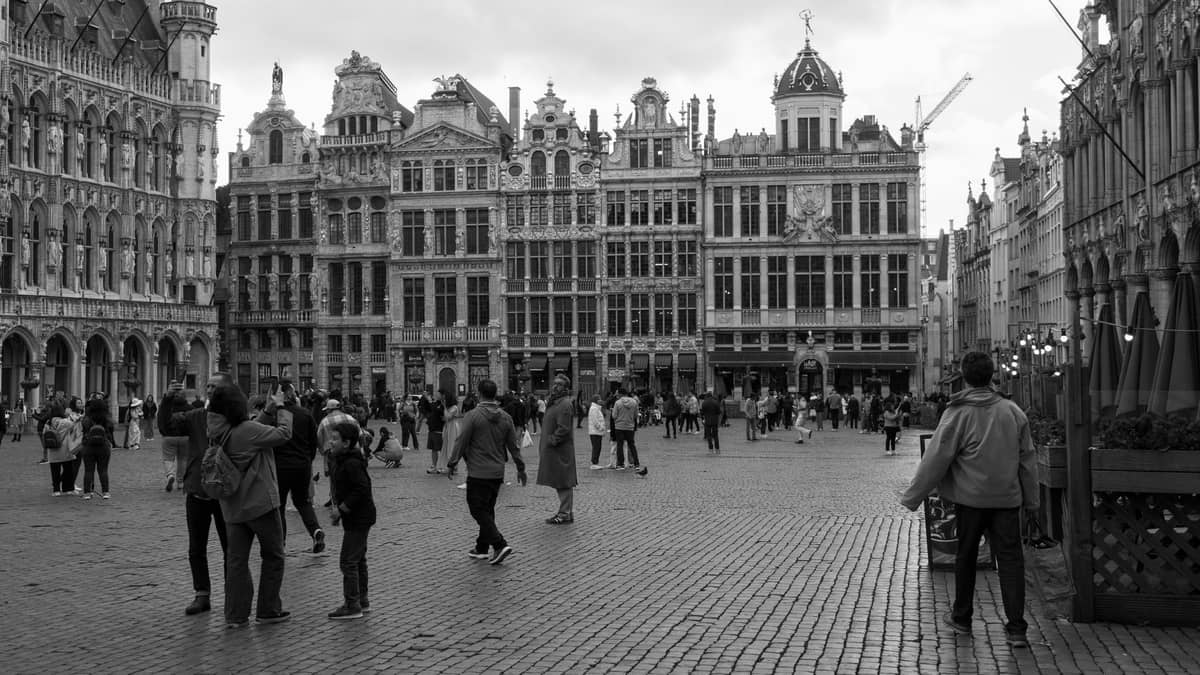
Brussels is an obvious day trip from Bruges and, for many visitors, an important one. The rail connection is direct and fast: trains from Brugge to Brussels-Midi or Brussels-Central take around 53-64 minutes, with departures roughly every 20 minutes throughout the day and around 50-60 services daily. First trains leave Bruges from around 04:10, and last departures back from Brussels are after 23:00, giving you a genuinely long day if you want it. One-way fares are typically in the €11-23 range.
The honest caveat about Brussels is that it rewards visitors who go with a specific plan. The Grand-Place is one of the finest medieval squares in Europe, the Magritte Museum and Musées Royaux des Beaux-Arts are serious collections, and the Art Nouveau architecture scattered across the Ixelles and Saint-Gilles neighbourhoods is genuinely special. But Brussels is large, the metro covers a lot of ground, and without direction you can spend hours between highlights without seeing much of substance. Arriving at Brussels-Central rather than Brussels-Midi puts you within 5 minutes' walk of the Grand-Place, which is a meaningful practical advantage.
⚠️ What to skip
Avoid the Atomium and Mini-Europe combination if you're on a single-day visit from Bruges. Both are in Laeken, require travel time across the city, and consume most of the afternoon. Unless you're traveling with young children, that time is better spent in the centre.
The Belgian Coast: Blankenberge, De Haan, and Knokke
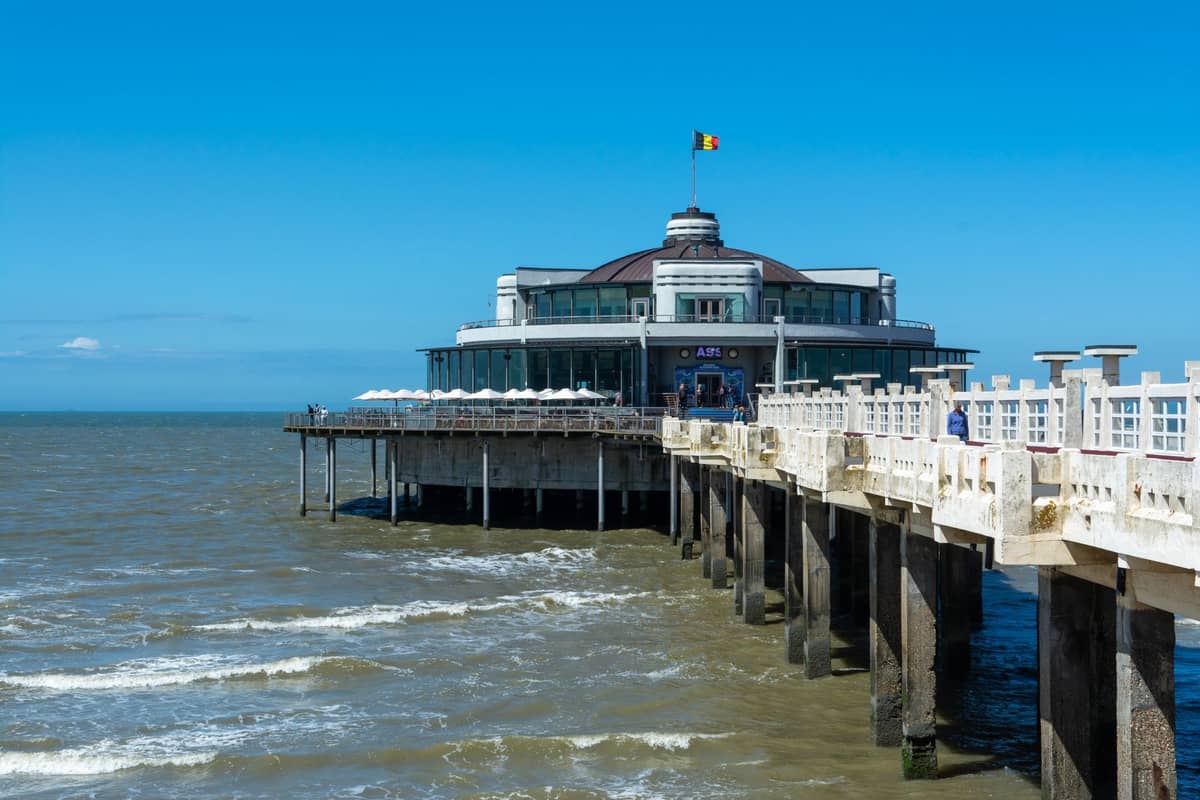
The North Sea coast is around 10–15 minutes from Bruges by direct train to Blankenberge, which makes a beach day genuinely low-effort. The three towns worth considering are Blankenberge, De Haan, and Knokke, each with a different character. Blankenberge is the most accessible and most crowded, a traditional Belgian seaside resort with a long sandy beach and a pier. De Haan is quieter and better preserved, with Belle Époque villas behind the dunes that give it a more refined feel. Knokke is the upmarket option: expensive boutiques, a quieter beach, and a gallery culture that makes it interesting even outside swimming season.
The Kusttram, operated by De Lijn, runs the entire Belgian coast from near De Panne in the west to Knokke in the east, covering roughly 65-70 km of coastline. A single tram ticket lets you hop between multiple coastal towns in one day, which is a practical way to combine De Haan and Knokke or to explore the quieter stretches between resorts. Frequencies increase substantially in summer (July-August), with trams running every few minutes on the most popular sections. In winter, services are less frequent and many seasonal restaurants and beach clubs are closed.
- Blankenberge: around 10–15 minutes from Bruges by direct train, best for families and straightforward beach access.
- De Haan: accessible by coastal tram from Blankenberge, best for a quieter atmosphere and Belle Époque architecture.
- Knokke: 30-40 minutes from Bruges, best for galleries, upscale dining, and a less crowded beach in high season.
- Zeebrugge: technically a borough of Bruges, it's the city's seaport. The North Sea Port House and seafood restaurants near the harbour make it a short and easy half-day excursion.
Practical Logistics: Getting Around from Bruges
All day trips listed here depart from Brugge railway station, about a 15-minute walk south of the Markt or a short De Lijn bus ride from the historic centre (single bus ticket €3). Tickets for Belgian intercity trains can be bought at the station, through the NMBS/SNCB app, or via third-party retailers like Trainline or Omio. For Ghent and Brussels, buying at the station on the day is perfectly practical. For more on getting to and around the region, see our guide on getting to and around Bruges.
Belgian rail fares are set by NMBS/SNCB, but prices quoted through third-party retailers can vary due to booking fees. For the most accurate fares, check directly through the Belgian Railways website before your trip, as prices listed in guides (including this one) are subject to periodic revision. Brussels Airport (BRU, about 95 km from Bruges) and Ostend-Bruges Airport (OST, about 30-35 km from Bruges) are the two main gateways. From Brussels Airport, trains to Bruges take around 1 hour 20-30 minutes with one change at Brussels-Midi or Brussels-Central. From OST, a bus or taxi to Ostend station followed by a train to Bruges keeps the total transfer under an hour.
- Bruges to Ghent 22-27 min, every 10-15 min, around €5-8 one way. Most day trips allow 6-7 hours on the ground.
- Bruges to Brussels 53-64 min, every 20 min, around €11-23 one way. Up to 108 trains daily, first departure around 04:10.
- Bruges to Blankenberge Under 30 min by direct train. Connect to De Haan and Knokke via the Kusttram.
- Bruges to Bruges coast (Zeebrugge) Around 15-20 min by train. A viable half-day rather than a full day trip.
Timing Your Day Trips: Crowds, Seasons, and Weekdays
July and August are the busiest months across all of these destinations. Ghent and the coast see peak crowds during Belgian school holidays, and Brussels fills with summer tourists around the Grand-Place. If your visit falls in this window, start early: on a Ghent day trip, arriving before 09:30 lets you reach Gravensteen and the Ghent Altarpiece before the main tourist groups. For a broader view of when to visit the region, our guide on the best time to visit Bruges covers seasonal crowd patterns and weather in detail.
Late spring (May-June) and early autumn (September-October) are genuinely the best windows for day trips from Bruges. Temperatures are comfortable for walking, typically between 14-20°C, the major outdoor attractions are fully operational, and the crowds are noticeably thinner than in peak summer. Winter day trips to Brussels or Ghent are worth considering, particularly around the Christmas market period in December, when both cities run well-regarded markets. The Belgian coast in winter is bleak in the best sense: nearly empty, windswept, and worth a half day if you're curious about the off-season character of a seaside town.
One practical note: Monday is a poor day for museum-focused day trips to Ghent. Many of the city's main collections are closed. Brussels museums mostly close on Mondays too. The coast and Bruges itself are generally fine on Mondays. If you're planning a week in the region, it's worth mapping your Monday around outdoor activities or the coast rather than gallery visits. For ideas on structuring a longer stay, the Bruges hidden gems guide suggests quieter corners of the city that reward slower exploration on days when day-tripping doesn't make sense.
FAQ
What is the best day trip from Bruges?
Ghent is widely considered the best day trip from Bruges. The train takes 22-27 minutes, departures run every 10-15 minutes, and the city has enough medieval architecture, world-class art (the Ghent Altarpiece), and good food to fill a full day. It also feels less tourist-focused than Bruges itself, which many visitors appreciate.
How long does it take to get from Bruges to Brussels by train?
Direct trains from Brugge station to Brussels-Midi or Brussels-Central take 53-64 minutes. Trains run roughly every 20 minutes throughout the day, with first departures around 04:10 and last returns from Brussels after 23:00. One-way fares are typically €11-23 depending on when and where you buy.
Can you do a day trip from Bruges to the Belgian coast?
Yes. Blankenberge is under 30 minutes from Bruges by direct train and has a long sandy beach suitable for a beach day. From there, the Kusttram coastal tram connects De Haan and Knokke along the full Belgian coastline. Summer frequencies on the tram are high, making it easy to combine two or three coastal towns in a single day.
Do you need to book train tickets in advance for day trips from Bruges?
No. Belgian intercity trains are mostly unreserved, and a standard ticket is valid on any departing train on the day of travel. Advance purchase can occasionally yield cheaper promotional fares through NMBS/SNCB or third-party retailers, but it is not required. Buying at the station on the morning of travel is a perfectly practical approach for Ghent, Brussels, and the coast.
Is Bruges a good base for day trips around Belgium?
Bruges is one of the better bases in Belgium for day trips, precisely because of its position on the NMBS/SNCB intercity network. Ghent, Brussels, the coast, and Antwerp (around 75 minutes by train) are all reachable without a car. The main limitation is that Bruges itself is a significant tourist destination, so hotel prices are higher than in some Belgian alternatives. If your primary goal is day-tripping rather than visiting Bruges, Ghent can also serve as a practical base with slightly lower accommodation costs.