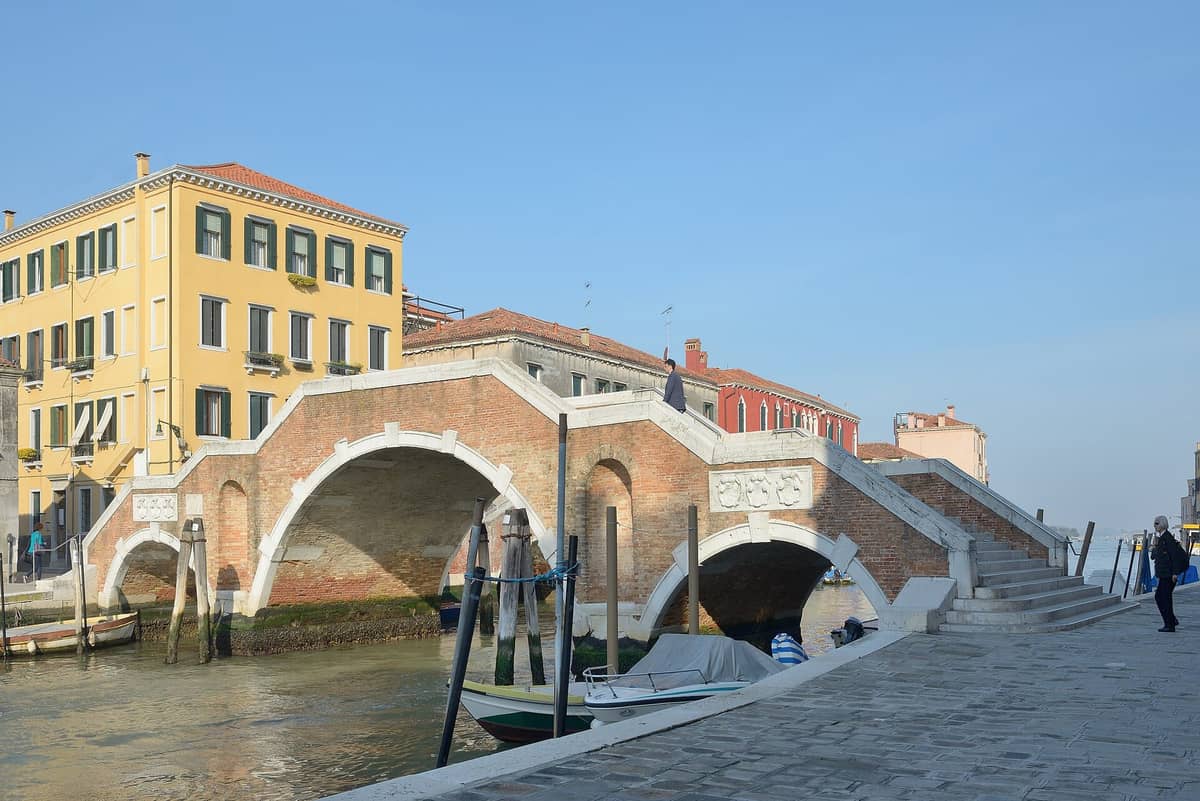
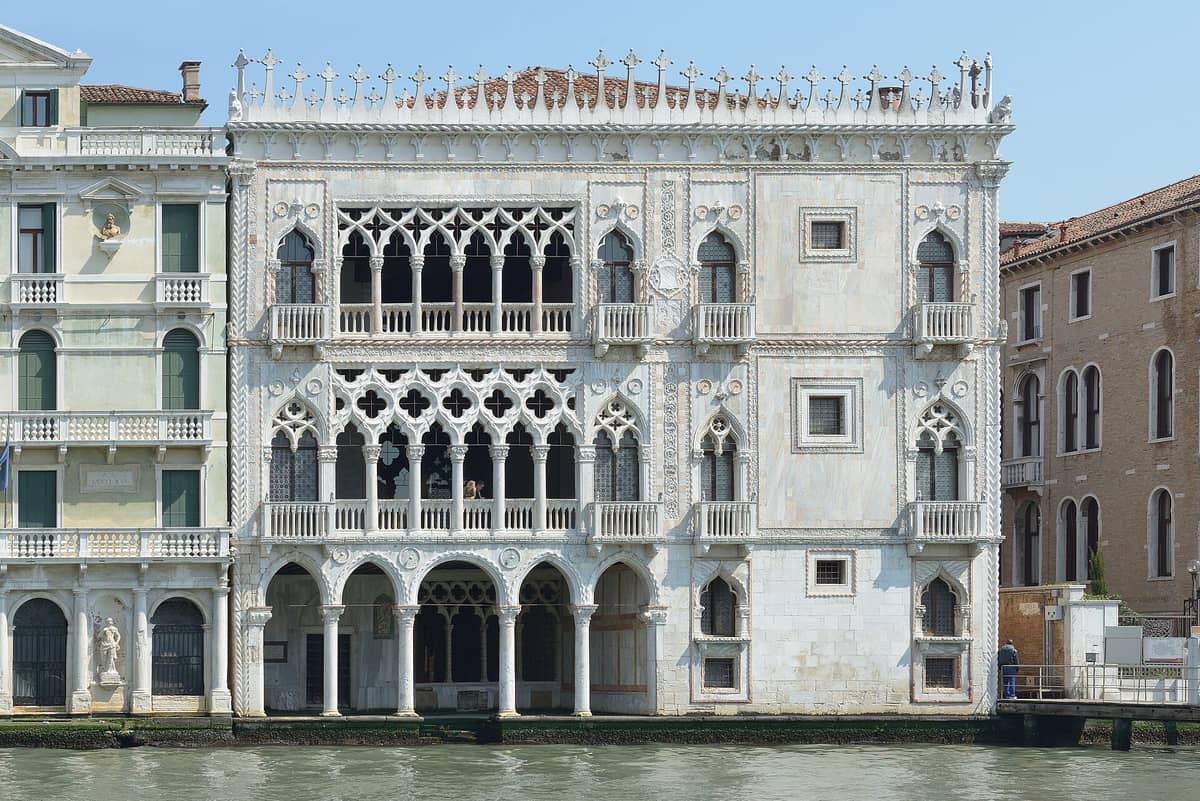
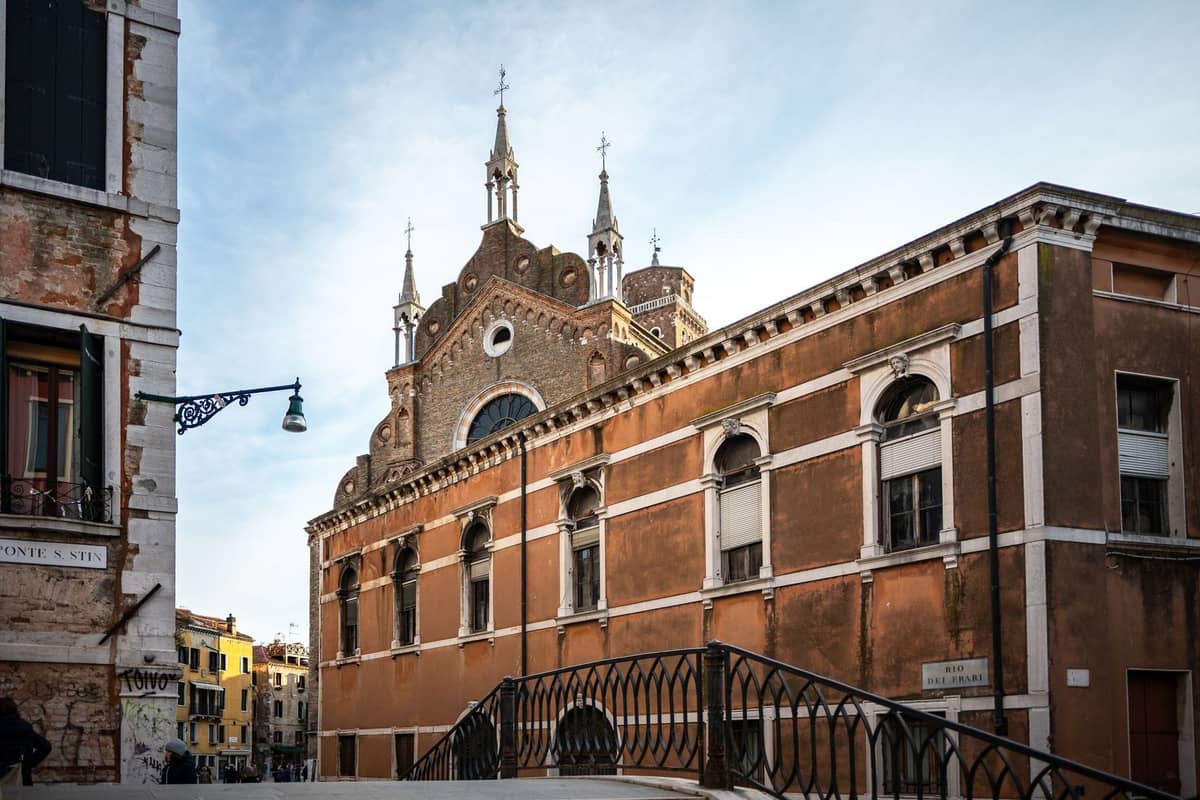
Cannaregio is the northernmost sestiere of Venice, stretching from the Santa Lucia train station to the edges of the Rialto. It holds the world's first Jewish Ghetto, two of Venice's finest churches, and enough everyday Venetian life to remind you that people actually live here.
Cannaregio is the sestiere where Venice feels most like a real city. It is home to more permanent residents than any other historic district, contains the world's first legally designated Jewish Ghetto, and offers a daily rhythm shaped by school runs and morning markets rather than tour groups. Wide canal-side walkways, Renaissance churches tucked into quiet campi, and a long main street lined with bakeries and hardware shops: this is the Venice that exists between the postcard shots.
Orientation
Cannaregio sits in the northern half of Venice's historic island, forming the longest continuous stretch of lagoon-facing waterfront in the city. Its western boundary begins almost exactly at the Santa Lucia railway station and Piazzale Roma, the two main entry points for visitors arriving by train or bus from the mainland. From there it extends eastward, parallel to the Grand Canal on its southern edge, all the way toward the San Marcuola and the approaches to the Rialto Bridge. To the north, the sestiere faces the open waters of the Venetian lagoon, with Fondamenta Nuove serving as the main embankment along that edge.
The key spine running through the entire district is Strada Nova (officially Strada Nuova), a wide pedestrian thoroughfare that was cut through existing urban fabric in the nineteenth century to improve circulation between the station and the Rialto area. This is unusual for Venice: a genuinely straight, broad street. It makes Cannaregio more navigable than most other sestieri, though the real character of the neighborhood reveals itself only once you step north or south off this main axis into the quieter calli and fondamenta.
Cannaregio borders Santa Croce to the southwest and connects naturally to San Polo and Castello as you move east. The cemetery island of San Michele sits just offshore from Fondamente Nove, visible across a short stretch of water.
Character & Atmosphere
In the early morning, before the day-trippers have crossed the Liberty Bridge from the mainland, Cannaregio belongs to its residents. The bar near the station serves espresso to commuters. A vegetable seller sets up his crates on a fondamenta. A woman pulls a wheeled shopping trolley over a bridge. The sounds are ordinary: a delivery boat chugging along a canal, pigeons, the scrape of a broom. This is what makes Cannaregio different from the sestieri closer to San Marco, where even mornings have a certain performative quality.
By mid-morning, Strada Nova fills with a mixed crowd: tourists moving toward the Rialto, schoolchildren heading home for lunch, locals picking up groceries from the small supermarkets and alimentari along the street. The light in Cannaregio tends to feel different from the narrow calli of San Marco or Dorsoduro. The canals here are wider, particularly the Cannaregio Canal, which is one of the largest in Venice, and the lagoon-facing fondamente receive direct afternoon light that turns the water copper and gold in late summer.
After dark, the district quiets earlier than San Marco. The restaurant strips along the northern fondamente see activity through the evening, but the deeper residential streets go quiet by ten. There is nothing threatening about this: it simply feels like a neighborhood rather than an entertainment zone. That said, the areas immediately around the train station warrant the usual attention to bags and pockets that any busy transit hub in any Italian city demands.
💡 Local tip
To get past the tourist layer quickly, turn north off Strada Nova at any point between Campo San Geremia and Campo Sant'Apostoli. Within two minutes of walking, the crowds thin completely and you are in streets where the only other people are those who live there.
What to See & Do
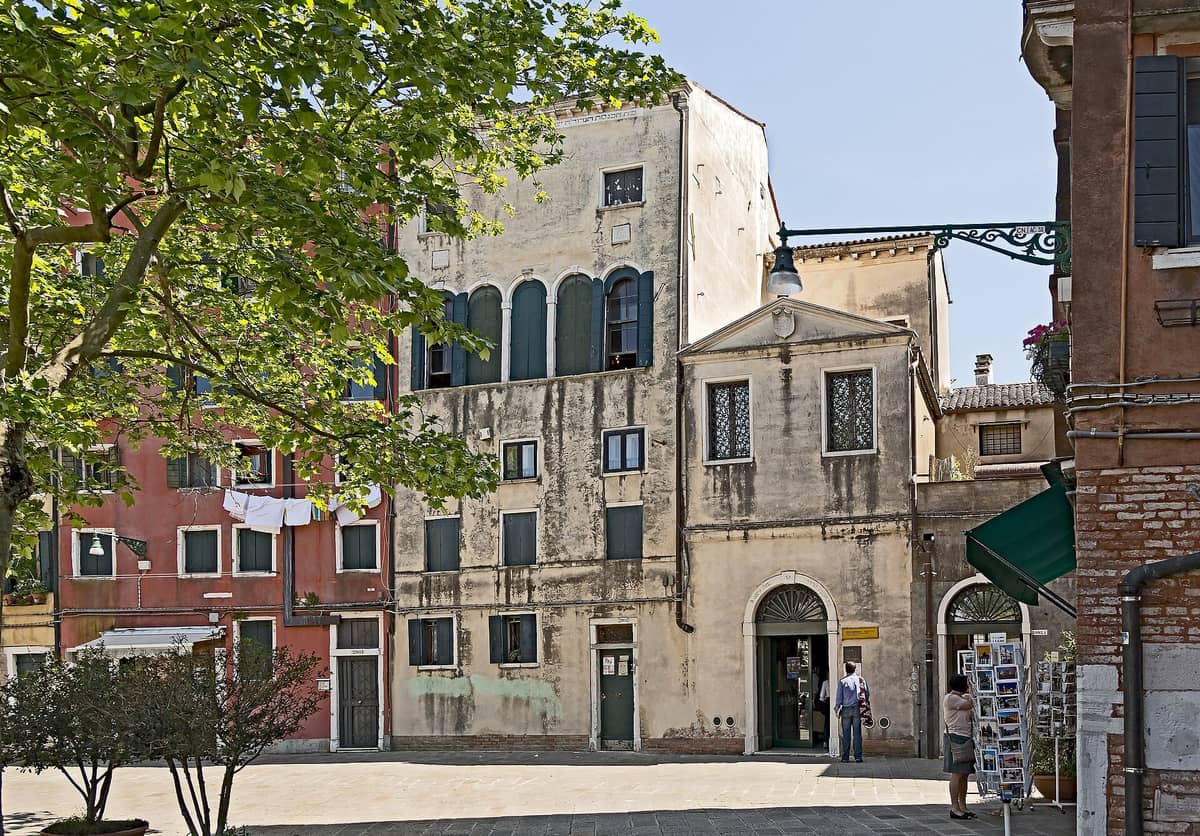
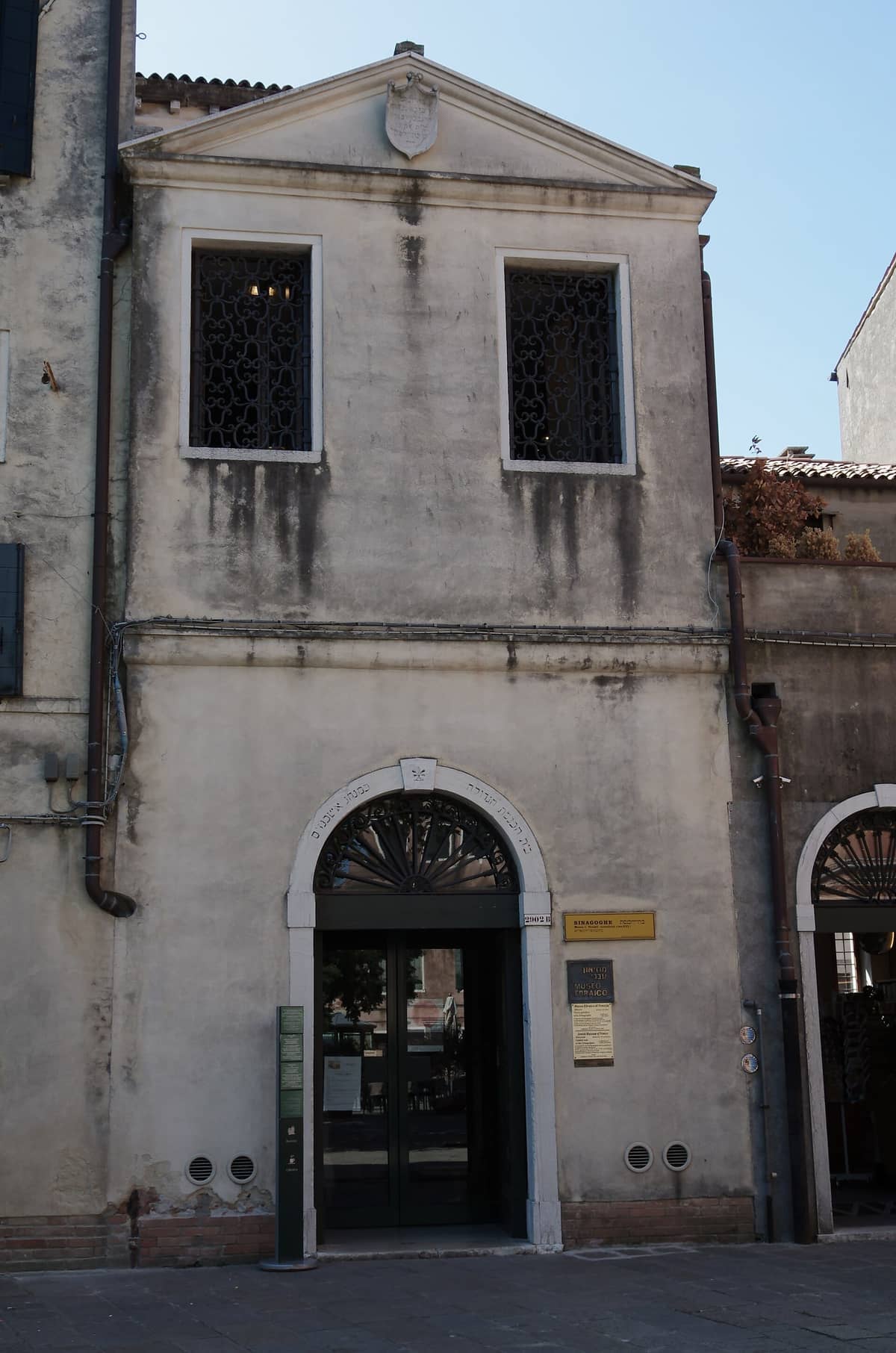
The single most historically significant site in Cannaregio is the Jewish Ghetto, established in 1516 when the Venetian Republic confined the Jewish population to a cluster of islands in the northwestern part of the sestiere. The word 'ghetto' itself derives from this place, from the Venetian word 'geto' referring to a foundry that once operated here. Today the area centers on Campo di Ghetto Nuovo, a wide, slightly melancholy square lined with tall apartment buildings (the height a result of building upward when expansion was forbidden) and several of Venice's historic synagogues. The Jewish Museum of Venice offers guided tours of the synagogues, which are not otherwise open to the public.
Northeast of the Ghetto, toward the lagoon edge, stands the Madonna dell'Orto, the parish church of the painter Tintoretto, who lived nearby and is buried here. The church contains several of his large canvases, including the Presentation of the Virgin and The Last Judgment, displayed in their original locations. It is one of the finest Gothic church interiors in Venice and, because it sits some distance from the main tourist routes, is rarely crowded.
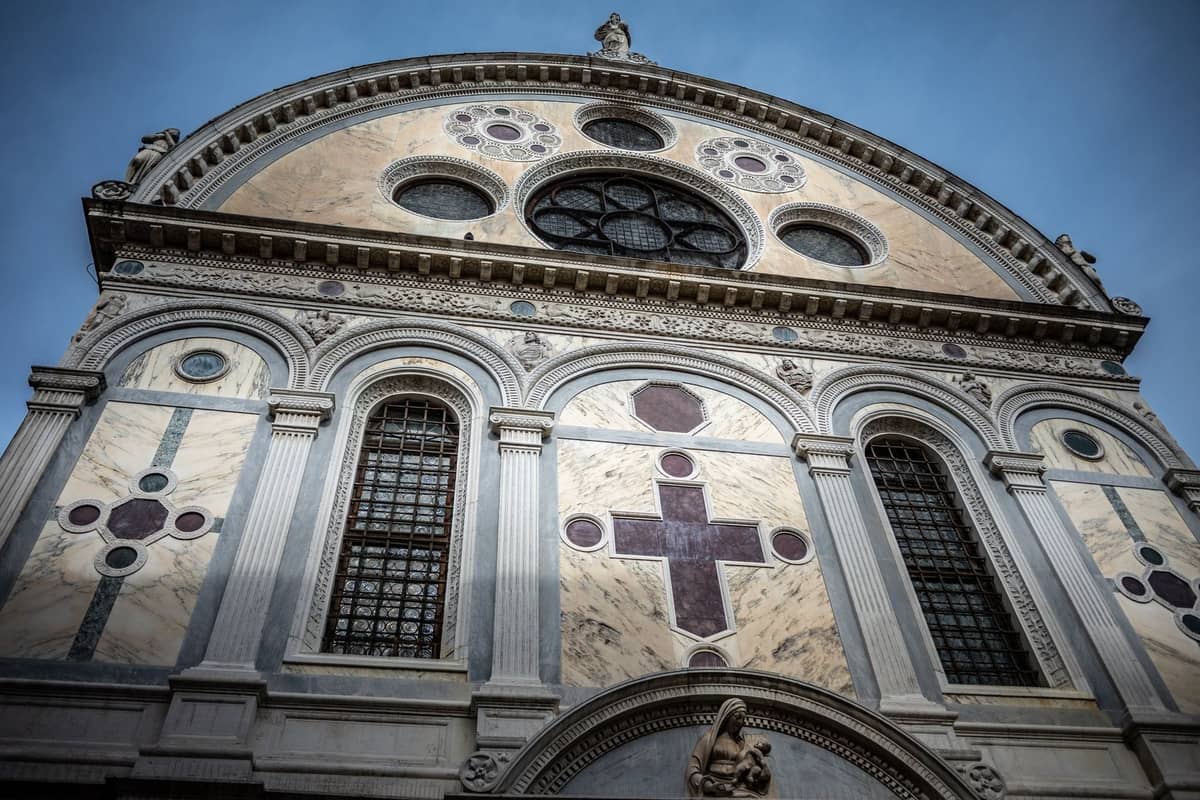
On the southern edge of Cannaregio, close to the border with Castello, the Chiesa di Santa Maria dei Miracoli is a small Renaissance masterpiece completed in the 1480s. Its polychrome marble cladding, designed by Pietro Lombardo, makes it look more like a jewel box than a church. The interior is intimate and serene. This is considered one of the most beautiful small churches in Venice.
From Fondamenta Nuove, you can catch vaporetto lines to Murano's glass workshops, to the island cemetery of San Michele, and to the islands of Burano and Torcello. The embankment itself is a good place to watch the northern lagoon, which feels entirely different from the Grand Canal: open, cold in winter, hazy in summer, with the Dolomites visible on clear days.
Jewish Ghetto and Campo di Ghetto Nuovo: the historic heart of the world's first legally designated Jewish neighborhood
Jewish Museum of Venice: synagogue tours and permanent collection on Venetian Jewish history
Madonna dell'Orto: Tintoretto's parish church and burial place, with major works in situ
Chiesa di Santa Maria dei Miracoli: one of Venice's finest Renaissance churches
Fondamente Nove: lagoon-front embankment with ferry connections to the northern islands
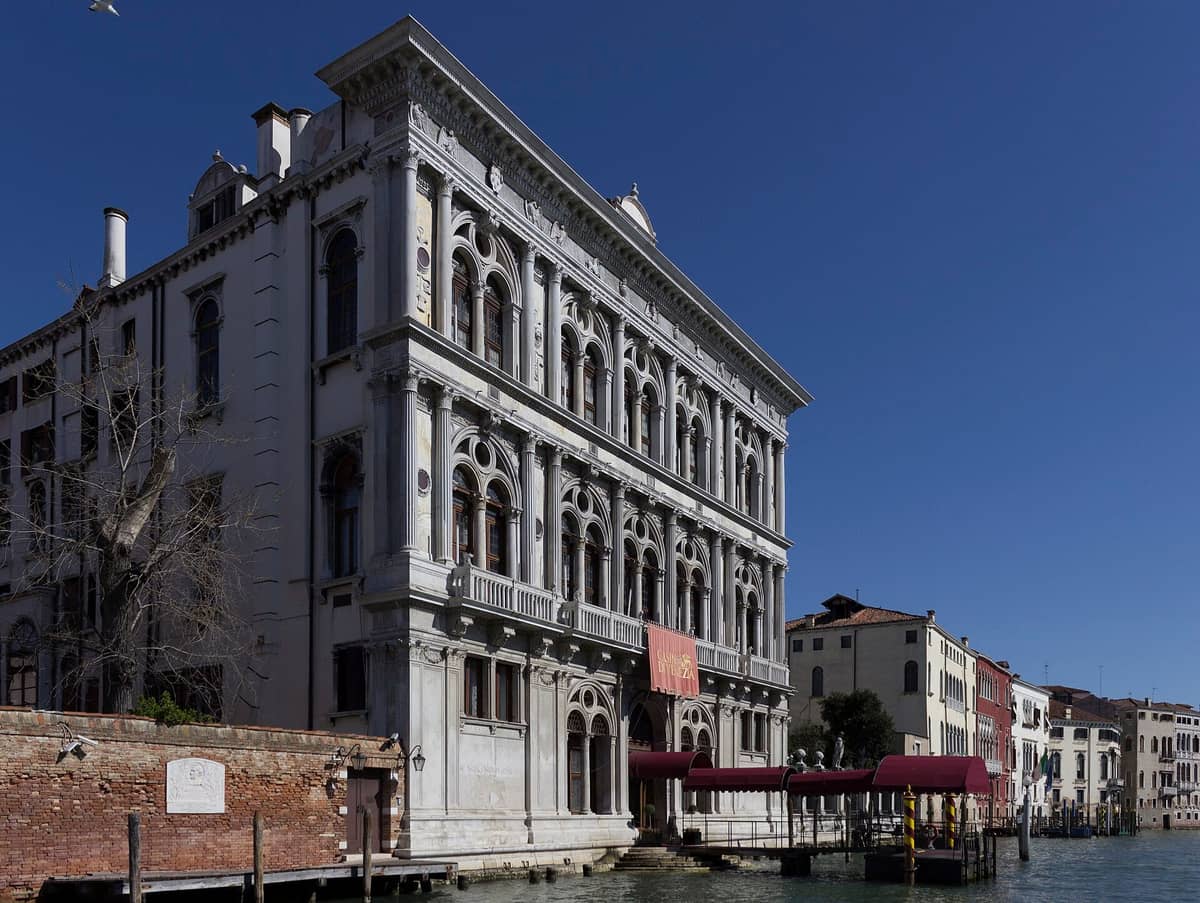
Cannaregio Canal: one of Venice's widest canals, with grand palazzi along its banks
Eating & Drinking
The food scene in Cannaregio divides roughly into three zones. Along Strada Nova and around the station, the restaurants cater primarily to transiting visitors and tend toward reliable rather than remarkable. For better options, head to the streets around the Ghetto or to the fondamente along the northern lagoon edge. The cicchetti culture, Venice's tradition of small bar snacks served with wine, is very much alive here. For a deeper look at eating and drinking Venetian-style, the cicchetti guide for Venice covers what to order and where the tradition comes from.
The bacari (traditional Venetian wine bars) in the quieter calli of Cannaregio tend to serve locals as much as tourists, particularly in the early evening during the passeggiata. Expect small glasses of local white wine, plates of baccalà mantecato (creamed salt cod), sardines in saor (sweet and sour marinade), and tramezzini (soft triangular sandwiches). Prices at a standing bar are significantly lower than at a sit-down restaurant, and the experience of eating on your feet at a zinc counter is as authentically Venetian as anything.
There is a genuine kosher food tradition around the Ghetto area, including bakeries producing traditional sweets during Jewish festivals. The neighborhood also has several good artisan bakeries and a small but growing number of contemporary restaurants aimed at a discerning local and international clientele rather than the mass-tourist trade. Prices in Cannaregio are generally slightly lower than in San Marco or the Rialto area for comparable quality.
ℹ️ Good to know
The stretch of fondamenta along the northern edge of Cannaregio, particularly around the Ghetto and toward Madonna dell'Orto, has several restaurants with canal-side tables. These tend to be better value and less crowded than equivalent waterfront seating near San Marco or the Rialto.
Getting There & Around
Cannaregio is the most accessible sestiere in Venice for new arrivals. Venezia Santa Lucia, the city's main railway station, sits directly on its western border. Trains connect Santa Lucia to Venice Mestre (the mainland station, about five minutes), Padua, Verona, Milan, Florence, and Rome. The station exits directly onto the Grand Canal with immediate access to vaporetto stops and water taxis.
Piazzale Roma, the terminus for all road vehicles including buses from Venice Marco Polo Airport, is a five-minute walk from the station across the Scalzi Bridge. From either point, Cannaregio is immediately to your right (northeast) as you face the water. The ACTV vaporetto network serves Cannaregio with several stops: Ferrovia serves the station area on the Grand Canal; San Marcuola serves the middle of the sestiere; and Fondamenta Nuove serves the northern lagoon edge, where you board for the northern islands. For full details on navigating the water bus network, the guide to getting around Venice covers routes, tickets, and what to expect.
On foot, Strada Nova provides an almost entirely flat, wide route from the station to the Rialto area. The walk takes roughly 15 to 20 minutes at a relaxed pace and is one of the most manageable long walks in Venice precisely because it is so straight. For exploring the northern parts of the sestiere, around Madonna dell'Orto and the Ghetto, allow extra time: the calli here are narrow and the street numbering in Venice is notoriously non-sequential. A paper map or offline navigation is strongly recommended.
⚠️ What to skip
The area immediately around Santa Lucia station is among the most pickpocket-prone spots in Venice. Keep bags closed and in front of you on crowded vaporetti and in the station concourse, particularly on lines 1 and 2 during peak hours.
Where to Stay
Cannaregio is one of the better choices for accommodation in Venice, particularly for visitors who want to experience the city at something closer to resident pace. It offers a wider range of price points than San Marco, from budget guesthouses near the station to mid-range hotels along the Grand Canal and small boutique properties tucked into the residential core. For a broader overview of accommodation options across the city, the Venice accommodation guide maps out the trade-offs between each sestiere.
The station-adjacent zone (within five minutes of Ferrovia) is convenient for arrivals and departures but tends to be noisier and more transient in character. The area further east, around Campo dei Santi Apostoli and toward the Ghetto, sits far enough from the station bustle to feel genuinely residential while remaining well connected. Properties facing the northern fondamente offer lagoon views, morning quiet, and the practical benefit of being a short walk from Fondamente Nove and the island ferries.
Cannaregio suits travelers who want a base that connects easily to all parts of Venice without paying San Marco prices or tolerating San Marco crowds at every hour. It is a particularly good choice for first-time visitors to Venice who will spend multiple days in the city and want to understand the place beyond its monument circuit.
Practical Tips & Honest Drawbacks
Strada Nova, while convenient, is one of the few streets in Venice that can feel genuinely congested during the mid-morning and early afternoon. The volume of foot traffic is sometimes comparable to a major shopping street in any European city, which is disorienting precisely because nothing else in Venice feels like that. If you are trying to move quickly, it is efficient; if you are trying to feel the slower register of Venice, duck off it at the first opportunity.
Acqua alta, Venice's tidal flooding, affects Cannaregio less severely than the lower-lying areas around San Marco and parts of Dorsoduro, but it does occur. The northern fondamente and some lower-lying calli can flood during higher tide events in autumn and winter. If you are visiting between October and January, it is worth knowing how the system works. The acqua alta guide explains what to expect and how to navigate the city when water levels rise.
For day visitors who are trying to cover the city efficiently, Cannaregio sits naturally on the route between the station and the Rialto, meaning its main street will be part of almost any itinerary. The Jewish Ghetto and Madonna dell'Orto both reward a longer detour. If you are working from a two- or three-day plan, both the two-day Venice itinerary and the three-day Venice itinerary include time in this sestiere.
TL;DR
Cannaregio is Venice's most populous sestiere and its most genuinely residential: real shops, local bars, morning deliveries, and actual neighbors.
The Jewish Ghetto, established in 1516, is historically significant worldwide and contains active synagogues, a Jewish museum, and a distinctive architectural character unlike anywhere else in Venice.
Madonna dell'Orto and Santa Maria dei Miracoli are two of Venice's finest churches, both located in or on the edge of Cannaregio and both far less visited than their quality warrants.
The Santa Lucia train station sits on its western edge, making Cannaregio the most logical base for visitors arriving by rail and those wanting easy connections to the mainland.
Best suited to travelers who want to engage with Venice as a living city rather than a theme park: good value accommodation, lower restaurant prices than San Marco, and the kind of daily street life that most of the city's tourist infrastructure actively obscures.
Two days in Venice is enough to cover the iconic highlights and still find quieter corners the crowds miss. This guide gives you a realistic, hour-by-hour framework for both days, practical transport advice, booking warnings, and honest takes on what is worth your time.
Three days is enough time to cover Venice's iconic landmarks, explore its quieter sestieri, and take at least one lagoon island trip. This itinerary is structured around the city's geography, vaporetto routes, and crowd patterns so you spend less time backtracking and more time actually seeing the city.
Acqua alta is Venice's famous tidal flooding, and it's far less dramatic than most visitors expect. This guide explains exactly what causes it, when it happens, how much of the city it actually affects, and what gear and forecasting tools will keep your trip on track.
Venice has well over 130 church buildings, and its greatest ones hold masterpieces by Titian, Tintoretto, Bellini, and Palladio that rival any museum. This guide covers the 13 best churches in Venice, from the unmissable to the quietly extraordinary.
Venice packs more world-class art and history into one city than almost anywhere else on earth. This guide covers the best museums in Venice, from Gothic palaces full of Tintoretto to intimate scuole with Carpaccio cycles, across every district and budget.
Venice looks different in every season, and the right time to visit depends entirely on what you're after. This guide breaks down weather, crowds, hotel prices, and major events month by month, so you can choose the visit that actually suits you.
Venice rewards those who know where to look. This guide covers the city's finest viewpoints, from soaring bell towers and climbable domes to iconic canal bridges and waterfront promenades, with practical tips on booking, timing, and what you'll actually see from each spot.
Cicchetti are Venice's answer to tapas, and the bacari that serve them are the city's most authentic social spaces. This guide covers what to order, where to go across every sestiere, what things cost, and how to plan a bacaro crawl that skips the tourist traps.
Venice rewards lingering, but its surroundings reward exploration. Whether you board a vaporetto for a lagoon island or a train toward the Veneto hills, a day away from the sestieri reveals a completely different side of this corner of northeastern Italy.
Venice doesn't have to drain your wallet. From sweeping Grand Canal viewpoints to Gothic churches packed with Tintorettos, many of the city's greatest experiences are completely free. This guide covers the best no-cost attractions, walks, markets, and island escapes across the lagoon.
Venice operates on a completely different logic from any other city. There are no cars, no taxis, no metro. Getting around means walking across 438 bridges and navigating canals by water bus, private boat, or gondola ferry. This guide explains every option clearly, with real costs and practical advice.
Gondola rides in Venice are regulated by the city, with fixed fares per boat — not per person. This guide breaks down current prices, the best stations to board, what routes actually cover, and the myths that cost tourists money.
Venice rewards the curious traveler who wanders past the obvious landmarks. This guide collects the city's most rewarding under-the-radar sights, from a Carpaccio cycle hidden in Castello to a working gondola boatyard in Dorsoduro and a ghost island in the northern lagoon.
Venice is one of the most debated destinations in travel. Built on 118 islands, UNESCO-listed, and unlike anywhere else on earth, it also attracts millions of visitors a year and charges a day-tripper access fee. This guide cuts through the hype to tell you exactly what Venice delivers, what it does not, and how to make a visit that is genuinely worth the effort.
Venice rewards those who spend well. This guide covers where to stay, how to move, what to eat, and which experiences justify the premium price tag — along with honest warnings about where the luxury label is oversold.
Venice is the city most couples imagine before they arrive, and one of the few that actually delivers. This guide covers the best romantic experiences, the ideal seasons, practical logistics, and honest advice on what lives up to the hype, and what does not.
Venice is unlike any other city in the world, built on 118 islands linked by 438 bridges in a lagoon recognized as a UNESCO World Heritage site. This guide covers the essential things to do in Venice, from the iconic to the overlooked, with practical details on transport, costs, and timing to help you make the most of every hour.
The Venice Biennale is one of the world's most significant contemporary art events, spreading across two major venues and dozens of city locations. This guide covers the 2026 Art Biennale dates, ticket options, what to expect at each venue, and the practical details that make the difference between a rushed visit and a memorable one.
Venice Carnival (Carnevale di Venezia) runs for roughly two weeks before Lent, drawing around 3 million visitors for elaborate costumes, masquerade balls, and free public events. This guide covers the 2026 dates, practical logistics, what things actually cost, and how to get the most from the experience without being overwhelmed.
The Venice International Film Festival is the world's oldest film festival and, crucially, it's open to the public. This guide covers everything from buying tickets and reaching the Lido to navigating the festival grounds and setting realistic expectations about red carpets and celebrity sightings.
Summer brings Venice to its most intense: scorching heat, record crowds, and prices to match. This guide cuts through the noise with practical strategies for timing, booking, staying cool, and finding breathing room in Italy's most visited city.
Winter is one of the most rewarding times to visit Venice. Crowds thin out, prices drop significantly, and the city takes on a moody, atmospheric quality that summer visitors never see. This guide covers weather, acqua alta, Carnival, costs, and everything else you need to plan a winter trip.
The Venetian Lagoon holds far more than Venice itself. This guide covers every island worth visiting, from Murano's glass furnaces and Burano's painted houses to ancient Torcello, the Lido's beaches, and the quiet agricultural island of Sant'Erasmo.
Venice has a reputation for draining wallets fast, but the reality is more nuanced. With the right timing, a few local habits, and some strategic planning, you can experience one of the world's great cities for far less than you'd expect. This guide breaks down exactly where the money goes and how to keep it in your pocket.
Venice rewards shoppers who know where to look. This guide covers the city's best authentic buys, from Murano glass and Carnevale masks to artisan paper goods and gourmet specialties, along with the neighborhoods and markets where locals and savvy visitors actually spend their money.
Venice is one of the world's most walkable cities, built on 120 islands connected by around 430 bridges with no cars in sight. This guide covers the best self-guided walking routes by district, the ideal times to walk, what to skip, and how to explore beyond St. Mark's Square.
Venice with kids is more manageable than most parents expect. This guide covers everything families need: getting around by vaporetto, the best kid-friendly attractions, seasonal timing, safety on the canals, and how to keep the trip fun without exhausting everyone.
Venetian cuisine is one of Italy's most distinctive regional traditions, built on lagoon seafood, rice, polenta, and centuries of spice trade. This guide covers the essential dishes, where to find them, what to pay, and how to eat like a local rather than a tourist.
Venice's six historic districts each offer a completely different experience. This guide breaks down exactly where to stay in Venice based on your budget, travel style, and priorities — with honest trade-offs, realistic price ranges, and practical booking advice.