Things to Do in Venice: Landmarks, Islands, and Local Experiences
Venice is unlike any other city in the world, built on 118 islands linked by 438 bridges in a lagoon recognized as a UNESCO World Heritage site. This guide covers the essential things to do in Venice, from the iconic to the overlooked, with practical details on transport, costs, and timing to help you make the most of every hour.
Plan and book this trip
Tools from our partner Travelpayouts help you compare flights and hotels. If you book through them, we may earn a commission at no extra cost to you.
Flights
Hotels map
TL;DR
- Piazza San Marco, the Doge's Palace, and the Rialto Bridge are essential first visits, but go before 9am to beat the crowds.
- The vaporetto (water bus) is your primary transport: a single ticket costs around €9.50 for 75 minutes; multi-day passes offer better value. See our guide to getting around Venice for the full breakdown.
- Island trips to Murano and Burano require a boat and at least half a day each — plan them as dedicated excursions, not quick add-ons.
- Gondola rides are regulated at around €90 for 30 minutes (up to 5 people). Sharing is the only sensible way to keep the cost reasonable.
- A Venice Access Fee applies on selected high-attendance days from April 2026 onward. Check the official portal before you travel and see when to visit Venice for crowd and cost planning.
The Iconic Landmarks You Actually Need to See
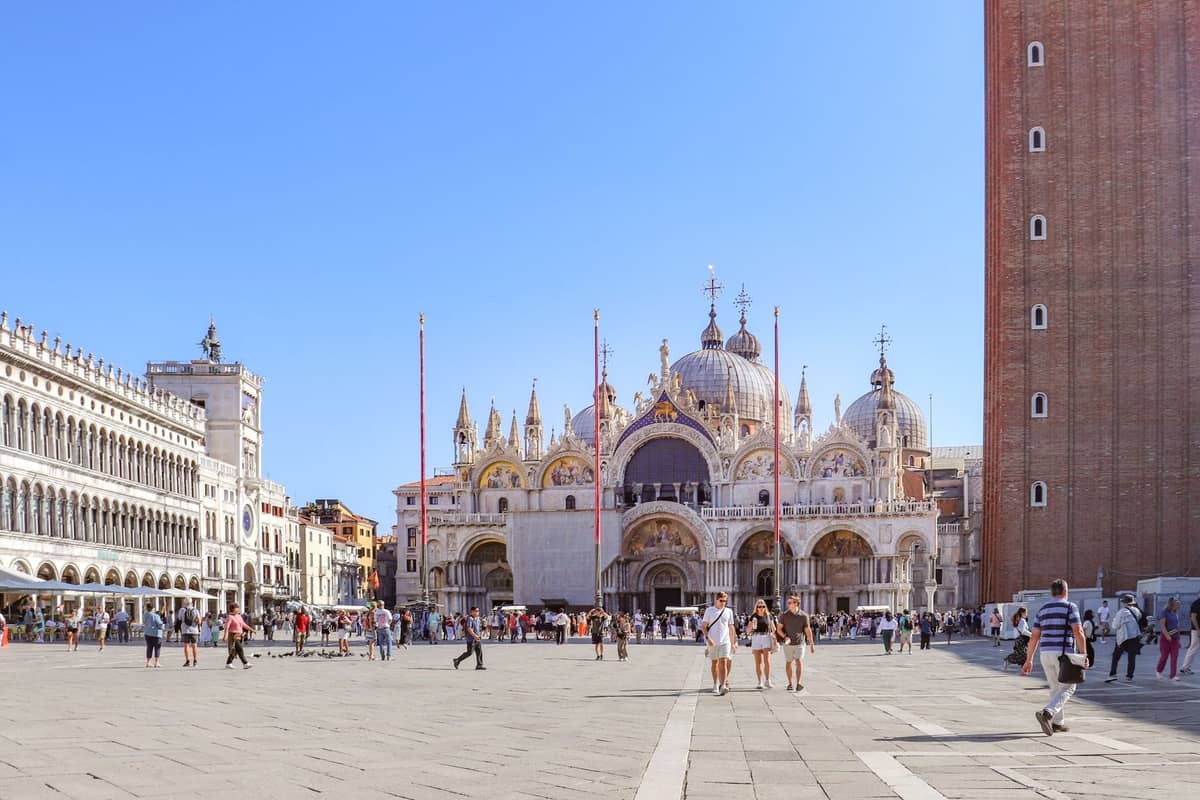
Venice's most famous sights cluster around Piazza San Marco, and for good reason. This is where the Republic of Venice concentrated its power for over a thousand years, and the architecture reflects that ambition. St. Mark's Basilica alone justifies the trip: its gilded mosaics, Greek-cross floor plan, and Byzantine domes are unlike anything in Western Europe. Entry to the basilica is free, but expect queues in peak months. Book the skip-the-line ticket online if you're visiting between April and October.
Next door, the Doge's Palace is one of Venice's 11 civic museums and one of the most visited buildings in Italy. It served as the seat of Venetian government for centuries, and the interior reveals extraordinary frescoes, a grand council chamber, and the grim reality of its prison cells. Budget at least two hours. The Bridge of Sighs connects the palace to those prisons via an enclosed limestone passage — best viewed from the Ponte della Paglia on the canal below, not from inside.
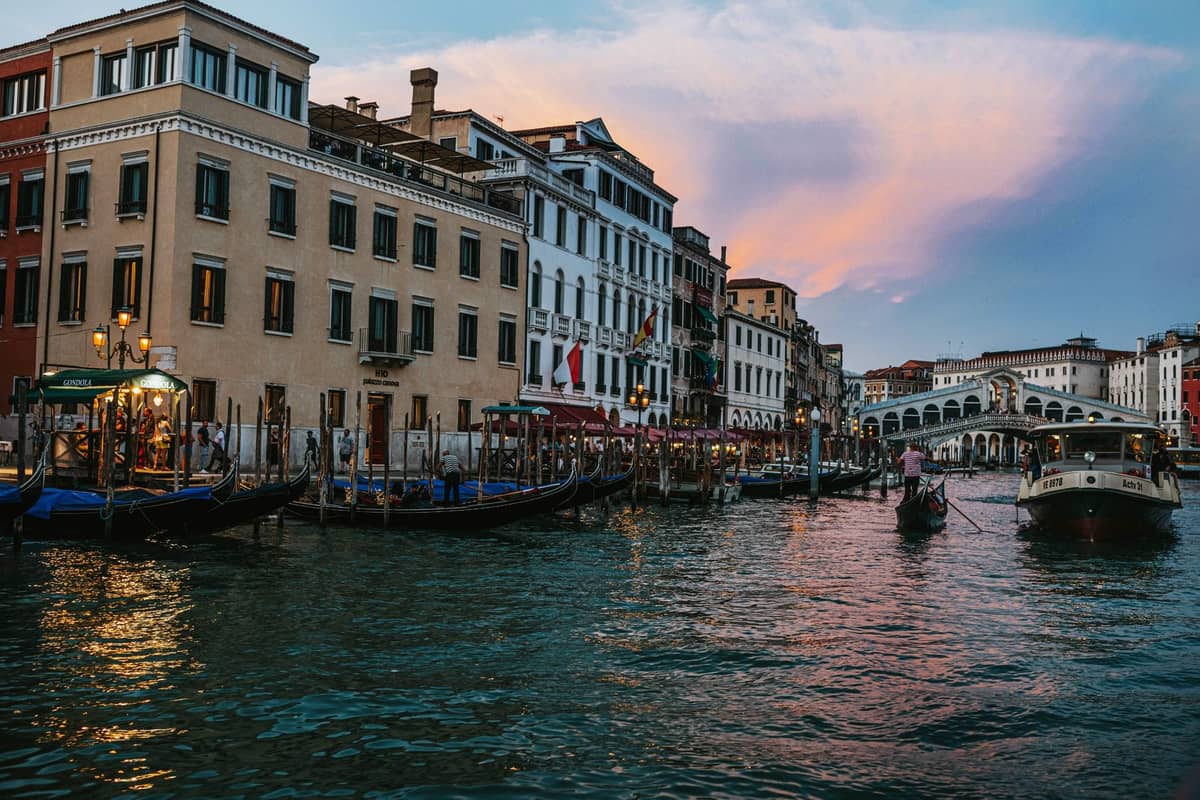
The Rialto Bridge is the oldest of the four bridges spanning the Grand Canal, completed in 1591 after decades of debate over its design. It is also one of the most photographed spots in Europe, which means the bridge itself is often elbow-to-elbow from 10am onward. Cross it early morning or after 7pm for something closer to a clear view. The Rialto Market directly below operates Tuesday through Saturday from around 7:30am and is one of the few genuinely local scenes left in the city center.
💡 Local tip
The Fondaco dei Tedeschi rooftop terrace offers a panoramic view over the Grand Canal and Rialto Bridge at no cost. Entry requires a free timed slot booked online in advance. This is one of the best views in Venice without paying museum prices.
The Grand Canal and Getting on the Water
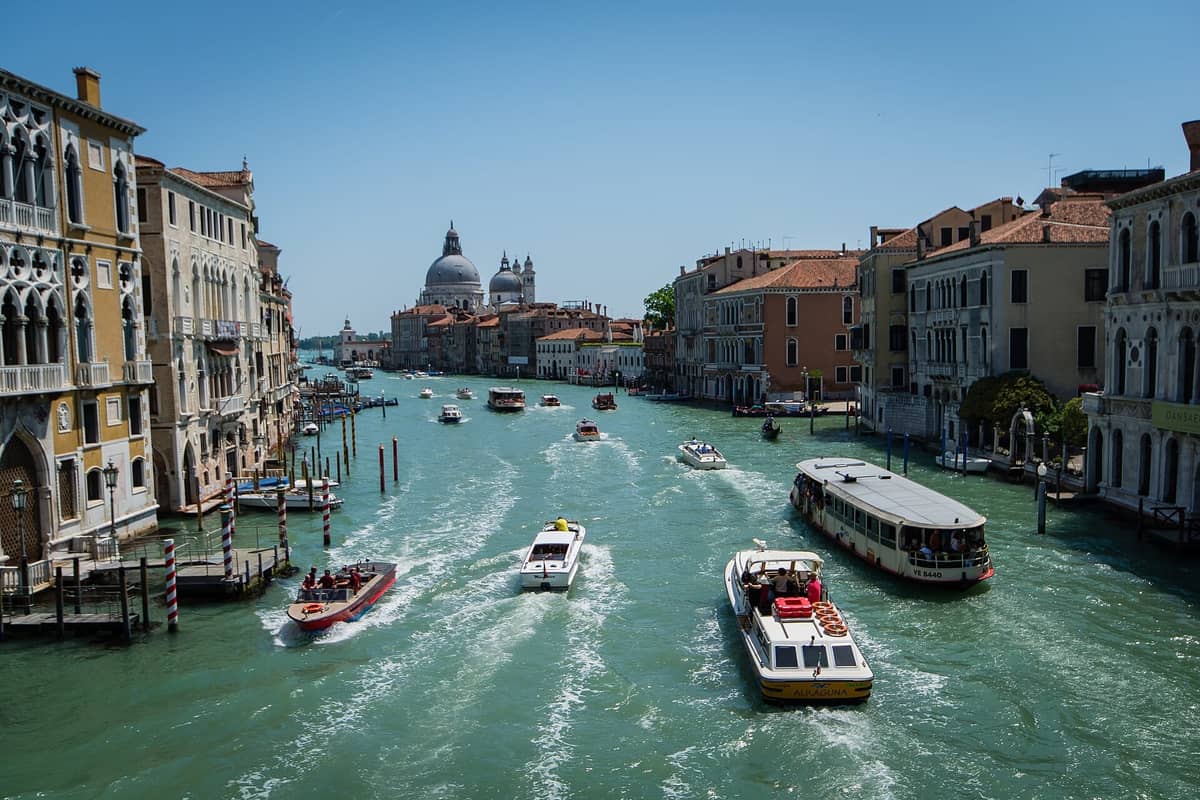
The Grand Canal is Venice's main artery, roughly 3.8 km long and lined with around 170 palazzi built between the 13th and 18th centuries. The single best way to see it on a budget is the vaporetto Line 1, which runs the full length from Piazzale Roma to San Marco. A single ticket covers 75 minutes of unlimited travel. If you have a multi-day pass, treat Line 1 as a free sightseeing cruise.
Gondola rides are a separate experience entirely: slow, intimate, and expensive. Official regulated fares are €90 for 30 minutes during the day and €110 for 35 minutes after 7pm, for up to 5 passengers. Sharing with other travelers brings the per-person cost down significantly. Gondoliers are not required to provide a running commentary, so if narration matters to you, confirm before you board. The smaller internal canals away from San Marco offer a more atmospheric route than the Grand Canal itself, which carries significant boat traffic.
⚠️ What to skip
Unlicensed gondoliers and touts near San Marco will quote lower prices but may add charges mid-ride or cut the time short. Always use official gondola stations (stazi), identifiable by official signage, and agree on the route and duration before departing.
- Vaporetto Line 1 Full Grand Canal route, stops at every landing. Slow but scenic. Essential for first-timers.
- Vaporetto Line 2 Faster route along the Grand Canal with fewer stops. Better for getting around efficiently once you know the city.
- Traghetto Traditional gondola ferry crossing the Grand Canal at a handful of points. Around €2 per crossing. Standing is the norm. A practical, low-cost way to cross between sestieri.
- Water Taxi Private, fast, and costly. Fares start around €15-20 for short trips and rise quickly. Useful from the airport or with heavy luggage.
Museums and Art Worth Prioritizing
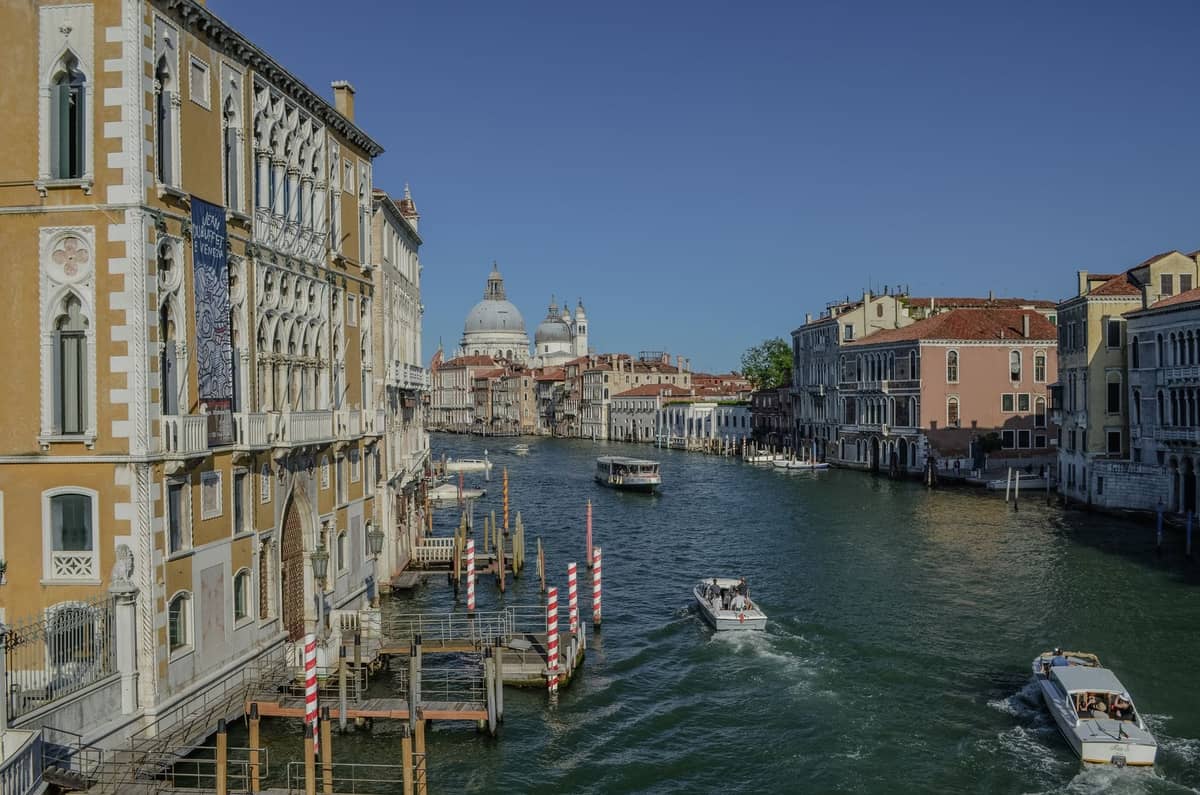
Venice's museum density is extraordinary. The Gallerie dell'Accademia holds the definitive collection of Venetian painting from the 14th to 18th centuries, including Bellini, Titian, Tintoretto, and Veronese. It sits in Dorsoduro and is significantly less crowded than the Doge's Palace. Book in advance during peak season and plan for at least 90 minutes.
The Peggy Guggenheim Collection is housed in Peggy Guggenheim's former palazzo directly on the Grand Canal in Dorsoduro. It is one of the most important modern art museums in Europe, covering Cubism, Surrealism, and Abstract Expressionism. The terrace alone, overlooking the canal, is worth the ticket price. Combine it with a visit to the Punta della Dogana, a converted customs house at the tip of Dorsoduro with rotating contemporary art exhibitions.
For something less visited, the Scuola Grande di San Rocco contains an entire cycle of ceiling and wall paintings by Tintoretto, completed over more than 20 years. Art historians consider it one of the greatest decorative programs of the Renaissance. Visitor numbers here are a fraction of the Doge's Palace, which makes it one of the most rewarding art experiences in the city.
The Lagoon Islands: Murano, Burano, and Torcello
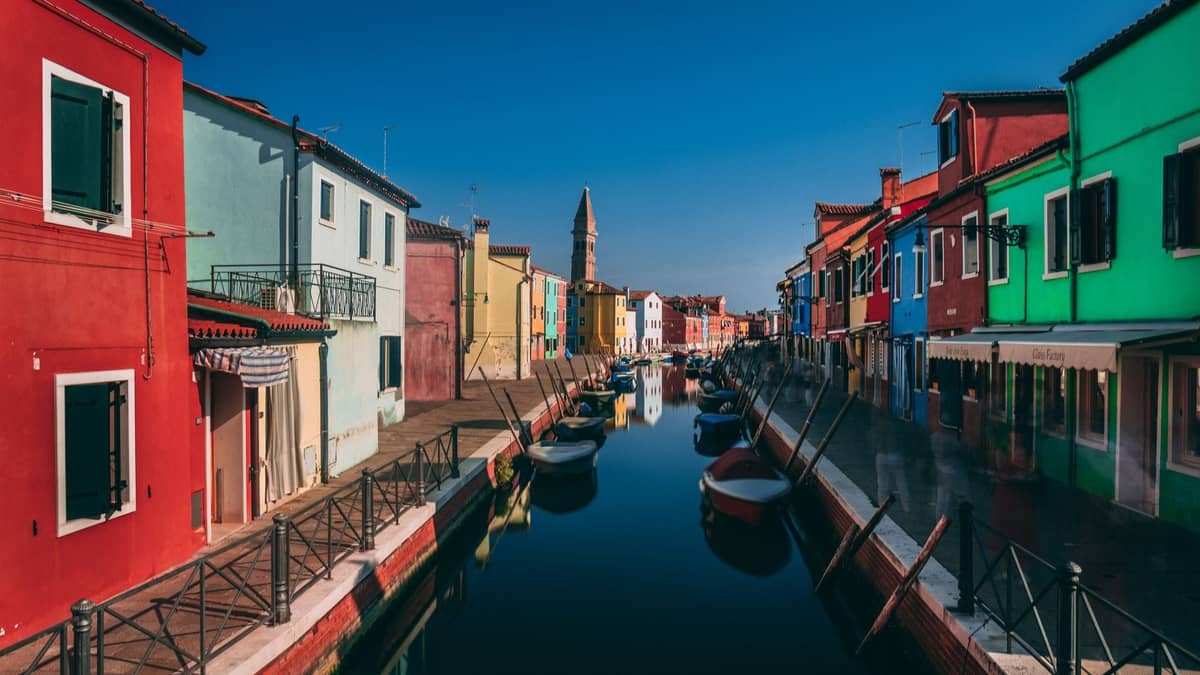
The islands of the Venetian Lagoon are not optional extras; they are a distinct part of what makes Venice worth visiting. Burano is around 40 minutes from Fondamente Nove by vaporetto and is known for its brightly painted fishermen's houses and lacemaking tradition. The colors are real and the streets are genuinely quiet compared to San Marco. Go on a weekday morning if you want to photograph the canals without crowds.
Murano is closer, around 10 minutes from Fondamente Nove, and has been the center of Venetian glassmaking since 1291. The glass workshops offer live demonstrations that are genuinely impressive to watch. Be aware that many of the shops near the vaporetto landings sell mass-produced glass imported from elsewhere; genuine Murano glass carries a certification mark. The island also has its own good local restaurant scene.
Torcello is the quietest of the three and the oldest settled island in the lagoon. Its cathedral, the Torcello Cathedral, contains Byzantine mosaics from the 11th and 12th centuries that predate much of Venice itself. The island has only a handful of permanent residents (fewer than 20) and the contrast with the city is striking. Combine it with a Burano visit on the same day, as ferries connect the two.
✨ Pro tip
The Venezia Unica travel card can be combined with vaporetto passes for island travel. If you plan to visit Murano, Burano, and Torcello in the same trip, a 2-day or 3-day vaporetto pass pays for itself quickly. Verify current pass prices through the official ACTV website before booking, as fares are updated periodically.
Neighborhoods Worth Exploring Beyond San Marco
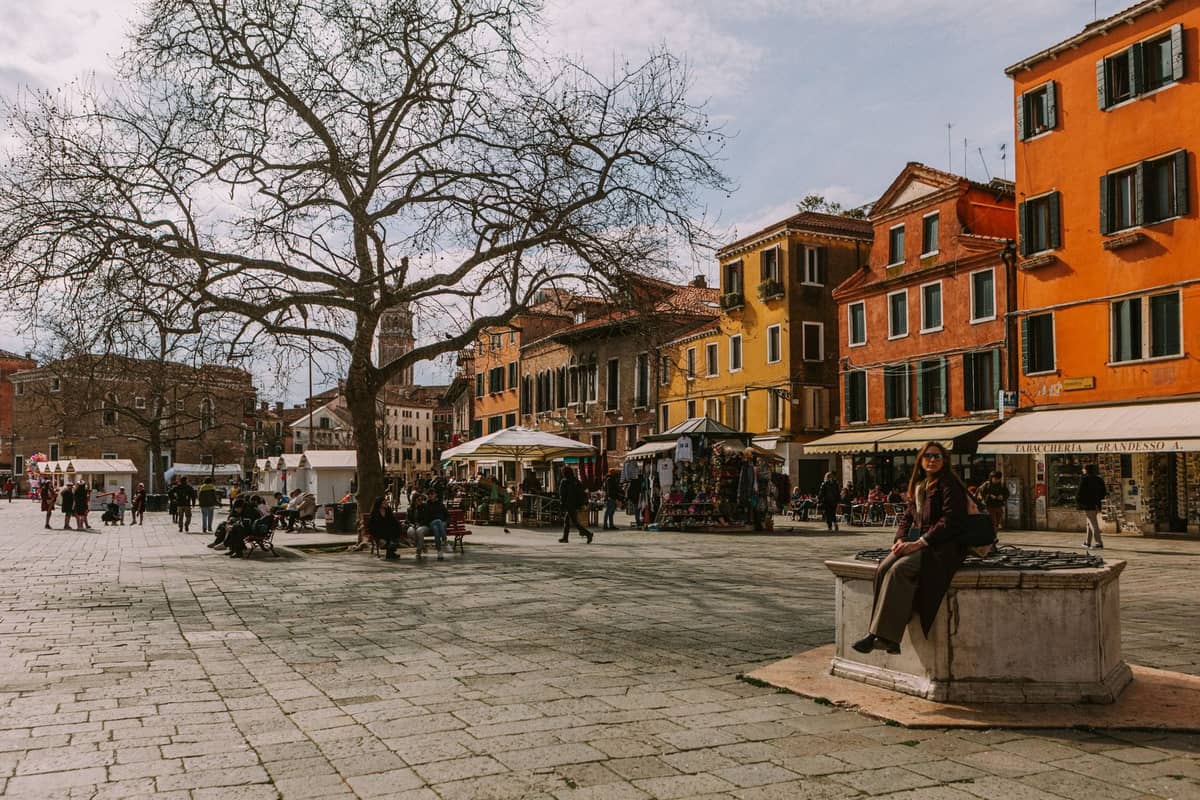
Most first-time visitors spend the majority of their time in San Marco and San Polo, which are genuinely excellent but genuinely overcrowded. Shifting even 15 minutes on foot in any direction reveals a different city.
Dorsoduro is home to the Accademia, the Guggenheim, and the Campo Santa Margherita, the largest campo in Venice and the center of student and local social life. The Zattere promenade runs along the southern edge of the sestiere with views across to Giudecca. It is one of the best places in the city to have a coffee in the sun without paying San Marco prices.
Cannaregio contains the Jewish Ghetto, established in 1516 and the oldest in Europe. The ghetto's history is layered and the Jewish Museum provides essential context. The neighborhood also has some of the best cicchetti bars in the city, particularly along the Strada Nova and the canals just north of it.
- San Marco: Piazza San Marco, Doge's Palace, St. Mark's Basilica, Museo Correr. High density of major sights but intense tourist pressure.
- Dorsoduro: Accademia, Guggenheim, Punta della Dogana, Campo Santa Margherita. Better balance of culture and local atmosphere.
- Cannaregio: Jewish Ghetto, Madonna dell'Orto church, cicchetti bars. Quieter streets and more residential character.
- Castello: Arsenale, Santi Giovanni e Paolo church, Riva degli Schiavoni waterfront. Less crowded eastern reaches worth exploring.
- San Polo and Santa Croce: Rialto Market, Frari church, Scuola di San Rocco. Dense cultural content in a compact area.
Practical Realities: Crowds, Costs, and Getting the Timing Right
Venice receives tens of millions of visitors per year and the historic center is roughly 7.6 square kilometers in area. The math is not in your favor if you arrive at 11am in July. Summer in Venice is hot, humid, and relentlessly busy. The shoulder seasons, April to May and September to October, offer better conditions for sightseeing. Winter brings fog, occasional acqua alta, and far fewer tourists. It is not a compromise — it is a different city, and for many travelers, a better one.
Venice applies a day-visitor access fee on selected high-attendance dates (typically spring and early summer weekends), covering the period 8:30 to 16:00. The fee is waived for overnight guests, residents, workers, students, and others. Check the official Città di Venezia portal (cda.ve.it) for the current fee schedule and exemption list before finalizing travel dates. This is a municipal regulation, not a third-party charge, and it applies to the historic island city specifically.
Budget travelers should note that Venice is not inherently expensive if you eat away from Piazza San Marco, use the vaporetto rather than water taxis, and prioritize the many free sights: the exterior of the Basilica, the bridges, the campi, and the canals themselves cost nothing. The cicchetti tradition of Venetian bar snacks offers an authentic and affordable way to eat well. A cicchetto and a glass of house wine (ombra) at a bacaro in Cannaregio or San Polo typically costs around €3-5 total.
FAQ
How many days do you need in Venice?
Two full days cover the major landmarks in the historic center comfortably. Three days allow for at least one island excursion (Murano and Burano, or Torcello) and time to explore neighborhoods like Dorsoduro and Cannaregio beyond the main tourist circuit. More than four days is only worth it if you plan to attend a specific event, explore the lagoon islands in depth, or use Venice as a base for day trips to Verona or Padua.
Is a gondola ride worth it in Venice?
That depends entirely on what you expect from it. A gondola ride is romantic and provides a unique perspective on the smaller canals, but it lasts only 30 minutes, costs around €90 per gondola (not per person), and covers very little ground. It is not a practical way to see Venice. If you want a canal experience at a fraction of the cost, take the traghetto across the Grand Canal for around €2, or ride vaporetto Line 1 the full length of the Grand Canal.
What is the best way to avoid crowds in Venice?
Arrive at major sights before 9am. Piazza San Marco at 7am is genuinely peaceful; by 11am it is difficult to move. Visiting in November, February, or early March dramatically reduces crowds across the entire city. If visiting in peak season, shift your itinerary toward neighborhoods like Castello, Dorsoduro, and Cannaregio, which absorb far fewer day-trippers.
Do I need to pay the Venice access fee as a tourist?
The Venice day-visitor access fee, introduced in 2024, applies on specific high-attendance days (primarily weekends in spring and early summer) between 8:30 and 16:00. If you are staying overnight in Venice, you are exempt. If you are a day visitor arriving on a designated fee day within those hours, you pay. The fee is not applied every day. Check the official municipal portal (cda.ve.it) for the current calendar and fee amounts before your trip, as these details are updated annually.
Can you visit Murano and Burano in the same day?
Yes, but it makes for a full day. The most practical route is Fondamente Nove to Murano (around 10 minutes), then Murano to Burano (around 35-40 minutes), then Burano to Torcello (around 5 minutes if you want to add it), and return to Venice. Spend around 1.5-2 hours on Murano and 2 hours on Burano. This works well as a dedicated day trip rather than a side activity. All legs are covered by a standard vaporetto pass.