Venice Cicchetti Guide: The Best Bacari in the City
Cicchetti are Venice's answer to tapas, and the bacari that serve them are the city's most authentic social spaces. This guide covers what to order, where to go across every sestiere, what things cost, and how to plan a bacaro crawl that skips the tourist traps.
Plan and book this trip
Tools from our partner Travelpayouts help you compare flights and hotels. If you book through them, we may earn a commission at no extra cost to you.
Flights
Hotels map
TL;DR
- Cicchetti are small, individually priced snacks (€1.50–€3.00 each) served at bacari, Venice's traditional wine bars.
- An ombra (small glass of house wine) costs around €1.00–€2.50; a Spritz runs €3–€5.
- The best bacaro crawl routes run through San Polo near the Rialto Market and along Cannaregio's Fondamenta degli Ormesini.
- Go at 11:30 or just before 18:00 to beat the lunch and aperitivo crowds.
- Most bacari don't take reservations and standing at the counter is standard practice, not a compromise.
What Are Cicchetti and Bacari?
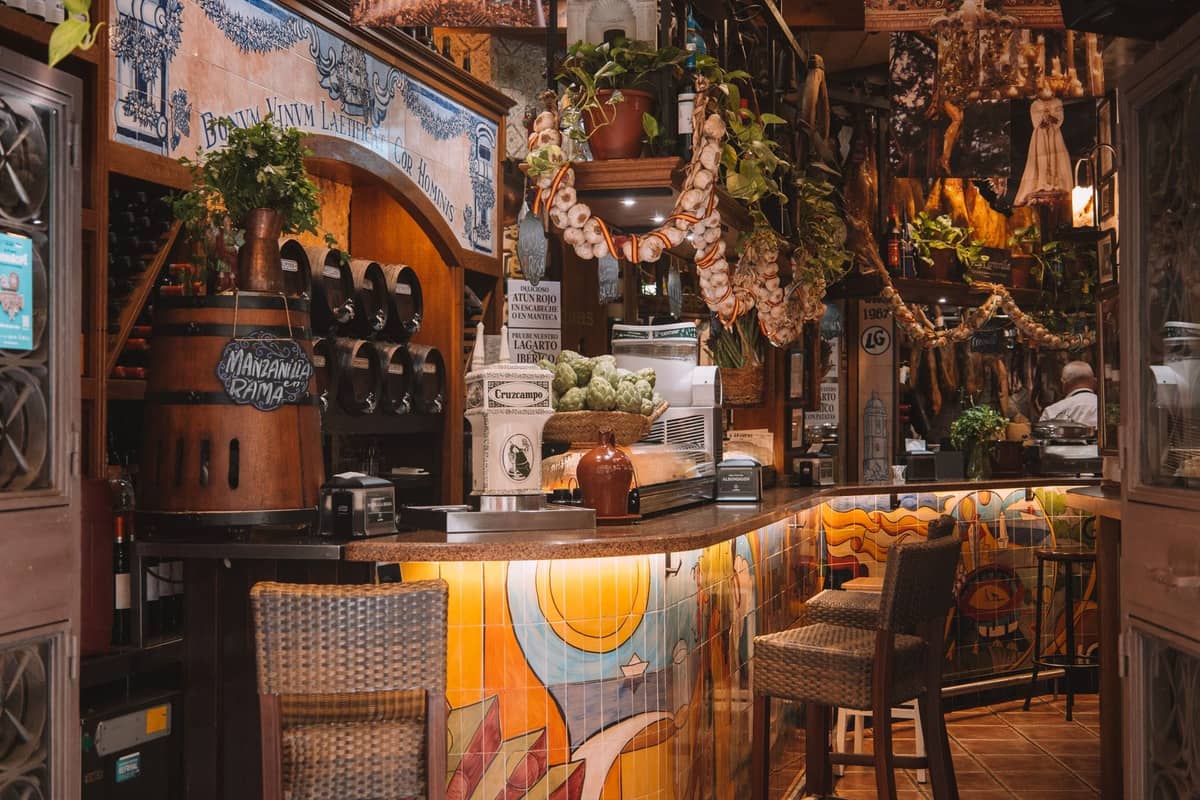
Cicchetti (pronounced chee-KET-ee) are small, single-bite or two-bite snacks served on bread or skewers, displayed in rows on the counter of a bacaro. Think salt cod mousse on toast, a sliver of soppressa salami with pickles, marinated anchovies, or a polpetta (fried meatball). Each piece is priced individually, usually between €1.50 and €3.00, and you point at what you want. There's no menu to study and no waiter to flag down.
A bacaro is the Venetian word for a small, informal wine bar. It's not a restaurant. Seating, where it exists at all, is minimal: a few stools, a narrow ledge along the wall, maybe some tables outside in fair weather. The format is counter service. You order your cicchetti, choose a drink, pay as you go or at the end, and move on. Locals rarely linger for more than 20–30 minutes at one spot. The whole point is mobility.
ℹ️ Good to know
The word 'ombra' (literally 'shadow') refers to a small pour of house wine, traditionally about 100ml. The name is often said to come from vendors who once followed the shadow of the Campanile in Piazza San Marco to stay cool. Whether that's folklore or fact, ordering an ombra signals immediately that you know what you're doing.
Prices, Drinks, and What to Expect to Pay
Cicchetti in authentic, locally-frequented bacari run €1.50–€3.00 per piece. More elaborate preparations, like a crostino topped with baccalà mantecato (whipped salt cod) or a tramezzino (crustless sandwich), can reach €3.00–€4.00. An ombra of house white or red costs €1.00–€2.50. A Spritz with Aperol or Campari is typically €3.00–€5.00. A small Prosecco is usually €2.50–€4.00.
Budget realistically: a proper 3–4 stop bacaro crawl with 2–3 cicchetti and a drink at each stop comes to around €20–€30 per person. That makes it one of the genuinely affordable ways to eat well in Venice. For more strategies on keeping costs down, see the Venice on a budget guide.
- Cicchetti (per piece) €1.50–€3.00 in most bacari; up to €4.00 for elaborate crostini or tramezzini
- Ombra (house wine, ~100ml) €1.00–€2.50, occasionally higher in tourist-facing bars
- Spritz (Aperol/Campari) €3.00–€5.00 at bacari; significantly more at café terraces near San Marco
- Prosecco (small glass) €2.50–€4.00
- Full bacaro crawl (3–4 stops) €20–€30 per person including cicchetti and drinks
⚠️ What to skip
Cicchetti are not complimentary. Unlike some European wine bar traditions where snacks come with drinks, every piece here is individually priced. If you don't ask the price beforehand and the bar is tourist-facing, check the posted price list (legally required) before you order. Bars near Piazza San Marco and the Rialto Bridge tourist corridor can charge significantly more than bacari two streets back.
The Best Bacaro Crawl Routes by Neighborhood
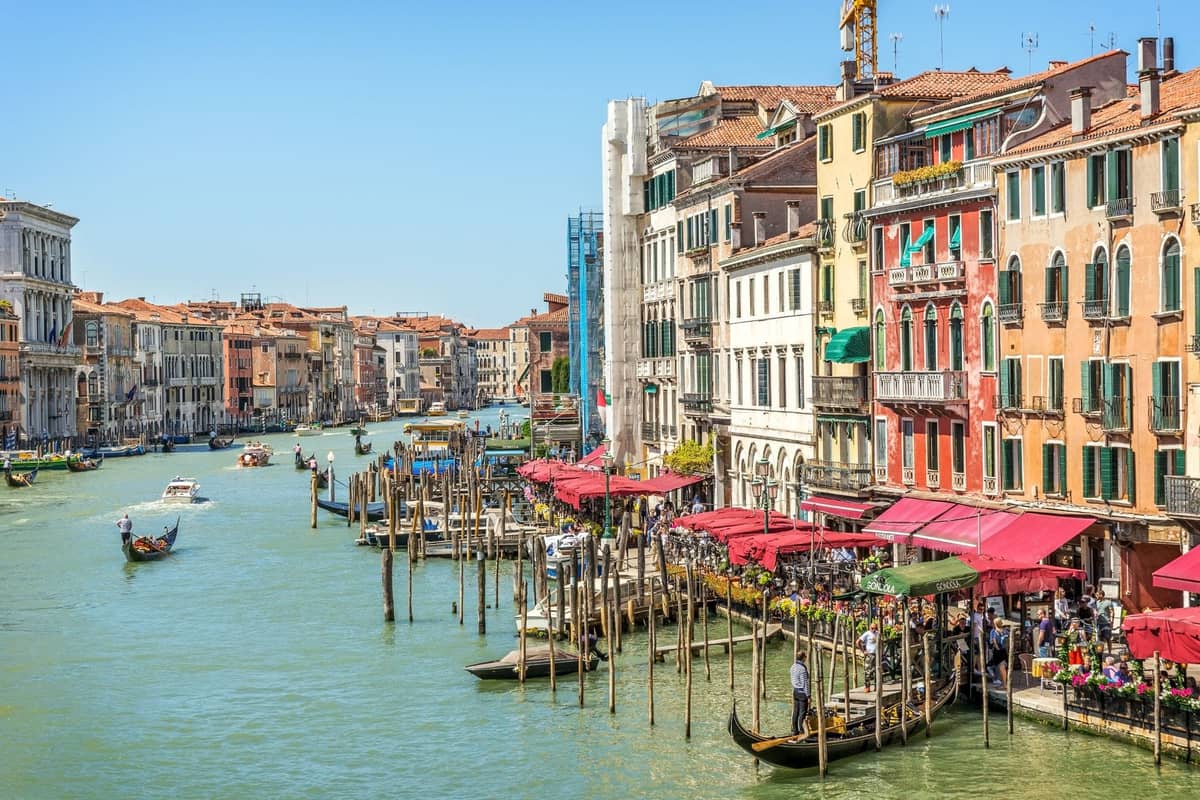
The classic starting point for any bacaro crawl is the Rialto Market area in San Polo. The cluster of bacari here, including Cantina Do Mori and All'Arco, has served locals and traders since the market was Venice's commercial heart. The proximity to the fish and produce market means the cicchetti here often reflect what came in fresh that morning.
From the Rialto cluster, the natural continuation is northwest into Cannaregio, specifically along Fondamenta della Misericordia and Fondamenta degli Ormesini. This stretch is a compact bacaro corridor with locals clearly outnumbering tourists, particularly on weekday evenings. Spots like Al Timon (Fondamenta degli Ormesini 2754) operate late into the evening and attract a genuinely mixed crowd of residents and students.
For something more low-key, Dorsoduro around Campo Santa Margherita has a younger, university-adjacent crowd. The Campo Santa Margherita itself is one of Venice's liveliest squares at aperitivo hour, and several bacari ring its perimeter. This is where you're most likely to find a Spritz for under €4.00 and a seat outside.
- Rialto / San Polo All'Arco (San Polo 436), Cantina Do Mori, Cantina Do Spade (San Polo 859) – the classic starting circuit, busiest at lunch
- Cannaregio – Ormesini strip Al Timon (Ormesini 2754), Cantina Aziende Agricole – quieter tourist mix, open late, strong local regulars
- Dorsoduro – Campo Santa Margherita Several bacari around the campo; best for aperitivo hour, university crowd, cheaper Spritz
- Castello Fewer bacari but less crowded; good for lunch stops while heading toward the Arsenale or Riva degli Schiavoni
Specific Bacari Worth Knowing
All'Arco in San Polo is consistently rated among the best in the city for cicchetti quality. It's tiny, it gets crowded by 12:30, and it closes in the early afternoon. Opening hours are approximately Monday–Tuesday and Thursday–Sunday from 10:00 to 14:30, though this is subject to change. Arrive at 10:15 if you want space at the counter. The baccalà mantecato here is a benchmark against which to measure everything else.
Cantina Do Spade (San Polo 859) is one of the older bacari near the Rialto and opens roughly 10:00–15:00 and 18:00–22:00 daily. It has slightly more seating than most, which makes it a useful option if you want to sit. Cantina Do Mori, nearby, is one of the oldest bacari in Venice and worth visiting even if only for a single ombra. Both sit deep in the alleyways between the Rialto Bridge and Campo San Polo, away from the worst of the tourist foot traffic.
Al Timon on Fondamenta degli Ormesini is a different kind of bacaro: larger, with a barge moored outside where people stand and drink on warm evenings. Cicchetti here run around €2.50–€4.00 per piece, slightly above average but the atmosphere is social and the hours are long (open approximately daily from 11:00 or 16:00 through 01:00; verify locally before visiting). For a Cannaregio bacaro crawl, this is a natural anchor point.
✨ Pro tip
At busy bacari, don't wait to be approached. Walk up to the counter, make eye contact with the bartender, and point clearly at what you want. Hesitating while studying the display creates a bottleneck. Ordering decisively is how locals do it. If you're not sure what something is, just ask 'cos'è?' (what is it?) and you'll get an answer.
When to Go and How to Beat the Crowds
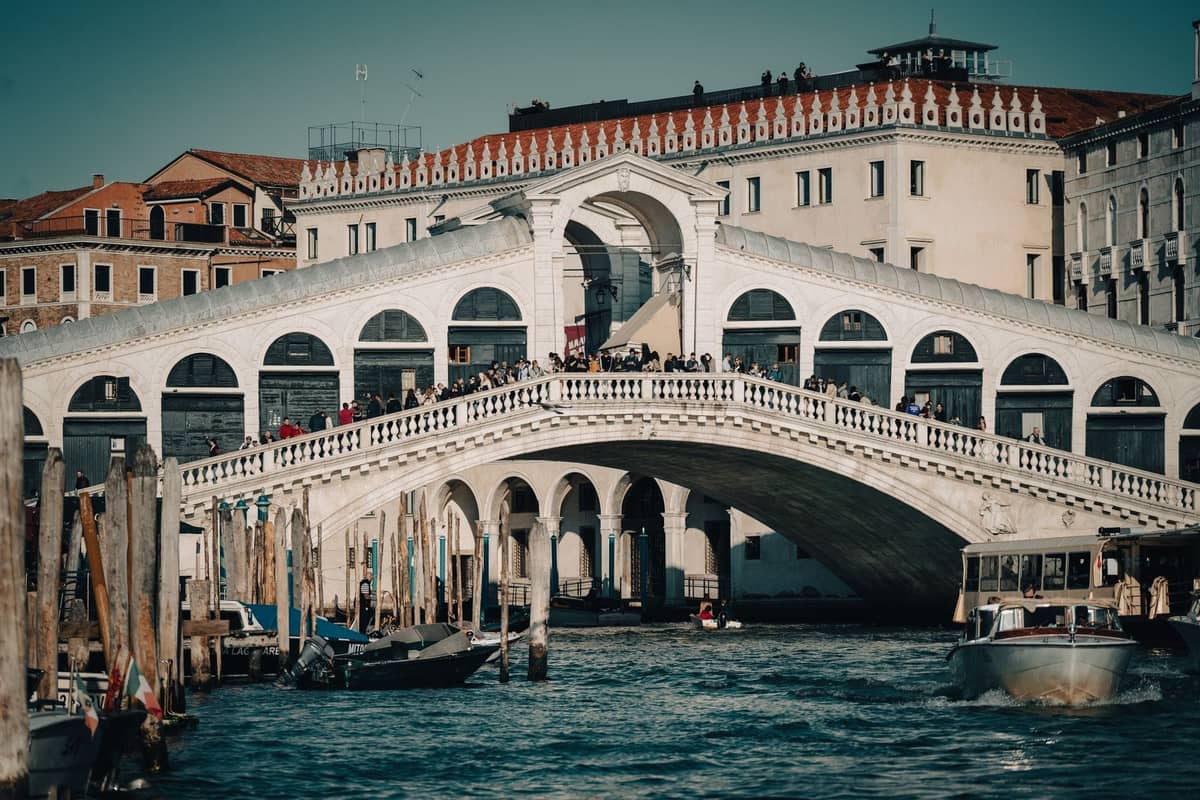
Bacari follow two distinct peaks: the lunch rush from around 12:00 to 14:00, and aperitivo from 18:00 to 20:00. At both times, the most popular spots near the Rialto can have a crush of people several rows deep at the counter. Arriving just before noon, around 11:30, or just after a bacaro opens for the evening session (18:00–18:30) gives you the best access to the freshest cicchetti and actual counter space.
Seasonally, bacari in Venice are busiest from April through October and during Carnival in February. In winter, hours often shorten, particularly at smaller bacari that may close Monday or Tuesday. Winter also brings acqua alta flooding, which can affect accessibility around ground-floor bacari in low-lying areas, though most are elevated enough to remain open during all but the most severe high-water events.
Many bacari close entirely between roughly 15:00 and 17:30. This mid-afternoon gap catches visitors off guard. If you're planning a crawl, schedule it around either the lunch or the aperitivo window, not between them. On weekdays, crowds thin noticeably compared to weekends, particularly in tourist-heavy neighborhoods like San Polo. Cannaregio's Ormesini strip tends to be busy every evening regardless of the day.
What to Order: A Cicchetti Field Guide
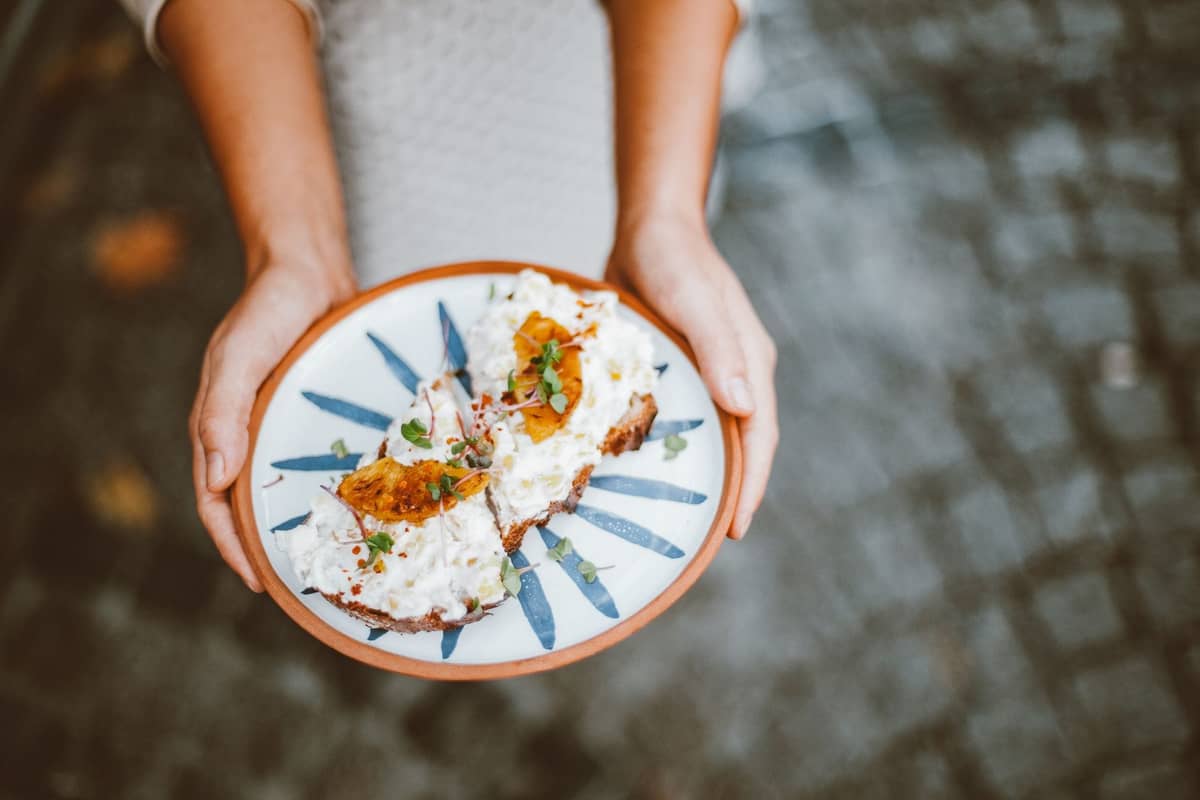
The range of cicchetti varies by bacaro and by season, but certain preparations appear almost everywhere. Baccalà mantecato is whipped salt cod blended with olive oil to a creamy texture, typically spread on grilled polenta squares or white bread. It's the signature cicchetto of Venice and the one to order first at any new bacaro to calibrate quality. Sarde in saor, sardines marinated with onions, pine nuts, and raisins in a sweet-sour vinegar dressing, is a distinctly Venetian preparation that appears more often in the autumn and winter months.
- Baccalà mantecato: whipped salt cod on polenta or bread, the benchmark cicchetto
- Sarde in saor: sardines in sweet-sour onion marinade, more common autumn–winter
- Mozzarella in carrozza: fried mozzarella sandwich, filling and reliable
- Polpette: small fried meatballs, usually beef or mixed meat
- Nervetti: boiled veal cartilage with onion and parsley, an acquired taste and very local
- Crostini with various toppings: liver mousse, anchovy butter, cheese spreads
- Tramezzini: triangular crustless sandwiches with tuna, egg, artichoke combinations
If you want to understand Venetian food culture beyond cicchetti, the broader guide to what to eat in Venice covers sit-down restaurants, seasonal ingredients, and the local wine traditions that inform what you'll find in bacari.
Common Mistakes and Misconceptions
Expecting a bacaro to function like a restaurant is the most common source of disappointment. There's no table service, no structured menu, and often no guarantee of a seat. If you need to sit down for a full meal, a bacaro is the wrong venue. They work best as a pre-dinner ritual, a quick lunch between sightseeing, or an evening progression from spot to spot.
Another misconception: that all bacari are now tourist-facing. The ones immediately adjacent to the Rialto Bridge and around Piazza San Marco skew heavily toward visitors and price accordingly. But bacari in Cannaregio, in the quieter stretches of Dorsoduro, and in Castello remain genuine neighborhood institutions. The tell is the clientele. If the bar is full of locals at 18:30 on a Tuesday, you're in the right place.
Finally, don't confuse a bacaro crawl with a guided food tour. Organized tours can be a useful introduction, and several reputable operators run evening itineraries that cover three or four stops with a local guide explaining the food and history. But the tours come with group dynamics, fixed timing, and a price premium. The independent version costs €20–€30 all-in versus €60–€90 for a guided tour. If you've read this guide and done some basic preparation, the independent crawl is straightforwardly doable. For a fuller picture of navigating Venice's food and neighborhoods, see the things to do in Venice guide.
💡 Local tip
If a bacaro near a major tourist site has a bilingual illustrated menu on a chalk board outside listing 'typical Venetian cicchetti' at €4.50–€6.00 per piece, walk another two streets in any direction. Authentic bacari rarely need to advertise cicchetti to passers-by because they have a regular clientele. The ones that do are pricing for tourists.
FAQ
What is the difference between cicchetti and tapas?
Both are small snacks served with drinks, but cicchetti are a distinctly Venetian tradition with specific local preparations like baccalà mantecato and sarde in saor. The cultural format is also different: bacari are wine bars where you stand, eat quickly, and often move to the next spot, whereas Spanish tapas culture varies significantly by region and can involve longer stays. Cicchetti are individually priced and not included with drinks.
Do bacari take reservations?
Almost never. Bacari are walk-in only by design. The exception is guided bacaro crawl tours, which are booked in advance through food tour operators. For individual bacari, simply show up during their open hours, ideally slightly before the lunch or aperitivo rush.
What is the best time of day for a bacaro crawl in Venice?
The two best windows are the late morning session (arriving around 11:30 before the 12:00–14:00 lunch peak) and early aperitivo (18:00–18:30 before the evening crowd builds). Bacari often close between roughly 15:00 and 17:30, so planning a mid-afternoon crawl usually doesn't work.
Which neighborhood has the best bacari in Venice?
The Rialto area in San Polo has the highest concentration of well-known bacari, including All'Arco and Cantina Do Spade. Cannaregio's Fondamenta degli Ormesini offers a more local atmosphere with a compact strip of bars. Dorsoduro around Campo Santa Margherita suits the aperitivo crowd. Each neighborhood has a distinct character; a full crawl ideally covers at least two of them.
Are bacari suitable for people with dietary restrictions?
Bacari menus are largely fixed around traditional preparations that feature seafood, cured meats, and bread-based snacks. Vegetarian options exist (cheese crostini, vegetable tramezzini, fried vegetables) but are limited. Gluten-free and vegan options are rare. People with serious dietary restrictions should scan the counter display before ordering and ask staff directly. The language of cicchetti is visual: you can see most of what's on offer before you commit.