Venice on a Budget: How to Visit Without Overspending
Venice has a reputation for draining wallets fast, but the reality is more nuanced. With the right timing, a few local habits, and some strategic planning, you can experience one of the world's great cities for far less than you'd expect. This guide breaks down exactly where the money goes and how to keep it in your pocket.
Plan and book this trip
Tools from our partner Travelpayouts help you compare flights and hotels. If you book through them, we may earn a commission at no extra cost to you.
Flights
Hotels map
TL;DR
- A realistic daily budget for Venice runs €50–€80 per person, excluding accommodation, if you eat smart and walk instead of taking vaporetti.
- The biggest savings come from timing: November and January are dramatically cheaper than Carnival or summer peak season — see our guide to the best time to visit Venice for a full seasonal breakdown.
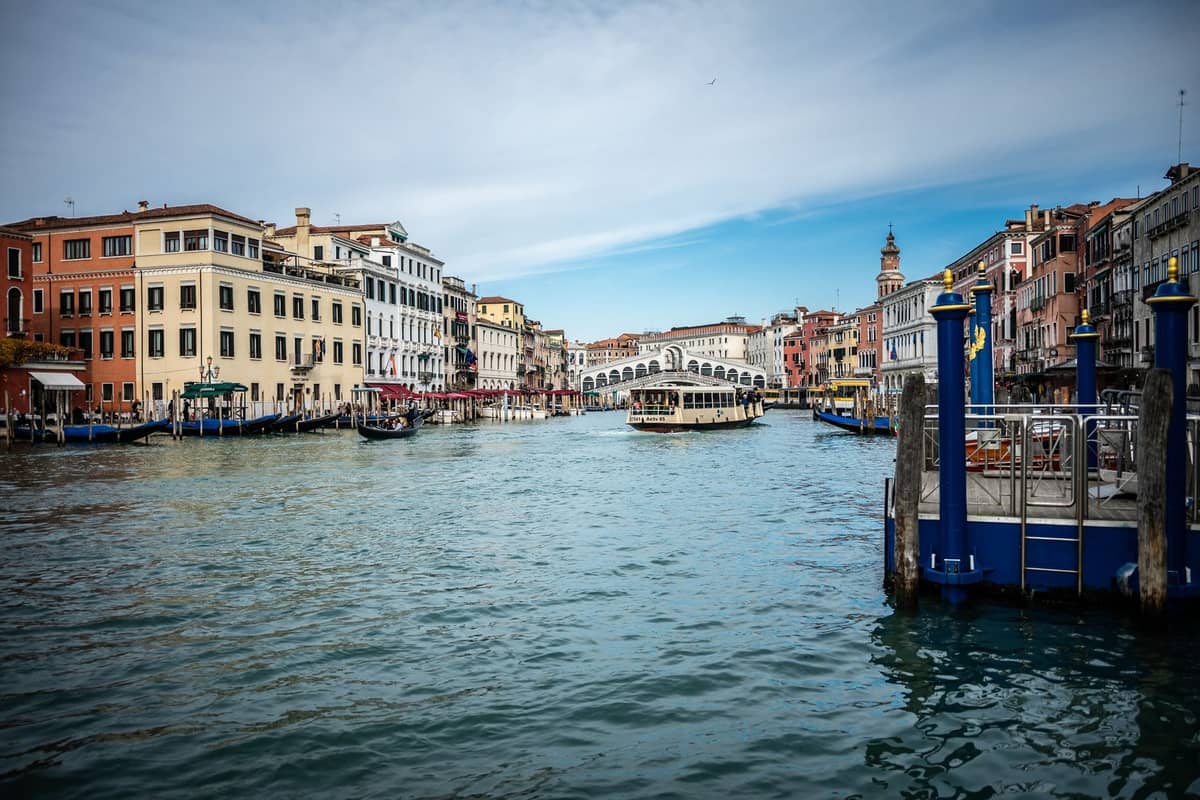
- The Rialto Bridge, the Grand Canal, and most of Venice's street life are free — but St Mark's Basilica now requires paid timed admission (about €10 for standard online tickets; check basilicasanmarco.it).
- Eating and drinking at the bar (standing) instead of at a table cuts food costs by 30–50% instantly.
- Staying in Mestre on the mainland saves €50–€100 per night versus central Venice, with a 15-minute train connection to Santa Lucia station.
What Venice Actually Costs: A Realistic Budget Breakdown
Venice is expensive, but not uniformly so. The cost depends almost entirely on where you sleep, how you eat, and whether you fall into the tourist traps concentrated around Piazza San Marco. Budget travelers who plan ahead can keep total daily spend — meals, transport, and entry fees combined — in the €50–€80 range. That requires real effort, not magic.
- Accommodation Budget hostels and basic rooms near the center: €30–€48 per night. Midrange double rooms in central sestieri: €100–€180. The same quality in Mestre: €50–€90. During Carnival (February) or the Venice Film Festival (September), central prices can spike to €250+ for rooms that cost €100 in November.
- Food Cicchetti (bar snacks) run €1–€3 per piece — a plate of four with a glass of wine costs around €8–€12 standing at the bar. A sit-down lunch in a trattoria away from the main squares runs €15–€25. Near Piazza San Marco, expect to pay two to three times more for the same quality.
- Transport Walking is free and covers most of the city faster than the vaporetto for short distances. A single vaporetto ride costs around €9.50 without a pass. A 48-hour unlimited ACTV pass costs around €35–€40 and makes sense only if you're island-hopping or making four or more vaporetto trips per day.
- Attractions St Mark's Basilica: timed admission required and paid (about €10 for standard online tickets; check basilicasanmarco.it). Museum and Pala d'Oro are extras. Many smaller churches: free or €2–€5. The Doge's Palace and major civic museums are the biggest single-day expense, typically €15–€25 each, but combo passes through Venezia Unica cut this significantly.
- Incidentals Public toilets charge around €1.50 per use — stopping for a coffee at a bar that has a bathroom is often cheaper and comes with an espresso. Bottled water in tourist areas costs €2–€4; Venice has approximately 186 public drinking fountains with safe tap water, so carry a refillable bottle.
⚠️ What to skip
The Access Fee: Starting from April 25, 2024, Venice charges a day-visitor access fee on specific high-attendance dates (operating hours 8:30–16:00). Overnight guests and residents are exempt. Dates, amounts, and exemption categories are subject to change — check the official portal at cda.ve.it before you travel.
When to Go: Seasonal Price Differences Are Extreme
The single biggest budget lever is timing. November and January are genuinely the cheapest months: accommodation is at its lowest, crowds thin out noticeably, and restaurants near the center compete harder for business. The trade-off is cold, damp weather and a higher chance of acqua alta flooding. For a full picture of what each season looks like on the ground, the Venice in winter guide covers what to expect.
Carnival (mid-to-late February) is the single most expensive week of the year. Hotel prices double or triple, and the city becomes genuinely difficult to move through. If you want the spectacle without peak prices, arriving two or three days before the official Carnival start captures some of the atmosphere at lower cost. The Venice Film Festival (late August to early September) has a similar effect on Lido prices specifically.
Spring (April to May) offers a middle ground: milder weather and good light, but prices climb sharply from Easter onward. Summer is peak season in every sense — hot, humid, crowded, and expensive. If summer is your only option, arriving on a Tuesday or Wednesday rather than a weekend makes a measurable difference to both accommodation prices and crowd levels. More detail on the summer experience is in the Venice in summer guide.
Free and Low-Cost Things to Do in Venice
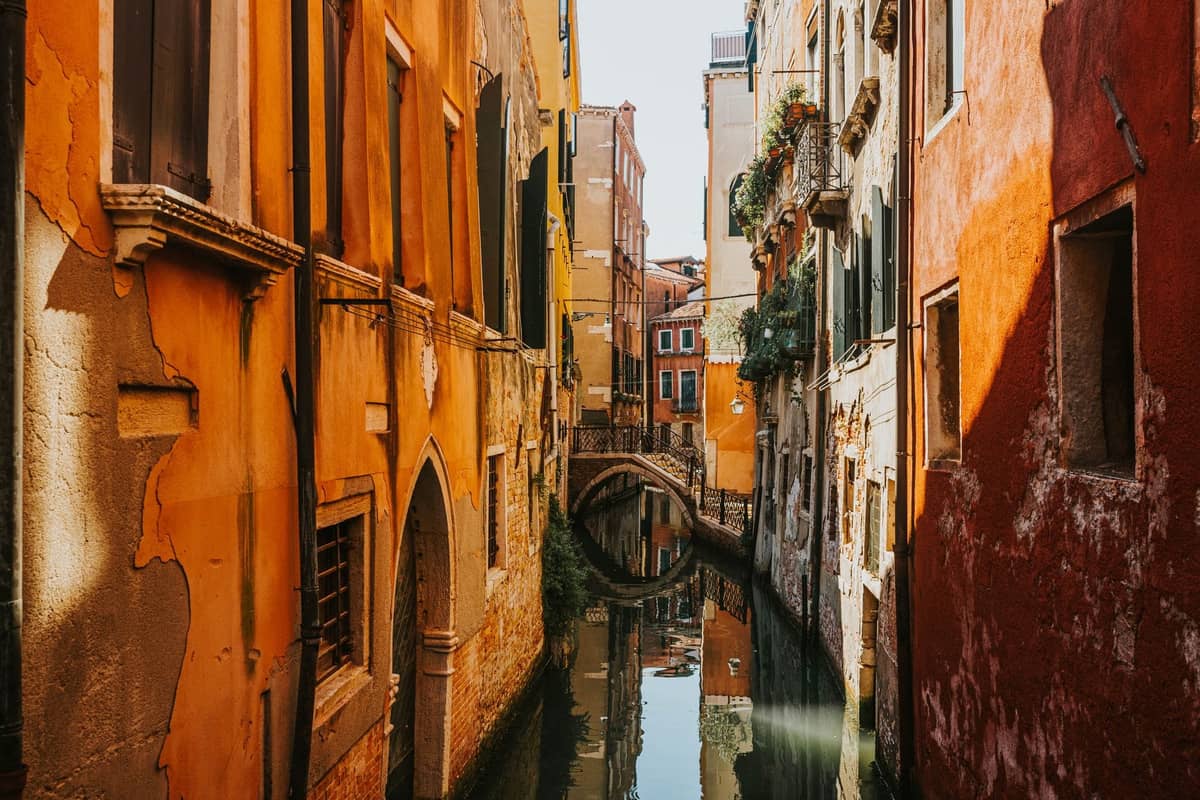
A significant portion of Venice's appeal costs nothing. The city is essentially an open-air museum, and the architecture, canals, and public spaces are as compelling as anything inside a ticketed venue. The mistake most visitors make is assuming that experiencing Venice properly requires a long list of paid admissions.
- Piazza San Marco and the surrounding piazzetta: free to walk and sit in (the cafes around the edge are extortionately priced — avoid them unless you want to pay €15 for a coffee with live music)
- St Mark's Basilica main church: €6 entry, though queues can be long — book a timed slot online to avoid a two-hour wait
- Rialto Bridge and the market area beneath it: free, and the fish and produce market (Mercato di Rialto) is one of the most atmospheric spots in the city, best visited before 9am
- Accademia Bridge: the best free view of the Grand Canal, especially at golden hour
- Jewish Ghetto in Cannaregio: free to walk through; one of Europe's oldest and most historically significant Jewish neighborhoods
- All six sestieri (neighborhoods): Dorsoduro, Cannaregio, Castello, San Polo, Santa Croce, and San Marco are navigated entirely on foot — the walking itself is the experience
- Church of Santa Maria della Salute: free entry to the main basilica, a baroque masterpiece at the mouth of the Grand Canal
- Zattere promenade in Dorsoduro: a long waterfront walk facing the Giudecca canal, entirely free and far less crowded than the San Marco waterfront
For paid attractions, the Venezia Unica pass system (veneziaunica.it) combines transport and civic museum entry at a discount versus buying separately. The Doge's Palace, Ca' Rezzonico, and other civic museums can be bundled. The best museums in Venice guide ranks which paid admissions are genuinely worth it and which can be skipped.
✨ Pro tip
Churches in Venice often contain world-class art — Tintorettos, Bellinis, Tiepolos — for €2–€5 entry or free. The Basilica dei Frari and Santi Giovanni e Paolo are two of the finest art collections in Italy, effectively disguised as churches. Skip one overpriced restaurant meal and you can visit half a dozen.
Eating and Drinking on a Budget in Venice
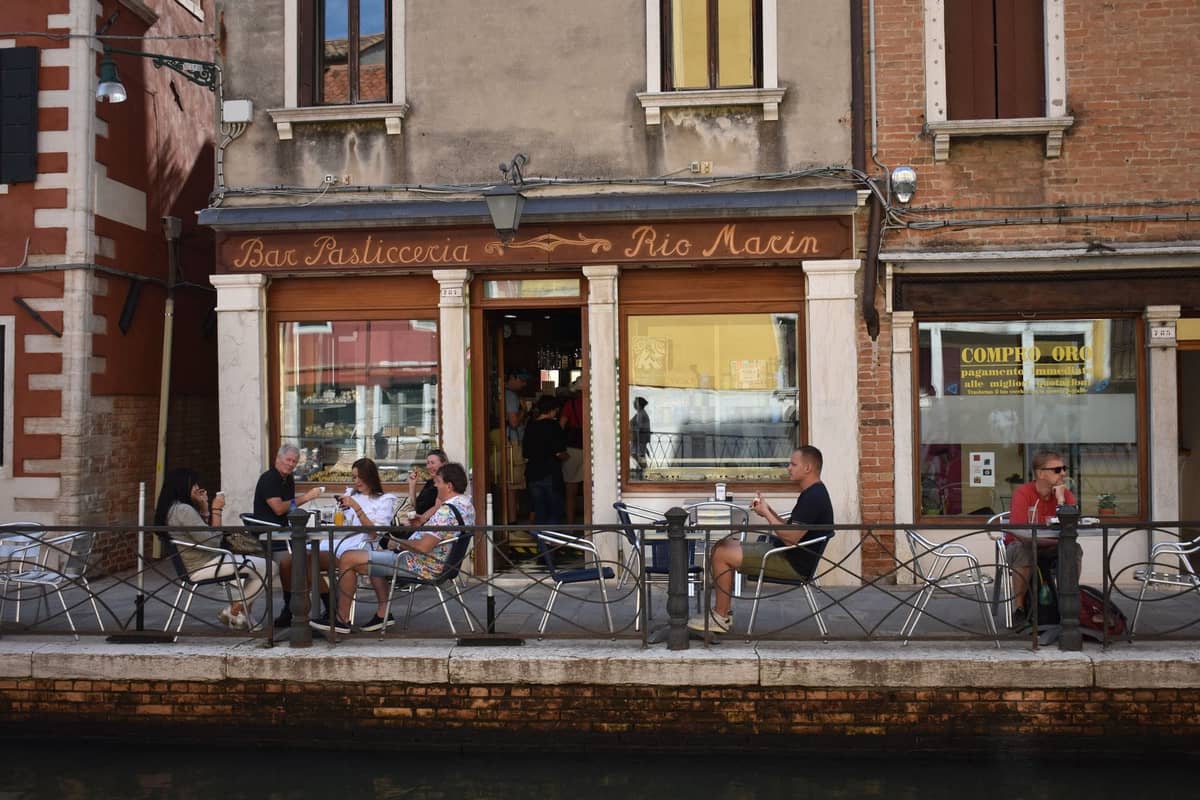
Food is where Venice trips go wrong financially more than anywhere else. The city has a near-infinite number of mediocre, overpriced restaurants aimed at tourists who will never return. Avoiding them is mostly a matter of knowing two rules: walk away from the main squares, and eat at the bar.
The cicchetti tradition is Venice's answer to tapas: small pieces of bread topped with fish, vegetables, or cured meats, eaten standing at the bar with a small glass of wine (called an ombra). A proper cicchetti crawl through the bars of San Polo or Cannaregio can be a filling lunch for €8–€12. The best bars are concentrated around the Rialto market area and along the back streets of Cannaregio. For a more detailed breakdown of where and what to order, the cicchetti guide for Venice covers the tradition thoroughly.
Sit-down meals follow one clear rule: the farther from Piazza San Marco, the cheaper and usually better the food. Restaurants in Castello, western Cannaregio, and Dorsoduro near Campo Santa Margherita are where locals actually eat. A coperto (cover charge) of €2–€4 per person is standard and unavoidable at sit-down restaurants — it's not optional. Ask for acqua dal rubinetto (tap water) to avoid paying €3–€5 for bottled water you don't need.
💡 Local tip
Supermarkets are genuinely useful in Venice. The Conad and Despar chains have branches in most sestieri. A picnic lunch of bread, cheese, and local wine eaten on a canal-side bench costs €5–€8 and is often better than a €20 tourist lunch. Just don't eat on the steps of major monuments — the city enforces fines for this.
Transport: When to Walk, When to Take the Vaporetto
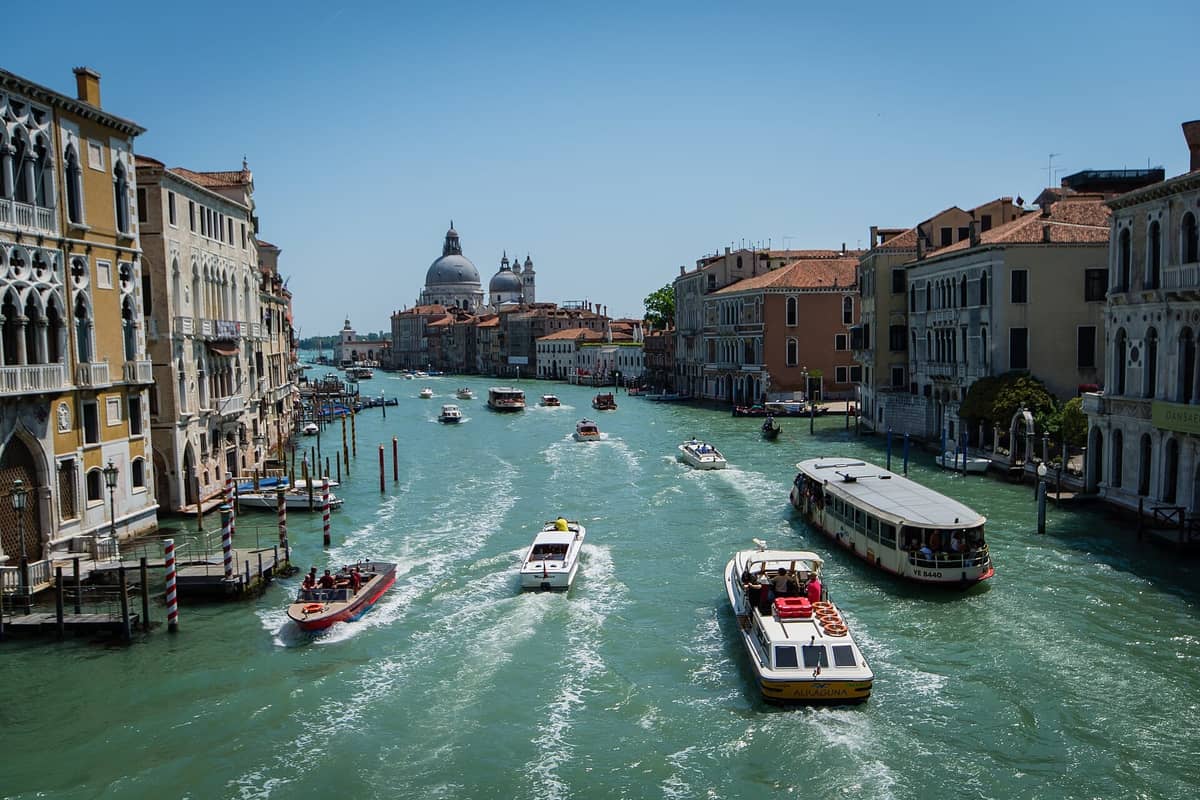
Venice is smaller than it looks on a map. The historic island city is around 3–4 km long and 2–3 km wide, and most major sights are within 20–30 minutes on foot from each other. For most visitors staying in the historic center, walking is the primary mode of transport and it costs nothing. The vaporetto becomes worthwhile when you're crossing to the lagoon islands (Murano, Burano, Giudecca) or traveling the full length of the Grand Canal.
Single vaporetto tickets are expensive relative to the distance covered. If you're planning to use them more than three or four times in a day, a 24-hour or 48-hour ACTV pass makes financial sense. These are sold at vaporetto stops, tobacco shops (tabacchi), and through the Venezia Unica website. If you're day-tripping to Murano or Burano, factor in return ferry costs when planning. The getting around Venice guide covers all transport options and pricing in detail.
From Marco Polo Airport (VCE), the Alilaguna water bus to central Venice costs around €15 and takes 60–75 minutes depending on the line. The ACTV land bus to Piazzale Roma is cheaper (around €8) and faster (around 20–25 minutes), but you then need a vaporetto or walk to reach your accommodation. Water taxis are a luxury at roughly €100–€130 for the airport transfer — fine if you're splitting four ways, not recommended for solo or pair travelers on a budget.
Where to Stay: Choosing Between the Island and Mestre
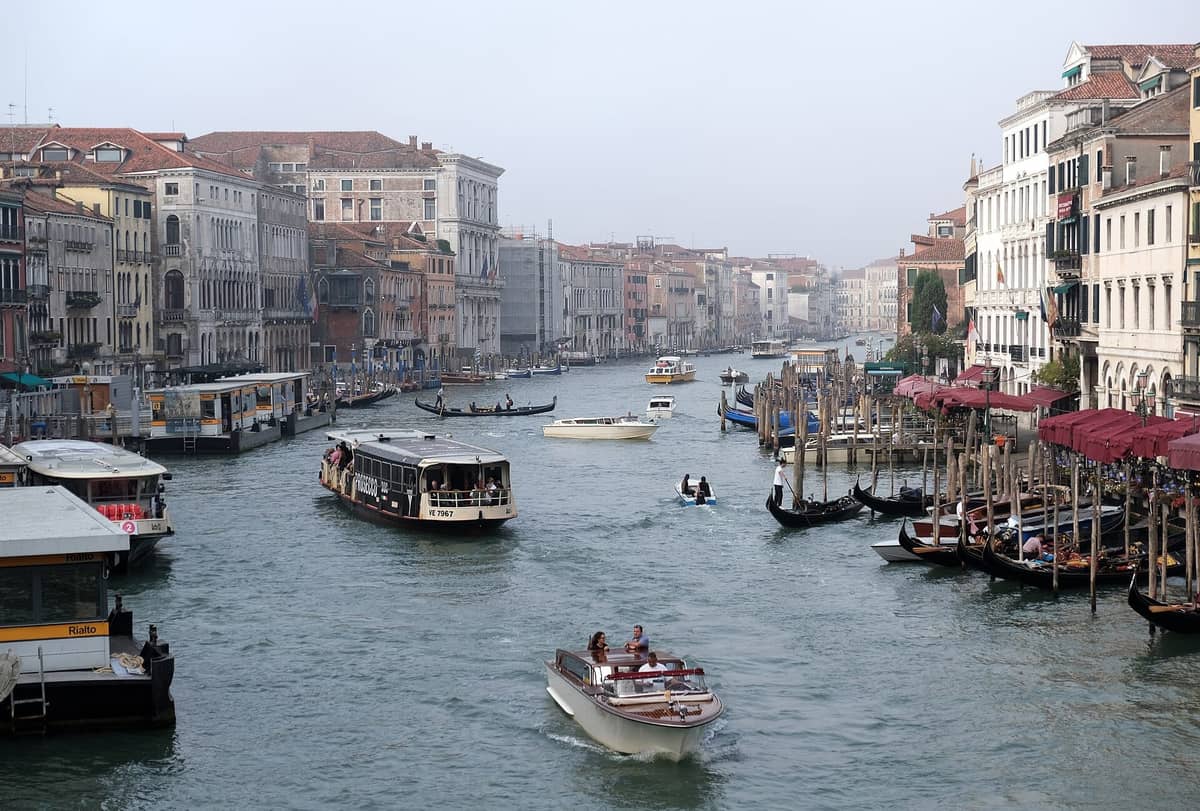
The accommodation decision in Venice has a bigger impact on your daily budget than almost any other choice. Staying on the historic island means paying a premium for location — but that premium is real. Being able to walk out your door into Venice at 7am before the day-trippers arrive, or staying out after they leave in the evening, genuinely changes the experience.
For budget travelers, Mestre is the practical compromise. It's the mainland urban district of the Venice municipality, connected to Santa Lucia station by a 15-minute train that runs frequently. Rooms cost €50–€90 per night versus €100–€180 on the island. The trade-off is that you lose the early morning and late evening atmosphere of the island, and every day starts and ends with a train journey. If the historic island experience is the point of your trip, staying somewhere like Cannaregio or Dorsoduro gives you the lowest prices within the island while keeping you immersed in the city.
Cannaregio is generally the most affordable of the central sestieri and the least touristy in character. Dorsoduro is slightly pricier but has a strong student and local presence around Campo Santa Margherita. San Marco is the most expensive and the least recommended for budget stays — you're paying purely for proximity to the main sights. For a full breakdown of neighborhoods and accommodation options, the where to stay in Venice guide covers every option from hostels to apartments.
Budget Traps to Avoid
Venice has refined the art of extracting money from visitors over several centuries. These are the most common ways budget trips go off the rails:
- Gondola rides at full price: The official regulated rate is €90 for 30 minutes (daytime) and €110 for 35 minutes after 19:00, for up to 5 passengers. Splitting the cost between four or five people brings it into a reasonable range. Booking directly at a gondola station is usually cheaper than through a hotel or tour desk. Budget travelers should treat this as an optional splurge, not a necessity.
- Cafes on Piazza San Marco: A coffee at one of the historic cafes here can cost €8–€12 once you factor in the compulsory music surcharge. The coffee is not meaningfully better than at a bar two streets away for €1.20.
- Airport water taxis: At €100–€140 per journey, they are a luxury transfer. The Alilaguna boat or ACTV bus serves the same route for a fraction of the cost.
- Souvenirs near major sights: Glass items near Rialto or San Marco are marked up heavily. If you want genuine Murano glass, buy it in Murano directly from workshops — prices are lower and you can watch the glassblowing.
- Guided tours in peak areas: The Rialto and San Marco areas are full of tour operators charging €30–€50 per person for walks that cover freely accessible public spaces. Free walking tours (tip-based) and self-guided routes using a good map or app cover the same ground.
The gondola question deserves its own honest answer: it is not a practical form of transport and never was. It's a tourist experience, priced accordingly. If it's on your list, share the boat and treat it as a one-time splurge. If it isn't, the gondola ride guide explains what you're actually getting and whether it's worth it for your trip.
FAQ
How much money do I need per day in Venice?
A realistic daily budget excluding accommodation is €50–€80 per person. This covers cicchetti meals and bar lunches, a couple of vaporetto trips or walking everywhere, and one or two paid attractions. If you eat sit-down meals and visit multiple museums, budget closer to €100–€120. Accommodation adds €30–€180 per night depending on where you stay and the time of year.
Is it worth staying in Mestre instead of Venice to save money?
Financially, yes — Mestre accommodation runs €50–€90 versus €100–€180+ on the island for comparable quality. The trade-off is losing the early morning and late evening island experience, and adding a 15-minute train commute each way. If your priority is immersion in Venice rather than just seeing the sights, paying more to stay on the island is usually worth it. If you're on a strict budget and Venice is one stop on a longer trip, Mestre is a sensible compromise.
What is the cheapest time of year to visit Venice?
November and January are consistently the cheapest months for both accommodation and flights. Crowds are thinner, prices drop noticeably, and many restaurants are more willing to negotiate on set menus. The downsides are cold, damp weather and a higher risk of acqua alta (high water flooding). Avoid Carnival in February, Easter, and the period from June through August if budget is your primary concern.
Are there really free things to do in Venice?
Yes, and significant ones. St Mark's Basilica (main church), the Rialto Bridge, the Grand Canal, Piazza San Marco, the Jewish Ghetto, the Accademia Bridge, and all six neighborhood districts are free to explore. Walking the streets of Venice is the core experience for most visitors, and it costs nothing. Many churches charge €2–€5 but are otherwise free, and some major ones like the Salute are entirely free.
How do I avoid overpaying for food in Venice?
Three rules: eat at the bar (standing) instead of at a table, which cuts prices by 30–50%; avoid restaurants on or immediately adjacent to Piazza San Marco and the Rialto; and embrace cicchetti (bar snacks) as a meal rather than just a snack. Ask for tap water (acqua dal rubinetto) in restaurants to avoid €3–€5 bottled water charges. Supermarkets for picnic supplies are a legitimate and often enjoyable option.