Best Time to Visit Venice: A Season-by-Season Guide
Venice looks different in every season, and the right time to visit depends entirely on what you're after. This guide breaks down weather, crowds, hotel prices, and major events month by month, so you can choose the visit that actually suits you.
Plan and book this trip
Tools from our partner Travelpayouts help you compare flights and hotels. If you book through them, we may earn a commission at no extra cost to you.
Flights
Hotels map
TL;DR
- April to June and September to October offer the best balance of mild weather, manageable crowds, and reasonable prices.
- July and August are the most crowded and expensive months, with heat and humidity that most visitors underestimate.
- Acqua alta (tidal flooding) peaks from October through January — read the acqua alta guide before booking a winter trip.
- Venice Carnival in February and the Venice Biennale in spring can dramatically drive up hotel demand — book months ahead for those periods.
- November through early March offers the lowest prices and fewest tourists, but you need to accept cold, damp conditions and potential flooding.
Spring (March to May): The Sweet Spot
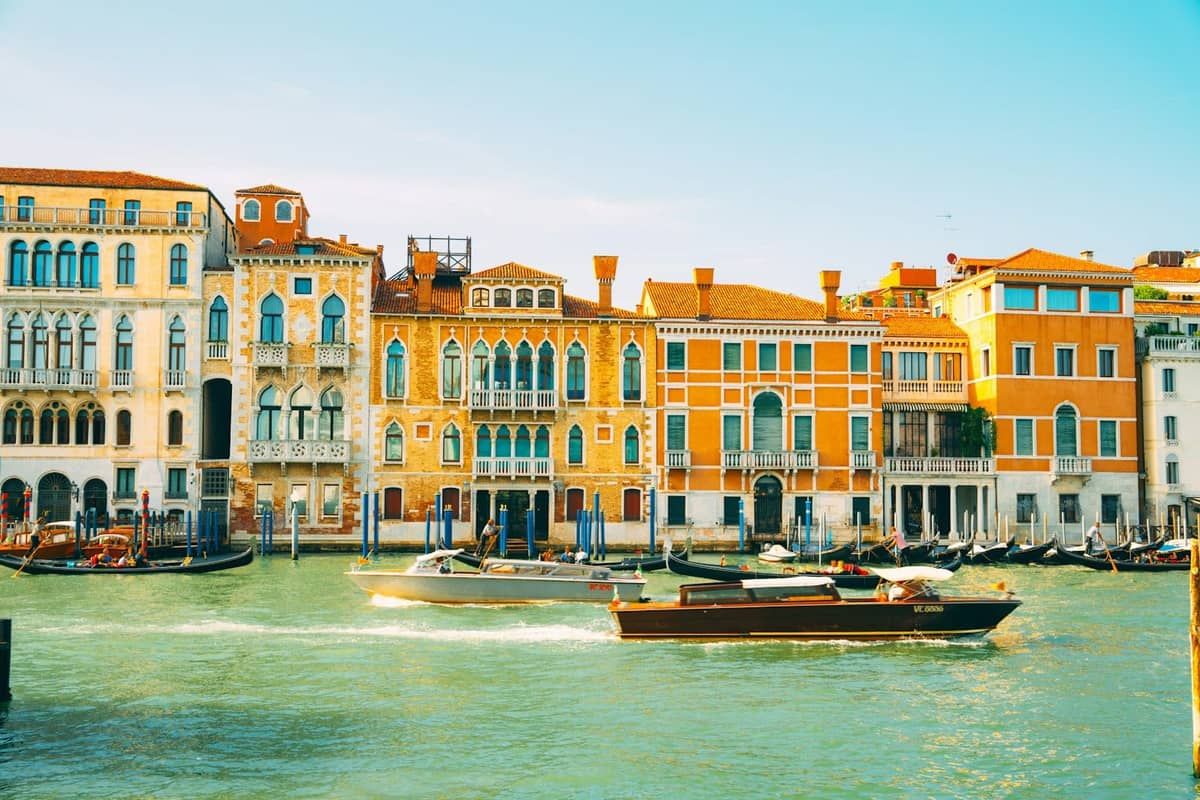
Spring is widely considered the best time to visit Venice, and the reasoning is sound. Temperatures climb from around 10°C in March to 20–22°C by late May, the light on the lagoon is extraordinary, and the streets, while not empty, feel walkable rather than suffocating. Crowds build steadily from Easter onward, so March and early April still offer relative calm, while late May can already feel busy on weekends.
The Venice Biennale typically opens in April or May during its main years, pulling in an international art crowd and filling accommodation weeks in advance. If you're interested in contemporary art alongside the historic city, that timing is ideal — just book early. For everything else, spring is simply the most comfortable window. Most of Venice's major attractions are fully open, gardens are in bloom, and the Rialto Market is at its freshest with spring produce.
💡 Local tip
Easter week is a significant exception to spring's calm reputation. The city can be as crowded as midsummer during Holy Week and Easter weekend. If you're visiting in April, check exact Easter dates and either plan around them or book accommodation and key attractions well ahead.
Summer (June to August): Popular for a Reason, Problematic for Several
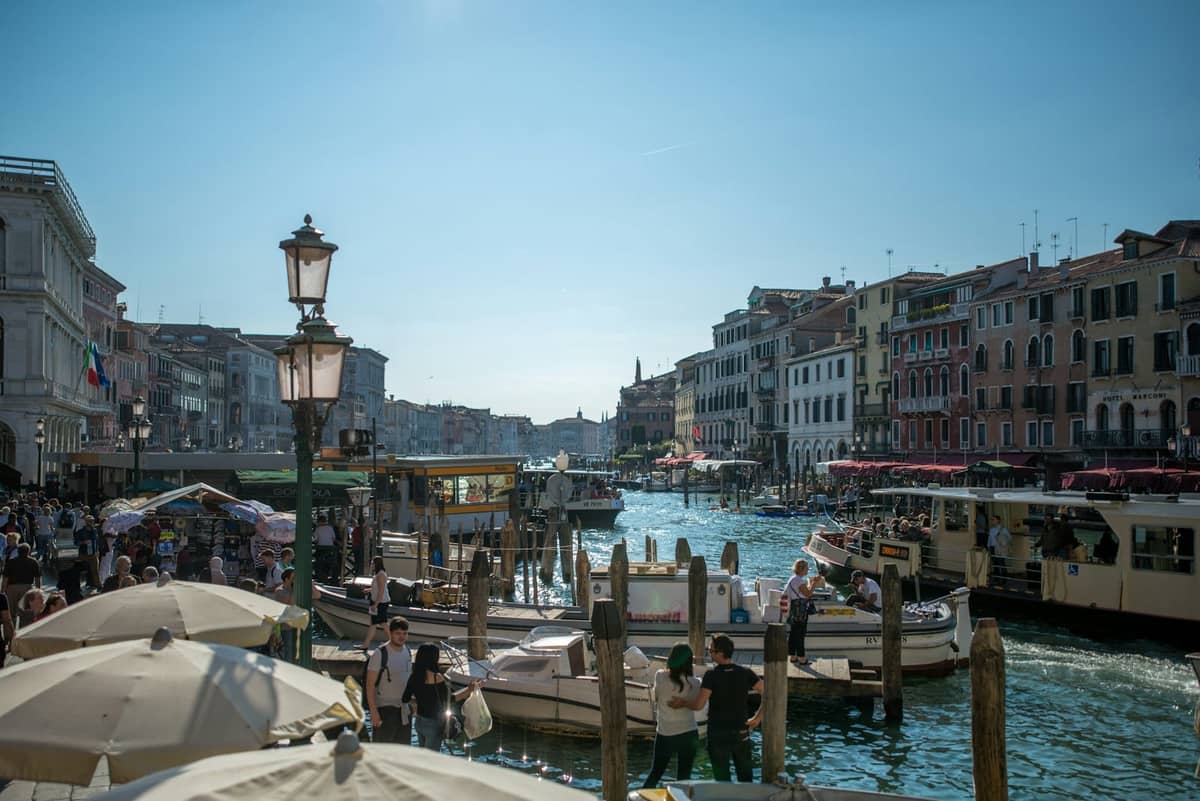
Summer in Venice is intense. From late June through August, the city absorbs its highest tourist volumes of the year, and the combination of heat, humidity, and sheer numbers makes it a genuinely difficult place to explore comfortably. Temperatures regularly exceed 28–30°C, the canals intensify the smell in the heat, and the main routes between San Marco and the Rialto can feel like slow-moving queues rather than walks.
That said, summer is not without its logic. Long daylight hours mean you can explore from early morning until late evening. Hotel rooftop terraces and the Zattere promenade come into their own after dark. The Venice Film Festival runs from late August into early September on the Lido, and if that's on your agenda, you're already committed to the season. Hotels at this time typically range from €250 to €400 per night for mid-range properties in the historic centre, and budget options are scarce.
- Best for Long days, Lido beaches, Venice Film Festival, outdoor dining
- Worst for Comfortable sightseeing, budget travel, avoiding crowds
- Hotel costs Peak pricing, typically €250–400/night for mid-range; book 3–6 months out
- Crowd level Maximum — the San Marco area and Rialto Bridge are heavily congested most of the day
✨ Pro tip
In summer, start your mornings before 8am. The alleys around San Marco and the Accademia are a different city before the cruise passengers and day-trippers arrive. By 10am, the transformation is complete. Early risers get the real Venice; late starters get the queue.
Autumn (September to November): Sharp Drop in Crowds, Sharp Rise in Flooding Risk
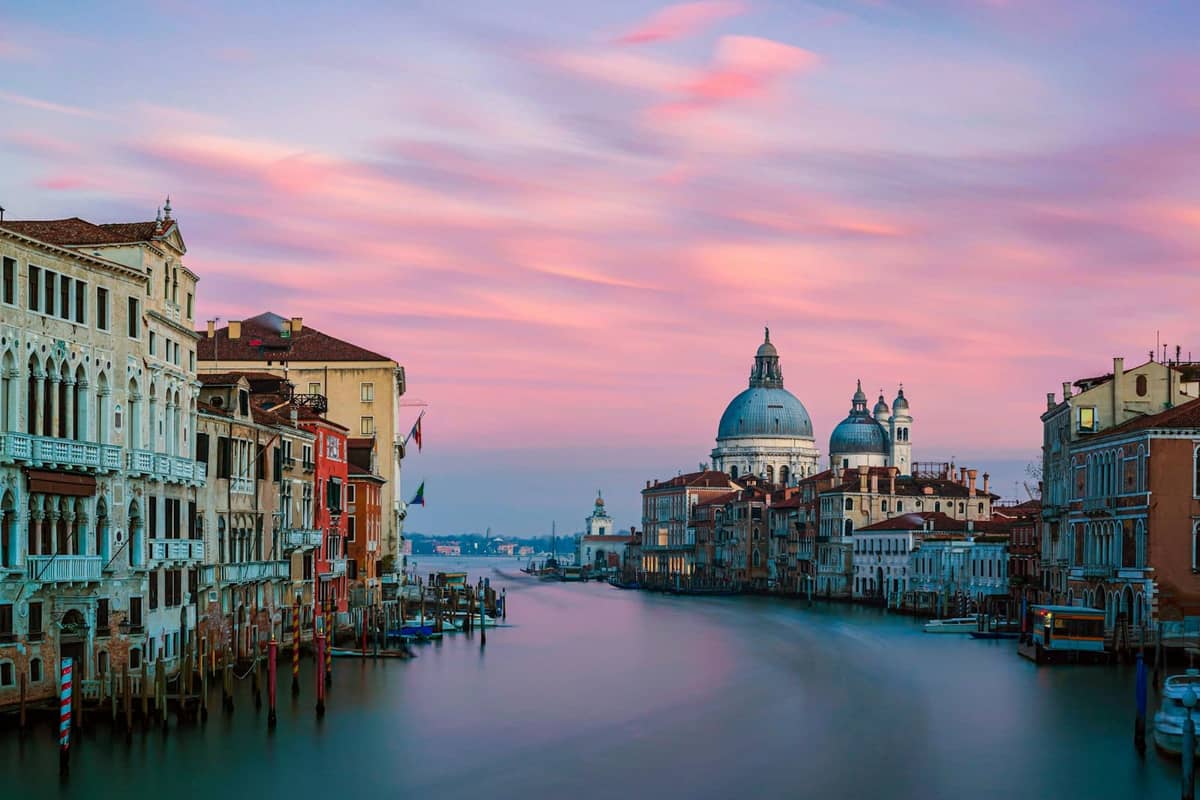
September is effectively summer's quieter sibling. Temperatures remain warm (22–26°C in early September), the summer crowds begin thinning after the Film Festival closes, and prices start to ease. It's arguably the single best month to visit if you want warmth without the worst of the peak-season pressure. October follows with cooler temperatures in the 15–18°C range and noticeably fewer tourists in the narrower sestieri away from San Marco.
The trade-off arrives in October and deepens through November: acqua alta season begins. Tidal surges can temporarily flood lower-lying areas of the city, sometimes requiring the use of elevated walkways (passerelle) set up by the municipality. The MOSE flood barrier system is now activated for significant tide events, which has reduced the most disruptive flooding considerably — but it doesn't eliminate the phenomenon entirely. If you visit in autumn, download the Città di Venezia's official acqua alta alert app before you arrive. You can also read about how acqua alta actually works before deciding whether it concerns you.
⚠️ What to skip
November is the month with statistically the highest acqua alta frequency. It can be a beautiful, atmospheric time to visit, but if your accommodation is in a ground-floor apartment or the streets around Piazza San Marco, check the tide forecasts daily. Waterproof boots are not optional — they're essential kit from October onward.
Winter (December to February): The Honest Case For and Against
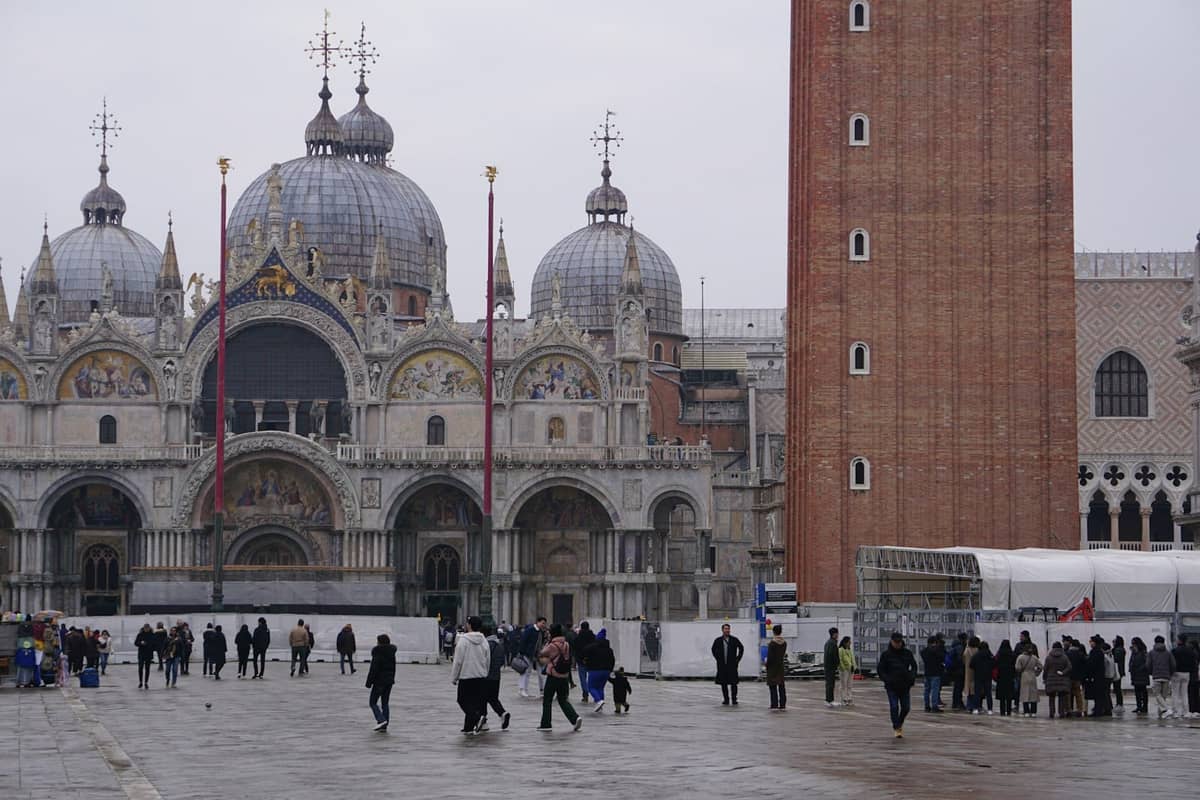
Winter Venice is not for everyone, and anyone who tells you otherwise is either very cold-resistant or hasn't spent a January there. Temperatures drop to 2–8°C, fog rolls in from the lagoon, and damp cold settles into stone buildings and narrow alleys in a way that feels different from inland Italian cities. Acqua alta remains frequent through January. The city is objectively beautiful in winter light and mist, but the practical discomfort is real.
The financial case for winter is strong. Hotel rates for comparable properties can be 40–50% lower than peak summer, and the main museums and churches are accessible without queues. If you want to stand in front of the Tintorettos at the Scuola Grande di San Rocco without sharing the space with many other people, January is when that becomes possible. The restaurants in Cannaregio and Dorsoduro that cater to residents rather than tourists stay open and reward exploration.
The major exception is Carnival (Carnevale di Venezia), which falls in February, usually two weeks before Ash Wednesday. During Carnival, Venice switches from its quietest period to one of its most crowded events of the year. Hotels book out months in advance, and prices spike to near-summer levels. The spectacle — elaborate masks, costumed processions, events across the sestieri — is genuinely unlike anything else in Europe. The Venice Carnival guide covers what to expect and how to plan for it.
- December: Christmas markets near Rialto, quieter than summer, cold and potentially foggy
- January: Lowest tourist numbers of the year, lowest prices, highest acqua alta risk
- February (pre-Carnival): Still quiet and cheap; book early if Carnival falls in your window
- February (Carnival weeks): Packed, expensive, spectacular — treat it as a separate event entirely
Major Events That Change the Timing Calculation
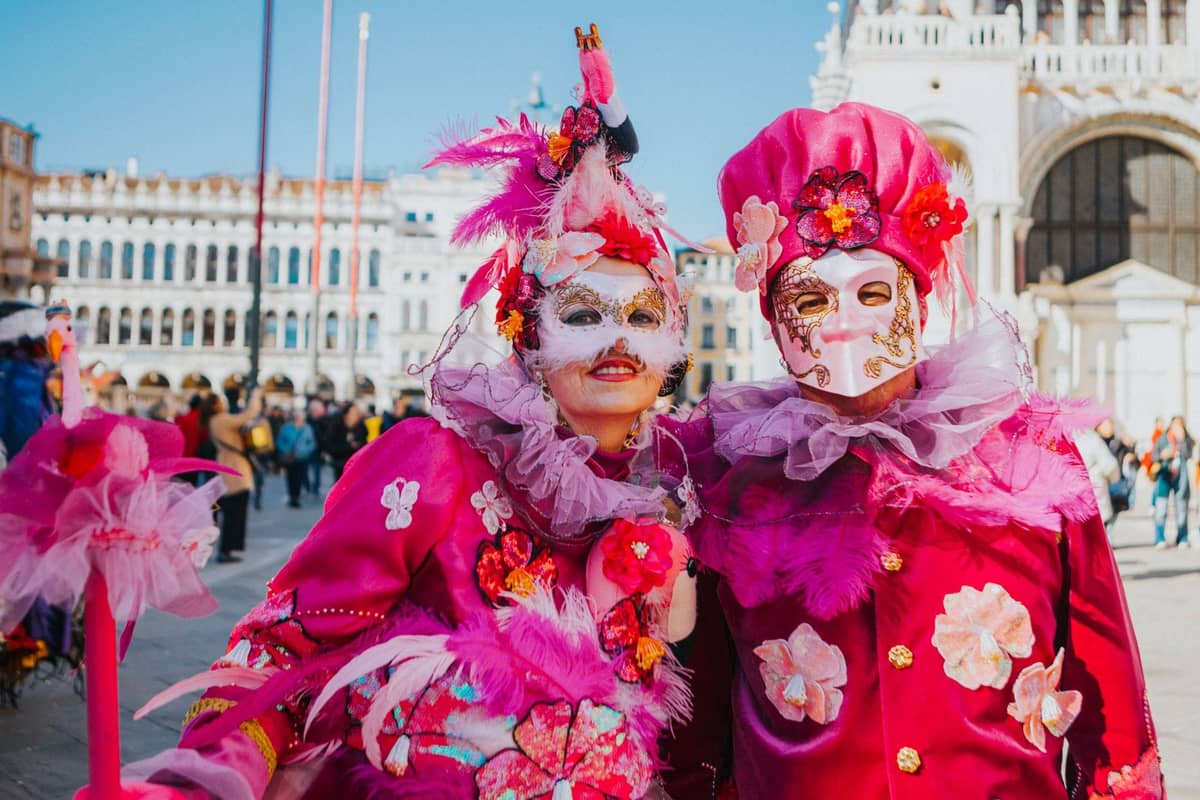
Venice has a calendar of recurring events that can either make a visit exceptional or make booking much harder. These are the ones worth tracking.
- Venice Carnival (February) Two weeks of elaborate masked events. Extremely popular, hotels fill months out. Worth planning around — either for or against.
- Venice Biennale (typically April/May–November; Art and Architecture alternate — check dates for your year; 2026 is Art) Opens in spring and runs through November. The opening weeks bring a specialist crowd; later in the run it's quieter. Check the Biennale calendar before booking if contemporary art matters to you.
- Venice Film Festival (late August to early September) Based on the Lido rather than the historic centre, but increases demand city-wide. If you're not attending screenings, consider avoiding the last week of August.
- Festa del Redentore (third Sunday of July) One of Venice's most local celebrations, with fireworks over the lagoon on Saturday night. Worth witnessing, but book accommodation well in advance for that specific weekend.
- Regata Storica (first Sunday of September) Historic gondola regatta on the Grand Canal. Spectacular and genuinely local. A good reason to target early September.
Venice also implemented a day-visitor access fee Venice also implemented a day-visitor access fee on selected high-attendance dates in 2026, applied between 8:30 and 16:00. Check the official city portal before your visit to see if your arrival date requires a fee and whether you qualify for any exemptions as an overnight guest. This is separate from the tourist tax on accommodation that applies year-round. If you're planning multiple days, the can help you structure time efficiently around crowded periods. Check the official city portal before your visit to see if your arrival date requires a fee and whether you qualify for any exemptions as an overnight guest. This is separate from the tourist tax on accommodation that applies year-round. If you're planning multiple days, the 3-day Venice itinerary can help you structure time efficiently around crowded periods.
Practical Timing Advice by Visitor Type
The best time to visit Venice genuinely depends on what you're prioritizing. There's no universal answer, but there are better and worse fits depending on your situation.
- First-time visitors wanting good weather and manageable crowds Late April to early June, or the first three weeks of September. These windows offer the most straightforward experience.
- Budget travelers November through early February (outside Carnival). Rates drop significantly and the city is more authentically itself.
- Couples on a romantic trip November fog and winter light have a case, as does late September. Avoid peak July–August unless you've planned carefully around the crowds.
- Families with children June (before schools break up in Italy and northern Europe) or early September. Full summer is possible but logistically demanding with young kids in the heat.
- Art and culture focus Biennale opening weeks in spring for contemporary art, or January for undisturbed access to the major collections.
- Photography Winter fog and low light make for extraordinary images if you're willing to work in cold conditions. Early spring mornings are the other peak window.
Wherever you decide to stay, the neighbourhood matters as much as the month. Cannaregio and Dorsoduro are quieter than San Marco at any time of year, and staying there changes your experience significantly. The Venice accommodation guide covers the trade-offs by sestiere in detail.
FAQ
What is the best month to visit Venice to avoid crowds?
January and February (outside Carnival) have the fewest tourists, but come with cold temperatures and acqua alta risk. If you want fewer crowds but reasonable weather, early November or late March are more comfortable alternatives. The city is never truly empty in the way smaller Italian towns can be, but these periods make it manageable.
Is Venice worth visiting in winter?
Yes, with realistic expectations. Winter offers lower prices (often 40–50% less than summer peak), no queues at museums, and a very different atmosphere. You need to be prepared for temperatures of 2–8°C, fog, potential acqua alta, and shorter daylight hours. Some visitors find it the most authentic version of the city; others find it too cold and damp. It's not a bad choice — it's just an honest one.
When does acqua alta happen in Venice?
Acqua alta is concentrated between October and January, with November historically the peak month for frequency and intensity. It can occur outside these months but is much rarer. The MOSE barrier system now manages the most severe events, but moderate flooding in lower-lying areas like Piazza San Marco still occurs regularly in autumn and winter. The city posts real-time forecasts and alerts through its official channels.
How far in advance should I book Venice accommodation?
For July and August, 3–6 months is standard for good availability at reasonable rates. For Carnival and Easter, book 4–6 months out. For the Venice Biennale opening weeks and the Film Festival period, 2–3 months minimum. Winter travel outside Carnival and the Christmas-New Year window is the most flexible — a few weeks' notice is often sufficient, though good properties at any time of year benefit from earlier booking.
Is there a day-visitor fee to enter Venice?
Venice applies an access fee to day visitors on selected high-attendance dates, typically spring and summer weekends and public holidays, between 8:30 and 16:00. Overnight guests registered at accommodation in Venice are exempt, as are residents and certain other categories. The specific dates, fee amounts, and exemptions are published on the official city portal (cda.ve.it) and should be checked before your visit, as the list is updated annually.