3 Days in Venice: The Complete Itinerary
Three days is enough time to cover Venice's iconic landmarks, explore its quieter sestieri, and take at least one lagoon island trip. This itinerary is structured around the city's geography, vaporetto routes, and crowd patterns so you spend less time backtracking and more time actually seeing the city.
Plan and book this trip
Tools from our partner Travelpayouts help you compare flights and hotels. If you book through them, we may earn a commission at no extra cost to you.
Flights
Hotels map
TL;DR
- Day 1 covers the San Marco sestiere: St. Mark's Basilica, Doge's Palace, and the Grand Canal by vaporetto Line 1.
- Day 2 goes deeper: Dorsoduro museums, the Rialto Market in San Polo, and cicchetti bars in Cannaregio.
- Day 3 is for the lagoon: choose Murano and Burano via Line 12 from Fondamente Nove, or pair with a broader lagoon island itinerary.
- Book St. Mark's Basilica and Doge's Palace tickets in advance — walk-up queues can exceed 2 hours in peak season.
- April to June and mid-September to early October offer the best balance of weather, light, and manageable crowds.
Before You Go: Logistics That Will Save You Time
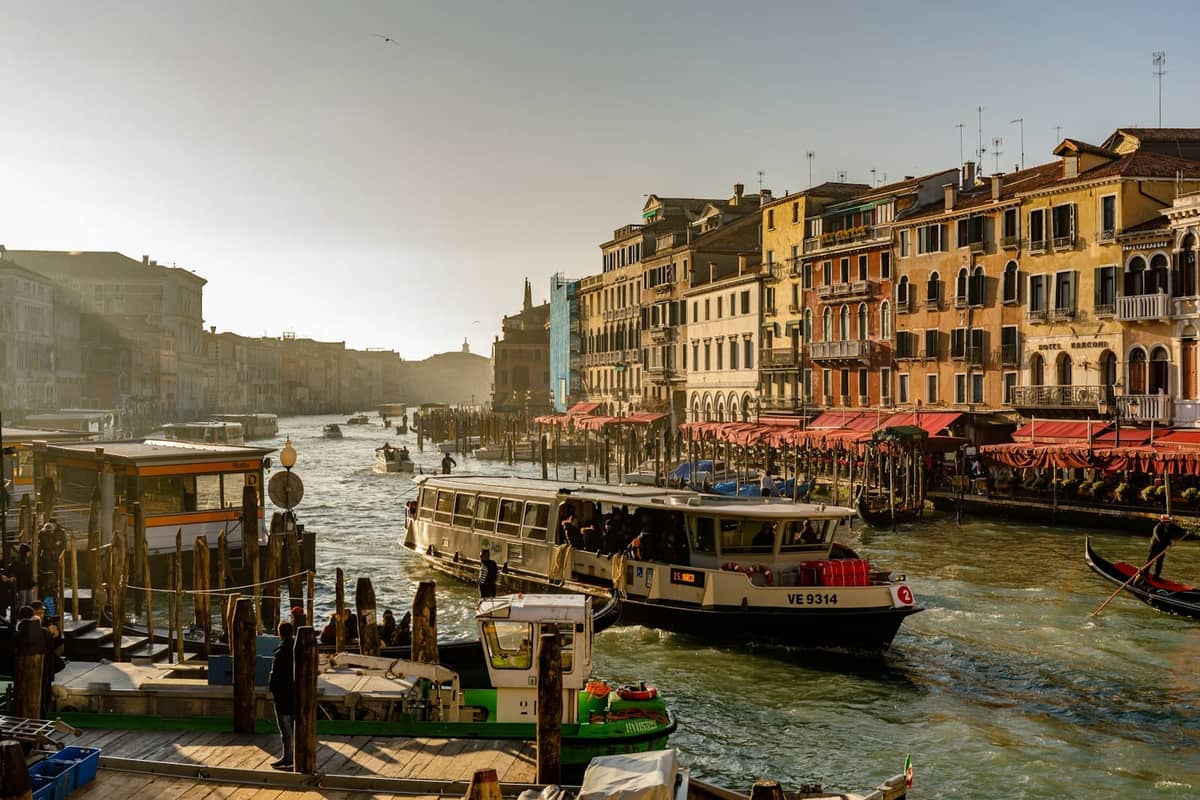
Venice runs on water and walking. There are no cars, no metro, no ride-hailing apps in the historic island city. The ACTV vaporetto network is your main transport tool, and understanding a few key lines before you arrive removes a lot of friction. Line 1 runs the full length of the Grand Canal, stopping at every dock, making it slow but scenic. Line 2 is faster, with fewer stops. For lagoon islands, Line 12 from Fondamente Nove connects to Murano and Burano. A 24-hour or 48-hour ACTV travel card makes more financial sense than buying single tickets if you plan to use the vaporetto more than twice a day.
Getting into the city from Marco Polo Airport (IATA: VCE), located in Tessera roughly 8 km north of the historic center, involves a choice: the Alilaguna water bus is slower but drops you directly into the canal network; the ACTV bus to Piazzale Roma is faster and cheaper but leaves you on foot from there. Water taxis are fast but expensive. For full details on each option, see the complete guide to getting around Venice.
⚠️ What to skip
Venice introduced a day-visitor contribution applying to the historic center on certain high-attendance dates. As of 2026, it applies on selected days between 08:30 and 16:00. Overnight guests and residents are exempt. Check the official portal (cda.ve.it) before your visit, as dates, fees, and exemptions are subject to change.
- What to book in advance Doge's Palace (Palazzo Ducale) and St. Mark's Basilica both have timed entry options. Booking online saves significant queue time, especially from late March through October.
- Vaporetto passes 24-hour, 48-hour, and 72-hour ACTV passes are available at docks and online. Single tickets are around €9.50 each (verify current fares before travel), making passes worthwhile for any itinerary involving island trips.
- Acqua alta preparedness Between October and January, tidal flooding can temporarily cover parts of the city. Waterproof boots or disposable rubber overshoes, sold throughout the city, solve the problem. Check the official Città di Venezia acqua alta forecast app before each morning.
- Shoes Venice has 438 bridges, nearly all with steps. Comfortable, waterproof walking shoes are not optional for a 3-day stay.
Day 1: San Marco and the Grand Canal
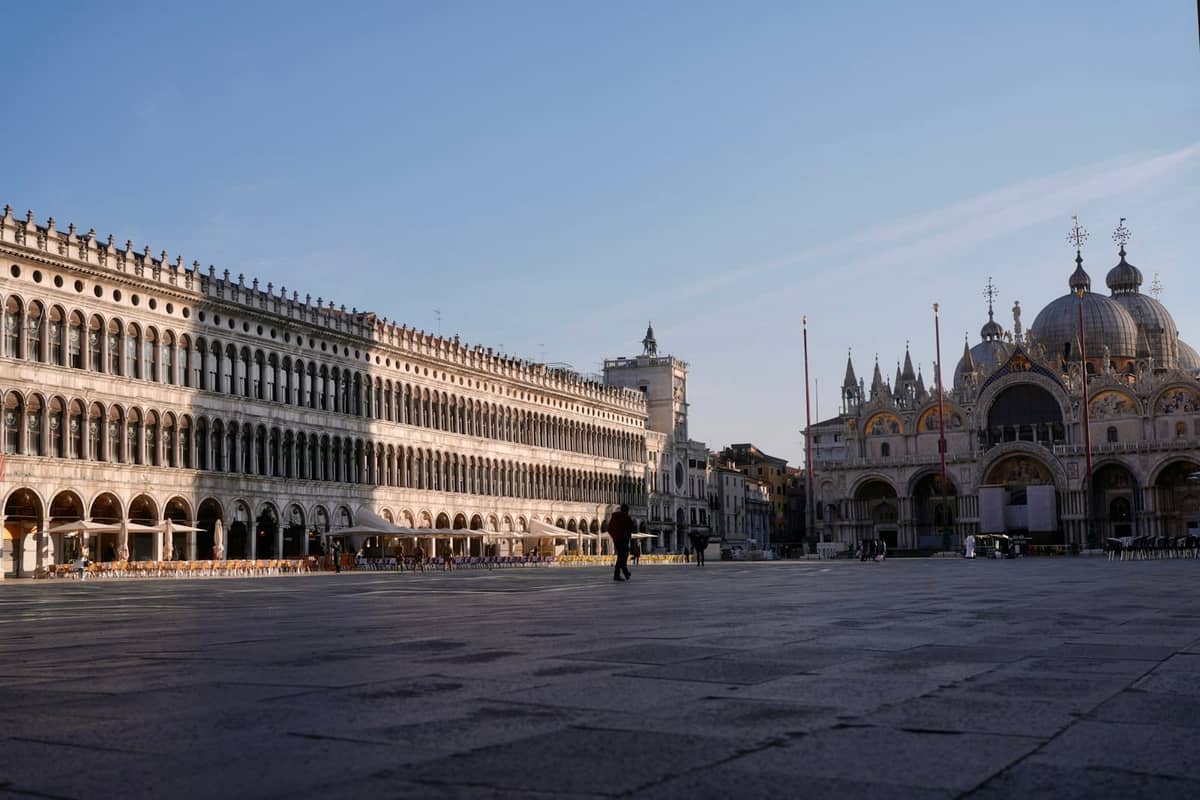
Start at Piazza San Marco early, by 08:00 if possible. The square empties out overnight and fills quickly after 09:30. Walking in before the crowds arrive gives you a completely different experience than the midday crush. The proportions of the space, framed by the Procuratie arcades and the basilica facade, are genuinely impressive when you can actually see them.
Book a morning slot at St. Mark's Basilica in advance. Timed admission is required and paid (about €10 for standard online tickets; check basilicasanmarco.it). Spend at least 45 minutes inside: the gold mosaic ceiling covers over 8,000 square meters and the Pala d'Oro altarpiece is worth the small additional admission. Directly after, walk to the Doge's Palace next door. This is Venice's most content-dense museum: the state rooms, the Armory, the prison, and the Bridge of Sighs walkthrough alone justify two to three hours. Plan for the full morning.
💡 Local tip
The Campanile di San Marco (St. Mark's bell tower) offers the best elevated view in the city and has a fast-moving lift. Go up in the early afternoon when morning haze has cleared. The view across the lagoon toward San Giorgio Maggiore and out to Murano is worth the modest entry fee.
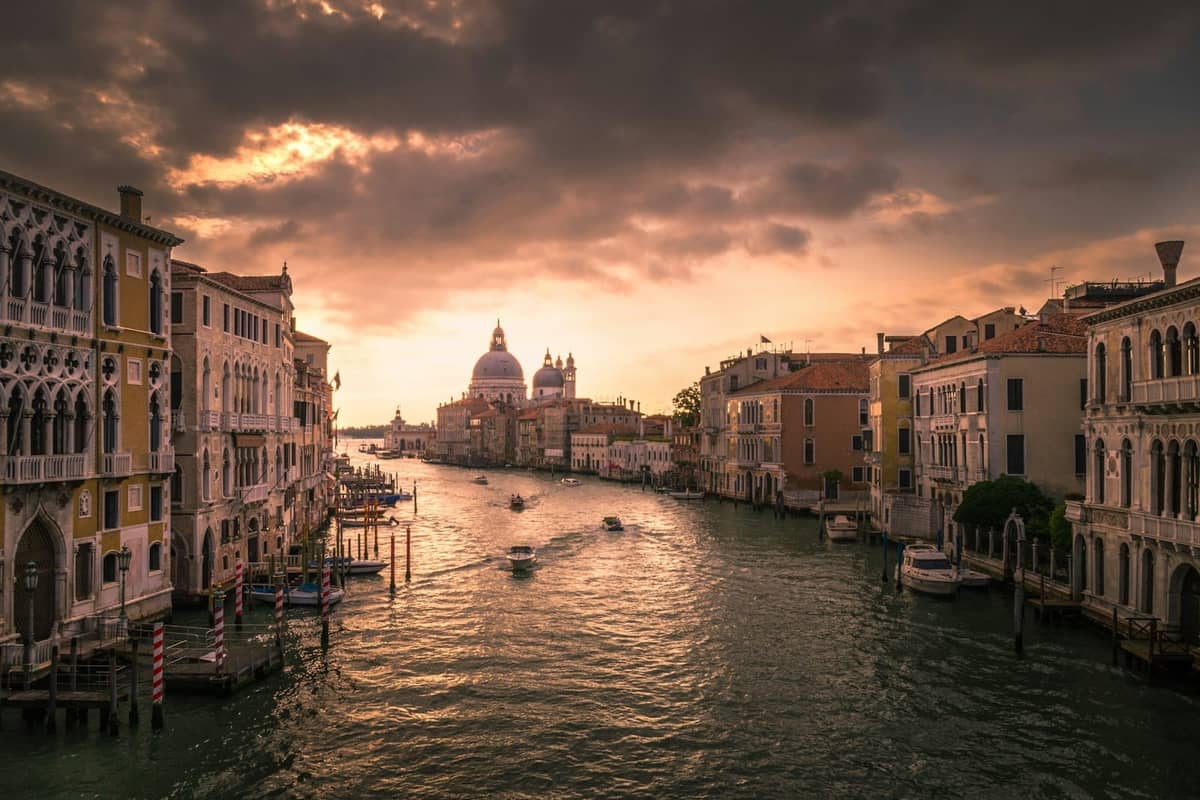
After lunch, take vaporetto Line 1 or Line 2 from San Marco-Giardinetti toward the Rialto. Riding the Grand Canal by vaporetto at least once is not tourist theater: it is genuinely the best way to understand how the city is structured. The palaces lining the canal represent centuries of Venetian mercantile wealth, and you pass them at eye level rather than from a bridge above. Get off at Rialto and walk the Rialto Bridge itself. The view back down the Grand Canal from the bridge is among the most photographed in Italy for good reason.
Spend the late afternoon in San Marco's smaller streets away from the piazza. The network of calli between the Fenice theater and the Accademia Bridge is quieter and contains some of the city's best-stocked bookshops and wine bars. Dinner in San Marco is expensive relative to the rest of the city. It is not a tourist trap per se, but you are paying a location premium. Crossing into Dorsoduro or San Polo for the evening meal brings the cost down noticeably.
Day 2: Dorsoduro, San Polo, and Cannaregio
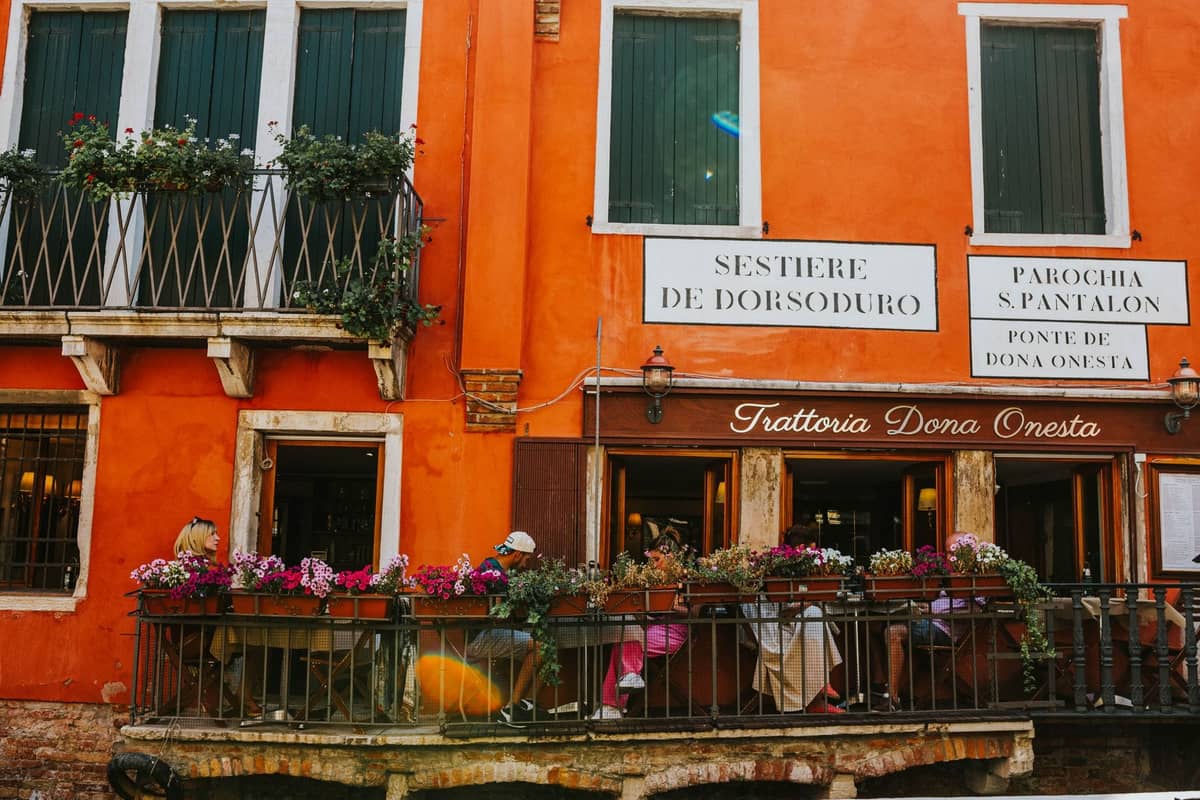
Day 2 covers more ground and more variety. Start in Dorsoduro, Venice's arts and university district along the southern waterfront. The Gallerie dell'Accademia holds the city's most important collection of Venetian painting, from Bellini and Giorgione through Titian and Tintoretto. If you have a serious interest in Italian Renaissance art, this is where you spend most of the morning. For a more curated experience, the Peggy Guggenheim Collection on the Grand Canal covers 20th-century modernism in a relatively compact space, and the palazzo setting is exceptional.
Walk east along the Zattere promenade toward the Basilica della Salute. The south-facing waterfront gets full afternoon sun and the views across the Giudecca Canal are open and calming in a way that few parts of Venice manage. The Basilica di Santa Maria della Salute is free to enter and its domed interior, built as a votive offering after the 1631 plague, is architecturally striking without requiring hours to appreciate.
Cross into San Polo for the Rialto Market. Go before 12:30 when the fish and produce stalls are still active. The Pescaria (fish market) operates Tuesday through Saturday mornings and is worth seeing even if you are not cooking. The adjacent vegetable market runs on similar hours. This is also where you will find the most authentic cicchetti bars in the city: small plates of cured meats, fried seafood, and baccalà mantecato on bread, served with a glass of Prosecco or an ombra (small glass of local wine) for around €1.50-3 per piece. Osteria Al Squero, Cantina Do Mori, and the bars along Calle dei Do Mori are well-regarded options in this area.
✨ Pro tip
The Scuola Grande di San Rocco in San Polo contains an entire cycle of Tintoretto paintings covering ceiling and walls. It is dramatically undervisited relative to its quality. Allow 45 minutes and look up the entire time. The ground floor and upper hall together represent one of the most concentrated displays of 16th-century painting in Europe.
End the day in Cannaregio, the northern sestiere that most day-trippers skip entirely. The Jewish Ghetto here is the oldest in Europe, established in 1516. The buildings are distinctively tall because the community built upward under restrictions on footprint expansion. The Jewish Museum of Venice inside the Ghetto offers guided tours of the synagogues on the upper floors, which are otherwise inaccessible. Cannaregio's Fondamenta della Misericordia and the parallel Fondamenta degli Ormesini are lined with local bars and restaurants that cater primarily to residents rather than tourists, making it one of the better places in the city for an unhurried evening meal.
Day 3: The Lagoon Islands
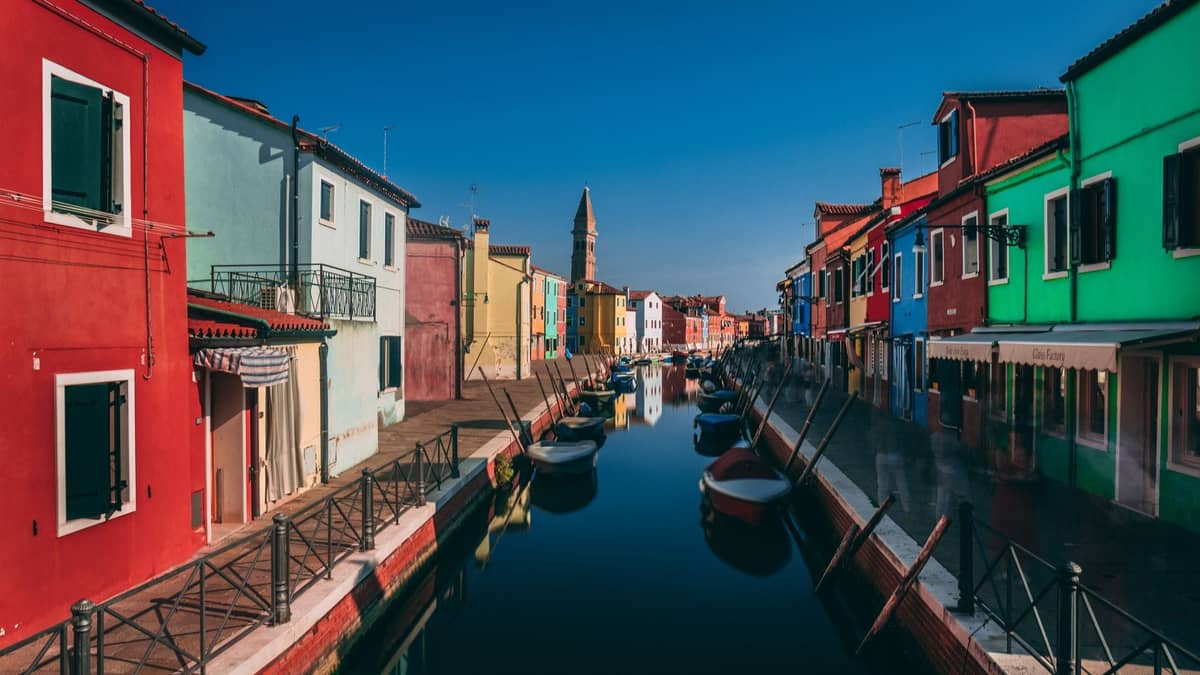
Murano and Burano are not interchangeable. They are different islands with different characters, different transit routes, and different things to show you. Most 3-day itineraries combine both in a single day, which is workable if you start early and do not linger too long on either.
Take Line 12 from Fondamente Nove (the north-facing waterfront in Cannaregio) toward Murano's glassblowing workshops. The crossing takes about 10 minutes. Murano has been the center of Venetian glassmaking since 1291, when the Republic moved furnaces off the main island as a fire precaution. Free glassblowing demonstrations are offered by most factories, but understand that these are sales pitches: you will be walked through a demonstration and into a showroom. That said, the craft itself is genuinely impressive to watch. The Museo del Vetro (Glass Museum) on Murano gives historical context for the industry without the sales pressure, and takes about an hour.
From Murano, Line 12 continues to Burano, roughly 40 minutes further into the northern lagoon. Burano is known for its brightly painted houses (each a different color by tradition, with owners required to apply to the municipality to repaint) and its historic lace-making tradition. The Lace Museum is small and straightforward, but the island itself is the main attraction: the combination of the painted facades, narrow canals, and absence of large crowds compared to Venice proper makes it one of the more photogenic places in the Veneto. Arrive by noon and allow two hours before taking the return boat.
- Start at Fondamente Nove by 09:00 to reach Murano before the tour groups from the main island arrive (most organized tours depart later in the morning).
- Murano's main canal, the Canale Grande di Murano, runs through the center of the island and is worth walking along rather than taking the internal vaporetto stops.
- Burano gets very crowded between 11:00 and 14:00 in high season. Arriving just after opening or staying until mid-afternoon significantly improves the experience.
- If you have time on Day 3, the island of Torcello is 10 minutes by boat from Burano and contains the oldest surviving church in the lagoon (the Cathedral of Santa Maria Assunta, traditionally dated to 639 AD). It is very quiet and very old in the best possible way.
ℹ️ Good to know
Gondola rides are officially priced at around €90 for 30 minutes daytime (up to 5 people) and around €110 for about 35 minutes after 19:00. Prices are regulated but should be verified before travel, as they are reviewed periodically. Splitting the cost among a group makes them more reasonable. The San Tomà traghetto (a standing gondola ferry that crosses the Grand Canal for a very small fee) is a local institution and worth experiencing for its own sake.
When to Visit: Honest Seasonal Trade-offs
April to June and mid-September to early October are the most practical windows for a 3-day visit. Temperatures are comfortable, the light is good for photography, and while Venice is never uncrowded in these periods, the extremes of July and August (heat, humidity, peak visitor numbers) are avoided. Winter visits from November through February have their own character: the city is genuinely quieter, prices drop, and the morning mist over the canals is something that summer visitors never see. The trade-off is acqua alta risk and shorter daylight hours. For a full breakdown of seasonal considerations, see the guide to the best time to visit Venice.
Summer in Venice (June through August) is objectively the most challenging time for a short stay: temperatures regularly reach 30°C or above, humidity is high due to the lagoon, and the major sites see their longest queues of the year. If summer is your only option, start every day by 07:30, take a midday break indoors, and resume in the late afternoon. The evening light in summer is exceptional and the city is noticeably less crowded after 20:00.
Practical Tips That Most Guides Miss
Tipping in Venice follows Italian norms: a service charge (coperto) is typically added to restaurant bills automatically, and additional tipping is discretionary rather than expected. Checking the bill before adding anything is standard practice. Church visits across Venice generally require covered shoulders and knees; a light scarf or layer solves this for most people. Italian Catholic churches are active places of worship, and some restrict photography near the altar even when general photography is permitted.
Venice's tap water is supplied through the mainland aqueduct system and municipal infrastructure. Official Italian health standards apply, though local guidance varies; check with your accommodation if in doubt. Refillable water bottles work well here: fresh water fountains (fontanelle) are distributed across the city at no cost, which helps both budget and environmental footprint. For travelers watching their spending across the whole trip, the Venice on a budget guide covers food, transport, and free attractions in more detail.
Venice's six sestieri are the historic administrative districts: San Marco, Cannaregio, Castello, Dorsoduro, San Polo, and Santa Croce. Understanding roughly which sestiere you are in helps with navigation because street addresses in Venice include the sestiere name plus a number (not a street name), which confuses most GPS apps. Google Maps works reasonably well for walking directions; downloading the offline map before your trip is sensible.
FAQ
Is 3 days in Venice enough?
Three days covers the main landmarks (Piazza San Marco, Doge's Palace, St. Mark's Basilica, Rialto), one or two museums, and one lagoon island excursion. It does not leave time for every neighborhood or museum. For a first visit focused on highlights, three days is a comfortable amount of time. For travelers with specific interests in art history, architecture, or the outer islands, more time opens up significantly.
How do you get around Venice in 3 days?
Walking and vaporetto. The historic city is navigable on foot, but many routes between sestieri are faster by boat. A 48-hour or 72-hour ACTV travel card covers all vaporetto lines including lagoon routes. Gondolas are a leisure option, not a practical transport mode. There are no cars, taxis, or ride-hailing services within the canal network.
Should I visit Murano and Burano on the same day?
Yes, it is standard to combine both on a single day using Line 12 from Fondamente Nove. The two islands serve different purposes: Murano for glassmaking history and workshops, Burano for the painted houses and lace tradition. The boat journey between them takes around 40 minutes. Starting by 09:00 from Venice gives you a full day for both without rushing.
What is the Venice Access Fee and do I need to pay it?
From 2026, Venice applies a day-visitor Access Fee on certain high-attendance dates, currently between 08:30 and 16:00. Overnight guests staying in registered accommodation are exempt. The fee applies to day-trippers entering the historic center on designated days. Dates, amounts, and exemption categories are published on the official portal (cda.ve.it) and should be checked before your visit as they are updated regularly.
What is acqua alta and will it affect my trip?
Acqua alta refers to tidal flooding that periodically inundates the lower-lying areas of the city, primarily around Piazza San Marco and along the Grand Canal waterfront. It occurs most frequently between October and January. The MOSE barrier system, when activated during sustained high tides, reduces flooding significantly. For shorter events, the city deploys elevated walkway platforms (passerelle) across the main routes. Waterproof boots or rubber overshoes handle the rest. It rarely stops visitors from moving around the city, and the spectacle of acqua alta itself is something many visitors find memorable.