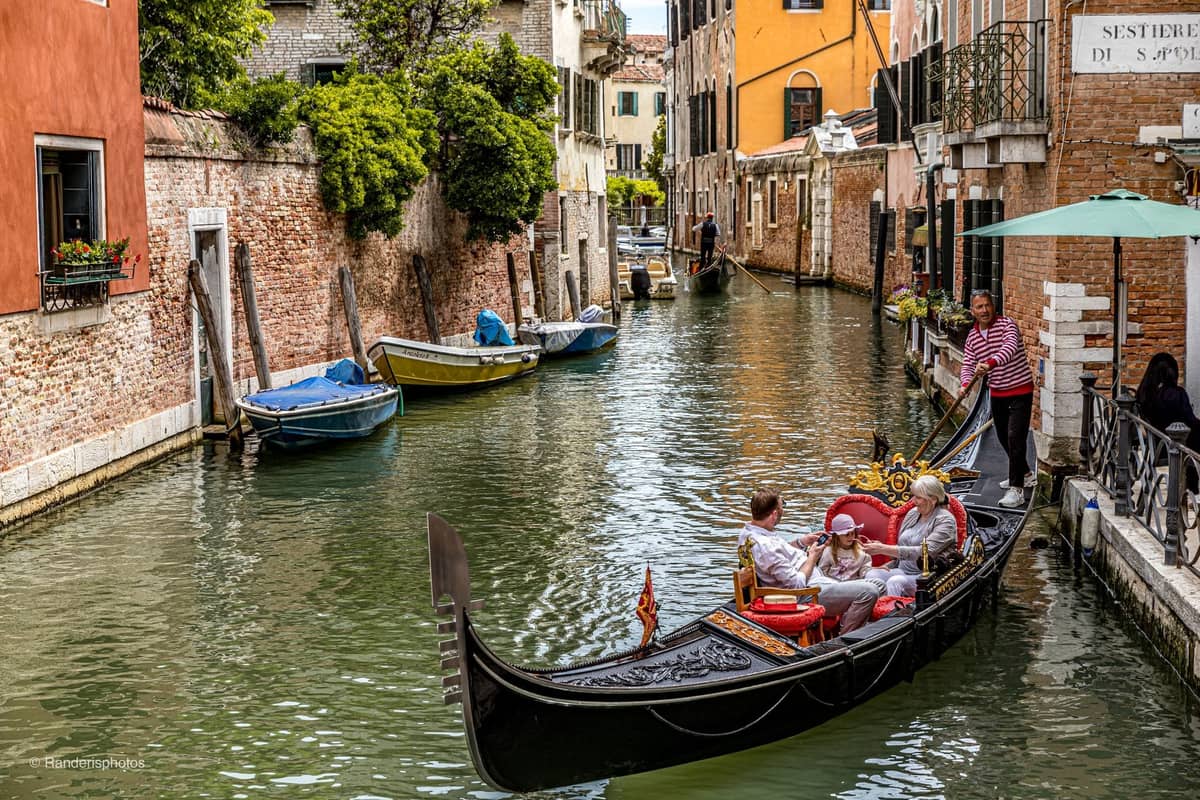
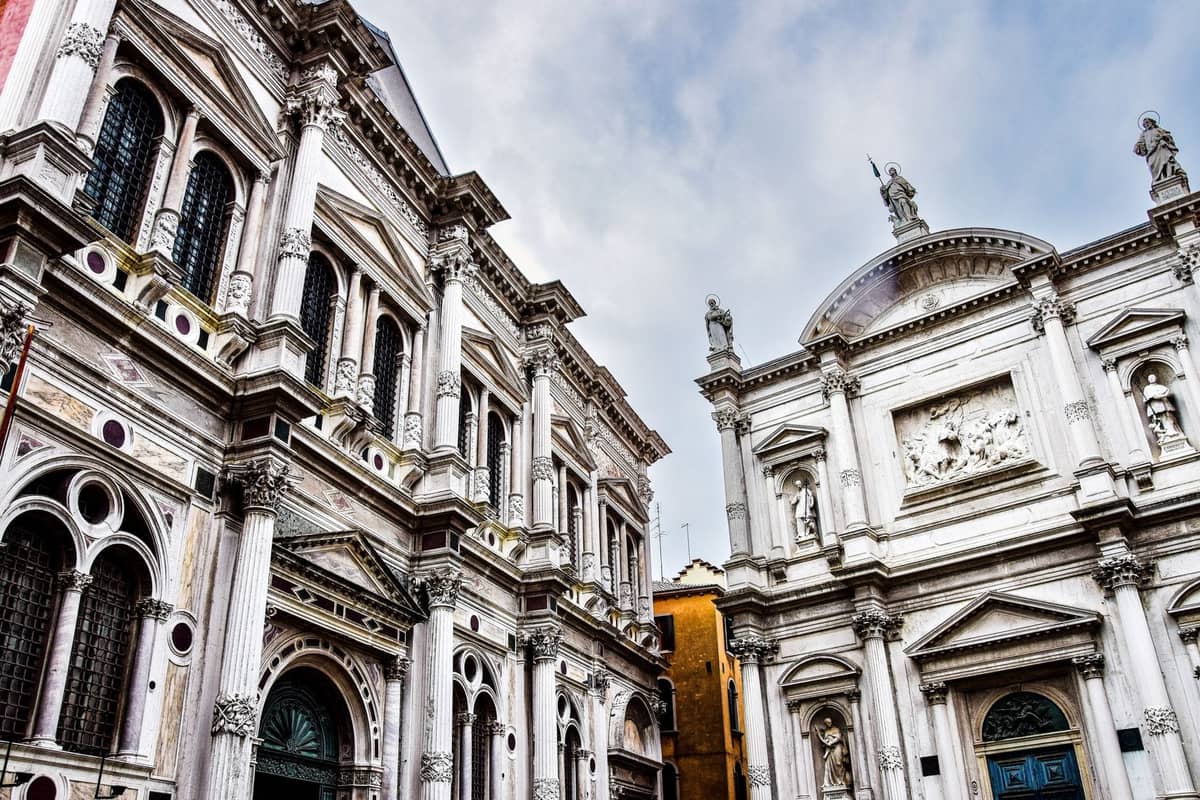
San Polo is the smallest of Venice's six sestieri and one of its oldest, centered on the Rialto and its legendary markets. From the grandeur of the Frari basilica to the tangle of calli behind the fish market, this compact district rewards those who slow down and walk its quieter edges beyond the tourist pull.
San Polo sits at the commercial and spiritual heart of Venice, a compact sestiere of about 35 hectares where the city's oldest markets still operate alongside Gothic churches and Renaissance confraternities. It is where medieval trade made Venice rich, and where the evidence of that wealth remains carved into every facade along the Grand Canal.
Orientation: Where San Polo Fits in Venice
San Polo is the smallest of Venice's six sestieri, occupying the curve of land on the western bank of the Grand Canal that sweeps from the Rialto Bridge southward toward the church of the Frari. If you arrive at Venice Santa Lucia station and walk eastward, you cross through Santa Croce before entering San Polo, which begins roughly where the alleys tighten and the market activity thickens. The Grand Canal forms the district's eastern and southern boundary, while Santa Croce borders it to the north, and Dorsoduro lies across the Rio Nuovo to the south and southwest.
The sestiere divides naturally into two zones in terms of character. The eastern half, closest to the Rialto, is dense with palaces, narrow calli, and smaller residential buildings pressed up against former merchant houses. The western half, inland from the canal, is dominated by major ecclesiastical and civic monuments: the Frari basilica, the Scuola Grande di San Rocco, and the quieter Campo San Polo. These two poles, market Rialto and monumental west, give San Polo its dual identity as both commercial engine and cultural repository.
Getting oriented is easier than it sounds. Two anchors help: the Rialto Bridge in the east and the Frari church tower visible above the roofline further west. The walk between them, weaving through Calle dei Saoneri and past Campo San Polo, takes about ten minutes at an unhurried pace. Knowing this east-west axis makes navigating the rest of the district straightforward.
Character and Atmosphere
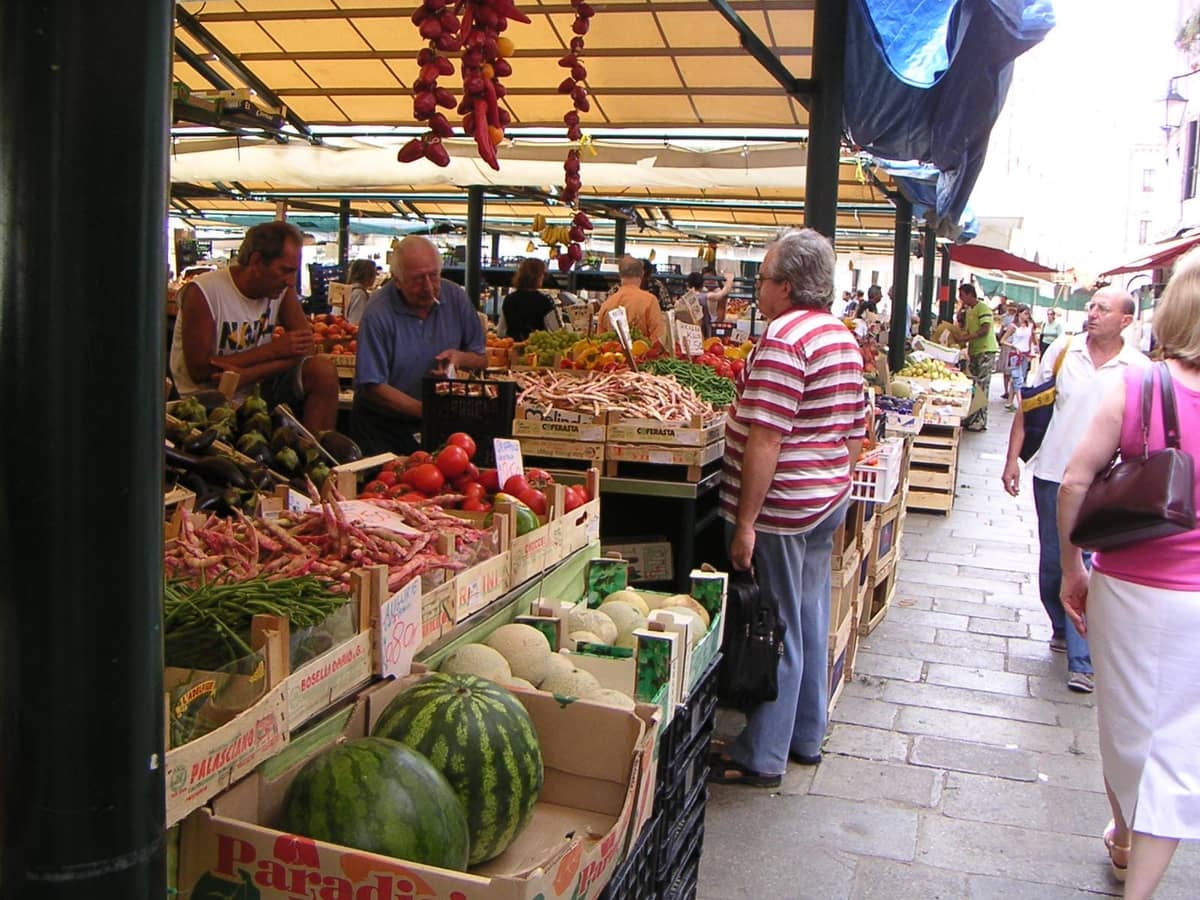
San Polo changes register dramatically depending on the time of day and where you are standing. At the Rialto end, mornings are genuinely working. The fish market, or Pescheria, opens early and the cries of vendors, the smell of salt water and fresh catch, and the low light filtering through the market loggia create one of the most atmospheric scenes in the city. Restaurateurs and cooks wheel trolleys of produce across the Ponti di Rialto in the first hours of the day, before the tourist wave arrives. By nine in the morning the souvenir stalls have opened and the foot traffic begins to compound.
Move ten minutes west, past Campo San Polo, and the tempo shifts entirely. Around the Frari and the Scuola Grande di San Rocco, the streets are quieter even at midday. Local residents cross the campo with shopping bags; schoolchildren gather on the steps. In the late afternoon, when the light catches the rooftiles and the stone turns warm and amber, the western half of San Polo feels like a different city from the tourist density at the Rialto.
After dark, San Polo is lively in a Venetian sense, which means clusters of people at bacari, the small wine bars that are the social backbone of the sestiere, rather than any nightclub noise. The alleys around the Rialto market become a popular cicchetti circuit in the early evening, roughly from six until nine, when locals and informed visitors stand at bar counters with glasses of ombra, the traditional small pour of wine, and plates of small snacks. By ten, the streets are largely quiet.
💡 Local tip
The Rialto market operates Tuesday through Saturday, with the fish market closing by around midday. Arrive before 9am to see it at full activity, before the tour groups reach critical mass.
What to See and Do
The Rialto Market is the obvious starting point and for good reason. It has operated on this site since at least the 11th century, and the covered Pescheria building dates to 1907, though market activity here predates it by centuries. The adjacent produce market, the Erberia, spreads along the Grand Canal embankment. Taken together, they form one of the most authentic daily-life scenes in Venice, though that authenticity is increasingly shared with large numbers of visitors.
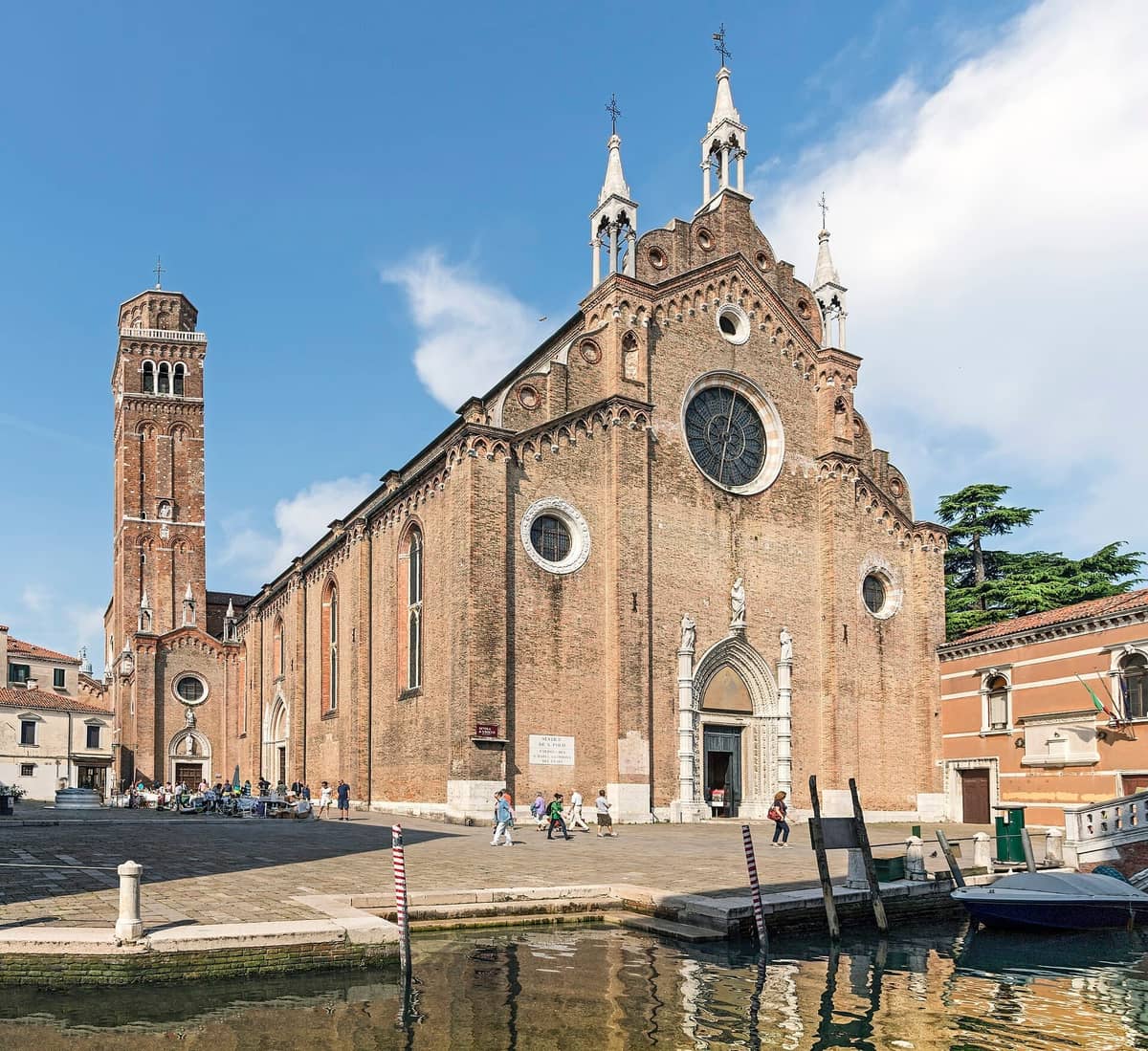
West of the market, the Basilica dei Frari is one of Venice's great Gothic churches and arguably the most important building in the sestiere. Built by the Franciscan order between the 13th and 15th centuries, it contains Titian's monumental Assumption of the Virgin above the high altar, his Pesaro Madonna on the left nave wall, and the monumental cenotaph of Canova. The scale of the interior is surprising after the constriction of the surrounding streets. Admission is charged, and the church requires modest dress.
Directly next to the Frari, the Scuola Grande di San Rocco houses one of the most significant decorative art cycles in Europe: an entire interior coated with paintings by Tintoretto, completed over more than two decades from 1564. The ground-floor hall and the Sala dell'Albergo are particularly powerful. This is a genuinely unmissable stop for anyone with an interest in Renaissance painting.
San Giacomo di Rialto: traditionally considered Venice's oldest church, rebuilt in its current form around the 12th century, standing directly beside the market
Campo San Polo: one of the largest open squares in Venice, flanked by Gothic and Renaissance palaces, and hosting outdoor cinema in summer
Church of San Polo: gives the sestiere its name; contains Giandomenico Tiepolo's Stations of the Cross in the oratory
Casa di Carlo Goldoni: birthplace of the famous Venetian playwright, now a small museum dedicated to commedia dell'arte
Ponte delle Tette: a historic bridge whose name refers to the district's former role in the 15th century, a small piece of social history often walked past unnoticed
ℹ️ Good to know
The Frari and the Scuola Grande di San Rocco are close enough to combine in a single half-day visit. The Frari is covered by the Chorus Pass if you plan to see multiple Venetian churches.
Eating and Drinking
San Polo has one of the most rewarding food scenes in Venice, anchored by the proximity of the market. The bacari clustered around the Rialto, particularly along Calle dei Do Mori, represent the traditional Venetian way of eating: standing, informal, inexpensive, and sociable. A Venetian cicchetti circuit through San Polo makes for one of the best evening experiences in the city. These small snacks, ranging from crostini topped with salt cod baccalà mantecato to meatballs and marinated sardines, typically cost between one and three euros each.
Around the Frari end of the sestiere, the options are quieter and slightly more varied. There are sit-down restaurants serving traditional Venetian cuisine, with risotto di pesce and sarde in saor (sweet-sour sardines) as local staples. Prices in this part of the district tend to be more reasonable than in the streets immediately around the Rialto Bridge, where tourist-facing menus are common. The rule of thumb holds: the further from a major landmark, the better the value.
Coffee culture in San Polo follows the Italian pattern: short, standing at the bar, in the morning. Several bars near Campo San Polo serve the local working population alongside visitors. Avoid any cafe with a laminated photo menu on the Grand Canal embankment unless you are specifically paying for the view.
⚠️ What to skip
The stretch of restaurants immediately south of the Rialto Bridge on the San Polo side is one of the more reliably tourist-priced strips in the city. Wander a few streets deeper into the sestiere for better quality and more honest pricing.
Getting There and Around
San Polo has no car access, and there is no metro anywhere in Venice's historic island city. Movement within and around the sestiere is entirely on foot or by vaporetto, the ACTV water bus network that serves the Grand Canal and the lagoon.
The most useful vaporetto stops for San Polo are Rialto Mercato on the San Polo bank of the Grand Canal, served by Line 1, and San Tomà, further west along the canal, which is the closest stop for the Frari and Scuola di San Rocco. Line 1 runs the length of the Grand Canal from Piazzale Roma and Santa Lucia station eastward to San Marco, stopping at both. The journey from Santa Lucia station to Rialto Mercato by vaporetto takes roughly 25 to 30 minutes on Line 1, which makes all stops.
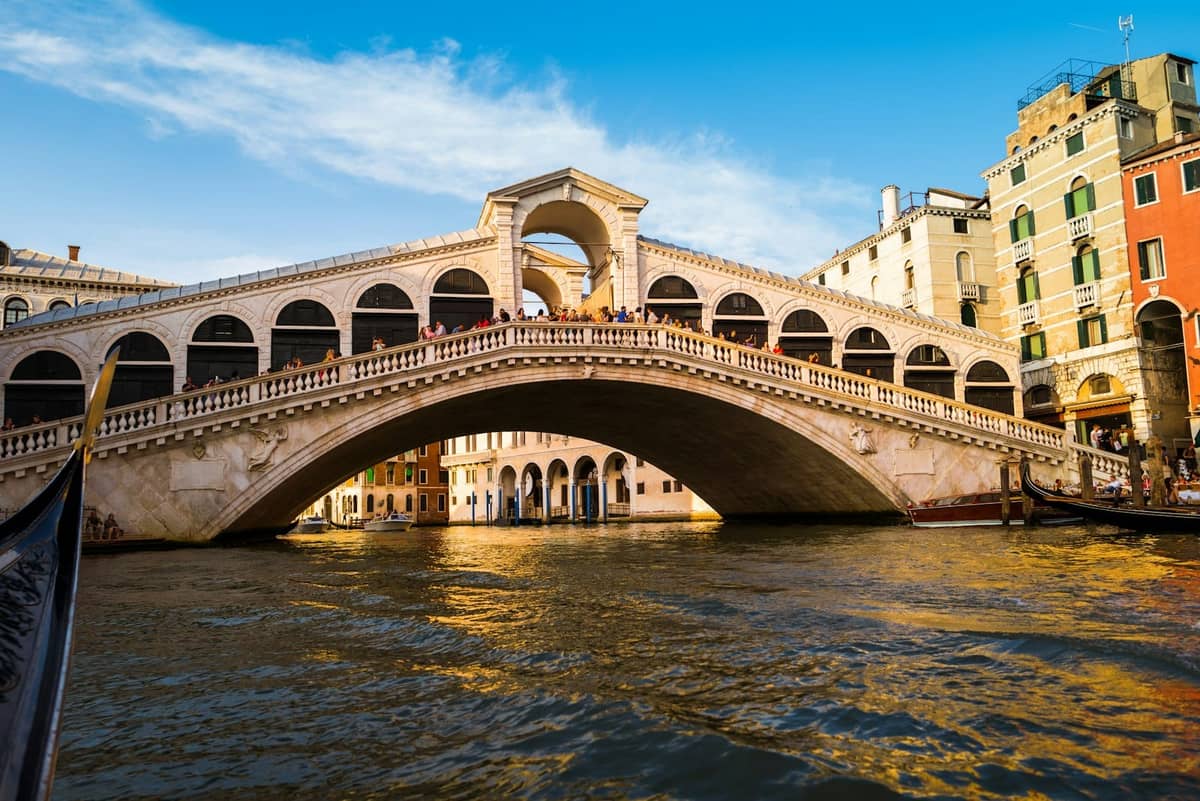
On foot, the Rialto Bridge is the main pedestrian connection between San Polo and San Marco to the east. The walk from the bridge to Piazza San Marco takes about 10 to 15 minutes through Calle Larga Marzaria. From the Frari end of San Polo, the Accademia Bridge in Dorsoduro is reachable in about 15 minutes walking south.
For visitors arriving from the airport, Alilaguna water buses run to the Rialto stop from Marco Polo Airport, with the journey taking roughly 75 minutes. For a full breakdown of transport options, the getting around Venice guide covers vaporetto lines, traghetti gondola crossings, and walking routes in detail.
Where to Stay in San Polo
San Polo is a legitimate base for a Venice stay, particularly for travelers who want to be within walking distance of the major landmarks without paying San Marco prices. The Venice accommodation guide covers all six sestieri in detail, but San Polo's central position means almost everything in the historic city is reachable on foot within 20 to 30 minutes.
The area around the Frari and Campo San Polo offers the most pleasant base: quiet enough at night, with genuine local life nearby, but close to the vaporetto at San Tomà. The Rialto end of the sestiere, by contrast, is considerably noisier in the early morning when market deliveries arrive, and the foot traffic through the main alleys begins early. If you are a light sleeper, a hotel or rental in the western half of the district will serve you better.
San Polo accommodations range from small boutique hotels in restored palazzi to self-catering apartments that work well for longer stays, particularly given the proximity to the market for self-catering. Budget options are limited in the historic center generally; those on tighter budgets should consider Cannaregio or look at the Venice budget guide for alternatives.
Honest Assessment: Who San Polo Is For
San Polo is not a place to come for solitude. The Rialto corridor is one of the most walked stretches in the entire city, and the density of visitors during summer months can make simple movement along the main alleys frustrating. The market itself, while genuine, is increasingly aware of its tourist appeal. Anyone expecting to find an undiscovered corner here will be disappointed around the main landmarks.
That said, San Polo rewards anyone willing to step off the direct route between the Rialto and the Frari. The streets north of Campo San Polo, toward the boundary with Santa Croce, carry almost no tourist traffic. The calli south of the Frari toward the Rio Nuovo feel like a different sestiere altogether. If you are building a first trip to Venice and want a central location with real architectural and cultural density, San Polo is one of the strongest choices. If you are returning to Venice and looking for more local-feeling neighborhoods, Cannaregio or the quieter parts of Castello offer a different experience.
For first-time visitors planning two or three days in the city, San Polo is almost unavoidable in a positive sense: the Rialto, the Frari, and the Scuola di San Rocco are major works of art and urban history that belong on any serious itinerary. Pair a morning here with an afternoon in Dorsoduro and you will cover much of what makes Venice architecturally exceptional.
TL;DR
San Polo is Venice's smallest sestiere and its historic commercial heart, centered on the Rialto Bridge and market that date back to the 11th century.
Major draws include the Frari basilica, Scuola Grande di San Rocco, and the daily Rialto fish and produce markets, all within 15 minutes' walk of each other.
The district's evening cicchetti bar scene, concentrated near the market, offers one of the most authentic and affordable dining experiences in the city.
Crowds around the Rialto are significant, especially in summer mornings; the western half of the sestiere around Campo San Polo is noticeably quieter.
Best suited to first-time visitors who want a central, culturally rich base with strong transit links via vaporetto stops at Rialto Mercato and San Tomà.
Two days in Venice is enough to cover the iconic highlights and still find quieter corners the crowds miss. This guide gives you a realistic, hour-by-hour framework for both days, practical transport advice, booking warnings, and honest takes on what is worth your time.
Three days is enough time to cover Venice's iconic landmarks, explore its quieter sestieri, and take at least one lagoon island trip. This itinerary is structured around the city's geography, vaporetto routes, and crowd patterns so you spend less time backtracking and more time actually seeing the city.
Acqua alta is Venice's famous tidal flooding, and it's far less dramatic than most visitors expect. This guide explains exactly what causes it, when it happens, how much of the city it actually affects, and what gear and forecasting tools will keep your trip on track.
Venice has well over 130 church buildings, and its greatest ones hold masterpieces by Titian, Tintoretto, Bellini, and Palladio that rival any museum. This guide covers the 13 best churches in Venice, from the unmissable to the quietly extraordinary.
Venice packs more world-class art and history into one city than almost anywhere else on earth. This guide covers the best museums in Venice, from Gothic palaces full of Tintoretto to intimate scuole with Carpaccio cycles, across every district and budget.
Venice looks different in every season, and the right time to visit depends entirely on what you're after. This guide breaks down weather, crowds, hotel prices, and major events month by month, so you can choose the visit that actually suits you.
Venice rewards those who know where to look. This guide covers the city's finest viewpoints, from soaring bell towers and climbable domes to iconic canal bridges and waterfront promenades, with practical tips on booking, timing, and what you'll actually see from each spot.
Cicchetti are Venice's answer to tapas, and the bacari that serve them are the city's most authentic social spaces. This guide covers what to order, where to go across every sestiere, what things cost, and how to plan a bacaro crawl that skips the tourist traps.
Venice rewards lingering, but its surroundings reward exploration. Whether you board a vaporetto for a lagoon island or a train toward the Veneto hills, a day away from the sestieri reveals a completely different side of this corner of northeastern Italy.
Venice doesn't have to drain your wallet. From sweeping Grand Canal viewpoints to Gothic churches packed with Tintorettos, many of the city's greatest experiences are completely free. This guide covers the best no-cost attractions, walks, markets, and island escapes across the lagoon.
Venice operates on a completely different logic from any other city. There are no cars, no taxis, no metro. Getting around means walking across 438 bridges and navigating canals by water bus, private boat, or gondola ferry. This guide explains every option clearly, with real costs and practical advice.
Gondola rides in Venice are regulated by the city, with fixed fares per boat — not per person. This guide breaks down current prices, the best stations to board, what routes actually cover, and the myths that cost tourists money.
Venice rewards the curious traveler who wanders past the obvious landmarks. This guide collects the city's most rewarding under-the-radar sights, from a Carpaccio cycle hidden in Castello to a working gondola boatyard in Dorsoduro and a ghost island in the northern lagoon.
Venice is one of the most debated destinations in travel. Built on 118 islands, UNESCO-listed, and unlike anywhere else on earth, it also attracts millions of visitors a year and charges a day-tripper access fee. This guide cuts through the hype to tell you exactly what Venice delivers, what it does not, and how to make a visit that is genuinely worth the effort.
Venice rewards those who spend well. This guide covers where to stay, how to move, what to eat, and which experiences justify the premium price tag — along with honest warnings about where the luxury label is oversold.
Venice is the city most couples imagine before they arrive, and one of the few that actually delivers. This guide covers the best romantic experiences, the ideal seasons, practical logistics, and honest advice on what lives up to the hype, and what does not.
Venice is unlike any other city in the world, built on 118 islands linked by 438 bridges in a lagoon recognized as a UNESCO World Heritage site. This guide covers the essential things to do in Venice, from the iconic to the overlooked, with practical details on transport, costs, and timing to help you make the most of every hour.
The Venice Biennale is one of the world's most significant contemporary art events, spreading across two major venues and dozens of city locations. This guide covers the 2026 Art Biennale dates, ticket options, what to expect at each venue, and the practical details that make the difference between a rushed visit and a memorable one.
Venice Carnival (Carnevale di Venezia) runs for roughly two weeks before Lent, drawing around 3 million visitors for elaborate costumes, masquerade balls, and free public events. This guide covers the 2026 dates, practical logistics, what things actually cost, and how to get the most from the experience without being overwhelmed.
The Venice International Film Festival is the world's oldest film festival and, crucially, it's open to the public. This guide covers everything from buying tickets and reaching the Lido to navigating the festival grounds and setting realistic expectations about red carpets and celebrity sightings.
Summer brings Venice to its most intense: scorching heat, record crowds, and prices to match. This guide cuts through the noise with practical strategies for timing, booking, staying cool, and finding breathing room in Italy's most visited city.
Winter is one of the most rewarding times to visit Venice. Crowds thin out, prices drop significantly, and the city takes on a moody, atmospheric quality that summer visitors never see. This guide covers weather, acqua alta, Carnival, costs, and everything else you need to plan a winter trip.
The Venetian Lagoon holds far more than Venice itself. This guide covers every island worth visiting, from Murano's glass furnaces and Burano's painted houses to ancient Torcello, the Lido's beaches, and the quiet agricultural island of Sant'Erasmo.
Venice has a reputation for draining wallets fast, but the reality is more nuanced. With the right timing, a few local habits, and some strategic planning, you can experience one of the world's great cities for far less than you'd expect. This guide breaks down exactly where the money goes and how to keep it in your pocket.
Venice rewards shoppers who know where to look. This guide covers the city's best authentic buys, from Murano glass and Carnevale masks to artisan paper goods and gourmet specialties, along with the neighborhoods and markets where locals and savvy visitors actually spend their money.
Venice is one of the world's most walkable cities, built on 120 islands connected by around 430 bridges with no cars in sight. This guide covers the best self-guided walking routes by district, the ideal times to walk, what to skip, and how to explore beyond St. Mark's Square.
Venice with kids is more manageable than most parents expect. This guide covers everything families need: getting around by vaporetto, the best kid-friendly attractions, seasonal timing, safety on the canals, and how to keep the trip fun without exhausting everyone.
Venetian cuisine is one of Italy's most distinctive regional traditions, built on lagoon seafood, rice, polenta, and centuries of spice trade. This guide covers the essential dishes, where to find them, what to pay, and how to eat like a local rather than a tourist.
Venice's six historic districts each offer a completely different experience. This guide breaks down exactly where to stay in Venice based on your budget, travel style, and priorities — with honest trade-offs, realistic price ranges, and practical booking advice.