Hidden Gems in Venice: 24 Places Beyond the Tourist Trail
Venice rewards the curious traveler who wanders past the obvious landmarks. This guide collects the city's most rewarding under-the-radar sights, from a Carpaccio cycle hidden in Castello to a working gondola boatyard in Dorsoduro and a ghost island in the northern lagoon.
Plan and book this trip
Tools from our partner Travelpayouts help you compare flights and hotels. If you book through them, we may earn a commission at no extra cost to you.
Flights
Hotels map
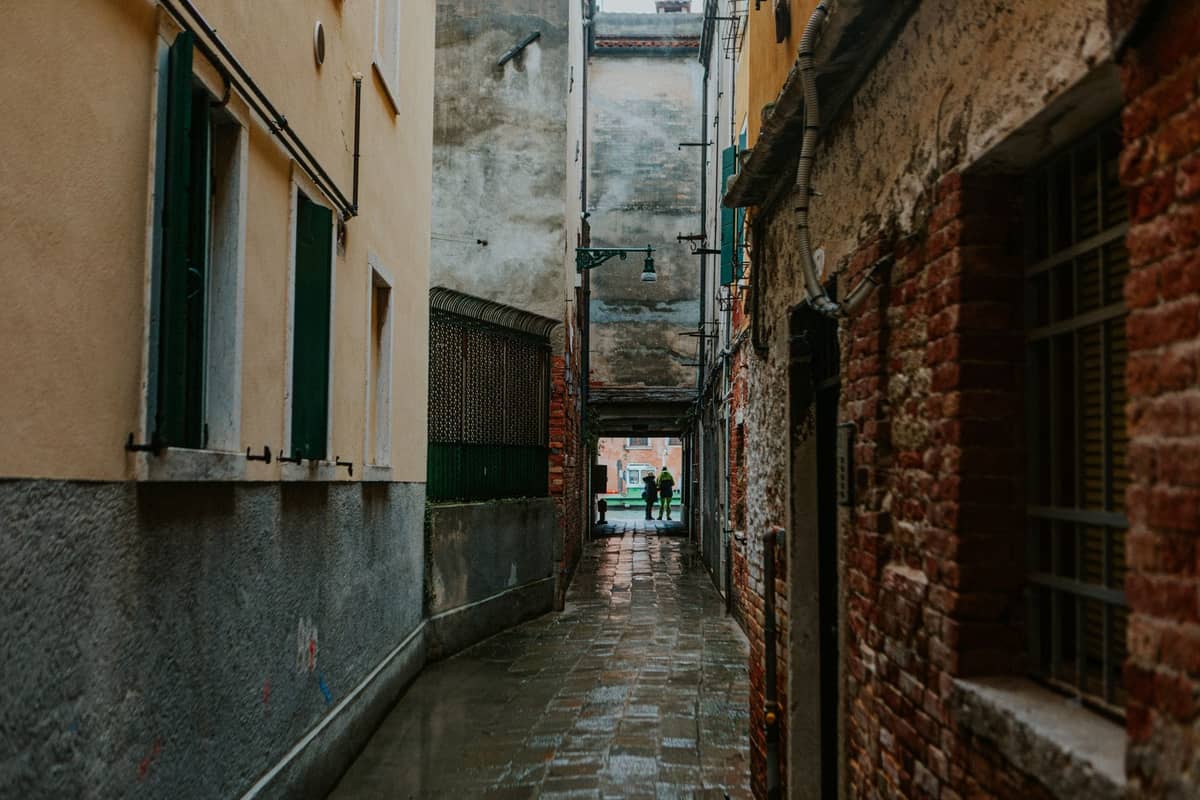
The crowds thin out remarkably quickly once you step away from the San Marco orbit. Venice's six sestieri each contain churches, palaces, and corners that see a fraction of the visitor traffic directed at the obvious landmarks. This guide focuses on the places that take a little more intention to find but reward you far more generously. For a broader orientation to the city's layout, the neighborhood guides for Cannaregio, Castello, and Dorsoduro are good starting points before you set out.
✨ Pro tip
The single most effective tactic for avoiding crowds is timing. Arrive at any church or small museum before 9:30am or after 4pm, and you will often have it almost to yourself, even in summer.
Churches & Sacred Art Off the Main Circuit
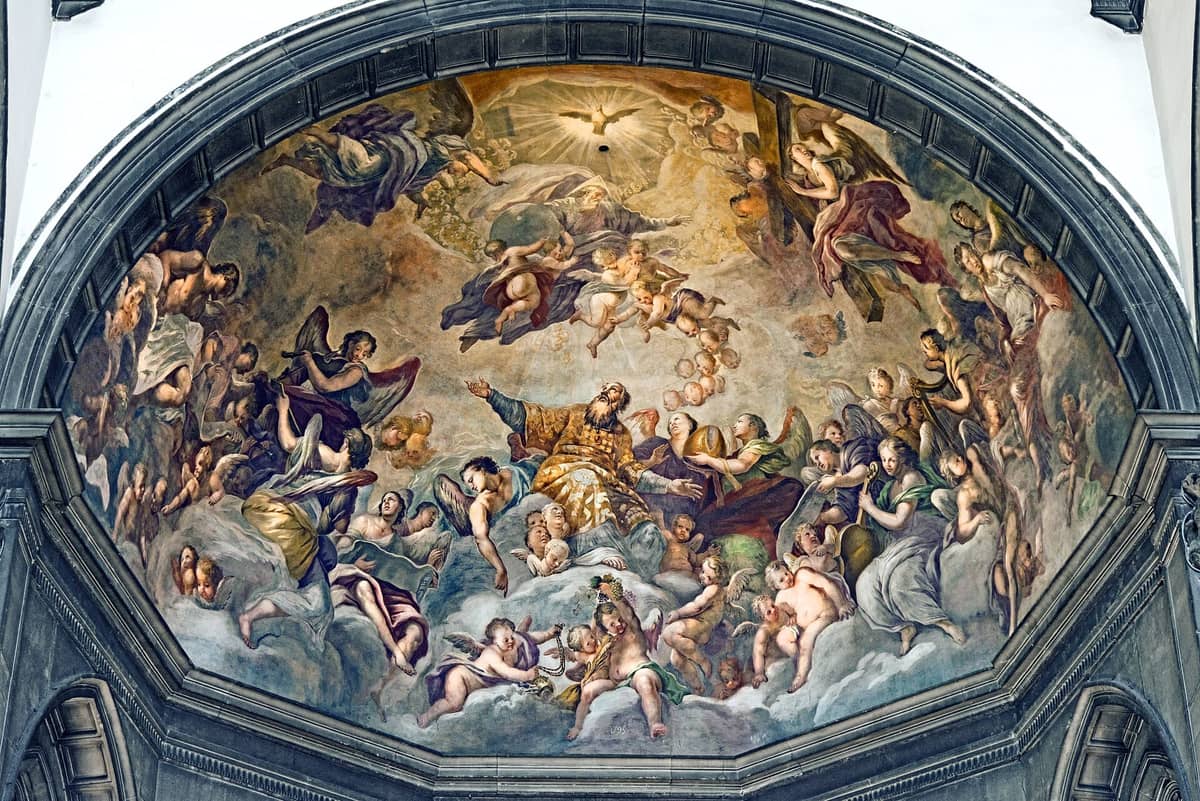
Venice has over 100 churches, and the vast majority see almost no tourist traffic. While everyone lines up for St. Mark's Basilica, some of the finest painting cycles in Italian art hang in near-empty rooms a short walk away. Our guide to Venice's best churches goes deeper on the full roster, but the four below are the ones that consistently surprise first-time visitors.
1. Find Carpaccio's Greatest Narrative Cycle in Castello
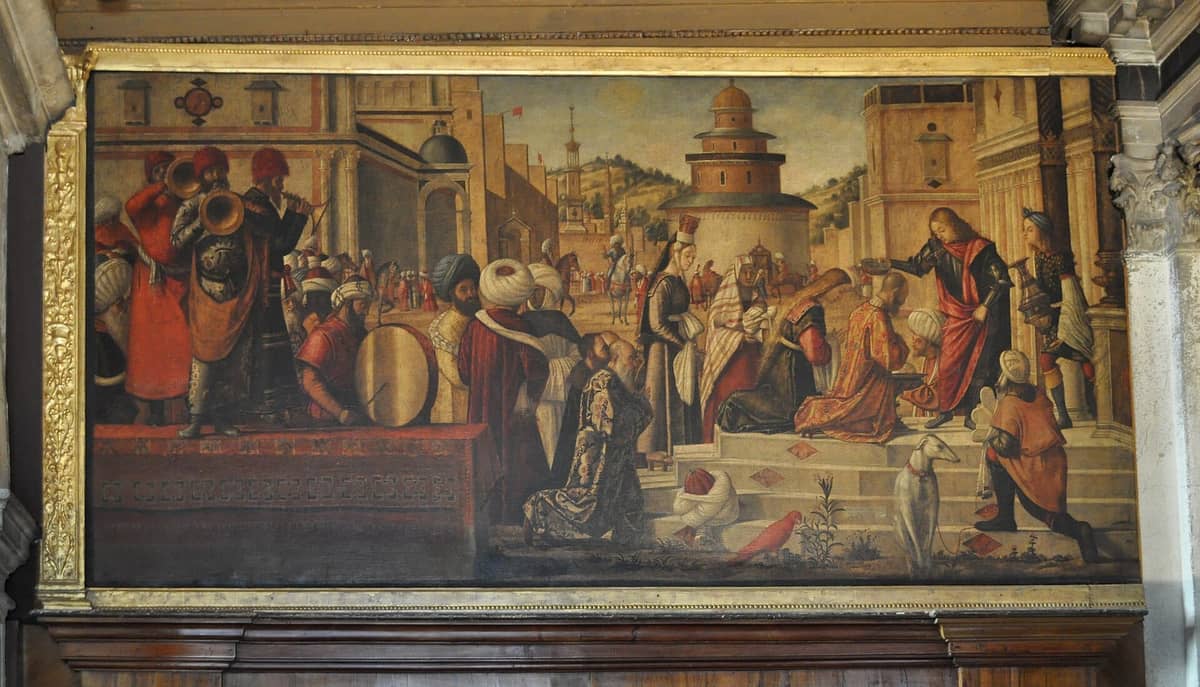
A small scuola in Castello holds a complete Carpaccio cycle depicting Saints George, Tryphon, and Jerome. These are among the finest Renaissance narrative paintings in Venice, displayed in the intimate room for which they were made. Rarely crowded.
Explore1. Find Carpaccio's Greatest Narrative Cycle in Castello
A small scuola in Castello holds a complete Carpaccio cycle depicting Saints George, Tryphon, and Jerome. These are among the finest Renaissance narrative paintings in Venice, displayed in the intimate room for which they were made. Rarely crowded.
Explore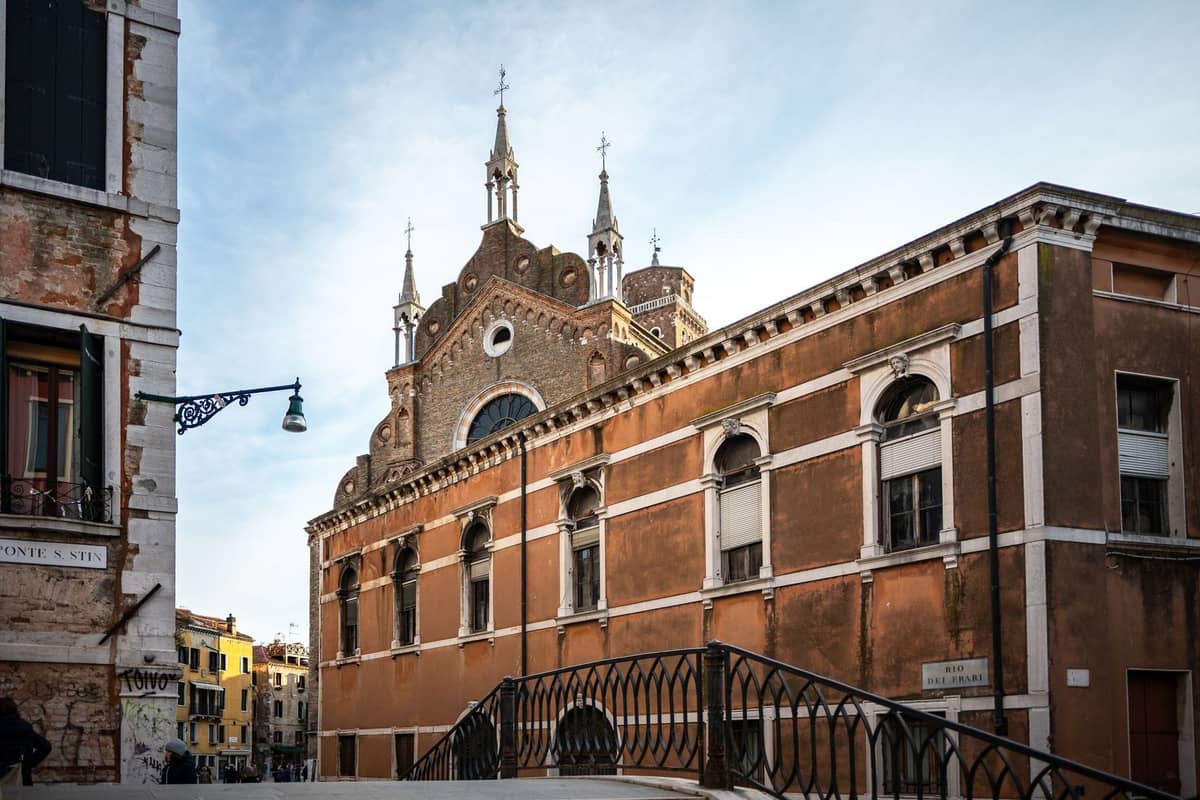
2. Visit Tintoretto's Own Parish Church in Cannaregio
Tintoretto was buried here, and the church holds some of his most ambitious canvases, including a monumental Last Judgment. Far fewer visitors make it to this Gothic church in northern Cannaregio than to the Scuola Grande di San Rocco.
Explore2. Visit Tintoretto's Own Parish Church in Cannaregio
Tintoretto was buried here, and the church holds some of his most ambitious canvases, including a monumental Last Judgment. Far fewer visitors make it to this Gothic church in northern Cannaregio than to the Scuola Grande di San Rocco.
Explore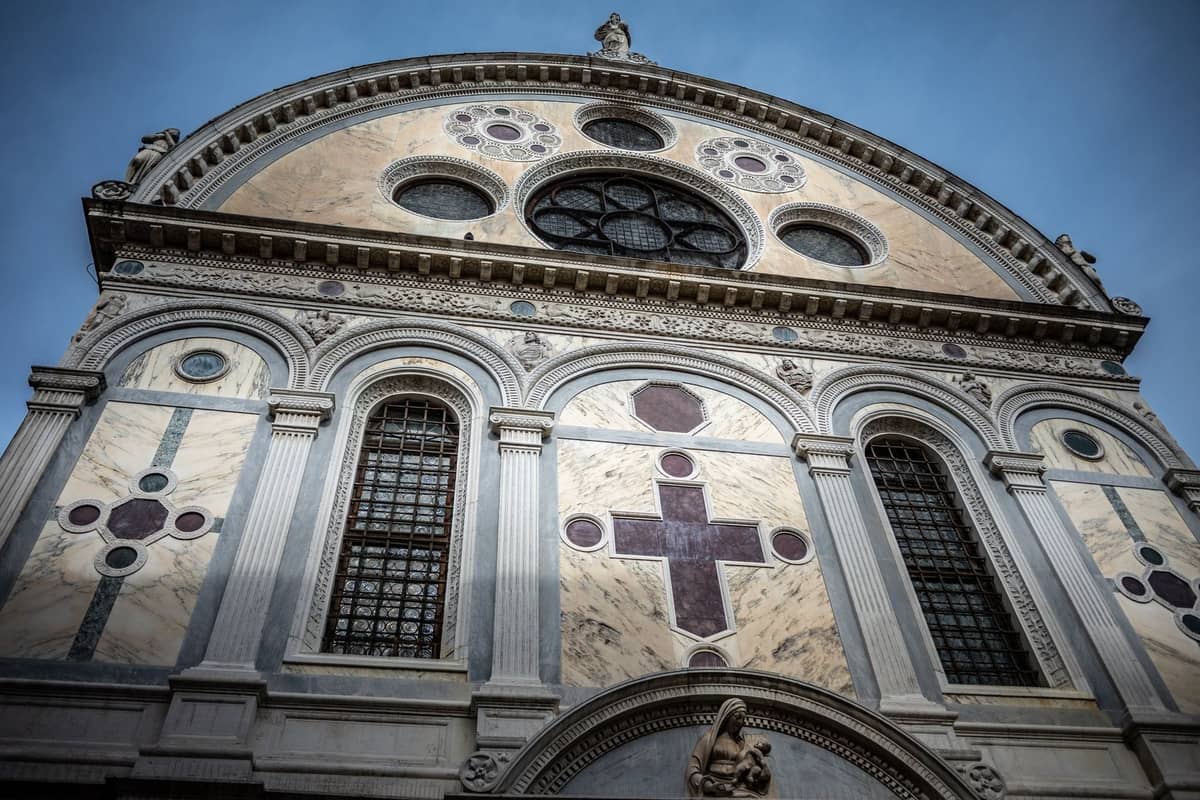
3. Marvel at the Marble Church Hidden in Cannaregio's Backstreets
Santa Maria dei Miracoli is entirely clad in polychrome marble inside and out. Its jewel-box scale and extraordinary Renaissance craftsmanship feel like a private discovery, even though it sits just a few minutes' walk from Campo Santi Giovanni e Paolo.
Explore3. Marvel at the Marble Church Hidden in Cannaregio's Backstreets
Santa Maria dei Miracoli is entirely clad in polychrome marble inside and out. Its jewel-box scale and extraordinary Renaissance craftsmanship feel like a private discovery, even though it sits just a few minutes' walk from Campo Santi Giovanni e Paolo.
Explore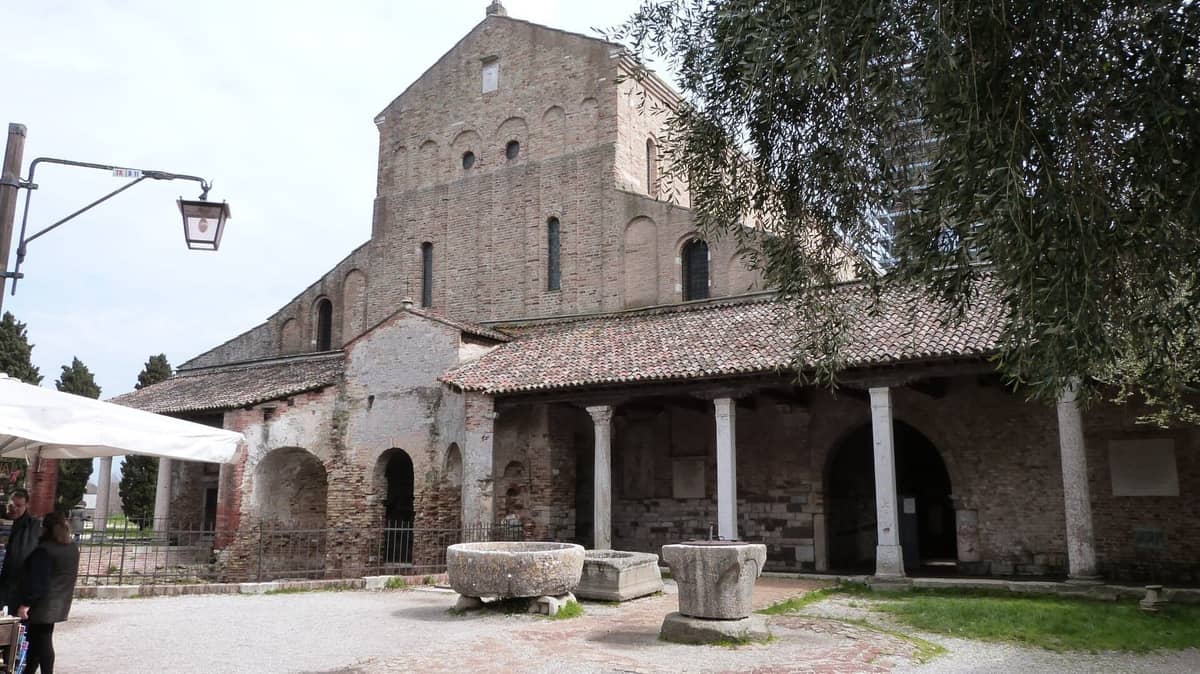
4. See Byzantine Mosaics That Rival Ravenna at Torcello
Founded in 639 AD, this cathedral contains a Last Judgment mosaic covering the entire west wall. It is one of the oldest and most significant buildings in the lagoon, yet Torcello receives only a fraction of the visitors who make it to Murano or Burano.
Explore4. See Byzantine Mosaics That Rival Ravenna at Torcello
Founded in 639 AD, this cathedral contains a Last Judgment mosaic covering the entire west wall. It is one of the oldest and most significant buildings in the lagoon, yet Torcello receives only a fraction of the visitors who make it to Murano or Burano.
Explore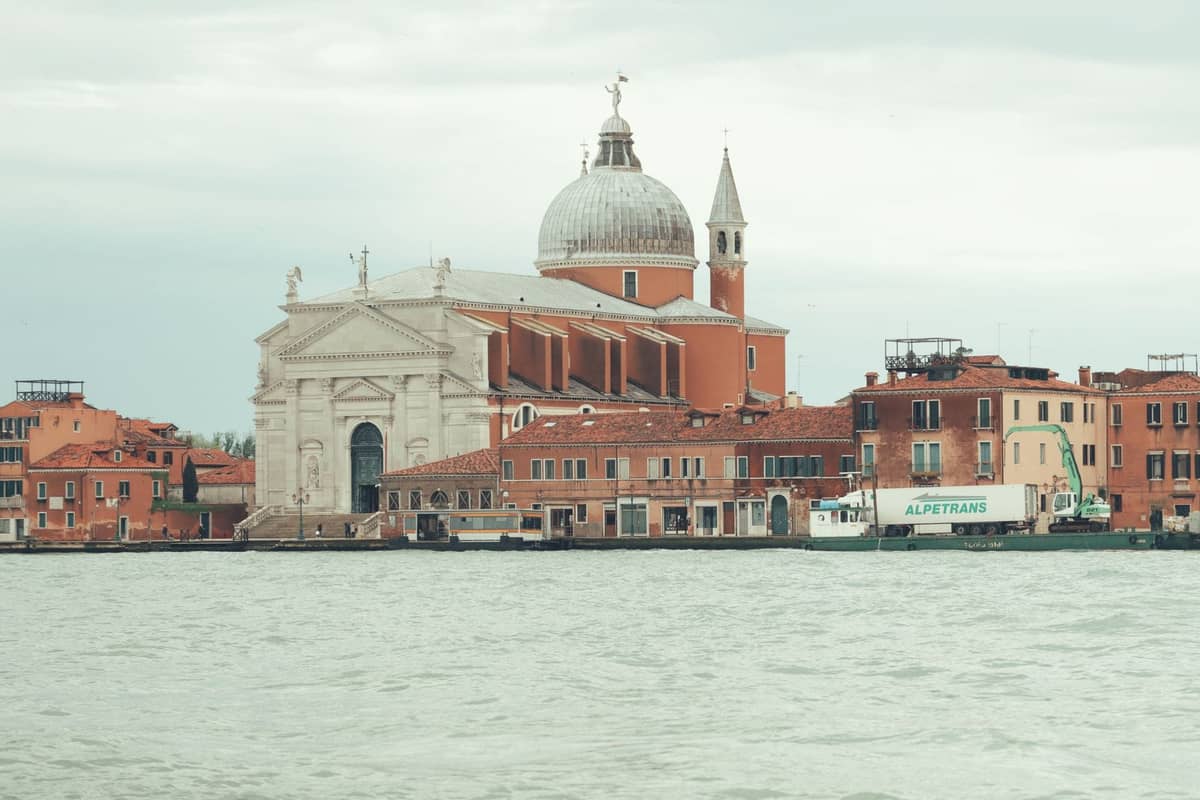
5. Cross to Giudecca for Palladio's Most Accomplished Church
The Redentore on Giudecca is widely considered Palladio's finest ecclesiastical work. The vaporetto crossing takes three minutes from Zattere, yet most visitors never make it. Go on a weekday morning and you may have the entire interior to yourself.
Explore5. Cross to Giudecca for Palladio's Most Accomplished Church
The Redentore on Giudecca is widely considered Palladio's finest ecclesiastical work. The vaporetto crossing takes three minutes from Zattere, yet most visitors never make it. Go on a weekday morning and you may have the entire interior to yourself.
ExploreWorkshops, Bookshops & Unusual Museums
Beyond the Gallerie dell'Accademia and the Doge's Palace lies a constellation of smaller institutions with almost no queues. Several of these are genuinely eccentric and hard to categorize. If you enjoy this kind of discovery, the full museum guide covers the complete picture.
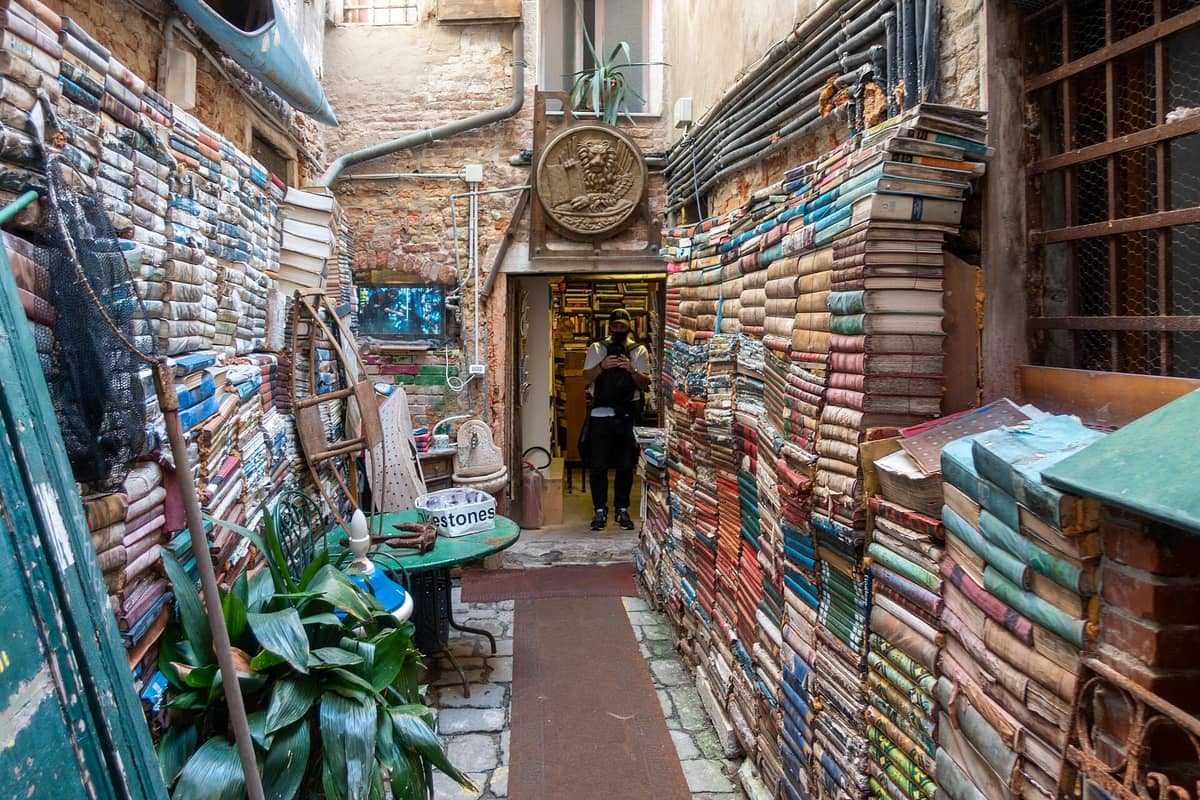
6. Browse Books Stacked in Gondolas at Libreria Acqua Alta
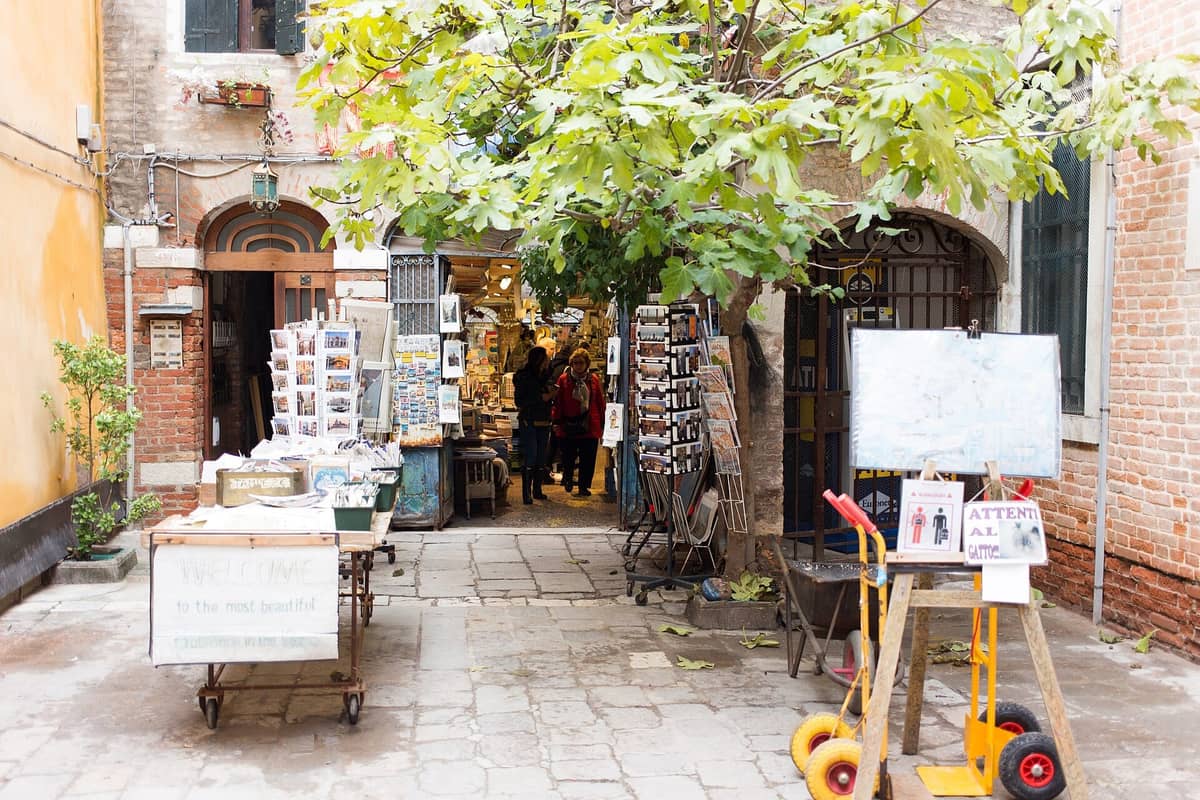
Books fill gondolas, bathtubs, and canoes in this Castello bookshop, a defense against regular flooding. The staircase built from old books leading to a canal view is a genuine delight. It is unusual and fun without requiring much time, making it easy to fold into a Castello walk.
Explore6. Browse Books Stacked in Gondolas at Libreria Acqua Alta
Books fill gondolas, bathtubs, and canoes in this Castello bookshop, a defense against regular flooding. The staircase built from old books leading to a canal view is a genuine delight. It is unusual and fun without requiring much time, making it easy to fold into a Castello walk.
Explore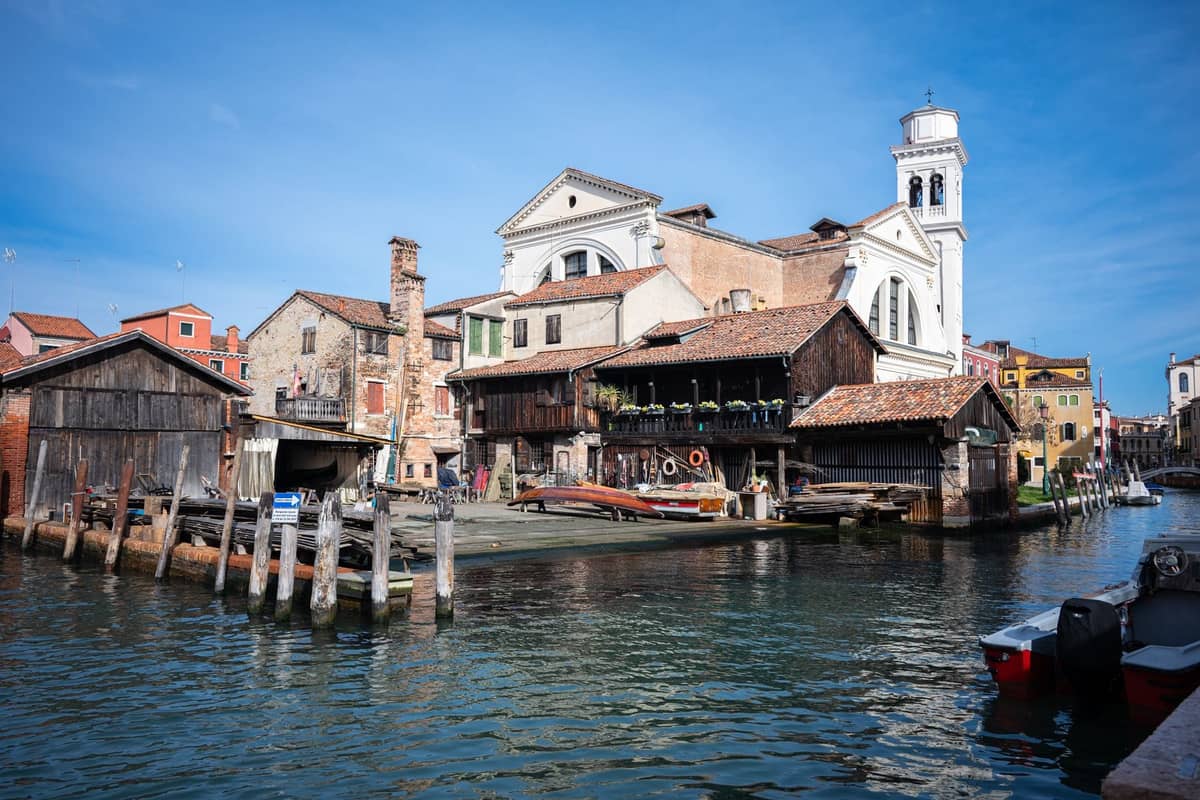
7. Watch Gondolas Being Built at San Trovaso Boatyard
One of only three remaining gondola workshops in Venice, the Squero di San Trovaso is a working atelier visible from Fondamenta Nani across the canal. Watch craftsmen repair gondolas using traditional methods, with no ticket required and no crowds to compete with.
Explore7. Watch Gondolas Being Built at San Trovaso Boatyard
One of only three remaining gondola workshops in Venice, the Squero di San Trovaso is a working atelier visible from Fondamenta Nani across the canal. Watch craftsmen repair gondolas using traditional methods, with no ticket required and no crowds to compete with.
Explore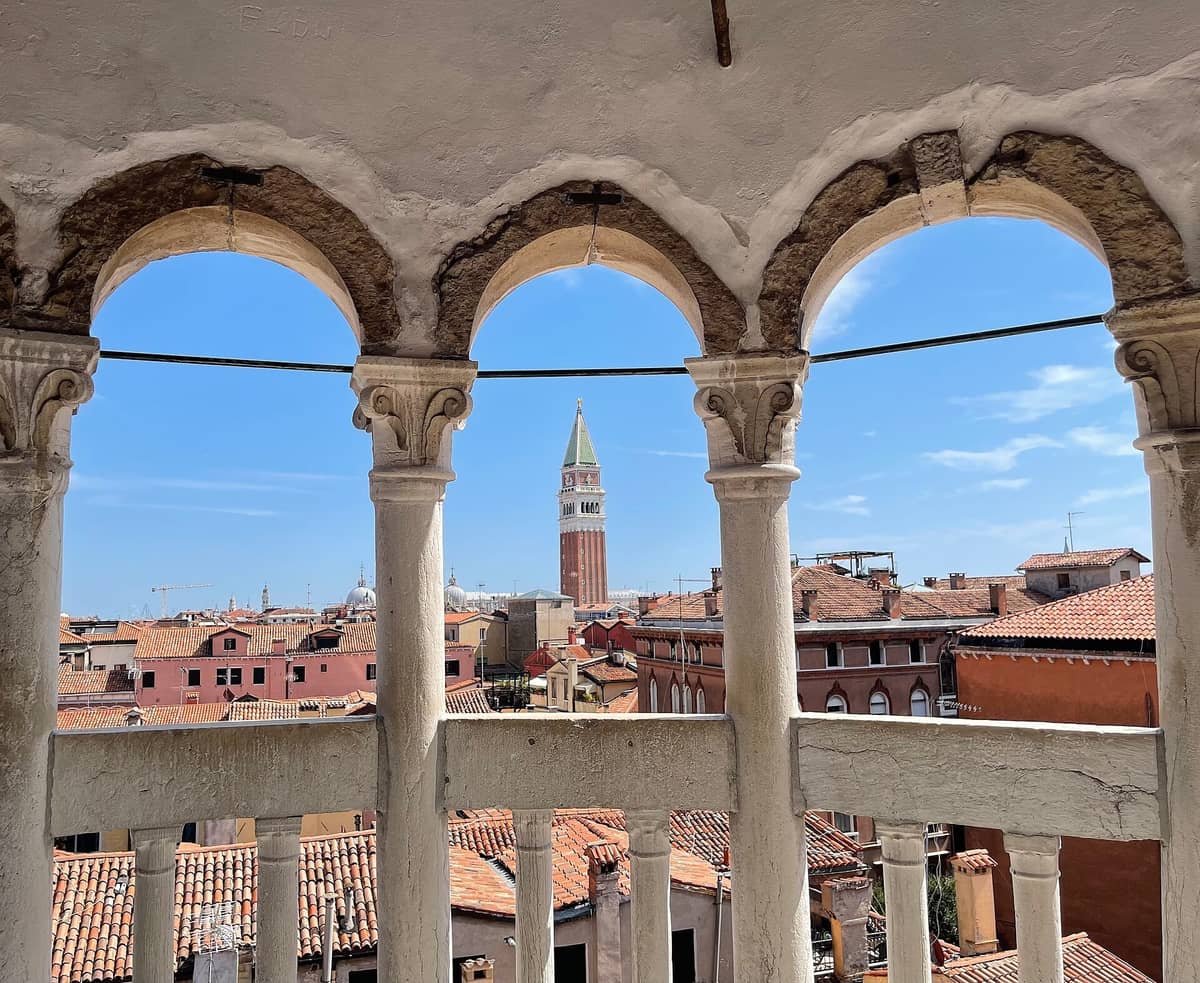
8. Discover the Secret Spiral Staircase at Palazzo Contarini del Bovolo
Hidden in a courtyard near Campo Manin, this Gothic palazzo is famous for its extraordinary external helical loggia winding up five stories. The staircase is one of Venice's most beautiful architectural surprises. Admission is modest and the courtyard is rarely busy.
Explore8. Discover the Secret Spiral Staircase at Palazzo Contarini del Bovolo
Hidden in a courtyard near Campo Manin, this Gothic palazzo is famous for its extraordinary external helical loggia winding up five stories. The staircase is one of Venice's most beautiful architectural surprises. Admission is modest and the courtyard is rarely busy.
Explore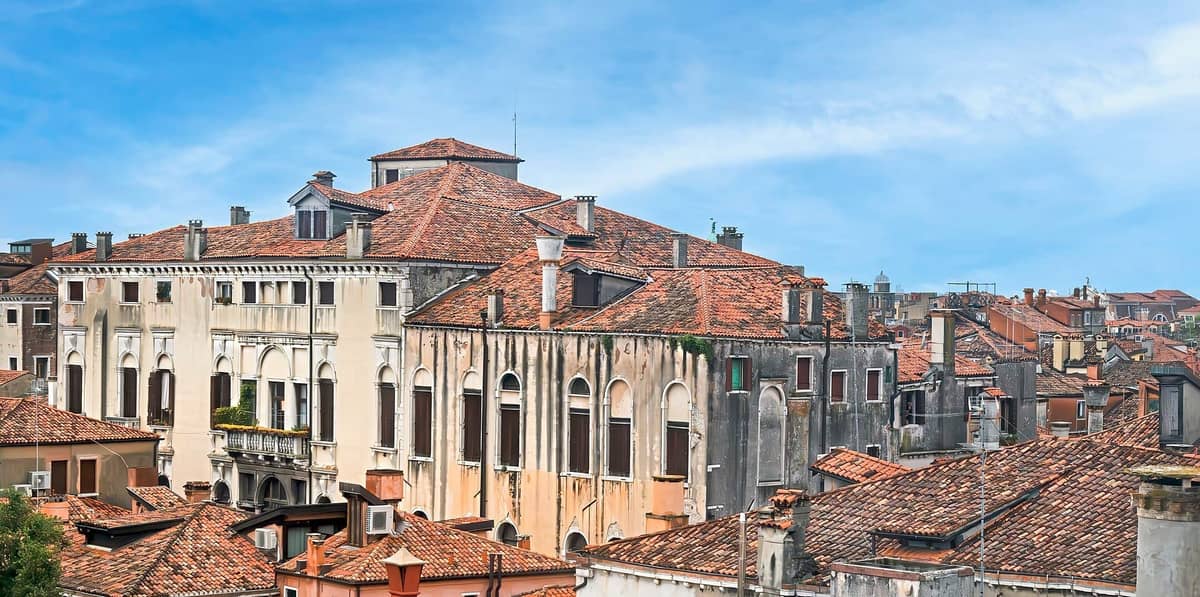
9. Explore Venetian Fashion and Perfume at Palazzo Mocenigo
This beautifully preserved 17th-century palace in Santa Croce houses a museum of historic fabrics, costumes, and a dedicated perfume gallery. It illuminates Venice's role in the spice and fragrance trade and receives far fewer visitors than it deserves.
Explore9. Explore Venetian Fashion and Perfume at Palazzo Mocenigo
This beautifully preserved 17th-century palace in Santa Croce houses a museum of historic fabrics, costumes, and a dedicated perfume gallery. It illuminates Venice's role in the spice and fragrance trade and receives far fewer visitors than it deserves.
Explore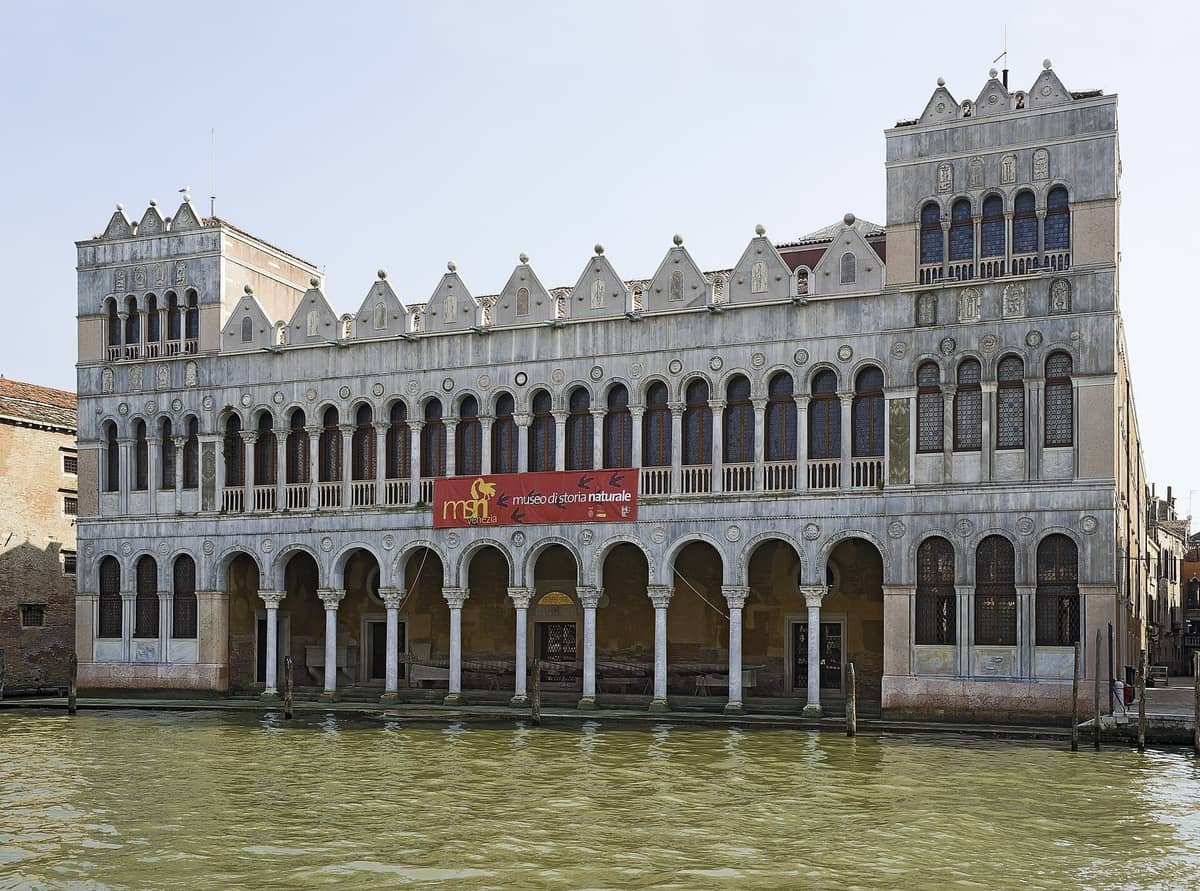
10. Find Dinosaur Fossils in a Grand Canal Palace at the Natural History Museum
Housed in the Fontego dei Turchi on the Grand Canal, Venice's Natural History Museum holds Saharan dinosaur skeletons, a lagoon ecology exhibit, and an aquarium. It is one of the city's best family options and consistently undervisited by adults traveling without children.
Explore10. Find Dinosaur Fossils in a Grand Canal Palace at the Natural History Museum
Housed in the Fontego dei Turchi on the Grand Canal, Venice's Natural History Museum holds Saharan dinosaur skeletons, a lagoon ecology exhibit, and an aquarium. It is one of the city's best family options and consistently undervisited by adults traveling without children.
Explore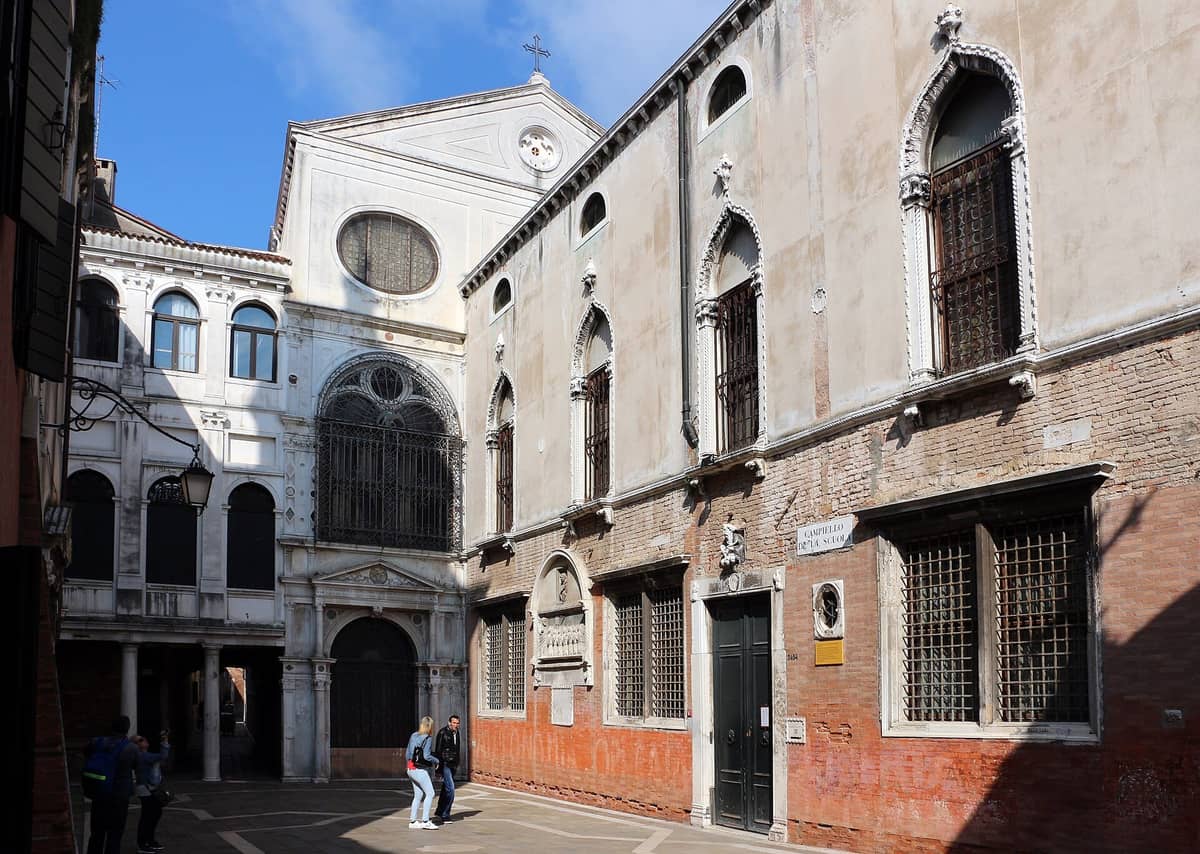
11. Climb Codussi's Double Staircase at San Giovanni Evangelista
One of Venice's six great confraternities, this scuola contains a magnificent double staircase by Mauro Codussi and paintings by Bellini and Carpaccio. It is one of the most architecturally rewarding buildings in the city and almost no one visits it.
Explore11. Climb Codussi's Double Staircase at San Giovanni Evangelista
One of Venice's six great confraternities, this scuola contains a magnificent double staircase by Mauro Codussi and paintings by Bellini and Carpaccio. It is one of the most architecturally rewarding buildings in the city and almost no one visits it.
ExploreNeighborhoods Worth Wandering Without a Plan
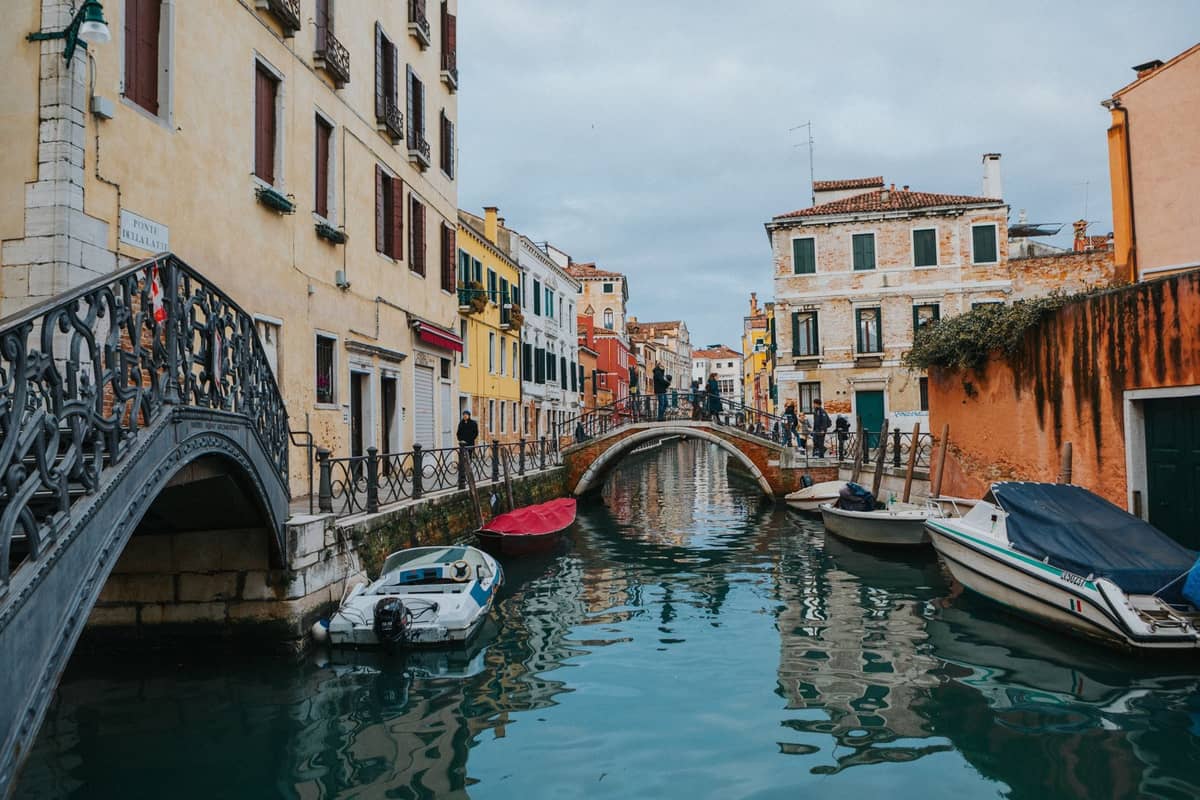
Some of the best discoveries in Venice happen when you stop trying to see specific things and simply walk. The sestieri of San Polo and Santa Croce in particular reward aimless navigation. The places below are starting points rather than destinations.
12. Walk Through the World's First Ghetto in Cannaregio
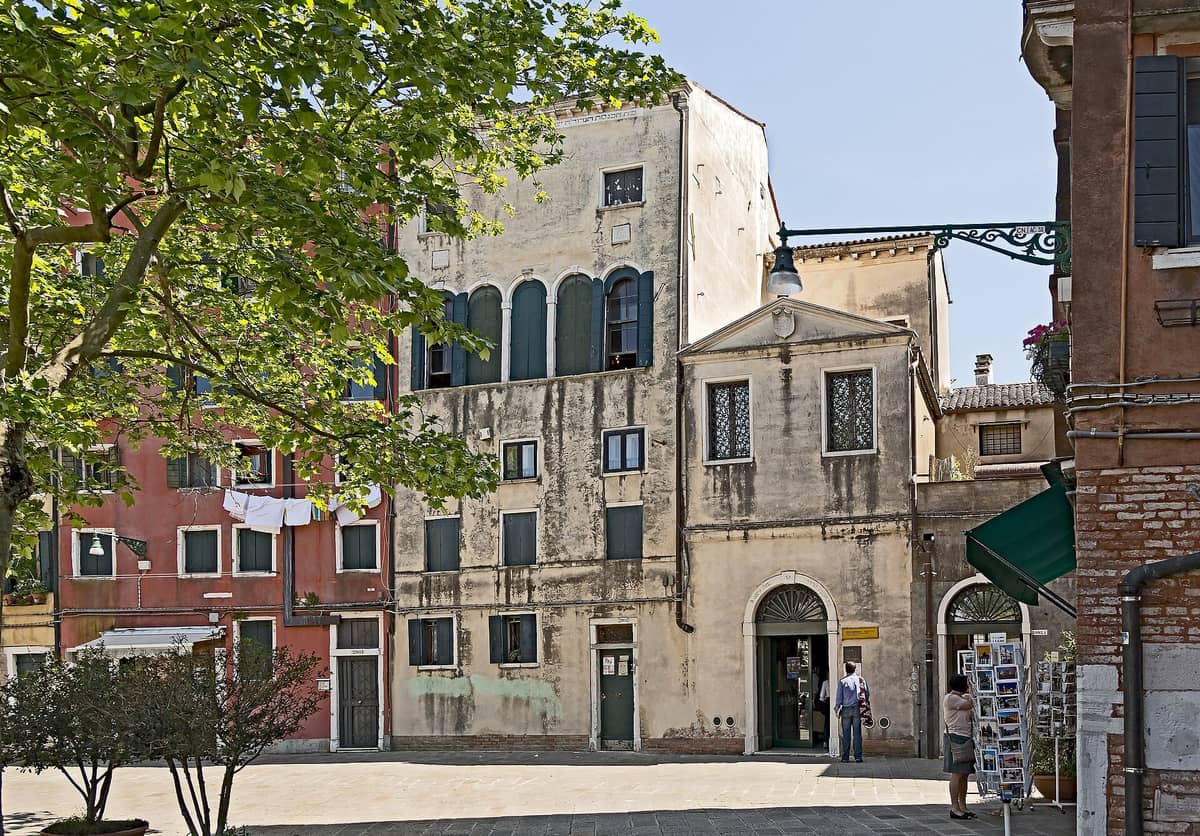
Established in 1516, the Venice Ghetto gave the word its name. The area retains its historic character with tall apartment buildings, five synagogues, and a small community present for 500 years. It sits in northern Cannaregio, an easy walk from the station but rarely crowded.
Explore12. Walk Through the World's First Ghetto in Cannaregio
Established in 1516, the Venice Ghetto gave the word its name. The area retains its historic character with tall apartment buildings, five synagogues, and a small community present for 500 years. It sits in northern Cannaregio, an easy walk from the station but rarely crowded.
Explore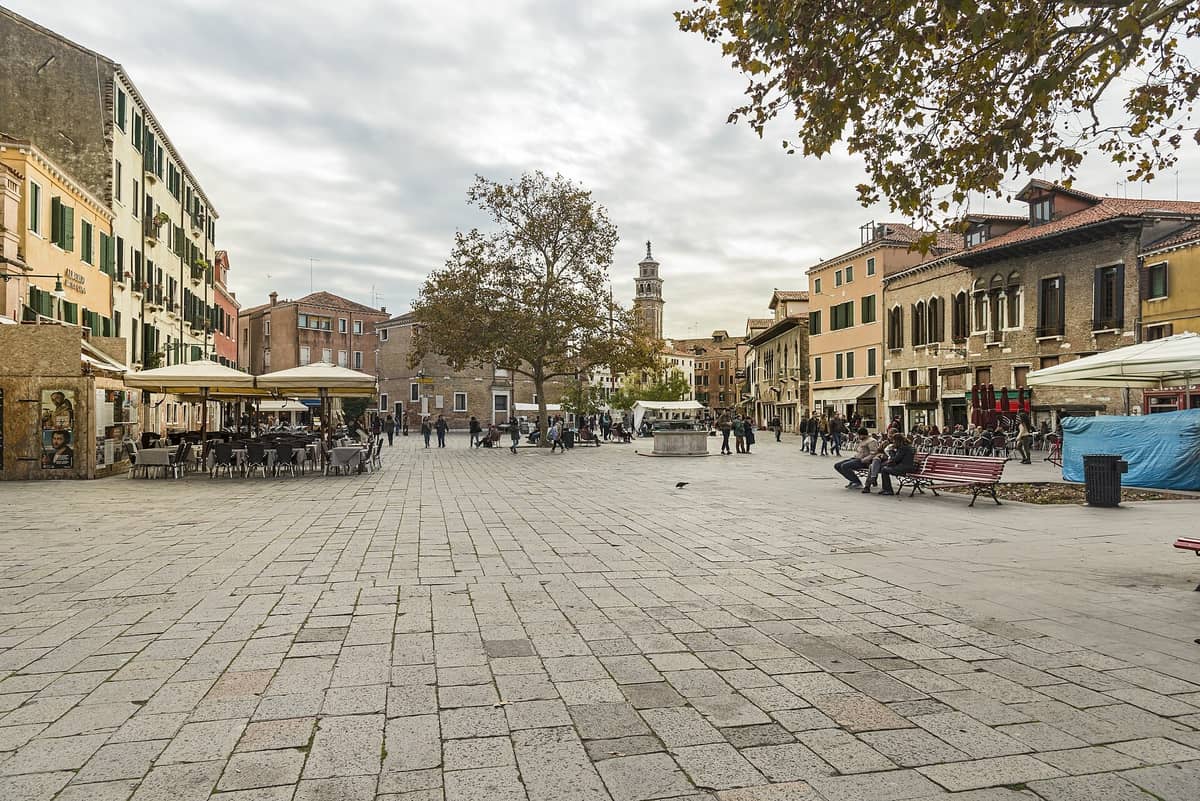
13. Join Local Life at Dorsoduro's Most Genuine Square
Campo Santa Margherita is the social heart of student Venice, lined with cafés, a small market, and fish stalls. It is the most convincing place in the city to observe everyday Venetian life rather than a performance staged for visitors. Best visited mid-morning or early evening.
Explore13. Join Local Life at Dorsoduro's Most Genuine Square
Campo Santa Margherita is the social heart of student Venice, lined with cafés, a small market, and fish stalls. It is the most convincing place in the city to observe everyday Venetian life rather than a performance staged for visitors. Best visited mid-morning or early evening.
Explore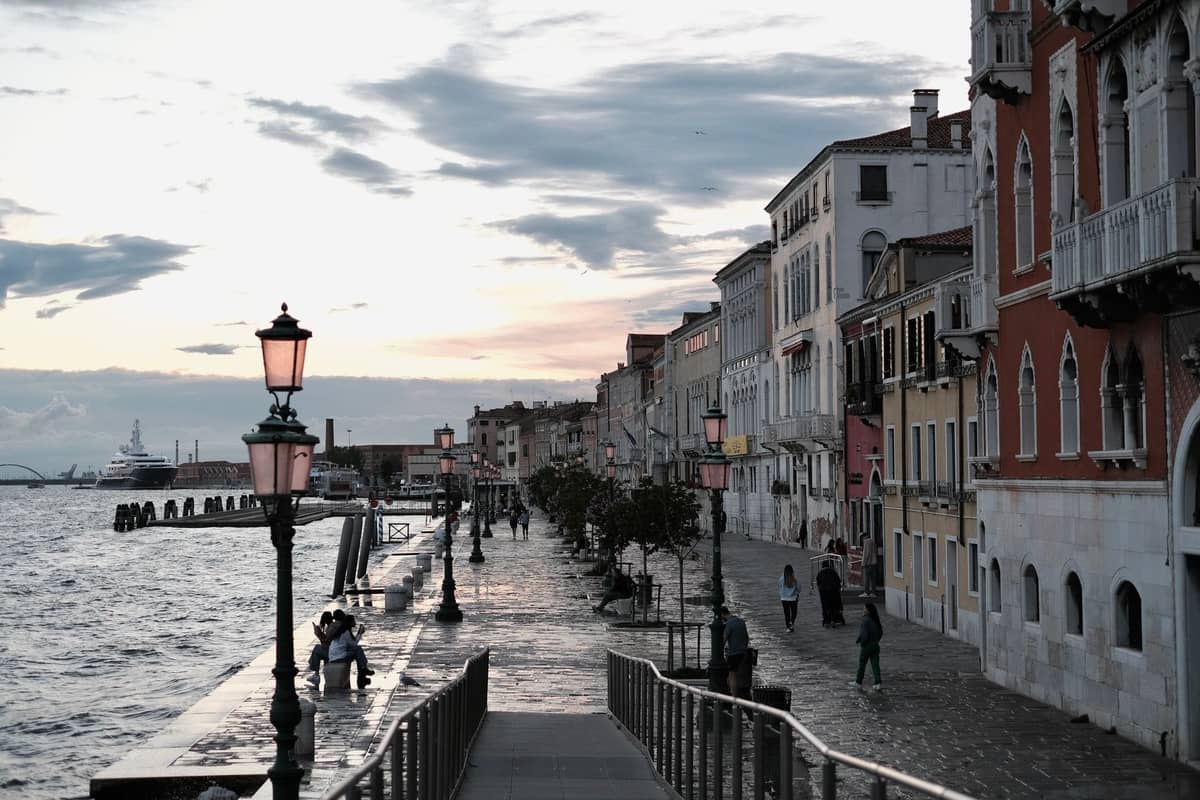
14. Walk the Sun-Drenched Zattere Away from the Crowds
The long waterfront walkway along the southern edge of Dorsoduro faces the Giudecca Canal and is a favorite of locals rather than tour groups. Grab a gelato, find a bench in the sun, and watch the water traffic. The walk from the Accademia to San Basilio takes about 25 minutes.
Explore14. Walk the Sun-Drenched Zattere Away from the Crowds
The long waterfront walkway along the southern edge of Dorsoduro faces the Giudecca Canal and is a favorite of locals rather than tour groups. Grab a gelato, find a bench in the sun, and watch the water traffic. The walk from the Accademia to San Basilio takes about 25 minutes.
Explore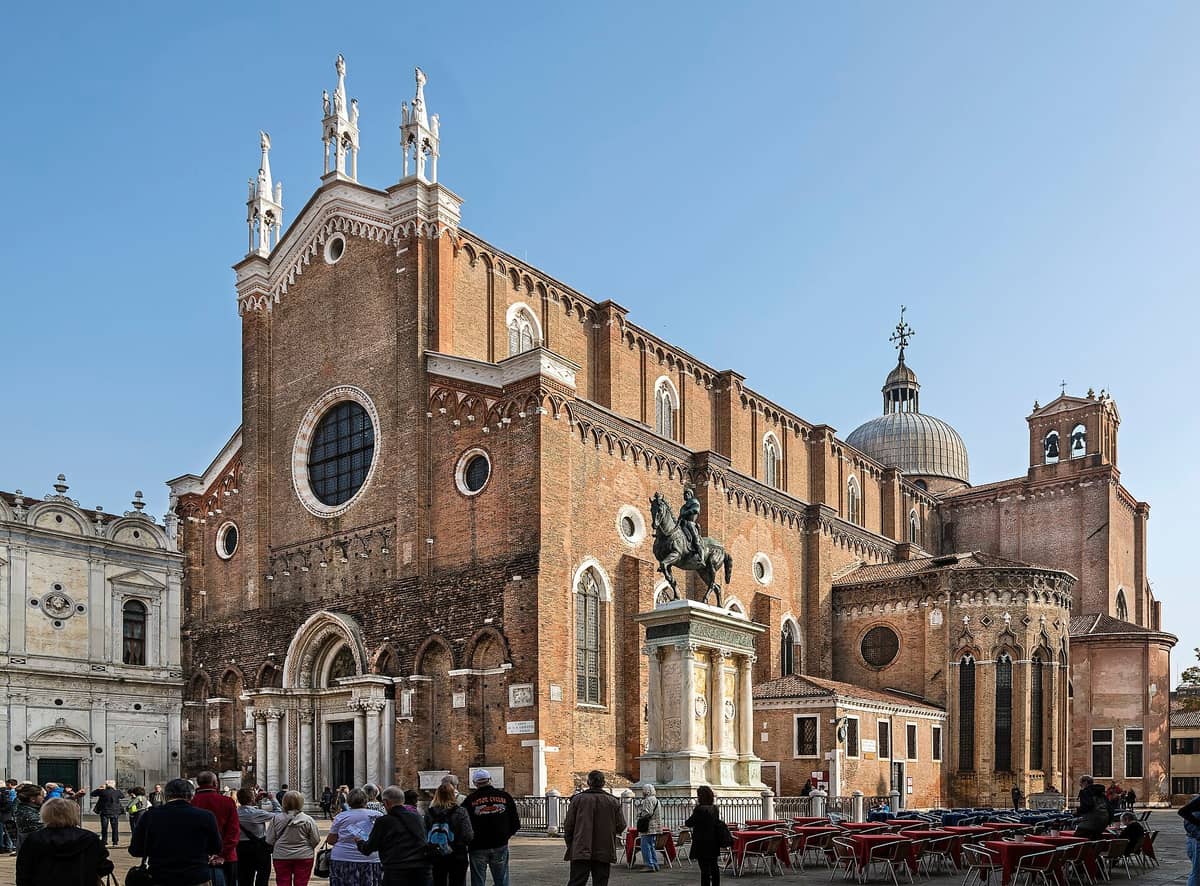
15. See 25 Doges Entombed at Venice's Overlooked Gothic Giant
San Zanipolo is the largest Gothic church in Venice after the Frari and served as the burial place of 25 Doges. Its funerary monuments, paintings by Bellini and Veronese, and the Colleoni equestrian statue outside form one of the richest ensembles in the city, visited by far fewer people than the Doge's Palace.
Explore15. See 25 Doges Entombed at Venice's Overlooked Gothic Giant
San Zanipolo is the largest Gothic church in Venice after the Frari and served as the burial place of 25 Doges. Its funerary monuments, paintings by Bellini and Veronese, and the Colleoni equestrian statue outside form one of the richest ensembles in the city, visited by far fewer people than the Doge's Palace.
ExploreLagoon Islands Most Visitors Skip
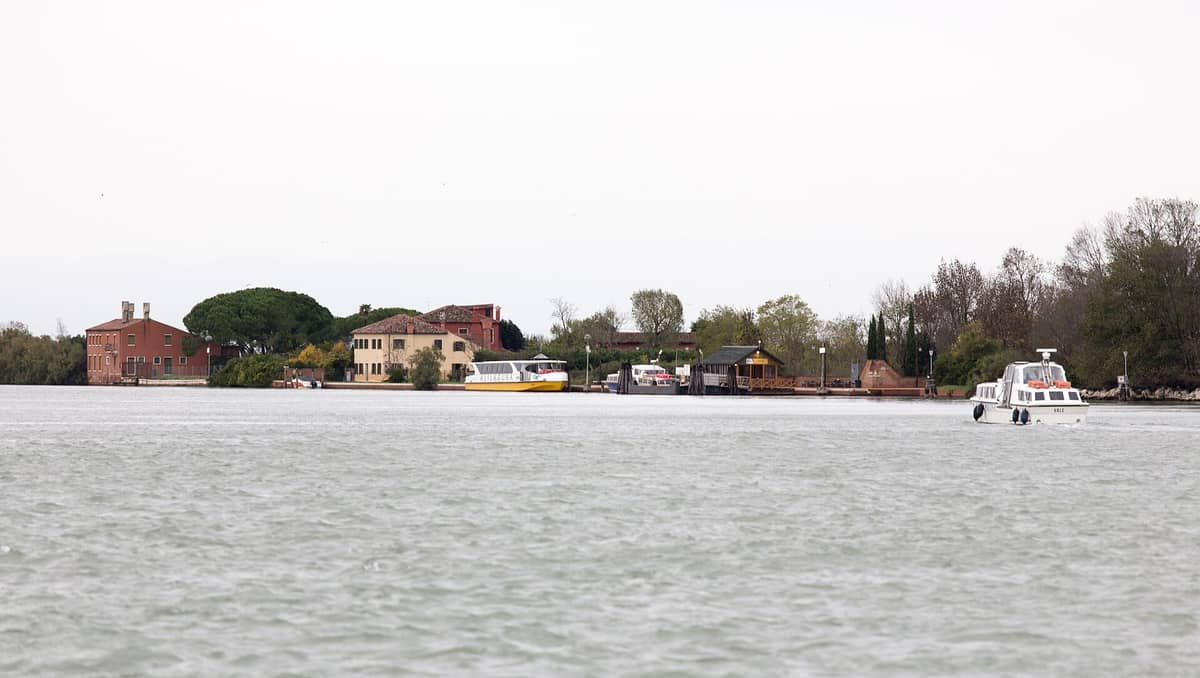
Everyone goes to Murano and Burano. Fewer make it to the islands that take a little more effort, and those islands are often the most memorable parts of a Venice trip. The full lagoon islands guide covers transport logistics and timing in detail.
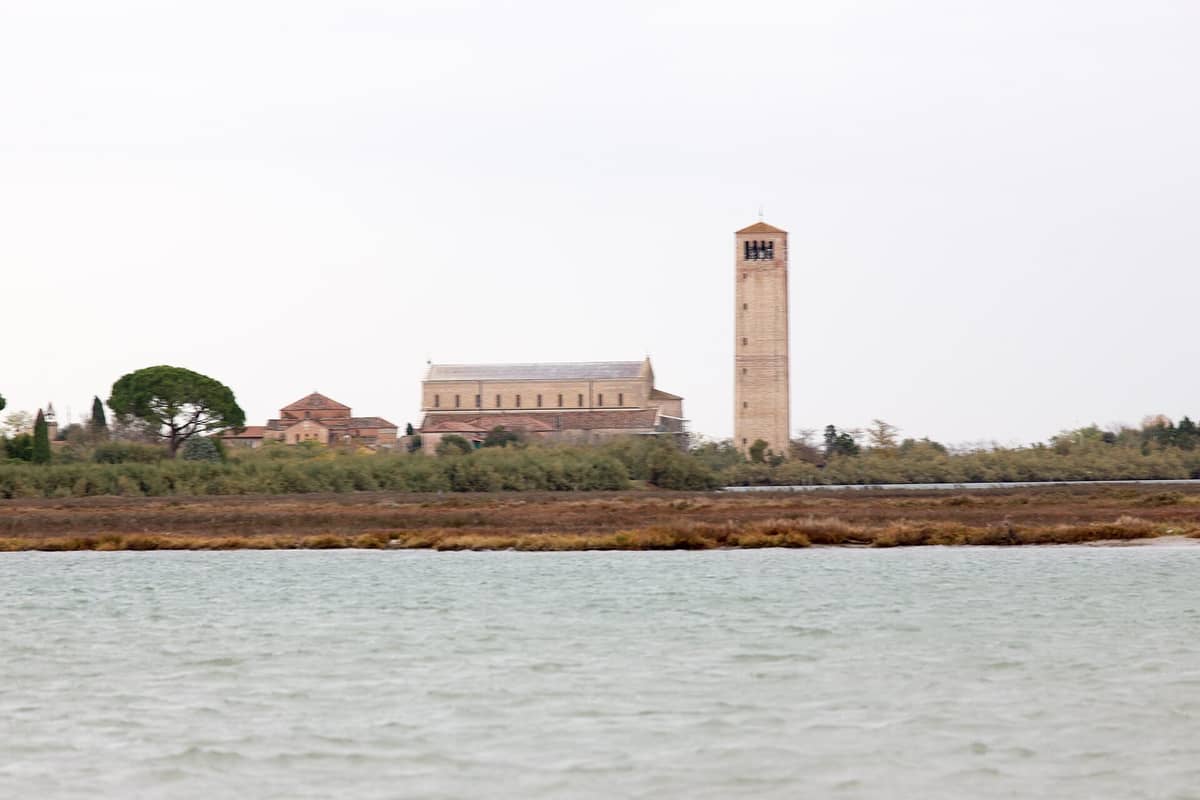
16. Visit the Ghost City of Torcello, the Lagoon's Oldest Settlement
Once a city of thousands, Torcello now has only a few dozen residents. Its 7th-century cathedral, Byzantine mosaics, and atmosphere of melancholy quiet make it the most haunting destination in the lagoon. Combine it with Burano on the same vaporetto line.
Explore16. Visit the Ghost City of Torcello, the Lagoon's Oldest Settlement
Once a city of thousands, Torcello now has only a few dozen residents. Its 7th-century cathedral, Byzantine mosaics, and atmosphere of melancholy quiet make it the most haunting destination in the lagoon. Combine it with Burano on the same vaporetto line.
Explore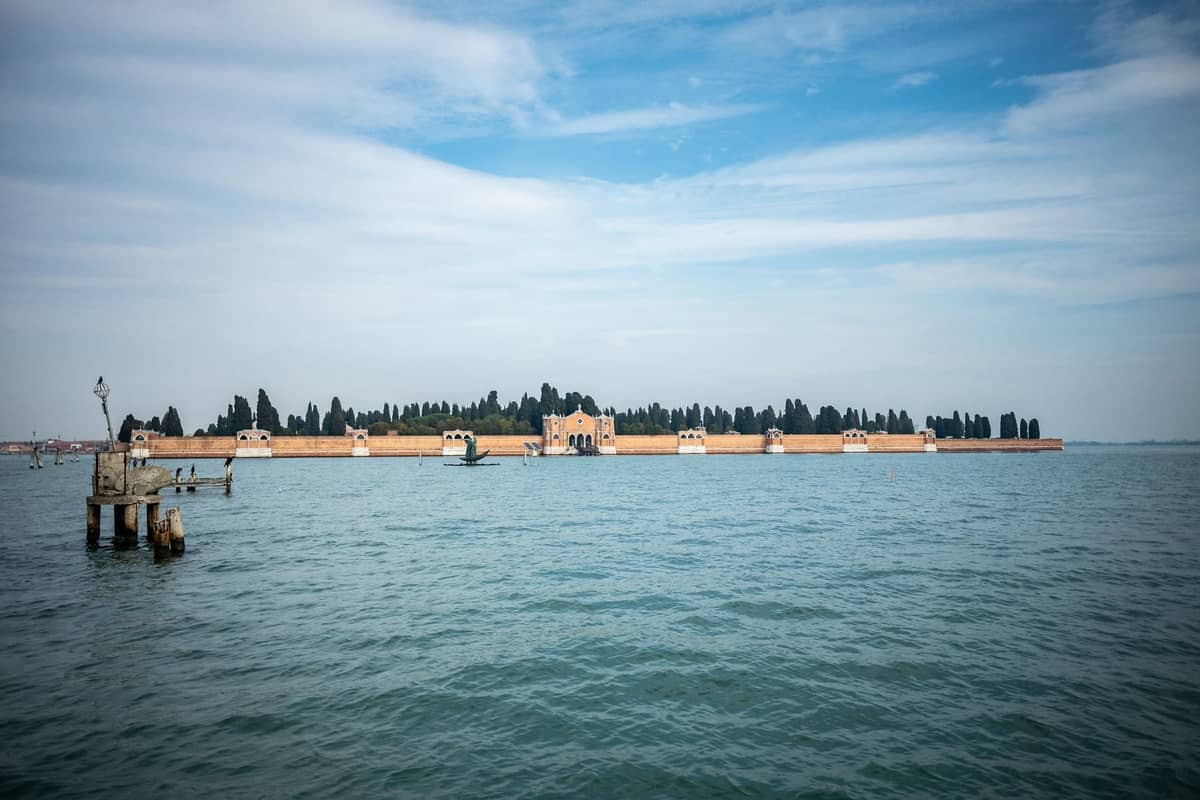
17. Pay Respects to Stravinsky and Diaghilev on Venice's Cemetery Island
The island cemetery of Venice is enclosed within high brick walls just off Cannaregio. Stravinsky, Ezra Pound, and Sergei Diaghilev are buried here. Designed by Codussi in the 15th century, it is one of the most atmospheric places in the entire lagoon and free to enter.
Explore17. Pay Respects to Stravinsky and Diaghilev on Venice's Cemetery Island
The island cemetery of Venice is enclosed within high brick walls just off Cannaregio. Stravinsky, Ezra Pound, and Sergei Diaghilev are buried here. Designed by Codussi in the 15th century, it is one of the most atmospheric places in the entire lagoon and free to enter.
Explore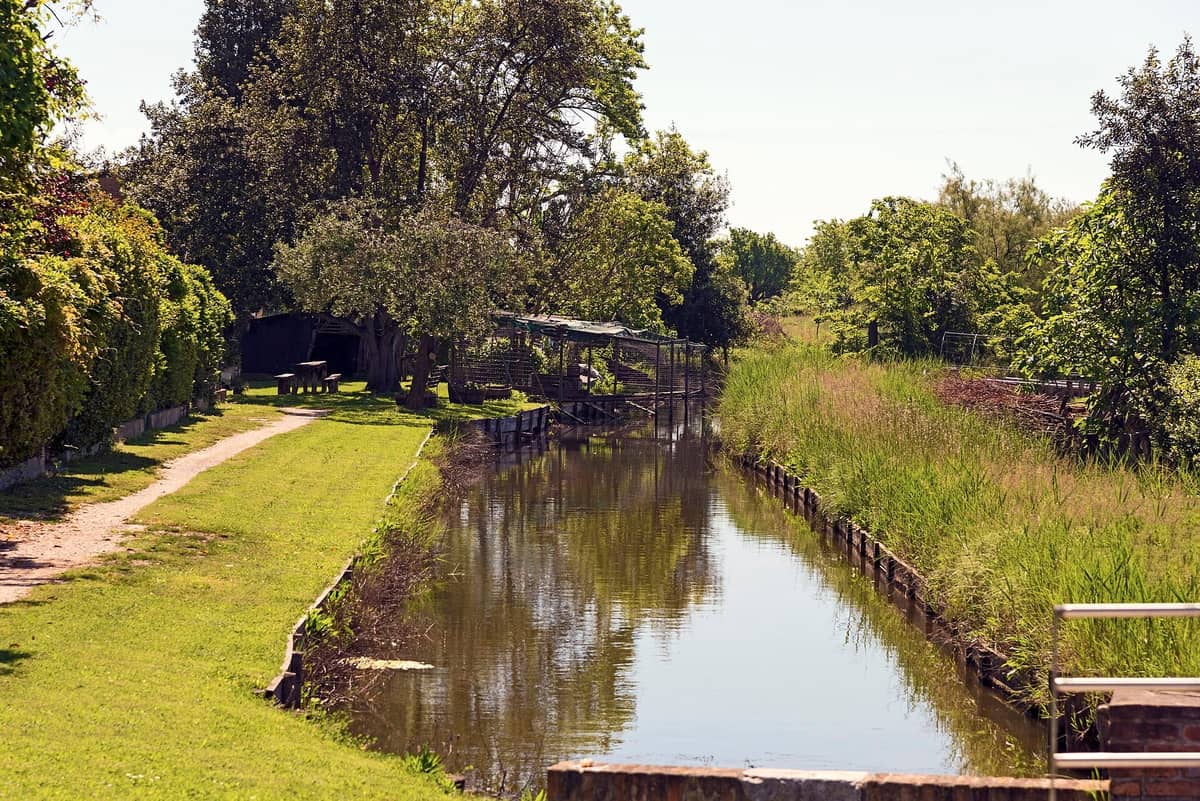
18. Cycle Through Venice's Vegetable Garden on Sant'Erasmo
Sant'Erasmo is a peaceful agricultural island of vineyards, fields, and quiet canals in the northern lagoon. Visitors come to cycle its flat paths, eat seasonal produce, and visit Torre Massimiliana. It represents lagoon life almost completely undisturbed by tourism.
Explore18. Cycle Through Venice's Vegetable Garden on Sant'Erasmo
Sant'Erasmo is a peaceful agricultural island of vineyards, fields, and quiet canals in the northern lagoon. Visitors come to cycle its flat paths, eat seasonal produce, and visit Torre Massimiliana. It represents lagoon life almost completely undisturbed by tourism.
Explore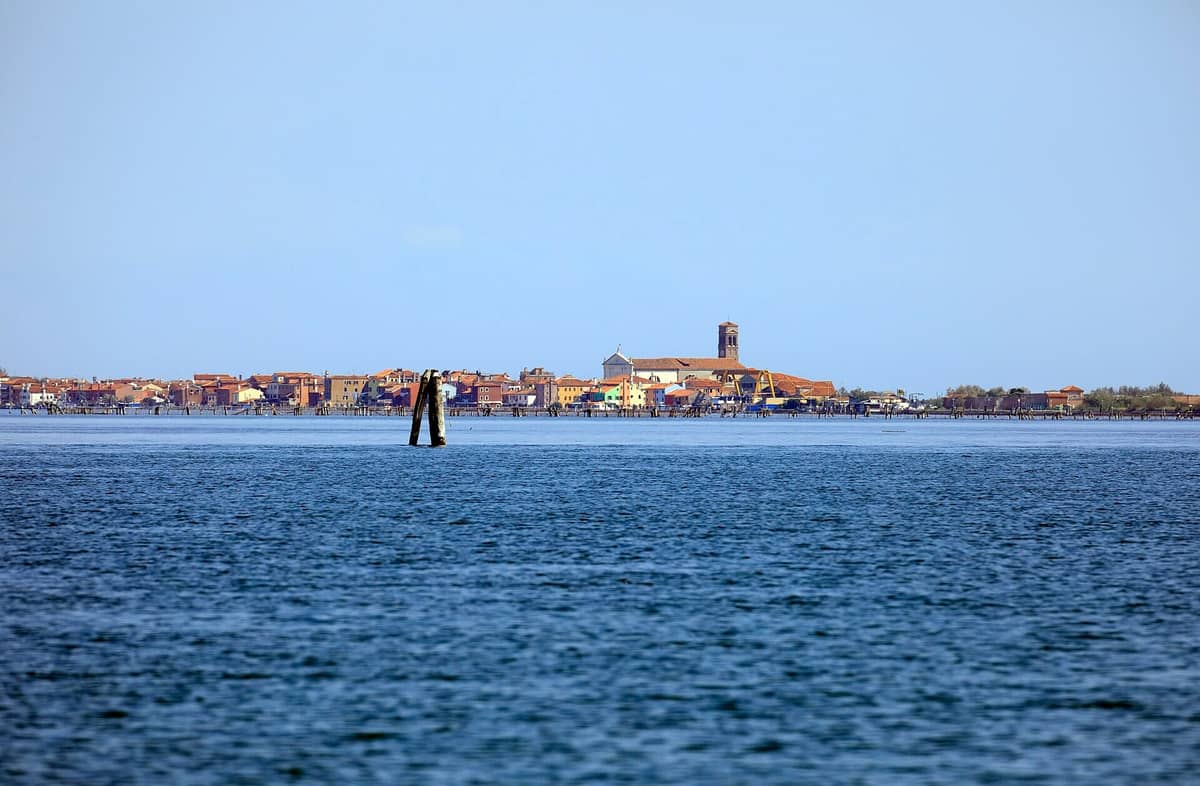
19. Reach the Lagoon's Quietest Fishing Community on Pellestrina
A narrow barrier island between the Lido and Chioggia, Pellestrina is a fishing village of painted houses with lagoon views on one side and the Adriatic on the other. Getting there requires two ferry changes, which is exactly why almost no tourists make the trip.
Explore19. Reach the Lagoon's Quietest Fishing Community on Pellestrina
A narrow barrier island between the Lido and Chioggia, Pellestrina is a fishing village of painted houses with lagoon views on one side and the Adriatic on the other. Getting there requires two ferry changes, which is exactly why almost no tourists make the trip.
Explore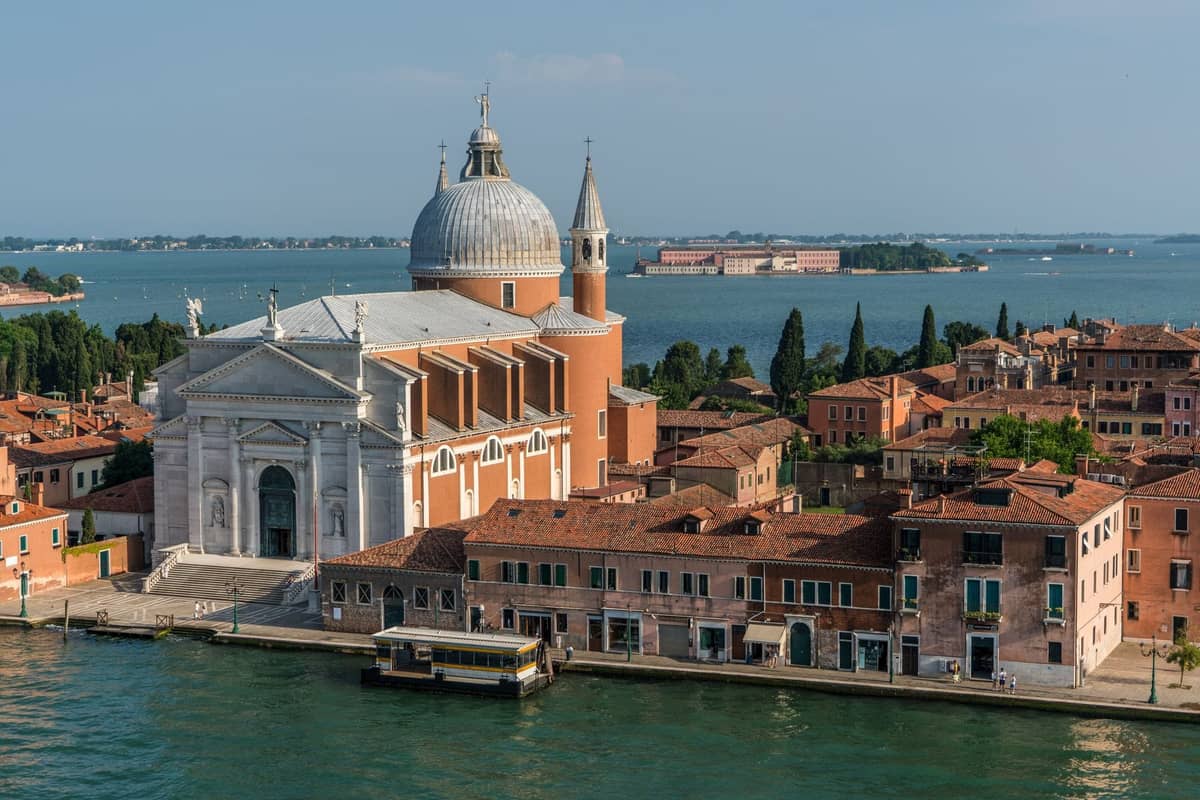
20. Cross the Canal to Quiet Giudecca for Waterfront Walks and Local Bars
Giudecca sits three minutes by vaporetto from Zattere but feels a world away from central Venice. Its waterfront walk offers uninterrupted views back toward Dorsoduro, and its bars serve locals rather than tourists. Combine a visit with the Redentore church.
Explore20. Cross the Canal to Quiet Giudecca for Waterfront Walks and Local Bars
Giudecca sits three minutes by vaporetto from Zattere but feels a world away from central Venice. Its waterfront walk offers uninterrupted views back toward Dorsoduro, and its bars serve locals rather than tourists. Combine a visit with the Redentore church.
ExploreViewpoints and Palaces the Tour Groups Miss
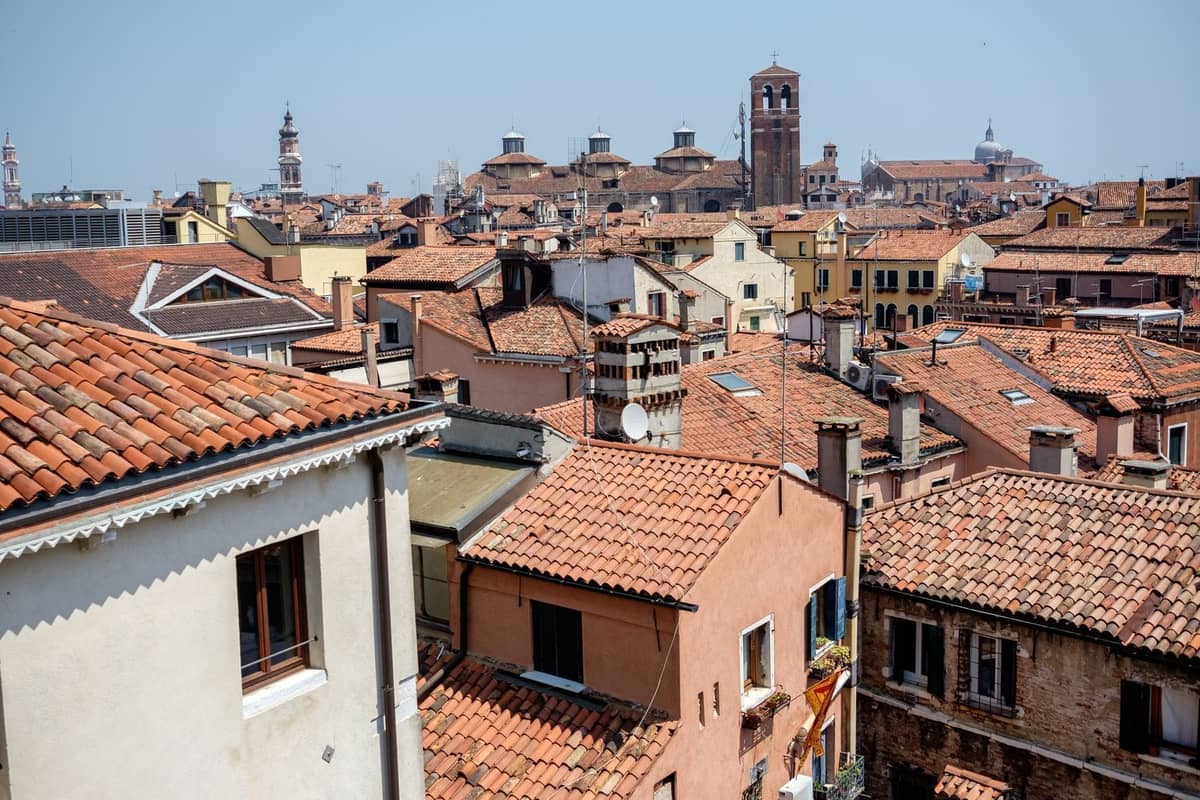
Venice's most famous viewpoints, the Campanile and the Rialto Bridge, are heavily trafficked. But several alternatives offer equally compelling panoramas with a fraction of the crowd. For a full comparison of viewpoint options across the city, see the best views in Venice guide.
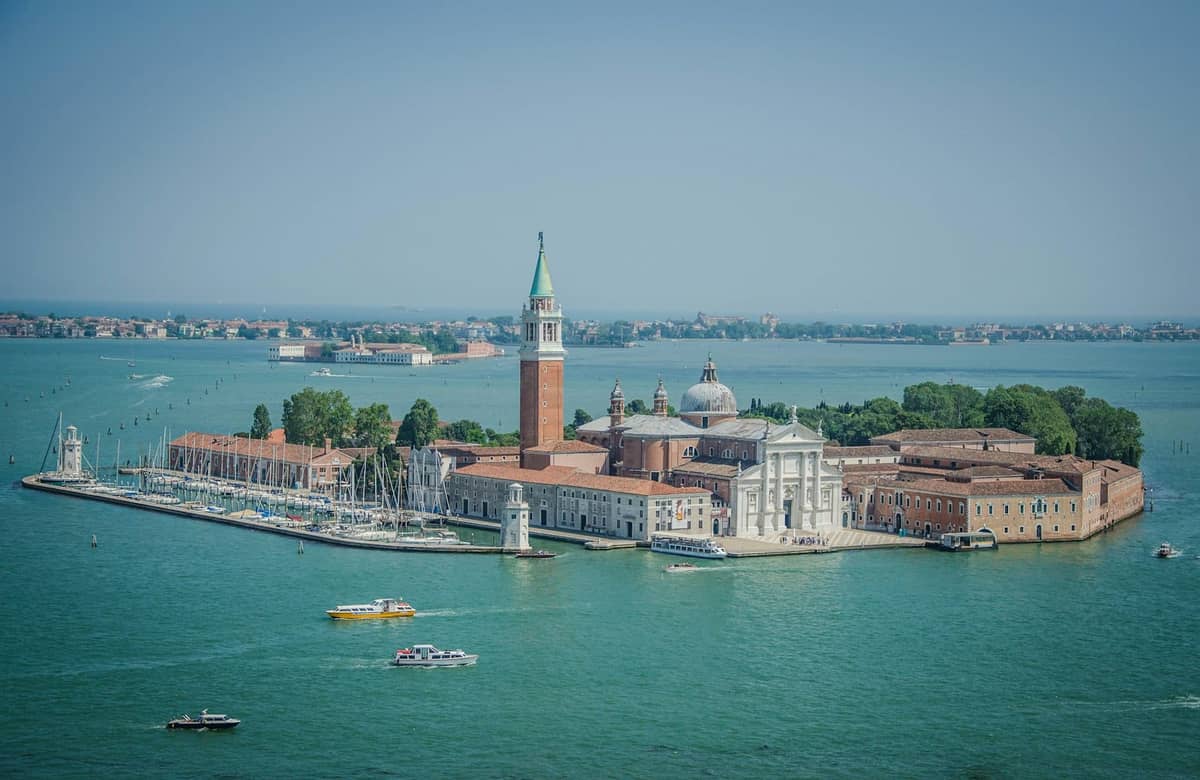
21. Climb San Giorgio Maggiore's Campanile for the Best Panorama in Venice
The campanile on San Giorgio Maggiore offers an unobstructed 360-degree view of Venice, the lagoon, and the Dolomites on clear days. The vaporetto ride across takes two minutes, queues are minimal compared to St. Mark's Campanile, and the view directly onto Piazza San Marco is unmatched.
Explore21. Climb San Giorgio Maggiore's Campanile for the Best Panorama in Venice
The campanile on San Giorgio Maggiore offers an unobstructed 360-degree view of Venice, the lagoon, and the Dolomites on clear days. The vaporetto ride across takes two minutes, queues are minimal compared to St. Mark's Campanile, and the view directly onto Piazza San Marco is unmatched.
Explore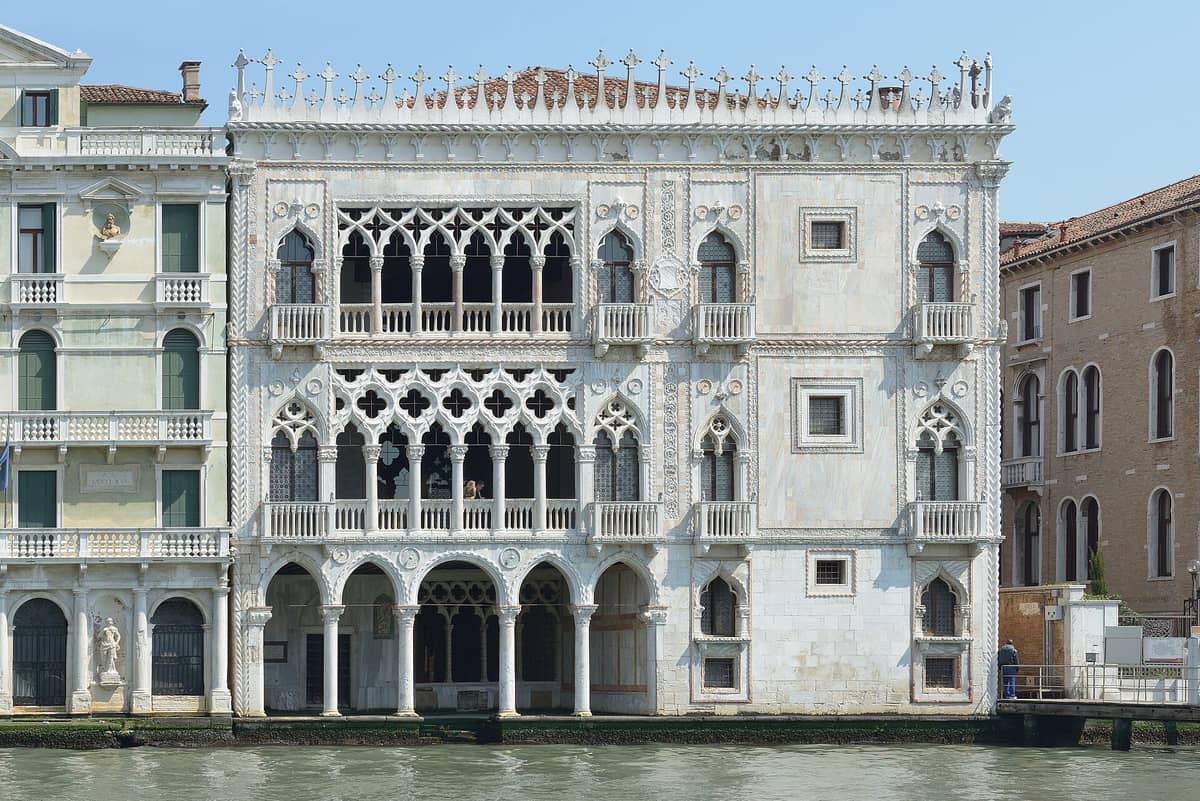
22. See the Grand Canal from the Gothic Loggia of Ca' d'Oro
The most ornate Gothic palace on the Grand Canal houses the Galleria Giorgio Franchetti, including Mantegna's St. Sebastian. Its loggia offers one of the finest canal views in Venice, looking both directions along the water, and the museum itself is rarely crowded even in peak season.
Explore22. See the Grand Canal from the Gothic Loggia of Ca' d'Oro
The most ornate Gothic palace on the Grand Canal houses the Galleria Giorgio Franchetti, including Mantegna's St. Sebastian. Its loggia offers one of the finest canal views in Venice, looking both directions along the water, and the museum itself is rarely crowded even in peak season.
Explore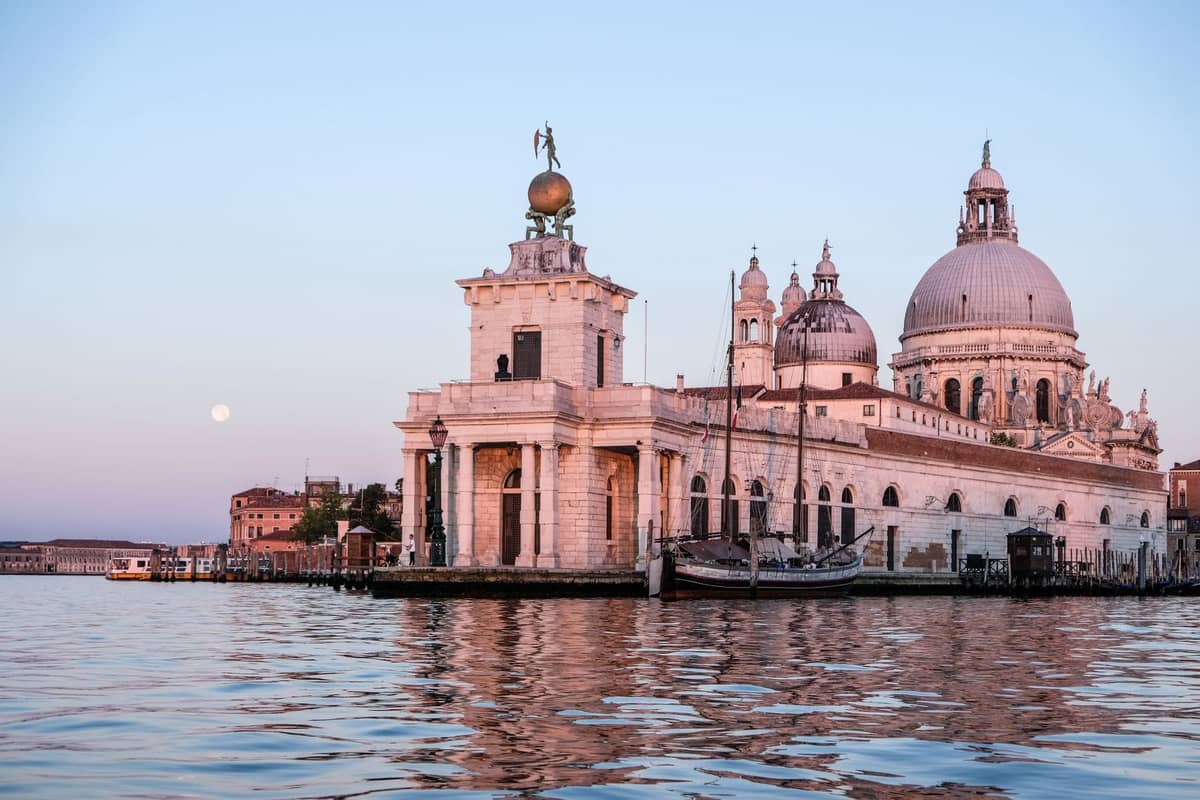
23. Stand at the Tip of Dorsoduro at Punta della Dogana
The former customs house at the confluence of the Grand Canal and Giudecca Canal is now a contemporary art museum by Tadao Ando. Even if you skip the exhibition, the exterior point offers one of the most dramatic positions in Venice, with water and skyline on three sides.
Explore23. Stand at the Tip of Dorsoduro at Punta della Dogana
The former customs house at the confluence of the Grand Canal and Giudecca Canal is now a contemporary art museum by Tadao Ando. Even if you skip the exhibition, the exterior point offers one of the most dramatic positions in Venice, with water and skyline on three sides.
Explore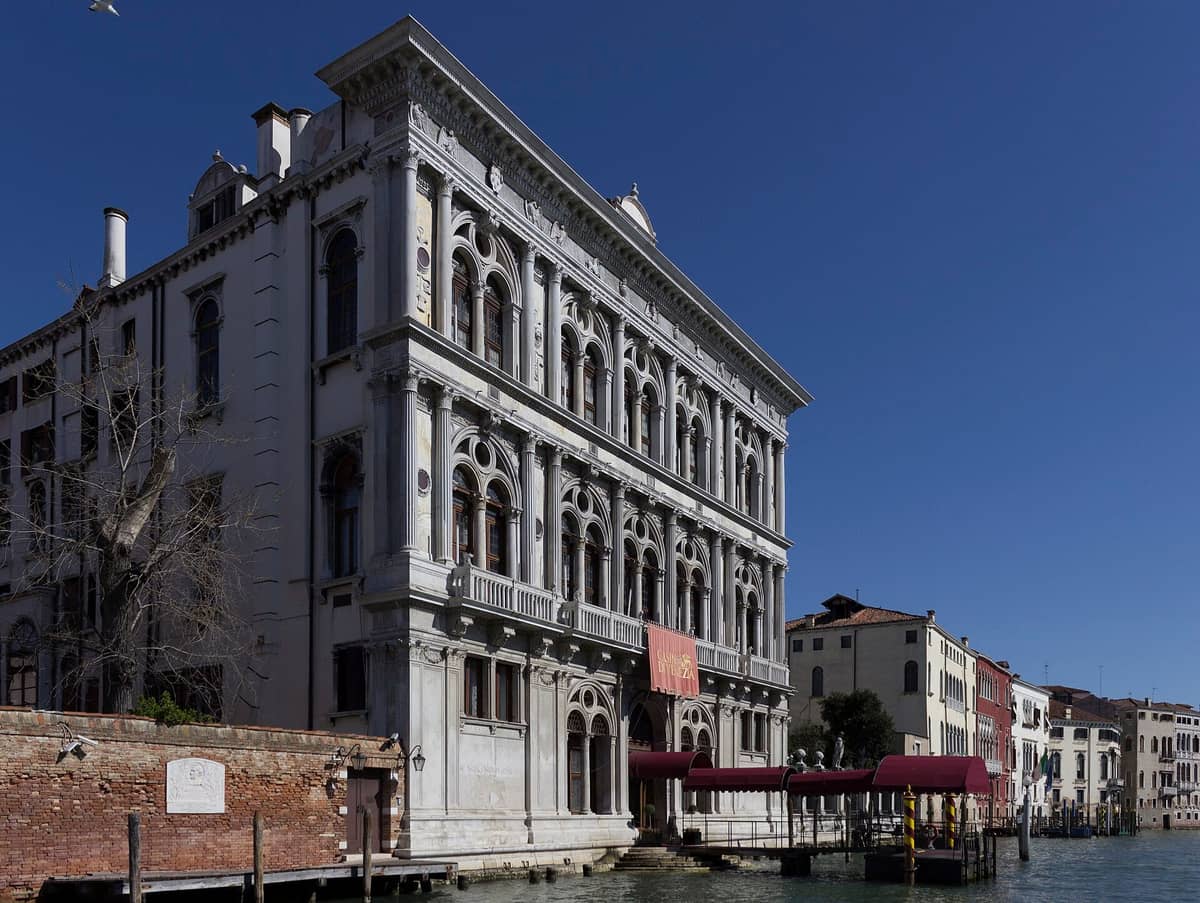
24. Visit the Renaissance Palace Where Wagner Died in Cannaregio
One of the finest Renaissance palaces on the Grand Canal, Palazzo Vendramin-Calergi is where Richard Wagner died in 1883. It serves as Venice's winter casino and houses a small Wagner museum. The building itself, best seen from the water, is one of the most beautiful on the canal.
Explore24. Visit the Renaissance Palace Where Wagner Died in Cannaregio
One of the finest Renaissance palaces on the Grand Canal, Palazzo Vendramin-Calergi is where Richard Wagner died in 1883. It serves as Venice's winter casino and houses a small Wagner museum. The building itself, best seen from the water, is one of the most beautiful on the canal.
Explore💡 Local tip
The vaporetto Line 1, which travels the full length of the Grand Canal, is one of the best-value sightseeing routes in Venice. A travel card covering 24 or 48 hours makes the lagoon islands and quieter neighborhoods much easier to combine in a single day.
FAQ
What are the least crowded areas to explore in Venice?
Cannaregio north of the Ghetto, eastern Castello beyond the Arsenale, and the Giudecca island are consistently quieter than San Marco and the Rialto area. The lagoon islands of Torcello, Pellestrina, and Sant'Erasmo see a fraction of the visitors that Murano and Burano attract.
When is the best time of day to visit Venice's lesser-known sights?
Before 9:30am and after 4pm are reliably quieter across the city. Small churches and museums are often empty in the early morning, and the evening light transforms canals and campi that are unremarkable at midday. Weekday visits outside Italian school holidays make a significant difference.
Are these hidden gems accessible without a guide?
Yes. None of the places in this guide require a tour. The Jewish Ghetto synagogues and the Scuola Dalmata include guided options within their admission, but you can visit the buildings, churches, islands, and neighborhoods entirely independently. A good vaporetto travel card covers most island trips.
How do I get to Torcello and Pellestrina from central Venice?
Torcello is served by vaporetto from Fondamente Nove via Murano and Burano; the full journey takes around 50–55 minutes. Pellestrina requires a vaporetto from San Zaccaria to the Lido, a bus across the Lido, and a ferry to Pellestrina. Allow at least half a day for each island.
Do I need to book tickets in advance for these sights?
Most smaller churches, scuole, and secondary museums in Venice do not require advance booking and can be visited on the day. Exceptions include popular sites like the Peggy Guggenheim Collection and Palazzo Grassi, which can be busy in peak season. The Jewish Museum and synagogue tours are best booked in advance.