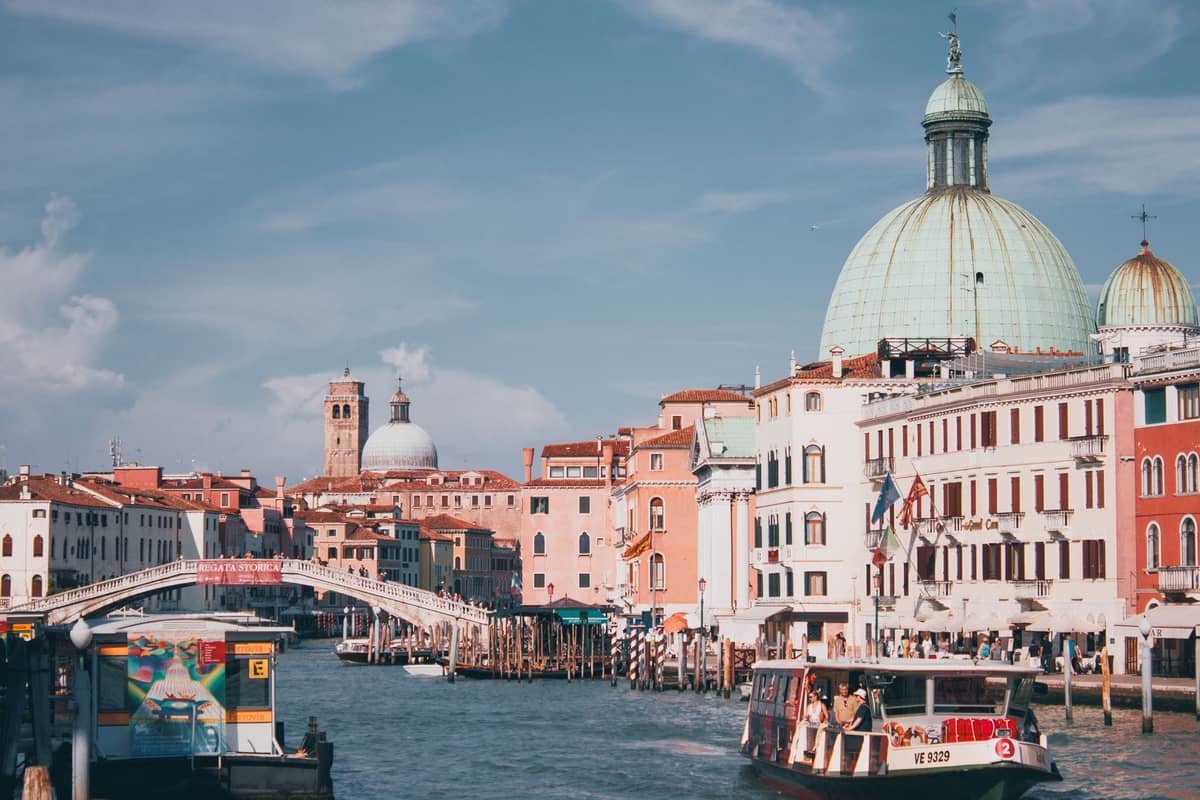
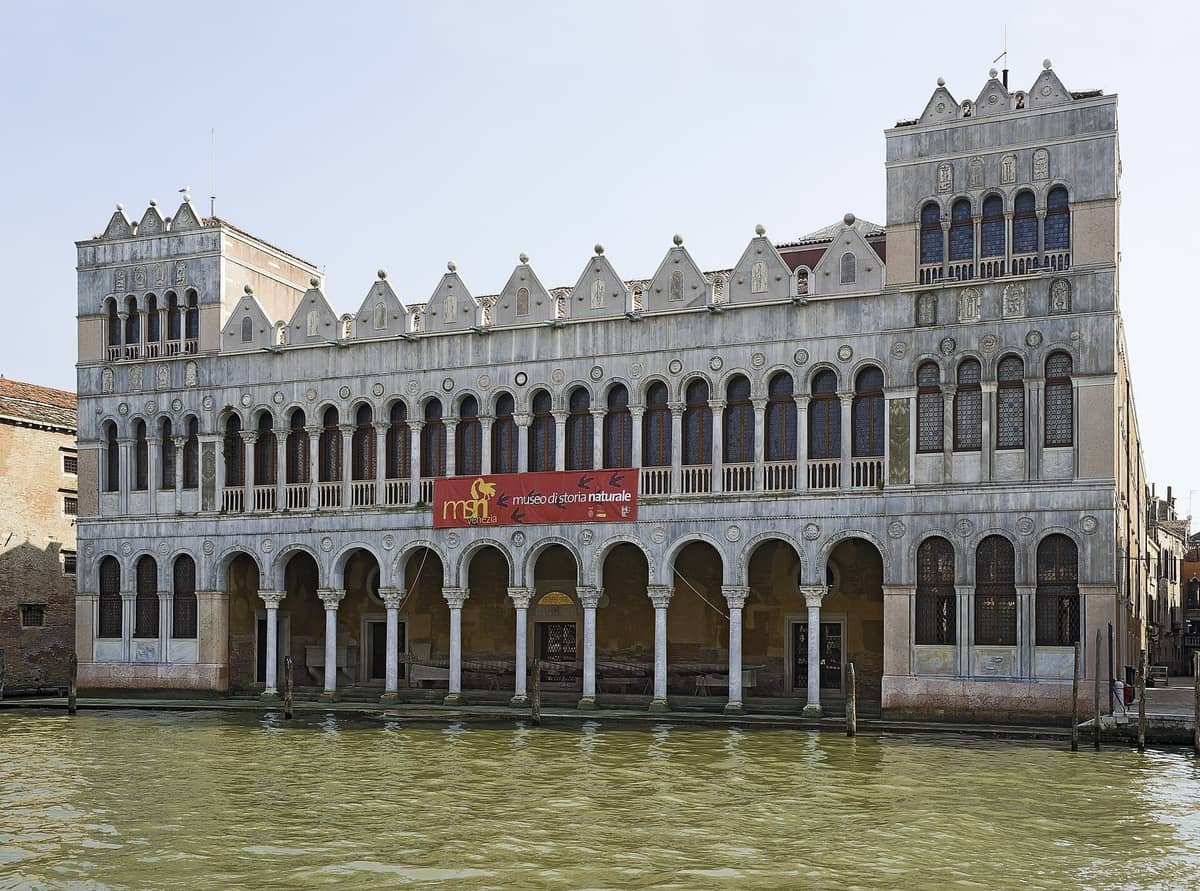
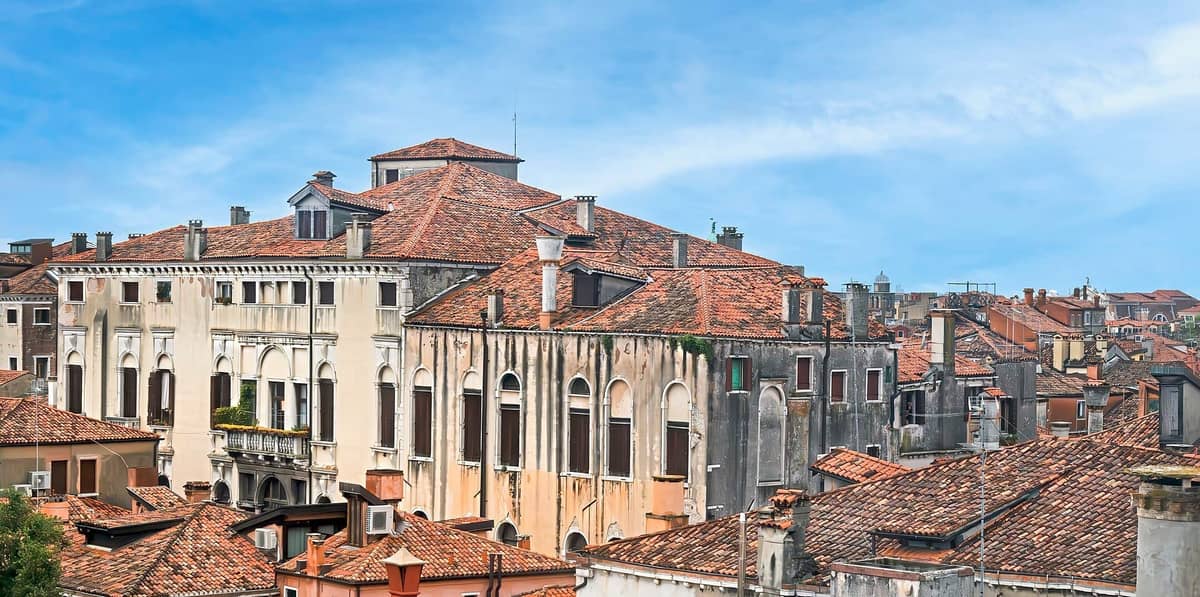
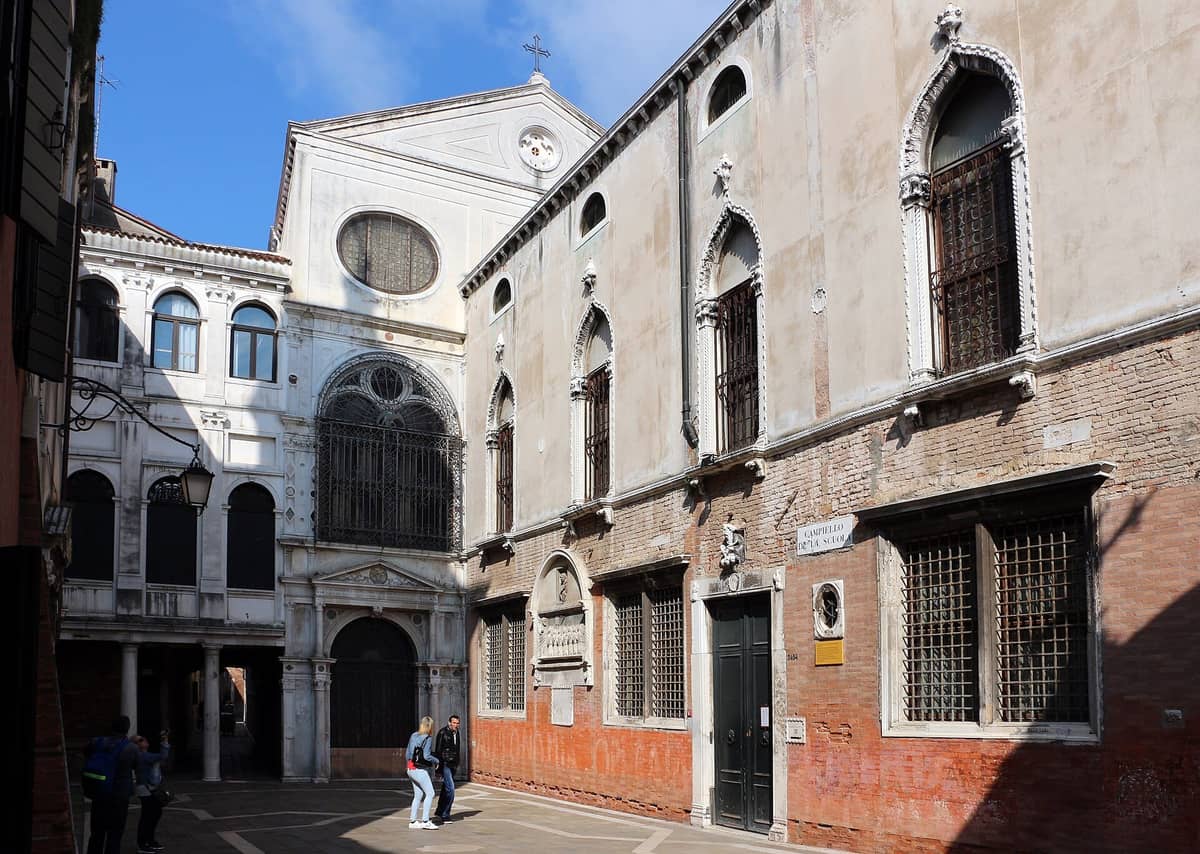
Santa Croce occupies the north-western curve of Venice's historic island city, stretching from the bus terminals and car parks of Piazzale Roma into a network of quiet residential calli that most visitors never reach. It is the only sestiere with road access, making it the literal entry point for millions of arrivals, yet its interior neighborhoods feel genuinely unhurried compared to San Marco or San Polo.
Santa Croce is where Venice begins for most visitors arriving by bus or car, but few linger long enough to discover what lies beyond Piazzale Roma. Push past the transport hub and you find a sestiere of ship-keel church ceilings, a world-class modern art museum on the Grand Canal, and campo squares where locals outnumber tourists by a comfortable margin.
Orientation
Santa Croce is one of Venice's six historic sestieri, wedged into the north-western section of the main island group. Its position within the city is defined by the upper arc of the Grand Canal, which sweeps along its northern and eastern edges. To the east and south-east, it borders San Polo, separated by a series of smaller canals including Rio di San Stae and Rio Marin. To the south lies Dorsoduro, and across the Grand Canal to the north sits Cannaregio.
What makes Santa Croce geographically unusual among the sestieri is its western edge, which extends all the way to the modern road and parking infrastructure at Piazzale Roma and the nearby Tronchetto island. This is the point where the Ponte della Libertà causeway delivers traffic from the Italian mainland into the historic city. Two bridges cross the Grand Canal from this end of the sestiere into Cannaregio: the stone Ponte degli Scalzi, which leads directly toward the Cannaregio sestiere and the Santa Lucia railway station, and the Ponte della Costituzione, the glass-and-steel footbridge designed by Santiago Calatrava that opened in 2008.
Think of Santa Croce as two distinct zones stitched together. The western portion is functional and transit-oriented: Piazzale Roma, the bus station, car parks, the People Mover automated shuttle to Tronchetto, and the Papadopoli Gardens, which offer the only significant green space in this part of the city. The eastern portion, further from the transport noise and closer to San Polo, is a quiet residential maze of narrow calli, low-traffic campi, and water frontage along the Grand Canal. This is where the sestiere earns its character.
Character and Atmosphere
Early mornings in the western part of Santa Croce carry the mechanical rhythms of a working transport hub. Buses idle at Piazzale Roma, luggage wheels clatter across the stone pavement, and the queues for vaporetto Line 1 and Line 2 start forming before 8am. There is nothing particularly atmospheric about it, but there is a certain honest utility: this is Venice doing the unglamorous work of receiving the outside world.
Walk ten minutes east along Fondamenta Rio Marin or through the calli that thread toward Campo San Giacomo dall'Orio and the city transforms. The sound drops. Pigeons replace crowds. Locals hang laundry from upper-floor windows. A bakery produces the smell of cornetti before 7:30am. Campo San Giacomo dall'Orio itself functions as a genuine neighborhood square: children play in the afternoons, elderly residents sit on the benches, and the bars around the perimeter serve coffee at the counter rather than charging table-side premiums. It is the kind of scene you could find in dozens of Italian cities, which is precisely what makes it feel so different from the San Marco orbit.
By midday, the area around Ca' Pesaro on the Grand Canal sees a modest flow of museum visitors, but nothing approaching the density of the Rialto or San Marco zones. Afternoons in the interior of Santa Croce have a slow, residential quality, with the golden light of the venetian sun finding its way into the narrowest calli around 4pm, turning the brick walls amber. After dark, the sestiere is quiet rather than lively. A few bacari (traditional wine bars) attract locals and in-the-know visitors, but Santa Croce is not an evening destination in the way that Dorsoduro's Campo Santa Margherita is.
💡 Local tip
If you arrive by bus from the airport or mainland, resist the pull of the vaporetto queue at Piazzale Roma. Walking east through Santa Croce toward the Rialto takes about 20-25 minutes and passes through the most authentic residential fabric of the sestiere. You will see the real city before you see the famous one.
What to See and Do
The anchor cultural institution in Santa Croce is Ca' Pesaro, a monumental baroque palace on the Grand Canal that houses the Galleria Internazionale d'Arte Moderna. The museum holds a serious collection of 19th and 20th-century art, including works acquired from the Venice Biennale over the decades, and the building itself, designed by Baldassare Longhena in the 17th century, is worth the visit for its Grand Canal facade alone. It sits close to the Ca' d'Oro vaporetto stop and can be combined naturally with a visit to the Ca' d'Oro across the canal in Cannaregio.
San Giacomo dall'Orio is the most significant church in the sestiere and one of the most rewarding in all of Venice for those willing to seek it out. Founded in the 9th century and rebuilt several times over the following centuries, it presents a patchwork of architectural periods: Romanesque foundations, a Gothic ship-keel ceiling, Byzantine columns recycled from earlier buildings, and Renaissance altarpieces. Unlike the famous Frari basilica nearby, this church rarely has queues.
San Zan Degolà (the Venetian dialect name for San Giovanni Decollato) on the eastern side of the sestiere is an early church with Venetian-Byzantine features and traces of medieval frescoes, making it one of the few places in Venice where you can see this level of early decoration in something approaching its original state. It tends to have irregular opening hours, so check locally before making a special trip.
Ca' Pesaro (Galleria Internazionale d'Arte Moderna) on the Grand Canal
San Giacomo dall'Orio: ship-keel ceiling and Renaissance paintings
San Zan Degolà: early Byzantine-influenced frescoes
Ponte della Costituzione (Calatrava Bridge): views along the Grand Canal toward the station
Papadopoli Gardens: small public park near Piazzale Roma, good for a quiet break
Campo San Giacomo dall'Orio: authentic neighborhood square, best in the afternoon
Grand Canal frontage along Fondamenta del Megio and Fondamenta San Simeon Piccolo
Because Santa Croce sits directly adjacent to San Polo, many of the major attractions associated with that sestiere are a short walk away. The Rialto Market and the Basilica dei Frari are both reachable in under 15 minutes on foot from the heart of Santa Croce, and the Scuola Grande di San Rocco is barely beyond the Frari. This proximity means staying in Santa Croce gives you genuine access to those heavyweight cultural sites without actually being surrounded by them.
Eating and Drinking
Santa Croce rewards the bacaro-style approach to eating that is one of the real pleasures of visiting Venice. Bacari are small, traditional wine bars that serve cicchetti, the Venetian equivalent of tapas: small portions of salt cod (baccalà mantecato), crostini with toppings, meatballs (polpette), sliced meats, and seasonal vegetables in marinade. They are designed for standing at the bar with a glass of house wine or a spritz. For more on this culinary tradition, the cicchetti guide for Venice covers the format in full.
The area around Campo San Giacomo dall'Orio has several bacari and trattorie that cater primarily to residents and workers rather than to tourists. Prices at the bar counter are noticeably lower than anything in the San Marco or Rialto tourist corridors. Look for the daily specials written on chalkboards rather than laminated menus with photographs, which generally indicates a kitchen oriented toward whatever the market produced that morning.
The Fondamenta Rio Marin, a canal-side walkway running through the eastern part of the sestiere, has a handful of small restaurants with outdoor seating along the water. This is a considerably more relaxed setting for an evening meal than the tourist-facing terraces along the Grand Canal, and the absence of gondola traffic means actual quiet. In terms of cuisine, expect Venetian seafood as the baseline: sarde in saor (sweet-sour marinated sardines), risotto di gò (goby fish risotto), and whatever the Rialto fishmongers brought in that day.
⚠️ What to skip
The immediate vicinity of Piazzale Roma is full of bars and quick-service restaurants aimed at transiting visitors. Quality is generally low and prices are disproportionately high for what you get. Walk at least five minutes east before stopping to eat or drink anything.
For a broader picture of what to eat across Venice, including which markets to visit and what to order in different settings, see the guide to what to eat in Venice.
Getting There and Around
Santa Croce is the primary entry point into Venice's historic island for anyone arriving by road. Buses from Venice Marco Polo Airport (operated by ACTV and other companies) terminate at Piazzale Roma, as do coaches from cities across Italy and Europe. If you arrive by car, Piazzale Roma is also where the road ends: the Ponte della Libertà causeway deposits you here, and cars go no further into the historic city. Multi-storey car parks operate at Piazzale Roma, though they are expensive for extended stays.
The Alilaguna water bus from Marco Polo Airport does not stop in Santa Croce itself but connects to points along the Grand Canal including San Stae, which is directly on the Grand Canal edge of the sestiere and served by the Line 1 vaporetto. Travelling from the airport by Alilaguna takes roughly 75-80 minutes to central stops, making it a scenic but slower option than the land bus.
The People Mover is an automated, elevated shuttle that connects Tronchetto (the large car park and cruise dock area on the western side of the sestiere) to Piazzale Roma. It is cheap and efficient, and the only mechanised transport within the island city apart from the vaporetti. From Piazzale Roma, vaporetto Line 1 runs the full length of the Grand Canal stopping at San Stae (for Ca' Pesaro and San Giacomo dall'Orio), then continuing east toward the Rialto and San Marco. Line 2 runs the same route but with fewer stops and faster journey times.
Walking is the primary way to explore Santa Croce's interior. The calli are narrow and occasionally confusing, especially in the residential blocks between Campo San Giacomo dall'Orio and Rio Marin. A general sense of direction is more useful than rigid map-following: keeping the Grand Canal to your north will orient you toward the wider canal-side thoroughfares, while moving south-east will take you toward the San Polo boundary and the Frari area. The crossing from Piazzale Roma to the Rialto on foot takes approximately 20-25 minutes at a relaxed pace.
ℹ️ Good to know
Venice has no metro. Movement within the historic island is either on foot or by vaporetto (water bus). The ACTV network operates vaporetti on the Grand Canal and several smaller canals. A single ACTV ticket covers 75 minutes of travel; multi-day passes offer better value for extended stays. Verify current fares on the official ACTV website before travel.
For a full breakdown of how to get around the city, including vaporetto line maps, gondola information, and walking strategies, see the guide to getting around Venice.
Where to Stay
Santa Croce offers a practical case for staying in Venice's historic centre without paying the San Marco premium. Hotels and guesthouses here tend to be smaller, often in converted palazzo buildings, and generally more reasonably priced than equivalent properties nearer Piazza San Marco. The trade-off is that the neighbourhood's quieter character after dark suits some travellers and not others.
The best part of Santa Croce to base yourself in is the eastern half of the sestiere, roughly the area between Campo San Giacomo dall'Orio and the Grand Canal frontage toward San Stae. This puts you within walking distance of both the San Polo monuments and the Grand Canal vaporetto stops, while keeping you away from the noise and foot traffic around Piazzale Roma. The immediate vicinity of Piazzale Roma itself is convenient for very early departures or late arrivals but has less appeal as a place to return to each evening.
Travellers who prioritize affordability and ease of access over being in the thick of things will find Santa Croce a sensible base. For a full comparison of accommodation options across all six sestieri, including price ranges and best areas by travel style, see the guide to where to stay in Venice.
Practical Notes and Honest Assessment
Santa Croce is not Venice at its most dramatic. There are no world-famous piazzas, no unmissable museums that belong on every first-timer's list, and no grand canal-side promenades that photograph like a postcard. What it offers is proportion: a sestiere where the tourist-to-resident ratio remains closer to human scale, where a coffee costs what a coffee should cost if you drink it at the bar, and where an afternoon walk produces genuine encounters with the domestic fabric of a city that is easy to see only in its monumental register.
The area around Piazzale Roma is the main drawback. It is noisy, characterless by Venice's standards, and the concentration of bus terminals, car parks, and fast-turnaround visitors produces an atmosphere that is completely at odds with the rest of the island city. Anyone staying near here should be prepared to walk past it rather than through it.
Santa Croce works best as a base for travellers who want to cover a range of the city's sestieri, including day trips to the lagoon islands. The vaporetto connections from San Stae and Piazzale Roma make it straightforward to reach Dorsoduro or the Zattere in one direction and the Cannaregio canals in the other, and the adjacent San Polo attractions are walkable. For a two or three day visit that tries to balance culture, food, and time away from the crowds, it is a sound choice.
If your trip is focused on the city's great set-pieces, Piazza San Marco, the Doge's Palace, the Accademia galleries, you might find Santa Croce slightly peripheral. In that case, consider San Marco or Dorsoduro as alternatives, both of which position you closer to the main cultural corridor. But if you have done Venice once before and want a different angle on the city, Santa Croce repays the investment.
TL;DR
Santa Croce is Venice's western gateway sestiere, covering the transit hub at Piazzale Roma and stretching east into quiet residential calli that most visitors never explore.
Key attractions include Ca' Pesaro (Galleria Internazionale d'Arte Moderna) on the Grand Canal and the medieval church of San Giacomo dall'Orio with its striking ship-keel ceiling.
The neighbourhood suits independent travellers who want lower prices, local atmosphere, and walking access to San Polo's major monuments without being surrounded by crowds.
Avoid eating or drinking in the immediate Piazzale Roma area; the bacari and trattorie around Campo San Giacomo dall'Orio offer significantly better value and quality.
First-time visitors focused exclusively on Venice's headline monuments may find it slightly peripheral, but for return visitors or those wanting a more residential experience, it is a practical and underrated base.
Two days in Venice is enough to cover the iconic highlights and still find quieter corners the crowds miss. This guide gives you a realistic, hour-by-hour framework for both days, practical transport advice, booking warnings, and honest takes on what is worth your time.
Three days is enough time to cover Venice's iconic landmarks, explore its quieter sestieri, and take at least one lagoon island trip. This itinerary is structured around the city's geography, vaporetto routes, and crowd patterns so you spend less time backtracking and more time actually seeing the city.
Acqua alta is Venice's famous tidal flooding, and it's far less dramatic than most visitors expect. This guide explains exactly what causes it, when it happens, how much of the city it actually affects, and what gear and forecasting tools will keep your trip on track.
Venice has well over 130 church buildings, and its greatest ones hold masterpieces by Titian, Tintoretto, Bellini, and Palladio that rival any museum. This guide covers the 13 best churches in Venice, from the unmissable to the quietly extraordinary.
Venice packs more world-class art and history into one city than almost anywhere else on earth. This guide covers the best museums in Venice, from Gothic palaces full of Tintoretto to intimate scuole with Carpaccio cycles, across every district and budget.
Venice looks different in every season, and the right time to visit depends entirely on what you're after. This guide breaks down weather, crowds, hotel prices, and major events month by month, so you can choose the visit that actually suits you.
Venice rewards those who know where to look. This guide covers the city's finest viewpoints, from soaring bell towers and climbable domes to iconic canal bridges and waterfront promenades, with practical tips on booking, timing, and what you'll actually see from each spot.
Cicchetti are Venice's answer to tapas, and the bacari that serve them are the city's most authentic social spaces. This guide covers what to order, where to go across every sestiere, what things cost, and how to plan a bacaro crawl that skips the tourist traps.
Venice rewards lingering, but its surroundings reward exploration. Whether you board a vaporetto for a lagoon island or a train toward the Veneto hills, a day away from the sestieri reveals a completely different side of this corner of northeastern Italy.
Venice doesn't have to drain your wallet. From sweeping Grand Canal viewpoints to Gothic churches packed with Tintorettos, many of the city's greatest experiences are completely free. This guide covers the best no-cost attractions, walks, markets, and island escapes across the lagoon.
Venice operates on a completely different logic from any other city. There are no cars, no taxis, no metro. Getting around means walking across 438 bridges and navigating canals by water bus, private boat, or gondola ferry. This guide explains every option clearly, with real costs and practical advice.
Gondola rides in Venice are regulated by the city, with fixed fares per boat — not per person. This guide breaks down current prices, the best stations to board, what routes actually cover, and the myths that cost tourists money.
Venice rewards the curious traveler who wanders past the obvious landmarks. This guide collects the city's most rewarding under-the-radar sights, from a Carpaccio cycle hidden in Castello to a working gondola boatyard in Dorsoduro and a ghost island in the northern lagoon.
Venice is one of the most debated destinations in travel. Built on 118 islands, UNESCO-listed, and unlike anywhere else on earth, it also attracts millions of visitors a year and charges a day-tripper access fee. This guide cuts through the hype to tell you exactly what Venice delivers, what it does not, and how to make a visit that is genuinely worth the effort.
Venice rewards those who spend well. This guide covers where to stay, how to move, what to eat, and which experiences justify the premium price tag — along with honest warnings about where the luxury label is oversold.
Venice is the city most couples imagine before they arrive, and one of the few that actually delivers. This guide covers the best romantic experiences, the ideal seasons, practical logistics, and honest advice on what lives up to the hype, and what does not.
Venice is unlike any other city in the world, built on 118 islands linked by 438 bridges in a lagoon recognized as a UNESCO World Heritage site. This guide covers the essential things to do in Venice, from the iconic to the overlooked, with practical details on transport, costs, and timing to help you make the most of every hour.
The Venice Biennale is one of the world's most significant contemporary art events, spreading across two major venues and dozens of city locations. This guide covers the 2026 Art Biennale dates, ticket options, what to expect at each venue, and the practical details that make the difference between a rushed visit and a memorable one.
Venice Carnival (Carnevale di Venezia) runs for roughly two weeks before Lent, drawing around 3 million visitors for elaborate costumes, masquerade balls, and free public events. This guide covers the 2026 dates, practical logistics, what things actually cost, and how to get the most from the experience without being overwhelmed.
The Venice International Film Festival is the world's oldest film festival and, crucially, it's open to the public. This guide covers everything from buying tickets and reaching the Lido to navigating the festival grounds and setting realistic expectations about red carpets and celebrity sightings.
Summer brings Venice to its most intense: scorching heat, record crowds, and prices to match. This guide cuts through the noise with practical strategies for timing, booking, staying cool, and finding breathing room in Italy's most visited city.
Winter is one of the most rewarding times to visit Venice. Crowds thin out, prices drop significantly, and the city takes on a moody, atmospheric quality that summer visitors never see. This guide covers weather, acqua alta, Carnival, costs, and everything else you need to plan a winter trip.
The Venetian Lagoon holds far more than Venice itself. This guide covers every island worth visiting, from Murano's glass furnaces and Burano's painted houses to ancient Torcello, the Lido's beaches, and the quiet agricultural island of Sant'Erasmo.
Venice has a reputation for draining wallets fast, but the reality is more nuanced. With the right timing, a few local habits, and some strategic planning, you can experience one of the world's great cities for far less than you'd expect. This guide breaks down exactly where the money goes and how to keep it in your pocket.
Venice rewards shoppers who know where to look. This guide covers the city's best authentic buys, from Murano glass and Carnevale masks to artisan paper goods and gourmet specialties, along with the neighborhoods and markets where locals and savvy visitors actually spend their money.
Venice is one of the world's most walkable cities, built on 120 islands connected by around 430 bridges with no cars in sight. This guide covers the best self-guided walking routes by district, the ideal times to walk, what to skip, and how to explore beyond St. Mark's Square.
Venice with kids is more manageable than most parents expect. This guide covers everything families need: getting around by vaporetto, the best kid-friendly attractions, seasonal timing, safety on the canals, and how to keep the trip fun without exhausting everyone.
Venetian cuisine is one of Italy's most distinctive regional traditions, built on lagoon seafood, rice, polenta, and centuries of spice trade. This guide covers the essential dishes, where to find them, what to pay, and how to eat like a local rather than a tourist.
Venice's six historic districts each offer a completely different experience. This guide breaks down exactly where to stay in Venice based on your budget, travel style, and priorities — with honest trade-offs, realistic price ranges, and practical booking advice.