Shopping in Venice: What to Buy & Where (The Complete Guide)
Venice rewards shoppers who know where to look. This guide covers the city's best authentic buys, from Murano glass and Carnevale masks to artisan paper goods and gourmet specialties, along with the neighborhoods and markets where locals and savvy visitors actually spend their money.
Plan and book this trip
Tools from our partner Travelpayouts help you compare flights and hotels. If you book through them, we may earn a commission at no extra cost to you.
Flights
Hotels map
TL;DR
- The best authentic purchases in Venice are Murano glass, handmade Carnevale masks, Burano lace, marbled paper goods, and local gourmet products.
- The main shopping corridors are Le Mercerie (Rialto to San Marco) and Calle Larga XXII Marzo for mainstream and luxury brands, while Dorsoduro and Cannaregio offer better artisan options with fewer crowds.
- Most cheap 'Venetian' souvenirs near Rialto and San Marco are imported. Look for the Vetro Artistico® Murano trademark on glass and buy masks only from workshops that let you watch the process.
- For a full island shopping detour, the Venice lagoon islands of Murano and Burano are worth a half-day each, not just for what you buy but for seeing craft in action.
- Avoid shopping on public holidays and peak summer days when even neighborhood streets get congested. Morning visits before 10:00 give you space and, sometimes, better service.
What Makes Shopping in Venice Different
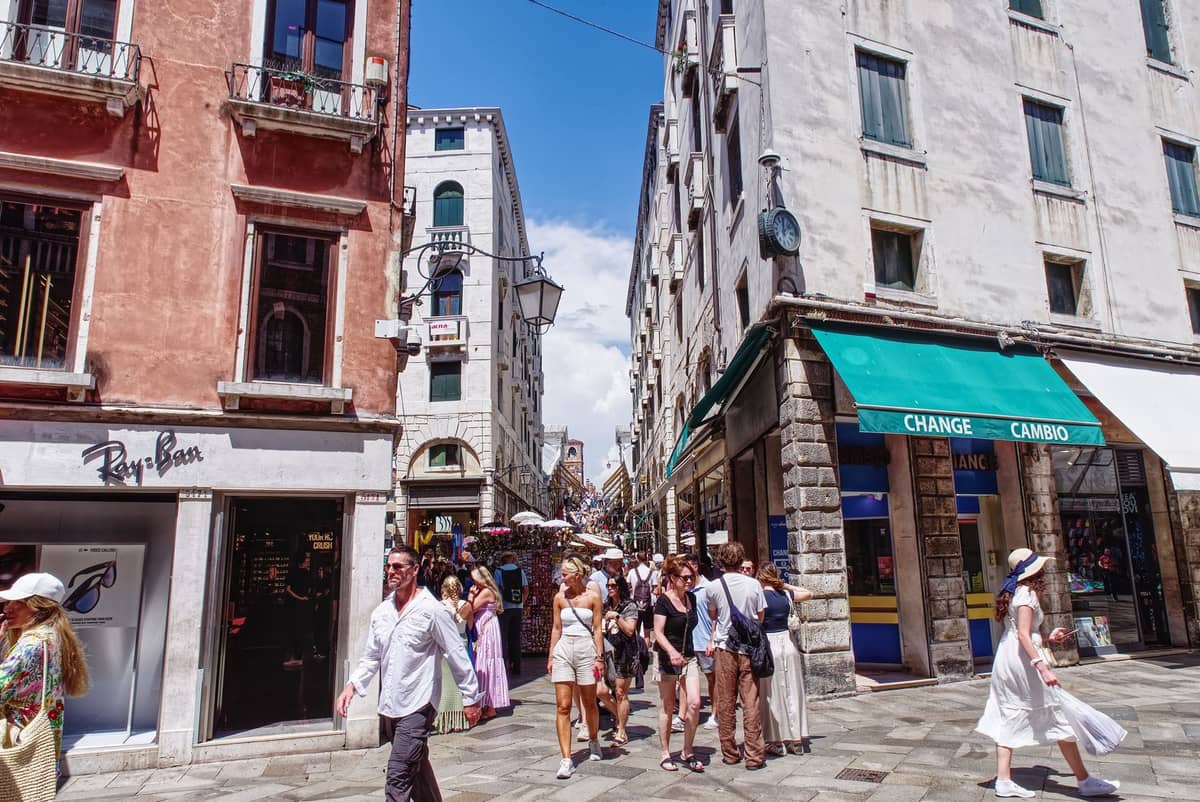
Shopping in Venice is not like shopping anywhere else in Italy. There are almost no large department stores inside the historic centre, no car parks, no out-of-town retail parks. Everything happens on foot, across bridges, and through narrow calli. That constraint is also what makes it interesting: the city has developed craft traditions over centuries precisely because its isolation forced artisans to refine what could be made locally. Murano glassblowers, Burano lacemakers, and Venice's own paper and mask workshops are not romantic inventions for tourists. They grew out of real economic and geographic necessity.
The downside is that tourism has created enormous pressure on those same crafts. Cheap imported masks fill the stalls near Rialto. Machine-made 'Burano lace' is sold openly in souvenir shops. Knowing the difference between a genuine workshop piece and a produced-in-China replica is the single most important skill a shopper can bring to Venice. This guide tells you where to find the real thing, what to pay, and which categories are simply not worth buying in this city.
⚠️ What to skip
The closer you are to Piazza San Marco and the Rialto Bridge, the higher the concentration of imported, mass-produced souvenirs. Price alone is not a reliable guide to authenticity. A €30 mask near the Rialto may be no more Venetian than one sold at an airport. If a shop cannot tell you who made the piece or where, walk away.
The Essential Buys: What Venice Actually Does Well
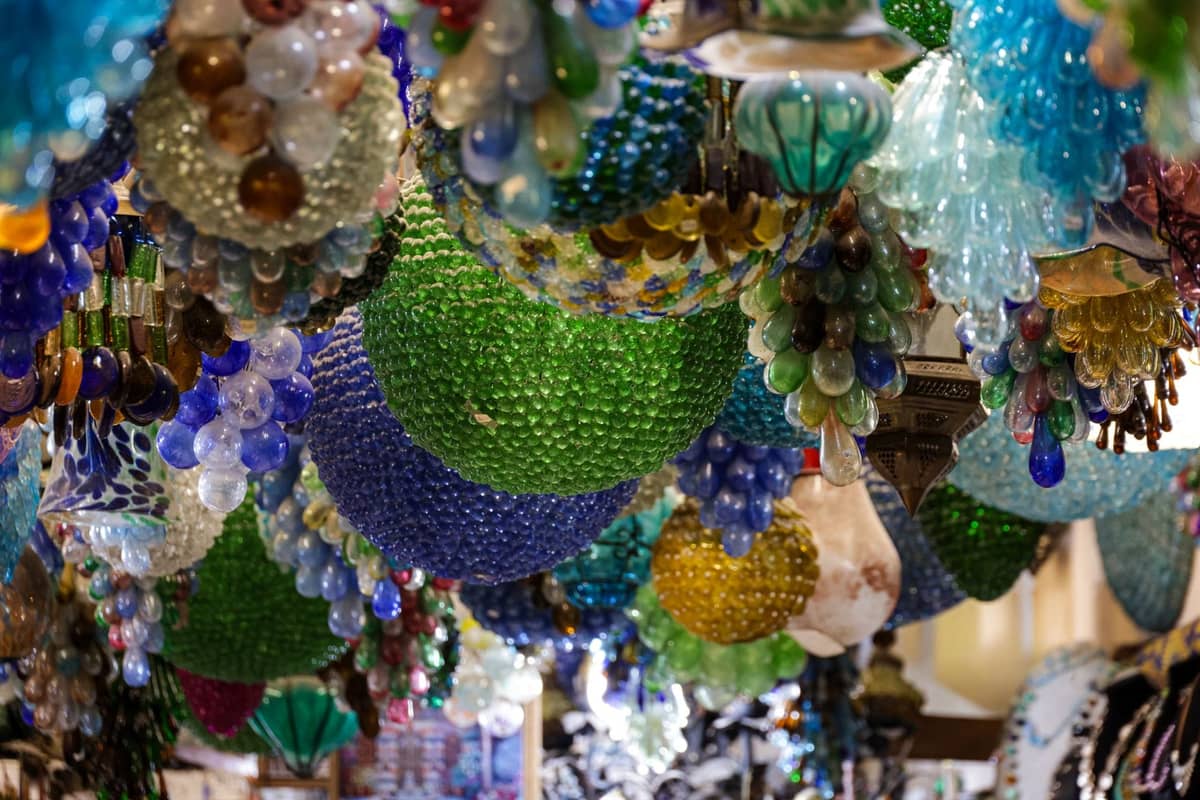
Murano glass is the category where Venice has the strongest claim to world-class artisanship. The island of Murano, a short vaporetto ride north of the historic centre, has been the principal centre of Venetian glassmaking since 1291, when the Republic of Venice relocated most glassblowers there (partly to reduce fire risk in the city, partly to control the export of techniques). Today, the Vetro Artistico® Murano trademark is the government-registered label that guarantees a piece was made on Murano using traditional methods. Look for it on the label or ask for the certificate. If a shop cannot produce it, the piece may be Murano-style but not Murano-made.
If you want to understand what you are buying before you spend, the Glass Museum on Murano gives context on the history and technique of the craft, which makes it much easier to judge quality in the showrooms. For the showrooms themselves, the ones attached to active fornaci (furnaces) where you can watch glassblowing are generally more trustworthy than standalone retail shops. Prices range from a few euros for small beads to thousands for large sculptures. A well-made wine glass or small vase typically costs €25-80 from a reputable maker.
- Murano Glass Buy from Vetro Artistico® Murano certified workshops on the island itself. Avoid anything branded 'Murano-style' in central Venice tourist shops. Budget €25-80 for quality small pieces.
- Venetian Masks Genuine handmade masks in papier-mâché or leather are made by a handful of active mascherari (mask-makers). Shops that let you see the work in progress are the ones to trust. Expect to pay €30-150+ for a real workshop piece.
- Burano Lace Authentic handmade Burano lace (punto in aria, punto a groppo) takes hours per centimetre and is correspondingly expensive. A small handkerchief or collar costs €50-200+. Anything priced at €5-10 is machine-made or imported. The Lace Museum in Burano has examples that help calibrate your eye.
- Marbled Paper Goods Carta marmorizzata is Venice's great underrated craft. Notebooks, journals, and stationery with hand-marbled paper make practical, genuinely local gifts. Shops in Dorsoduro and around the Frari tend to have better quality than those near San Marco. Expect €8-30 for notebooks.
- Gourmet Venetian Products Regional wines (Soave, Amarone, Prosecco), dried pasta in unusual shapes, risotto rice, and traditional sweets like baicoli biscuits or zaleti (cornmeal cookies) travel well and are authentically local. Antica Drogheria Mascari in San Polo is the benchmark for quality and range.
Leather goods are worth mentioning separately. Venice has no equivalent leather tradition to Florence, and most 'Venetian leather' bags and wallets sold near the main tourist routes are generic Italian imports. If leather is your priority, Florence is the better destination. That said, a few independent designers in San Polo and Dorsoduro produce genuinely interesting work, and Venice's strong Carnevale connection means hand-tooled leather masks and accessories are a legitimate local specialty worth seeking out.
Where to Shop: Neighborhoods and Streets
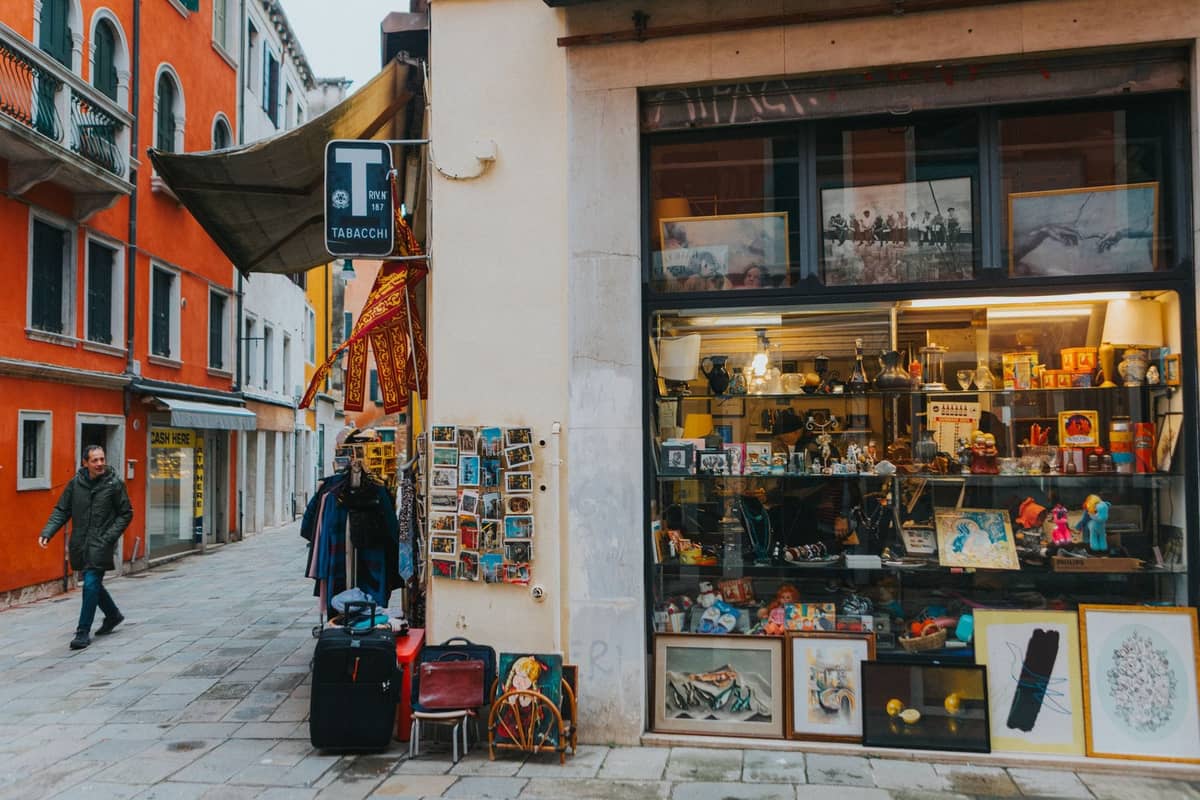
Venice's six sestieri each have a distinct shopping character. Understanding which area serves which purpose saves time and frustration.
Le Mercerie is the historic commercial spine of Venice, running from the clock tower at Piazza San Marco through to the Rialto Bridge. It has been a shopping street since the medieval period and today mixes fashion boutiques, jewelry, and souvenir shops. It is convenient and central, but not the place for artisan goods. Calle Larga XXII Marzo, running west from San Marco, concentrates luxury fashion brands: Prada, Gucci, Bottega Veneta, and comparable names. If high-end Italian fashion is your goal, this is the street.
For a more rewarding, less congested experience, Dorsoduro is the sestiere to explore. The streets around Campo Santa Margherita and Rio Terrà Canal have independent bookshops, paper workshops, design studios, and small wine bars where locals genuinely eat and drink. Dorsoduro's student population, centred on the Ca' Foscari university, keeps the area commercially grounded in a way that San Marco is not.
Cannaregio offers a similar dynamic in the northern part of the city. The streets around the Jewish Ghetto include specialist food shops, kosher bakeries, and bookshops with genuine historical depth. Strada Nova, the main pedestrian route through Cannaregio, is busy but mixes tourist shops with everyday Venetian commerce in a proportion that feels more authentic than the San Marco zone.
The area around the Rialto Market deserves its own mention. The fish market (Pescheria) and produce market (Erberia) are not shopping destinations for souvenirs, but they are where Venetian cooks buy food, and picking up a small selection of local spices, dried pasta, or jarred goods from the stalls and adjacent delis is one of the most genuinely local things you can do. The market runs Tuesday through Saturday mornings, and by midday the best produce is gone.
💡 Local tip
The Rialto market area on a Tuesday or Wednesday morning, before the tour groups arrive around 10:30, is worth experiencing purely for atmosphere. Even if you buy nothing, watching the fishmongers work through the catch gives the city a sense of daily life that the monument route rarely does.
Shopping on the Islands: Murano and Burano
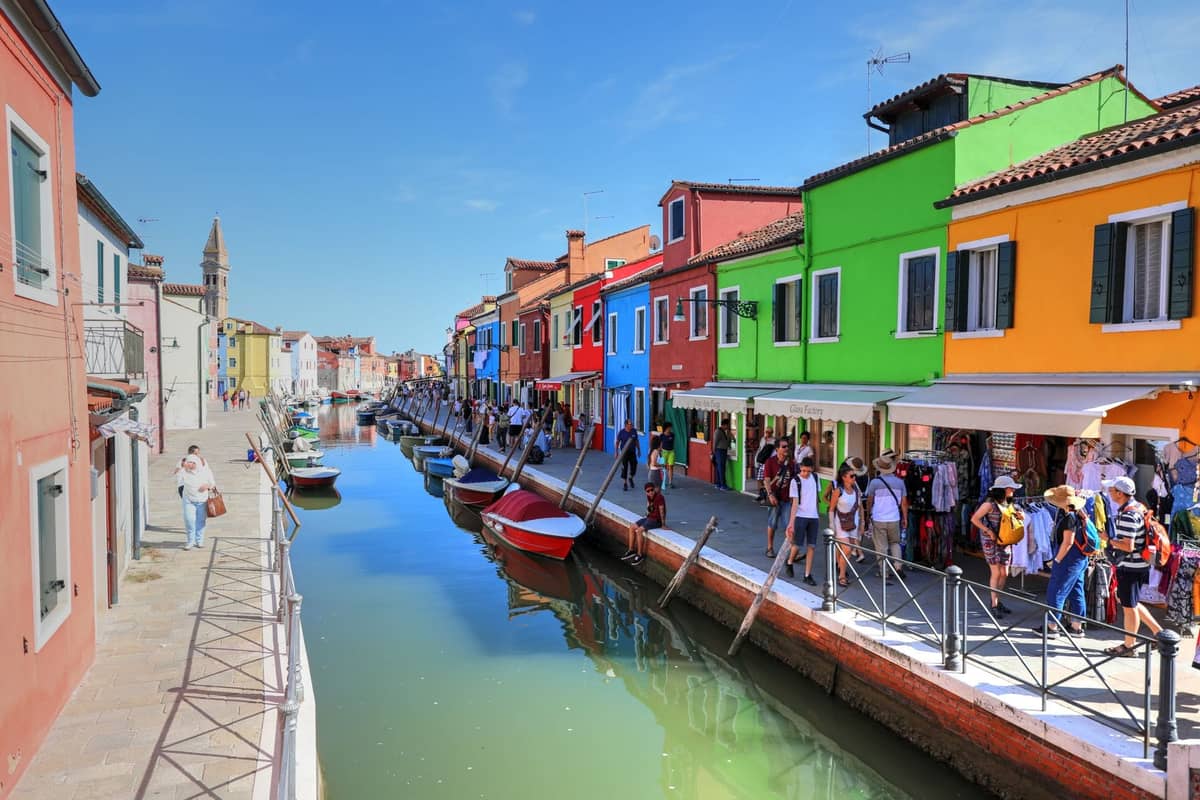
Both Murano's glass workshops and Burano's lace tradition are worth a dedicated trip rather than a rushed stop. Murano is 15-20 minutes by vaporetto from Fondamente Nove; Burano is roughly 40-45 minutes from the same stop (or via Murano). Combining both in a single day is possible but pressured. If you care about actually understanding what you are buying, give each island a half-day.
On Murano, the Fondamenta dei Vetrai is the main street lined with glass showrooms. Quality varies considerably. The attached fornaci, where you can watch molten glass being shaped, are a useful indicator of seriousness: a working furnace requires investment and expertise that pure retail shops do not. Prices in the workshops are sometimes negotiable, particularly for larger pieces, though pushing too hard on price is counterproductive in small, family-run operations. For context before visiting, the Glass Museum near Palazzo Giustinian is worth 45 minutes of your time.
Burano is famous for its coloured houses and for handmade lace, but the honest reality is that the lacemaking tradition is nearly extinct as a living craft. The elderly women who still practice punto in aria are few, and their work commands high prices that reflect the time involved. The Lace Museum documents the technique and is genuinely educational. Most of the 'lace' sold commercially on Burano is machine-made or imported from Asia. If you see it priced at under €20 for anything substantial, it is not handmade. Handmade Burano lace is one of the most expensive crafts you can buy in Italy, which is precisely why so little of it is actually sold.
✨ Pro tip
On Murano, avoid the free 'water taxi' transfer services offered near the main vaporetto stops. These are organised by specific showrooms who expect you to attend a high-pressure sales demonstration. Take the regular ACTV vaporetto instead and arrive on your own terms.
Gourmet Shopping: Edible Venice
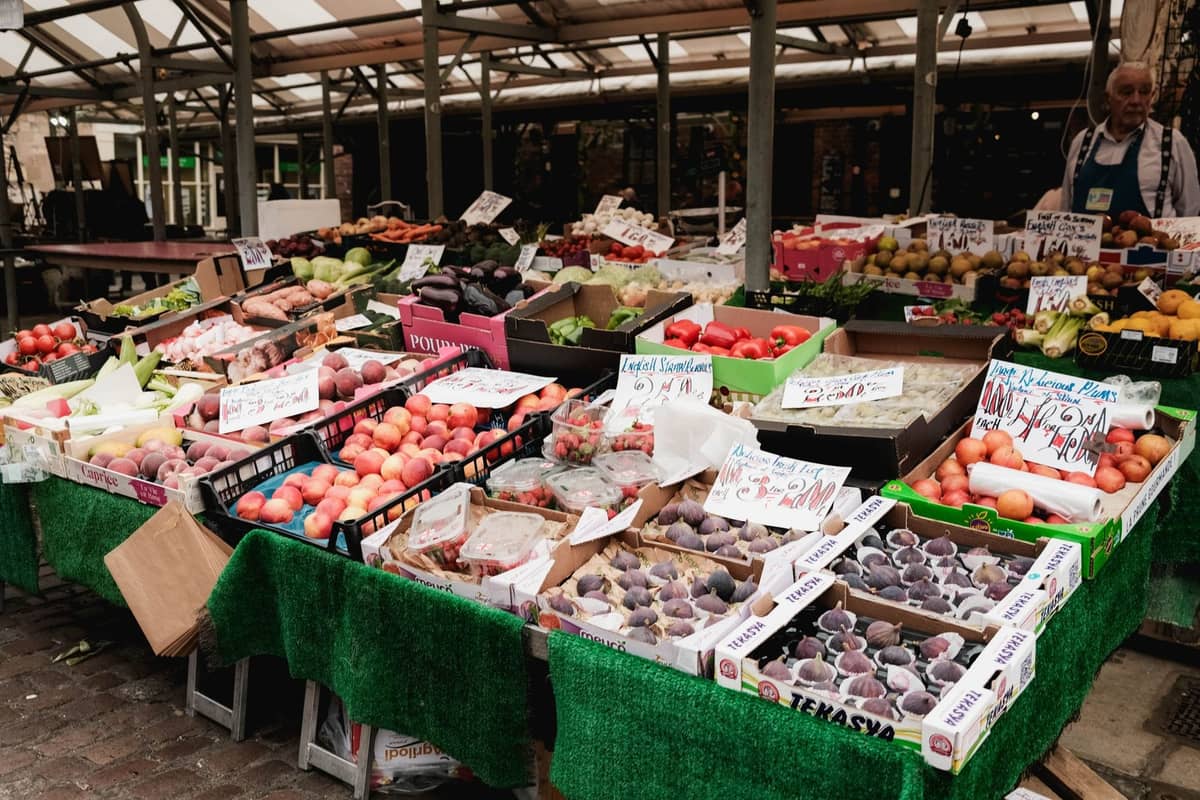
Food and drink are among the most practical and genuinely local things to buy in Venice. The Veneto region produces some of Italy's most respected wines, and local food traditions include preserved fish, unusual pasta formats, rice, and a range of sweets with roots in the city's spice-trading past.
Antica Drogheria Mascari, located in the calle des Spezieri near the Rialto Market in San Polo, is the single best stop for gourmet provisions. It has been operating since 1948 and stocks an exceptional range of Venetian and Veneto regional products: sfusi wines by the bottle, dried pasta, polenta flour, rice varieties, spices, pickled fish, dried fruit, and local sweets. The shop is small and often busy, but the staff are knowledgeable. This is where serious cooks and food-focused visitors should spend time and money.
- Wines: Soave, Amarone della Valpolicella, Valpolicella Ripasso, and Prosecco DOC are all regional and travel well.
- Baccalà mantecato: salt cod is central to Venetian cuisine, but as a fresh preparation it does not travel. Instead, buy dried baccalà or stockfish from a deli for cooking at home.
- Baicoli: thin, dry Venetian biscuits traditionally dunked in wine or zabaione. Packaged versions are shelf-stable and make good gifts.
- Sarde in saor ingredients: sweet-and-sour sardine preparation is a Venetian classic. Jars of the prepared dish or the individual ingredients (pine nuts, raisins, onions in oil) are available in good delis.
- Cicchetti-friendly provisions: small jars of local anchovies, pickled vegetables, and spreads replicate the bar snack culture of Venice at home.
If gourmet food is a central interest, the cicchetti bar culture of Venice provides a useful window into what the city actually eats. Tasting before buying is easy and makes the food shopping more meaningful.
Practical Tips: Timing, Tax Refunds, and What to Skip
The best times to shop in Venice are weekday mornings before 10:30 and the shoulder seasons of March-April and October-November. August and the Carnevale period in February bring the heaviest crowds; the Rialto and San Marco areas become genuinely difficult to navigate, and some smaller workshops close in the August heat. Winter, particularly January, sees many artisan shops at their quietest and most welcoming, and the reduced tourist pressure means you are more likely to get actual conversation with makers rather than a transactional exchange.
Non-EU visitors are entitled to a VAT refund (IVA rimborso) on purchases over €154.95 from participating retailers. Look for the 'Tax Free' sign in shop windows. The retailer completes a form at the point of sale; you present this with your passport and goods at customs on departure. At Venice Marco Polo Airport, there are specific VAT refund counters. This is worth doing for high-value glass, jewelry, or fashion purchases, where the refund can be significant.
- Skip: generic Venetian masks in tourist shops near Rialto (almost certainly imported).
- Skip: gondola-shaped anything (bottle openers, pasta, magnets) unless you are buying purely for irony.
- Skip: 'Burano lace' under €20 (machine-made or imported).
- Skip: leather goods marketed as Venetian without a clear workshop provenance (Florence is the better leather destination).
- Worth it: certified Murano glass from a working furnace.
- Worth it: handmade marbled paper notebooks from Dorsoduro artisan shops.
- Worth it: Veneto wines and gourmet provisions from Drogheria Mascari.
- Worth it: a properly made mask from a mascheraro who can explain the construction.
ℹ️ Good to know
Venice introduced a day visitor access fee (contributo di accesso) for the historic centre on selected high-demand days. As of 2026, this applies on specific dates with defined hours. The fee and its conditions are subject to change, so check the official portal (cda.ve.it) before your visit, particularly if you plan to arrive early for market shopping on a weekend in peak season.
For a broader sense of how shopping fits into a full visit, the things to do in Venice guide maps out how to structure your days so that market visits, island trips, and artisan-quarter browsing sit alongside the major sights without turning the trip into a logistics exercise.
FAQ
How do I know if Murano glass is authentic?
Look for the Vetro Artistico® Murano trademark, a registered certification that guarantees the piece was made on Murano using traditional techniques. Reputable sellers can produce a certificate or show the label attached to the piece. Buying directly from a workshop with an active furnace on Murano is the safest approach. Pieces sold in central Venice tourist shops without this certification may be 'Murano-style' but are not verified Murano-made.
What is the best area for shopping in Venice away from the tourist crowds?
Dorsoduro and Cannaregio consistently offer better artisan shops, independent boutiques, and food stores with fewer tourists and more competitive prices. The streets around Campo Santa Margherita in Dorsoduro and the Strada Nova in Cannaregio both mix everyday Venetian commerce with genuinely interesting independent shops. The Rialto Market area in San Polo is also worth a morning visit for food provisions.
Is Burano lace worth buying, and how can I tell if it is handmade?
Genuine handmade Burano lace (punto in aria) is extremely labour-intensive and priced accordingly. A small handmade piece will cost €50 or more; anything priced much lower is almost certainly machine-made or imported. The Lace Museum on Burano shows examples of authentic work and can help calibrate your eye before you shop. Ask sellers to explain the stitch pattern and origin of the piece: genuine lacemakers can describe the technique in detail.
Can I get a tax refund on shopping in Venice?
Yes, non-EU visitors are eligible for a VAT refund (IVA rimborso) on purchases of €154.94 or more from participating shops. The retailer completes a tax-free form at the time of purchase. You present this with your passport and unopened goods at the customs desk on departure, typically at Venice Marco Polo Airport. The refund percentage varies but can be meaningful on high-value purchases like glass or jewelry.
What are the best food souvenirs to bring back from Venice?
Shelf-stable options that travel well include Veneto wines (Amarone, Soave, Prosecco), dried baicoli biscuits, dried pasta in unusual shapes, polenta flour, and small jars of anchovy paste or local preserves. Antica Drogheria Mascari in San Polo is the best single stop for high-quality versions of all of these. Avoid buying fresh cicchetti or prepared fish dishes as travel items; they are designed to be eaten on the spot.