Dorsoduro occupies the southern arc of Venice's historic island, stretching between the Grand Canal and the Giudecca Canal. It holds the city's densest concentration of art institutions outside San Marco, alongside a university, student-friendly bars, and the long waterfront promenade of the Zattere. It is one of the few sestieri that feels genuinely lived-in, even at the height of tourist season.
Dorsoduro is where Venice's art world and everyday life overlap most naturally. The sestiere runs along the southern curve of the historic island, anchored by the Gallerie dell'Accademia, the Peggy Guggenheim Collection, and the Baroque dome of Santa Maria della Salute, yet its backstreets and campo squares carry a rhythm that belongs to students and residents as much as visitors.
Orientation
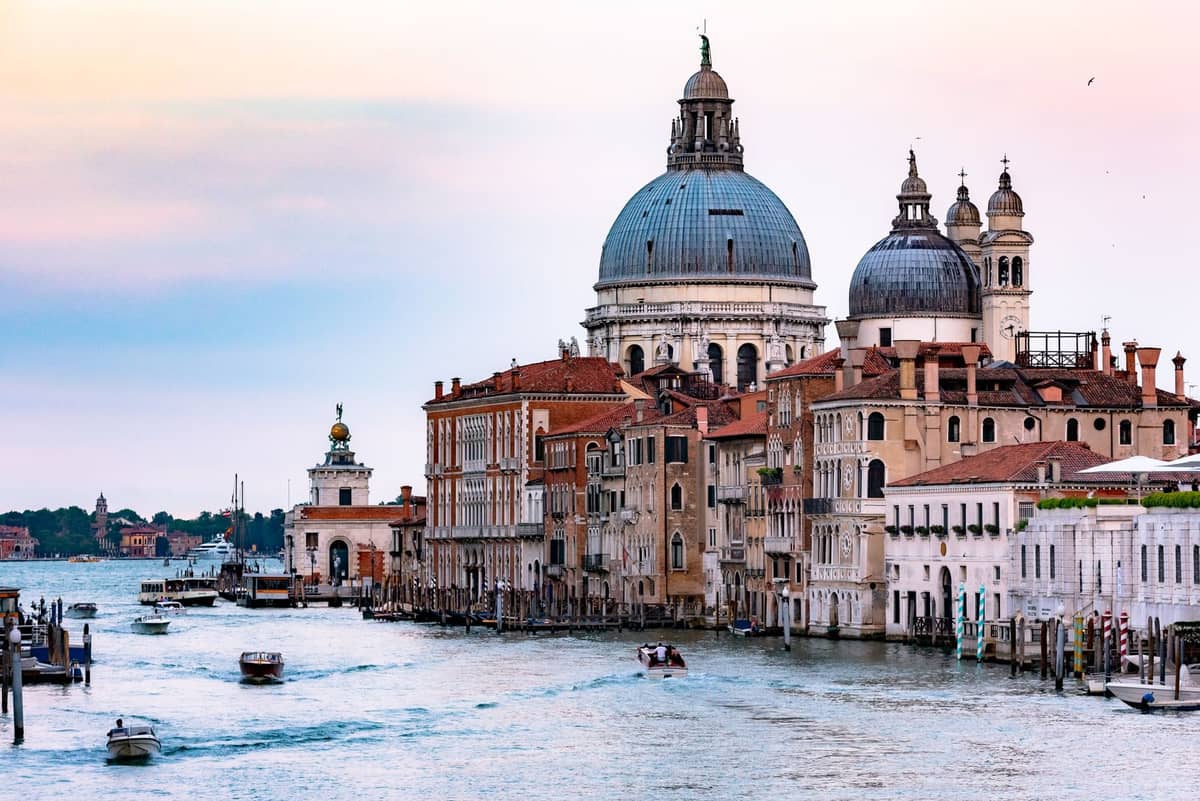
Dorsoduro is one of Venice's six historic sestieri, and it sits at the southern end of the historic city. The Grand Canal forms its northern boundary, separating it from San Polo and Santa Croce across the water. To the south, the Giudecca Canal divides Dorsoduro from the long island of Giudecca, which falls within the same sestiere administratively but feels like a separate world. The eastern tip of Dorsoduro, where the Grand Canal meets the Giudecca Canal, is one of the most recognizable points in Venice, marked by the white dome of Santa Maria della Salute.
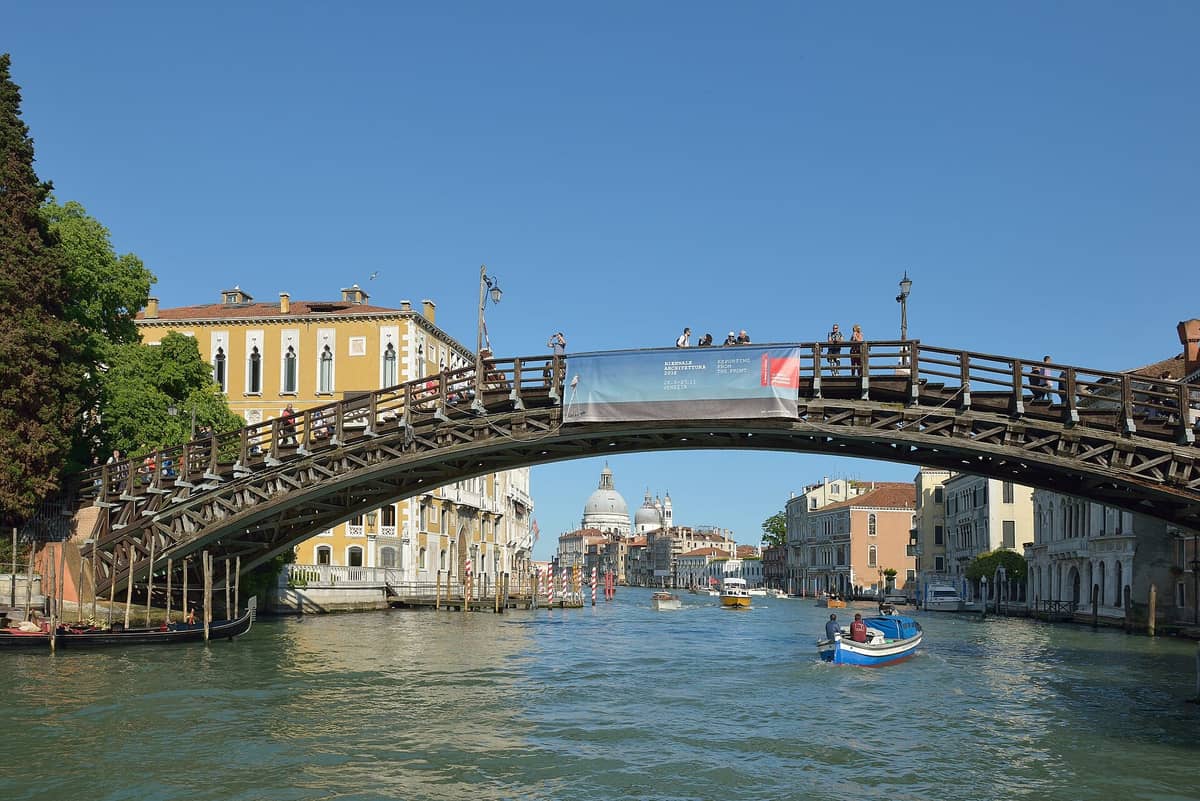
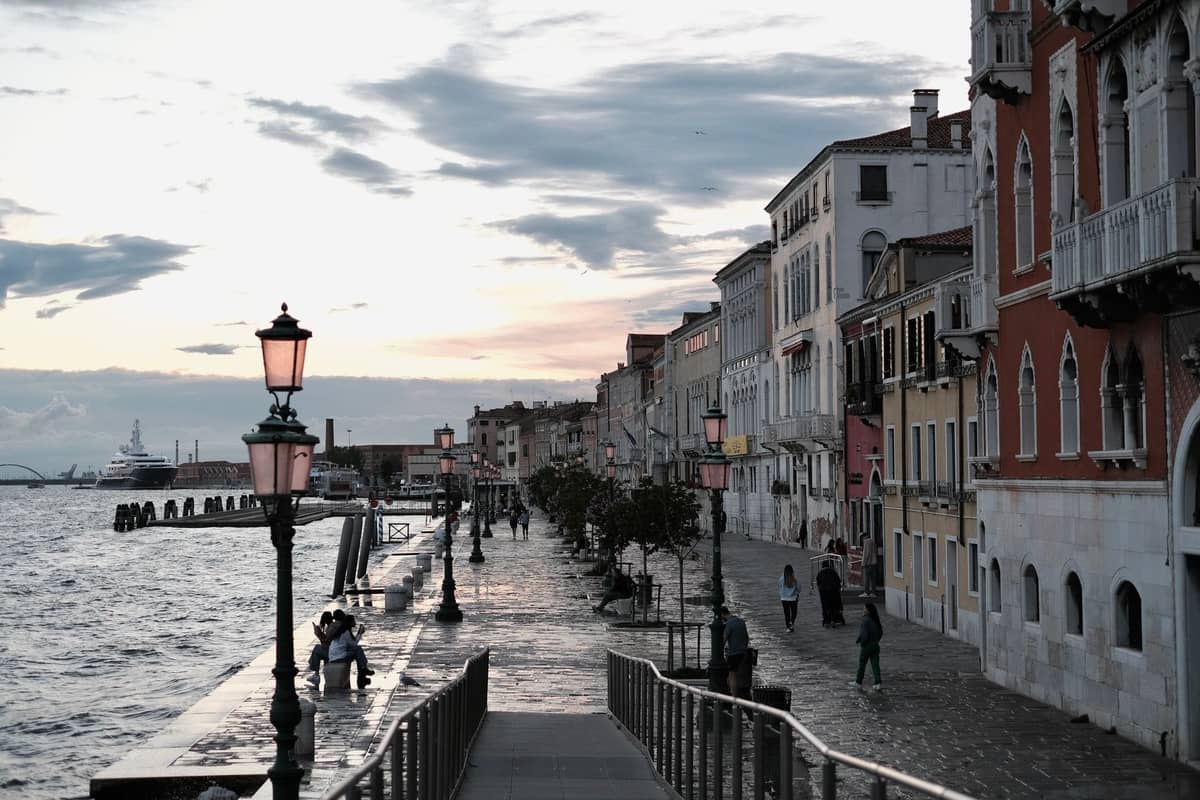
The Ponte dell'Accademia, one of only four bridges spanning the Grand Canal, connects Dorsoduro to the San Marco sestiere to the east. Walking west from the Accademia bridge, the neighborhood gradually shifts from museum-heavy waterfront to quieter residential streets around Ca' Foscari University and eventually reaches the rail and bus connections at Piazzale Roma, which belongs to neighboring Santa Croce. The Zattere, a broad promenade along the Giudecca Canal, runs the entire southern length of the sestiere, giving the area an unusually generous sense of open water and sky.
The name Dorsoduro translates roughly as 'hard back' or 'hard bone', a reference to the relatively elevated, firm ground on which this part of Venice was built. That geological stability made it one of the earliest parts of the island to be settled, and it accounts for some of the neighborhood's larger and more solid palazzi. For a wider picture of how Dorsoduro fits alongside the other sestieri, the where to stay in Venice guide compares all the main areas across the city.
Character & Atmosphere
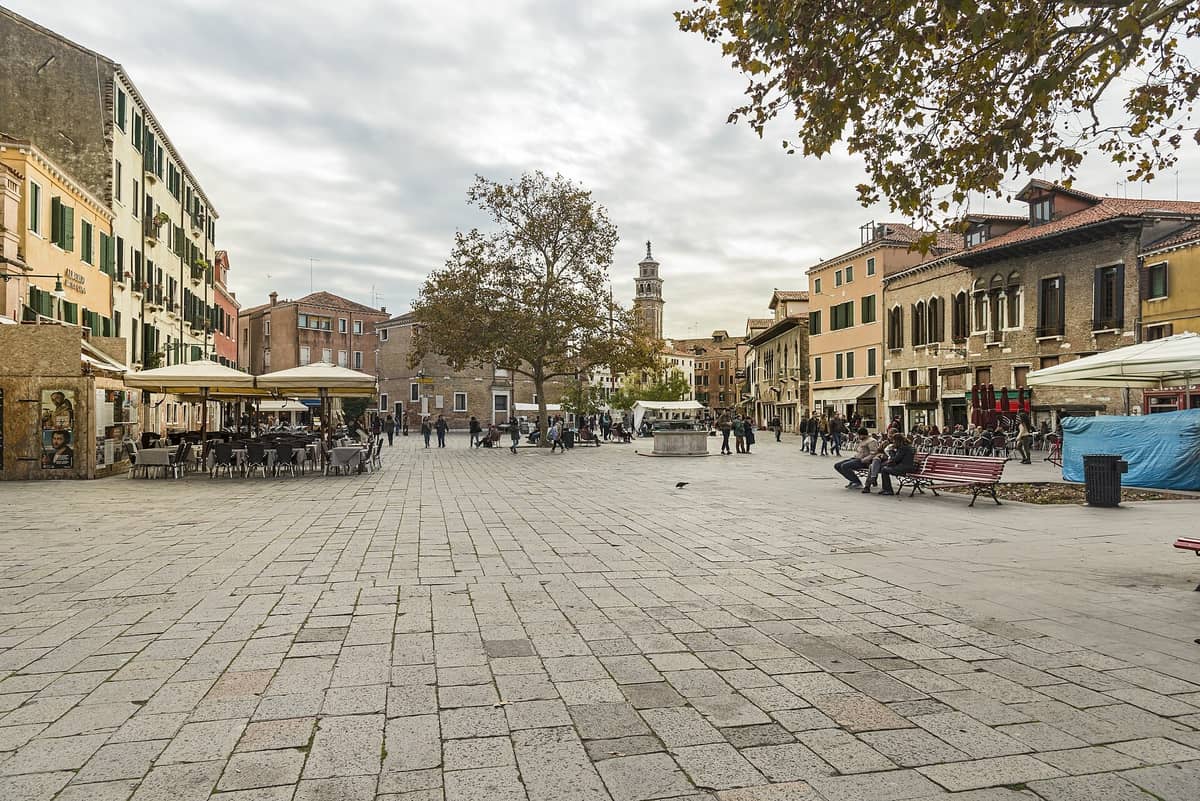
Early morning in Dorsoduro belongs to residents. The area around Campo Santa Margherita, the sestiere's main social square, is quiet before eight, its cafés just opening and the stone paving still damp from overnight humidity. Students from Ca' Foscari University fill the benches and outdoor tables by mid-morning, and the campo's fish and produce stalls are busy through late morning before closing around noon. The square is wide enough to feel genuinely communal, which is rare in Venice, and it serves as the social core of the neighborhood in a way that no tourist attraction could replicate.
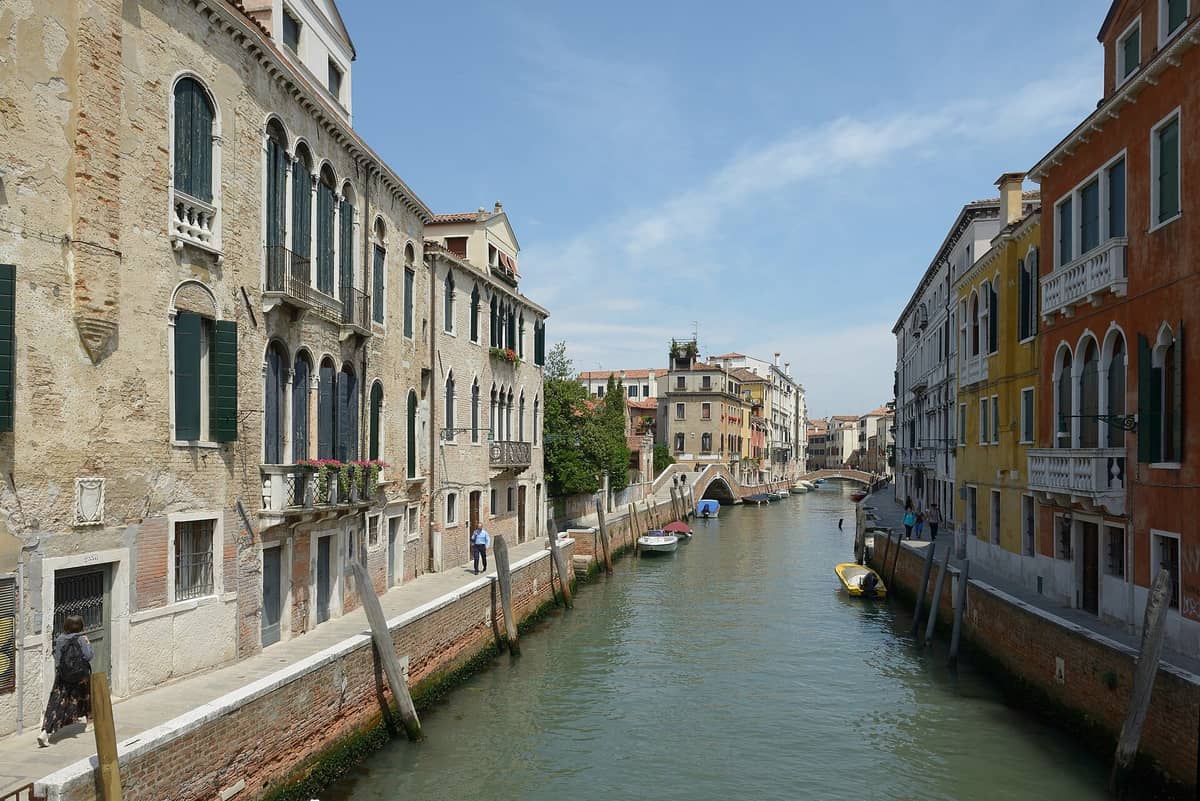
The area around the Accademia and the Peggy Guggenheim Collection sees a heavier tourist presence from mid-morning through late afternoon, particularly along the fondamenta (canal-side walkways) that run toward the Salute. But walk three minutes north or west from the museum strip and the foot traffic thins noticeably. The streets between Ca' Foscari and the Campo Santa Margherita have a quiet, slightly worn elegance, with laundry lines, neighbourhood bakeries, and the occasional small church that sees more worshippers than tourists.
By late afternoon, the Zattere fills with people walking south into the low sun. The promenade faces southwest across the Giudecca Canal, which means the light in the hour before sunset turns gold and flat, making the water shimmer and the far bank of Giudecca glow. It is one of the better places in Venice to watch the evening light without fighting for position. After dark, Dorsoduro is the liveliest of the outer sestieri, with bars around Campo Santa Margherita and along the nearby fondamenta staying active well into the night, fuelled largely by the student population.
💡 Local tip
If you are staying elsewhere in Venice and want to experience a neighbourhood square that functions on local rhythms rather than tourist schedules, Campo Santa Margherita on a weekday morning or early evening is one of the most instructive contrasts to Piazza San Marco.
What to See & Do
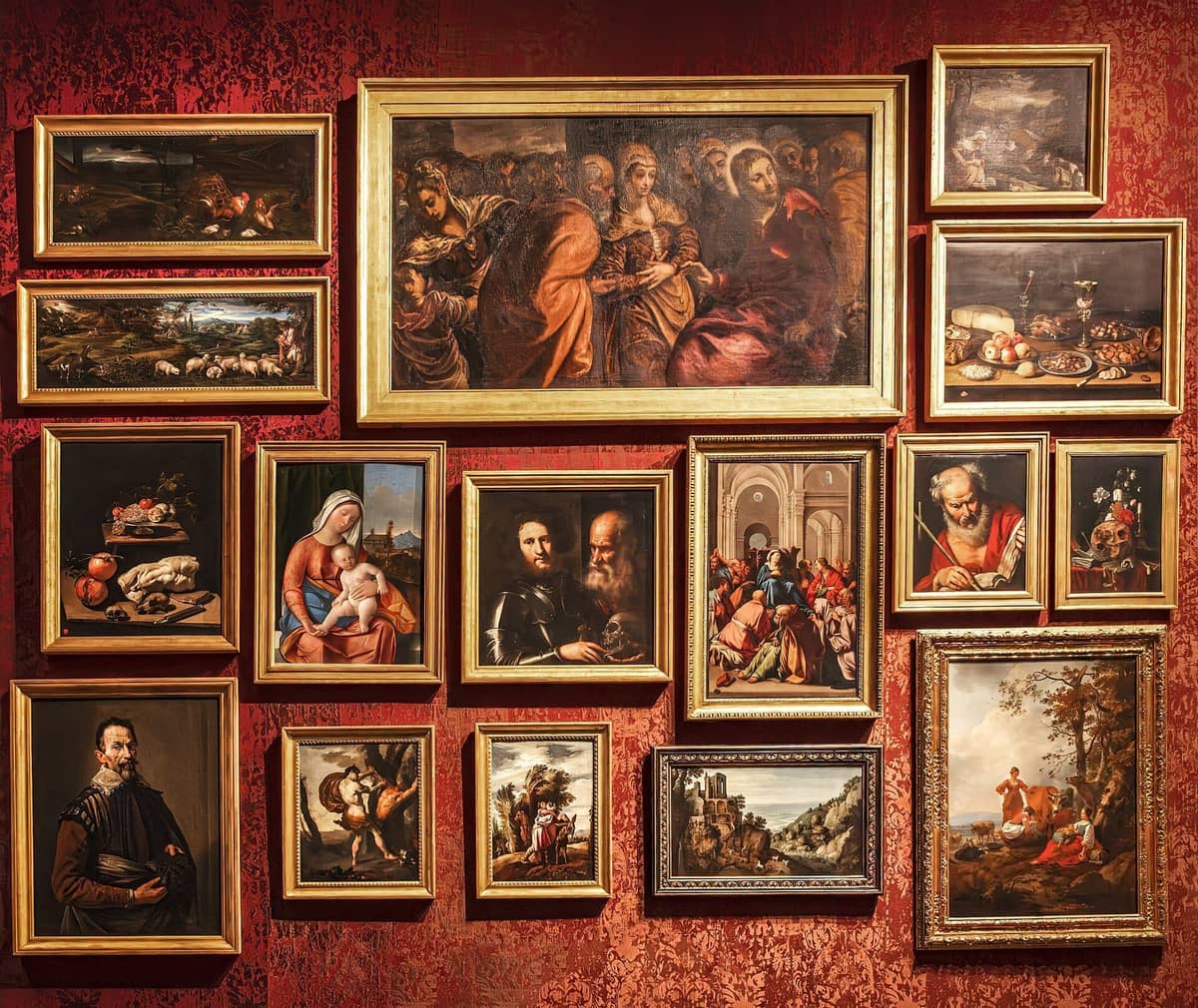
The Gallerie dell'Accademia is the most important single museum in Dorsoduro and arguably the best place in the world to trace the arc of Venetian painting. The collection runs from Byzantine-influenced altarpieces through Bellini, Carpaccio, Tintoretto, and Veronese, ending with Tiepolo and Canaletto. The building itself, a former convent and scuola grande, is architecturally striking. Queues form early in high season, so booking in advance or arriving at opening time makes a meaningful difference.
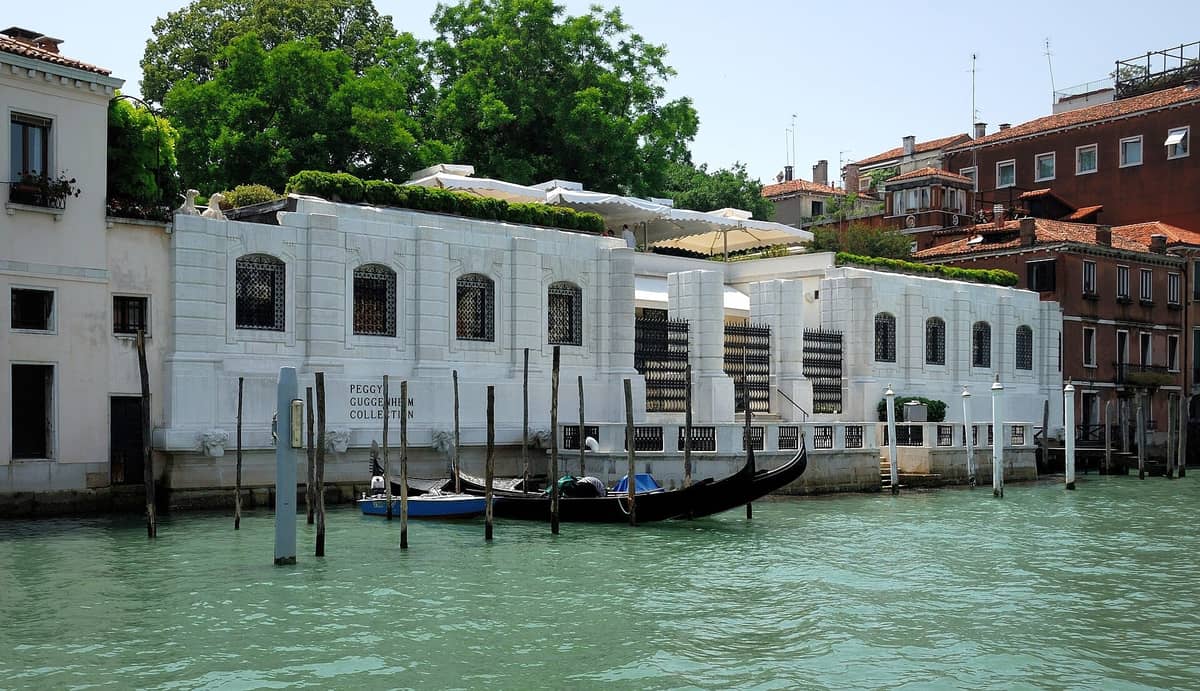
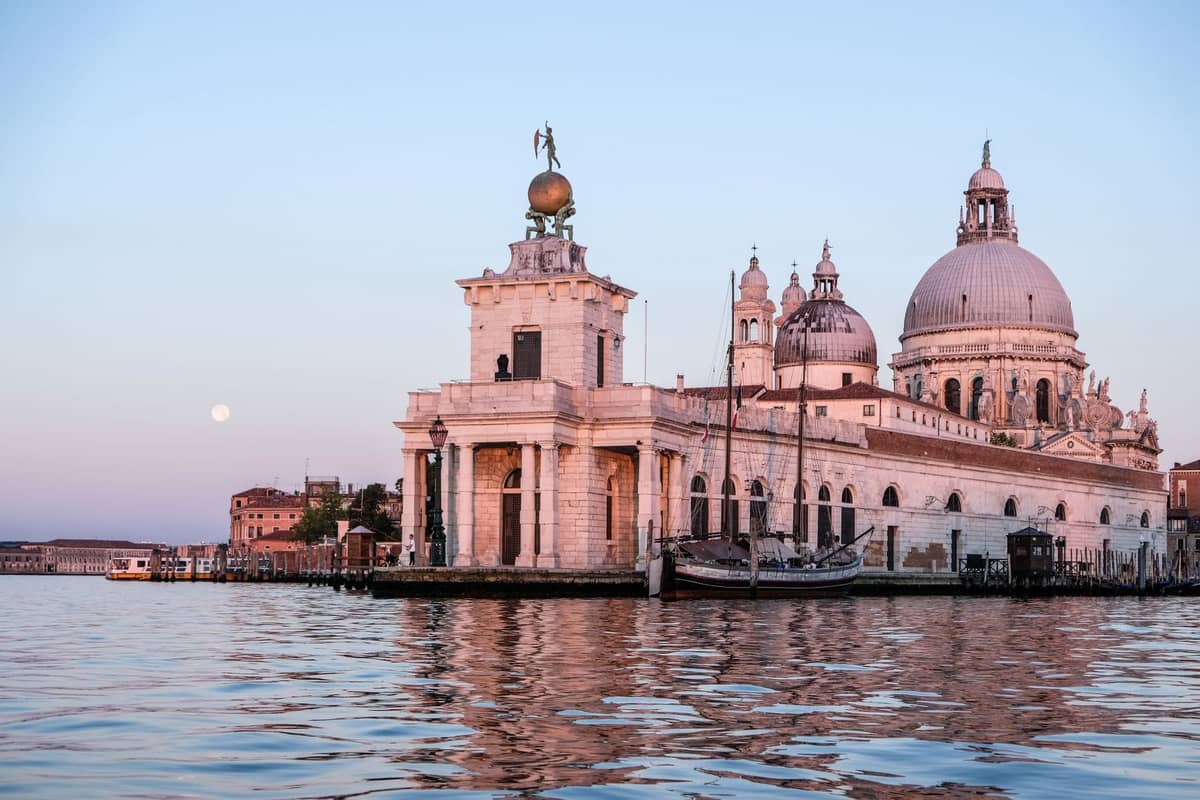
A short walk east along the Grand Canal fondamenta brings you to the Peggy Guggenheim Collection, housed in the unfinished Palazzo Venier dei Leoni. The low-slung building with its canal-facing terrace holds one of Europe's strongest collections of 20th-century art, with major works by Pollock, Rothko, Dalí, Picasso, and Brancusi. The courtyard garden is quiet and accessible without paying full admission. Continue walking east and you reach the Punta della Dogana, the former customs warehouse at the very tip of Dorsoduro, which has operated as a contemporary art space since 2009. Its position at the confluence of the Grand Canal and the Giudecca Canal gives it extraordinary views in three directions.
The Basilica di Santa Maria della Salute stands just west of the Punta della Dogana, its twin domes defining the skyline of this part of Venice. Built as a votive offering following the devastating plague of 1630–1631, the church is a masterpiece of Baroque architecture. Entry is free, though the sacristy, which holds important paintings by Titian, charges a small fee. The steps leading down to the canal provide one of Venice's most photographed views back toward the Grand Canal and the Accademia bridge.
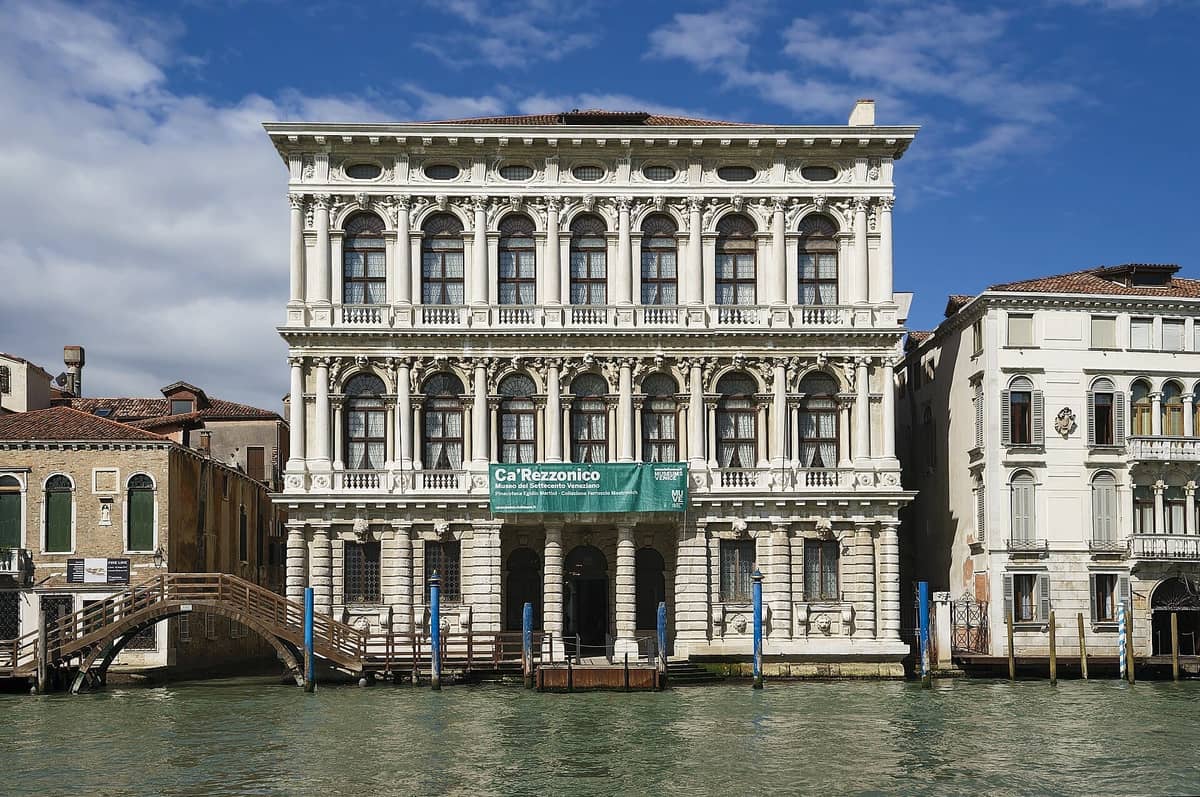
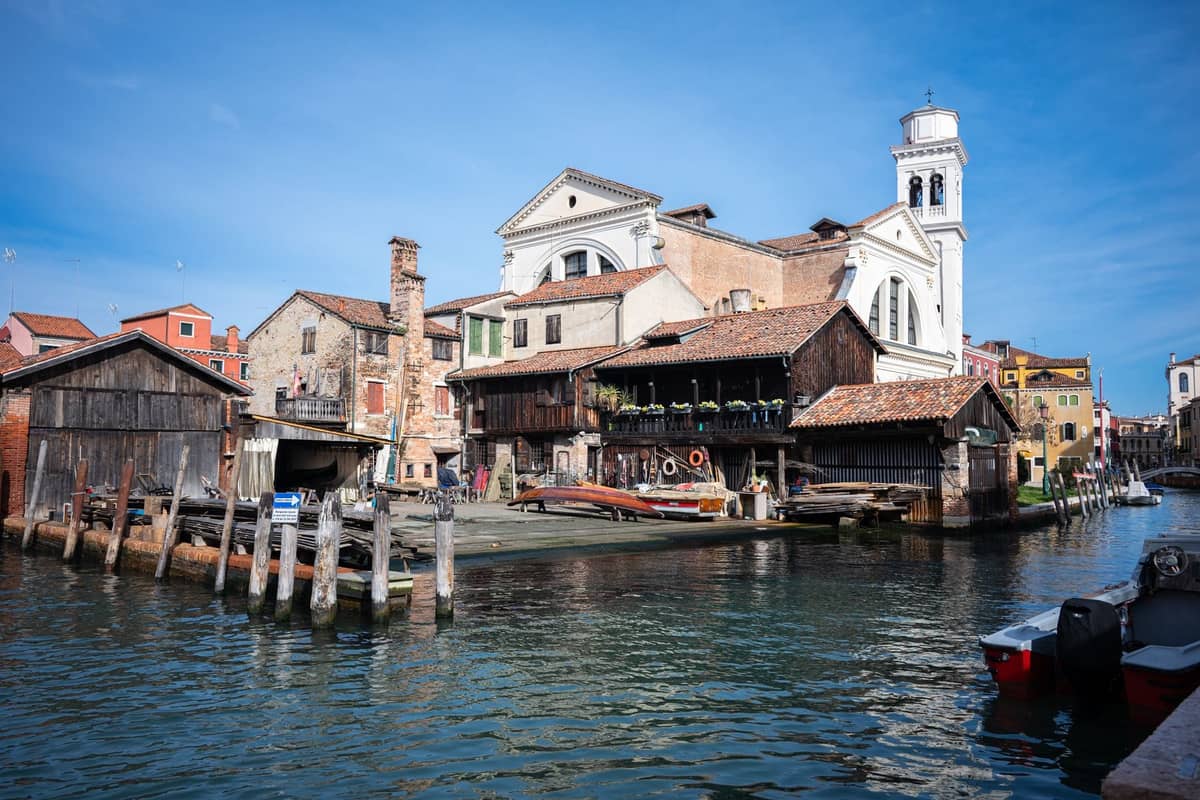
Further west along the Grand Canal, Ca' Rezzonico is a grand 18th-century palazzo turned museum dedicated to the daily life, decorative arts, and painting of Venice during that century. It is less visited than the Accademia or Guggenheim and moves at a slower pace as a result. The palazzo's position on the Grand Canal means some of its upper-floor rooms have exceptional views. Nearby, the Squero di San Trovaso is one of Venice's last surviving gondola workshops, visible from the fondamenta across a small canal. You cannot enter, but the working yard with its wooden boat frames and Alpine-style wooden buildings is an unusual sight in this otherwise stone-and-brick city.
Gallerie dell'Accademia: the definitive collection of Venetian painting across seven centuries
Peggy Guggenheim Collection: 20th-century masters in a canal-front palazzo
Punta della Dogana: contemporary art in a dramatically sited former customs house
Basilica di Santa Maria della Salute: Baroque landmark at the Grand Canal's mouth
Ca' Rezzonico: 18th-century Venice brought to life in a Grand Canal palazzo
Squero di San Trovaso: a still-functioning gondola boatyard
Zattere promenade: a long waterfront walkway facing Giudecca and the southern lagoon
Campo Santa Margherita: the neighbourhood's main social square
Eating & Drinking
Dorsoduro's food scene is shaped by its student population, which keeps prices lower and quality more honest than in the tourist-dense areas near San Marco. The cicchetti bars around Campo Santa Margherita and along Fondamenta delle Zattere are where locals stop for a glass of wine and small snacks in the early evening, a ritual known as the ombra. For a thorough introduction to this style of eating and drinking, the Venice cicchetti guide covers the traditions, vocabulary, and best approaches.
The Zattere itself has several cafés and bars with outdoor seating directly above the Giudecca Canal. The views justify slightly higher prices, but the ice cream served at a few of the Zattere establishments has a long-standing reputation and draws Venetians from other sestieri in summer. For a proper sit-down meal, the streets immediately north and west of Campo Santa Margherita have a mix of osterie and trattorie catering primarily to students and local residents, with menus that rotate with the season and prices that reflect a neighbourhood rather than a museum entrance.
The area around the Accademia and the Salute has more tourist-oriented restaurants, with higher prices and menus translated into multiple languages. These are not necessarily bad, but the ratio of cost to quality generally favours the side streets deeper into the sestiere. For guidance on what to order and what to avoid across Venice, the what to eat in Venice guide is a useful reference before you sit down anywhere.
ℹ️ Good to know
Many bars and bacari in Dorsoduro serve cicchetti from around 6pm and close by 10pm or so. If you are planning an aperitivo evening, the Fondamenta Nani and the streets immediately around Campo Santa Margherita are the most consistent places to find a row of options close together.
Getting There & Around
The primary vaporetto (water bus) stop serving the neighbourhood's cultural heart is Accademia, served by Line 1 along the Grand Canal. Line 1 connects Dorsoduro directly to the Santa Lucia railway station (roughly 25 minutes by water, depending on stops), San Marco to the east, and Rialto in between. Line 2, a faster service with fewer stops, calls at Zattere on the southern side of the sestiere, providing a quicker link to the station area and to the island of Giudecca. The Ca' Rezzonico stop, also on Line 1, puts you further west along the Grand Canal side of Dorsoduro. For a full breakdown of how to navigate Venice by water, the getting around Venice guide covers routes, fares, and passes.
On foot from Santa Lucia station, the standard walking route takes you east through Santa Croce and San Polo, crossing the Grand Canal at the Ponte dell'Accademia: approximately 25 minutes at a steady pace, longer if you stop to navigate or get turned around in San Polo. From San Marco, the walk over the Accademia bridge takes around 10 minutes to reach the museum, or 15-20 minutes to reach Campo Santa Margherita.
Within Dorsoduro, everything is walkable. The distance from the Accademia at the eastern end to Piazzale Roma at the northwestern corner of the sestiere is roughly 20 minutes on foot. The Zattere promenade is flat and wide, making it straightforward to walk along the entire southern edge of the neighbourhood. The internal streets are narrow and not always well signed, so a map or navigation app is genuinely useful the first few times through. Venice has no metro, no buses within the historic island, and no road traffic: all movement on foot or by water.
⚠️ What to skip
Dorsoduro is subject to acqua alta (high water) flooding like the rest of Venice, though its historically higher ground means some interior streets flood less frequently than lower-lying areas. During autumn and winter, check tide forecasts before planning early-morning walks along the Zattere or near the Salute.
Where to Stay
Dorsoduro is one of the better-considered choices for accommodation in Venice, particularly for visitors who want proximity to art and culture without the relentless tourist density of San Marco. Hotels and boutique guesthouses are distributed across the sestiere, from Grand Canal-facing properties near the Accademia bridge to quieter options deeper in the neighbourhood toward San Trovaso and the Zattere.
The area around Campo Santa Margherita suits travellers who want an evening scene with local character: the square and nearby bars are active until late, which can mean noise if your accommodation is directly adjacent. The Zattere side offers a calmer atmosphere and better morning light, with the tradeoff of slightly more walking to reach the main museum cluster. Grand Canal-adjacent properties command premium prices, but the views across to San Marco from even a modest upper-floor room are genuinely spectacular.
Dorsoduro works well for first-time visitors who want to cover the main attractions efficiently, and equally well for repeat visitors who want a neighbourhood with depth and daily rhythm. It is less suited to travellers primarily interested in shopping or nightlife beyond the bar scene. For a comparative overview of all the main accommodation zones, see the complete Venice accommodation guide.
Honest Assessment: Strengths and Drawbacks
Dorsoduro is probably the most well-rounded sestiere for a visitor who wants art, architecture, local life, and manageable crowds in roughly equal measure. It has more genuine neighbourhood character than San Marco and more cultural weight than Cannaregio or Castello for a short visit. The Zattere promenade is one of the few places in central Venice where you can walk in a straight line for more than ten minutes without making a navigation decision.
The drawbacks are real, though. The strip between the Accademia bridge and the Salute gets genuinely congested in July and August, with tour groups and queues forming outside both major museums by mid-morning. Accommodation on and near the Grand Canal is expensive. Some of the Zattere-facing cafés and restaurants charge considerably more than comparable places fifty metres inland. And the neighbourhood's popularity has pushed it past the point where you could call it undiscovered: it appears on most itineraries for Venice now, and it shows.
For visitors trying to plan a first or second trip to Venice, the three days in Venice itinerary threads through Dorsoduro alongside the other key sestieri and gives a practical sense of how much time the neighbourhood warrants.
TL;DR
Dorsoduro is Venice's art and university quarter, home to the Gallerie dell'Accademia, Peggy Guggenheim Collection, Punta della Dogana, and the Basilica di Santa Maria della Salute.
The neighbourhood has more local character than San Marco, sustained by Ca' Foscari University students and a residential population that keeps Campo Santa Margherita genuinely lively.
Best suited to travellers interested in art, architecture, and a mixed local-tourist atmosphere; less suited to those prioritising shopping or high-end nightlife.
The main museum corridor between the Accademia bridge and the Salute gets crowded in peak season: go early or book ahead for the Gallerie dell'Accademia and the Guggenheim.
Vaporetto Line 1 stops at Accademia and Ca' Rezzonico, and Line 2 at Zattere, connecting Dorsoduro directly to Santa Lucia station, Rialto, and San Marco. Everything within the sestiere is walkable.
Two days in Venice is enough to cover the iconic highlights and still find quieter corners the crowds miss. This guide gives you a realistic, hour-by-hour framework for both days, practical transport advice, booking warnings, and honest takes on what is worth your time.
Three days is enough time to cover Venice's iconic landmarks, explore its quieter sestieri, and take at least one lagoon island trip. This itinerary is structured around the city's geography, vaporetto routes, and crowd patterns so you spend less time backtracking and more time actually seeing the city.
Acqua alta is Venice's famous tidal flooding, and it's far less dramatic than most visitors expect. This guide explains exactly what causes it, when it happens, how much of the city it actually affects, and what gear and forecasting tools will keep your trip on track.
Venice has well over 130 church buildings, and its greatest ones hold masterpieces by Titian, Tintoretto, Bellini, and Palladio that rival any museum. This guide covers the 13 best churches in Venice, from the unmissable to the quietly extraordinary.
Venice packs more world-class art and history into one city than almost anywhere else on earth. This guide covers the best museums in Venice, from Gothic palaces full of Tintoretto to intimate scuole with Carpaccio cycles, across every district and budget.
Venice looks different in every season, and the right time to visit depends entirely on what you're after. This guide breaks down weather, crowds, hotel prices, and major events month by month, so you can choose the visit that actually suits you.
Venice rewards those who know where to look. This guide covers the city's finest viewpoints, from soaring bell towers and climbable domes to iconic canal bridges and waterfront promenades, with practical tips on booking, timing, and what you'll actually see from each spot.
Cicchetti are Venice's answer to tapas, and the bacari that serve them are the city's most authentic social spaces. This guide covers what to order, where to go across every sestiere, what things cost, and how to plan a bacaro crawl that skips the tourist traps.
Venice rewards lingering, but its surroundings reward exploration. Whether you board a vaporetto for a lagoon island or a train toward the Veneto hills, a day away from the sestieri reveals a completely different side of this corner of northeastern Italy.
Venice doesn't have to drain your wallet. From sweeping Grand Canal viewpoints to Gothic churches packed with Tintorettos, many of the city's greatest experiences are completely free. This guide covers the best no-cost attractions, walks, markets, and island escapes across the lagoon.
Venice operates on a completely different logic from any other city. There are no cars, no taxis, no metro. Getting around means walking across 438 bridges and navigating canals by water bus, private boat, or gondola ferry. This guide explains every option clearly, with real costs and practical advice.
Gondola rides in Venice are regulated by the city, with fixed fares per boat — not per person. This guide breaks down current prices, the best stations to board, what routes actually cover, and the myths that cost tourists money.
Venice rewards the curious traveler who wanders past the obvious landmarks. This guide collects the city's most rewarding under-the-radar sights, from a Carpaccio cycle hidden in Castello to a working gondola boatyard in Dorsoduro and a ghost island in the northern lagoon.
Venice is one of the most debated destinations in travel. Built on 118 islands, UNESCO-listed, and unlike anywhere else on earth, it also attracts millions of visitors a year and charges a day-tripper access fee. This guide cuts through the hype to tell you exactly what Venice delivers, what it does not, and how to make a visit that is genuinely worth the effort.
Venice rewards those who spend well. This guide covers where to stay, how to move, what to eat, and which experiences justify the premium price tag — along with honest warnings about where the luxury label is oversold.
Venice is the city most couples imagine before they arrive, and one of the few that actually delivers. This guide covers the best romantic experiences, the ideal seasons, practical logistics, and honest advice on what lives up to the hype, and what does not.
Venice is unlike any other city in the world, built on 118 islands linked by 438 bridges in a lagoon recognized as a UNESCO World Heritage site. This guide covers the essential things to do in Venice, from the iconic to the overlooked, with practical details on transport, costs, and timing to help you make the most of every hour.
The Venice Biennale is one of the world's most significant contemporary art events, spreading across two major venues and dozens of city locations. This guide covers the 2026 Art Biennale dates, ticket options, what to expect at each venue, and the practical details that make the difference between a rushed visit and a memorable one.
Venice Carnival (Carnevale di Venezia) runs for roughly two weeks before Lent, drawing around 3 million visitors for elaborate costumes, masquerade balls, and free public events. This guide covers the 2026 dates, practical logistics, what things actually cost, and how to get the most from the experience without being overwhelmed.
The Venice International Film Festival is the world's oldest film festival and, crucially, it's open to the public. This guide covers everything from buying tickets and reaching the Lido to navigating the festival grounds and setting realistic expectations about red carpets and celebrity sightings.
Summer brings Venice to its most intense: scorching heat, record crowds, and prices to match. This guide cuts through the noise with practical strategies for timing, booking, staying cool, and finding breathing room in Italy's most visited city.
Winter is one of the most rewarding times to visit Venice. Crowds thin out, prices drop significantly, and the city takes on a moody, atmospheric quality that summer visitors never see. This guide covers weather, acqua alta, Carnival, costs, and everything else you need to plan a winter trip.
The Venetian Lagoon holds far more than Venice itself. This guide covers every island worth visiting, from Murano's glass furnaces and Burano's painted houses to ancient Torcello, the Lido's beaches, and the quiet agricultural island of Sant'Erasmo.
Venice has a reputation for draining wallets fast, but the reality is more nuanced. With the right timing, a few local habits, and some strategic planning, you can experience one of the world's great cities for far less than you'd expect. This guide breaks down exactly where the money goes and how to keep it in your pocket.
Venice rewards shoppers who know where to look. This guide covers the city's best authentic buys, from Murano glass and Carnevale masks to artisan paper goods and gourmet specialties, along with the neighborhoods and markets where locals and savvy visitors actually spend their money.
Venice is one of the world's most walkable cities, built on 120 islands connected by around 430 bridges with no cars in sight. This guide covers the best self-guided walking routes by district, the ideal times to walk, what to skip, and how to explore beyond St. Mark's Square.
Venice with kids is more manageable than most parents expect. This guide covers everything families need: getting around by vaporetto, the best kid-friendly attractions, seasonal timing, safety on the canals, and how to keep the trip fun without exhausting everyone.
Venetian cuisine is one of Italy's most distinctive regional traditions, built on lagoon seafood, rice, polenta, and centuries of spice trade. This guide covers the essential dishes, where to find them, what to pay, and how to eat like a local rather than a tourist.
Venice's six historic districts each offer a completely different experience. This guide breaks down exactly where to stay in Venice based on your budget, travel style, and priorities — with honest trade-offs, realistic price ranges, and practical booking advice.