Romantic Venice: The Couples Travel Guide
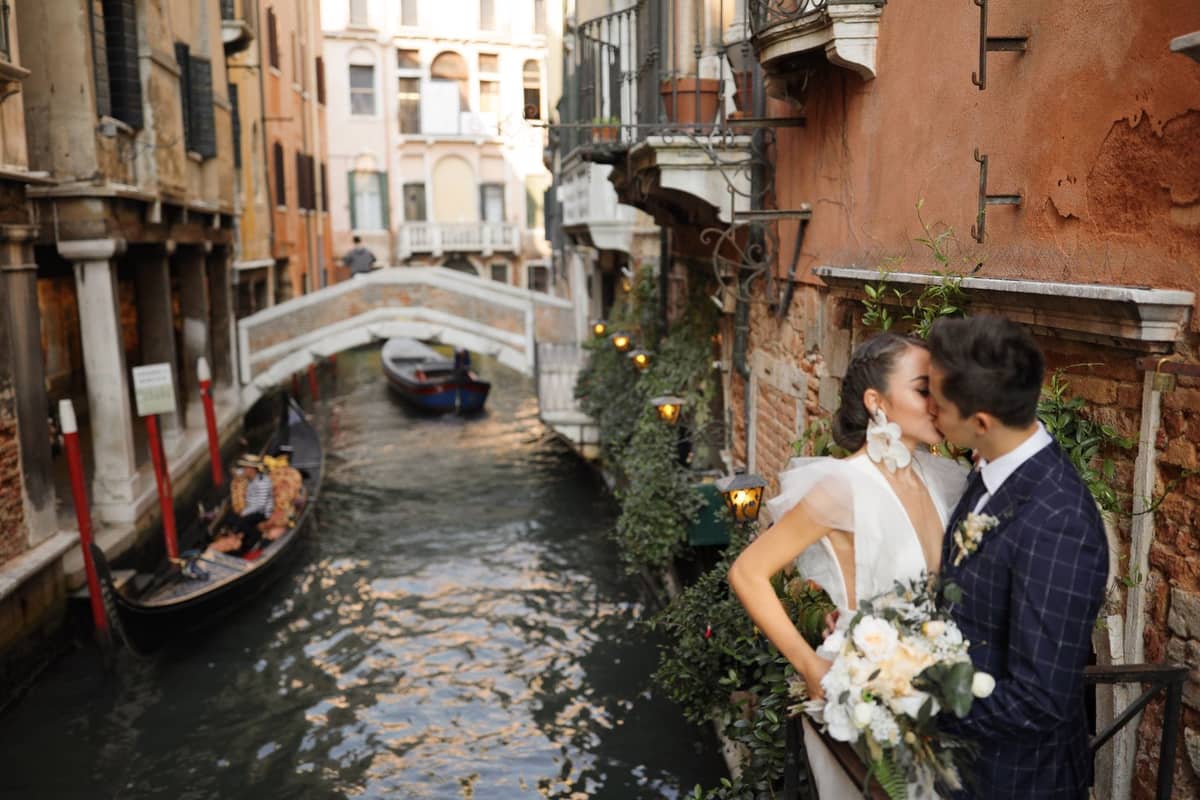
Venice is the city most couples imagine before they arrive, and one of the few that actually delivers. This guide covers the best romantic experiences, the ideal seasons, practical logistics, and honest advice on what lives up to the hype, and what does not.
Plan and book this trip
Tools from our partner Travelpayouts help you compare flights and hotels. If you book through them, we may earn a commission at no extra cost to you.
Flights
Hotels map
TL;DR
- Spring (April–May) and autumn (September–October) offer the best balance of atmosphere and manageable crowds.
- A gondola ride is genuinely romantic but covers a short, fixed route in about 30–40 minutes. Read our gondola ride guide before booking.
- The most memorable moments in Venice tend to happen while walking, not on organized tours: predawn canals, late-evening wine bars, quiet campos after dinner.
- Summer is hot, crowded, and smells of canal water. If romance is the priority, avoid July and August. See the best time to visit Venice for a full seasonal breakdown.
- Book Doge's Palace, the Peggy Guggenheim, and Teatro La Fenice in advance. Queues at the door can destroy an evening.
Why Venice Works for Couples (And When It Doesn't)
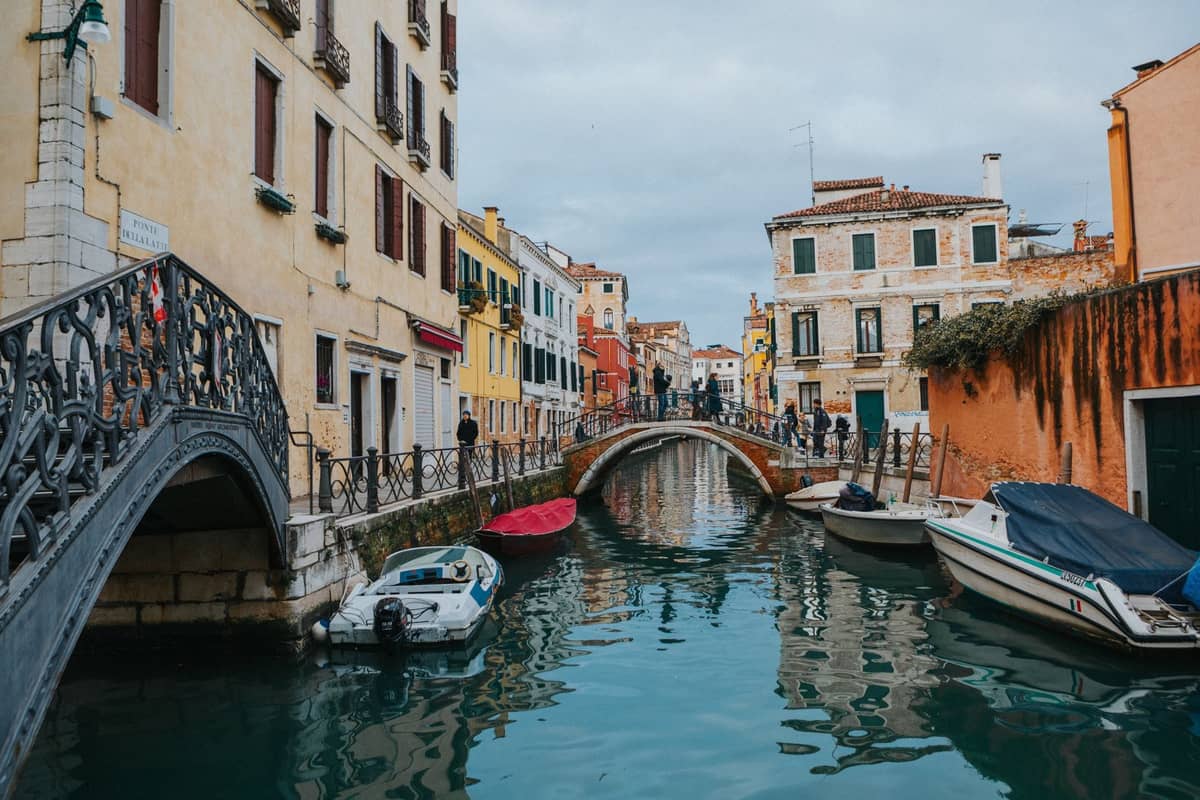
Venice is built in a way that makes romance almost unavoidable. There are no cars, no traffic noise, no grid streets. Navigation is by foot or by water, which forces a slower pace. You will get lost, repeatedly, in a city of 118 islands connected by 435 bridges, and getting lost here tends to produce better memories than following a map. The scale is also right for couples: most of the historic centre can be walked in a day, so you are never far from a quiet canalside bench or a glass of Veneto white wine.
The honest caveat is that Venice between June and August tests patience more than it inspires romance. Piazza San Marco can hold tens of thousands of tourists at peak times, and the narrow calli (streets) around the Rialto become genuinely uncomfortable in the heat. The canals, surrounded by buildings with limited airflow, can develop a strong smell in warm weather. Summer also means higher hotel prices and fully booked restaurants. If your schedule allows any flexibility, the case for visiting in April, May, September, or October is strong.
💡 Local tip
Acqua alta (high water) is possible from September through April. It rarely floods more than parts of San Marco and the lowest-lying calli, and it lasts only a few hours. Pack ankle-high waterproof boots or buy the cheap rubber overshoes sold throughout the city. Do not let the risk of acqua alta put you off autumn visits, which are among the most atmospheric of the year.
The Gondola Question: Worth It or Overrated?
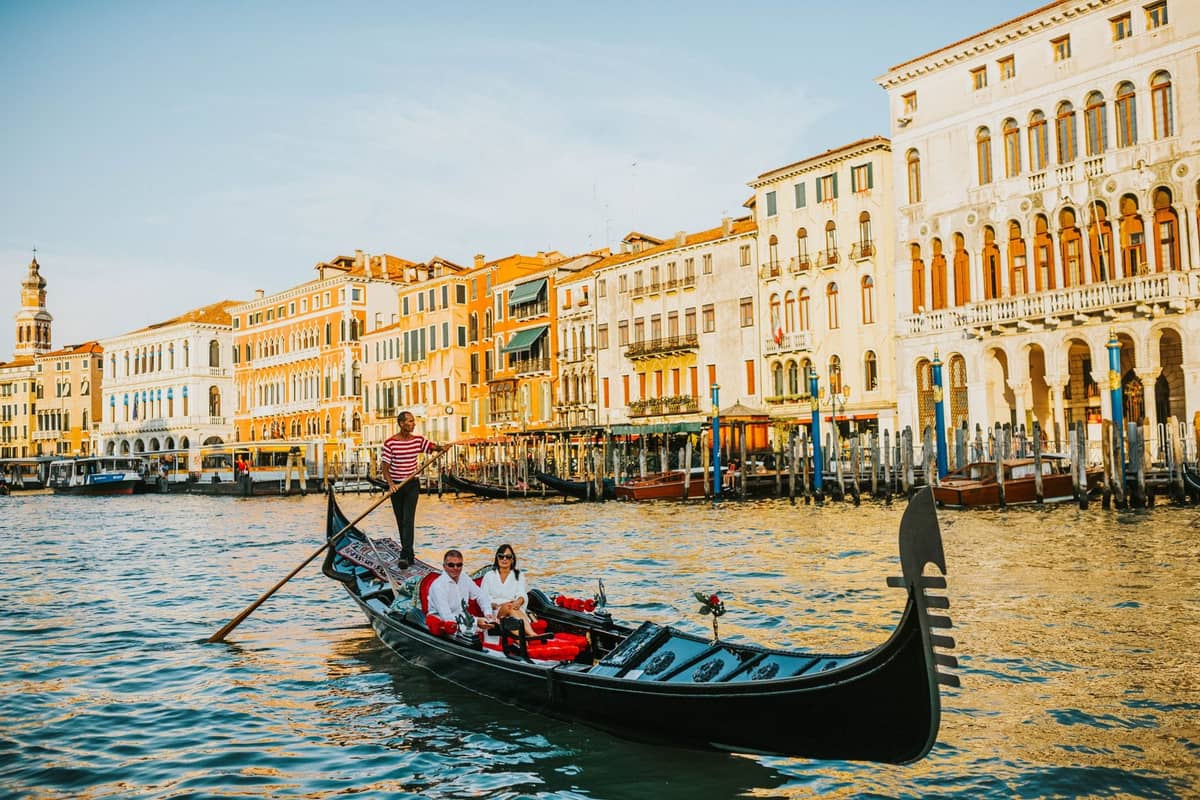
A gondola ride is worth doing once, with the right expectations. Official fares are regulated by the city: around €90 for 30 minutes daytime, rising to approximately €110 for about 35 minutes after 19:00. A gondola holds up to five passengers, so if you want a private ride for two you pay the full fare regardless. Always confirm the price with the gondolier before boarding, and make sure you agree on the duration.
Standard rides often follow routes through the smaller side canals, and may include short sections of the Grand Canal if conditions allow. The experience lasts around 30–40 minutes. It will not take you across the city. For a longer or more customized water experience, private water taxi tours and lagoon boat excursions are alternatives worth considering. For the full picture on what the ride actually involves, see our dedicated gondola ride guide.
For couples who want the gondola atmosphere without the price, the traghetto is worth knowing about. These are shared gondola ferries that cross the Grand Canal at several points for around €2.50 per person. Locals use them daily. The crossing takes about two minutes, you stand, and it is entirely unremarkable, but it is a genuine piece of Venetian life that most tourists never experience.
⚠️ What to skip
Avoid gondola touts near Piazza San Marco who approach you on the street. Book directly at an official gondola station (servizio gondole), identifiable by official signage, or ask your hotel concierge. Unauthorized operators occasionally charge well above official rates.
The Best Romantic Walks, Views, and Neighbourhoods
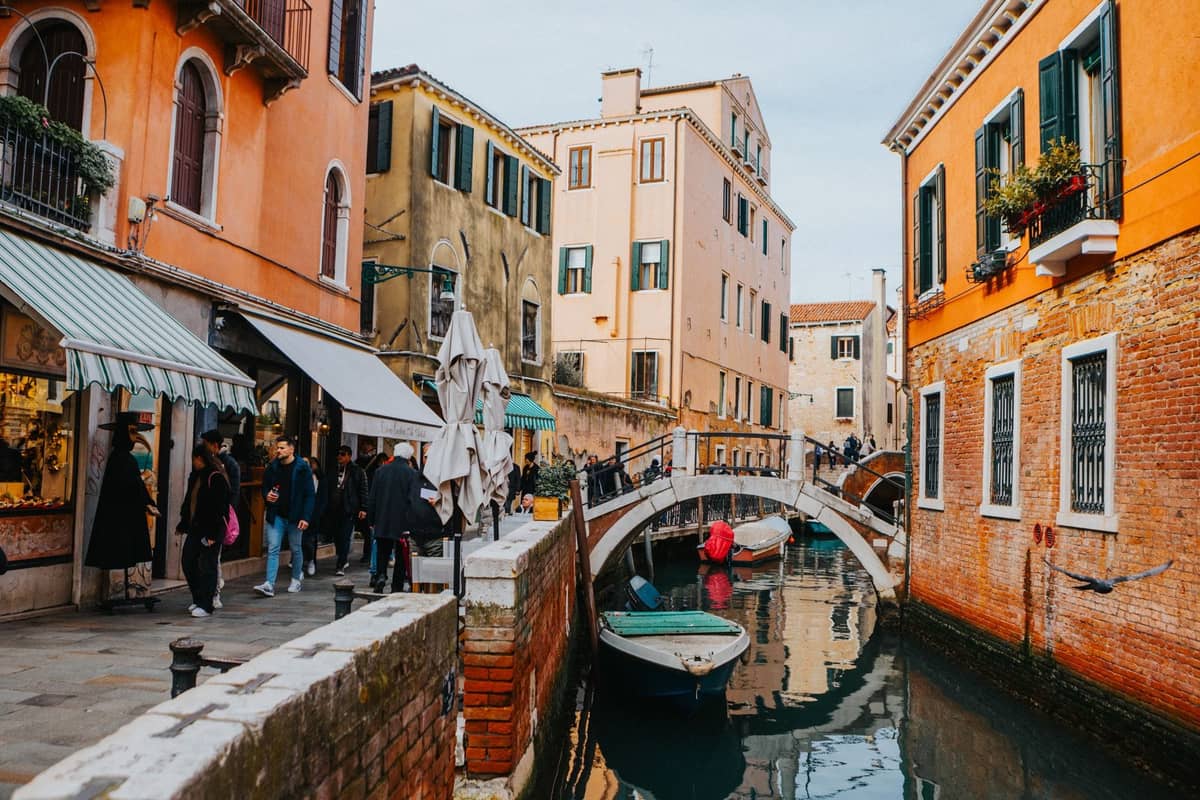
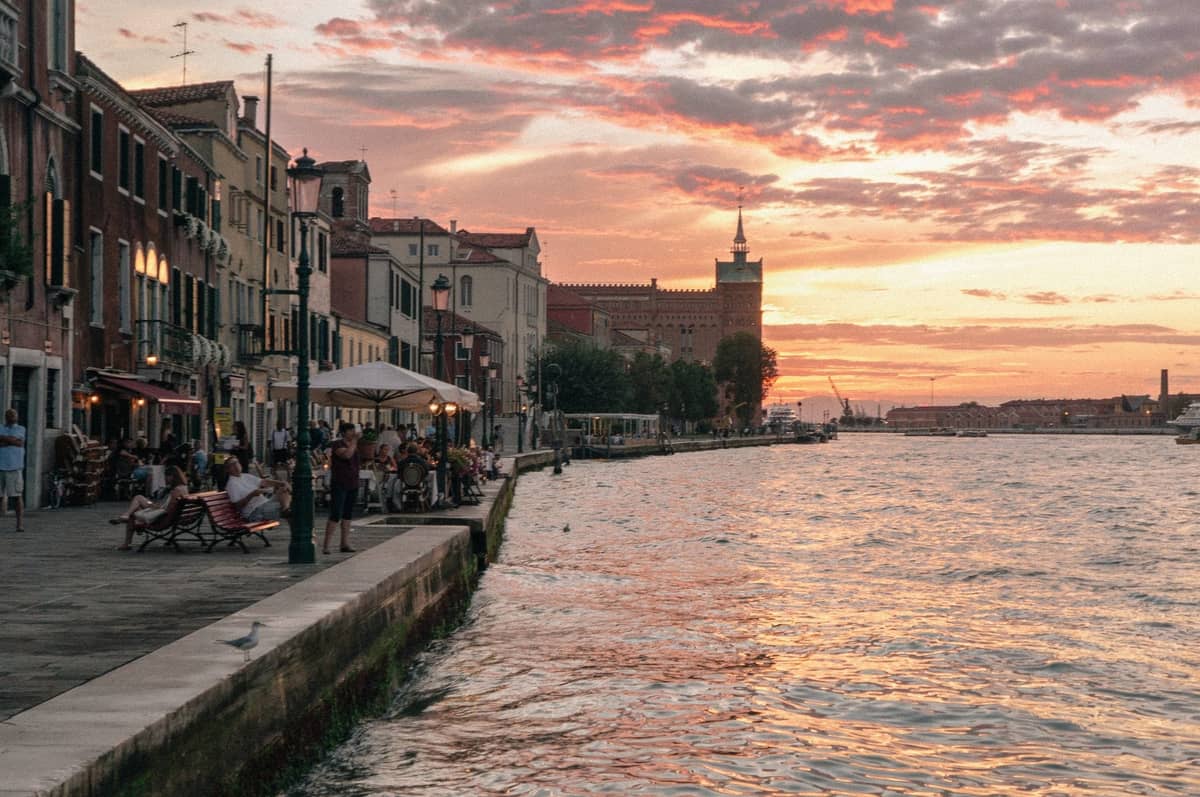
The single best piece of advice for couples in Venice is to walk away from the main tourist corridors, specifically the route between San Marco and the Rialto, as early in the morning or as late in the evening as possible. The Dorsoduro sestiere is the neighbourhood that consistently delivers on the promise of a quieter, more intimate Venice. The Zattere promenade runs along the southern waterfront facing the Giudecca canal, wide enough for two people to walk side by side without being jostled, with views across to the Chiesa del Redentore. At sunset, the light on the water here is extraordinary.
For elevated views over the rooftops and lagoon together, two options stand out. The campanile of St Mark's Campanile gives a 360-degree panorama over the entire lagoon, including the islands of Murano, Burano, and the Lido. The less visited alternative is the campanile of San Giorgio Maggiore, reached by vaporetto from the San Zaccaria stop, which positions you directly across from the San Marco basin for arguably the best postcard view in Venice. Both are open daily, but check current hours before visiting.
- Zattere (Dorsoduro) The southern waterfront promenade. Best at sunset for wide lagoon views and far fewer crowds than the San Marco waterfront.
- Fondamenta della Misericordia (Cannaregio) A long canal-side walkway lined with osterie and bacari. Best in the evening when locals and students outnumber tourists.
- Campo Santa Margherita (Dorsoduro) A large, lively campo with excellent bars for an aperitivo. One of the most genuinely Venetian piazzas in the city.
- Squero di San Trovaso (Dorsoduro) One of Venice's last working gondola repair yards. Easily visible from the canal bank, and an atmospheric, rarely crowded spot.
- Cannaregio backstreets The northern sestiere has long stretches of quiet canalside fondamente that feel entirely removed from tourist Venice.
Romantic Evenings: Opera, Wine, and Late-Night Venice
An evening at Teatro La Fenice is one of the genuinely special experiences Venice offers couples. The opera house, rebuilt after a fire in 1996 to its original 18th-century design, is one of Italy's most beautiful. Tickets range from around €40 for upper gallery seats to €200 or more for the stalls, depending on the production. Book well in advance, especially for the main opera season running roughly November through June. If a full opera feels too long, the theatre also offers guided daytime visits.
Venice's wine and cicchetti culture is another dimension of the city that rewards couples who engage with it properly. The local equivalent of a bar crawl is called the ombra, a small glass of local wine, typically Soave, Prosecco, or a red from the Veneto, served alongside cicchetti (small cured meats, cheese, or seafood snacks on bread). The Cannaregio waterfront and San Polo near the Rialto market are the best areas to do this, moving between two or three bacari over an hour. Our detailed cicchetti guide covers the best bars and what to order.
✨ Pro tip
Venice at 6am is a completely different city. If you can manage one early morning, walk from your hotel through whichever sestiere you are in before breakfast. The canal reflections, the absence of crowds, the sound of delivery boats unloading, and the morning mist off the lagoon are things most visitors never see. It costs nothing and takes an hour.
Day Trips and the Lagoon Islands for Couples
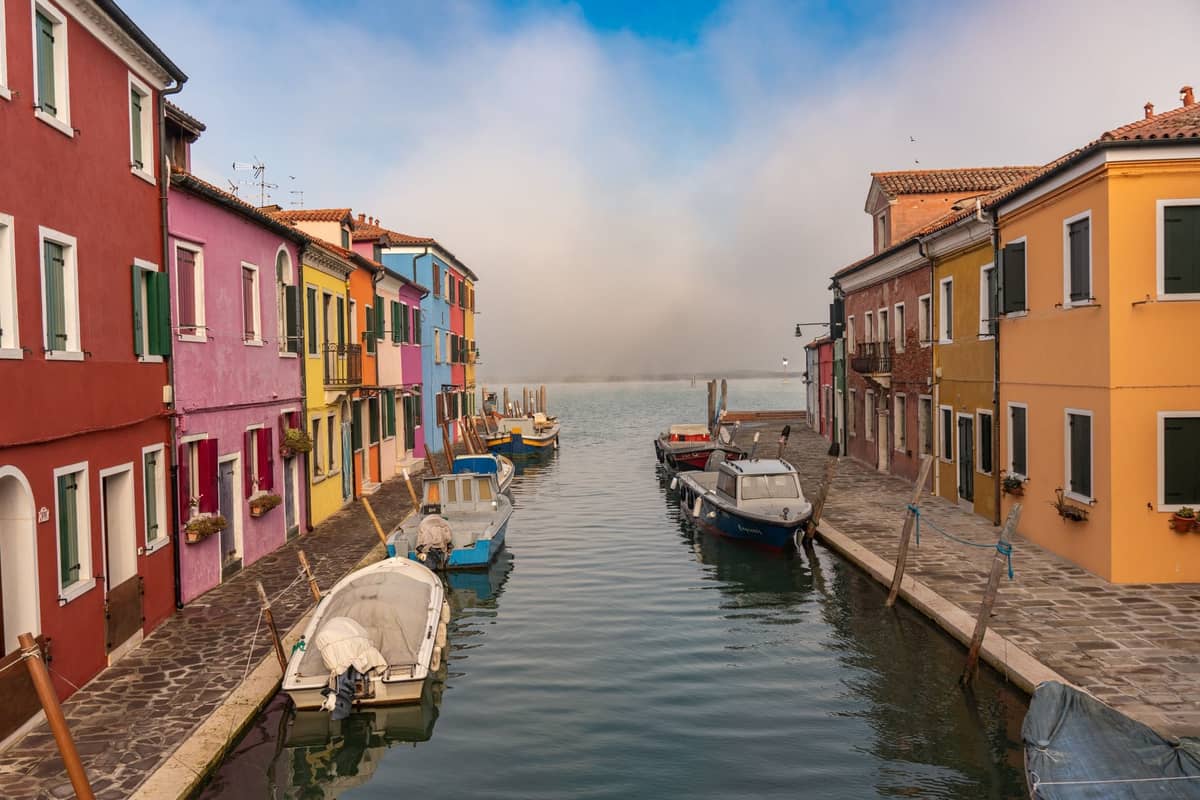
The islands of the Venetian Lagoon add range to a couples trip. Burano is the most visually striking: a fishing island of intensely painted houses in ochre, pink, blue, and red, about 45–60 minutes by vaporetto from Fondamente Nove. It is popular, but if you arrive early (before 10am) or stay until late afternoon after the day-trippers have left, it is genuinely beautiful. The lace-making tradition here is centuries old, and the Lace Museum is a worthwhile hour.
For a more contemplative half-day, Torcello is the right choice. This largely deserted island was the first major settlement in the lagoon, predating Venice itself, and today has a population of a few dozen people. The Cathedral of Santa Maria Assunta contains Byzantine mosaics that rival anything in the main city. Torcello is far less visited than Burano and has a quiet, almost melancholic atmosphere that many couples find more affecting than the busier islands. It is reachable via Burano on the same vaporetto line.
Practical Planning: Timing, Staying, and Getting Around
For couples, the sestieri of Dorsoduro and Cannaregio generally offer a better base than San Marco for both atmosphere and value. San Marco is the most convenient location for major sights but also the most expensive and the least authentic. Dorsoduro puts you close to the Accademia galleries, the Zattere, and the Peggy Guggenheim without feeling like you are sleeping in a museum gift shop. Our Venice accommodation guide breaks down the options by budget and neighbourhood.
Getting around Venice as a couple is primarily done on foot. The vaporetto network covers the Grand Canal and outer islands, and a 75-minute single ticket costs €9.50 (verify current fares on the ACTV or Venezia Unica platforms before travel). Multi-day passes are worth calculating against your planned usage. For the Grand Canal specifically, Line 1 is the slow all-stops service and the most scenic. Line 2 is faster but skips most stops. For a first arrival or a deliberately scenic journey, Line 1 is the correct choice.
- Book Venice Carnival (February–March) accommodation at least 3–4 months in advance. Prices triple and availability disappears.
- The Venice Access Fee for day visitors applies on selected high-attendance days (hours approximately 8:30–16:00). Overnight guests are exempt. Check the official cda.ve.it portal for current dates and amounts before travel.
- Churches require covered shoulders and knees. Carry a light scarf or pashmina.
- Venice's tap water is supplied through Italy's regulated urban water system and is generally safe to drink; look for the 'acqua potabile' fountains (fontanelle) throughout the city for free refills.
- The emergency number across Italy and the EU is 112. Italy's country dialing code is +39.
FAQ
When is the most romantic time to visit Venice?
April, May, and October are the strongest choices for couples. Crowds are significantly thinner than in summer, temperatures are comfortable (typically 15–22°C), and the light in spring and autumn is particularly good. February includes Carnival, which is atmospheric but extremely crowded and expensive. Winter (November–January) is quiet and photogenic but cold, damp, and part of the main October–March acqua alta season.
Is a gondola ride worth it for couples?
Yes, once, with realistic expectations. You get about 30–40 minutes on the smaller side canals, not the Grand Canal. The official regulated fare is around €90 for 30 minutes daytime and about €110 after 19:00. It is a genuinely beautiful experience, but it will not take you across the city. Always confirm the price before boarding at an official gondola station.
Which neighbourhood in Venice is best for a romantic stay?
Dorsoduro and Cannaregio both offer a more intimate, less touristy experience than the San Marco area. Dorsoduro has the Zattere waterfront, the Accademia galleries, and Campo Santa Margherita close at hand. Cannaregio has long canalside walks and excellent local bars. Both are quieter in the evenings than San Marco and generally offer better value for accommodation.
What is the most romantic free thing to do in Venice?
Walking the city at dawn or in the early evening, away from the main tourist routes, is genuinely special and costs nothing. Specific free highlights include the view across to San Giorgio Maggiore from the San Marco waterfront, the Zattere promenade at sunset, and getting intentionally lost in the backstreets of Cannaregio or Castello.
Can you visit Venice on a honeymoon or anniversary without spending a fortune?
Yes, but it requires planning. Venice's main costs are accommodation and eating at tourist-facing restaurants. Staying in Dorsoduro or Cannaregio instead of San Marco saves significantly on hotels. Eating cicchetti at bacari costs a fraction of a sit-down dinner and is a more authentic experience. Most of Venice's romantic appeal, its streets, canals, views, and atmosphere, is entirely free.