Gondola Rides in Venice: Prices, Routes & What Nobody Tells You
Gondola rides in Venice are regulated by the city, with fixed fares per boat — not per person. This guide breaks down current prices, the best stations to board, what routes actually cover, and the myths that cost tourists money.
Plan and book this trip
Tools from our partner Travelpayouts help you compare flights and hotels. If you book through them, we may earn a commission at no extra cost to you.
Flights
Hotels map
TL;DR
- Official fares are per gondola, not per person: €90 for 30 minutes by day, €110 for around 35 minutes after 19:00 (up to 5 passengers).
- Splitting a gondola between 4-5 people brings the per-person cost down significantly, making it far more affordable than most visitors expect.
- Singing gondoliers and onboard musicians cost extra and must be agreed in advance.
- The best boarding points are near Rialto Bridge and Bacino Orseolo — both offer access to quieter back canals away from Grand Canal traffic.
- Evening rides are slightly longer and more atmospheric, but the night surcharge is real — factor it into your budget.
Official Gondola Prices in Venice (2026)
Gondola fares in Venice are set by the Comune di Venezia and apply citywide. Every licensed gondolier must charge the same official rate — there is no negotiating, and any gondolier quoting significantly different prices is either adding unofficial extras or operating outside the regulated system. The fare is per gondola, not per person, which changes the calculation considerably if you travel as a group.
- Daytime rate (approx. 08:00–19:00) €90 for 30 minutes, for up to 5 passengers. Additional time costs around €40 per extra 20 minutes.
- Evening/night rate (after 19:00) €110 for approximately 35 minutes, for up to 5 passengers. Additional time costs around €50 per extra 20 minutes.
- Shared gondola rides (via booking platforms) Some operators offer shared rides from around €30-40 per person, grouping strangers together on the same boat. You lose privacy and route flexibility, but it's the cheapest way to experience a gondola solo.
- Private pre-booked gondola Online platforms often charge €149 or more per gondola for a guaranteed time slot. You pay a premium for certainty, particularly in peak season.
⚠️ What to skip
Always confirm the total price before boarding. Some gondoliers will agree on a rate, then add charges for 'extra time' that was never clearly defined. Agree on the exact duration and price in writing or at minimum verbally in front of witnesses, and check whether any music or singing is included or costs extra.
Singing gondoliers have become one of Venice's most iconic images, but they do not come standard. A musician accompanying your ride — typically a tenor with an accordion player — is a separate hire arranged through the gondolier and adds a significant cost on top of the base fare. If you want this experience, ask and agree on the price before departure.
Where to Board: The Best Gondola Stations
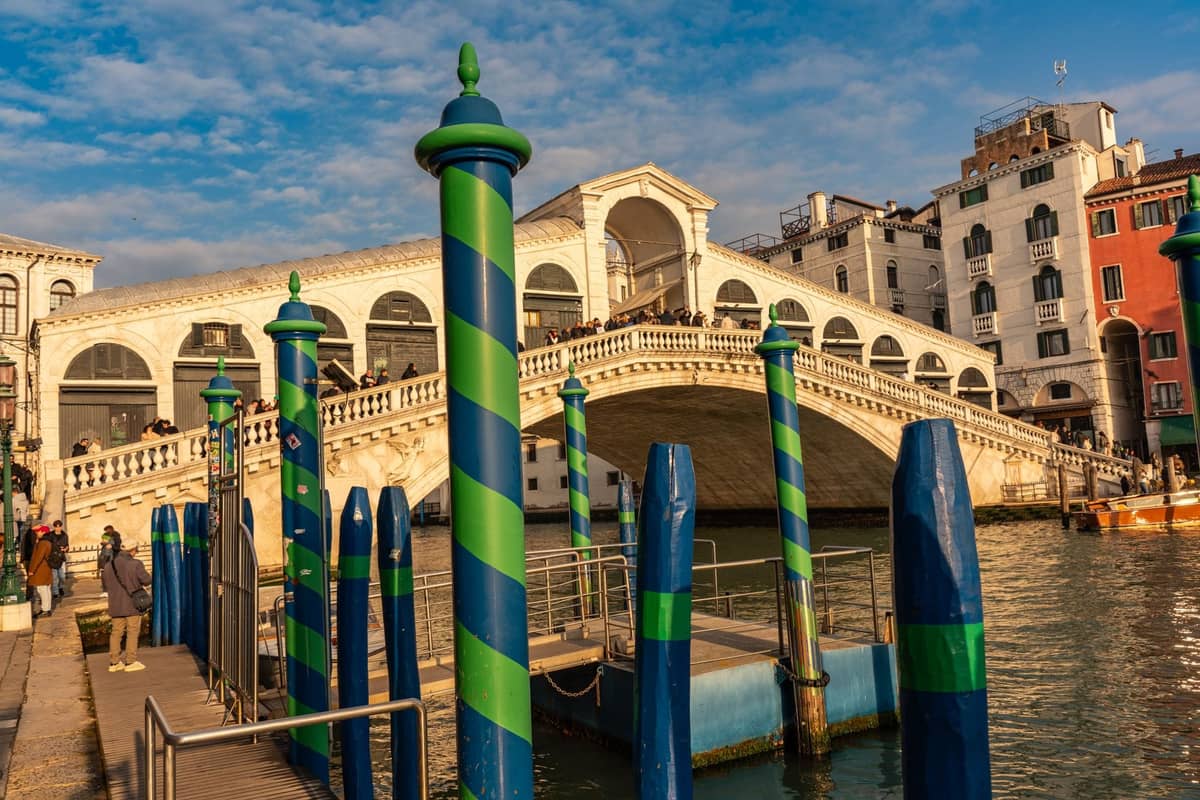
Venice has around a dozen official gondola stations (stazi) across the historic centre. The most popular are clustered near Piazza San Marco, the Rialto, and along the Grand Canal. Where you board matters more than most guides acknowledge — it affects both the route you take and how much time you spend navigating congested waterways versus quieter back canals.
- Bacino Orseolo (near Piazza San Marco) A sheltered basin just north of St. Mark's Square, this is one of the most convenient stations for first-time visitors. Gondoliers here typically route through the narrow canals of San Marco sestiere, which offer some of the most photogenic passages in the city.
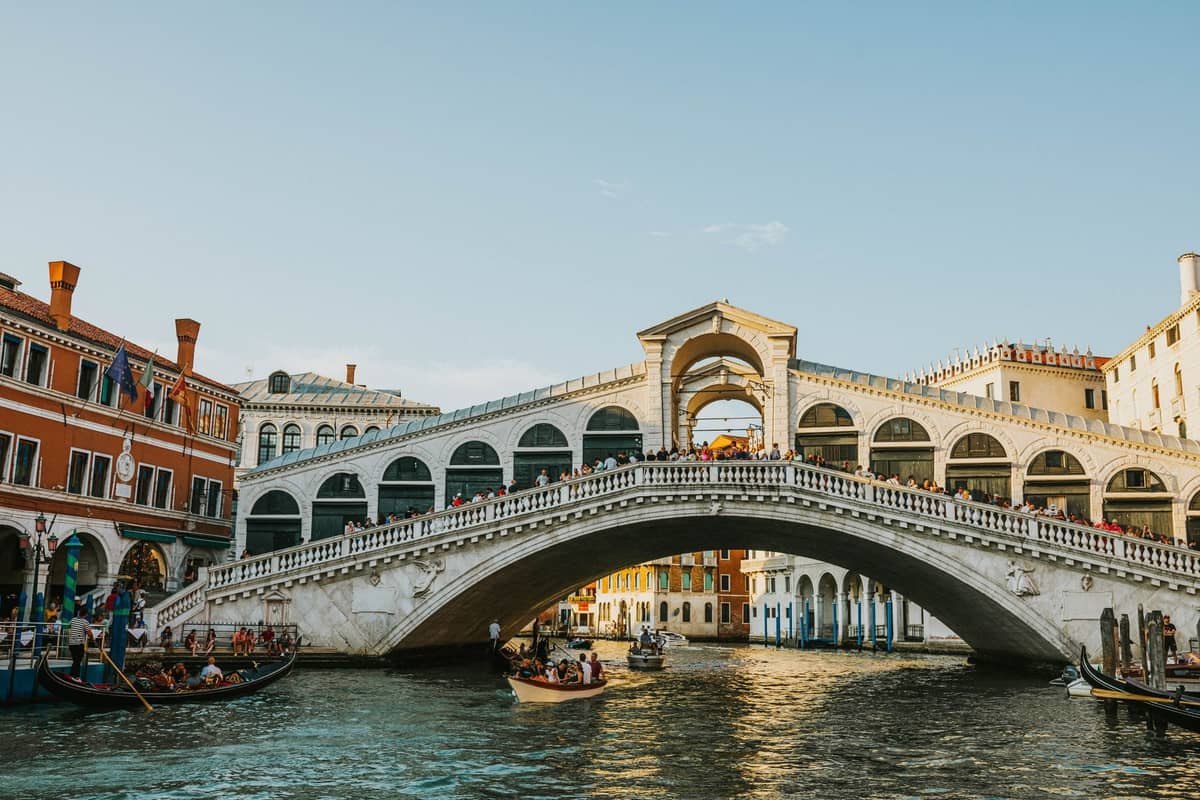
- Rialto Bridge stations There are stations on both sides of the Rialto. Rides from here tend to weave through San Polo and Santa Croce canals — less tourist-dense routes with authentic residential atmosphere.
- Campo Santa Sofia (Cannaregio) A quieter alternative with access to the northern canals of Cannaregio. Less crowded at boarding, and the surrounding streets are calmer than the San Marco area.
- Traghetto crossings Not a full ride, but worth knowing: traghetti are gondola ferries that cross the Grand Canal at several points for just €2 per person. You stand rather than sit, the crossing takes two minutes, and it is the most authentic daily gondola experience locals actually use.
💡 Local tip
If you are boarding near San Marco in July or August, expect to queue. The Bacino Orseolo station can be busy on afternoons. Either arrive early, book a time slot online, or head to a less-visited station like Campo Santa Sofia or the Dorsoduro waterfront.
What the Route Actually Covers
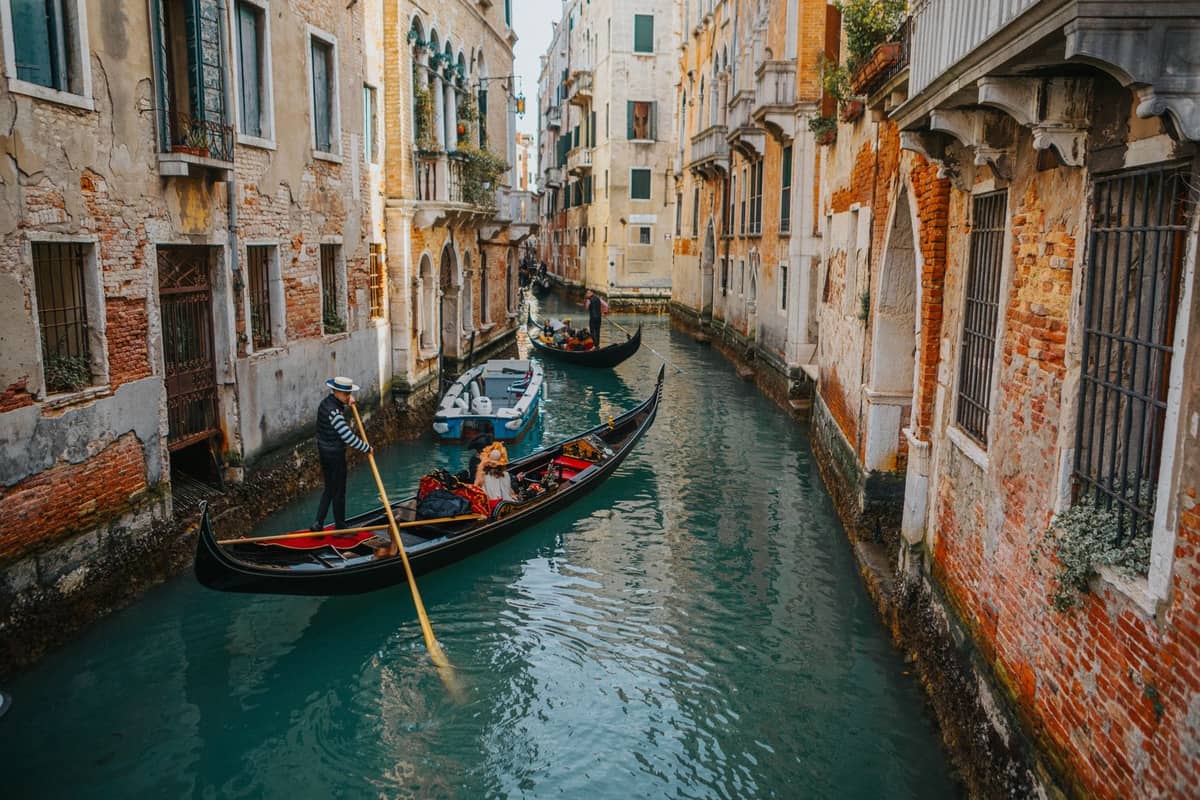
No two gondola rides follow an identical path. Gondoliers adapt their routes to canal traffic, tides, and the location of their station. That said, most 30-minute rides combine a short stretch of a larger canal with several passes through narrow side canals (calli d'acqua). The Grand Canal is usually just a brief connector — the actual experience happens on the smaller waterways where motor traffic is limited and the city feels most intimate.
Expect to pass under low stone bridges, alongside garden walls and palazzo foundations, and through stretches where two gondolas can barely pass side by side. This is the Venice that photographs cannot fully replicate. The 30-minute duration passes faster than it sounds. If you want to feel unhurried, consider negotiating an extended ride upfront rather than asking mid-journey.
Gondoliers do not provide narrated tours by default. If you want explanation of the buildings you pass, a guided gondola experience or a separate walking tour of the sestieri beforehand gives much better context. A gondola ride is primarily a sensory and visual experience, not a history lecture.
When to Go: Timing Your Ride
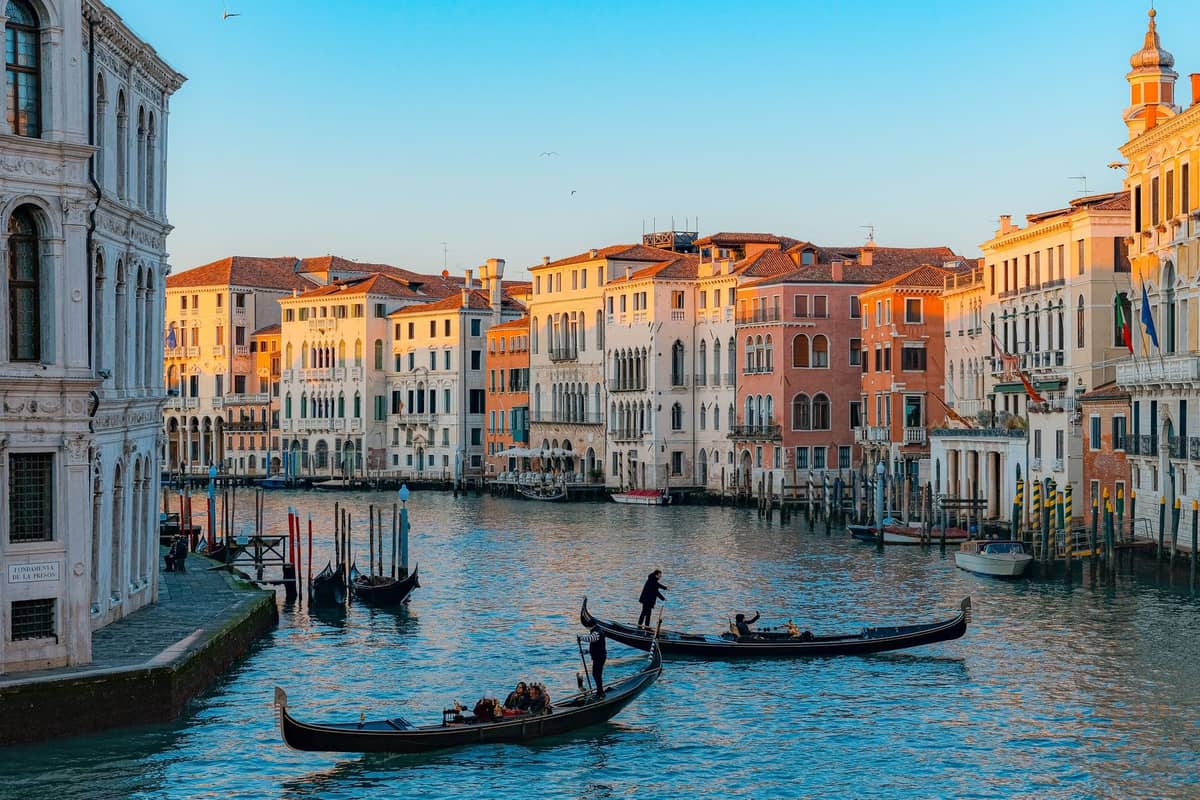
The single biggest difference in the gondola experience comes down to timing. Midday in summer means canal traffic, direct sun on dark water, and a queue at most stations. Early morning and late afternoon rides in spring or autumn are a different experience entirely — calmer water, better light for photography, and gondoliers who are less rushed.
Evening rides carry the official night surcharge, but the extra cost buys you a longer ride, softer light, and a city that has thinned out considerably. For couples, the evening rate is almost always worth it. For families or groups focused on sightseeing, the daytime rate is practical and still worthwhile. For more context on what each season offers, the best time to visit Venice guide covers crowd patterns and weather in detail.
✨ Pro tip
The window between 17:00 and 19:00 on a weekday is arguably the best time for a gondola ride: daytime fares still apply, the worst of the afternoon crowds have dispersed, and the light turns golden across the canal facades. Aim for this slot in April, May, September, or October for the best conditions overall.
Acqua alta, Venice's seasonal high-water flooding, is most common between October and January. It does not typically cancel gondola rides unless water levels are extreme, but it affects how gondoliers navigate and which routes are accessible. If you are visiting in autumn or winter, the acqua alta guide explains what to expect and how the MOSE barrier system affects flooding patterns.
Booking Options: On the Spot vs. Online
Walk-up bookings at official gondola stations work fine outside of peak periods. In spring and summer, particularly from late March through early October, demand is high enough that available gondoliers at popular stations can be scarce in the early afternoon. Online booking guarantees a specific time slot and removes the uncertainty — useful if your Venice schedule is tight.
The trade-off with online platforms is cost. Most charge above the official on-the-spot rate for the convenience of guaranteed booking, and some add service fees. A private gondola ride booked online typically costs more than the station rate, compared to the official fare at the station. Shared rides through booking platforms run around €30-40 per person, which can actually be cheaper than splitting an on-the-spot ride if you are a solo traveller who does not mind riding with strangers.
ℹ️ Good to know
The official fares set by the Comune di Venezia are published on the municipal tourism portal. Before booking anything, check current rates directly there, as fares are reviewed periodically and the figures above may be updated.
Common Myths and Honest Assessments
The gondola has an outsized reputation — both celebrated and dismissed. Here is a clear-eyed look at the most persistent misconceptions.
- Myth: 'It is overpriced for what you get.' Reality: At the official boat rate split five ways, it costs a modest amount per person for a 30-minute private boat ride through Venice. That is a reasonable price by any measure. The real problem is when people book alone or in pairs without understanding the pricing structure.
- Myth: 'All gondola rides are the same.' Reality: Route, gondolier personality, time of day, and season all create meaningfully different experiences. Two rides from different stations in the same city can feel quite distinct.
- Myth: 'Gondoliers will sing to you.' Reality: Music is an add-on. If you want it, you can arrange it — but budget accordingly. Many gondoliers focus on navigation and light conversation rather than performance.
- Myth: 'Online is always cheaper.' Reality: Online platforms offer convenience and sometimes shared-ride pricing, but private online bookings almost always cost more than the official walk-up rate. Know what you are comparing.
- Myth: 'You can haggle the price down.' Reality: Fares are municipally regulated. A gondolier offering a 'special deal' below official rates may be cutting corners elsewhere, or it may be a prelude to disputes about extras later.
For travellers who want to go deeper into Venice beyond the iconic experiences, the hidden side of Venice offers alternatives that most day-trippers never encounter. And if you are weighing how to allocate your time and budget overall, the complete Venice things to do guide puts the gondola in context alongside the city's museums, markets, and neighbourhoods.
FAQ
How much does a gondola ride in Venice cost in 2026?
The official municipally regulated fare is €90 for 30 minutes during the day (up to 5 passengers per gondola). After 19:00, the night rate is €110 for approximately 35 minutes. These prices are per gondola, not per person. Additional time costs around €40 per 20 minutes during the day and €50 at night. Always verify current rates on the official Comune di Venezia tourism portal before your trip, as fares are reviewed periodically.
Is a gondola ride worth it in Venice?
For most visitors, yes — particularly if you travel with 4-5 people and split the cost. Splitting a private boat ride can make the per-person cost much more reasonable. Solo travellers or couples paying the full €90 daytime / €110 evening fare may find it harder to justify, especially if they only plan to do one ride. Evening rides are generally more atmospheric and cost slightly more.
Where is the best place to take a gondola ride in Venice?
Bacino Orseolo near Piazza San Marco is a convenient starting point and offers access to photogenic narrow canals in the San Marco district. Rialto Bridge stations provide routes through central canals around San Polo and Santa Croce. For a less crowded boarding experience, Campo Santa Sofia in Cannaregio is a good alternative. The route matters less than most people think — all rides navigate a mix of back canals and larger waterways.
Do gondoliers sing in Venice?
Not by default. The base fare covers the gondolier and the ride only. A singing gondolier, or a separate musician travelling with the gondola, is an additional service arranged in advance and priced separately. If you want music, ask before boarding and agree on the total cost upfront.
What is the difference between a gondola ride and a traghetto in Venice?
A traghetto is a gondola ferry service that crosses the Grand Canal at several fixed points for a small fare per person. The crossing takes about two minutes and passengers typically stand rather than sit. It is how locals use gondolas as practical transport rather than tourism. A full gondola ride is a private or semi-private 30-minute experience through the canals, priced at the official fare per boat. Both are worth doing for different reasons. The crossing takes about two minutes and passengers typically stand rather than sit. It is how locals use gondolas as practical transport rather than tourism. A full gondola ride is a private or semi-private 30-minute experience through the canals, priced at the official fare of €90 or more per boat. Both are worth doing for different reasons.