Acqua Alta in Venice: What It Is & How to Prepare
Acqua alta is Venice's famous tidal flooding, and it's far less dramatic than most visitors expect. This guide explains exactly what causes it, when it happens, how much of the city it actually affects, and what gear and forecasting tools will keep your trip on track.
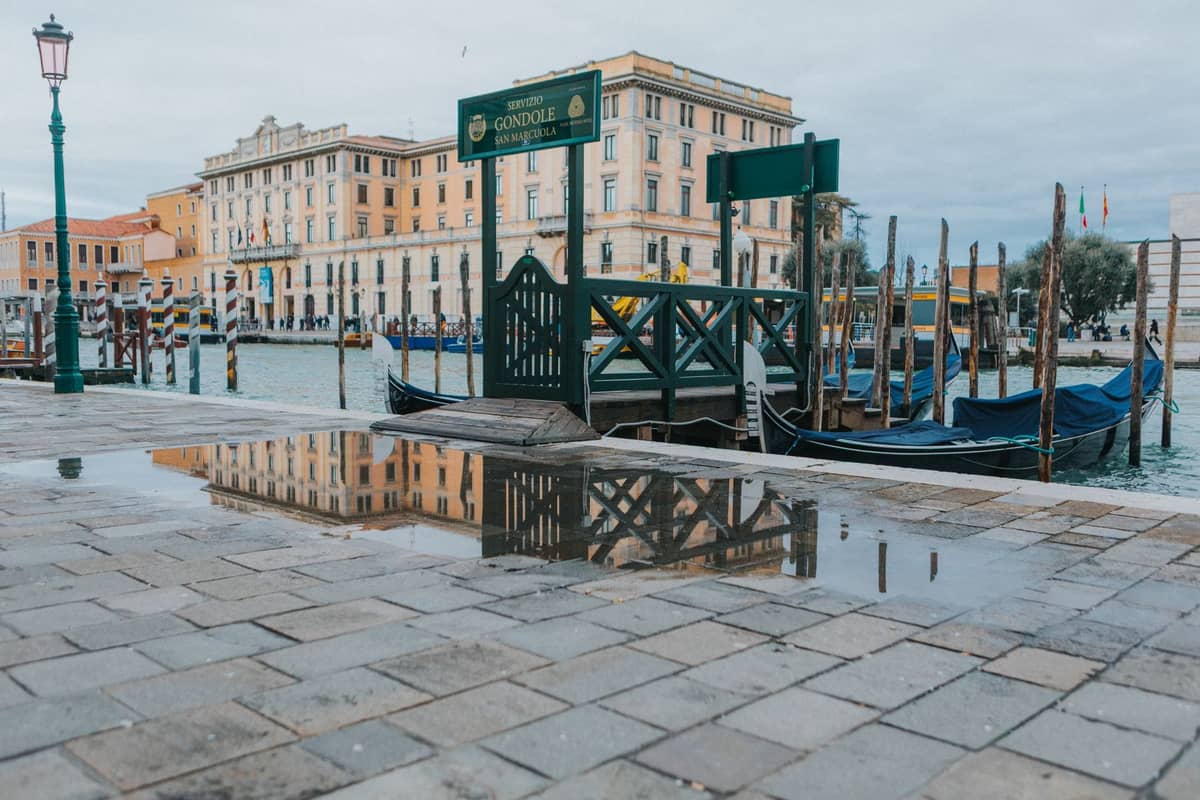
Plan and book this trip
Tools from our partner Travelpayouts help you compare flights and hotels. If you book through them, we may earn a commission at no extra cost to you.
Flights
Hotels map
TL;DR
- Acqua alta is seasonal tidal flooding, most common from late October to early March, not a year-round problem.
- Since 2020, the MOSE barrier system has dramatically reduced major flooding events in the historic center.
- Even without MOSE, only about 12% of Venice floods at 110 cm; the vast majority of the city stays dry.
- Pack waterproof ankle boots if visiting October to March; check the Venice municipal tide forecast app before each day out, especially near Piazza San Marco.
- Acqua alta is temporary, typically lasting 2 to 4 hours around peak tide, and locals treat it as routine.
What Acqua Alta Actually Is (And What It Isn't)
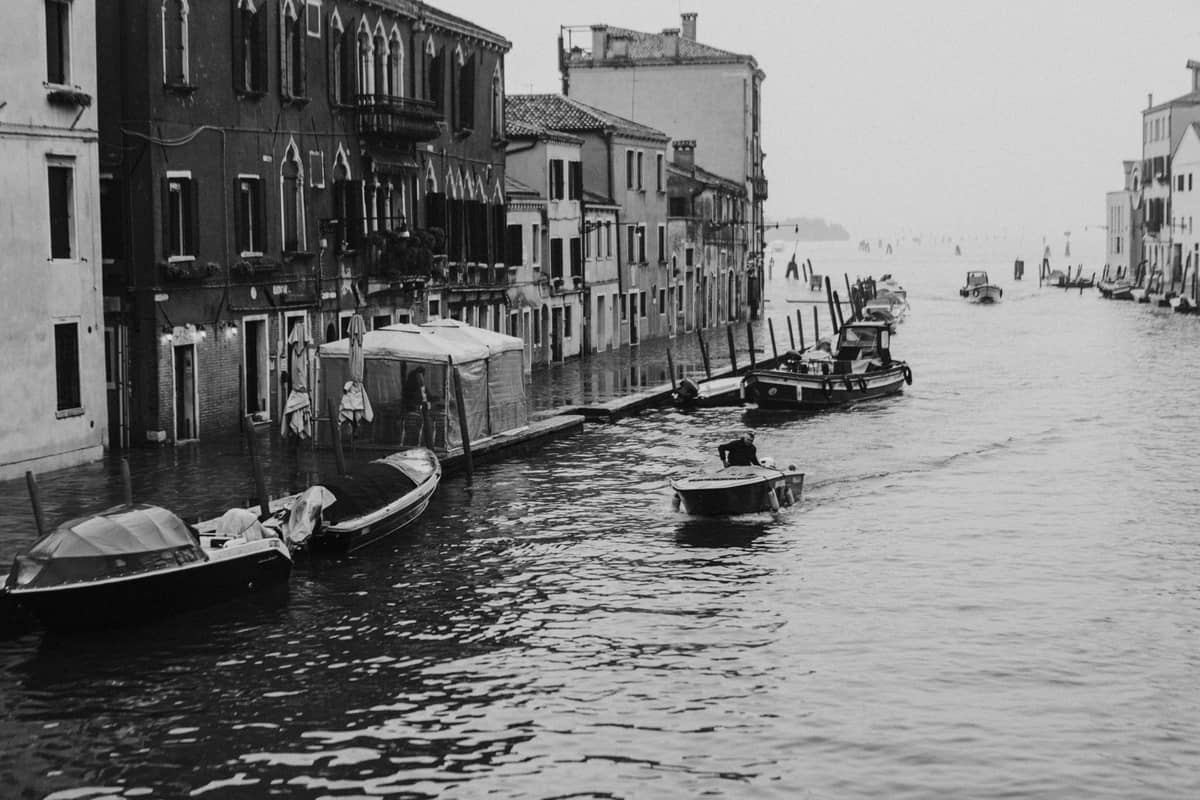
Acqua alta translates literally as 'high water,' and it refers to the temporary tidal flooding that affects parts of Venice when Adriatic Sea tides spike beyond normal levels. By official definition, acqua alta begins when the tide at the Punta della Salute gauge reaches around 80 cm above the standard reference level. Below that, it's just a high tide. Above it, you start seeing water on the lowest streets and squares.
The cause is not heavy rain, despite what many visitors assume. The flooding comes from the sea, driven by exceptionally high tides amplified by two specific conditions: the scirocco wind, which blows up from the south and pushes Adriatic water into the shallow lagoon, and low atmospheric pressure, which allows sea levels to rise. Rainfall can be present during acqua alta events, but it's not the driver. That distinction matters practically: you can have a clear, sunny day with flooding, or a downpour with none at all.
ℹ️ Good to know
Venice's municipality classifies acqua alta by severity: 80-109 cm (sustained), 110-139 cm (very sustained), and above 140 cm (exceptional). Each level triggers different urban responses and affects a progressively larger share of the city.
The areas that flood first and most often are the lowest-lying parts of the city. Piazza San Marco is the single most flood-prone spot in Venice because it sits at one of the lowest elevations in the entire historic center. The Riva degli Schiavoni waterfront promenade and the area around the Rialto Market are also regularly affected. Most of the city, including neighborhoods like Cannaregio, Dorsoduro, and Castello, sits higher and remains entirely dry during moderate events.
When Acqua Alta Happens: Seasons, Frequency, and Patterns
Acqua alta is overwhelmingly an autumn and winter phenomenon. The season runs from roughly late October through early March, with November and December historically the most active months. During this window, Venice can experience dozens of events, though most are moderate, affecting only a small fraction of the city. From April through September, acqua alta is genuinely uncommon. It's not impossible under unusual meteorological conditions, but planning your trip around flood avoidance during summer is unnecessary.
- October to March Peak acqua alta season. Pack waterproof footwear and monitor daily tide forecasts. Events are frequent but usually brief.
- November to December Historically the highest-risk months. The combination of autumn storms, scirocco winds, and astronomical tides produces the most significant events of the year.
- April to September Acqua alta is rare. Visitors can largely ignore it as a planning factor, though keeping an eye on forecasts during early April and late September is sensible.
Even during the peak winter months, acqua alta is not a constant state. A typical event lasts 2 to 4 hours around the tide's peak, then the water recedes on its own. Venetians adapt around it with practiced efficiency: the city deploys raised metal walkways called passerelle on the most affected routes, locals pull on rubber boots, shops raise their barrier boards, and life continues. If you're visiting Venice in winter, acqua alta is part of the experience, not a reason to cancel.
The MOSE Barrier: What Changed in 2020
The MOSE (Modulo Sperimentale Elettromeccanico) flood barrier system became operational in 2020 after decades of construction and controversy. It consists of 78 mobile flap gates installed across the three inlets of the Venice Lagoon: Malamocco, Chioggia, and the Lido. When a tide above a certain threshold is forecast, the gates are raised from the seafloor to block Adriatic water from entering the lagoon.
The impact on the visitor experience has been significant. Tides that would previously have flooded Piazza San Marco to ankle or knee depth now often produce no flooding at all in the central tourist areas when MOSE is activated. The system is not a perfect solution and is not raised for every moderate tide, partly to preserve the ecological balance of the lagoon. But for visitors, it means the most dramatic acqua alta scenarios have become considerably less common than they were even five years ago. The official municipal tourism site confirms that MOSE is activated during sustained high tides to keep streets dry.
✨ Pro tip
MOSE activation is decided in real time based on forecasts. The Venice municipal tide service (Centro Previsioni e Segnalazioni Maree) publishes activation decisions and tide predictions up to 72 hours in advance. Checking this before your day starts is the single most useful thing you can do during autumn and winter visits.
How Much of Venice Actually Floods?
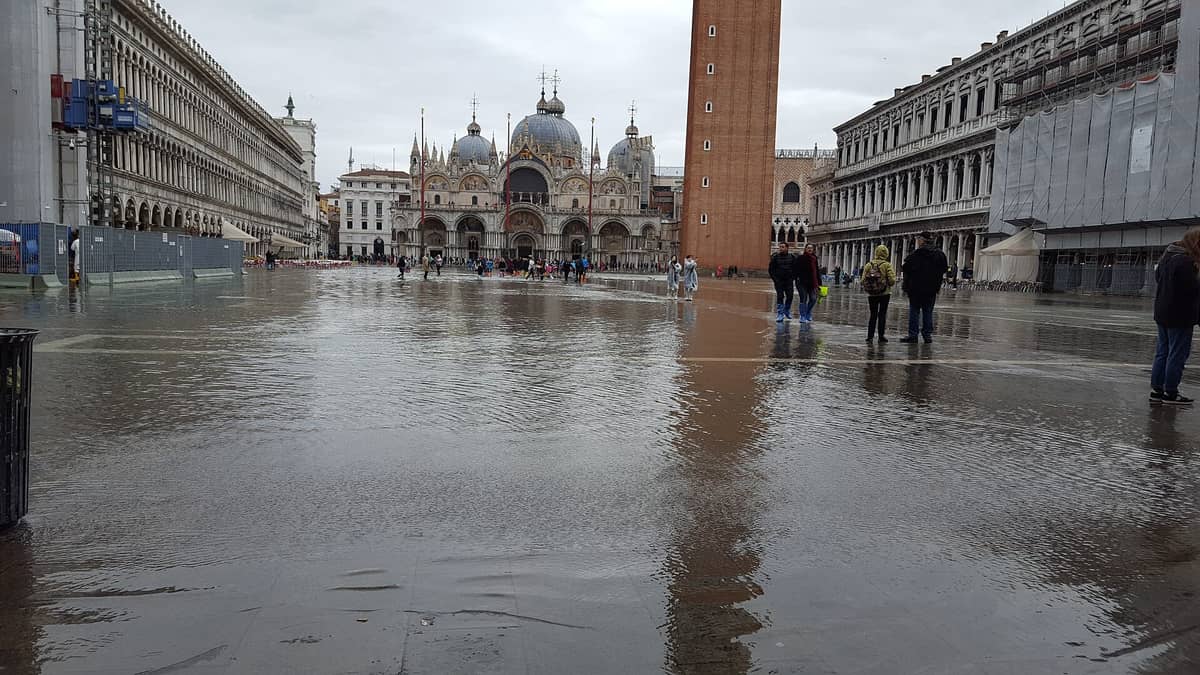
The proportional impact of acqua alta is consistently misunderstood, often fueled by dramatic photographs of Piazza San Marco under water. Here's what the numbers actually show. At 110 cm, roughly 12% of the city's surface area is flooded. At 140 cm or above, which is classified as exceptional and is a relatively rare event, around 50% of the historic center is affected. The city has not experienced the kind of near-total flooding that occasional headlines suggest in the ordinary course of a winter season.
Piazza San Marco is effectively the outlier: it floods more often, more dramatically, and more visibly than almost anywhere else. That creates a skewed impression. A visitor staying near the Arsenale in Castello, or along the Zattere in Dorsoduro, may experience zero flooding during an event that puts San Marco under 30 cm of water. The city's geography, with its 118 islands and elevation variations, creates very localized flood patterns.
⚠️ What to skip
Ground-floor hotel rooms in the lowest-lying areas, particularly immediately around San Marco and the Rialto, can experience water seeping under doors during significant acqua alta events. If you're traveling in winter and are sensitive to this possibility, ask your accommodation about their flood management before booking.
How to Prepare: Gear, Alerts, and Day-of Strategy
Preparing for acqua alta is straightforward once you understand what you're actually dealing with. For most events, the water depth in affected areas is 10 to 20 cm at peak tide. Ankle-height waterproof boots are sufficient for the vast majority of situations. Full-length waders are overkill unless an exceptional event is forecast. The passerelle walkways the city deploys keep pedestrians off the flooded ground on the main routes anyway, so even partially prepared visitors can navigate without wet feet most of the time.
- Waterproof ankle boots or wellies: the most practical investment for an October to March trip. Pack them, don't try to buy them on arrival at inflated tourist prices.
- Disposable plastic over-boots: sold near San Marco and Rialto for a few euros per pair. A decent backup if you're caught unprepared, though not reusable.
- The Venezia Unica app or the Comune di Venezia tide forecast website: check these each morning during acqua alta season for the day's tide prediction and any MOSE activation notice.
- SMS alerts: register on the Comune di Venezia website to receive direct text message warnings when high tides above set thresholds are expected.
- Your hotel: most Venice hotels actively monitor forecasts and will proactively inform guests of expected events the evening before.
If a significant acqua alta is forecast for a day when you'd planned to visit St Mark's Basilica or the Doge's Palace, it's worth checking whether those sites have modified their opening procedures. Both institutions have invested in protective measures and generally remain open during moderate events, but very high tides can affect access to the basilica's crypt and lower ground levels. Calling ahead on the morning of a predicted event is advisable for sensitive itinerary items.
Acqua Alta and Your Trip: Honest Expectations
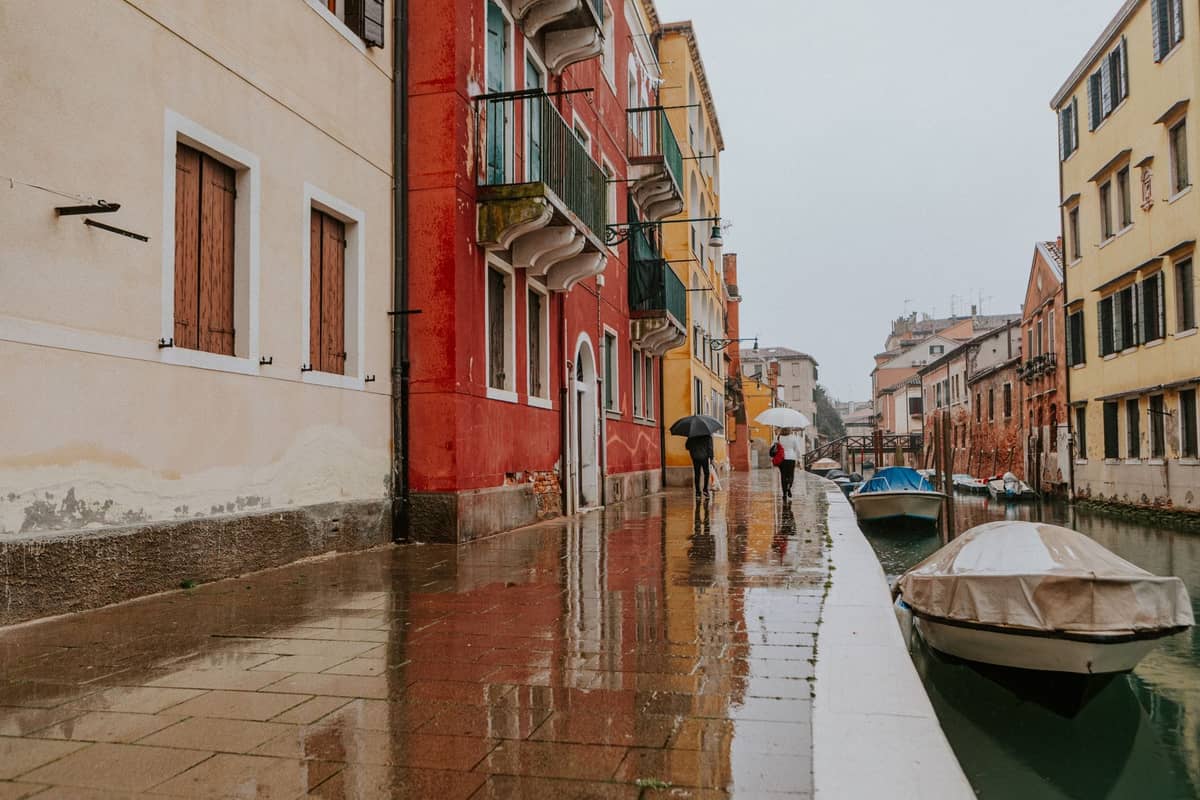
Acqua alta during an October to March visit is genuinely part of what makes Venice unlike anywhere else. Watching the water rise slowly across a piazza, seeing locals step onto the passerelle in rubber boots with coffee in hand, observing how a city of around 50,000 residents has built an entire behavioral culture around tidal patterns, is something no other city in the world offers. It doesn't ruin a trip; for many visitors it becomes the most memorable part of it. If you want a fuller picture of how to manage timing, the best time to visit Venice guide covers seasonal trade-offs in detail, including the acqua alta risk window alongside crowd levels and costs.
That said, acqua alta is not for everyone. Travelers with limited mobility, those using wheelchairs or pushchairs, or anyone who finds navigating temporary walkways over flooded ground genuinely difficult should plan winter visits with extra care. The passerelle are narrow, can be slippery when wet, and are not wheelchair accessible. In those cases, focusing a winter visit on the higher-ground sestieri like Cannaregio or Castello and avoiding the San Marco basin during forecast events is a reasonable strategy.
For visitors who prefer the city without this variable entirely, late spring and early summer offer the most reliable conditions. May and June combine mild temperatures with very low acqua alta risk, though the trade-off is crowds. For a fuller seasonal comparison, the Venice in summer guide outlines what to expect if you choose the drier, warmer months.
FAQ
Is acqua alta dangerous for tourists?
In almost all normal circumstances, no. The water depth during typical acqua alta events is 10 to 20 cm, rising slowly and receding within a few hours. The city deploys walkways on main pedestrian routes. Exceptional events above 140 cm are rare and well-forecast in advance. The main practical risks are wet feet and slippery surfaces, not flood danger.
Will acqua alta cancel or close major attractions?
Most museums and major sites remain open during moderate acqua alta. The Doge's Palace and St Mark's Basilica have invested in protective systems and typically stay operational. However, very high tides can affect ground-floor access points and the basilica's lower levels. Always check with specific venues on the morning of a forecast event.
Has MOSE solved Venice's flooding problem?
MOSE has significantly reduced the frequency and severity of acqua alta affecting the tourist center. Events that would previously have flooded Piazza San Marco by 50 cm or more are now often blocked entirely when the barriers are raised. However, MOSE is not activated for every moderate tide, partly for ecological reasons, so acqua alta still occurs during the autumn and winter season.
Where can I check Venice tide forecasts?
The Comune di Venezia operates the Centro Previsioni e Segnalazioni Maree, which publishes 24 to 72-hour tide forecasts and MOSE activation decisions online. You can also register for SMS alerts via the municipal website. Many hotels in Venice proactively share this information with guests during acqua alta season.
What months should I avoid Venice because of acqua alta?
There's no month that requires avoiding Venice because of acqua alta, but November and December carry the highest statistical risk of significant events. If you're set on visiting in those months, pack waterproof boots, monitor forecasts daily, and be ready to adapt your plans for a few hours around peak tide. The flooding is temporary and the city stays largely functional throughout.