Venice in Winter: What to Expect & Why to Go
Winter is one of the most rewarding times to visit Venice. Crowds thin out, prices drop significantly, and the city takes on a moody, atmospheric quality that summer visitors never see. This guide covers weather, acqua alta, Carnival, costs, and everything else you need to plan a winter trip.
Plan and book this trip
Tools from our partner Travelpayouts help you compare flights and hotels. If you book through them, we may earn a commission at no extra cost to you.
Flights
Hotels map
TL;DR
- Venice in winter (late November to March) is generally low season: quieter streets, often 30–50% lower hotel rates outside holiday periods, and no day-visitor access fee on most dates.
- Daytime temperatures typically sit around 7–10°C (45–50°F), with cold nights near freezing. Pack layers and waterproof footwear.
- Acqua alta (tidal flooding) is most common between November and February, especially around Piazza San Marco. Rubber boots help, and the MOSE barrier reduces major flood events.
- Venice Carnival (late January to mid-February) is the major exception: prices spike and crowds return. Book far ahead if you want to attend.
- Major museums, churches, and vaporetto lines all run year-round. The city does not shut down in winter.
Winter Weather in Venice: Cold, Damp, and Occasionally Magical
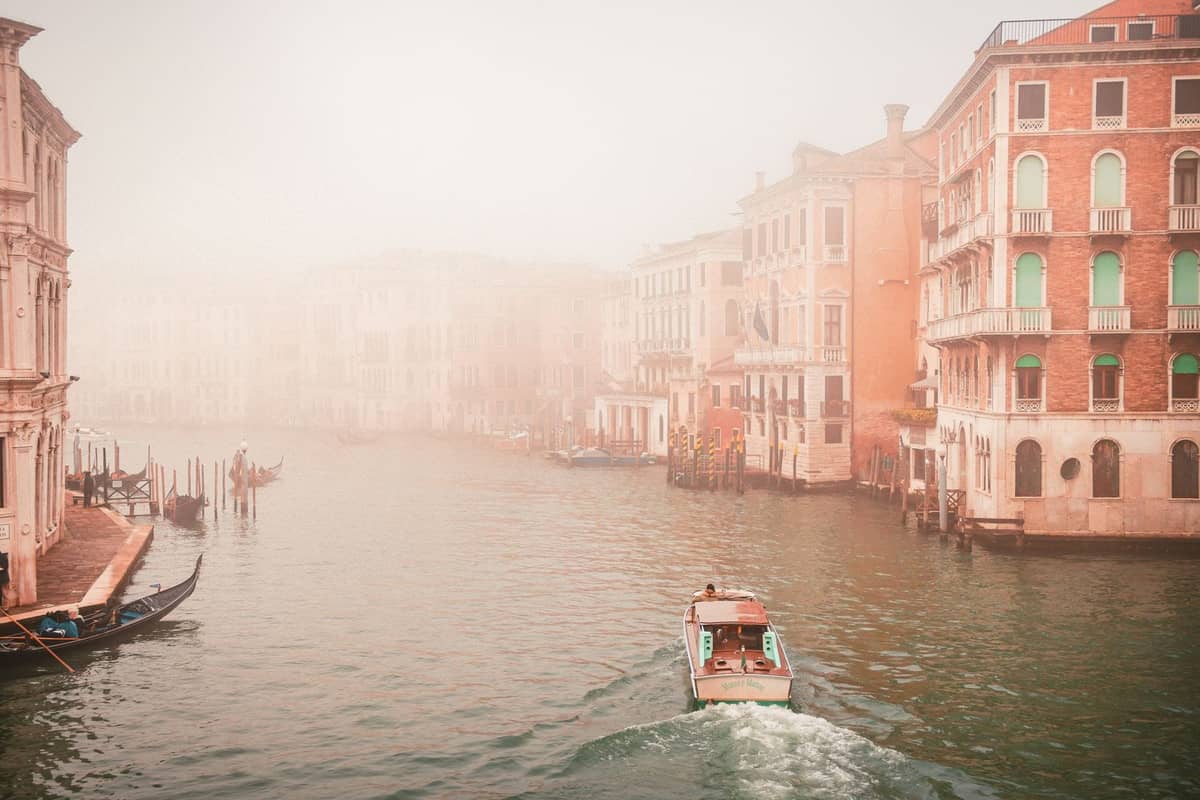
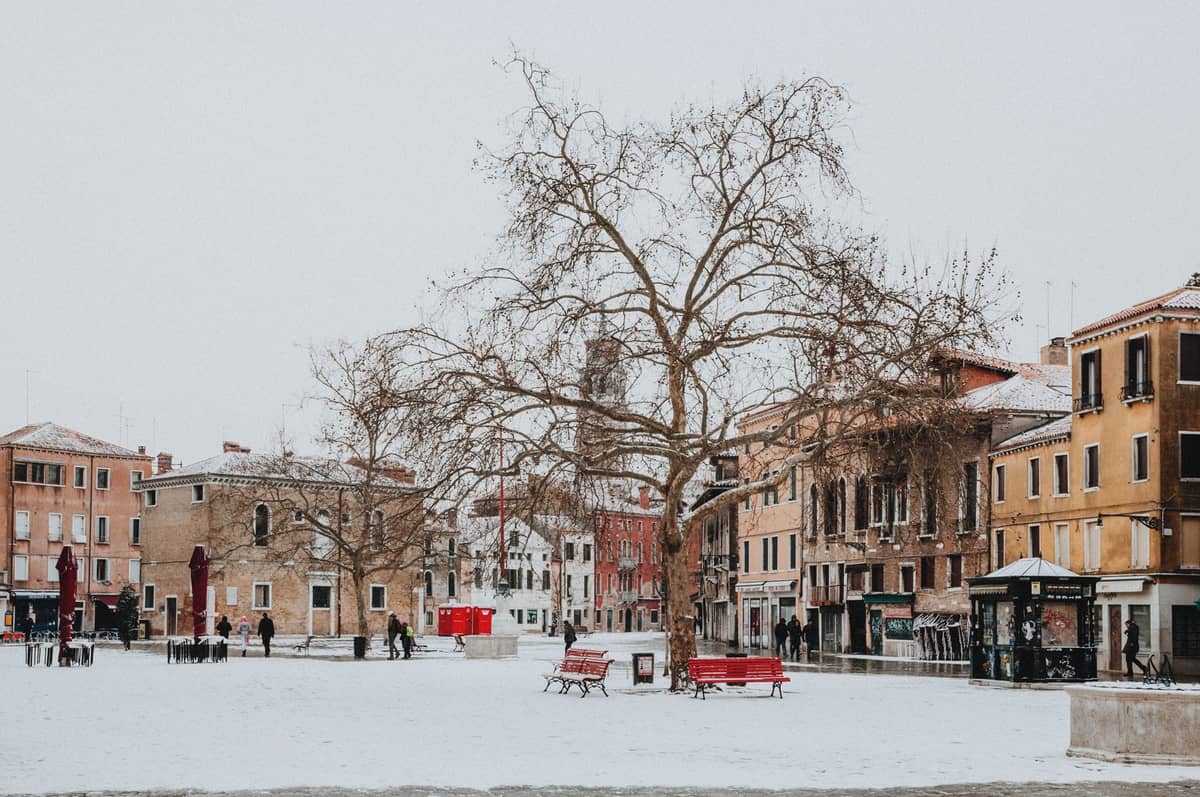
December through February is the coldest stretch, with daytime highs typically between 7–10°C (45–50°F) and nights that can dip close to or just below freezing. Rain and fog are regular companions, and the humidity from the lagoon makes the cold feel sharper than the thermometer suggests. That said, it rarely drops far below zero and heavy snowfall is unusual. When snow does fall and settle on the bridges and campi, it creates some of the most photographed scenes in the city's history, but don't count on it.
January and February tend to be the coldest and quietest months. March starts to warm slightly and brings the first hints of spring, though it remains unpredictable. November sits in an in-between zone: mild enough to be comfortable, but autumn rainfall and early acqua alta season mean conditions vary week to week. If you want the best balance of off-season quiet and reasonable weather, early to mid-November or mid-March are worth considering.
💡 Local tip
Dress in proper layers and bring a compact waterproof outer layer. The damp air in Venice cuts through thin coats faster than a dry cold would. Waterproof ankle boots or rubber overshoes are essential if there is any acqua alta forecast during your visit.
Acqua Alta: What It Is, How Bad It Gets, and How to Deal With It
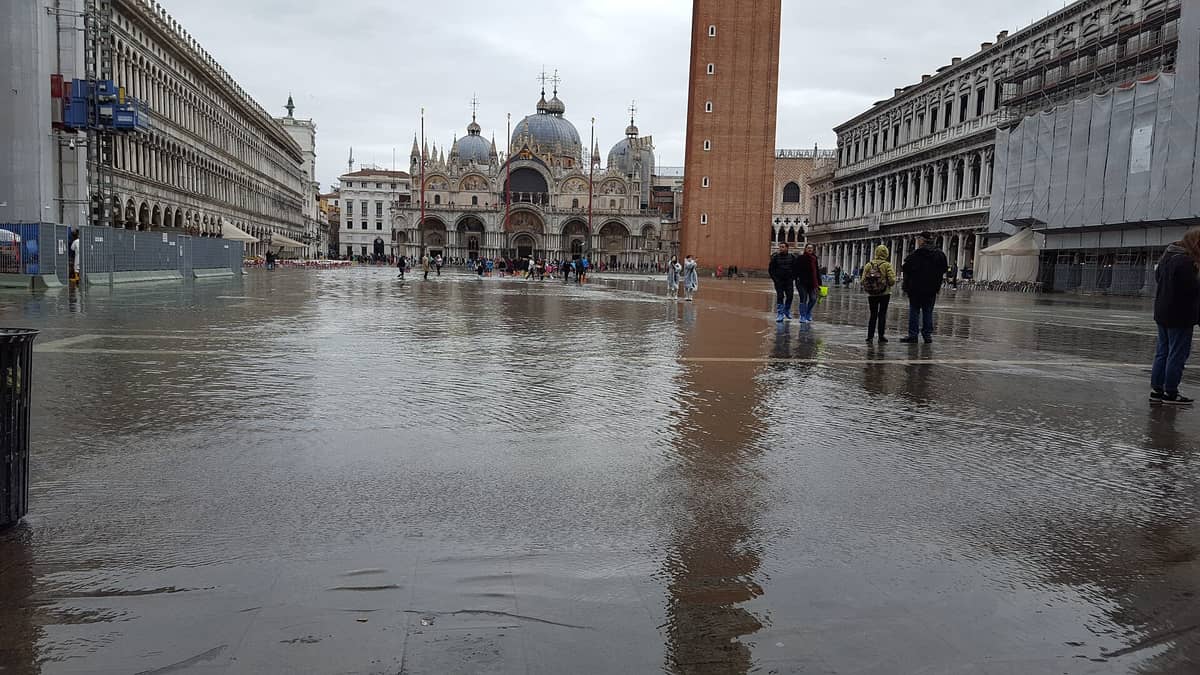
Acqua alta, literally 'high water', is Venice's tidal flooding phenomenon. It occurs when southerly winds push Adriatic water into the lagoon, causing tides to exceed normal levels and spill into low-lying streets. The acqua alta season runs roughly from October through February, with November historically the most flood-prone month. Piazza San Marco, being the lowest point in the city at about 95cm above mean sea level, floods first and most frequently.
Since 2020, the MOSE (Modulo Sperimentale Elettromeccanico) barrier system has been activated during significant high-tide events. This network of mobile barriers at the lagoon inlets can be raised to block tidal surges, and it has significantly reduced the frequency of major flooding inside the city. However, MOSE is not deployed for every minor high-tide event, and moderate acqua alta still occurs. The city posts tide forecasts on its official Centro Previsioni e Segnalazioni Maree platform, and most hotels will alert guests if flooding is expected.
- Rubber boots The classic Venice solution. Short rubber boots or waterproof overshoes cover most acqua alta events, which typically involve 20–40cm of water in the lowest areas.
- Elevated walkways (passerelle) The city deploys temporary raised walkways across the most affected routes when flooding is forecast. Follow the signage.
- Download the tide app The official 'Acqua Alta' app and the Comune di Venezia tide forecast pages give advance warning of high-tide events. Check the forecast each morning.
- Know the affected areas Flooding concentrates in San Marco and parts of Rialto first. Dorsoduro, Cannaregio, and Castello neighborhoods at higher elevations are often unaffected even during moderate events.
⚠️ What to skip
Do not book ground-floor accommodation in San Marco without checking the property's flood history. Some ground-floor rooms in the lowest parts of the sestiere flood regularly, even with MOSE in operation. Ask the hotel directly, or choose accommodation in Dorsoduro or Cannaregio for a safer bet.
Crowds, Costs, and the Real Case for Going in Winter
The crowd reduction in winter is not a marginal improvement. During peak summer, certain calli near the Rialto and San Marco can barely move at midday. In January, you can walk those same routes at a normal pace and take photographs without strangers in every frame. The vaporetti are actually usable rather than jammed sardine tins. Restaurants seat you without a reservation on most nights. It is a materially different experience.
Hotel pricing reflects this shift. Mid-range three and four-star properties in the historic center that cost €200–350 per night in July often drop to €100–150 in January. Even some of the landmark hotels on the Grand Canal become relatively accessible. Budget travellers can find clean, well-located options for under €100 per night, which is nearly impossible in summer. Book a few weeks in advance rather than months, though Christmas, New Year's, and Carnival are the clear exceptions to this flexibility.
The Venice day-visitor access fee (Contributo di Accesso) does not apply to most winter dates. Under the current rules, the fee is limited to selected high-attendance days concentrated mainly in spring and summer. Winter visitors arriving by train or water typically do not pay it at all, though some March dates may be included. This is worth knowing because the access fee can cause confusion: it exists, but it almost certainly does not affect a November, December, January, or February trip. Always verify the current schedule on the official city portal before traveling, as dates and rules are subject to change.
✨ Pro tip
For the best combination of low prices and manageable weather, target the two weeks on either side of Carnival. Late January before the Carnival opening weekend, or the week after Carnival ends in mid-February, offers full off-season pricing with none of the masked-ball crowds.
Venice Carnival: The Major Winter Exception
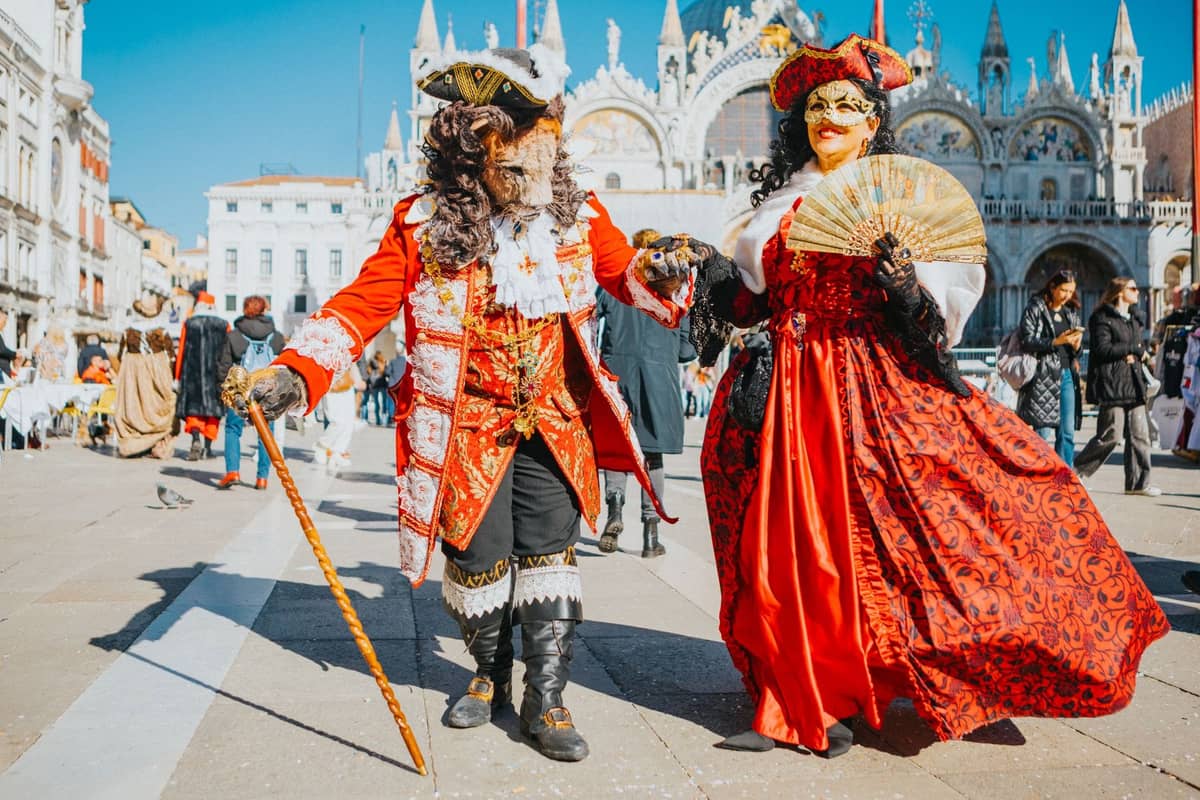
Venice Carnival (Carnevale di Venezia) transforms the city for roughly two and a half weeks, typically running from late January through mid-February, ending on Shrove Tuesday. For 2026, the dates are 31 January to 17 February. During Carnival, the quiet winter city disappears. Crowds return, prices spike to near-peak levels, and hotels in the historic center sell out weeks or months in advance. If you want the full Carnival experience, including the elaborate masked costumes, the Volo dell'Angelo flight over Piazza San Marco, and the masked balls at historic palaces, read the dedicated Venice Carnival guide before booking.
If you specifically want winter quiet and low prices, avoid Carnival dates entirely. The atmosphere during Carnival is genuinely spectacular, but it is a fundamentally different trip with different logistics and a much higher budget required. The two goals, quiet winter break and Carnival spectacle, are mutually exclusive.
What's Open, What's Worth Doing in Winter
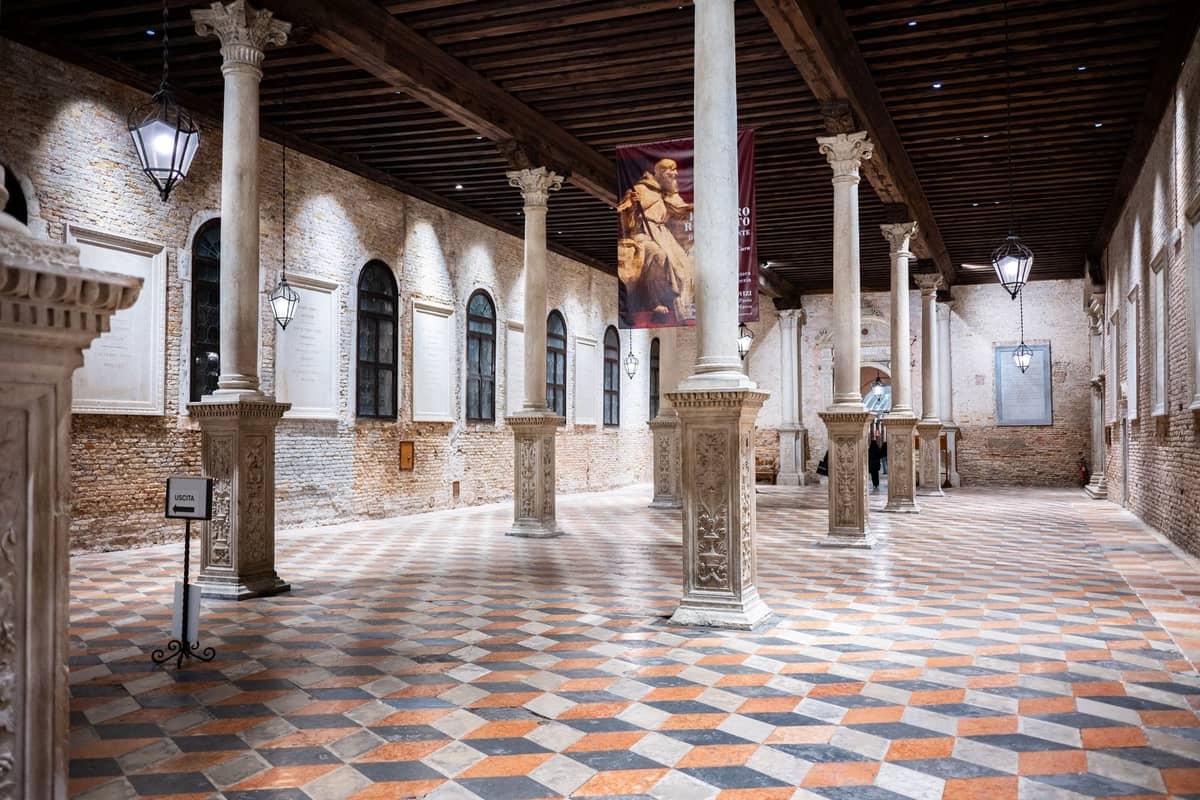
One of the most persistent myths about Venice in winter is that it closes down. This is false. The major museums, churches, and attractions operate year-round, though opening hours can be slightly shorter in winter months and some smaller sites have reduced schedules in January and February. Always check official websites for current hours before visiting.
- Doge's Palace and St. Mark's Basilica Both operate year-round. Winter queues are dramatically shorter. Booking timed-entry slots for the Doge's Palace is still advisable but not the urgent necessity it is in summer.
- Gallerie dell'Accademia Venice's premier painting collection, tracing Venetian art from the 14th to the 18th century, is open year-round. In winter you can actually stand in front of works by Bellini, Titian, and Veronese without fighting through tour groups.
- Peggy Guggenheim Collection Closed on Tuesdays year-round, and typically closed for a period in January. Check the official website before planning your visit around it.
- Scuola Grande di San Rocco Tintoretto's spectacular cycle of paintings decorates this confraternity hall near the Frari. It sees far fewer visitors than the Accademia and is particularly atmospheric in winter light.
- Lagoon islands Vaporetto lines to Murano and Burano run year-round, with reduced frequency in winter. Murano's glass workshops and the Museo del Vetro operate in winter. Burano's lace museum (Museo del Merletto) has seasonal hours to verify.
The Rialto Market operates Tuesday through Saturday mornings year-round and is one of the most local experiences in the city, selling fresh fish and produce to Venetians rather than tourists. Winter is when you see it functioning as a working market rather than a backdrop for selfies. The cicchetti bars and bacari around the market are equally active in winter, and a cicchetti crawl through Rialto and San Polo is one of the best ways to eat and drink well without overspending.
For churches, winter is an excellent time to visit the Basilica dei Frari and Santi Giovanni e Paolo, two of Venice's most important Gothic churches. Both contain some of the most significant art in the city and charge modest entry fees. In summer the queues can be long and the interiors feel crowded; in winter you'll often have the nave practically to yourself.
Practical Logistics: Getting There, Getting Around, and Staying Connected
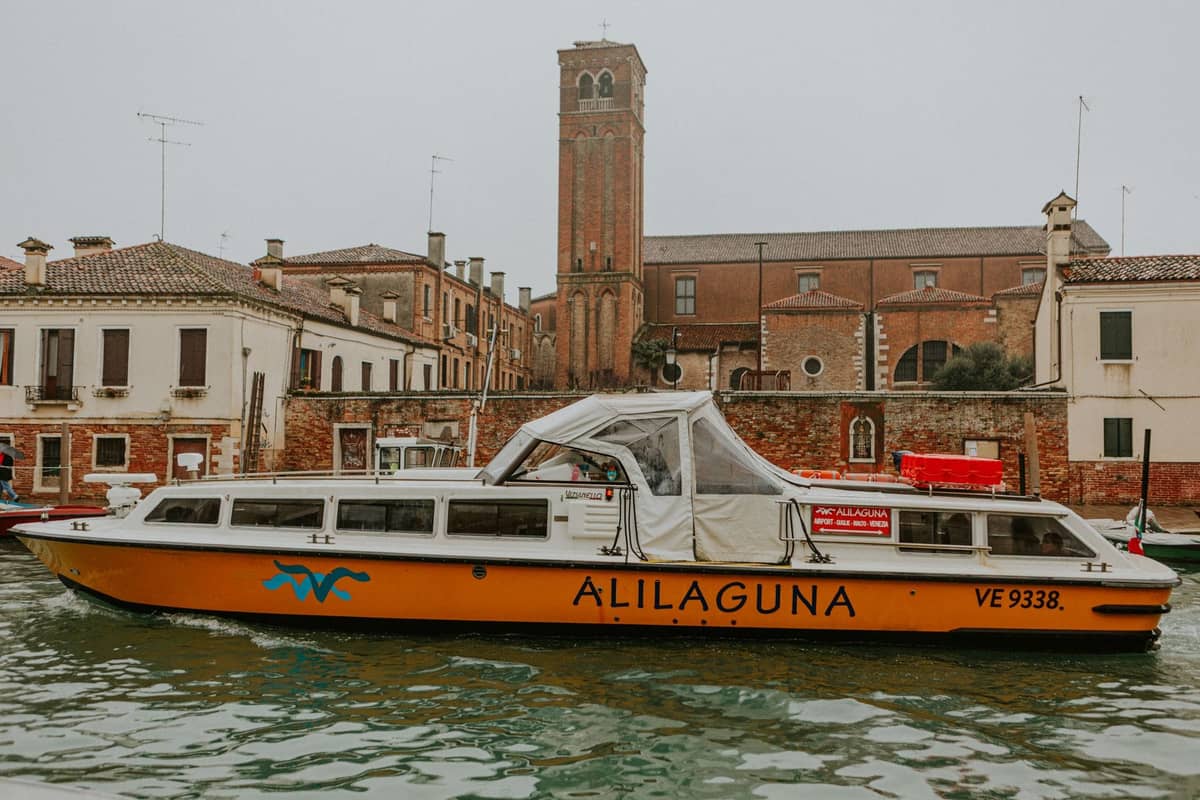
Venice Marco Polo Airport (IATA: VCE), located at Tessera on the mainland about 8km north of the historic center, handles flights year-round. Low-cost carriers also use Treviso Airport (IATA: TSF), which is around 40km away and requires more time and planning to reach the city. From Marco Polo, options to reach the historic island include the Alilaguna water bus service (which drops you at lagoon stops including San Marco), ACTV bus lines to Piazzale Roma on the western edge of the historic center, and private water taxis which are faster but substantially more expensive. Alilaguna and ACTV schedules and fares are published on their official sites and should be checked before travel.
Once in the city, everything moves on foot and by vaporetto. ACTV operates the water bus network year-round. Line 1 follows the full length of the Grand Canal from Piazzale Roma to San Marco and makes all stops; Line 2 is the faster express version. Multi-day vaporetto passes represent good value if you plan more than three or four journeys per day. There is no metro within the historic island city, and standard road taxis and ride-hailing services do not operate in the canal network. Trains arrive at Venezia Santa Lucia station directly on the Grand Canal, with Trenitalia and Italo both connecting Venice to major Italian cities.
ℹ️ Good to know
Venezia Santa Lucia station connects directly to the Grand Canal by vaporetto and is an excellent arrival point. High-speed trains from Milan take around 2 hours 20–30 minutes; from Rome, approximately 3.5 hours. Train travel is often more convenient than flying once airport transfer time is factored in, particularly from northern Italian cities.
FAQ
Is Venice worth visiting in winter?
Yes, for most travellers Venice in winter offers a genuinely better experience than summer. The crowds are a fraction of peak season, prices are significantly lower, and you can appreciate the architecture, museums, and canals without the pressure of overtourism. The trade-offs are cold, damp weather and the risk of acqua alta flooding, both of which are manageable with the right gear and preparation.
How bad is flooding in Venice in winter?
Acqua alta is most frequent between November and February. Since the MOSE barrier system became operational in 2020, major flooding events have been significantly reduced. Minor to moderate high-tide events still occur and can temporarily flood Piazza San Marco and the lowest-lying streets. Waterproof boots and the city's daily tide forecasts are your main tools. Most of the city remains walkable during all but the highest tides.
Do I need to pay the Venice access fee in winter?
Under the current rules, the day-visitor access fee applies only on selected high-attendance dates, concentrated in spring and summer. Most winter visits (November through March) are not affected. Always verify the current schedule on the official Comune di Venezia portal before your trip, as dates and rules can change.
What should I pack for Venice in winter?
Thermal base layers, a warm mid-layer, a waterproof outer jacket, and waterproof footwear are the essentials. Short rubber boots or waterproof overshoes are ideal if acqua alta is forecast. A compact umbrella is useful but wind can make larger umbrellas impractical on narrow calli. Comfortable walking shoes with grip matter too, as wet stone bridges and pavements can be slippery.
When is Venice Carnival and should I go?
Venice Carnival typically runs from late January to mid-February, ending on Shrove Tuesday. For 2026 the dates are 31 January to 17 February. It is spectacular if you want costume spectacle and events, but expect summer-level crowds and prices. If your goal is a quiet, affordable winter break, avoid Carnival dates entirely. The two goals do not mix well.