Venice with Kids: The Complete Family Travel Guide
Venice with kids is more manageable than most parents expect. This guide covers everything families need: getting around by vaporetto, the best kid-friendly attractions, seasonal timing, safety on the canals, and how to keep the trip fun without exhausting everyone.
Plan and book this trip
Tools from our partner Travelpayouts help you compare flights and hotels. If you book through them, we may earn a commission at no extra cost to you.
Flights
Hotels map
TL;DR
- Venice works well for families with children aged 4 and up; babies and toddlers are feasible but require a carrier due to bridge steps.
- Plan for 2 to 3 days to cover the main sights without overtiring young travelers.
- Children under 6 ride vaporettos free; ages 6 and up pay the standard fare. Day passes save money for families making multiple trips.
- Skip midday heat in summer by ducking into museums; visit St Mark's Basilica and the Rialto before 9am to avoid peak crowds.
- There are no railings along many canals: keep small children by the hand or in a carrier at all times near the water.
Is Venice Actually Suitable for Kids?
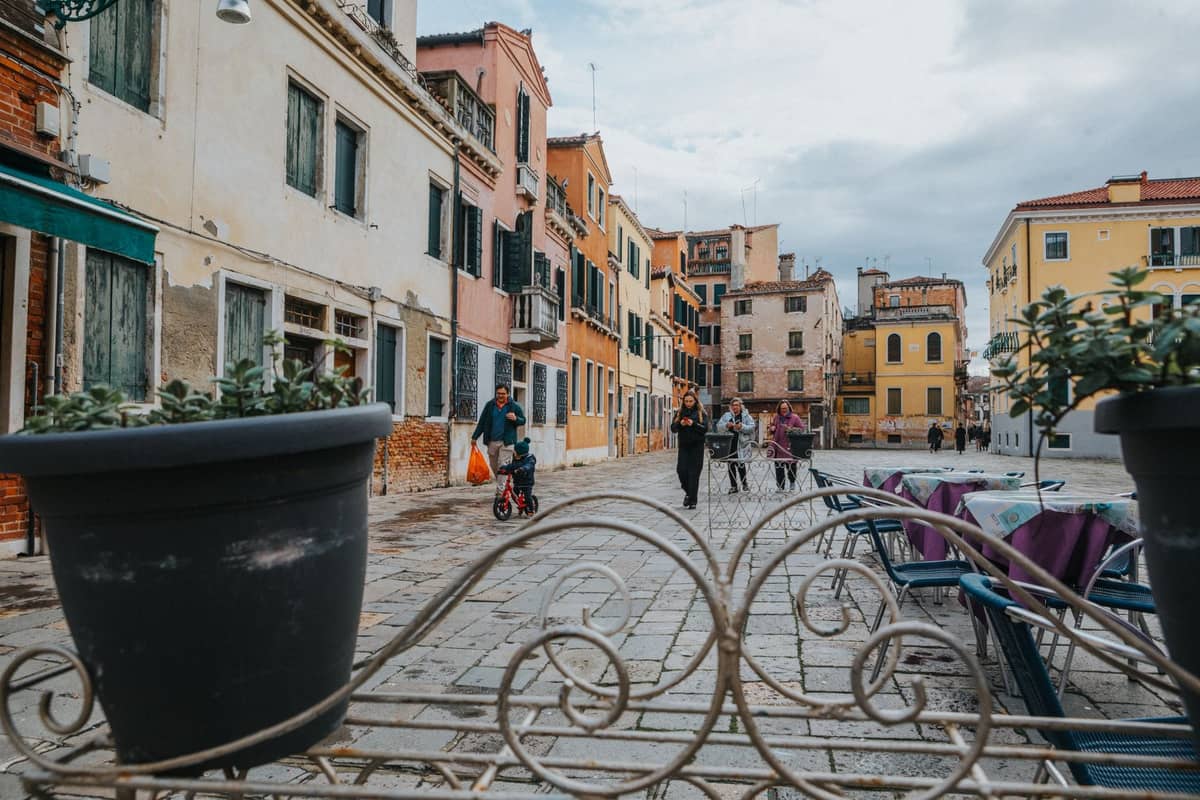
The short answer is yes, though it requires a different kind of planning than most city trips. Venice is entirely car-free, which removes one of the biggest stresses of traveling with children in any major city. There are no roads to cross, no traffic to navigate. The city moves at a walking pace, boats substitute for buses, and the sheer strangeness of the place tends to captivate children from the moment they step off the train or water bus.
The challenges are real but manageable. The roughly 400 bridges crossing the canals all have steps, many are steep, and strollers are a genuine liability. Families with babies or toddlers who rely on pushchairs will spend a lot of time lifting them. A baby carrier is not optional here: it is the practical choice. From around age 4 or 5, children start to engage with Venice on its own terms. The boats become exciting rather than difficult. The bridges become things to count. The whole city feels like a puzzle to solve.
💡 Local tip
Leave the stroller at home or in your accommodation if possible. A lightweight baby carrier or structured backpack carrier will make Venice dramatically easier for families with children under 3. For older kids, pack comfortable shoes: a full day in Venice easily involves 8-10km of walking.
Getting Around Venice with Children
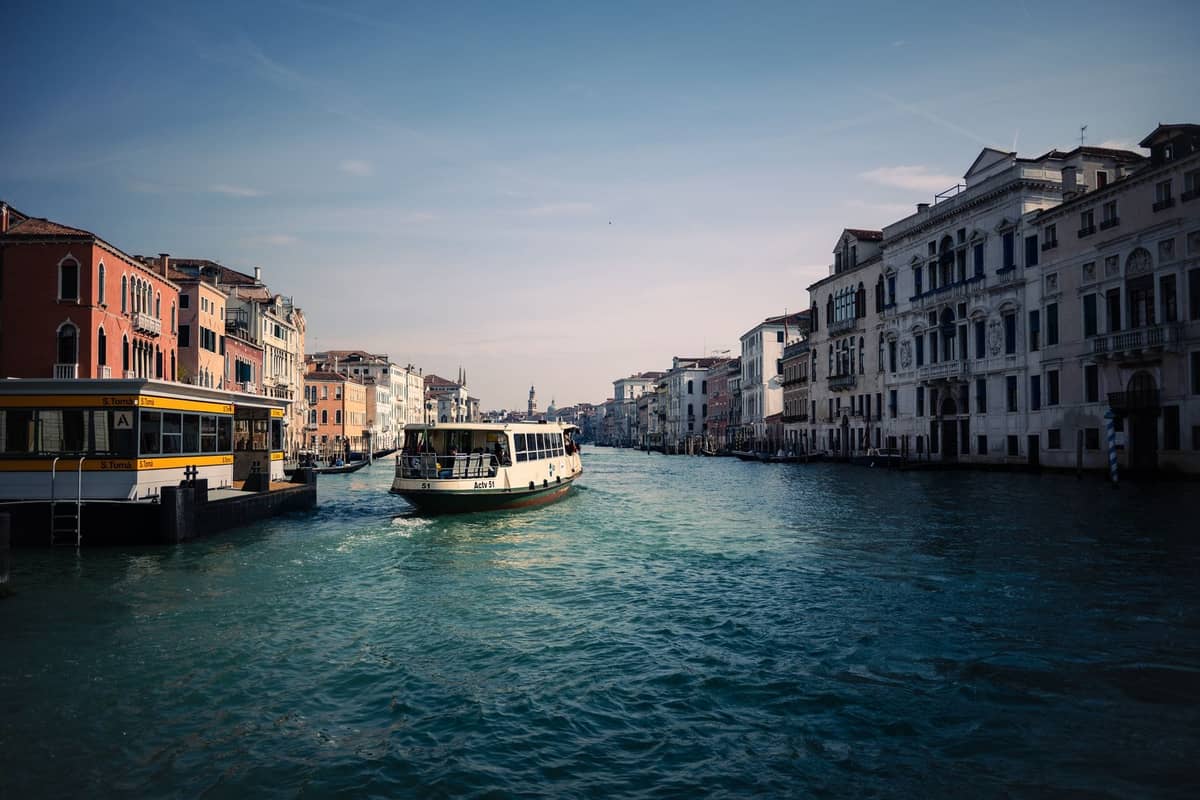
Venice's public water buses, called vaporetti, are operated by ACTV and are the backbone of family transport across the city and out to the lagoon islands. A single ride costs around €9.50, which adds up fast. For families planning more than two or three journeys in a day, a 24-hour or 48-hour travel card from Venezia Unica is almost always better value. Children under 6 travel free. Children aged 6 to 14 are eligible for reduced fares, though it is worth confirming current pricing directly with ACTV as rates are updated periodically.
From Venice Marco Polo Airport (IATA: VCE), located in Tessera about 8-10km from the historic center, families have two main options. The ACTV or other bus services run to Piazzale Roma at roughly €10 per adult, and take around 20–25 minutes. A licensed road taxi to Piazzale Roma costs around €35. If you want to arrive by water directly into the city, the Alilaguna water bus connects the airport dock to stops including San Marco and Rialto, but the journey takes over an hour and costs more. With tired children and luggage, most families find the bus or taxi to Piazzale Roma faster and less stressful, then board a vaporetto from there.
- Vaporetto single fare Around €9.50 per adult; children under 6 free, ages 6-14 reduced (verify current rates with ACTV before travel).
- Day travel card Available for 24h, 48h, and 72h. Covers unlimited vaporetto rides across the network including routes to Murano and Burano.
- Airport bus to Piazzale Roma Around €8 per adult, approximately 20 minutes. Most practical option for families with luggage.
- Alilaguna water bus from airport More scenic but slower (60-75 minutes). Better for older children who enjoy the approach by water.
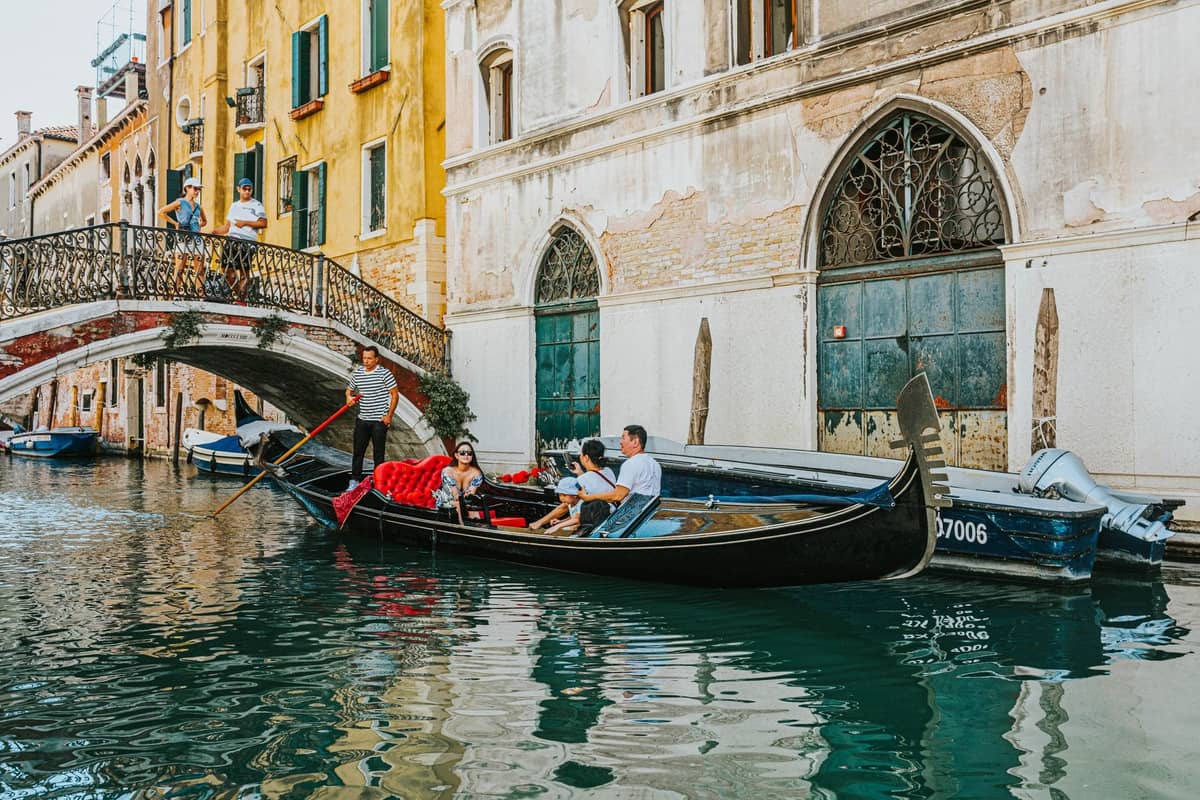
- Gondola rides Currently priced at around €90 for 30 minutes (up to 5 passengers), rising to €110 after 7pm. A shared experience, not daily transport. Verify rates before booking.
⚠️ What to skip
Venice introduced a day visitor access fee in 2026, applied on selected high-attendance dates between 3 April and 26 July, from 08:30 to 16:00. Children under 14 are exempt but must still be registered in the system. Check the official Comune di Venezia access fee portal for current dates, amounts, and registration requirements before your visit, as rules and dates are subject to change.
The Best Kid-Friendly Attractions in Venice
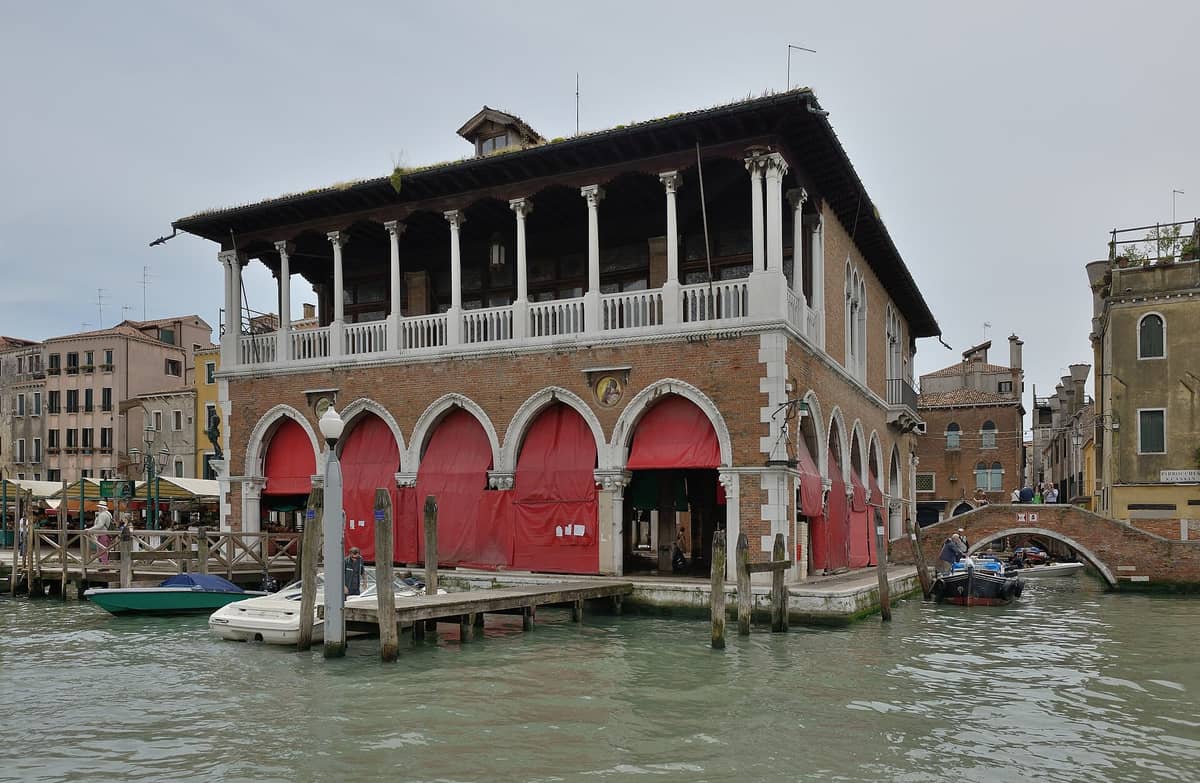
Start at the Rialto Market, which opens around 7:30am on weekdays. The fish market runs Tuesday through Saturday until noon; the fruit and vegetable stalls operate Monday through Saturday until around 1:30pm. Children are fascinated by the scale and noise of it, and the variety of sea creatures on display makes for a natural conversation about the Adriatic. Arrive early to avoid crowds, and follow it up with a traghetto crossing of the Grand Canal for around €2 per person: a short gondola ferry that locals actually use.
For museum visits with children, the Natural History Museum (Museo di Storia Naturale) in Santa Croce is one of the most genuinely engaging stops in Venice for young visitors. It houses dinosaur fossils, a whale skeleton, and an aquarium section covering Adriatic marine life. The building is a converted fondaco on the Grand Canal, and the collections are broad enough to hold attention without exhausting children. Admission is modest and it rarely reaches the crowd levels of the major art institutions.
The Naval History Museum (Museo Storico Navale) in Castello is another strong choice. It covers Venetian maritime power through ship models, weapons, historical artifacts, and a section on the famous Venetian ceremonial vessel, the Bucintoro. Children who are interested in boats, naval battles, or Venetian history tend to enjoy it considerably. The adjacent boat pavilion across the rio adds extra space and scale. Admission fees are low and queues rarely form.
A trip to Murano's glassblowing workshops is one of the most memorable things families do in Venice. The vaporetto journey across the lagoon takes about 10-15 minutes from Fondamente Nove, and watching a glassblower shape molten glass into a horse or fish in under two minutes captivates children across almost every age group. Many workshops offer free demonstrations, though the expectation is that you may purchase something afterward. If you want a more structured experience, the Glass Museum on Murano provides historical context and a broader overview of the craft.
- Rialto Market: educational, lively, best before 10am
- Natural History Museum (Santa Croce): dinosaurs, whale skeleton, aquarium — excellent for ages 5 and up
- Naval History Museum (Castello): maritime history, ship models, boat pavilion
- Murano glassblowing demonstrations: free to watch, short journey by vaporetto
- Lido beach: sandy Adriatic shore, accessible by vaporetto (including Lines 1 and 5.1), good for a half-day break from sightseeing
- St Mark's Campanile: elevator to the top offers panoramic views without stair fatigue
- Doge's Palace: older children (10+) engage well with the history of the Republic; buy tickets in advance to skip queues
When to Visit Venice with Kids
Timing matters more in Venice than in almost any other Italian city because tourist density is extreme during peak periods. April through May and October through November offer the best balance of decent weather, manageable crowds, and lower accommodation prices. For a detailed breakdown of what each season actually looks like on the ground, the best time to visit Venice guide covers the tradeoffs in full.
Summer (June through August) brings heat and very high crowds, particularly around Piazza San Marco and the Rialto. Midday temperatures frequently exceed 30°C with high humidity from the lagoon. Families who visit in summer should plan outdoor sightseeing for early morning (before 9am) or late afternoon (after 5pm), and use the middle of the day for air-conditioned museums, lunch, or a vaporetto trip to the islands.
Winter visits from November through March carry the risk of acqua alta, the tidal flooding that periodically raises water levels across the lower parts of the city. The acqua alta guide explains what to expect and how to prepare. Elevated walkways (passerelle) are deployed across the main routes when flooding is forecast, and the MOSE barrier system is activated during sustained high tides. With waterproof boots and appropriate layers, winter visits are entirely feasible and come with the considerable advantage of far fewer tourists.
✨ Pro tip
Whatever season you visit, arrive at major sights like St Mark's Basilica or the Doge's Palace when they open. By 10am, the sestiere of San Marco can feel genuinely overwhelming with groups. An 8am start lets families move at a relaxed pace before the crowds arrive, and children are usually fresher in the morning anyway.
Staying Safe with Children in Venice
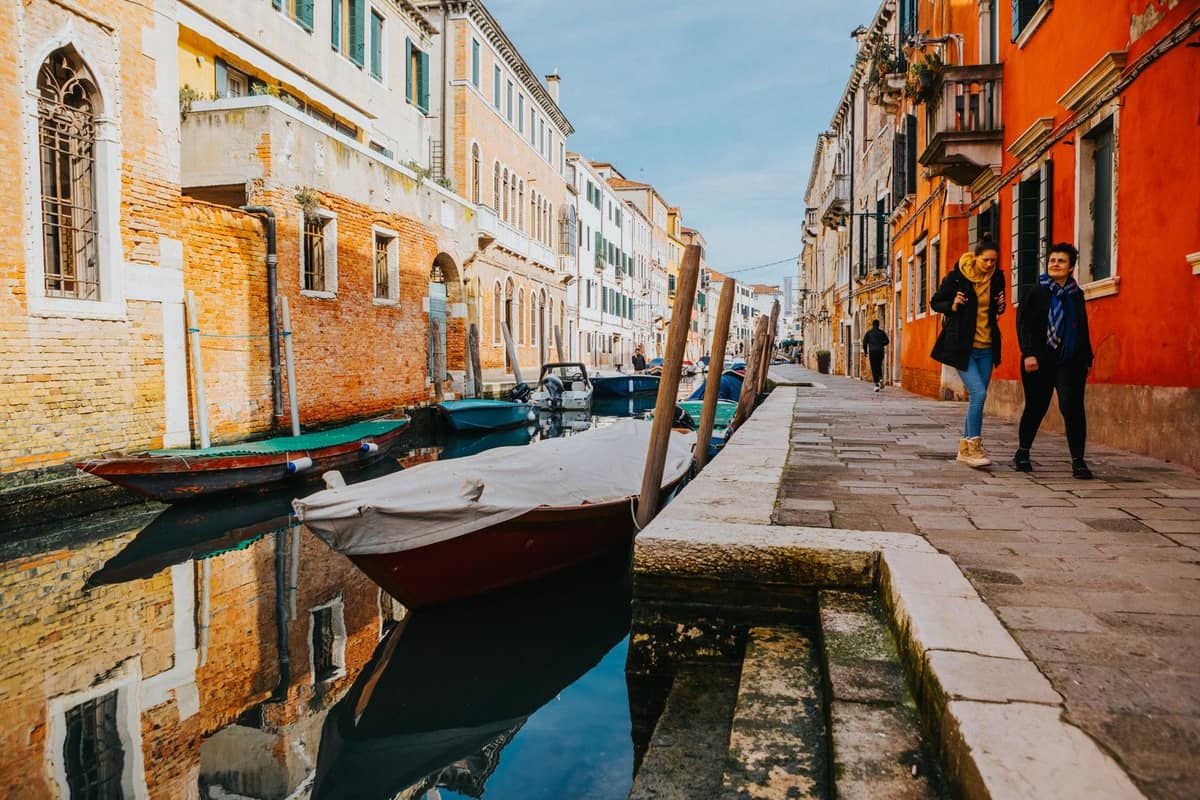
The most important safety consideration in Venice is the absence of barriers along many canal edges and pier sides. Unlike river cities in northern Europe, Venice does not routinely install railings along its fondamenta (canal-side walkways). Small children should be kept by the hand at all times near the water, particularly when boarding or disembarking from vaporettos and water taxis. The boarding process can be fast and the gaps between boat and dock are uneven.
Getting lost is common and mostly harmless in Venice, but it can be disorienting for children. The street numbering system in Venice does not follow conventional logic: numbers run sequentially through an entire sestiere rather than along individual streets, which means address navigation by number alone is unreliable. Download an offline map (Google Maps offline mode works well) and agree on a meeting point with older children before letting them walk ahead. The major landmarks, Rialto Bridge, Piazza San Marco, and the train station at Santa Lucia, serve as reliable anchor points.
For food, Venice has some well-documented tourist traps concentrated around San Marco and the main tourist corridors. Restaurants displaying photos of every dish outside, or staff actively calling out to passersby, almost always offer inferior food at inflated prices. Instead, head toward Cannaregio or Dorsoduro for more neighborhood-oriented restaurants. Cicchetti bars, which serve small Venetian bar snacks similar to tapas, are a practical and economical way to feed children without committing to a full sit-down meal. Most bars serve cicchetti from around noon and again from 6pm.
Practical Planning: Neighborhoods, Budgeting, and Logistics
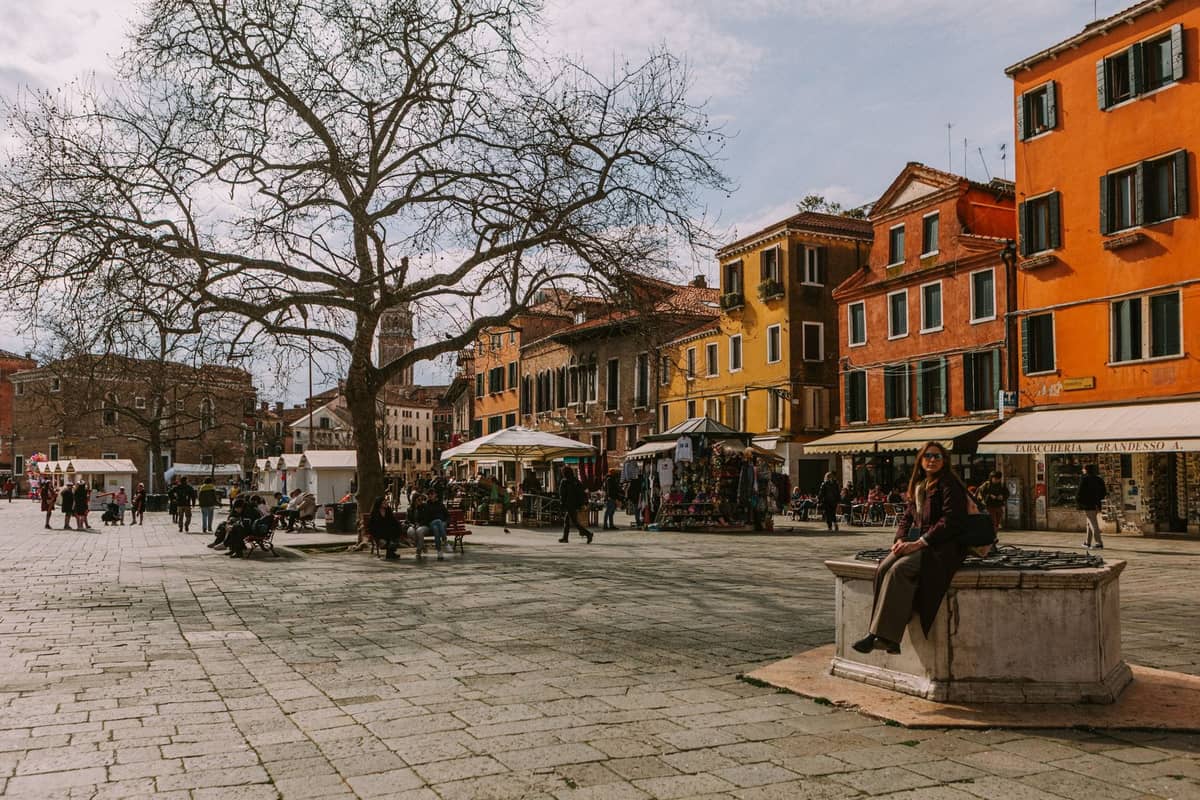
Families staying overnight have more flexibility than day visitors. Staying in the historic center puts you close to everything and allows early starts and midday rest breaks, but accommodation is expensive, especially in San Marco. Consider basing yourself in Cannaregio or Dorsoduro, which are quieter in the evenings, have more local cafes and shops, and are still within easy walking or vaporetto distance of the main sights. The Venice accommodation guide breaks down the neighborhoods with family-specific considerations.
For families on a tighter budget, Venice is not cheap but it is manageable with planning. The Venice on a budget guide outlines which attractions are free or very low-cost, including walking the Grand Canal route, exploring the campos (squares), and visiting several churches with significant art for minimal entry fees. Many state museums in Venice offer free entry to EU residents under 18, and others have reduced rates for children regardless of nationality: always ask at the ticket desk before paying full price.
ℹ️ Good to know
Venice's tap water is sourced through a mainland supply system and meets European drinking water standards. Refillable bottles work throughout the city, and there are public drinking fountains (fontanelle) marked with potable water signs. Avoid buying bottled water at tourist kiosks near the major sights, where prices are significantly marked up.
FAQ
What age is best for taking children to Venice?
Venice works well from around age 4 or 5, when children can walk reasonable distances and engage with the boats, bridges, and unusual environment. Younger children are manageable but strollers are a significant obstacle on Venice's stepped bridges. A baby carrier is strongly recommended for children under 3. Teenagers generally find Venice fascinating, particularly the history of the Venetian Republic and the visual drama of the Grand Canal.
Is a gondola ride worth it for families?
A gondola ride is a genuine experience that most children remember. At around €90 for 30 minutes (up to 5 passengers), the per-person cost is reasonable for a family. The practical advice is to book through an official gondolier station rather than accepting street offers, agree the route and price in advance, and go during daylight when the canals are most photogenic. Evening rates rise to around €110. Verify current official rates before booking as they are periodically reviewed.
Do children pay for vaporettos in Venice?
Children under 6 travel free on ACTV vaporettos. From age 6 upward, children pay the standard fare. Adults accompanying children should consider 24-hour or 48-hour travel cards, which cover unlimited journeys and work out cheaper than buying individual tickets if you plan to use the vaporetto more than twice in a day. Confirm current pricing with ACTV or through the Venezia Unica portal before your trip.
What happens if there is acqua alta during our family visit?
Acqua alta (high water) events are most common between October and March. The city deploys elevated walkways along the main routes, and the MOSE flood barrier is activated during major tidal events. The flooding typically affects the lowest-lying areas around Piazza San Marco first. With waterproof boots (available for rent or purchase at many shops in the city) and appropriate clothing, acqua alta is more of a memorable novelty than a serious obstacle for most families. Download the Comune di Venezia's official tide forecast app before arriving in winter months.
How many days do you need in Venice with kids?
Most families with children find 2 to 3 days sufficient to cover the main highlights: St Mark's Basilica, the Rialto Bridge and market, a gondola ride or vaporetto tour of the Grand Canal, a trip to Murano, and one or two museums. A third day allows for a more relaxed pace, a half-day at the Lido beach in summer, or a visit to Burano. Going beyond 3 days is worthwhile if you want to explore quieter neighborhoods and slow down, but the core experience is achievable in 2 full days.