2 Days in Venice: The Perfect Itinerary (2026 Guide)
Two days in Venice is enough to cover the iconic highlights and still find quieter corners the crowds miss. This guide gives you a realistic, hour-by-hour framework for both days, practical transport advice, booking warnings, and honest takes on what is worth your time.
Plan and book this trip
Tools from our partner Travelpayouts help you compare flights and hotels. If you book through them, we may earn a commission at no extra cost to you.
Flights
Hotels map
TL;DR
- Two days covers San Marco, the Rialto area, the Grand Canal, and one lagoon island comfortably if you plan ahead.
- Arrive at Piazza San Marco before 9:00 a.m. on Day 1 — the difference in crowd volume is dramatic.
- Book St. Mark's Basilica and Doge's Palace online before you arrive; walk-up queues can swallow two hours.
- A 48-hour vaporetto pass is better value than single tickets — check current fares at the official ACTV portal before you travel, as prices change. For a full orientation to the water-bus network, see the guide to getting around Venice.
- Gondolas are optional, not essential — most of your movement will be on foot and by vaporetto.
Before You Go: What to Book in Advance
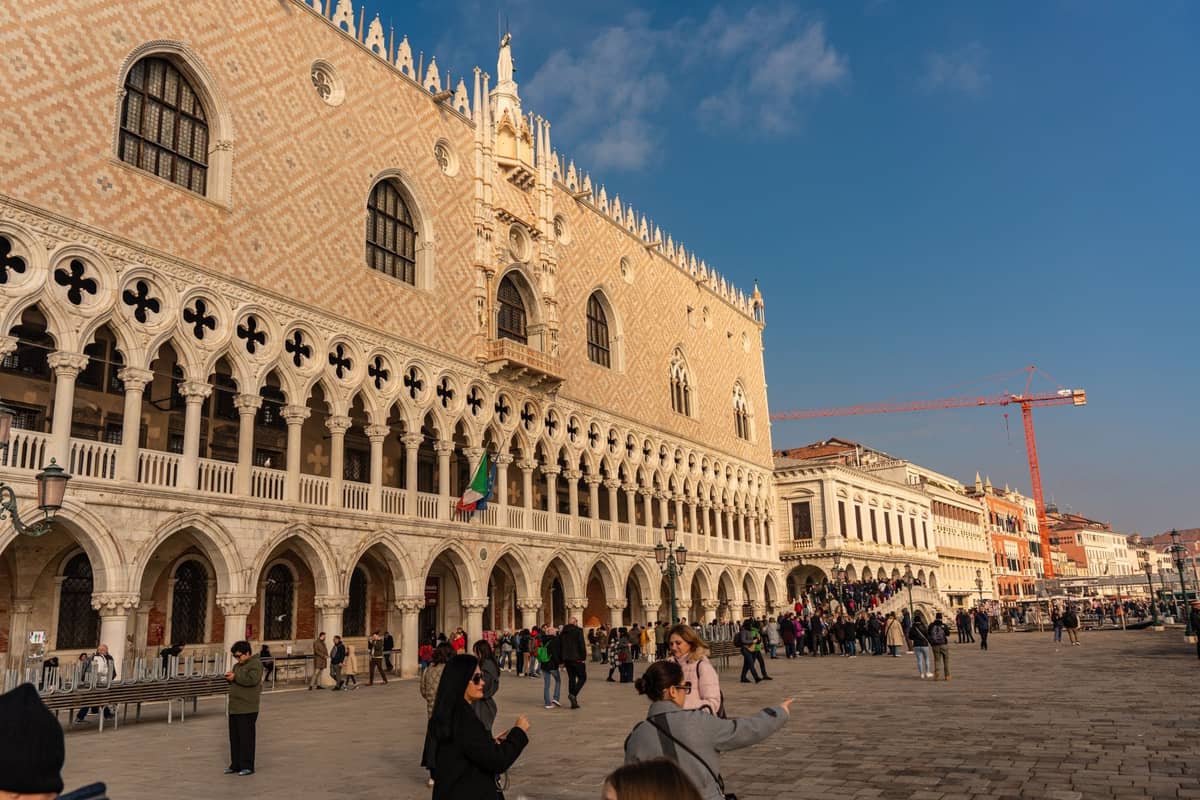
Venice rewards preparation. The three sites that cause the most lost time for unprepared visitors are St. Mark's Basilica, Doge's Palace, and the Campanile. All three can be pre-booked through their official channels, and all three are noticeably less painful with a reserved slot. Doge's Palace in particular sees queues that stretch well past the Ponte della Paglia by mid-morning in spring and summer.
From 2024, Venice applies a day-visitor access fee on selected high-attendance days, charged between 8:30 and 16:00. If your visit falls on one of those dates, check the official city portal (cda.ve.it) for the current fee amount and exemption categories — overnight hotel guests are typically exempt. For a broader picture of what different seasons look like in the city, the best time to visit Venice guide covers crowd patterns and pricing windows in detail.
⚠️ What to skip
Tour groups in Venice are capped at 25 people and guides must display official identification. If you join a walking tour, confirm the group size before booking — oversized groups move slowly and block sightlines at major monuments.
- St. Mark's Basilica Timed admission is required and paid (about €10 for standard online tickets; check basilicasanmarco.it). A separate ticket is needed for the Pala d'Oro and the Treasury. Modest dress required: covered shoulders and knees.
- Doge's Palace Book the combined Musei di Piazza San Marco pass online for the best value. The Secret Itineraries tour (separate booking) accesses rooms closed to general visitors.
- Scuola Grande di San Rocco No advance booking needed most of the time, but worth checking during Carnival or summer peak. Tintoretto's ceiling paintings here are genuinely extraordinary and the room is rarely as crowded as the headline sites.
- Gallerie dell'Accademia Pre-booking is available and recommended for summer. Allow at least 90 minutes; the collection runs from Byzantine panels to Titian and Veronese.
Day 1: San Marco, the Rialto, and the Grand Canal
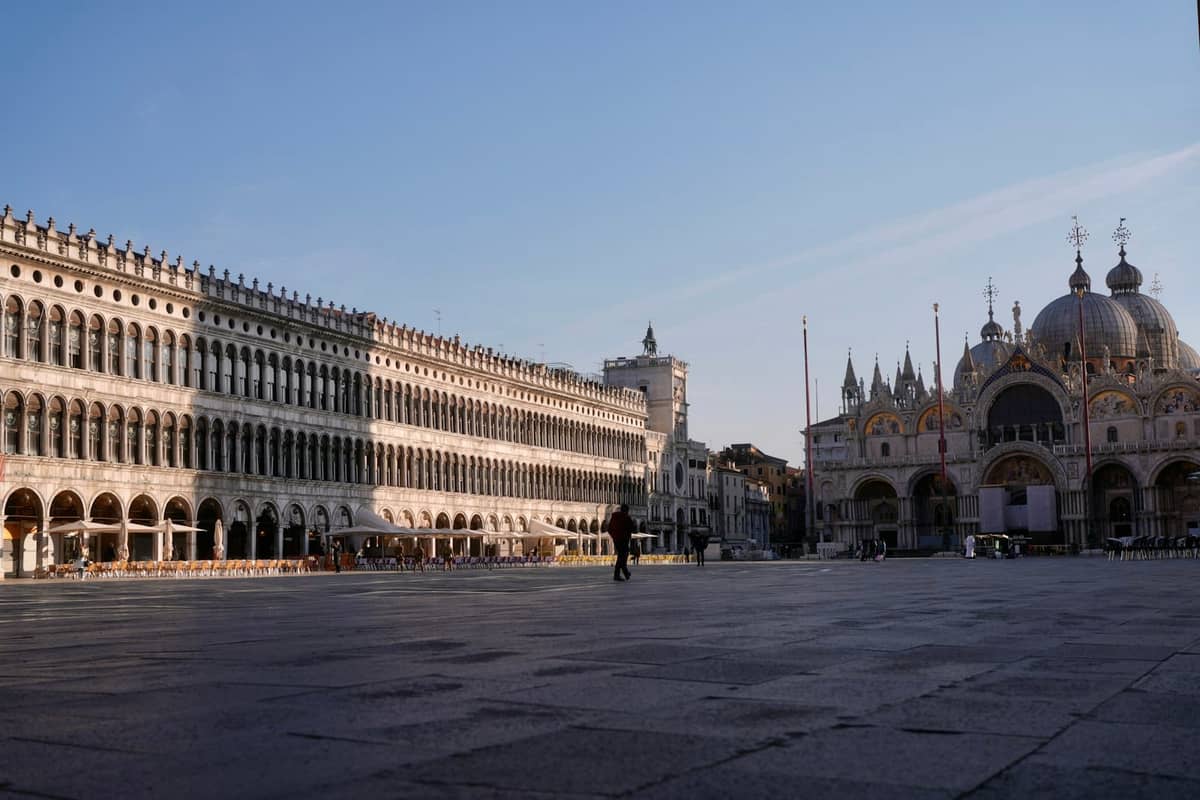
Start as early as your accommodation allows. Aim to reach Piazza San Marco by 8:30 a.m. At that hour, the square has a completely different character: pigeons outnumber tourists, the light off the basilica facade is soft, and you can actually see the mosaic lunettes above the doors without a crowd of phones in front of you. By 10:30 a.m. the same space is packed.
Begin inside St. Mark's Basilica — the golden mosaics covering the interior ceiling require your eyes to adjust, so give yourself 30 to 45 minutes. Then move to Doge's Palace next door. The palace takes 1.5 to 2 hours to do properly: the Grand Council Chamber, the Bridge of Sighs passage, and the prison cells are the highlights most visitors remember longest. After the palace, walk toward the lagoon-facing promenade and up through Castello for a lunch break away from the San Marco premium pricing.
💡 Local tip
Cafes directly on Piazza San Marco charge a table surcharge of €6-8 just to sit down, on top of drink prices. Walk two streets back into the sestiere and coffee costs a fraction of the price. The square is better for photographs than for eating.
The afternoon belongs to the Rialto Bridge and the Rialto Market. The market itself closes around noon on most days, so you will not catch it operating in the afternoon — but the area around the bridge is worth visiting for the view over the Grand Canal and the small shops along the Ruga dei Oresi. If you want to see the market in action, adjust Day 1 to start here before 11:00 a.m. and move to San Marco after. Either sequence works; this one prioritizes beating the crowds at the headline monuments.
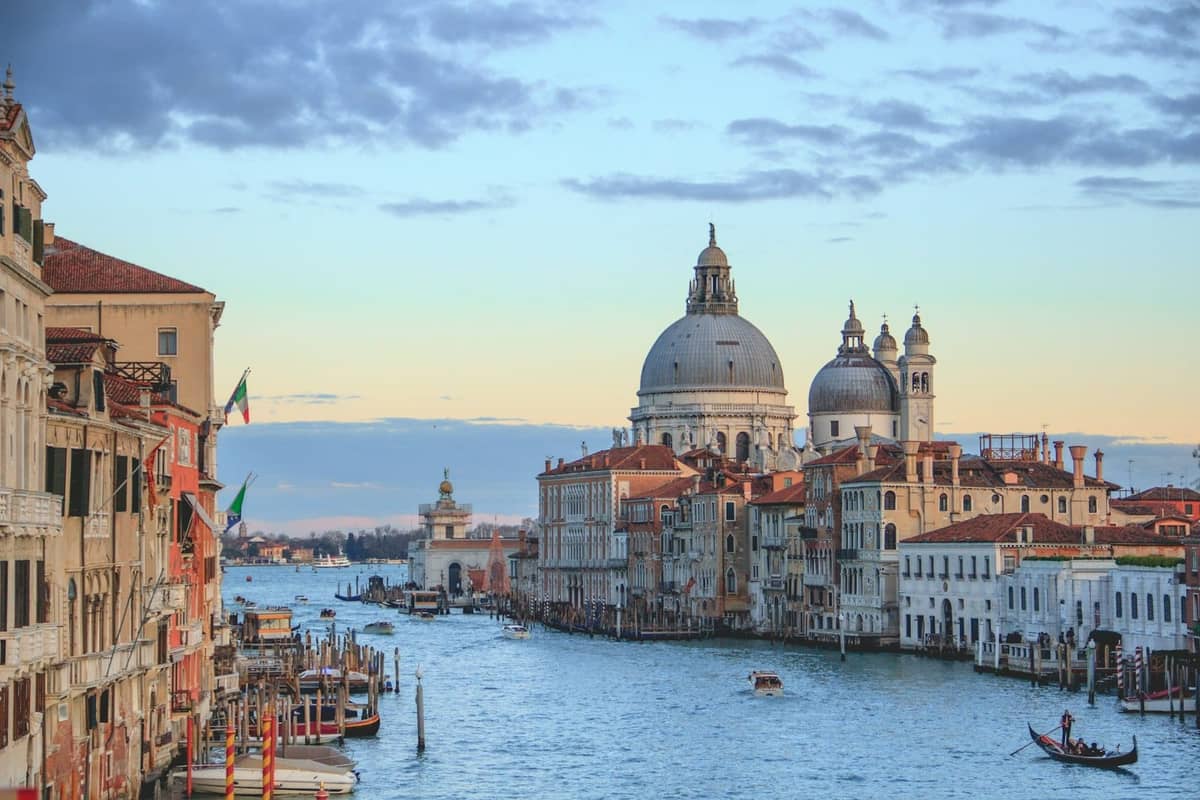
End the afternoon with a vaporetto ride along the Grand Canal. Take Line 1 (the slow route, stopping at every landing) from Rialto toward San Marco or Piazzale Roma and back. This is effectively a cheap boat tour through the heart of the city, passing the Ca' d'Oro, Ca' Rezzonico, and the Salute church. Doing it in the late afternoon gives you good light for photography. For dinner, the San Polo and Dorsoduro sestieri have a denser concentration of neighborhood restaurants and bacari (wine bars) with reasonable prices.
Day 2: The Lagoon Islands or Dorsoduro
Day 2 splits into two strong options depending on your interests. The lagoon island route (Murano and Burano) is visually dramatic and feels genuinely different from the main city. The Dorsoduro route is better for art and a slower pace. Most first-time visitors choose the islands; repeat visitors almost always choose Dorsoduro.
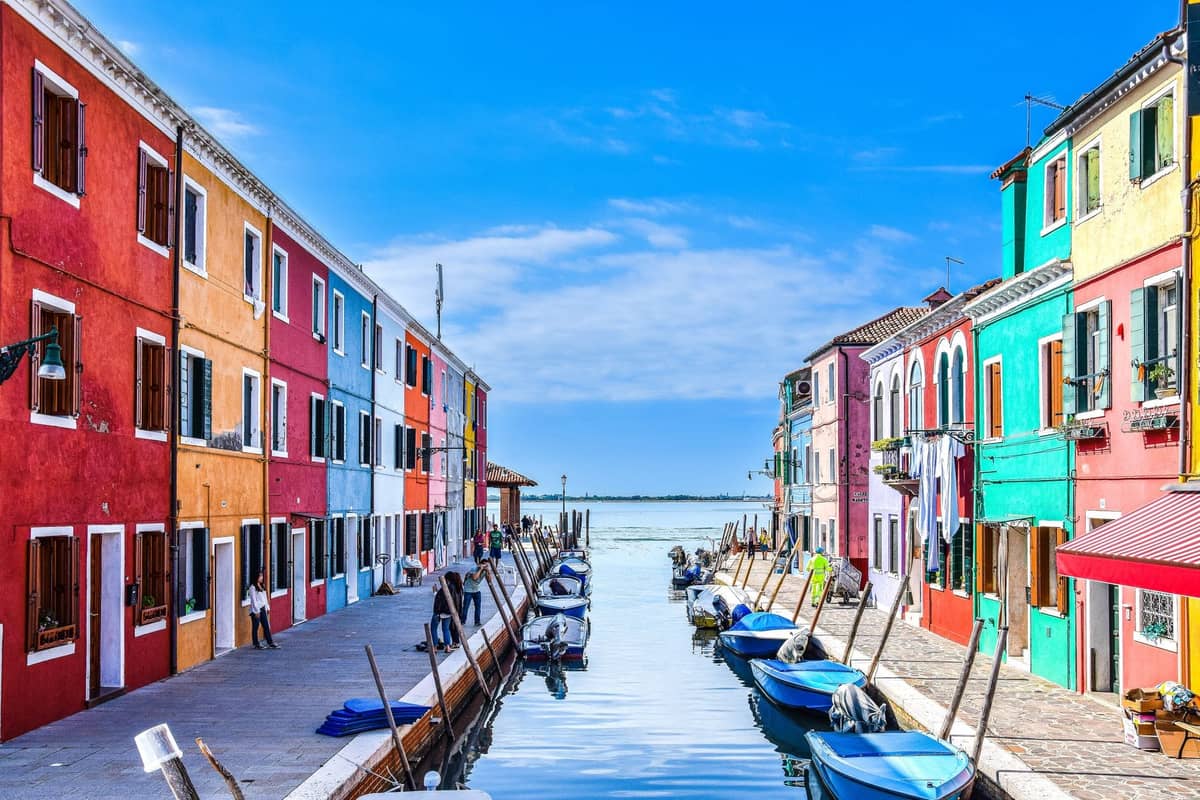
- Option A: Murano and Burano Take a vaporetto from Fondamente Nove to Murano (around 10-15 minutes). Spend 1.5 to 2 hours on Murano: the Glass Museum is worth 45 minutes, and watching a glassblowing demonstration at one of the furnaces is free at most workshops. Then continue to Burano (another 40-45 minutes by water bus). Burano's painted houses are at their best on a clear morning. Allow 1.5 hours, then return to Venice by mid-afternoon. Total trip: around 5-6 hours.
- Option B: Dorsoduro and Accademia Start at the Gallerie dell'Accademia (90 minutes minimum), then walk to the Peggy Guggenheim Collection along the canalside. After lunch at Campo Santa Margherita, visit the Basilica di Santa Maria della Salute and finish along the Zattere promenade. This is the slower, less photographed side of Venice — quieter streets, better coffee-to-crowd ratios, and almost no souvenir shops.
✨ Pro tip
If you choose the island route, go to Burano first thing in the morning and work backward to Murano. Most group tours run Murano-first, meaning Burano gets crowded by mid-morning. Reversing the order puts you ahead of the wave.
Whichever option you choose for the morning, save the late afternoon for something you have not done yet. Scuola Grande di San Rocco is consistently undervisited relative to its quality — Tintoretto spent 23 years painting the interior and it shows. Or climb the St. Mark's Campanile for the best panoramic view in the city. The Campanile is an elevator ride to about 99 meters; the queue moves quickly if you have a ticket.
Getting Around: Vaporetto, Walking, and Gondolas
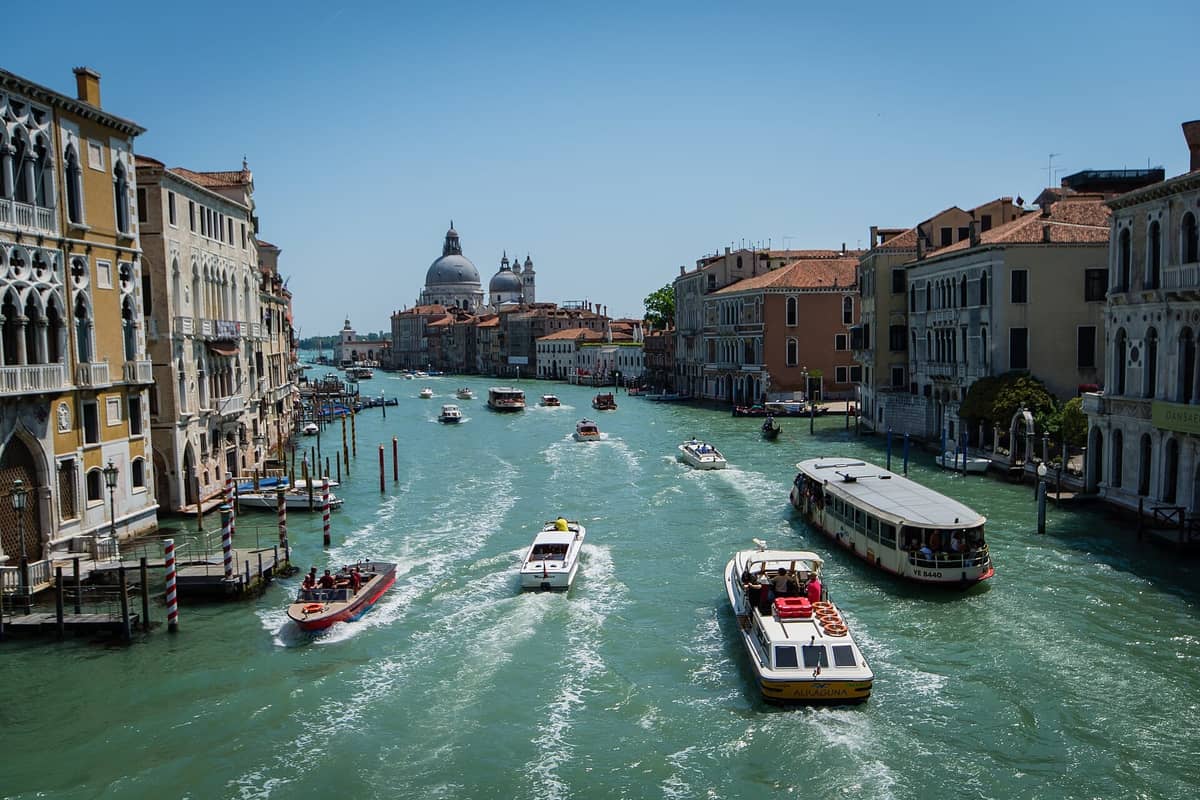
Venice has no cars, no bikes, and no metro within the historic island city. You walk or you take a vaporetto. That is genuinely the entire system. The network is run by ACTV, and a single vaporetto ticket costs €9.50 (verify current fares before you travel, as prices are updated periodically). A 48-hour travel pass makes clear financial sense on a 2-day trip if you plan more than four or five journeys — do the arithmetic based on current single-ticket pricing.
Walking is faster than the vaporetto for most cross-city journeys under 2 km. The city is 118 islands connected by 438 bridges, and the signposted routes between San Marco, the Rialto, and the train station are well-marked. Getting deliberately lost in the sestieri between these routes is one of the genuine pleasures of a Venice visit, but give yourself a buffer of 15-20 minutes if you need to catch a specific vaporetto.
On gondolas: the official regulated fare is €90 for 30 minutes (up to 5 people), rising to €110 after 19:00, in line with current municipal rates. These fares are set by the municipality and displayed at official gondola stands (stazi). A gondola ride is not a practical transport option and not a budget one either. If you want the experience, a shared gondola with strangers splits the cost. If you skip it entirely, you will not miss any sightseeing. For context on what gondola rides actually involve, the gondola ride guide covers pricing, routes, and whether it is worth it.
Eating Well Without Getting Burned
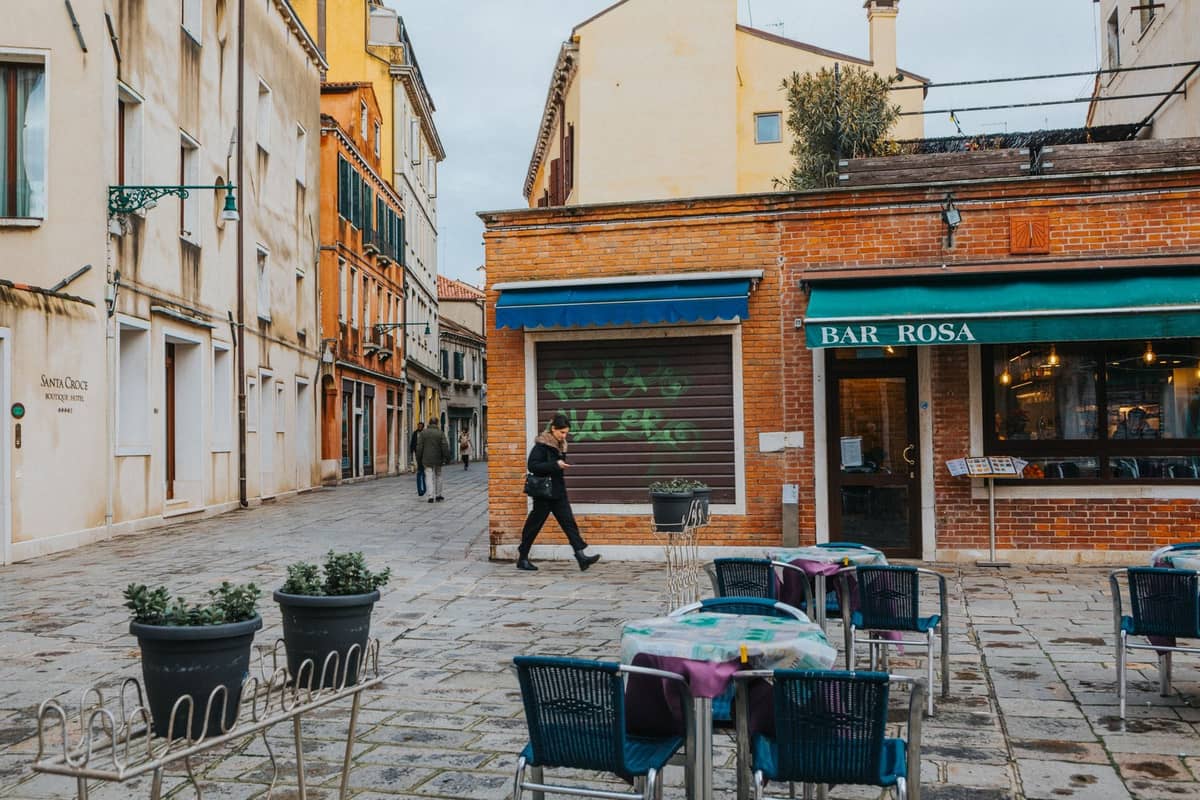
Venice has a reputation for tourist-trap restaurants, and that reputation is partially earned. The rule of thumb: any restaurant with a menu translated into six languages and a photograph of every dish is likely overpriced for the quality. The alternative is the cicchetti circuit — small plates of cured meats, marinated vegetables, salt cod, and polenta topped with various things, eaten standing at bacari. Prices run around €1.50-2.50 per piece. This is how locals eat lunch and early dinner.
The best concentration of bacari is in the Cannaregio sestiere, around the Strada Nova and the canals behind it. The area around Campo della Maddalena and the Ghetto is significantly less tourist-saturated than Rialto. For a sit-down meal, look for restaurants where the menu is written on a chalkboard and changes daily — that signals they are buying fresh and cooking seasonally. Sarde in saor (sweet-sour sardines), bigoli in salsa (thick pasta with anchovy sauce), and frittura mista (mixed fried seafood) are the dishes most firmly rooted in Venetian cooking.
ℹ️ Good to know
Many Venice restaurants include a coperto (cover charge) of €2-4 per person, separate from the service charge. This is legal and standard — check the menu before sitting down if budget is a concern. It is not a scam, just a local pricing convention.
Practical Logistics: Timing, Crowds, and Season
Spring (April to early June) and autumn (September to October) give the most balanced conditions: comfortable temperatures, better light for photography, and lighter crowds than July and August. Summer is hot, humid, and extremely crowded — not unbearable, but you will spend more time managing queues and less time actually seeing things. Winter is quieter and cheaper, but acqua alta (high-water flooding) is more frequent from October through January.
Acqua alta does not usually make the city impassable. The MOSE flood barrier system is now activated during sustained high-tide events. On minor flooding days, elevated wooden walkways (passerelle) are installed on the lowest-lying routes. The acqua alta guide explains what to expect and how to check tide forecasts before your visit.
- Arrive at headline sites before 9:00 a.m. or after 4:00 p.m. — the midday window is the worst for crowds at Piazza San Marco and the Rialto.
- Book Doge's Palace and St. Mark's Basilica online before travel. Same-day walk-up tickets are usually available but cost you queue time.
- Pack comfortable walking shoes with grip — Venice's calli (narrow streets) and bridge steps are uneven stone and can be slippery when wet.
- Carry cash. Small bacari and market stalls often do not accept cards, and ATMs near the main tourist routes charge higher fees.
- The access fee for day visitors (from April 2026) applies on specific dates. If you are staying overnight, confirm with your accommodation that your guest status is registered — this typically exempts you from the fee.
FAQ
Is 2 days in Venice enough?
Two days is enough to cover the main landmarks — St. Mark's Basilica, Doge's Palace, the Rialto area, and either a lagoon island trip or a serious museum day — without feeling rushed. It is not enough to explore every sestiere or do multiple island excursions. If Venice is the sole focus of a trip, three days is more comfortable, but two days used efficiently is a genuinely complete introduction.
What is the best way to get from Venice airport to the city centre?
Venice Marco Polo Airport (VCE) is roughly 8-10 km from the historic centre at Piazzale Roma. Your main options are the ACTV bus to Piazzale Roma, the Alilaguna water bus (which goes directly into the lagoon and stops at points including San Marco), or a licensed water taxi (faster but significantly more expensive). The Alilaguna is slower than the bus but deposits you directly on the water near your accommodation — useful if you are staying on the island and have heavy luggage.
Do I need to book Venice attractions in advance?
Yes for Doge's Palace and St. Mark's Basilica, especially April through October. These are the two sites where walk-up queues regularly exceed 90 minutes during peak periods. The Campanile, Gallerie dell'Accademia, and Peggy Guggenheim Collection are worth booking too, but less critical. Scuola Grande di San Rocco rarely has a meaningful queue outside of Carnival season.
How much does a vaporetto pass cost for 2 days?
Single vaporetto tickets cost approximately €9.50 each (verify current fares with ACTV before travel, as prices are updated). A 48-hour travel pass is available through the Venezia Unica portal and typically saves money if you take more than four or five journeys over two days. Day visitors doing an island trip to Murano and Burano plus a few city hops will almost certainly come out ahead with the pass.
What should I skip on a 2-day Venice itinerary?
Skip overpriced gondola rides unless it is a genuine priority for you — it adds significant cost and no sightseeing value you cannot get from a vaporetto. Skip restaurants directly on Piazza San Marco for any meal (coffee included if budget matters). Skip the Lido unless beaches are a specific goal; it is interesting but takes time that is better spent in the historic centre on a short trip. Skip any tour that puts you in a group larger than 10-12 people — the narrow streets make them slow and frustrating.