Murano Glass Workshops & Showrooms: What to Expect Before You Go
Murano's glass workshops and showrooms are not a single attraction but a living industrial tradition spread across a small lagoon island north of Venice. Some venues offer free demonstrations; others charge for guided factory tours. Knowing the difference before you arrive makes all the difference.
Quick Facts
- Location
- Murano, 30141 Venezia, Italy — a small island cluster approximately 1.5 km north of central Venice
- Getting There
- ACTV vaporetto Line 3 (direct from Piazzale Roma/Santa Lucia to Murano Colonna); Lines 4.1/4.2 from Fondamente Nove; Line 7 seasonal from San Marco; Alilaguna Blue Line from Marco Polo Airport
- Time Needed
- 2–4 hours for a relaxed visit including one demonstration and shopping; at least half a day if combining with the Glass Museum
- Cost
- Showroom entry generally free; guided factory tours vary by operator (verify current pricing before booking); ACTV single vaporetto ticket approx. €9.50 (verify locally)
- Best for
- Craft and design enthusiasts, shoppers seeking authentic Italian artisan goods, families with older children
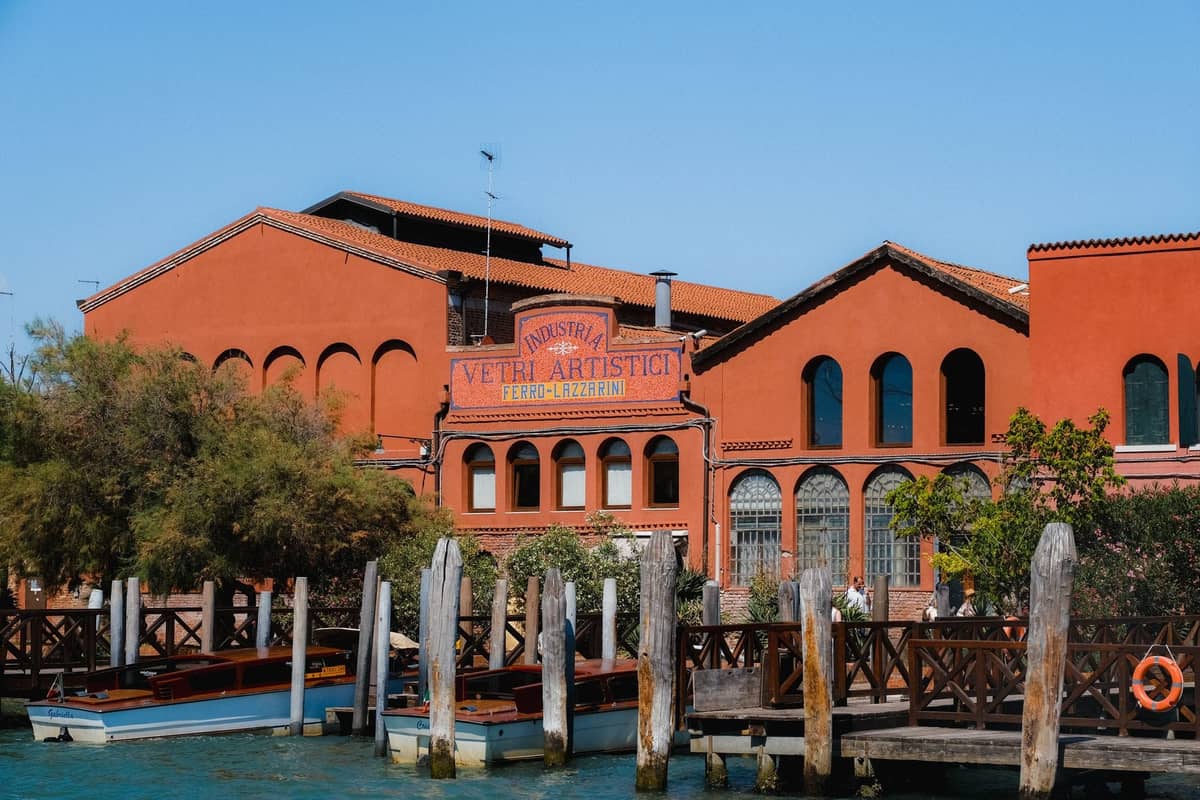
What Murano Glass Workshops Actually Are
The Murano Glass Workshops and Showrooms are not a museum, not a theme park, and not a single ticketed attraction. They are a functioning industry: a constellation of independent furnaces, family-run studios, and commercial galleries spread along the fondamenta (stone quaysides) of Murano island. Some workshops have been operating in the same family for four or five generations. Others are newer businesses that commission glasswork from master craftspeople and sell it through stylish showrooms.
That distinction matters because your experience will depend almost entirely on which venue you walk into. A furnace offering a live demonstration of glassblowing (the transformation of molten glass at roughly 1,400°C into a vase, goblet, or horse figurine in under three minutes) is a genuinely spectacular thing to watch. A sales-focused showroom with no demonstration is simply a shop, albeit one with expensive and beautiful products.
💡 Local tip
Look for the 'Vetro Artistico Murano' trademark certification mark on any piece you plan to purchase. It is the official guarantee that the glass was made on Murano by a registered artisan, not imported from elsewhere and sold as Murano glass.
The History Behind the Furnaces
In 1291, the Venetian Republic ordered all glass furnaces relocated from the main islands of Venice to Murano. The official reason was fire risk: wooden medieval Venice had already suffered catastrophic blazes, and the intensely hot furnaces were a constant threat. The practical consequence was that Murano became the sole authorized center of Venetian glassmaking, and its master glassblowers — called maestri — were granted extraordinary privileges including the right to wear swords, immunity from prosecution by the Venetian state, and permission to marry into Venetian noble families.
In exchange, they were forbidden from leaving the Republic under penalty of death, because the technical secrets of Murano glass — particularly the formula for cristallo, a nearly colorless, exceptionally pure glass developed in the 15th century — were considered state secrets. That combination of privilege and confinement shaped a deeply insular craft culture that persists in modified form today. The knowledge of how to manipulate molten glass with iron rods, wooden tools, and precisely timed breath is still passed person to person, generation to generation.
Today the island's glassmaking tradition is recognized as part of Italy's cultural heritage. If you want to understand the full scope of what Murano has produced over seven centuries, the Museo del Vetro (Glass Museum) on Murano provides the historical and artistic context that a workshop visit alone cannot.
Tickets & tours
Hand-picked options from our booking partner. Prices are indicative; availability and final rates are confirmed when you complete your booking.
From Venice: Murano glass factory tour with blowing demo and workshop
From 70 €Instant confirmationFree cancellationMurano glass and Burano lace experience with prosecco wine
From 50 €Instant confirmationFree cancellationGlass Museum entrance ticket
From 10 €Instant confirmationGlass Museum entrance ticket
From 8 €Instant confirmation
What a Glassblowing Demonstration Looks and Feels Like
Step inside a working furnace and the heat hits you immediately, even from the viewing area. The furnace itself (called a fornace) glows orange and is audible as a deep, constant roar. A maestro retrieves a gather of molten glass on the end of a long iron blowpipe, and from that moment the work moves fast. Glass at working temperature behaves somewhere between honey and taffy: it flows, stretches, and holds shape in ways that seem improbable. The maestro rotates the pipe continuously to prevent the glass from drooping unevenly, while assistants called serventi hand tools, add colored rods of glass, and manage the process.
A single piece might take three to eight minutes to complete, depending on complexity. What looks effortless is the product of years of physical training: glassblowing requires precise breath control, strong wrists, and a feel for temperature that cannot be explained or easily transferred. Most demonstrations end with the piece being placed in an annealing oven for a slow, controlled cool-down over several hours — finished pieces cannot be removed and handed over immediately, which is why what you see in the showrooms represents hours or days of work before it reaches the shelf.
Morning is the best time to see working demonstrations, as most furnaces operate their most intensive production in the first half of the day. By early afternoon, some furnaces reduce output or shift to cooling and finishing work. Arrive before 11:00 if watching the full glassblowing process is your priority.
ℹ️ Good to know
Many furnaces offer demonstrations as part of a free visit — you enter, watch, and are then guided through the adjacent showroom. You are under no obligation to buy, though high-pressure selling is common in some venues. Knowing this in advance lets you enjoy the demonstration without feeling cornered.
Navigating the Island: What You'll Find Where
Murano is small enough to walk end to end in under 30 minutes, but it rewards slower exploration. The main axis is the Fondamenta dei Vetrai, a long quayside lined with showrooms, glass galleries, and smaller artisan studios. This is the most tourist-facing part of the island and where you will encounter the densest concentration of shops. The quality here ranges from mass-produced decorative pieces aimed at day-trippers to genuinely exceptional work from established Murano names.
For working furnaces with tour programs, venues like Wave Murano Glass (Fondamenta da Mula 152) offer structured guided tours on weekdays, typically running 08:00–17:00 Monday through Friday, and on Saturdays from around 09:30–17:30; Sundays are generally quieter for production, with some furnaces closing entirely. LU Murano runs a showroom and gallery format open Monday through Sunday, roughly 10:30–18:00, with a more design-forward curatorial approach rather than live demonstrations.
Away from the main fondamenta, quieter calli lead to smaller workshops where individual artists work on limited-edition pieces. These are worth seeking out if contemporary glass art interests you more than traditional decorative forms. The island also has its own canal, the Canal Grande di Murano, crossed by a single bridge and flanked by Renaissance-era palaces — the built environment itself is worth a slow look.
⚠️ What to skip
Be cautious of 'free boat transfer to Murano' offers from touts near San Marco or the Rialto. These are organized by specific showrooms and typically involve a high-pressure sales visit before you can leave. Take the public vaporetto instead — it costs a standard ticket and gives you complete freedom to explore at your own pace.
Getting There and Practical Logistics
The most straightforward route from central Venice is ACTV vaporetto Line 3, which runs direct from Piazzale Roma and Santa Lucia train station to Murano Colonna, the stop closest to the Fondamenta dei Vetrai. From Fondamente Nove on the northern edge of the Cannaregio sestiere, Lines 4.1 and 12 serve Murano Faro. From San Marco, Line 7 operates seasonally (approximately April through November) direct to Murano Faro, with Line 4.1 running year-round as an alternative. Arriving from Marco Polo Airport, the Alilaguna Blue Line calls at Murano Colonna before continuing into the city.
A single ACTV ticket costs approximately €9.50 for 75 minutes of validity as of 2024 — verify current pricing before your trip. If you plan to use vaporetti extensively during your stay, a multi-day pass is more economical. For full guidance on water bus routes and tickets, see our overview of getting around Venice by vaporetto.
Murano's paths and quaysides involve frequent bridges with steps. Wheelchair users should note that access varies significantly by venue and route; the vaporetto stops at Murano Colonna and Murano Faro have ramp boarding, but ACTV staff assistance may be needed depending on water levels. Contact individual workshops directly to confirm step-free access before visiting.
Shopping: Avoiding Fakes and Buying Well
The Venetian lagoon tourist economy supports a substantial trade in glass products that look like Murano glass but were manufactured elsewhere, often in Asia, at a fraction of the cost. These products are not illegal to sell, but they are sold in contexts — including some shops on the main fondamenta — where the provenance is left deliberately unclear. The official authentication system is the 'Vetro Artistico Murano' consortium trademark, a mark applied to certified pieces made on the island by registered artisans. Ask to see it before purchasing anything significant.
Price is a rough indicator: a small, simple glass horse or fish from a certified Murano furnace typically starts at €20–40. Intricate millefiori bowls, elaborate chandeliers, or signed pieces by named maestri can run into thousands of euros. The middle price range — items sold for €5–15 in tourist-facing shops — almost always indicates non-Murano origin. If price matters less than authenticity, buy directly from workshop showrooms where you have watched the piece being made, or ask for a certificate of origin.
If you are interested in broader Venetian craft and artisan shopping beyond glassware, the Venice shopping guide covers where to find authentic local makers across the city's sestieri.
Pairing Murano with the Wider Lagoon
Murano works well as a half-day trip, particularly if combined with a visit to the Museo del Vetro on the island itself. Many visitors also combine Murano with a trip to Burano, known for its brightly painted houses and lace-making tradition — the islands are connected by vaporetto Line 12, making a combined visit manageable in a single day.
For a broader perspective on the lagoon islands and how to plan multi-island days, the Venice lagoon islands guide covers Murano, Burano, Torcello, and several less-visited options in one place.
Those with limited time should know that Murano is not a substitute for Venice's main historic attractions. If you only have one or two days in the city, weigh carefully whether a half-day on the lagoon serves your priorities. The island is rewarding for craft and design enthusiasts, but visitors who come primarily for art history or architecture may find that time spent in the city's sestieri is more productive.
Insider Tips
- Visit on a weekday morning to see furnaces at full production. Many fire up their kilns before 09:00, and the most active glassblowing sessions wrap up before noon. Friday afternoons and all day Sunday are often quiet or closed for production at working furnaces.
- The stretch of Fondamenta Manin and Fondamenta Daniele Manin, on the quieter canal side of the island away from the main tourist quay, has several smaller studios worth walking past. Some accept walk-in visitors without organized tour programs.
- If a workshop staff member quotes you a price and then immediately drops it by 30–50% without you negotiating, treat that as a signal about the piece's likely origin. Authentic, certified Murano glass holds its price because labor costs are real.
- The island has a few good bacari (wine bars) and simple trattorias frequented by locals and island workers rather than day-trippers. Eating lunch on Murano rather than rushing back to Venice gives you a different pace and avoids the San Marco lunch crowds.
- Ferragosto (15 August) and the surrounding week see many family-run furnaces close entirely. If your trip falls in mid-August, check directly with specific workshops before making Murano a centerpiece of your plans.
Who Is Murano Glass Workshops & Showrooms For?
- Craft and design enthusiasts who want to watch skilled artisans work with molten glass in real time
- Shoppers looking for certified, authentic Italian artisan goods with documented provenance
- Families with children aged 8 and older who can safely watch hot-glass demonstrations from a viewing area
- Travelers with a particular interest in Venetian history and the economic foundations of the Republic
- Anyone combining a lagoon island day that also includes Burano or Torcello
Nearby Attractions
Other things to see while in Murano:
- Glass Museum Murano (Museo del Vetro)
The Museo del Vetro on Murano island holds one of the world's most comprehensive collections of Venetian glass, from ancient Roman pieces to flamboyant 20th-century chandeliers. Housed in a 13th-century bishop's palace, it is the clearest lens through which to understand why this small lagoon island shaped decorative arts across Europe for five centuries.