Venice Lagoon Islands: Complete Guide to Murano, Burano & Beyond
The Venetian Lagoon holds far more than Venice itself. This guide covers every island worth visiting, from Murano's glass furnaces and Burano's painted houses to ancient Torcello, the Lido's beaches, and the quiet agricultural island of Sant'Erasmo.
Plan and book this trip
Tools from our partner Travelpayouts help you compare flights and hotels. If you book through them, we may earn a commission at no extra cost to you.
Flights
Hotels map
The Venetian Lagoon is a world unto itself. Most visitors stick to the main islands, but the lagoon contains a scattered archipelago of inhabited and accessible islands, each with its own distinct character, history, and reason to visit. Murano and Burano are the famous ones, but Torcello predates Venice itself, Murano rewards those who go beyond the showrooms, and the quieter islands offer a complete change of pace from the city's crowds. Getting around is straightforward: the ACTV vaporetto network connects most islands from Fondamente Nove, with Line 4.1/4.2 to Murano and Line 12 serving Murano, Burano, Torcello, and points north. If you're planning your time carefully, our 3-day Venice itinerary includes a full island day. For those with only 48 hours, the 2-day Venice guide suggests the best single island day trip. All islands are reachable year-round, but winter fog and acqua alta can affect crossing times, so check ACTV schedules on the day you travel.
Murano: Glass Island
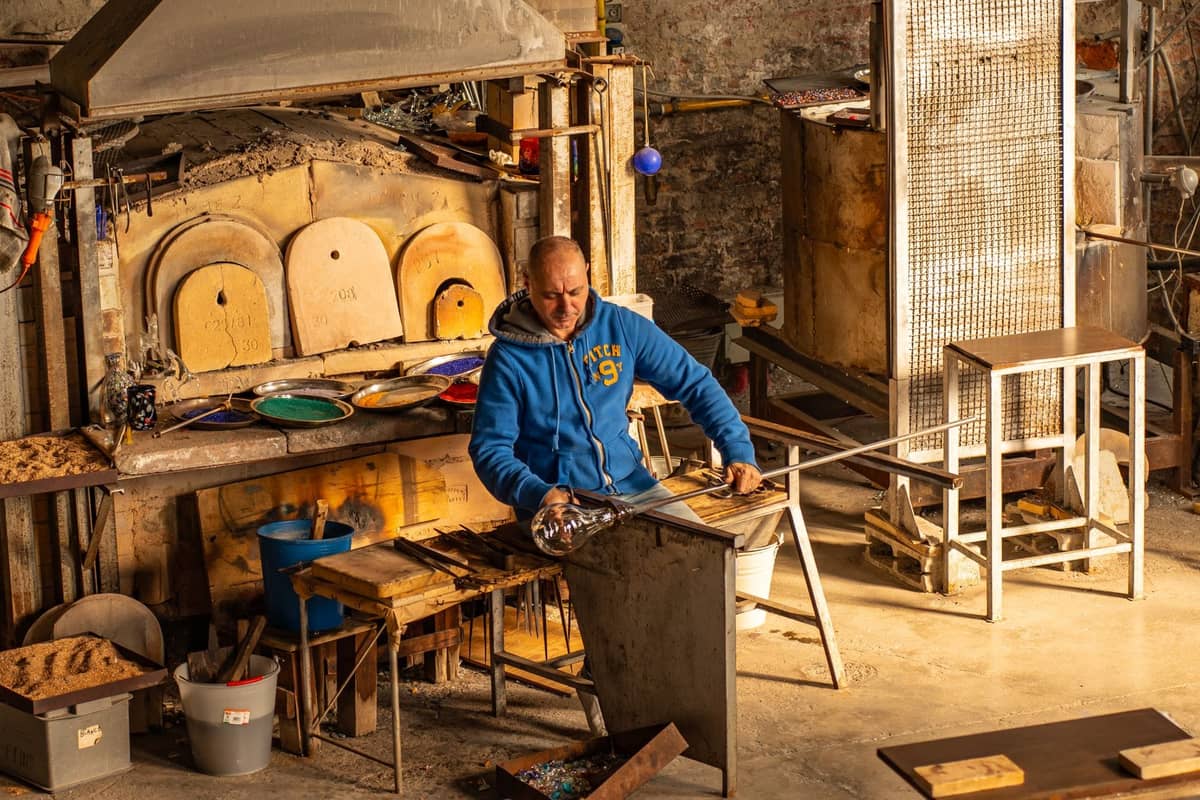
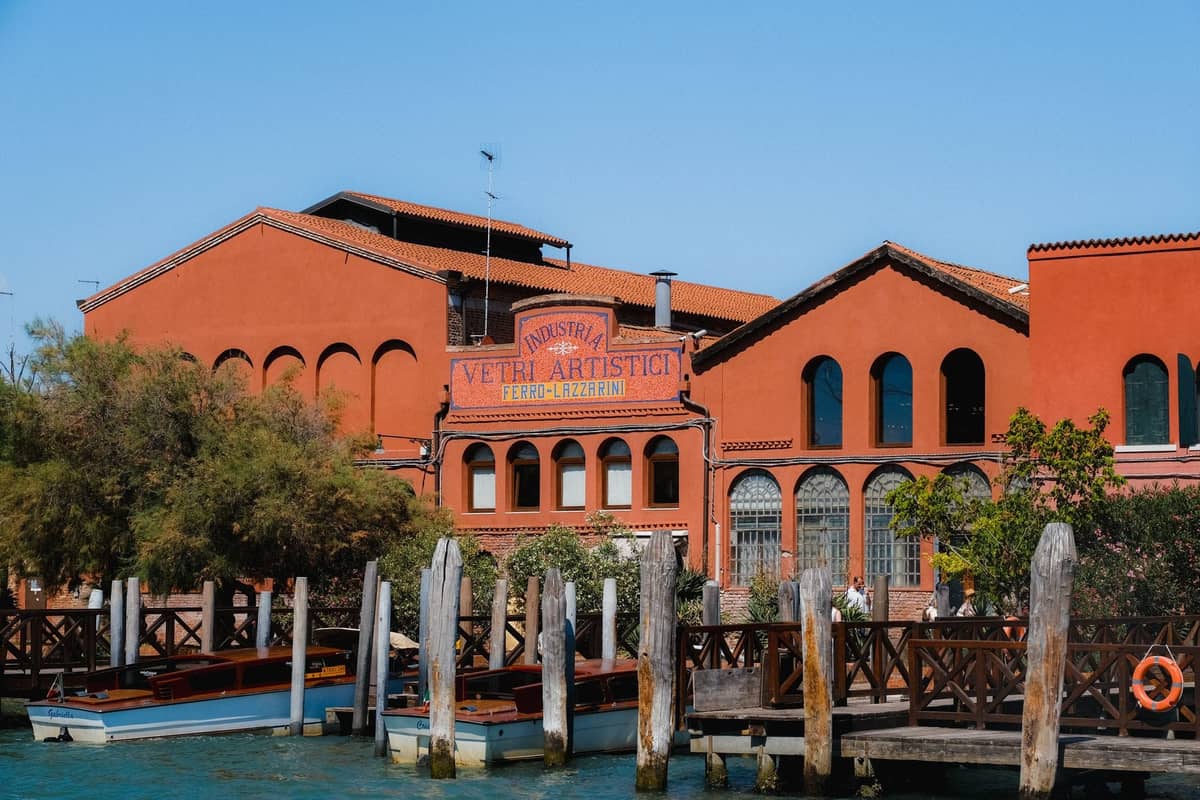
Murano is a cluster of seven connected islands, not one, and it rewards visitors who treat it as a destination rather than a brief stopover. The glassmaking tradition here stretches back to 1291, when the Venetian Republic moved all the city's furnaces to Murano to reduce fire risk. Beyond the famous workshops, Murano has its own canals, churches, and a genuinely local character distinct from central Venice. Allow at least two to three hours. For context on what to buy and which showrooms to trust, the Venice shopping guide has practical advice on avoiding tourist-grade glass.
1. Watch Master Glassblowers at Work in a Murano Fornace
Many Murano furnaces offer free demonstrations where you can watch molten glass shaped into vases, horses, and chandeliers in minutes. Quality varies widely between showrooms, so look for working furnaces away from the main ferry stops for more serious craft.
Explore1. Watch Master Glassblowers at Work in a Murano Fornace
Many Murano furnaces offer free demonstrations where you can watch molten glass shaped into vases, horses, and chandeliers in minutes. Quality varies widely between showrooms, so look for working furnaces away from the main ferry stops for more serious craft.
Explore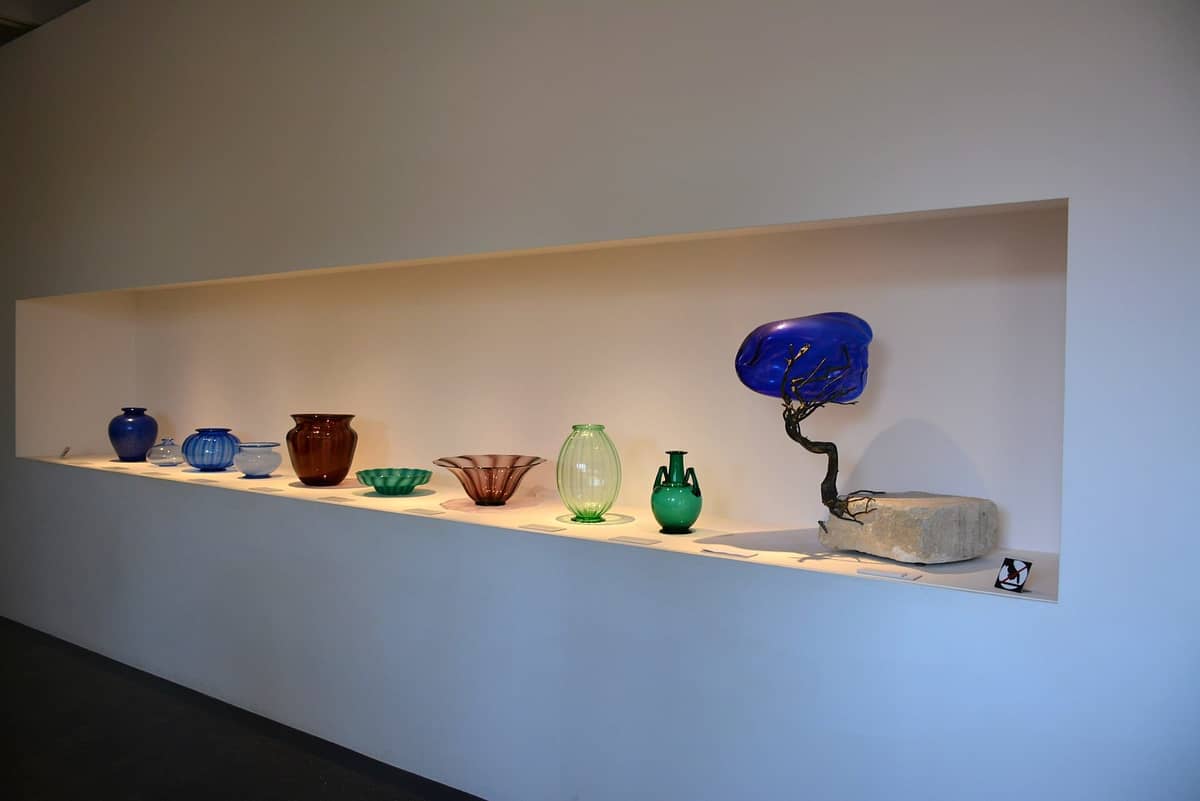
2. Trace 700 Years of Glassmaking at the Murano Glass Museum
Housed in a 17th-century palazzo on Murano's main canal, this museum puts the island's craft in context, from ancient Roman glass to Renaissance chandeliers and contemporary art pieces. Give it 45-60 minutes before hitting the showrooms.
Explore2. Trace 700 Years of Glassmaking at the Murano Glass Museum
Housed in a 17th-century palazzo on Murano's main canal, this museum puts the island's craft in context, from ancient Roman glass to Renaissance chandeliers and contemporary art pieces. Give it 45-60 minutes before hitting the showrooms.
ExploreBurano & Torcello: The Northern Lagoon
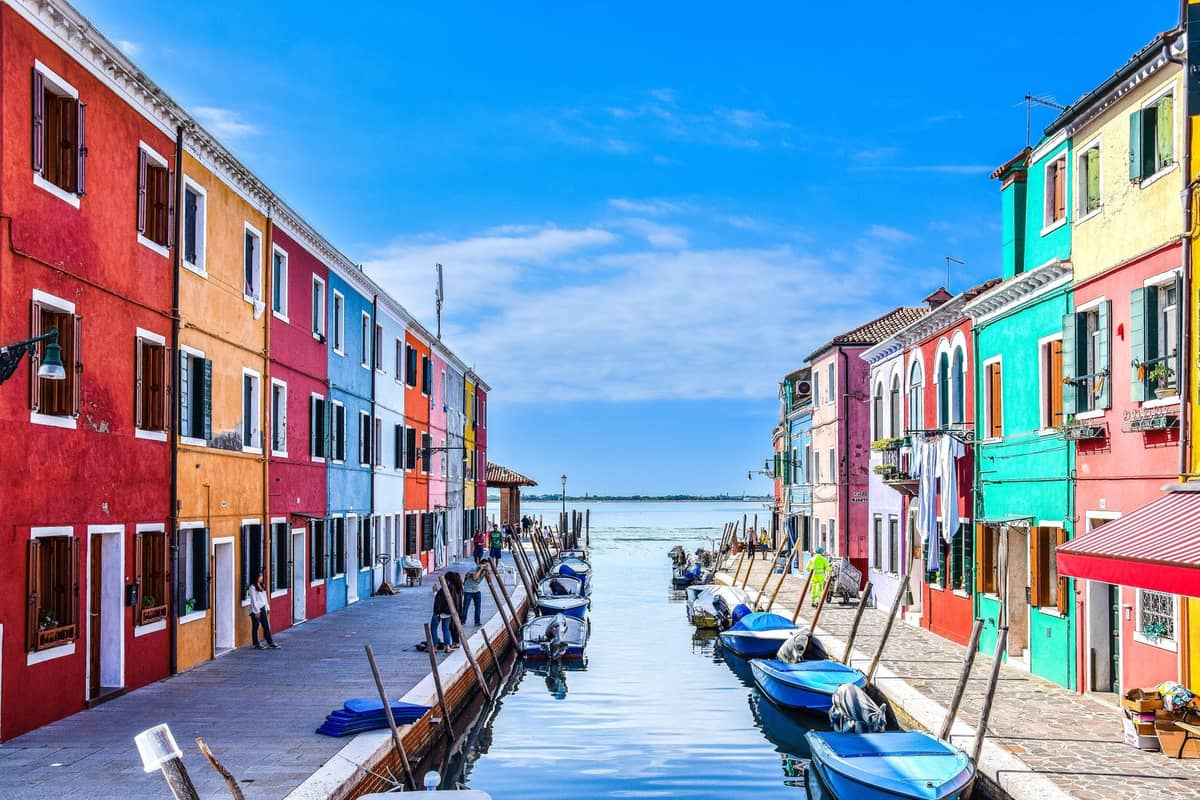
Burano and Torcello sit at opposite ends of the visitor experience spectrum, yet they're connected by a five-minute ferry ride (Line 9). Burano is photogenic, lively, and easy; Torcello is ancient, quiet, and genuinely moving. Combining both in a single day is the most rewarding way to explore the northern lagoon. Line 12 from Fondamente Nove reaches Burano in about 45 minutes via Murano. See the hidden gems guide for more on Torcello's extraordinary atmosphere and why it deserves more than a quick stop.
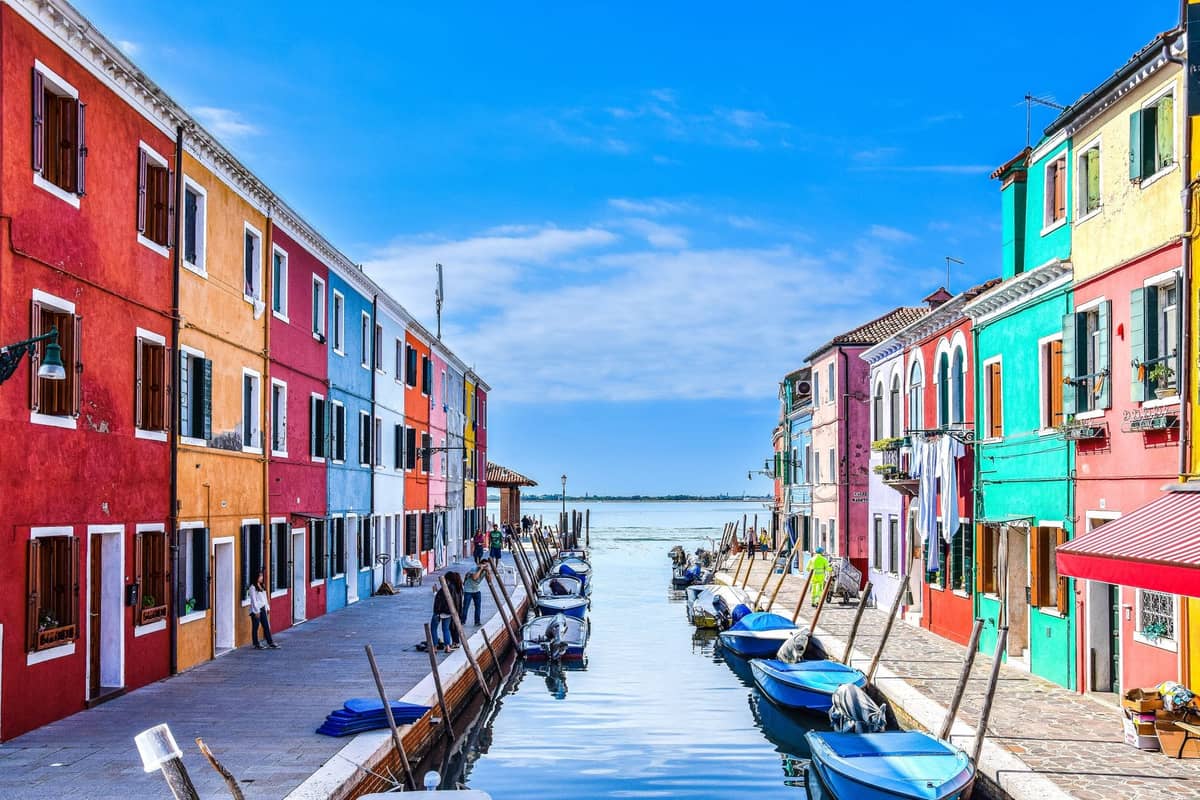
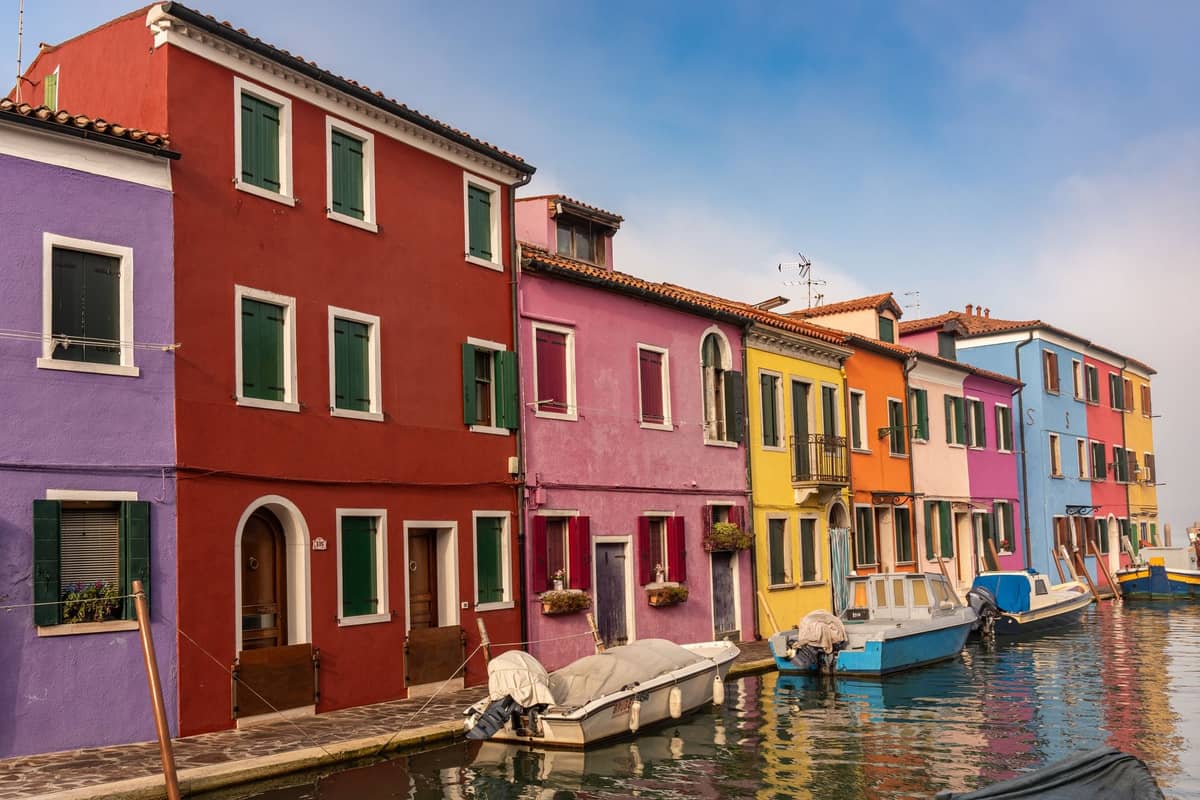
3. Walk the Painted Streets and Canals of Burano
Burano's fishermen's houses are painted in vivid, regulated colors, creating one of the lagoon's most photographed landscapes. Beyond the pictures, the island has good seafood trattorias, a leaning bell tower, and a relaxed pace that rewards slow exploration.
Explore3. Walk the Painted Streets and Canals of Burano
Burano's fishermen's houses are painted in vivid, regulated colors, creating one of the lagoon's most photographed landscapes. Beyond the pictures, the island has good seafood trattorias, a leaning bell tower, and a relaxed pace that rewards slow exploration.
Explore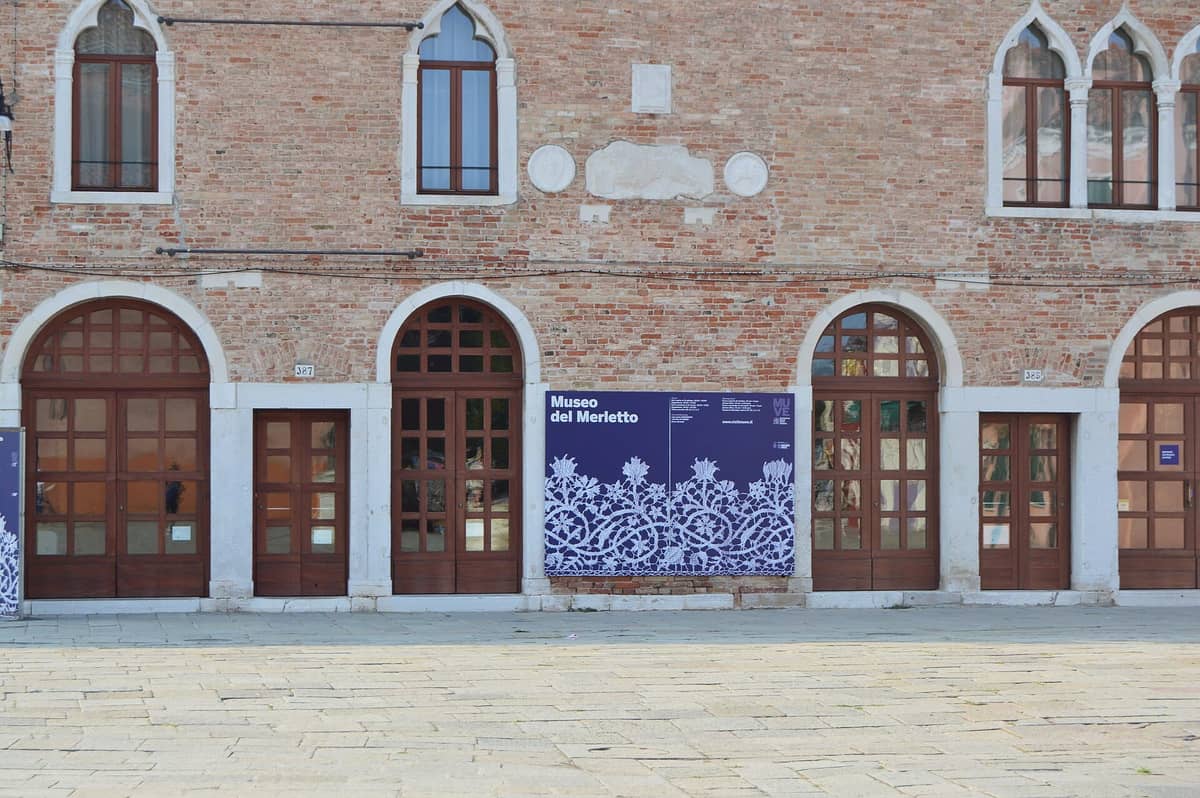
4. Discover Burano's Extraordinary Lace Tradition at the Merletto Museum
Punto in aria needlepoint lace from Burano was once among the most expensive luxury goods in Europe, purchased by royal courts across the continent. This small museum shows historic examples of exceptional delicacy alongside live demonstrations by the island's remaining lacemakers.
Explore4. Discover Burano's Extraordinary Lace Tradition at the Merletto Museum
Punto in aria needlepoint lace from Burano was once among the most expensive luxury goods in Europe, purchased by royal courts across the continent. This small museum shows historic examples of exceptional delicacy alongside live demonstrations by the island's remaining lacemakers.
Explore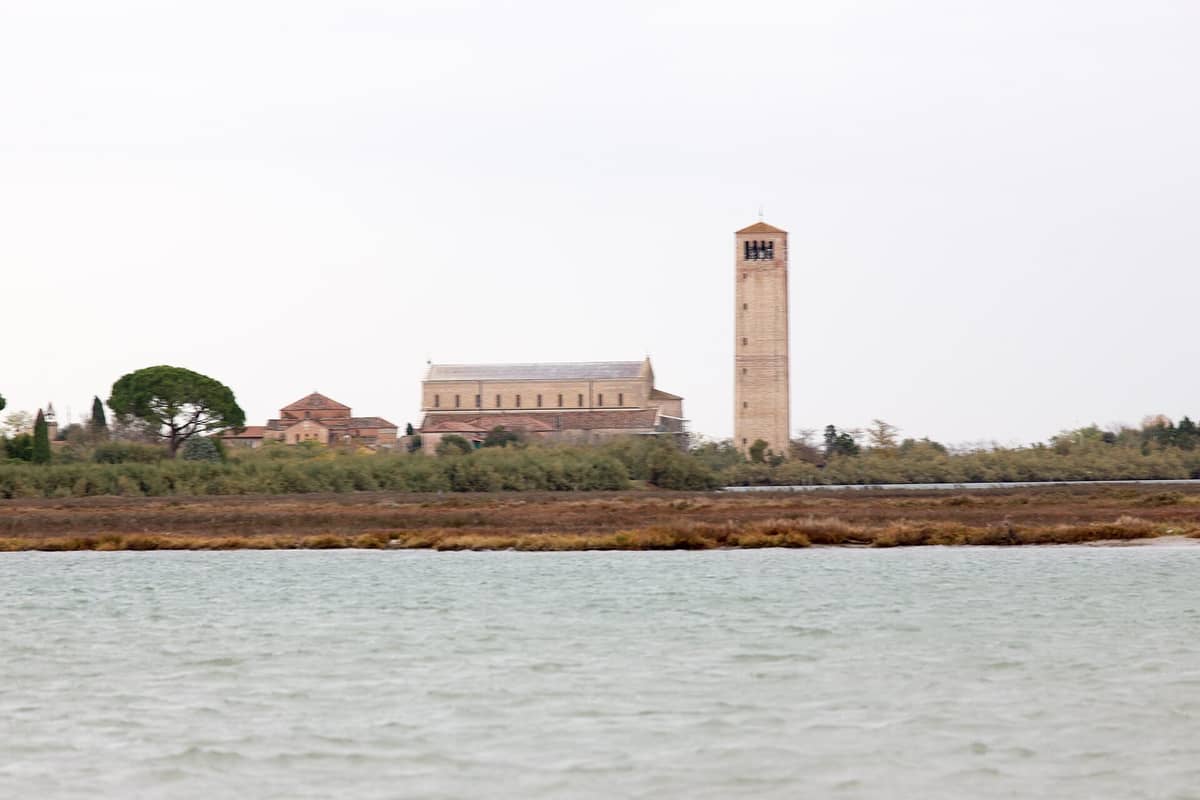
5. Step Back to the Lagoon's Origins on Torcello Island
Torcello was once more populated than Venice itself. Now home to just a few dozen residents, it retains a 7th-century cathedral, a small museum, and a silence that feels genuinely ancient. The 10-minute walk from the ferry through reed beds sets the mood perfectly.
Explore5. Step Back to the Lagoon's Origins on Torcello Island
Torcello was once more populated than Venice itself. Now home to just a few dozen residents, it retains a 7th-century cathedral, a small museum, and a silence that feels genuinely ancient. The 10-minute walk from the ferry through reed beds sets the mood perfectly.
Explore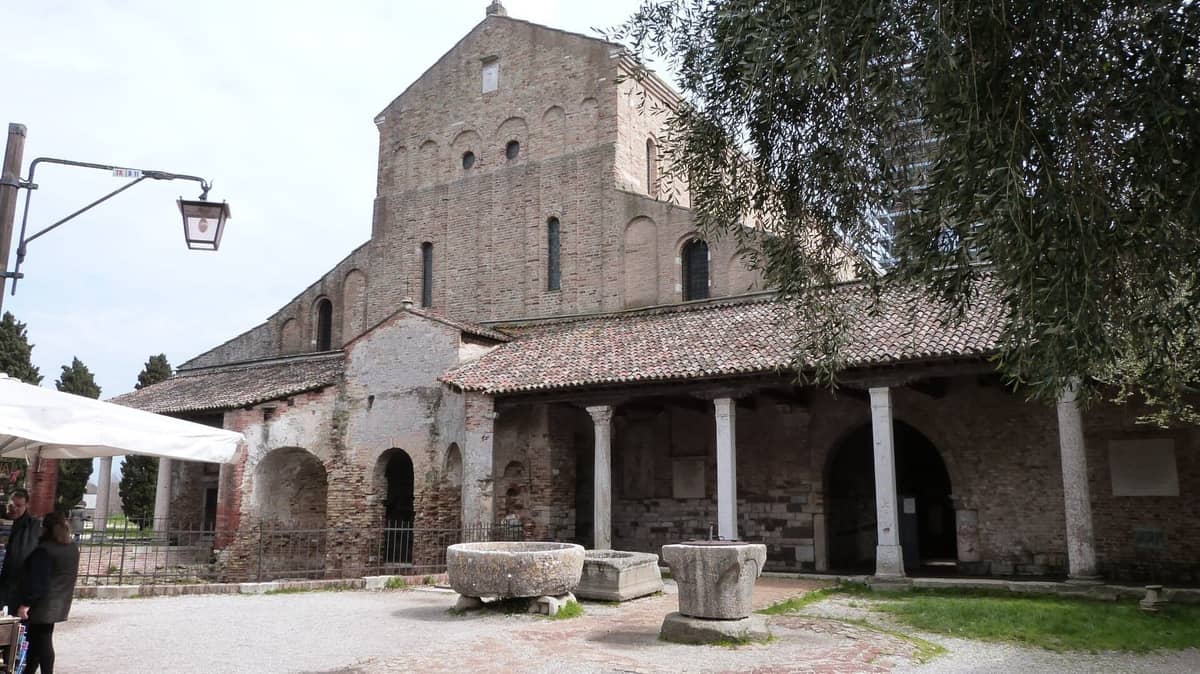
6. See the Lagoon's Greatest Byzantine Mosaics at Torcello Cathedral
Founded in 639 AD, this is the oldest building in the Venetian Lagoon. The west wall carries a monumental Last Judgment mosaic of extraordinary scale and quality, comparable to Ravenna. The adjacent Church of Santa Fosca and small museum round out a remarkable ensemble.
Explore6. See the Lagoon's Greatest Byzantine Mosaics at Torcello Cathedral
Founded in 639 AD, this is the oldest building in the Venetian Lagoon. The west wall carries a monumental Last Judgment mosaic of extraordinary scale and quality, comparable to Ravenna. The adjacent Church of Santa Fosca and small museum round out a remarkable ensemble.
ExploreSan Giorgio Maggiore & Giudecca: Islands of the South Basin
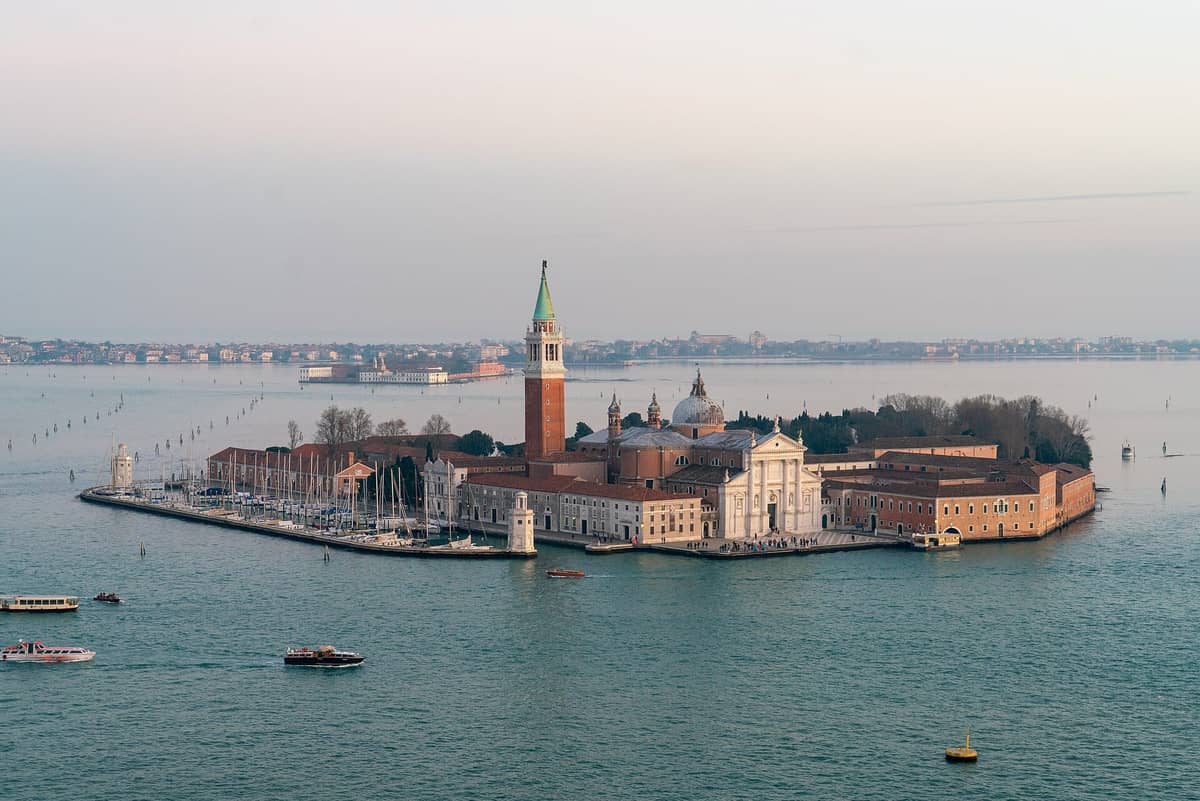
These two islands sit just south of the main city and are reached by short vaporetto crossings, yet they feel distinctly different from the crowds of San Marco and Dorsoduro. San Giorgio Maggiore is visible from virtually every point in the city; Giudecca is a quiet residential strip that most visitors see only from the water. For the best views of Venice itself, including from the top of San Giorgio's campanile, the best views in Venice guide ranks the top panoramic spots across the city and the lagoon.
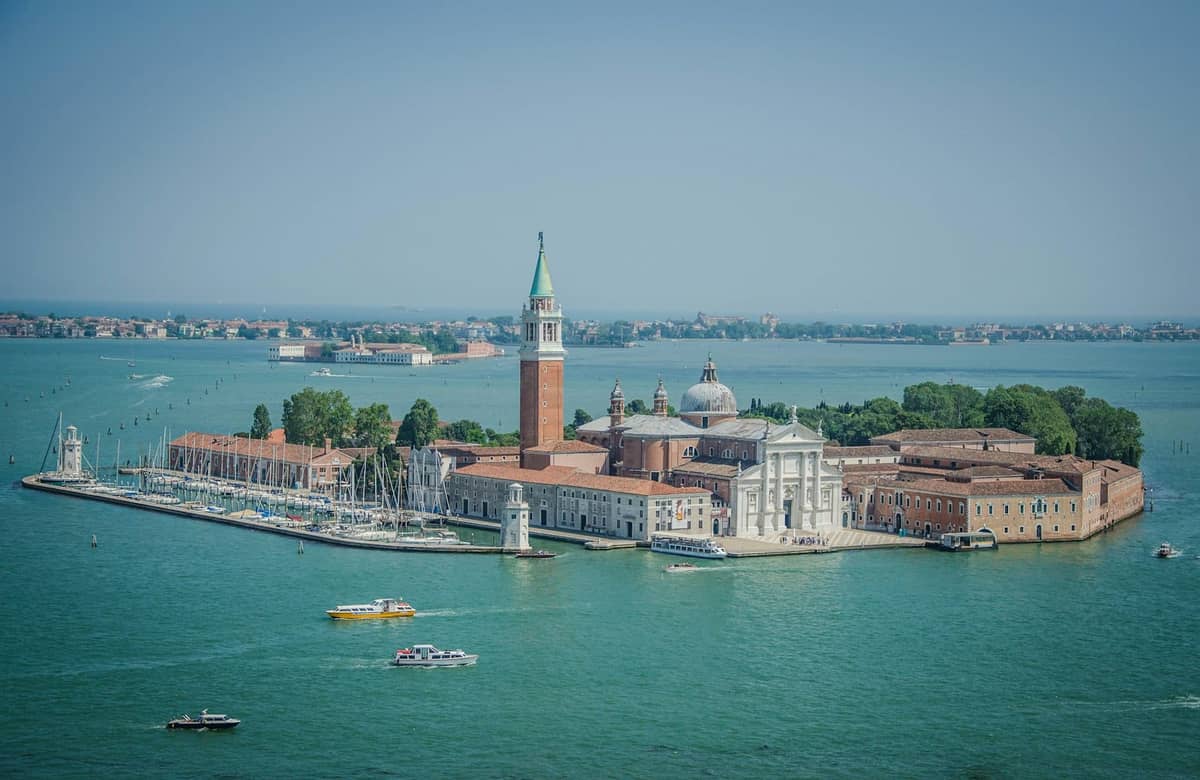
7. Climb San Giorgio Maggiore's Campanile for the Best View in Venice
The vaporetto crossing from San Marco takes two minutes, but the perspective shift is dramatic. Palladio's white church contains two late Tintorettos, and the campanile lift delivers a 360-degree panorama that rivals, and arguably beats, St. Mark's Campanile across the water.
Explore7. Climb San Giorgio Maggiore's Campanile for the Best View in Venice
The vaporetto crossing from San Marco takes two minutes, but the perspective shift is dramatic. Palladio's white church contains two late Tintorettos, and the campanile lift delivers a 360-degree panorama that rivals, and arguably beats, St. Mark's Campanile across the water.
Explore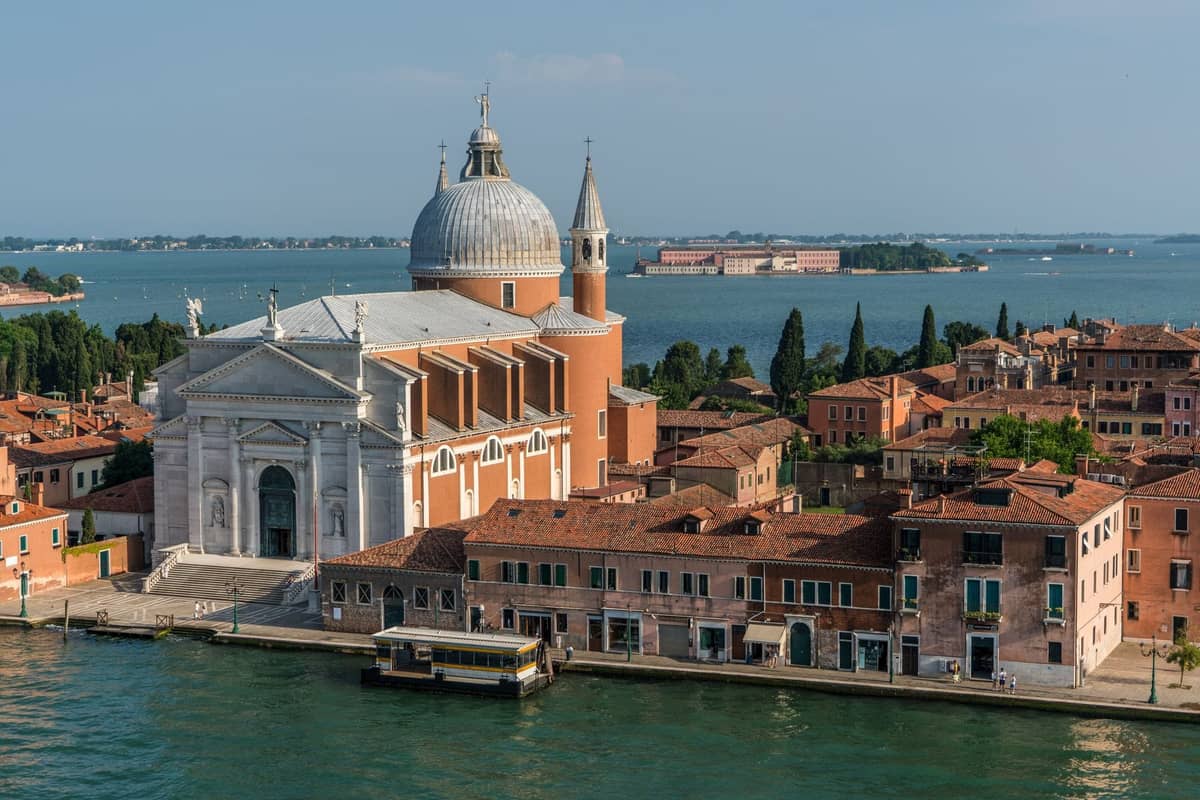
8. Walk the Quiet Waterfront of Giudecca Away from the Crowds
Giudecca's long fondamenta faces Dorsoduro and Zattere across the canal, offering unhurried walking, local cafés, and historic industrial buildings repurposed as hotels and studios. It takes about 30 minutes to walk the length of the island's main waterfront.
Explore8. Walk the Quiet Waterfront of Giudecca Away from the Crowds
Giudecca's long fondamenta faces Dorsoduro and Zattere across the canal, offering unhurried walking, local cafés, and historic industrial buildings repurposed as hotels and studios. It takes about 30 minutes to walk the length of the island's main waterfront.
Explore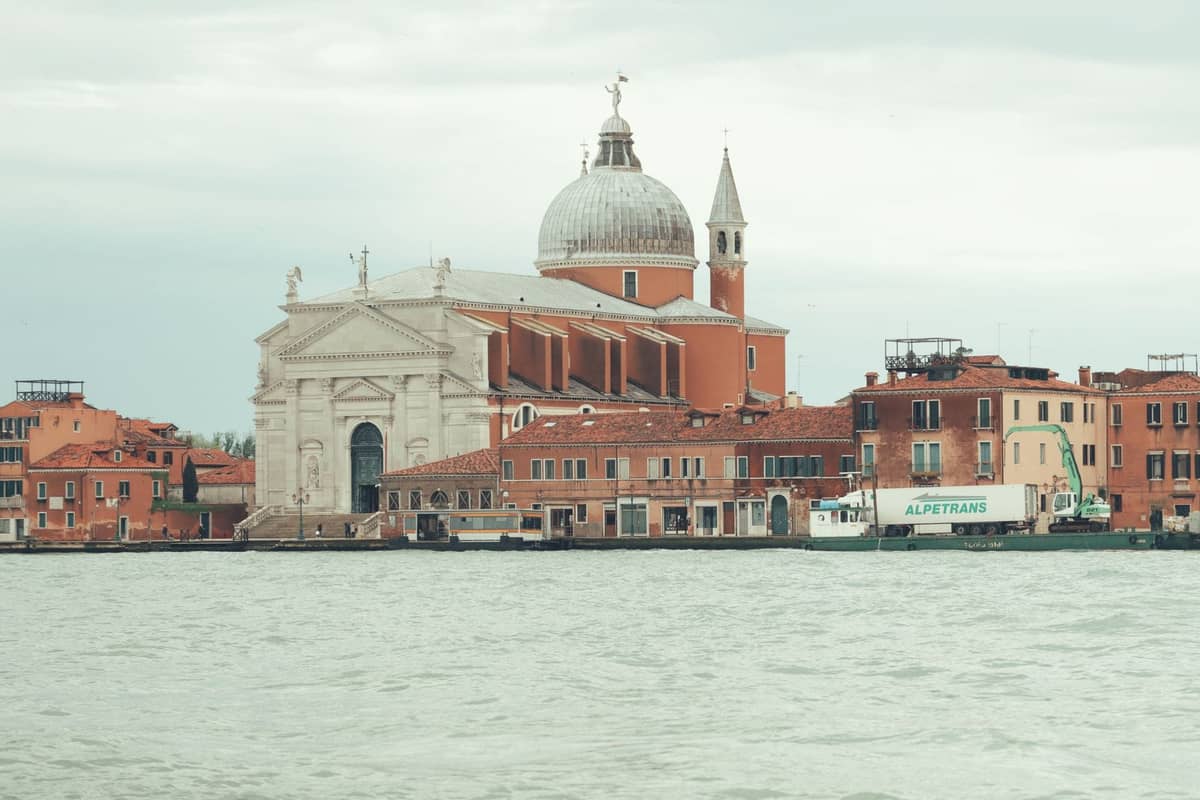
9. Visit Palladio's Masterpiece Chiesa del Redentore on Giudecca
Considered one of the finest Renaissance churches in Italy, the Redentore was built after the plague of 1576 and dominates Giudecca's waterfront. Every July, the Festa del Redentore connects it to Dorsoduro by a temporary pontoon bridge, one of Venice's most spectacular annual events.
Explore9. Visit Palladio's Masterpiece Chiesa del Redentore on Giudecca
Considered one of the finest Renaissance churches in Italy, the Redentore was built after the plague of 1576 and dominates Giudecca's waterfront. Every July, the Festa del Redentore connects it to Dorsoduro by a temporary pontoon bridge, one of Venice's most spectacular annual events.
ExploreThe Lido: Beaches, Film, and Liberty Architecture
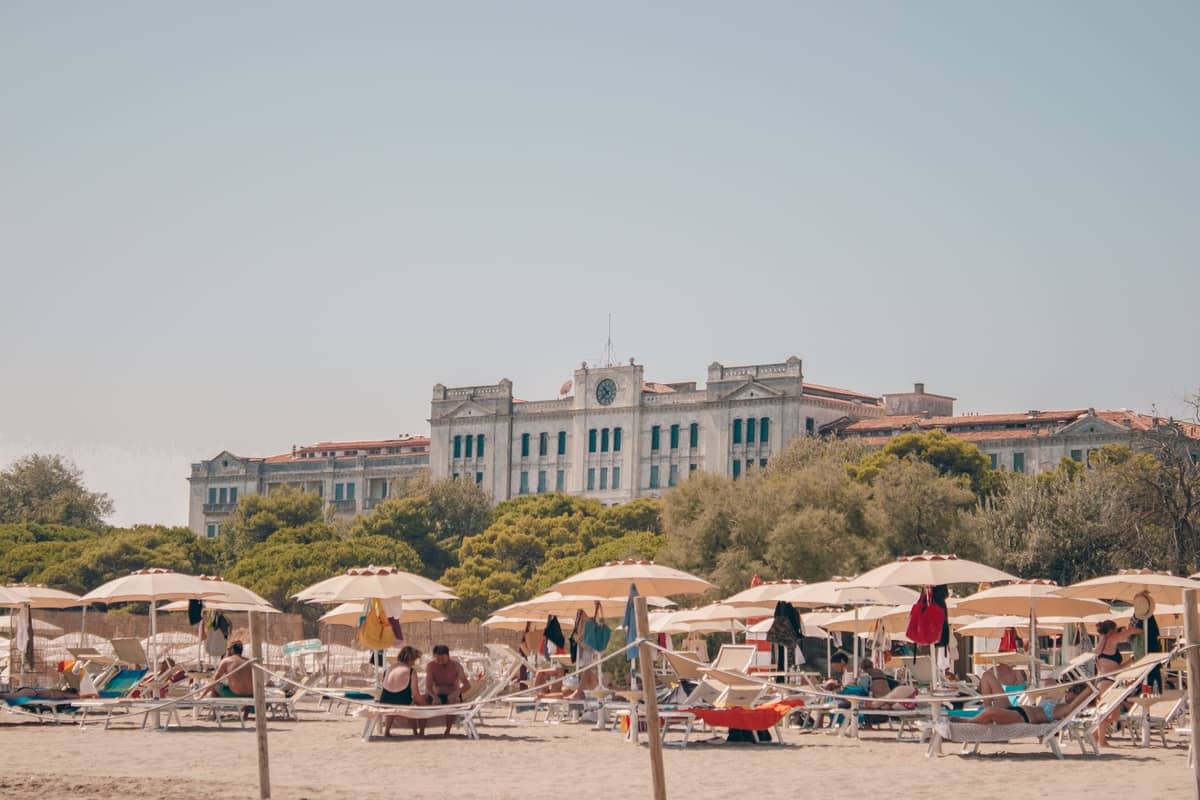
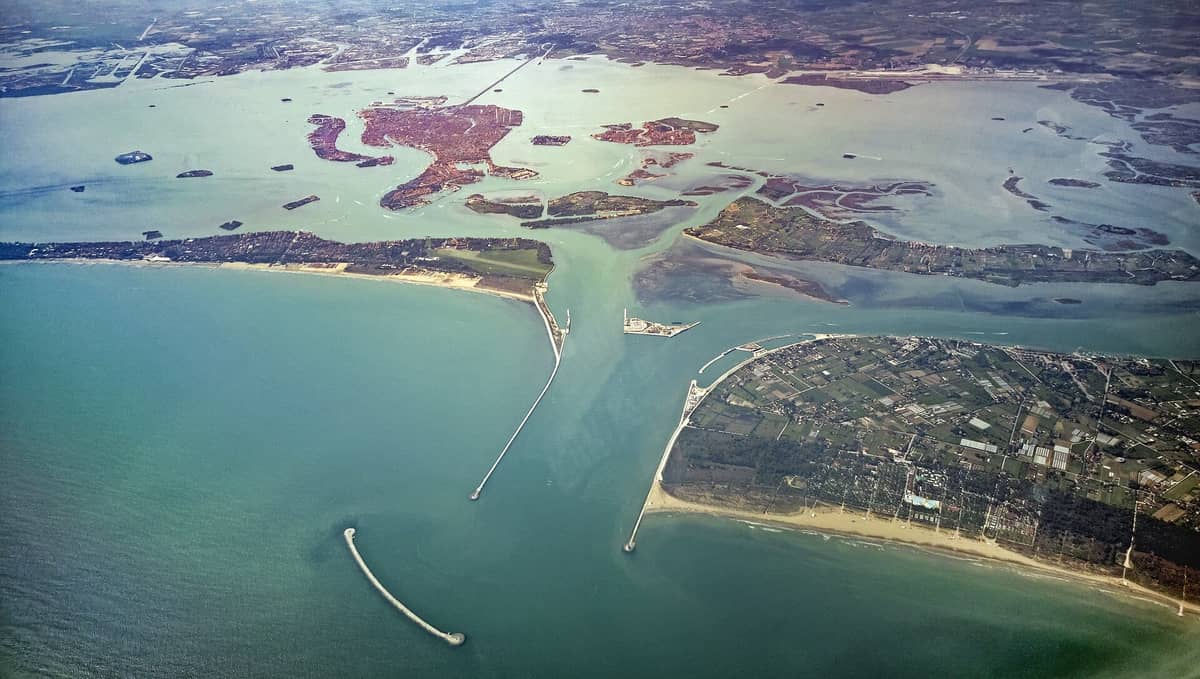
The Lido is a barrier island of a completely different character from the lagoon islands. It has roads, cars, hotels, and an Adriatic beach. Vaporetto Line 1 and Line 2 connect it to San Marco in about 15 minutes. The island hosts the Venice Film Festival each September and has a rich Liberty-style architectural heritage along its lungomare. For a fuller picture of when to visit for the film festival specifically, the Venice Film Festival guide covers the event's logistics and public access in detail.
10. Explore the Lido's Elegant Liberty Architecture and Lagoon Views
The Lido's tree-lined streets are studded with ornate early 20th-century villas and hotels built during its belle époque heyday. Rent a bicycle to cover the full length of the island, from the grand Hotel des Bains to the wild free beaches at Alberoni in the south.
Explore10. Explore the Lido's Elegant Liberty Architecture and Lagoon Views
The Lido's tree-lined streets are studded with ornate early 20th-century villas and hotels built during its belle époque heyday. Rent a bicycle to cover the full length of the island, from the grand Hotel des Bains to the wild free beaches at Alberoni in the south.
Explore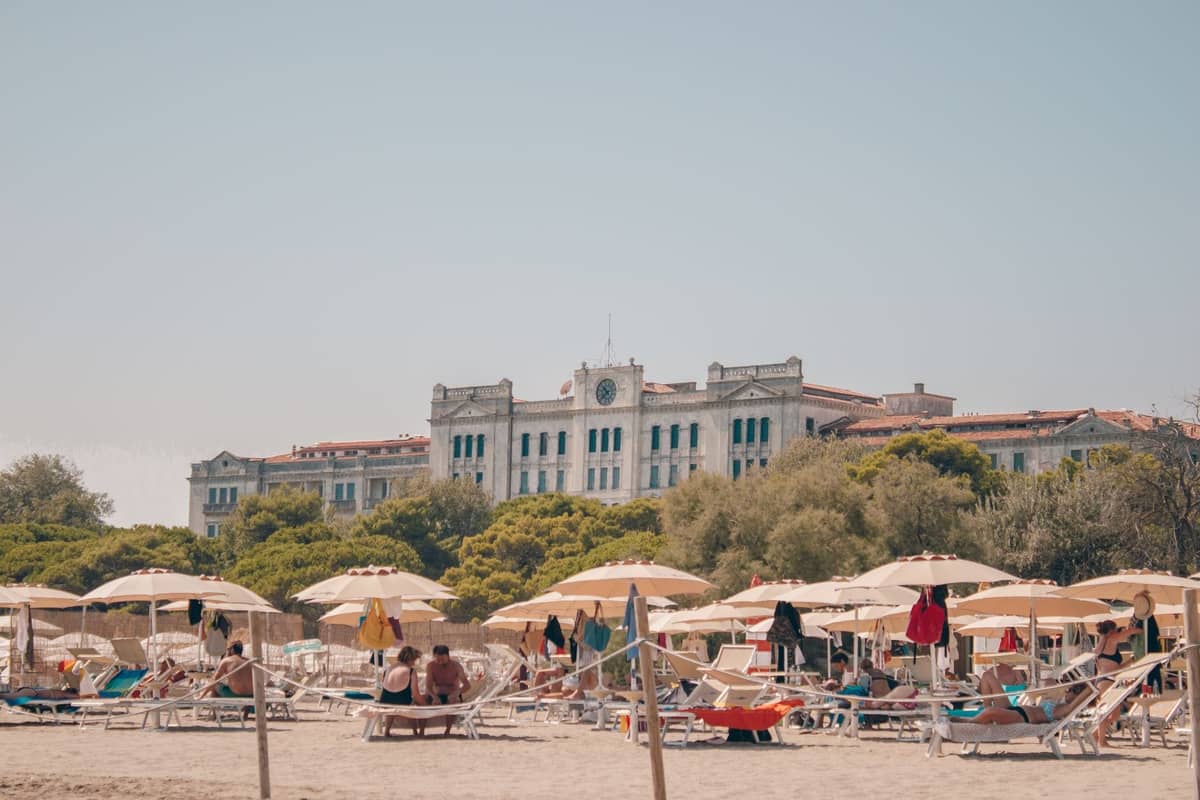
11. Spend a Day on the Adriatic at the Lido Beach
The Lido's long Adriatic shoreline is the only proper beach in the Venice area. Private beach clubs (stabilimenti balneari) line the main lungomare with sun loungers and full service, while free beaches at Alberoni offer a wilder alternative. The beach scene is relaxed and family-friendly.
Explore11. Spend a Day on the Adriatic at the Lido Beach
The Lido's long Adriatic shoreline is the only proper beach in the Venice area. Private beach clubs (stabilimenti balneari) line the main lungomare with sun loungers and full service, while free beaches at Alberoni offer a wilder alternative. The beach scene is relaxed and family-friendly.
Explore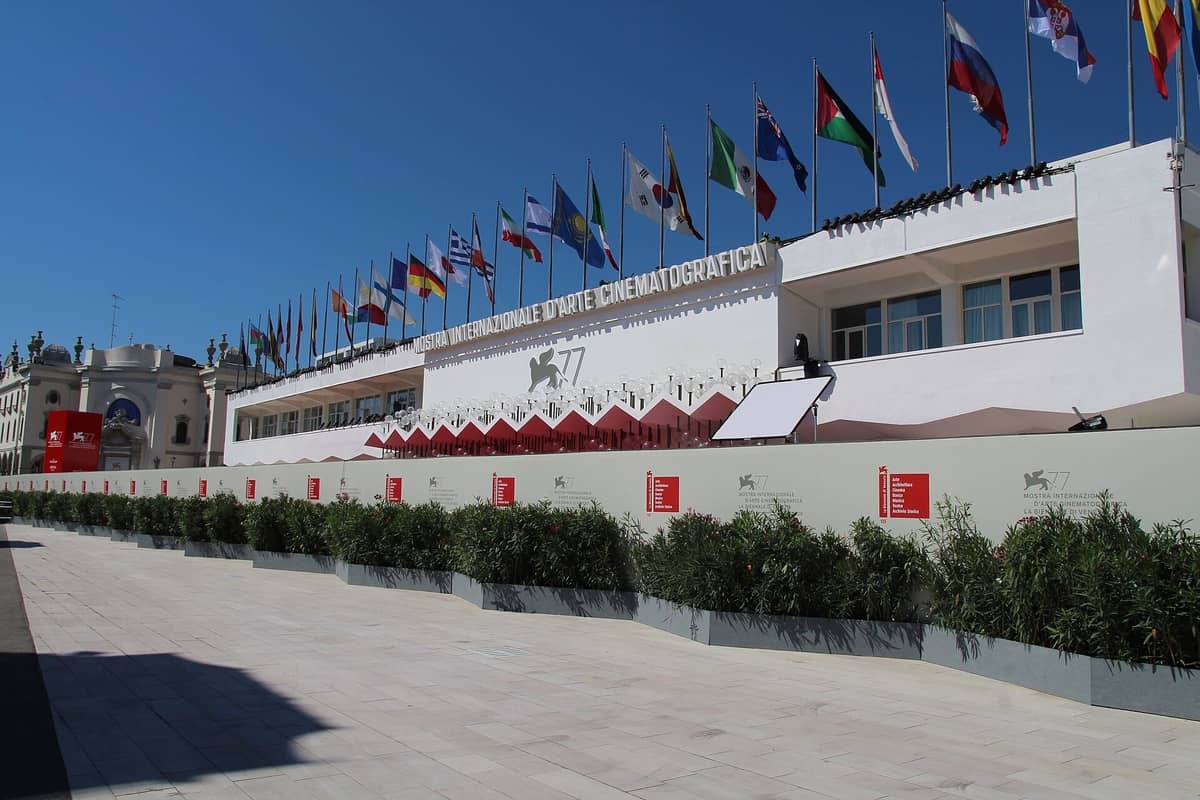
12. Experience the World's Oldest Film Festival at the Palazzo del Cinema
Every September the Lido hosts the Venice Film Festival, the world's oldest cinema event. Beyond the red carpet, public screenings are available and the Palazzo del Cinema area draws a notably different crowd from the rest of the lagoon. Worth timing a trip around if cinema matters to you.
Explore12. Experience the World's Oldest Film Festival at the Palazzo del Cinema
Every September the Lido hosts the Venice Film Festival, the world's oldest cinema event. Beyond the red carpet, public screenings are available and the Palazzo del Cinema area draws a notably different crowd from the rest of the lagoon. Worth timing a trip around if cinema matters to you.
ExploreThe Cemetery Island & the Quiet Northern Lagoon
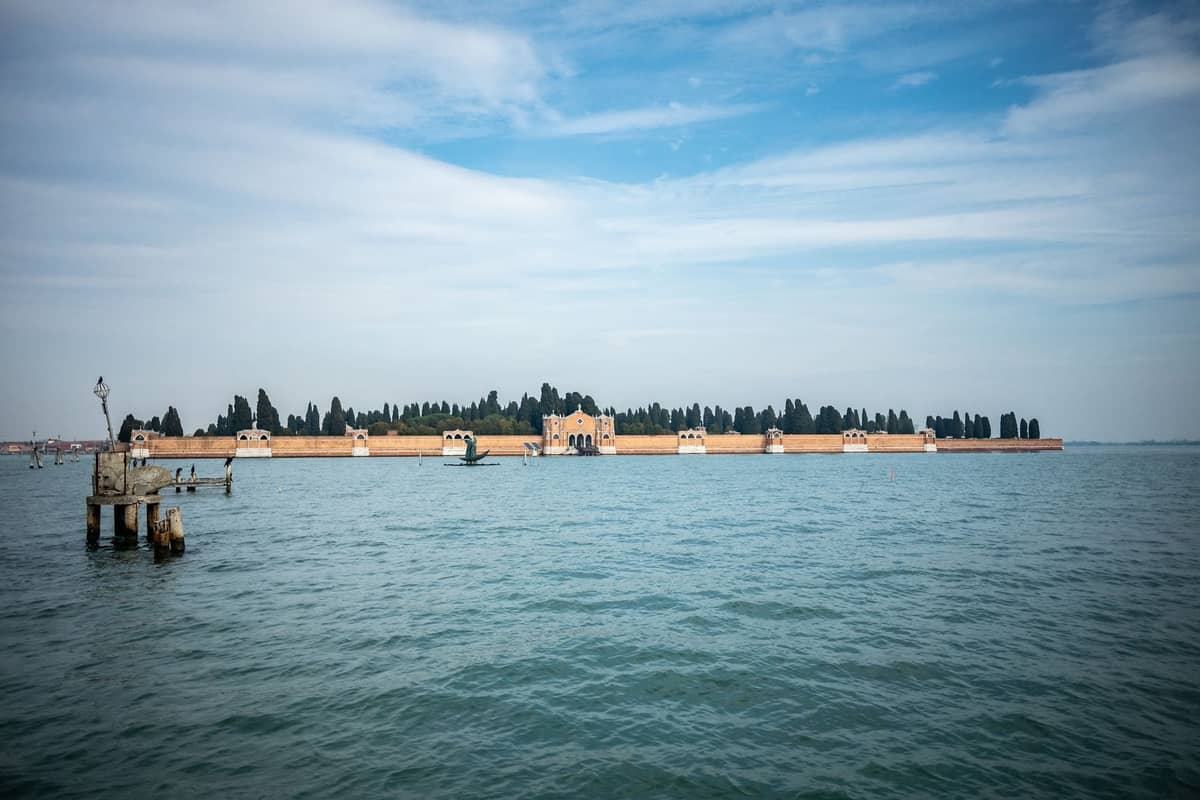
Beyond the famous trio of Murano, Burano, and Torcello, the northern lagoon contains islands that reward curious travelers willing to go further. San Michele is a five-minute vaporetto ride from Fondamente Nove and can be combined with a trip to Murano. Sant'Erasmo is a genuine agricultural island with a completely different pace. For travelers interested in the less-visited corners of the lagoon, the hidden gems guide covers Sant'Erasmo and several other overlooked spots in more detail.
13. Pay Respects at Venice's Atmospheric Cemetery Island, San Michele
San Michele's high brick walls enclose the entire island cemetery, the burial place of Stravinsky, Ezra Pound, and Diaghilev. The 15th-century church by Codussi is one of the earliest Renaissance buildings in Venice. Combine it with a Murano trip; the islands are adjacent.
Explore13. Pay Respects at Venice's Atmospheric Cemetery Island, San Michele
San Michele's high brick walls enclose the entire island cemetery, the burial place of Stravinsky, Ezra Pound, and Diaghilev. The 15th-century church by Codussi is one of the earliest Renaissance buildings in Venice. Combine it with a Murano trip; the islands are adjacent.
Explore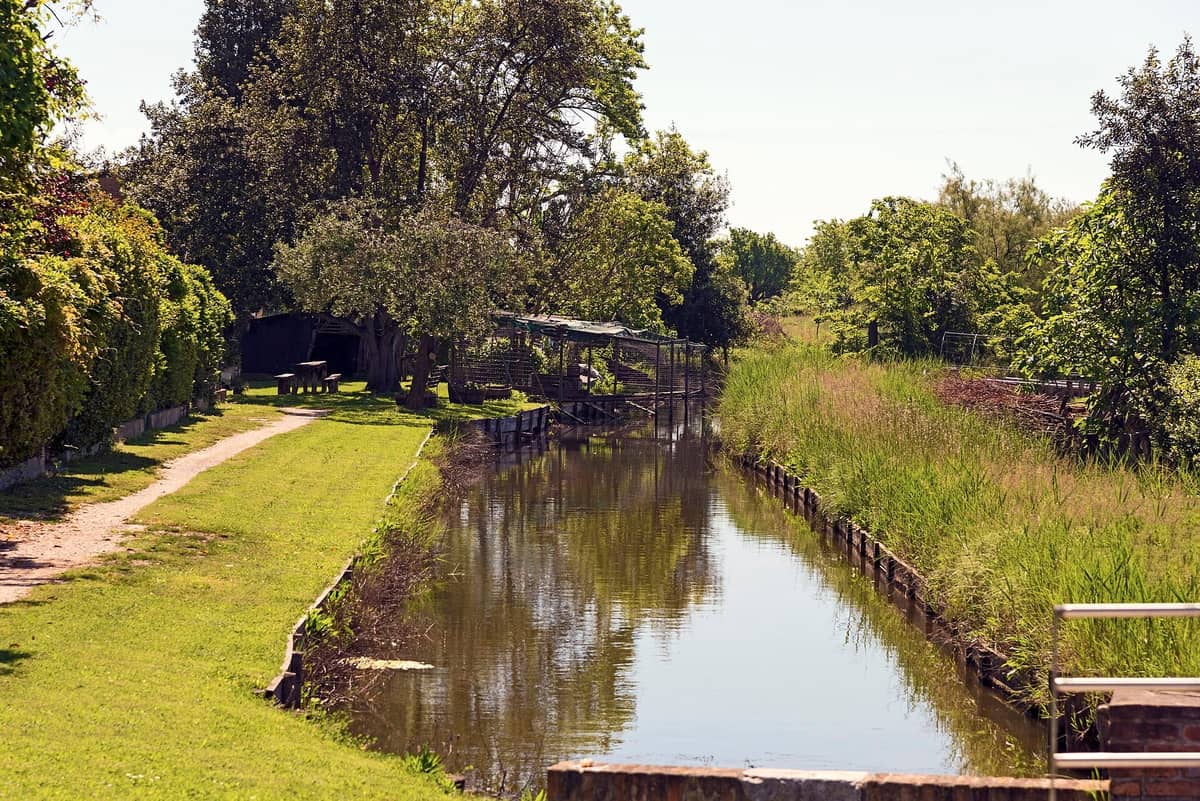
14. Cycle Through Venice's Kitchen Garden on Sant'Erasmo Island
Sant'Erasmo grows the vegetables that feed Venice: artichokes, asparagus, and wine grapes cultivated in flat fields crossed by quiet paths. Rent a bicycle from the ferry stop and spend a morning cycling past canals, vineyards, and the 19th-century Torre Massimiliana. Almost no tourist infrastructure.
Explore14. Cycle Through Venice's Kitchen Garden on Sant'Erasmo Island
Sant'Erasmo grows the vegetables that feed Venice: artichokes, asparagus, and wine grapes cultivated in flat fields crossed by quiet paths. Rent a bicycle from the ferry stop and spend a morning cycling past canals, vineyards, and the 19th-century Torre Massimiliana. Almost no tourist infrastructure.
ExploreFurther Afield: Pellestrina & Chioggia
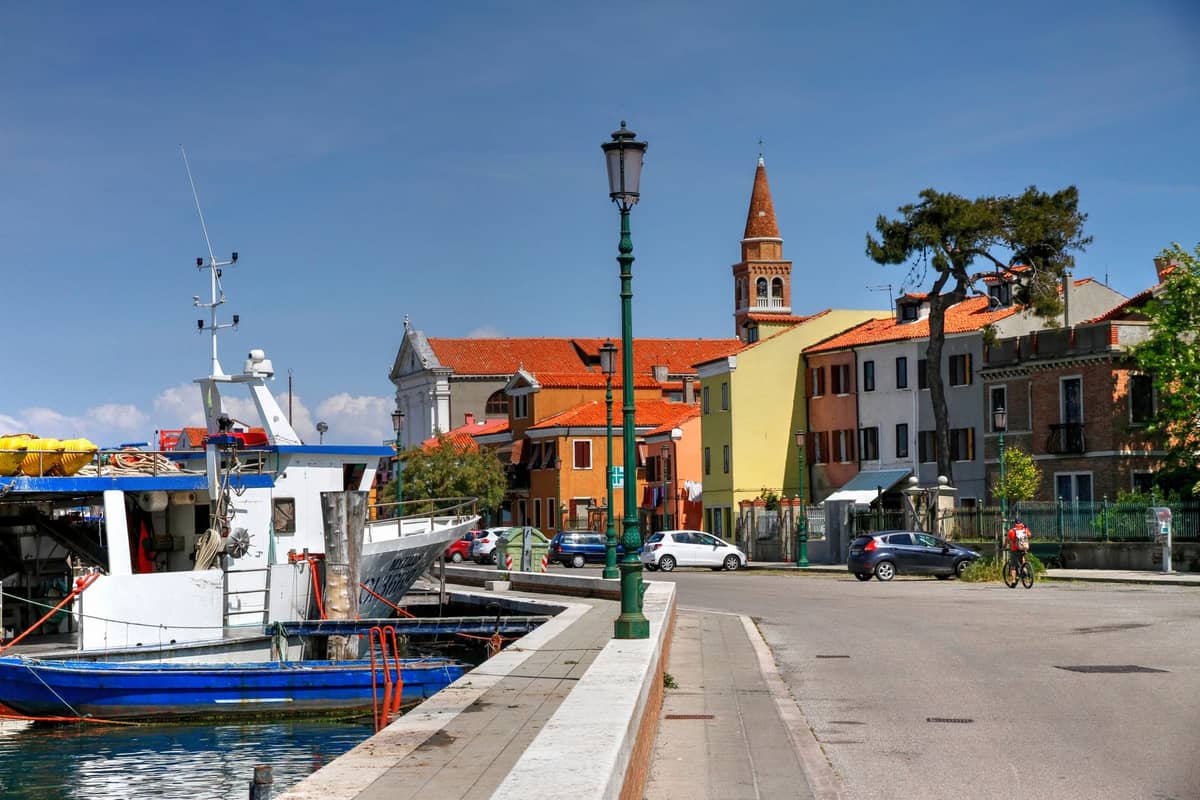
The southern lagoon is the least visited part of the whole system. Pellestrina and Chioggia require more time and commitment than the northern islands, but they offer something genuinely different: fishing communities and lagoon landscapes that have changed little in decades. This is the right direction to head if you want a day that feels like a discovery rather than a tour. Check our day trips from Venice guide for the full logistics of reaching Chioggia by combined vaporetto and bus from the Lido.
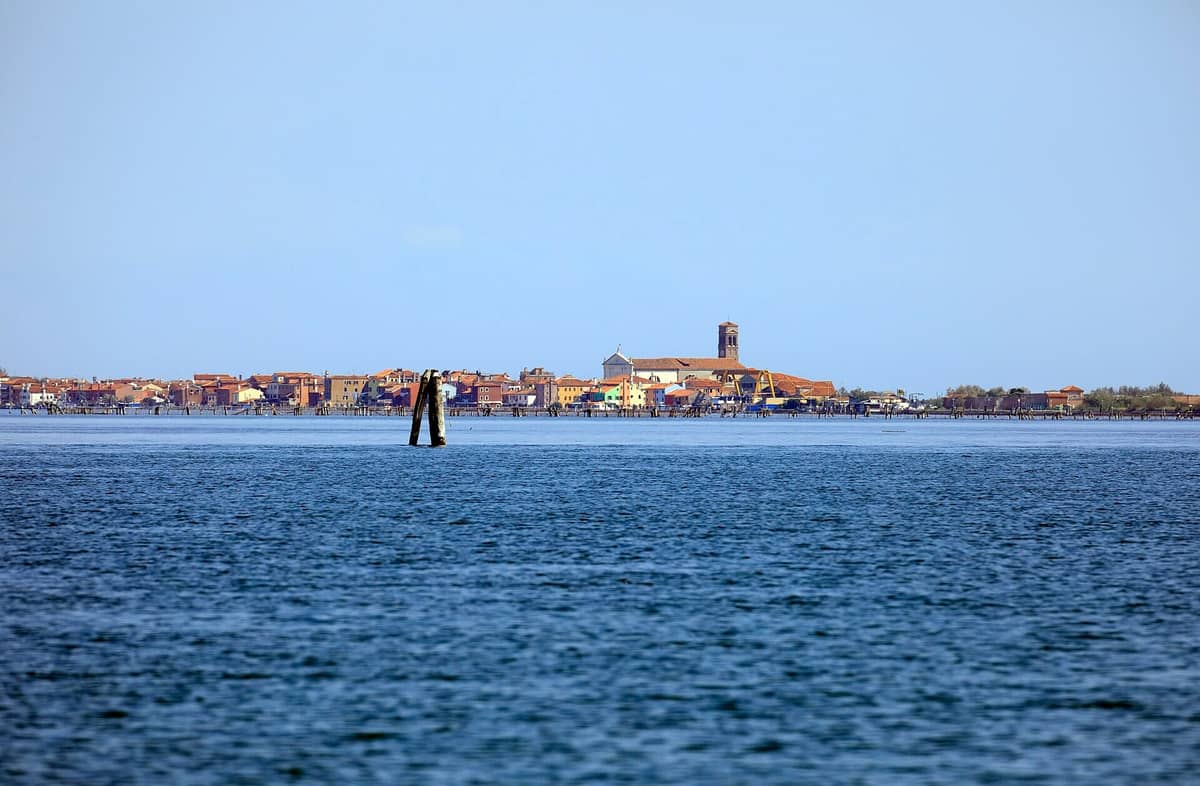
15. Find Solitude and Seafood on the Narrow Barrier Island of Pellestrina
Pellestrina is a strip of land barely 500 meters wide in places, with painted fishing houses, a few trattorias, and views across both the lagoon and the Adriatic. Almost no other tourists come here. The journey by vaporetto from the Lido is scenic and takes about 30 minutes.
Explore15. Find Solitude and Seafood on the Narrow Barrier Island of Pellestrina
Pellestrina is a strip of land barely 500 meters wide in places, with painted fishing houses, a few trattorias, and views across both the lagoon and the Adriatic. Almost no other tourists come here. The journey by vaporetto from the Lido is scenic and takes about 30 minutes.
Explore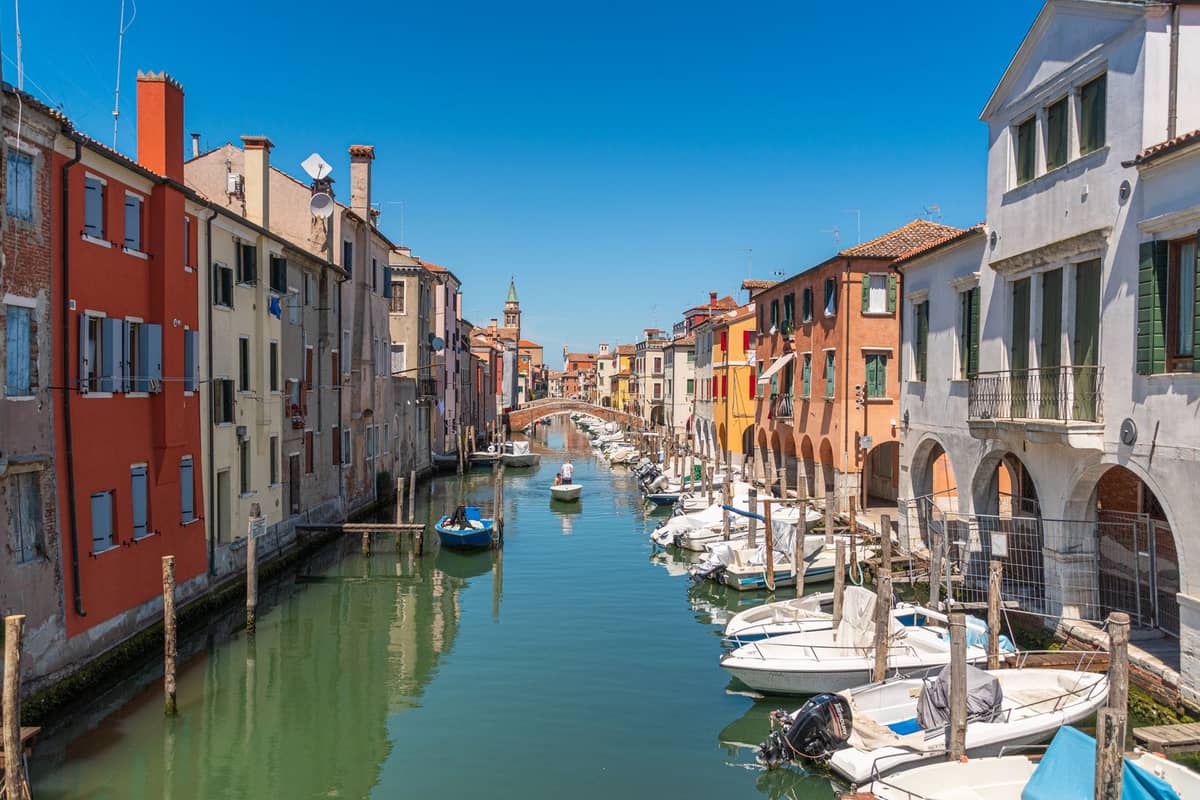
16. Explore the Working Fishing Town of Chioggia at the Lagoon's Southern End
Chioggia has its own canals, a genuine fish market, and a local character shaped entirely by fishing rather than tourism. It is reached by vaporetto from Pellestrina or bus from the Lido. Prices at restaurants and shops are substantially lower than in Venice proper.
Explore16. Explore the Working Fishing Town of Chioggia at the Lagoon's Southern End
Chioggia has its own canals, a genuine fish market, and a local character shaped entirely by fishing rather than tourism. It is reached by vaporetto from Pellestrina or bus from the Lido. Prices at restaurants and shops are substantially lower than in Venice proper.
Explore✨ Pro tip
On the same day ticket, you can combine Murano, Burano, and Torcello by taking Line 12 from Fondamente Nove via Murano and Mazzorbo. Depart before 9am to reach Burano before the day-trip boats arrive. Visit Torcello first (quieter in the morning), then Burano, then stop in Murano on the way back.
💡 Local tip
A standard ACTV travel card covers all regular vaporetto routes to the lagoon islands, including Murano, Burano, Torcello, Giudecca, San Giorgio Maggiore, San Michele, and the Lido (airport boats are excluded). Buy a 24-hour or 48-hour pass at Fondamente Nove or online before your island day.
FAQ
How do I get to Murano, Burano, and Torcello from Venice?
All three are reached by ACTV vaporetto from Fondamente Nove in Cannaregio. Line 4.1 or 4.2 runs to Murano in about 15 minutes. Line 12 then runs from Fondamente Nove via Murano to Mazzorbo, Burano (about 45 minutes from Fondamente Nove), and Torcello. A short Line 9 ferry connects Burano to Torcello directly. Standard ACTV travel passes cover all these routes.
Can you visit Murano, Burano, and Torcello in one day?
Yes, but it's a full day. Leave Fondamente Nove by 8:30am, take Line 12 to Torcello first (least crowded in the morning), then ferry to Burano for lunch, then Line 12 back via Murano in the afternoon. You'll need 45-60 minutes on Torcello, 2 hours on Burano, and 1-2 hours on Murano.
How do I avoid crowds on Burano?
Burano receives heavy day-trip traffic from around 10am to 3pm. Taking the first or second Line 12 departure from Fondamente Nove (before 9am) puts you on the island before the main wave arrives. Alternatively, visit late afternoon when most day-trippers have left.
Is the Murano glass sold in Venice the same as glass made on Murano?
No. Much glass sold in Venice's shops is imported from elsewhere. Genuine Murano glass carries the Vetro Artistico Murano trademark. The safest approach is to buy directly from a furnace or verified showroom on the island itself, where you can watch the glass being made.
What is the best lesser-known lagoon island to visit?
Sant'Erasmo is the most rewarding for travelers who want something completely different. It's a flat agricultural island with almost no tourist infrastructure, excellent for cycling, and easy to reach on Line 13 from Fondamente Nove. Pellestrina, reached via the Lido, is equally authentic and almost entirely unvisited by tourists.